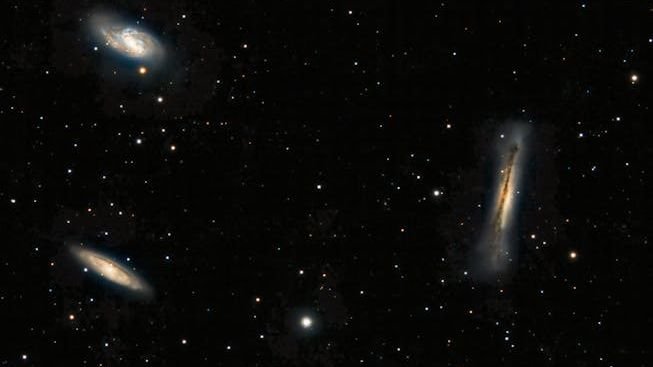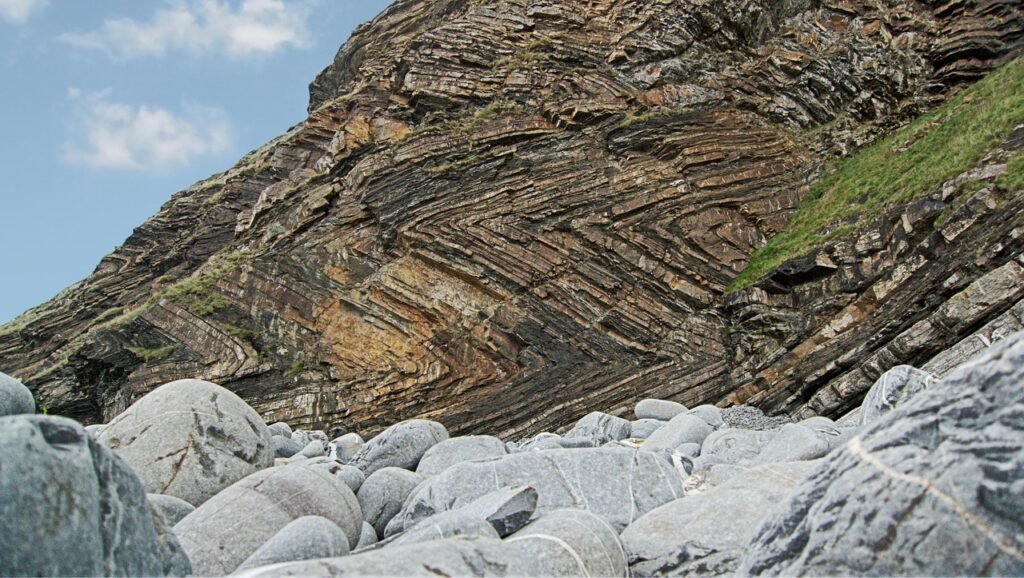

Our planet looks solid and predictable from the outside, but once you start digging into Earth’s geology, things get weird fast. Beneath every familiar landscape there’s a story that doesn’t quite add up, gaps in the script where even the best scientists shrug and say, “We’re not totally sure yet.” That tension between what we know and what we still can’t explain is exactly what makes geology so strangely addictive.
Some of these mysteries are buried miles below our feet, in places no human will ever reach. Others are right in front of us: a continent that used to sit at the South Pole, a patch of ocean that stubbornly refuses to follow the rules, a stretch of rock that says life exploded on Earth for reasons we still can’t pin down. Think of this as a tour of the planet’s unsolved puzzles – the ones that keep geologists awake at night and make the rest of us look at the ground a little differently.
The Puzzling Origin of Earth’s Water
Here’s a wild thought: the glass of water on your desk might have started its journey in deep space long before Earth even existed. The classic story goes that water arrived on early Earth via countless icy comets and water-rich asteroids smashing into a young, molten planet. But when scientists closely compare the chemical fingerprints of Earth’s water with that of many comets, the match is surprisingly off, like trying to fit the wrong key into a lock.
Some researchers now argue that a lot of our water may have been here from the very beginning, trapped inside the minerals that formed the planet itself. Others think water was dragged inward from the outer solar system on early, chaotic orbits of baby planets and debris. The tricky part is that we’re trying to reconstruct these events from rocks and isotopes billions of years old, and the evidence is patchy at best. We know Earth somehow became a watery world in a mostly dry solar system – but the exact recipe is still a mystery.
The Great Unconformity: A Missing Billion Years of Rock
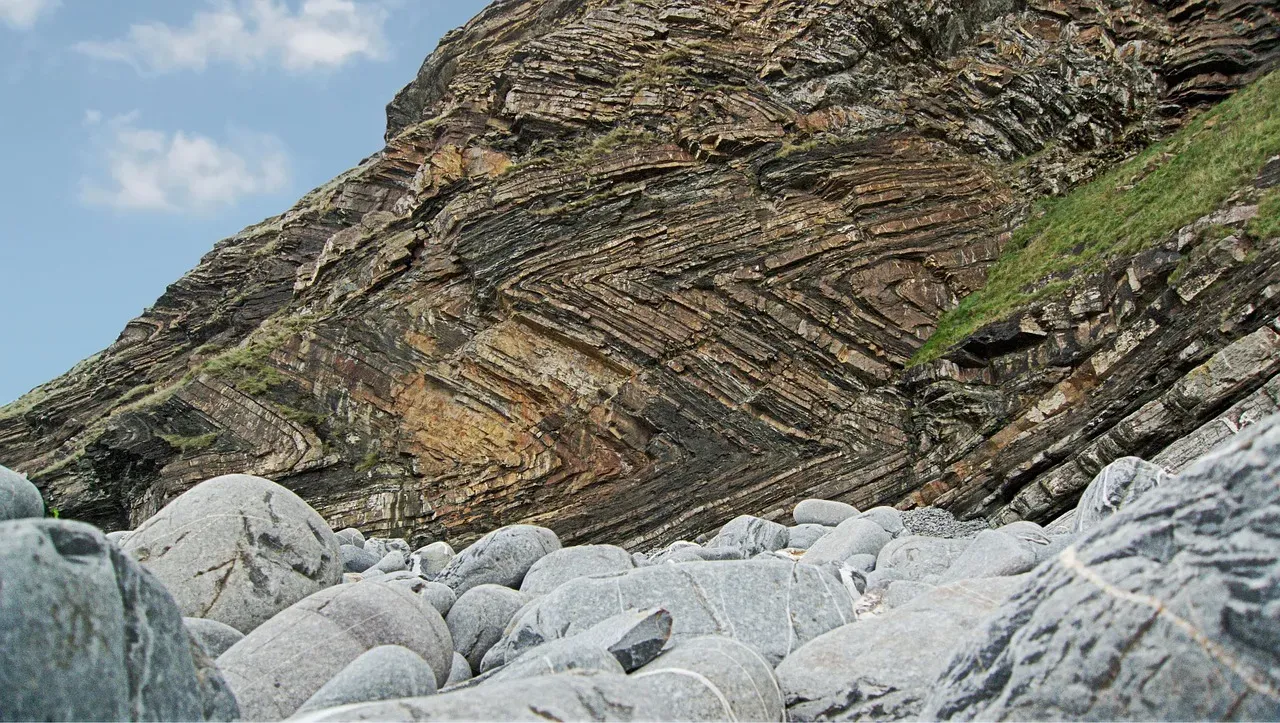
In some parts of the world, if you walk up to a cliff face, you can literally put your hand on a time gap so big it’s almost uncomfortable to think about. This gap is called the Great Unconformity, and it shows up where very old rocks, more than a billion years in age, are suddenly overlain by much younger layers, skipping hundreds of millions of years in between. It’s like opening a history book and finding that everything between the ancient world and the Middle Ages has simply vanished.
One popular idea is that this missing rock was scraped away by massive glaciers during a “snowball Earth” phase, when ice spread far toward the equator and radically reshaped the surface. Another possibility is that tectonic forces and erosion slowly shaved off entire mountain ranges and their roots over immense spans of time. The problem is that the gap doesn’t look exactly the same everywhere, and the timing doesn’t line up neatly worldwide. Scientists agree that something huge happened to Earth’s surface – but what exactly removed so much rock, and why it happened when it did, is still up for debate.
The Core Paradox: Why Is Earth’s Inner Core So Weird?
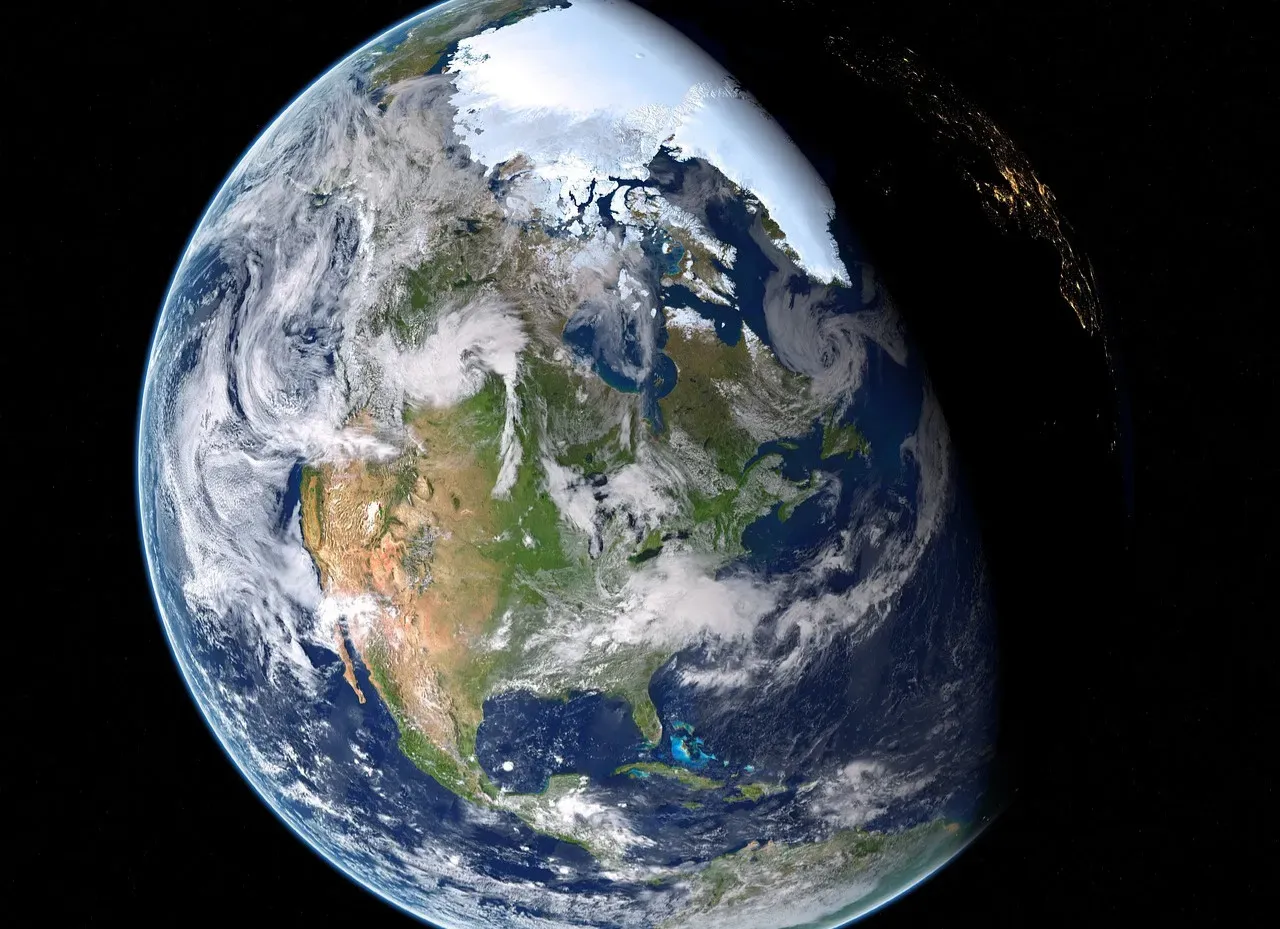
Deep beneath our feet, far below the crust and mantle, lies Earth’s inner core: a solid ball of mostly iron, hotter than the surface of the sun. We can’t see it directly, so scientists study it by watching how seismic waves from earthquakes travel through the planet. Those waves tell a strange story. In some directions, they move faster than in others, suggesting the core is not uniform, but oddly textured and anisotropic in ways that are tough to explain.
To make things stranger, recent research suggests that the inner core might not be a simple solid at all, but more like a combination of different zones: possibly a mushy outer shell, a more solid middle, and even hints of a separate “inner-inner” core with a different crystal structure or orientation. No one can run a full-scale experiment at those pressures and temperatures, so scientists are stuck with lab simulations, computer models, and indirect clues. We know the core helps power Earth’s magnetic field and drives some of our planet’s internal heat, but its exact structure and history still feel like reading a book through a thick, cloudy window.
The Enigma of Plate Tectonics on Earth (and Nowhere Else)
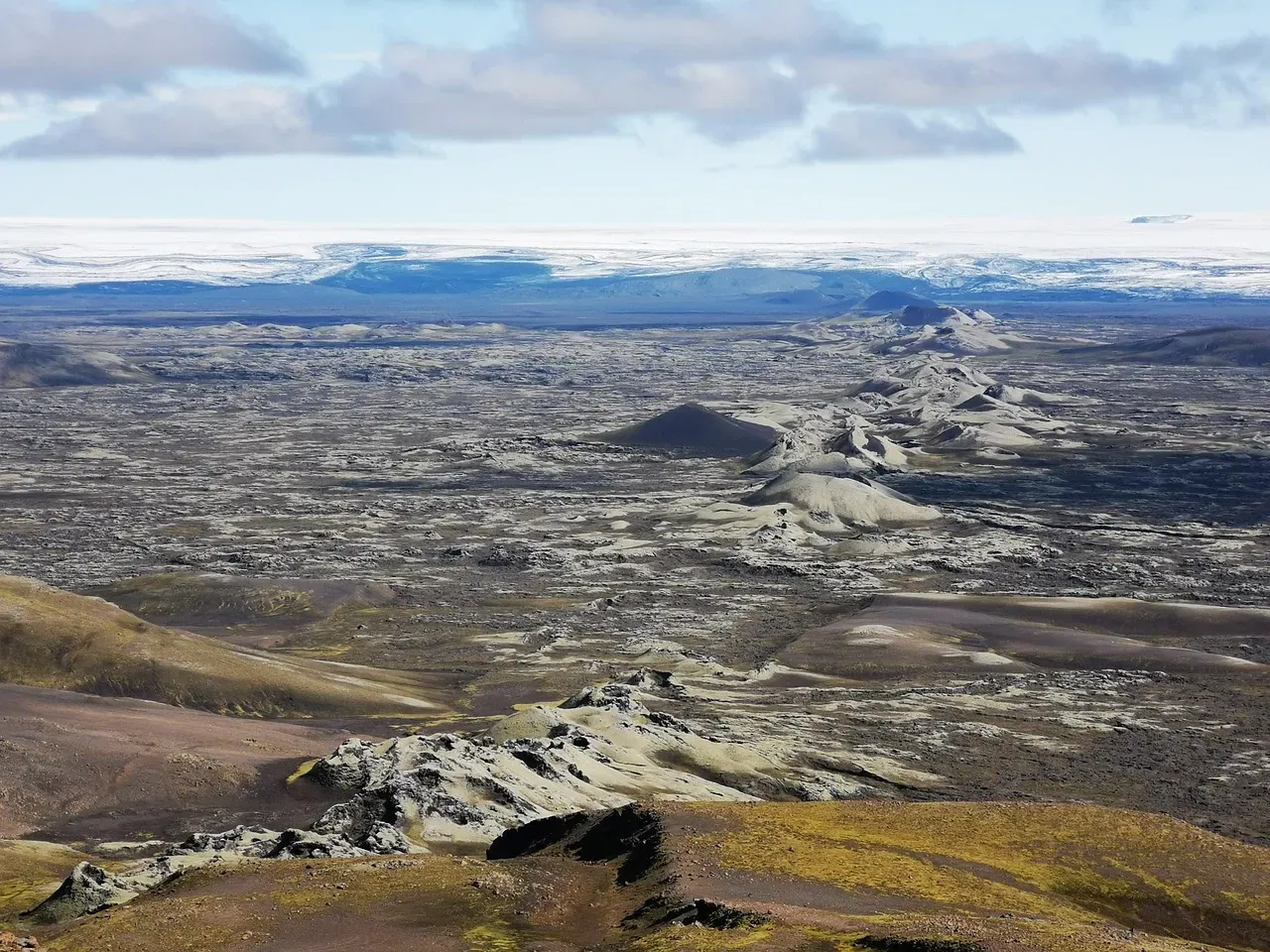
Every school atlas shows continents drifting around like slow-motion ice floes, but the deeper question is why Earth has moving plates at all when other rocky planets seem to be stuck. On Earth, the rigid plates of the crust glide around over the softer mantle, colliding, spreading, and diving under one another in a restless ballet. This process shapes mountains, triggers earthquakes, and recycles the crust – but Mars and Venus, as far as we can tell, don’t play the same game.
Some scientists suspect that Earth’s abundant water lubricates the base of the plates, making subduction and sliding possible. Others point to our planet’s internal heat, the thickness of the crust, or even random early conditions that set Earth apart from its siblings. The frustrating part is that we only have one active example of plate tectonics to study, and a few fossil hints on other worlds. We can describe how plates move now in impressive detail, but why Earth ended up with this dynamic, life-friendly surface while its neighbors froze or baked into stagnant shells remains unresolved.
Supercontinents: Why They Form, Why They Break
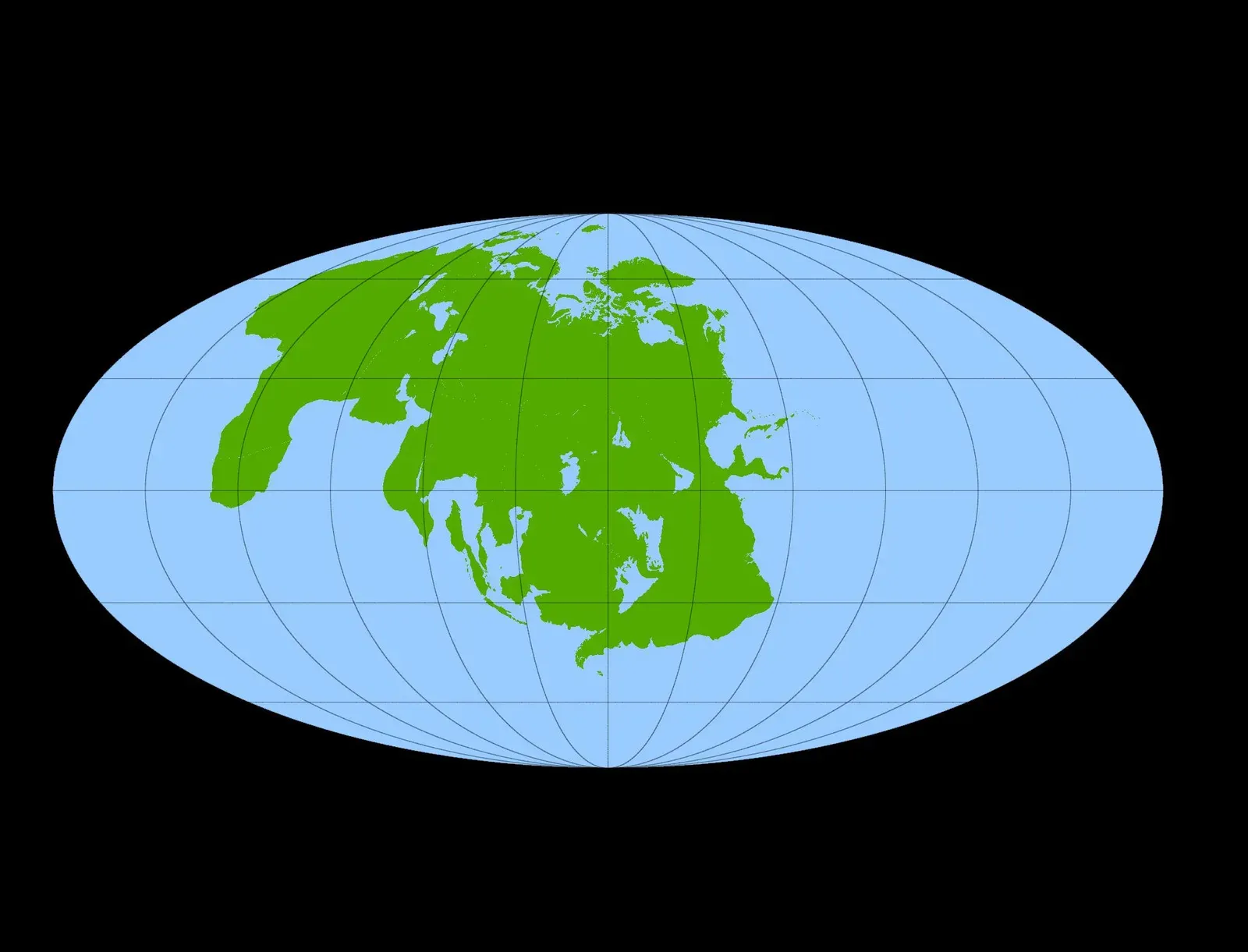
Most people know about Pangaea, the supercontinent that existed about a few hundred million years ago, but Pangaea was just one in a long series. Earlier supercontinents like Rodinia and Nuna seem to have formed, broken apart, and then eventually regrouped into new configurations over billions of years. It’s as if Earth has been rhythmically assembling and smashing together giant landmasses on some kind of slow, cosmic heartbeat we still don’t fully understand.
There are competing models about what drives this supercontinent cycle. Some geologists think giant “upwellings” of hot mantle from deep within the Earth push continents apart, while “cold” slabs of subducting crust pull others together elsewhere. Others suspect that the mantle flow is more chaotic than rhythmic, with patterns emerging only by chance. The timing between supercontinents also seems irregular rather than perfectly cyclical. We know supercontinents reshape climate, oceans, and even life’s evolution, but the master control switch that decides when continents gather and when they scatter is still hazy.
The Mysterious Mantle Plumes and Hotspots
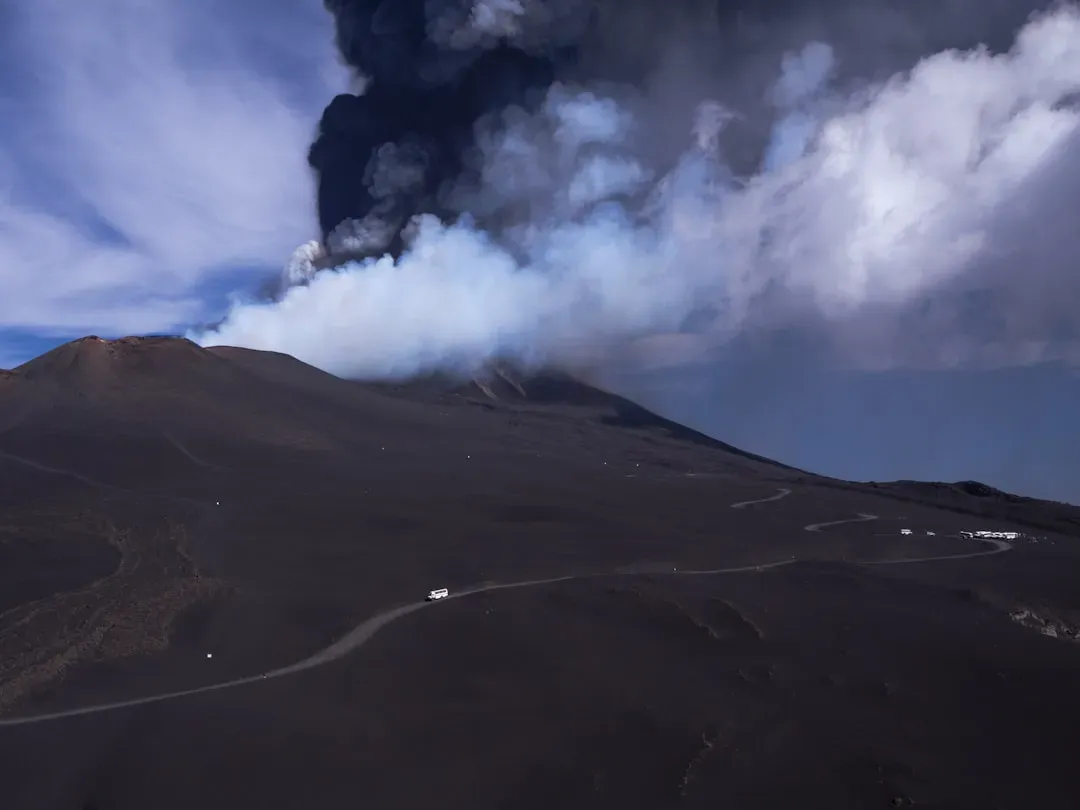
Volcanic chains like Hawaii or Yellowstone are thought to be powered by mantle plumes – narrow, rising columns of hot rock that punch through the moving tectonic plates above. On paper, it’s a neat idea: plates slide over stationary plumes, leaving trails of volcanoes like a conveyor belt over a blowtorch. But when scientists try to actually image these plumes using seismic waves, the picture is surprisingly murky and inconsistent.
Some studies see hints of deep-rooted structures rising from near the core-mantle boundary, while others barely find anything that matches the classic plume concept. Alternative theories suggest that many hotspots might be shallower features created by local stretches and tears in the lithosphere, rather than deep, focused jets of heat. Even where plumes likely do exist, their shapes, origins, and lifespans remain contested. The result is that one of the most widely used ideas in modern geology sits on a foundation that’s far less solid than many people assume.
The Odd Behavior of the Bermuda Triangle of Geology: The South Atlantic Anomaly
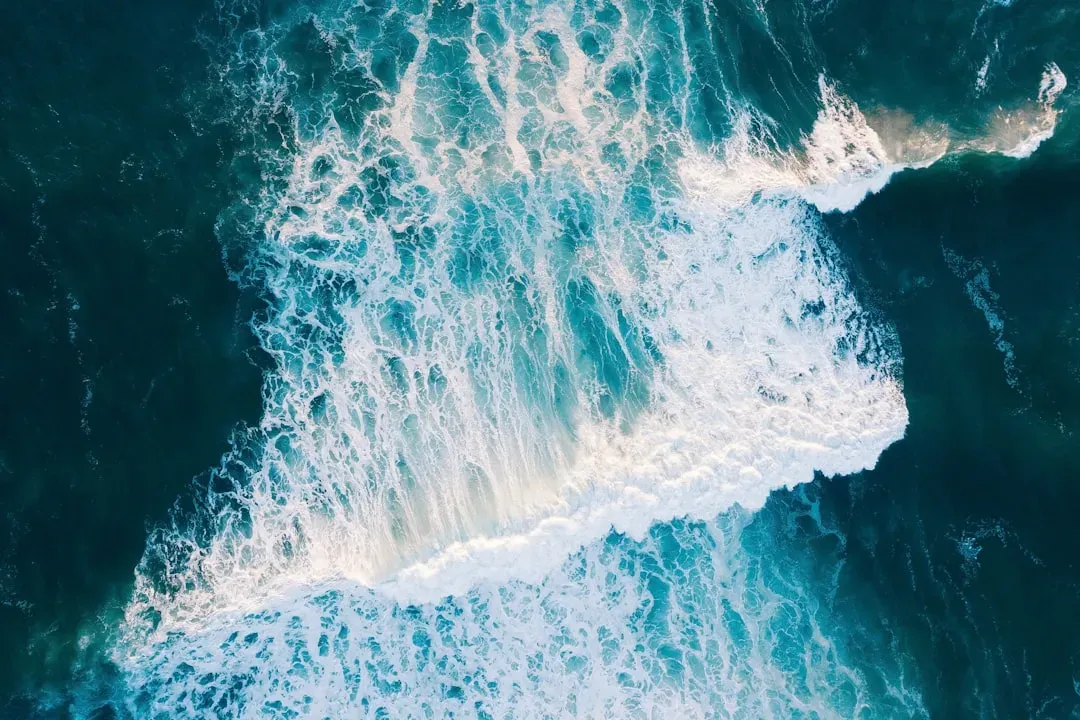
Far above the South Atlantic Ocean, Earth’s magnetic field dips and weakens in a strange, lopsided patch known as the South Atlantic Anomaly. Satellites passing through this region are more vulnerable to radiation and glitches, much like an airplane flying through a permanent storm. This anomaly is growing and shifting over time, suggesting something deep inside the planet is misbehaving in a way scientists don’t fully grasp.
The leading idea is that weird patches of dense rock near the boundary between the core and mantle may be distorting the flow of molten iron in the outer core, warping the magnetic field that shields the planet. Some researchers wonder whether this anomaly is a sign of an upcoming magnetic field reversal, where the poles flip completely, something that has happened many times in the deep past. But the exact connection between these deep structures, the fluid core, and the surface field remains only partially mapped out. We can measure the effects very clearly, but the root cause is still like a shadow we can’t quite turn to face.
The Cambrian Explosion: Why Life Suddenly Went Wild
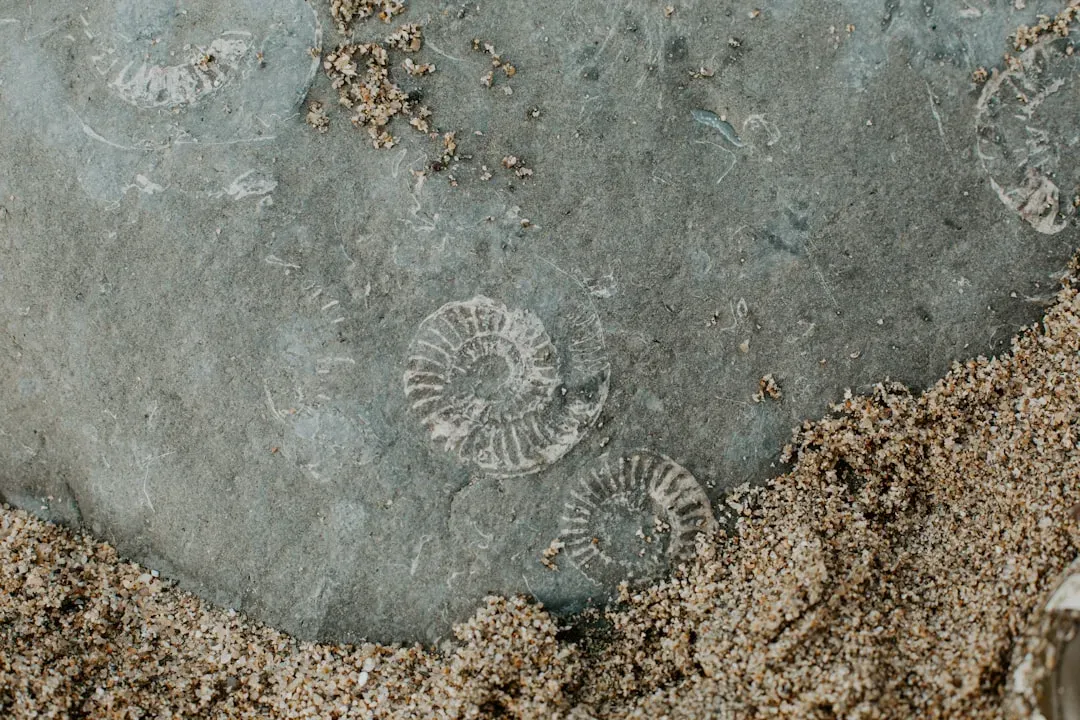
About half a billion years ago, life on Earth seems to have hit the gas pedal. In a relatively short geological window, known as the Cambrian Explosion, complex animals with shells, legs, eyes, and sophisticated body plans appear in the fossil record in a sudden burst. The rocks before this event show mostly simple, soft-bodied organisms, then suddenly there’s a riot of diversity and complexity that looks almost like someone changed the rules overnight.
Scientists have floated a lot of explanations: rising oxygen levels, changes in ocean chemistry, genetic innovations like more flexible developmental toolkits, or ecological arms races as predators and prey co-evolved. The catch is that none of these ideas fully explain the speed and scale of the transformation on their own, and different regions of the world show slightly different patterns. It’s also possible that part of the “suddenness” is a fossil illusion, with earlier complex life simply not preserved as well. Still, the Cambrian rocks stand there like a geological plot twist, hinting at a trigger we don’t yet fully understand.
Mars-Like Valleys on Earth: Did Ancient Megafloods Rewrite the Landscape?
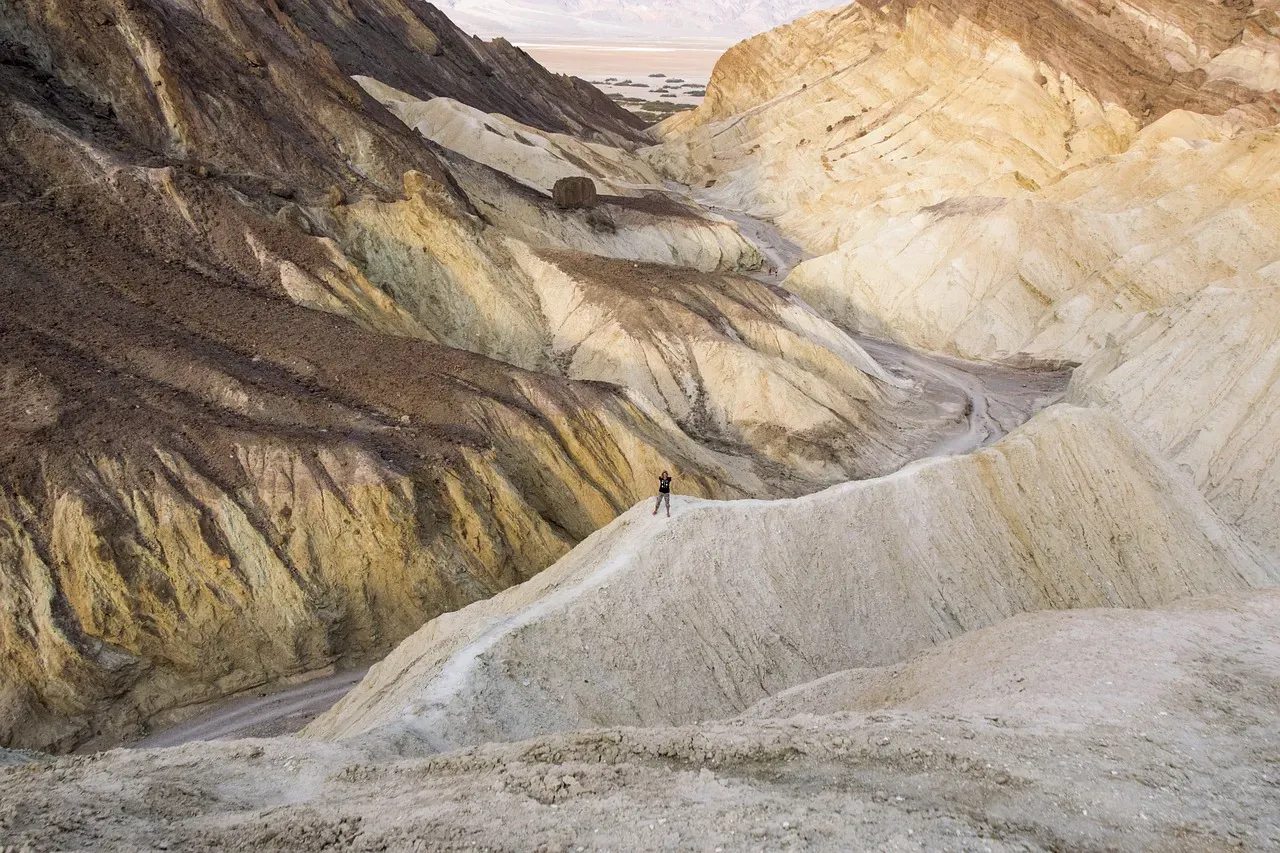
In places like the Channeled Scablands of the northwestern United States, the landscape looks almost alien: enormous dry channels, giant ripple marks, and carved-out basins that seem far too big for the modest rivers that run through them today. For a long time, geologists assumed slow, steady erosion had done the job, but the scale never quite made sense. Eventually, the idea of short-lived, catastrophic megafloods – releasing volumes of water beyond anything in recorded history – gained traction, but even that raises new questions.
Where did all that water come from, how fast did it move, and how many times did such events happen globally? Some features look eerily similar to dry valleys on Mars, suggesting that gigantic floods may have shaped both planets in comparable ways. The challenge is that megafloods, by definition, are rare and short-lived, leaving behind incomplete clues. Models can show how such floods might carve the terrain, but the exact timing, triggers, and global extent of these extreme events are still being pieced together from scattered evidence.
The Deep Biosphere: Life Thriving Miles Below the Surface
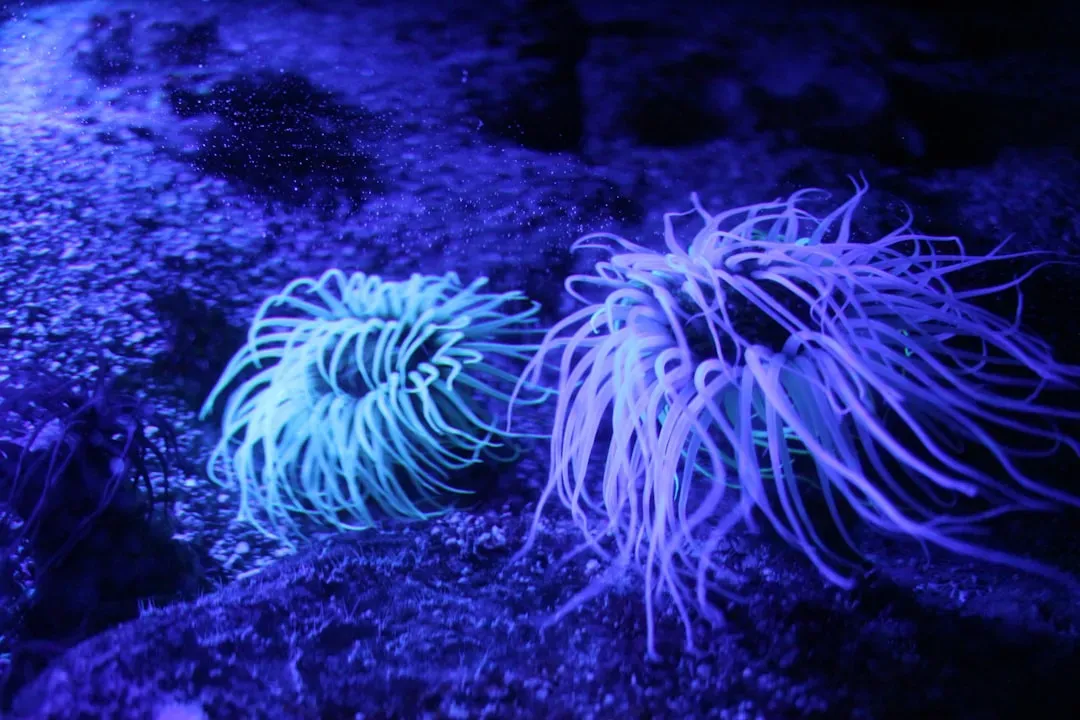
For most of human history, people assumed that life was basically a surface phenomenon, hugging sunlight and shallow water. Then scientists started drilling deep into the crust, exploring deep mines, and sampling beneath the ocean floor, only to find that microbes are living down there in staggering numbers. This hidden biosphere extends miles below the surface, surviving in darkness, squeezed by pressure, and often feeding on bare rock and chemical reactions rather than sunlight.
We still don’t know how far down life can go, how old some of these deep microbial communities are, or how they first got there. Some might be descendants of surface organisms that slowly migrated downward; others might represent ancient lineages that have barely changed for eons. The total mass of this deep life may rival or even exceed that of surface ecosystems, yet we’ve only sampled tiny pockets. This raises unsettling and fascinating questions about what “habitable” really means – not just on Earth, but on other worlds where sunlight is scarce yet rocks and chemical energy are abundant.
Living on a Question Mark
When you line up these mysteries side by side, a pattern emerges: for all our fancy satellites, deep-sea drills, and powerful models, we’re still living on a planet that refuses to give up its secrets easily. The ground under our feet is not a solved puzzle; it’s an ongoing investigation, with missing chapters, torn-out pages, and plot twists hiding in plain sight. In a way, that’s comforting. It means there’s still room for curiosity, for big questions, and for that slightly dizzy feeling you get when you realize just how much we don’t know.
The next breakthrough might come from a new way of reading old rocks, a better image of the deep interior, or even a surprise from another planet that forces us to rethink Earth. Until then, every cliff face, every volcanic chain, and every strange patch of magnetic field is a quiet reminder that our world is still full of unresolved stories. If the planet beneath you is this mysterious, what other everyday things might be hiding questions we haven’t even thought to ask yet?