
If you think the planet beneath your feet is solid, stable, and mostly predictable, the Earth has a few wild surprises for you. There are places on this planet that look like they belong on another world entirely, places where rocks twist like taffy, mountains rise from nothing, and lakes vanish almost overnight.
Some of these formations are partly understood, but the deeper scientists dig, the stranger the questions become. I still remember standing at the edge of a bizarre rock formation on a road trip, thinking, “This shouldn’t exist… and yet it does.” That feeling of disbelief is exactly what these ten geological oddities deliver, over and over again.
The Devil’s Kettle: A River That Vanishes Into Rock
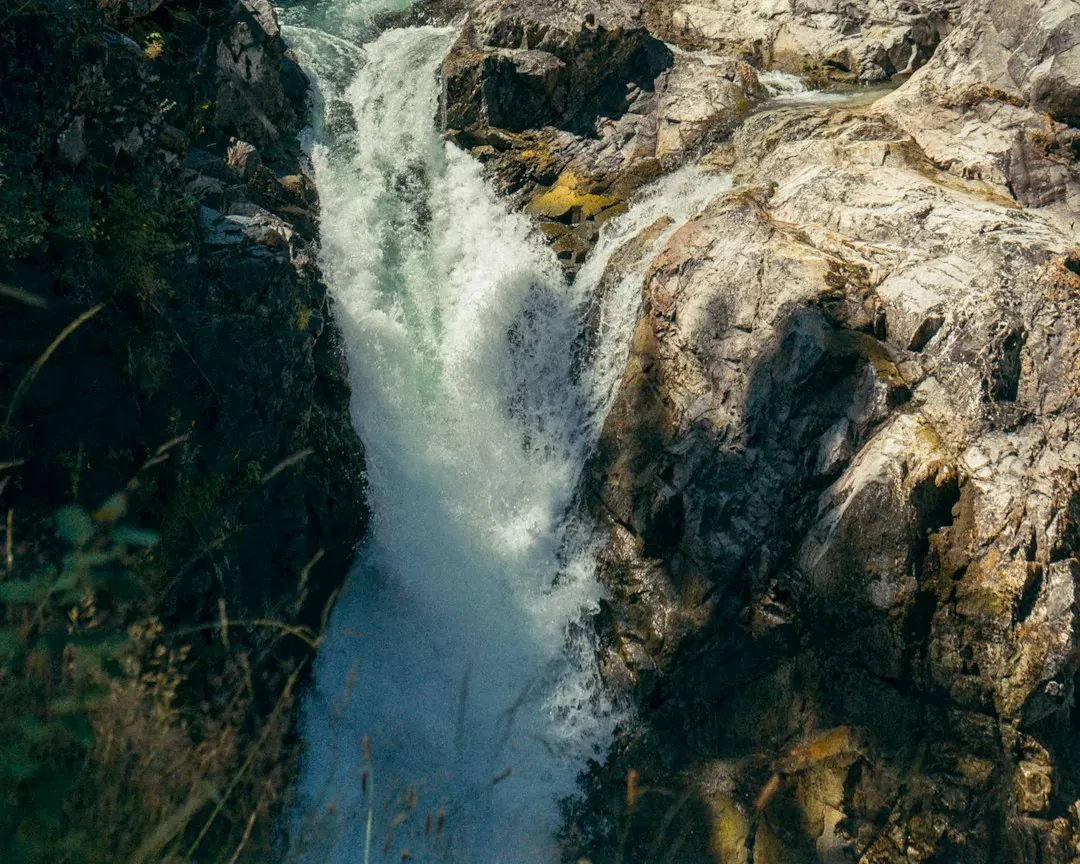
Imagine watching half a roaring waterfall simply disappear into a hole in the rock and never come out again. That’s what happens at the Devil’s Kettle along the Brule River in Minnesota, where the river splits: one branch behaves normally, the other drops into a deep pothole and seems to vanish. For years, people tossed in dye, ping-pong balls, and even GPS trackers hoping to see where they reappeared downstream, and nothing obvious turned up.
More recent research suggests that the missing water probably rejoins the main river underground fairly close by, but no clear, continuous channel has ever been visually confirmed. The rock in the area is hard volcanic material, not the typical easily dissolved limestone that usually produces big underground caverns, which makes such efficient drainage puzzling. It’s like watching someone slide a coin into a magic trick box and never getting it back. Hydrologists can model possible pathways, but the exact plumbing inside the rock remains frustratingly hidden.
Fly Geyser: A Neon, Alien-Looking Fountain in the Desert
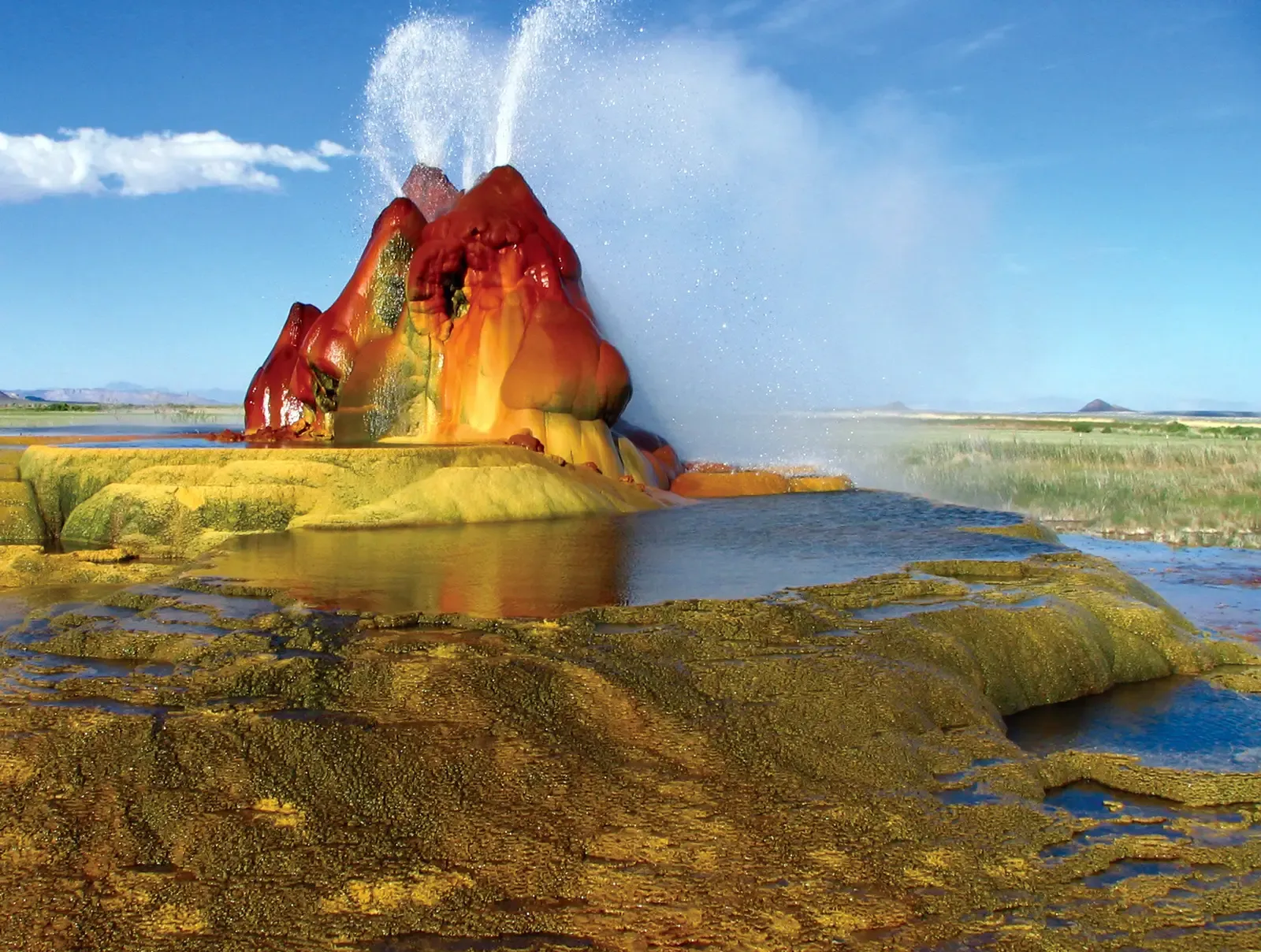
In Nevada’s Black Rock Desert, there’s a geyser that looks less like something from Earth and more like a prop from a science-fiction movie. Fly Geyser spews hot water from a multi-colored, mound-like structure coated in vivid reds, greens, and yellows. The weirdest part? Its origin is partly accidental: early twentieth century well drilling hit a geothermal pocket, and leaking hot water began building a mineral mound that has grown into today’s surreal shape.
The colors come from thermophilic algae and minerals, but the way the geyser keeps building these bizarre horn-like spires is still being studied. The mineral deposits grow like a time-lapse sculpture, piling up layers of travertine and other materials in unpredictable ways. The constant interplay between geothermal pressure, water chemistry, and living microbes turns the whole thing into a living art project the Earth never actually meant to create. It raises a larger question geologists love: when humans poke the crust, where exactly does “natural” stop and “man-made” begin?
The Hexagonal Mystery of Giant’s Causeway
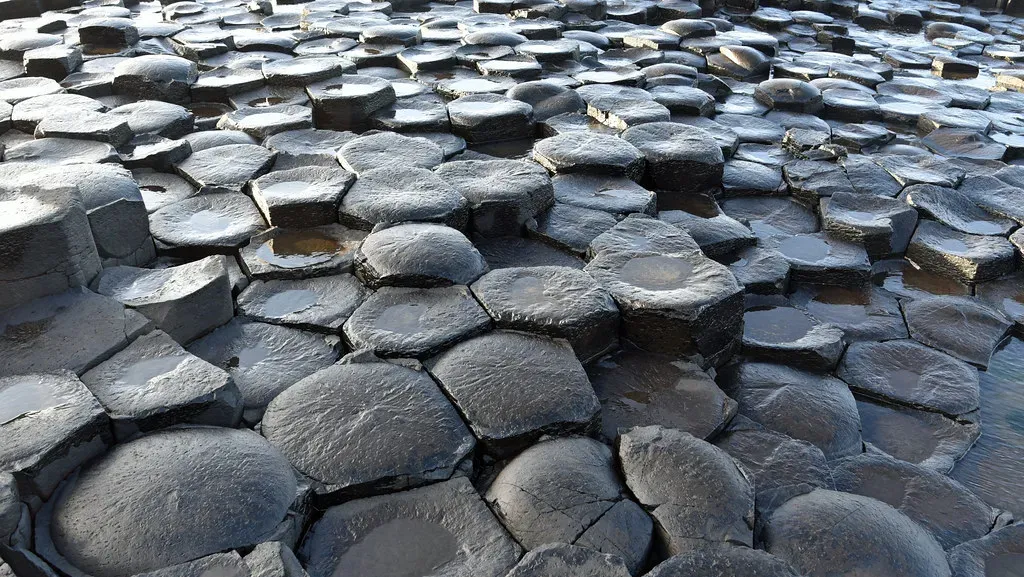
On the coast of Northern Ireland, tens of thousands of interlocking hexagonal stone columns march into the sea in neat, almost engineered patterns. Giant’s Causeway looks like someone carved the coastline with a massive honeycomb stamp. The scientific explanation is that cooling basalt lava fractured into geometric columns, a process called columnar jointing, but even with that explanation, the precision is still unsettling to see in person.
Geologists understand the basic physics: as lava cools and shrinks, it cracks, and those cracks branch and connect into roughly hexagonal shapes. Still, many of the details are being explored, like precisely how cooling rates, water, and lava thickness control the size and perfection of the columns. Similar formations appear at places like Devil’s Postpile in California and Svartifoss in Iceland, so researchers compare them like forensic clues. The question that lingers is why nature often favors hexagons when things break, echoing bee combs, dried mud, and even some crystal patterns.
The Sailing Stones of Racetrack Playa
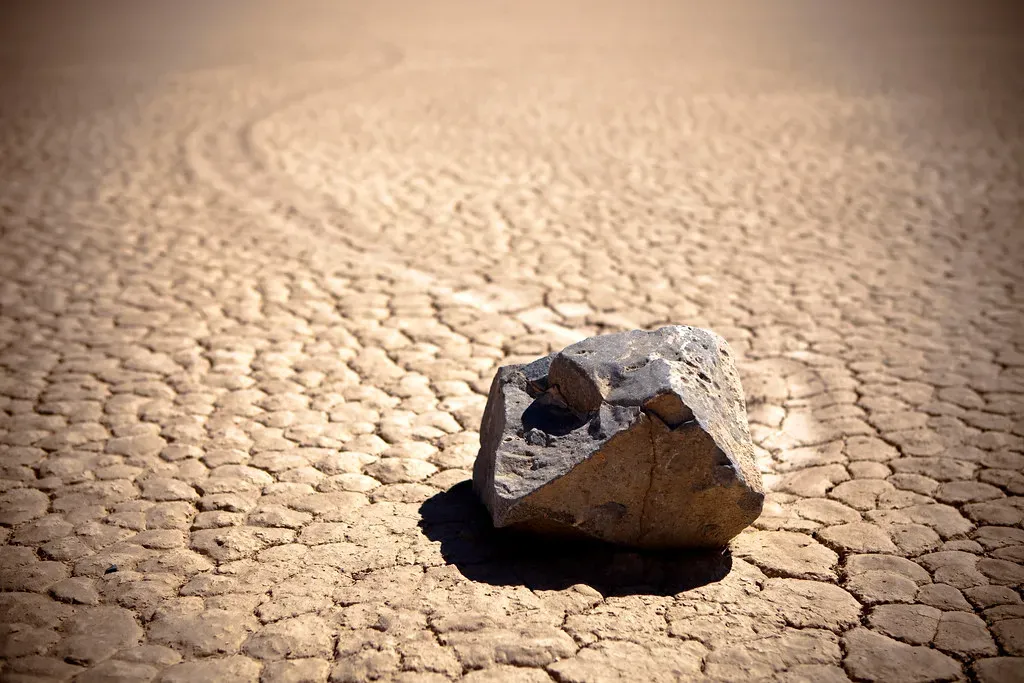
For decades, people hiking across the dry lakebed of Racetrack Playa in California’s Death Valley saw something that felt like a prank: heavy rocks, some weighing as much as a person, leaving long tracks behind them as if they had slid across the mud on their own. There were no obvious footprints, no tire marks, and no simple explanation. It turned into one of geology’s most famous mysteries, with theories ranging from strong winds to magnetic forces and even hoaxes.
High-resolution GPS data and time-lapse studies over recent years suggest a surprisingly delicate mechanism: thin sheets of ice form under and around the rocks on rare cold, wet nights, and gentle breezes push these ice rafts, dragging the stones slowly over slick mud. Yet not every track fits that neat explanation, and the exact conditions that must come together are rare and not fully mapped. It’s like a perfectly staged heist that only works when the timing, weather, and surface are all exactly right. Even now, scientists still tweak models to explain why some stones move while others, seemingly identical, sit stubbornly still.
China’s Rainbow Mountains: A Painted Desert of Rock
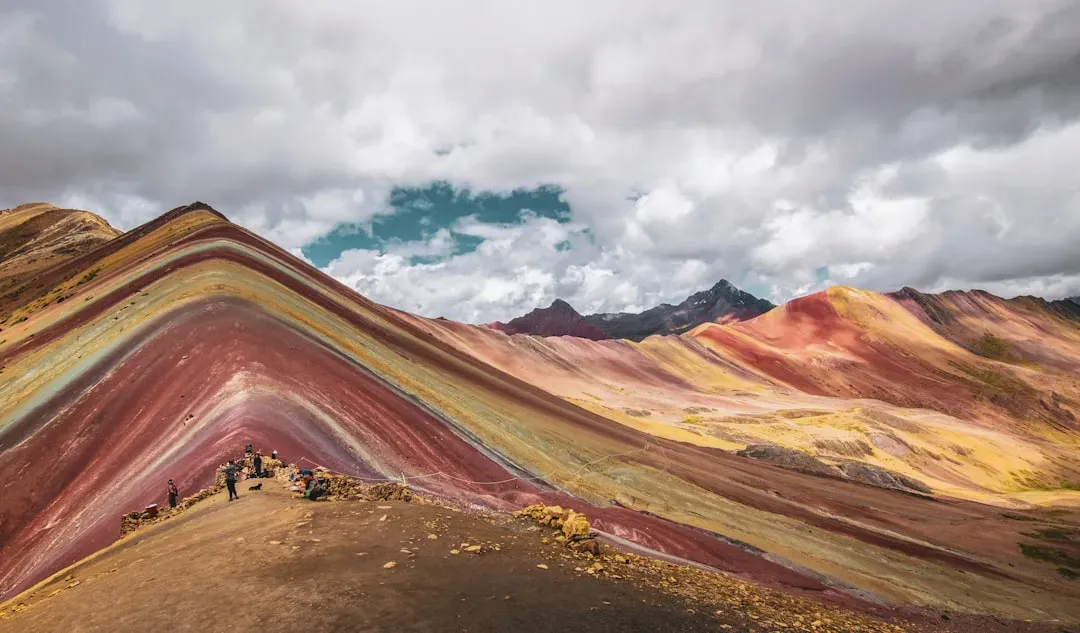
The Danxia landforms in China, especially the so-called Rainbow Mountains in Zhangye, look like layered stripes of paint brushed over rolling hills. Deep reds, soft yellows, rusty oranges, and muted greens band the rock in waves, making the landscape feel almost artificial. The basic idea is straightforward: layers of sandstone and minerals laid down over millions of years, then uplifted and eroded to expose colorful strata.
The puzzle lies in just how those layers became so sharply defined, stable, and visually striking at such a large scale. Subtle differences in mineral content, groundwater movement, and oxidation processes all play a role, but the combination here seems unusually precise. It’s a bit like baking hundreds of thin cakes in different colors, stacking them, and then slicing them open with mountain-building forces. Geologists are still working out why some Danxia areas become dull and uniform, while others explode into color like these mountains, even when they started from similar ingredients.
The Siberian Traps: A Volcanic Wound Linked to Mass Extinction
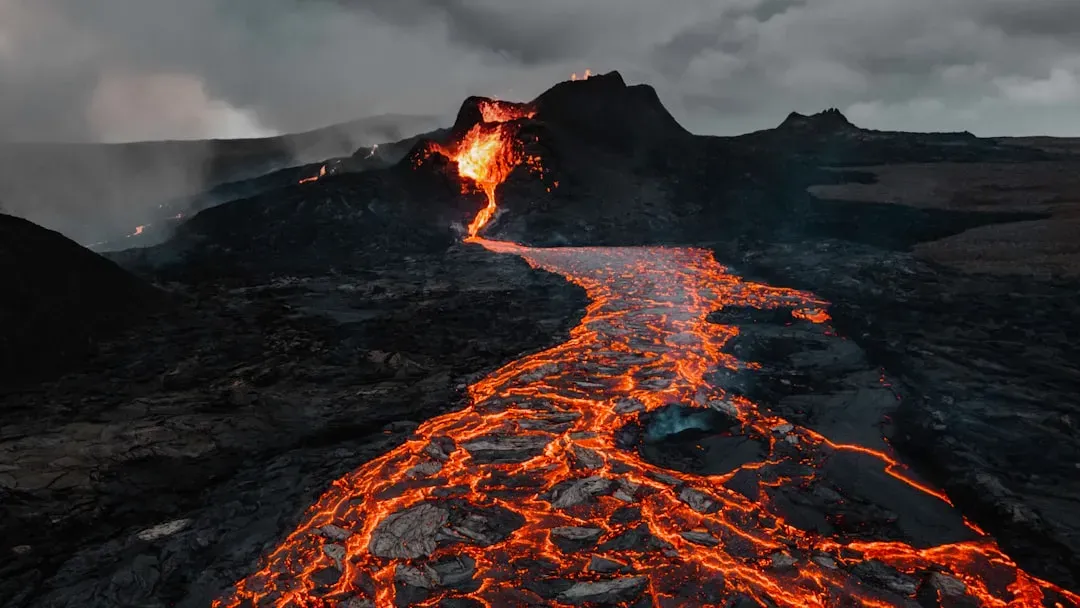
In northern Siberia lies one of the largest volcanic provinces on Earth, known as the Siberian Traps, where layer upon layer of ancient lava covers an area roughly the size of a continent. These eruptions happened around the end of the Permian period and are suspected of playing a major role in the most severe mass extinction in Earth’s history. Lava flows, volcanic gases, and climate feedbacks from this event seem to have pushed global systems past a breaking point.
Yet huge questions remain: exactly how fast did the eruptions happen, how much gas was released, and what precise chain of events turned massive volcanism into near-global ecological collapse? Researchers drill rock cores, analyze trapped gases, and build climate models, but the timing and feedback loops are still debated. Some data suggest that intruding magma cooked carbon-rich sediments, releasing even more greenhouse gases and toxic compounds. The Siberian Traps are like the smoking crater at a crime scene, but the exact sequence of blows Earth suffered is still being reconstructed, layer by layer.
The Eye of the Sahara: A Perfect Target in the Desert
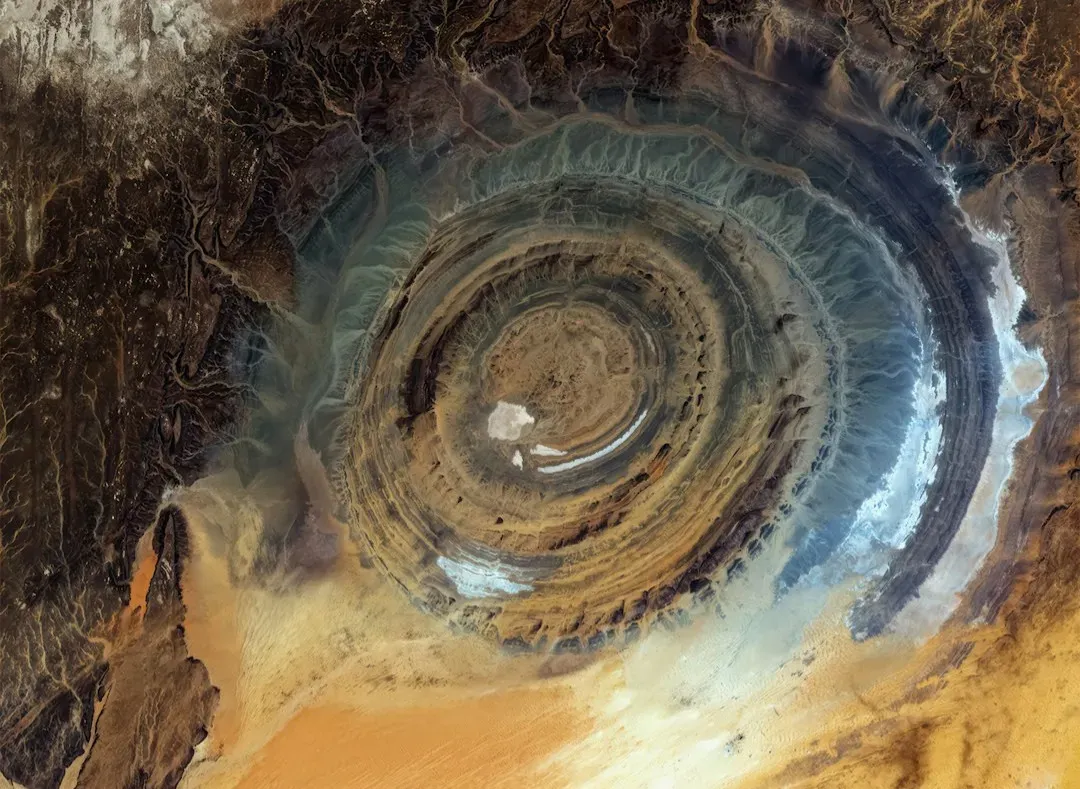
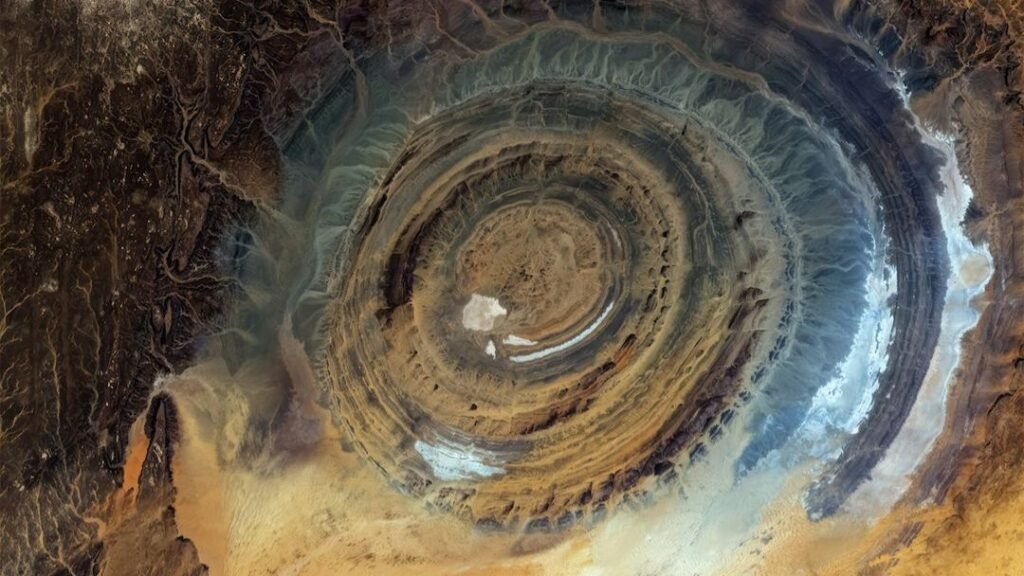
From space, the Richat Structure in Mauritania, often called the Eye of the Sahara, looks like a giant bullseye etched into the desert. Concentric rings of rock, roughly circular and many kilometers wide, sit in the middle of an otherwise fairly featureless expanse. Early on, some scientists thought it might be an impact crater from an asteroid, which would neatly explain the shape, but the geology inside the rings doesn’t match typical impact signatures.
Current thinking points toward a deeply eroded, uplifted dome of rock with alternating hard and soft layers forming rings as they wore away, possibly influenced by magma rising below the crust. Still, many details about its origin, age, and complete formation history are not nailed down. It is as if a cake ballooned from within, then someone sliced the frosting off layer by layer, leaving a pattern that makes more sense from orbit than on the ground. The Eye reminds scientists how easily the planet can shape patterns that mimic other processes, blurring the line between coincidence and clear cause.
The Door to Hell: A Burning Crater That Won’t Go Out
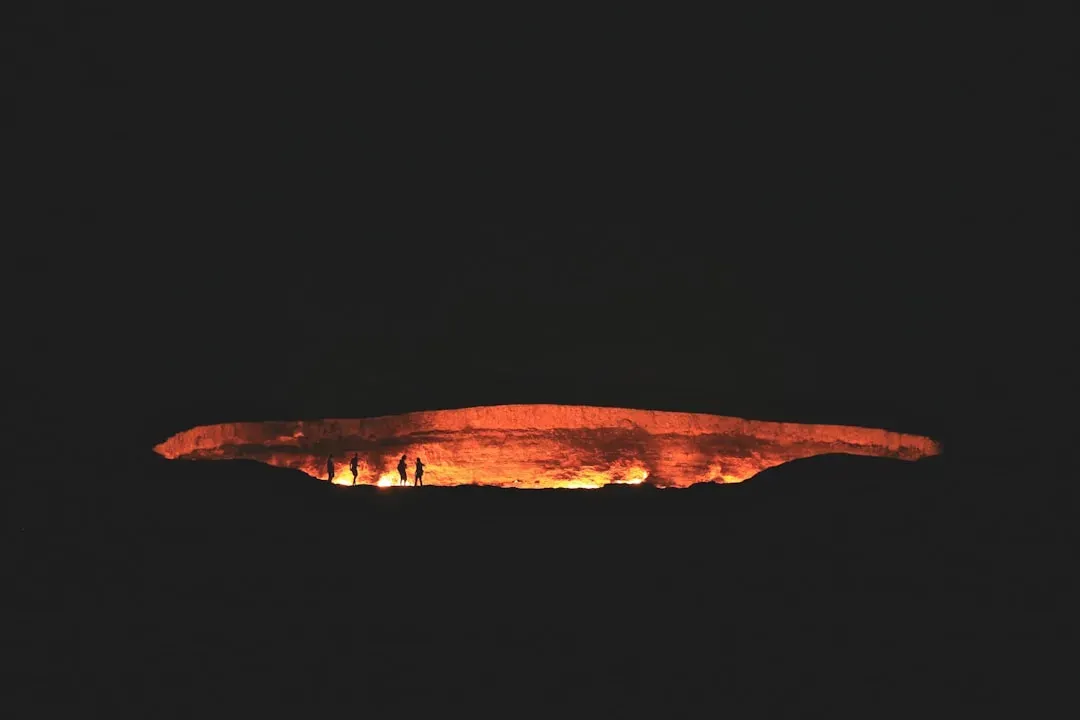
In Turkmenistan’s Karakum Desert, a fiery crater called Darvaza or the Door to Hell has burned for decades, glowing like a campfire the size of a small village. The widely told story is that in the 1970s, a natural gas drilling operation collapsed a patch of ground, creating a pit that was then intentionally ignited to burn off leaked methane quickly. The fire, however, never went out, and the crater has been burning ever since, a kind of accidental, open-air gas flare.
What keeps it going for so long is still not fully understood, because that requires knowing exactly how much gas is stored in the rocks below and how it’s feeding the flame. Studies are limited, and official records of the original event are patchy, which makes reconstructing the precise history tricky. The crater also raises questions about similar gas-rich regions around the world, where subsurface voids and leaks remain unmapped. It sits there like a warning light on the dashboard of the Earth, hinting at the huge, largely invisible fossil fuel reservoirs that lie under our deserts.
The Stone Forests of Madagascar and China
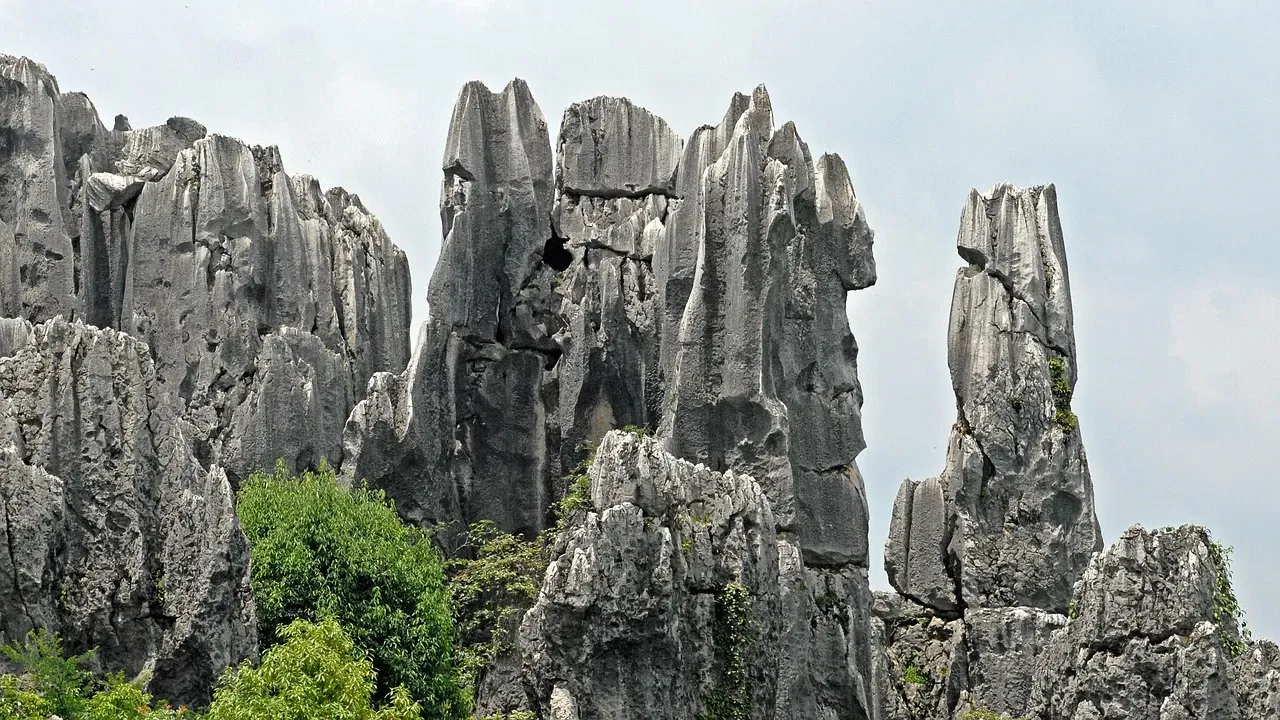
In Madagascar’s Tsingy de Bemaraha and China’s Stone Forest in Yunnan, limestone bedrock rises in razor-sharp spires that look like an army of stone blades or a fossilized ocean of waves. These formations are the result of karst processes, where slightly acidic water slowly dissolves rock over immense timescales, carving deep fissures, pinnacles, and caves. On paper, the chemistry is simple; in the field, the resulting landscape is anything but.
Researchers still wrestle with how microscopic chemical reactions coordinate to produce such large, organized stone “forests” instead of just random pits and holes. Factors like tiny fractures, vegetation, seasonal flooding, and even microorganisms help guide where dissolution accelerates or slows down. The result is an architecture of rock so complex that some parts are nearly impassable without climbing gear, even though they started as a fairly flat surface. These forests turn the idea of solid ground upside down, revealing how even the hardest rock can flow, in slow motion, like wax under the right conditions.
The Blue Holes and Sinkholes That Swallow Worlds
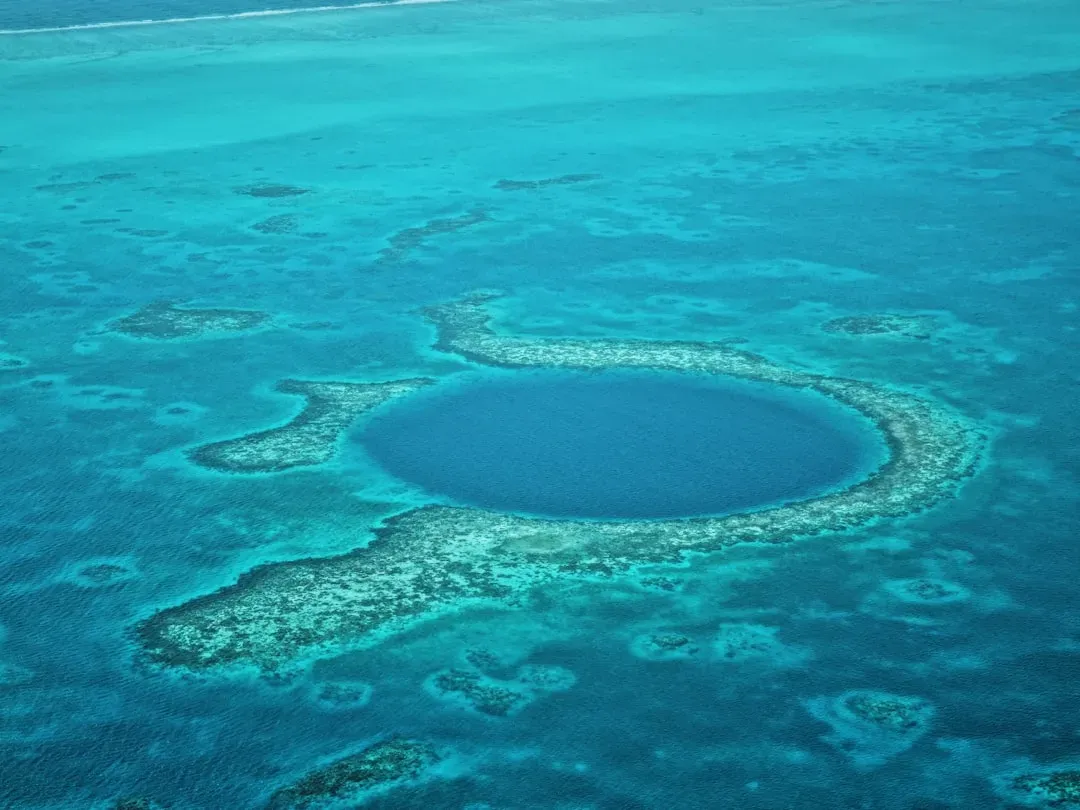
Across places like the Bahamas, Mexico’s Yucatán Peninsula, and China’s Guangxi region, enormous sinkholes and oceanic blue holes open directly into the depths of the Earth. From above, they appear as dark, circular voids in turquoise water or lush forests, tempting and terrifying at the same time. Many of these vertical caves are filled with layered water of different salinities and temperatures, creating stacked ecosystems and preserving ancient sediments and fossils.
Scientists are still piecing together how some of the largest and deepest of these features formed and evolved, especially those that drop hundreds of meters. They often begin as underground caverns in soluble rock like limestone, but what triggers their sudden collapse at specific times remains partly mysterious. Some blue holes also preserve hints of past climate shifts, hurricanes, and even human history in their undisturbed layers, like geological hard drives. Every new dive or drilling project tends to raise fresh questions, as if the holes are less answers in the ground and more portals to riddles we have not yet fully learned how to ask.
Reminders of How Incomplete Our Understanding Still is of The Planet
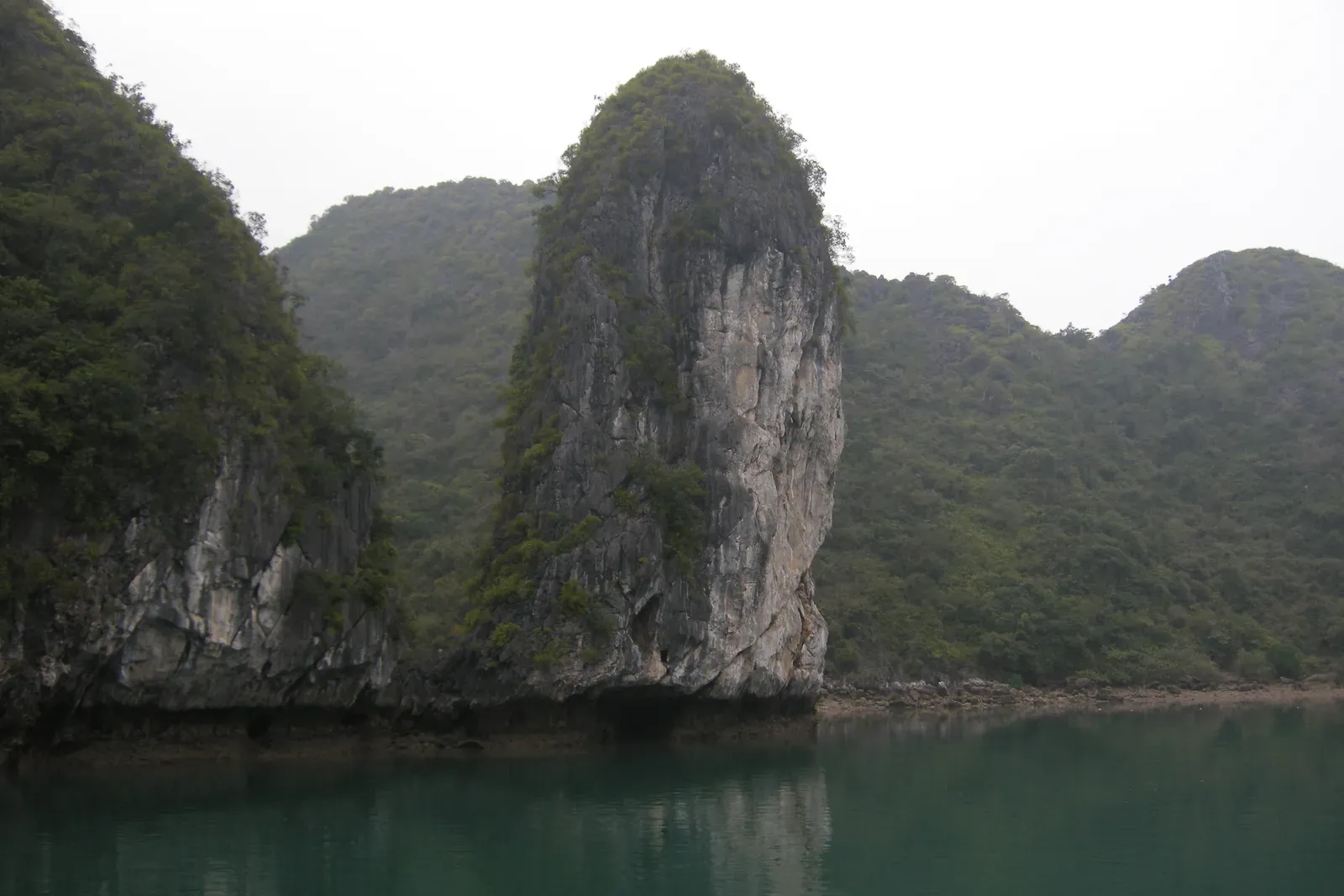
The strangest thing about these geological formations is not that they exist, but that they are reminders of how incomplete our understanding still is of the planet we live on every day. We map other planets and simulate whole galaxies, yet a vanishing river or a burning crater can still stump us for decades. Science has solid, well-tested explanations for pieces of each puzzle, but the full stories are messier, more tangled, and often still unfolding.
In a way, that uncertainty is comforting: it means there are still frontiers left right under our feet, not just in deep space or deep oceans. The Earth is constantly writing and rewriting its own story in stone, sometimes leaving us neat clues and sometimes taunting us with patterns that almost make sense. The next time you see a rock outcrop or a strange cliff, it might be part of a mystery we have not yet realized is there. Which of these mind-bending places would you want to stand in front of and see with your own eyes?