
Time feels like the most familiar thing in the world – you wake up, you rush through your day, you watch the clock, you celebrate another birthday. Yet the closer scientists look at time, the stranger it becomes. Physics, cosmology, and neuroscience all suggest that our everyday sense of time as a steady, universal flow is mostly an illusion. Instead, the universe runs on a web of clocks – cosmic, atomic, and biological – that don’t always agree. As researchers build ever more precise instruments and test time in extreme conditions, they are uncovering a reality where time can stretch, warp, slow, and even lose its meaning entirely. Once you see how deep that rabbit hole goes, it’s hard to look at a ticking clock the same way again.
The Hidden Clues: Time Does Not Tick the Same Everywhere
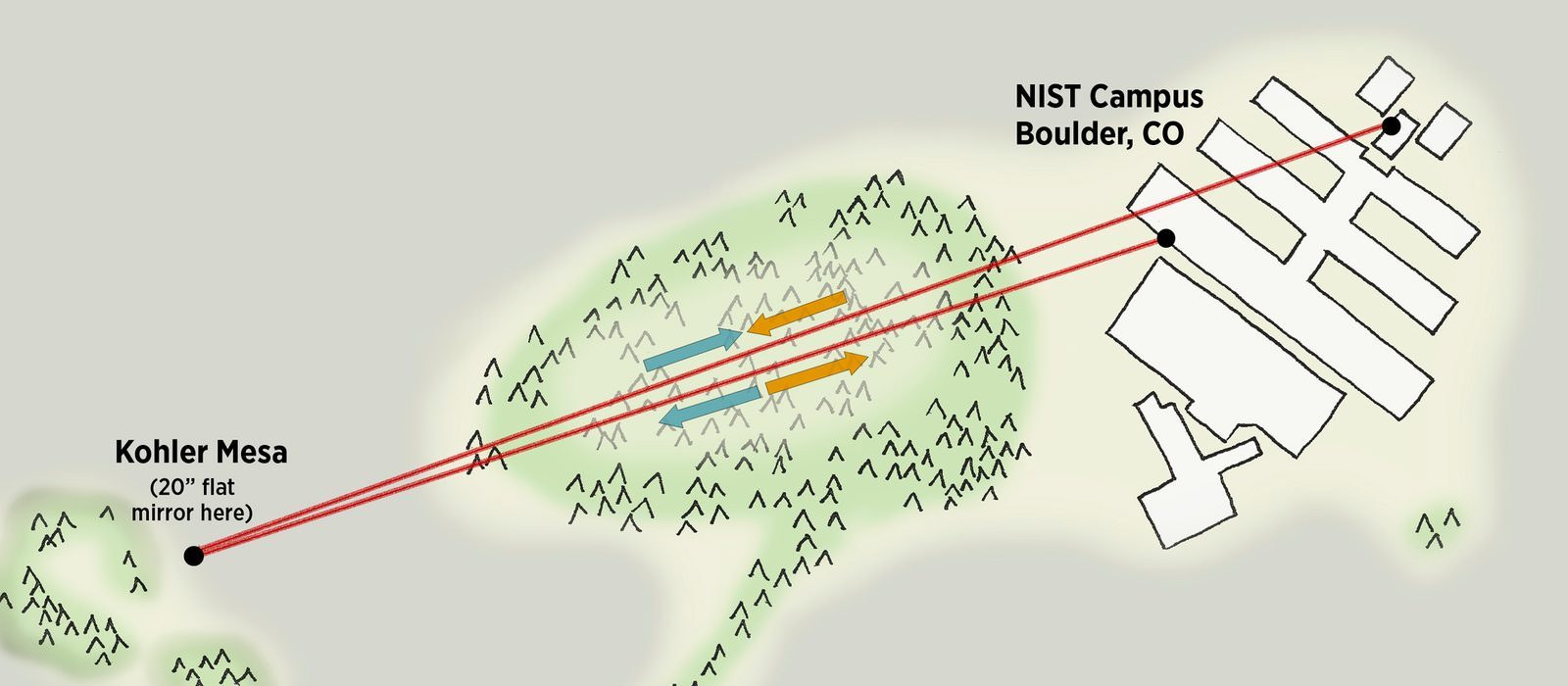
Here’s a quietly unsettling fact: time passes at different rates depending on where you are and how fast you move. Einstein’s theory of relativity showed that gravity and motion can distort time itself, and modern experiments have confirmed this with astonishing precision. Take two synchronized atomic clocks, separate them by just a few dozen centimeters in height, and the one closer to Earth’s center will tick slightly more slowly. To us, that difference is microscopic, but for GPS satellites orbiting above us, it’s huge – without constant relativistic corrections, navigation systems would drift by miles each day.
In daily life, you feel none of this; your coffee cools, your inbox fills, and it all seems to unfold in a single, shared timeline. But the hidden clue is that there is no single master clock governing the universe, just local patches of spacetime each with their own tempo. Time in a jet plane races differently than time in your living room; time near a black hole crawls compared to time far away. Relativity quietly runs in the background of your life, like a software update you never see but rely on constantly.
From Ancient Shadows to Atomic Ticks: How We Learned to Measure Time
Long before equations and satellites, time was carved in stone and traced in shadows. Early civilizations watched the motion of the Sun and stars, building sundials, stone circles, and water clocks to anchor their lives to something predictable. Those early devices were crude by today’s standards, drifting by minutes or hours over a day, but they created shared rhythms for farming, worship, and trade. Time was local, tied to the sky above a particular village, and noon in one city was not exactly noon in the next.
Everything shifted with the rise of mechanical clocks in medieval Europe and then with railways in the nineteenth century, which forced countries to agree on standardized time zones. The twentieth century brought quartz watches and then atomic clocks, which use the vibrations of atoms – usually cesium or rubidium – as their beating hearts. The best modern optical lattice clocks are so precise that they would lose or gain less than a second over billions of years. Our definition of the second is no longer poetic or astronomical; it is anchored in the regular, quantum-scale dance of matter itself.
Time Dilation: How Speed and Gravity Stretch the Hours
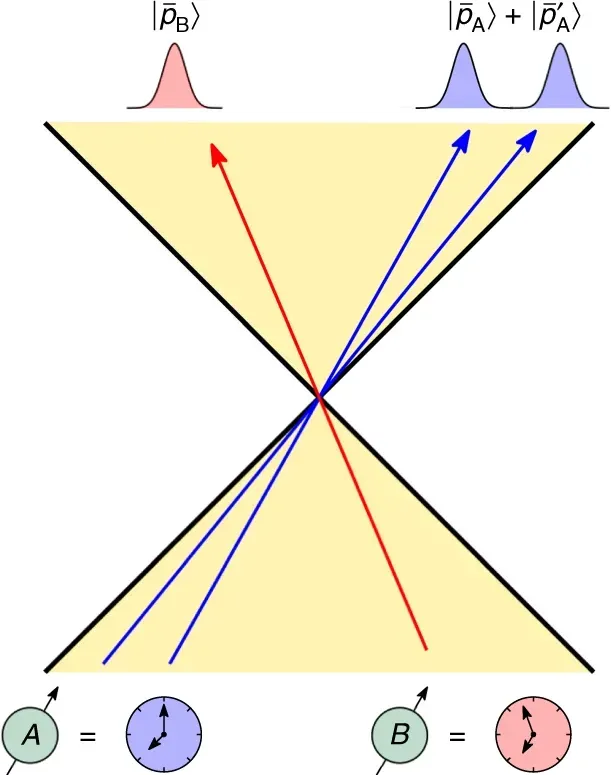
One of the strangest discoveries in modern physics is that “how long something takes” depends on who is measuring it. In Einstein’s special relativity, a fast-moving spaceship and a quiet observer on Earth will disagree about the duration between events, and both will be correct in their own frames. The faster you move, the slower your onboard clock ticks compared to someone at rest. This is not a thought experiment anymore: high-speed particles in accelerators live far longer than they would if they were standing still, simply because their time has dilated.
General relativity adds another twist by tying time to gravity. Near a massive object, spacetime is curved, and clocks tick more slowly than in regions with weaker gravity. Experiments with clocks on airplanes, mountaintops, and satellites have repeatedly confirmed these predictions. So when we talk about astronauts aging a tiny bit less on long missions or time slowing near a black hole, we’re talking about real, measurable differences. The universe does not hand out time evenly; it is a flexible commodity shaped by motion and mass.
The Illusion of the “Now”: Why Past, Present, and Future Blur
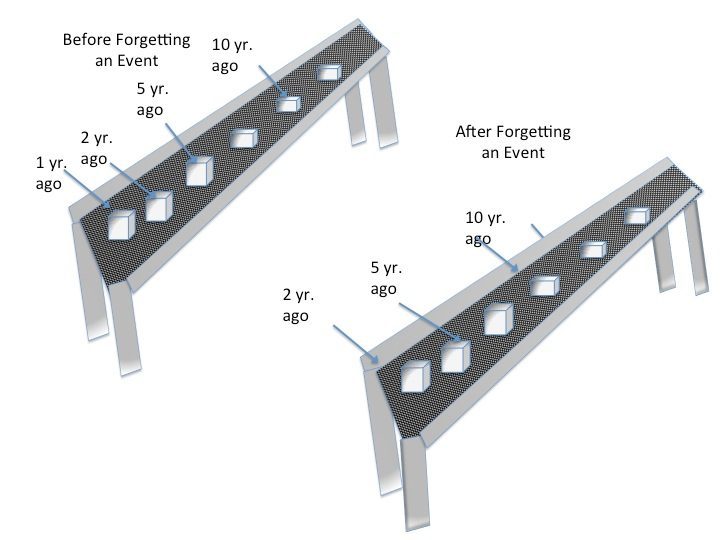
Psychologically, the present feels like a sharp, bright slice of reality, a moving spotlight traveling from past to future. Yet the equations of physics do not single out the present as special – many solutions to the laws of nature are timeless, treating past, present, and future as part of a single four-dimensional block. In this “block universe” view, all moments exist at once, and what we call the flow of time is more about how conscious beings experience change than about any universal ticking. It’s a deeply counterintuitive idea, because our brains are built to feel motion, sequence, and cause and effect.
Neuroscience adds another layer of weirdness: the brain actually stitches together sensory information over short windows, then presents a smoothed version as the “now.” That means your experience of the present is slightly delayed and edited, more like a live broadcast with a subtle buffer than a raw, real-time feed. This processing creates a narrative of continuous time that helps you navigate the world but hides the messy, asynchronous arrival of signals from your eyes, ears, and skin. When physicists say the present is an illusion, they are not denying your lived experience – they are pointing out that what feels like a solid, global now is, in many ways, a clever reconstruction.
Time’s Arrow: Why We Remember the Past but Not the Future
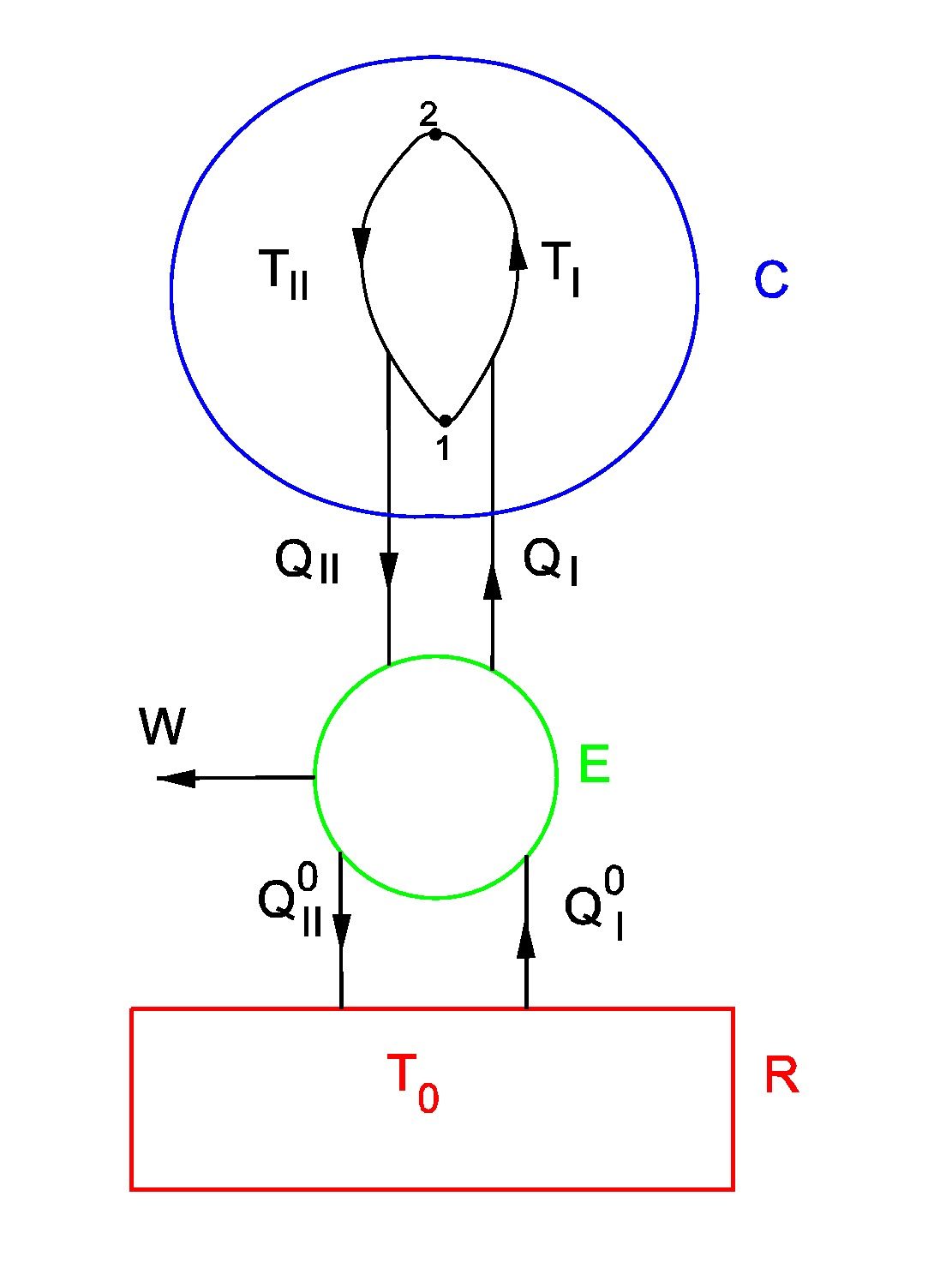
One of the biggest mysteries about time is why it seems to flow in one direction only, from past to future. The microscopic laws of physics are mostly time-symmetric: run them backward and they still make sense. Yet your coffee only cools, never spontaneously heats back up; scrambled eggs never reassemble into a raw egg; you remember your childhood, not your retirement. The key player here is entropy, a measure of disorder in a system, which tends to increase over time in a closed system.
Cosmologists think the arrow of time is rooted in the early universe, which began in an extremely low-entropy, highly ordered state right after the Big Bang. From there, everything has been statistically drifting toward greater disorder, forming stars, galaxies, storms, and eventually brains that can ponder time itself. Our psychological arrow of time – memories, aging, history – lines up with this thermodynamic arrow, giving us a sense of inevitability. Could there be regions or conditions where time’s arrow points differently? So far, all the evidence we have says that wherever there is macroscopic change, entropy is quietly pointing forward.
Why It Matters: Time as a Tool, a Constraint, and a Vulnerability
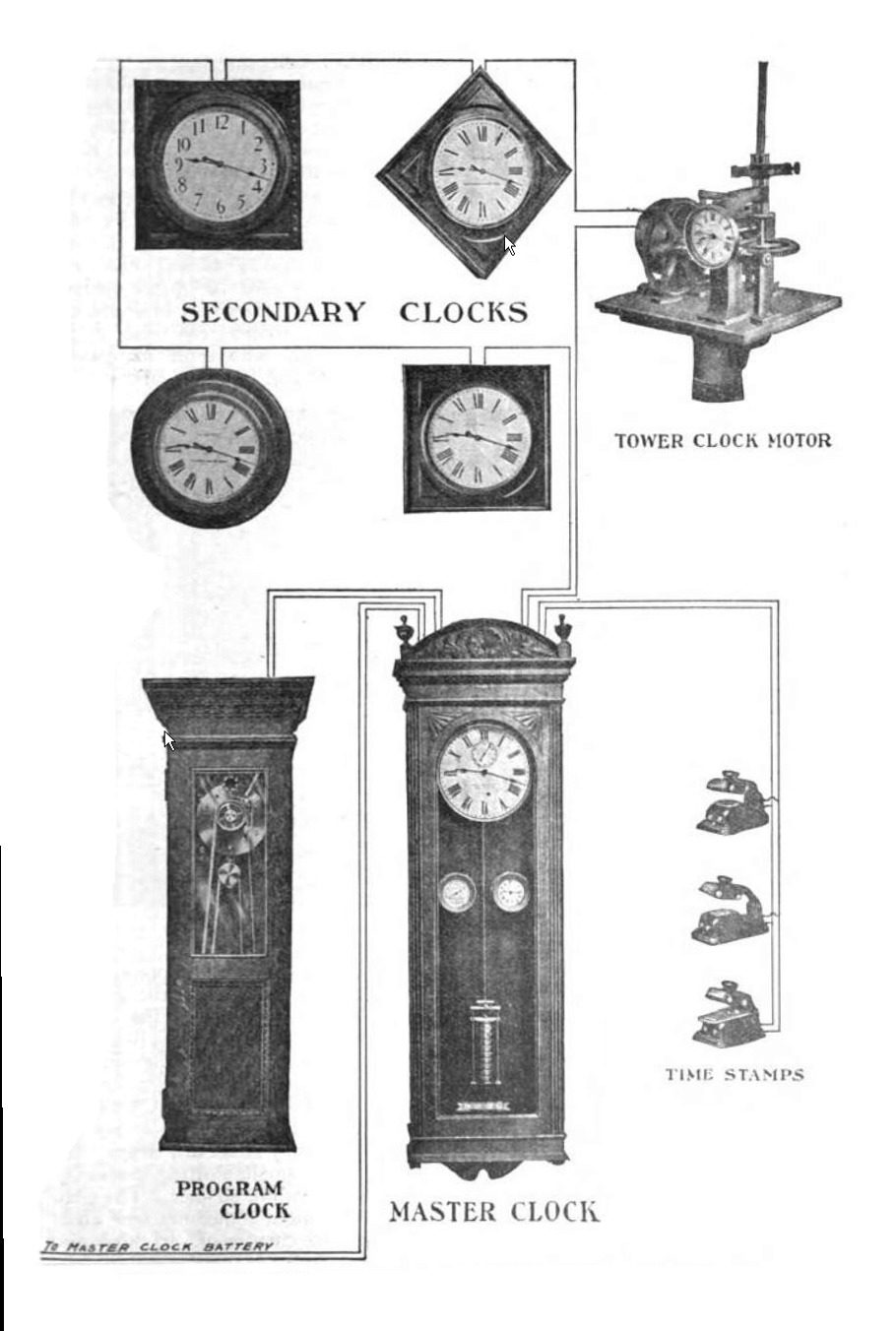
Time is not just a philosophical puzzle; it is a critical resource that modern society depends on at every level. Financial markets rely on time-stamped transactions and synchronized clocks to prevent fraud and maintain fairness. Power grids need precise timing to balance loads between regions, and communication networks depend on shared time standards to keep data flowing smoothly. When those systems drift out of sync, even by tiny amounts, the consequences can ripple through entire economies and infrastructure networks.
On a more personal level, our health, technology use, and decision-making are all tangled up with time. Disruptions to circadian rhythms – from shift work, jet lag, or late-night screen time – are associated with increased risks of metabolic disorders, mood problems, and impaired cognitive function. Understanding time more accurately helps doctors schedule treatments, helps cities design smarter schedules, and helps individuals manage their limited hours with less stress. Time is both a tool we wield and a constraint we can’t escape, and the better we grasp its quirks, the less likely we are to be blindsided by them.
Biological Clocks: How Your Body Tells Time Without a Watch
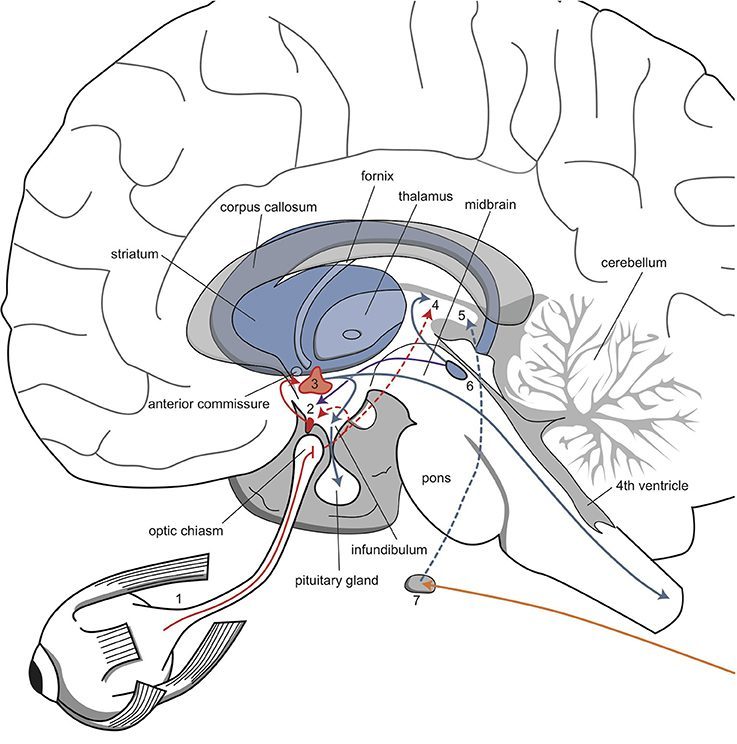
Even if you threw away every clock you own, your body would keep ticking. Deep in the brain, a cluster of neurons in the suprachiasmatic nucleus acts like a master pacemaker, coordinating daily rhythms of sleep, hormone release, body temperature, and hunger. Nearly every cell also has its own molecular clock built from feedback loops of genes and proteins that rise and fall in roughly twenty-four-hour cycles. These internal clocks evolved to anticipate the daily cycle of light and dark, helping organisms prepare rather than just react.
When these clocks are forced out of sync with the outside world – by irregular work hours, chronic stress, or constant artificial light – the mismatch can have real health costs. Studies have linked long-term circadian disruption to higher risks of obesity, certain cancers, and cardiovascular disease. On the flip side, aligning activities like meals, exercise, and medication timing with the body’s natural rhythms can improve outcomes. Time in biology is not a passive backdrop; it is an active ingredient that shapes how well bodies function, heal, and age.
Cosmic Time: From the Big Bang to the Universe’s Fading Future
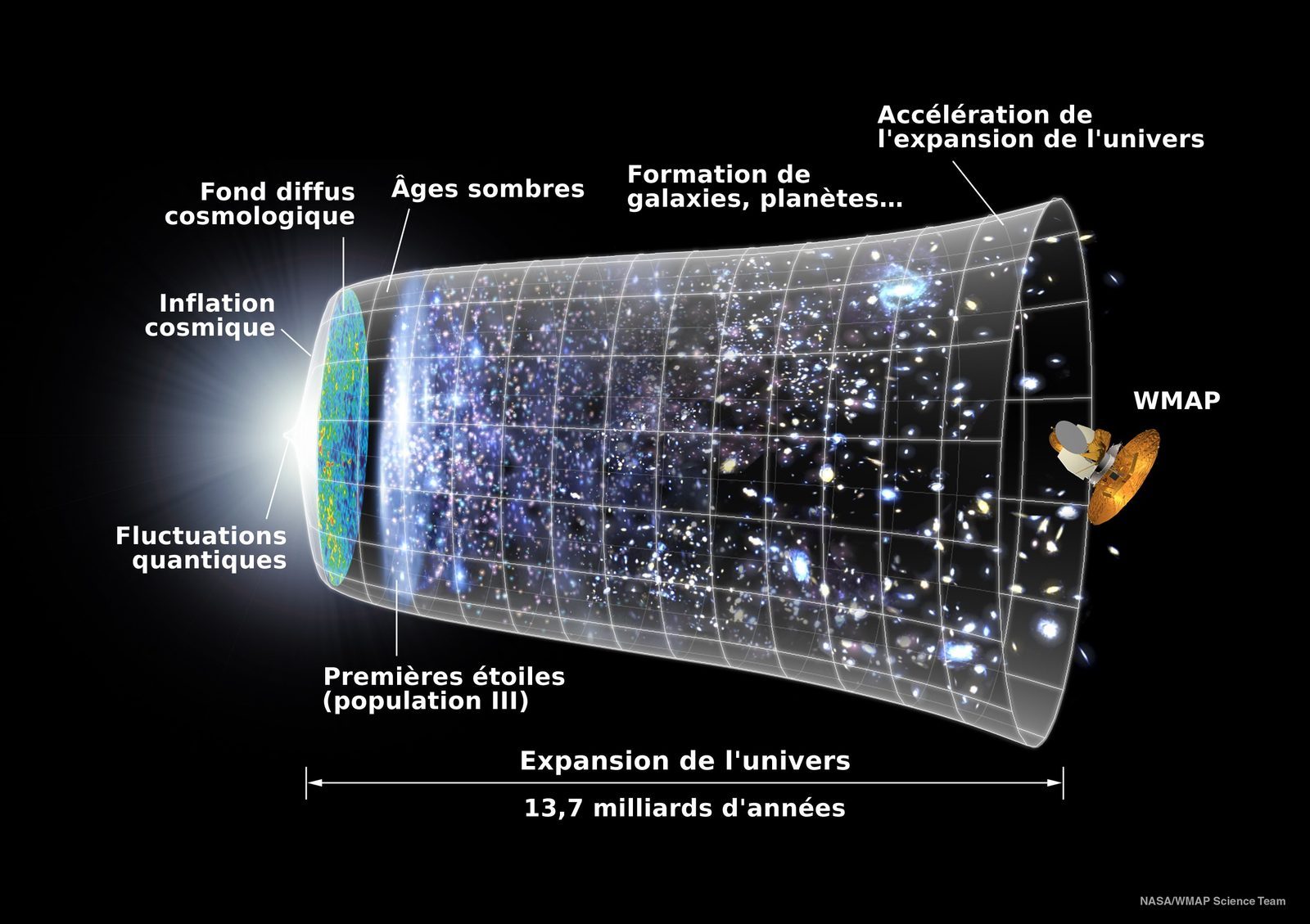
Zoom out far beyond human lifespans, and time takes on truly staggering proportions. Our universe is about 13.8 billion years old, and we reconstruct that story by reading light that has traveled across space for eons. When astronomers point telescopes at distant galaxies, they are looking back in time, seeing those systems as they were millions or billions of years ago. The cosmic microwave background, a faint afterglow bathing the universe, is a snapshot from when the cosmos was just a few hundred thousand years old.
Future cosmic time looks equally dramatic but in a slower, more melancholy way. The expansion of the universe is accelerating, driven by a mysterious dark energy, which means distant galaxies will eventually slip beyond our observable horizon. Stars will burn out, galaxies will dim, and the universe will drift toward a cold, dilute state sometimes called the heat death. On that scale, human history is less than the blink of an eye, but that brevity also underlines how unusual it is that conscious beings exist right now, at a time when the universe is rich in light, structure, and complexity.
The Future Landscape: Ultra-Precise Clocks, Quantum Time, and Deep Space Missions
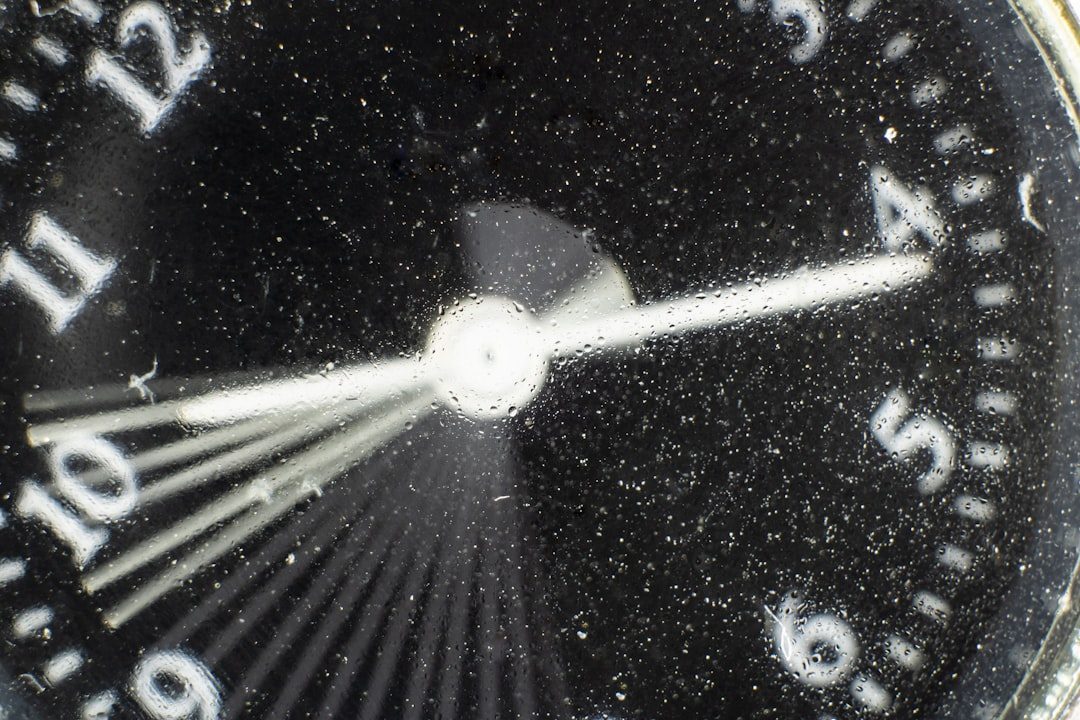
The coming decades promise to make time even stranger by letting us measure and manipulate it with unprecedented finesse. Next-generation optical clocks are being developed that could be so sensitive they detect tiny variations in gravity across a single city block, effectively turning timekeepers into tools for mapping Earth’s interior. Space agencies are planning deep space missions that will test relativity more rigorously, using networks of synchronized clocks spread across the solar system. These experiments could reveal new cracks in our current theories and hint at physics beyond Einstein.
On the quantum frontier, researchers are probing whether time has a granular structure at the smallest scales, or whether time and space emerge from more fundamental, timeless ingredients. Technologies like quantum communication and quantum sensing may depend on exquisitely controlled timing at levels we can barely touch today. All of this has practical stakes: better timekeeping can improve navigation, earthquake monitoring, and even searches for underground resources. At the same time, it forces us to keep revising what we mean by “before,” “after,” and “simultaneous” in a universe where those words are less absolute than they seem.
How You Can Engage: Rethinking Your Own Time and Supporting Time Science
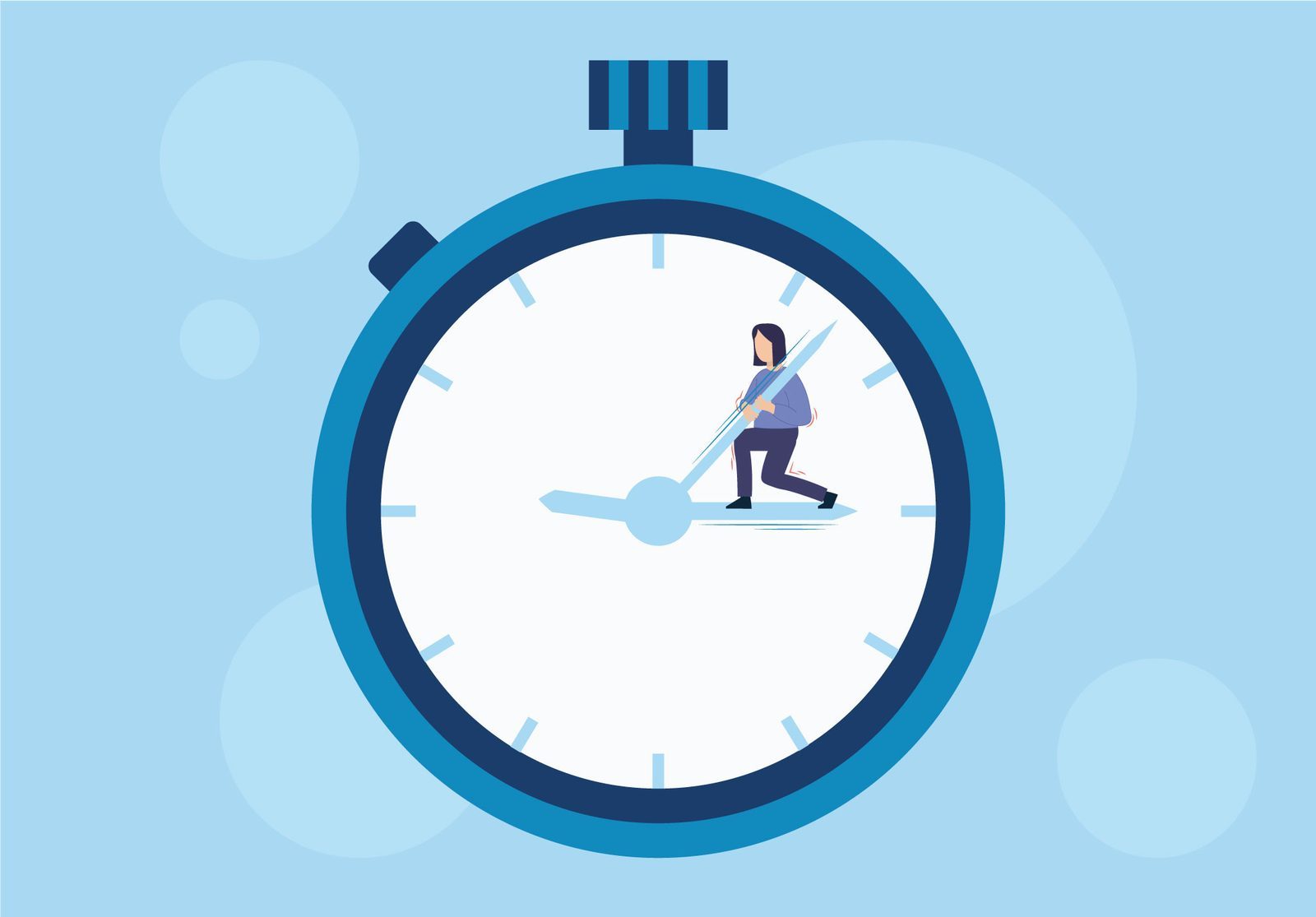
You may not be able to bend spacetime like a black hole, but you can change how you relate to time in your own life. One simple step is to experiment with aligning your daily schedule more closely with natural light – getting bright light in the morning, dimming screens at night, and keeping sleep and wake times reasonably consistent. Paying attention to how your energy rises and falls over the day can help you match demanding tasks to your personal peak hours instead of fighting your internal clock. That kind of small, practical time awareness often does more for well-being than any productivity hack.
If the deeper mysteries of time fascinate you, there are concrete ways to support the science. Publicly funded observatories, space missions, and physics experiments often depend on citizen backing and engagement, from voting for science-friendly policies to participating in outreach events. Many laboratories and agencies share open data and visualizations that let anyone explore cosmic history or gravitational waves from home. By staying curious, teaching children that time is not just something on a wall clock, and backing institutions that probe the universe’s timing, you help push the boundaries of what we know. In a world where every second is precious, how will you choose to spend the ones you have?
Suhail Ahmed is a passionate digital professional and nature enthusiast with over 8 years of experience in content strategy, SEO, web development, and digital operations. Alongside his freelance journey, Suhail actively contributes to nature and wildlife platforms like Discover Wildlife, where he channels his curiosity for the planet into engaging, educational storytelling.
With a strong background in managing digital ecosystems — from ecommerce stores and WordPress websites to social media and automation — Suhail merges technical precision with creative insight. His content reflects a rare balance: SEO-friendly yet deeply human, data-informed yet emotionally resonant.
Driven by a love for discovery and storytelling, Suhail believes in using digital platforms to amplify causes that matter — especially those protecting Earth’s biodiversity and inspiring sustainable living. Whether he’s managing online projects or crafting wildlife content, his goal remains the same: to inform, inspire, and leave a positive digital footprint.