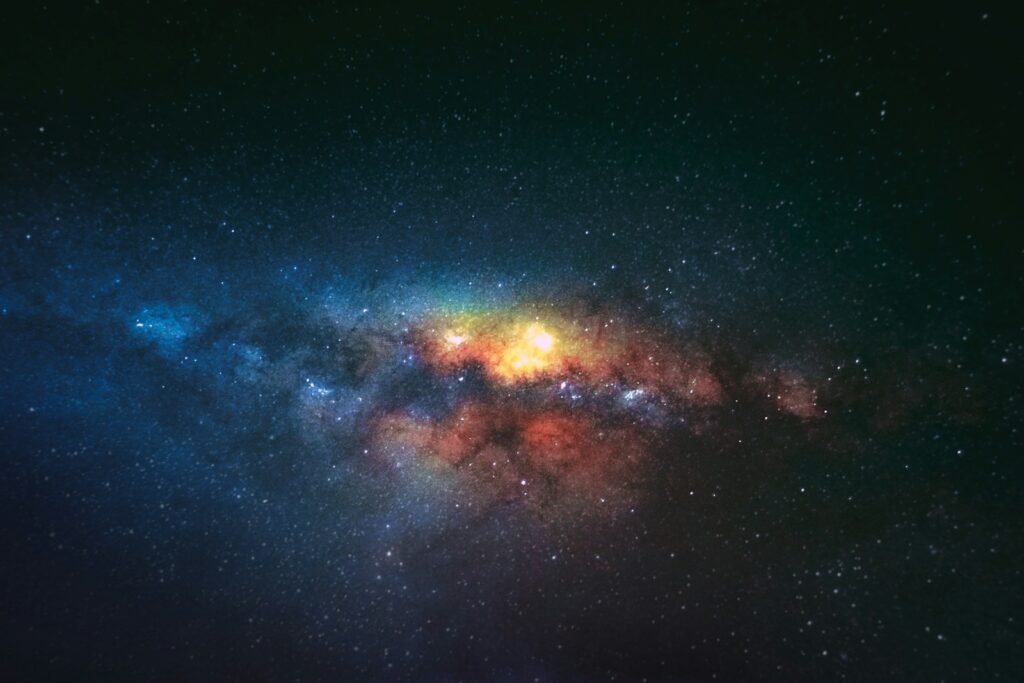

The universe doesn’t merely feel big; it outpaces our language for “big” and then keeps going. Astronomers keep extending the map, and every new edge reveals another cliff. The mystery-versus-discovery dance plays out nightly: a puzzle of distances, times, and energies stacked beyond ordinary intuition. The tools are sharper than ever, yet the cosmos is expanding faster than our metaphors. I still remember standing under a desert sky, trying to “count” the Milky Way – like trying to number the waves in a storm – and realizing the scale is the story.
The Hidden Clues: Light Distances Break Everyday Intuition
We treat light as immediate, but in space it crawls compared with the distances it must cross. A light-year is a distance, not a time, and even the nearest star beyond the Sun is more than four years away at light speed. That means telescopes are time machines; every far-off image is a postcard sent long ago. By the time a galaxy reaches our detectors, it may have already merged, moved, or quietly faded.
What feels like a neat conversion – one year equals one light-year – hides a cliff of scale. Drive a car forever at highway speed and you’d still barely nudge a cosmic inch. The mind doesn’t break because the math is hard; it breaks because the distances refuse to care about us. That indifference is oddly liberating.
From Ancient Tools to Modern Science: How We Measure the Unmeasurable
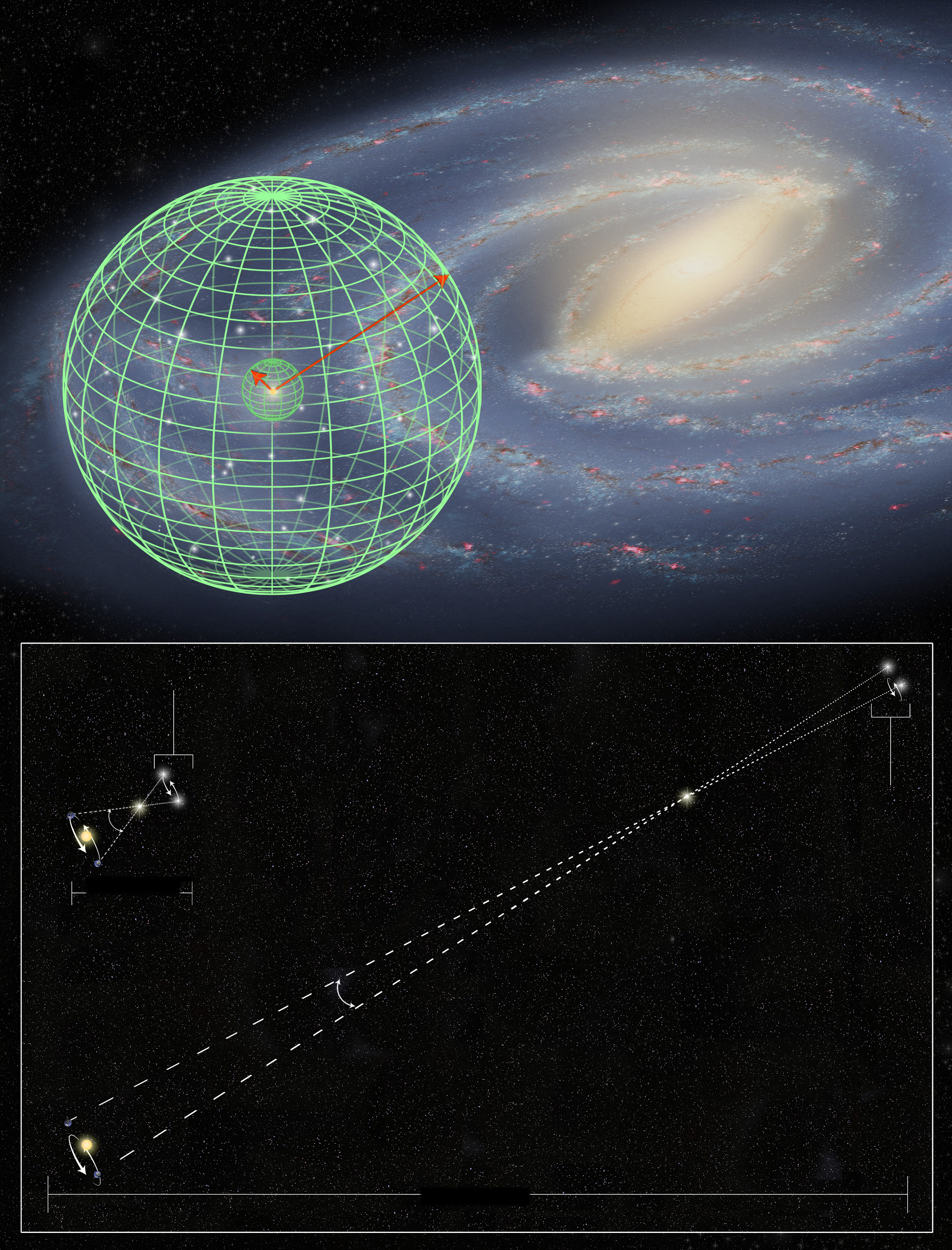
Humans began with simple geometry in the sky: angles, triangles, parallax. That ladder of distance now stretches through standard candles, supernovae, and the faint rhythm of variable stars. Redshift steps in at the great beyond, translating stretched light into cosmic mileage. Each rung depends on the rungs below, a carefully cross-checked scaffold.
Modern observatories extend the ladder with exquisite calibration and relentless patience. Space telescopes pair with radio arrays and ground-based giants to stitch a single map. It’s like surveying a continent by lantern, lighthouse, and laser, then reconciling all three. The result is a distance scale precise enough to argue over the last decimal – and those arguments sharpen the whole picture.
The Observable Universe: A Sphere So Vast It Feels Like Fiction
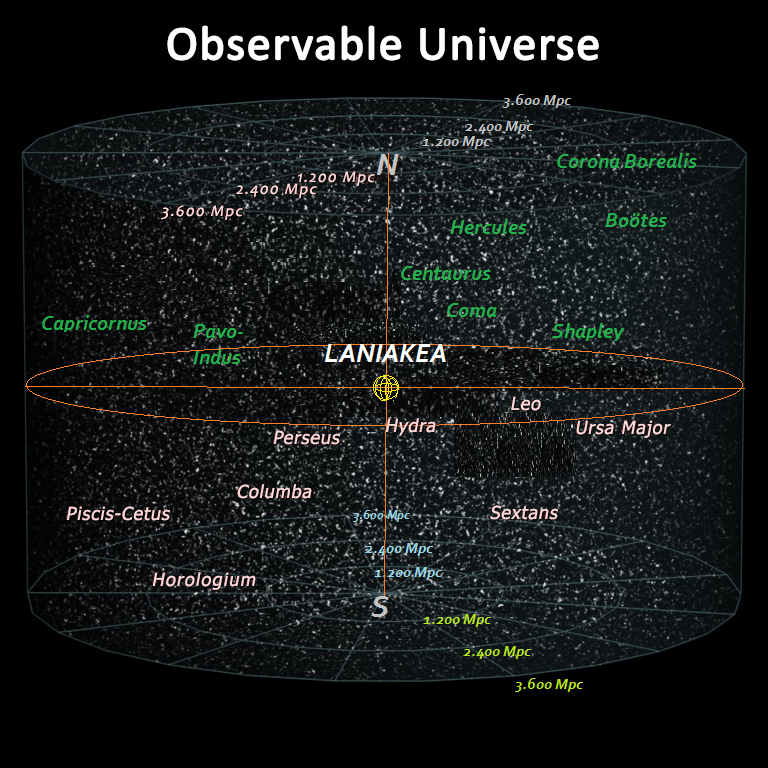
When scientists talk about the “observable universe,” they mean the part of the cosmos whose light has had time to reach us since the beginning. Because space has expanded while that light traveled, the observable region today spans on the order of ninety billion-plus light-years in diameter. That number looks like a typo until you realize expansion drags distances outward as the photons come in. We’re fishing from a boat while the lake keeps growing.
Even within this visible bubble, we see only a sliver. Many galaxies are simply too faint, too distant, or masked by dust to tally cleanly. Best current estimates suggest the count runs into the hundreds of billions, perhaps more. The wild part: beyond the observable edge, there’s likely more universe, just currently out of reach.
Expansion on Fast-Forward: Space Itself Is Stretching
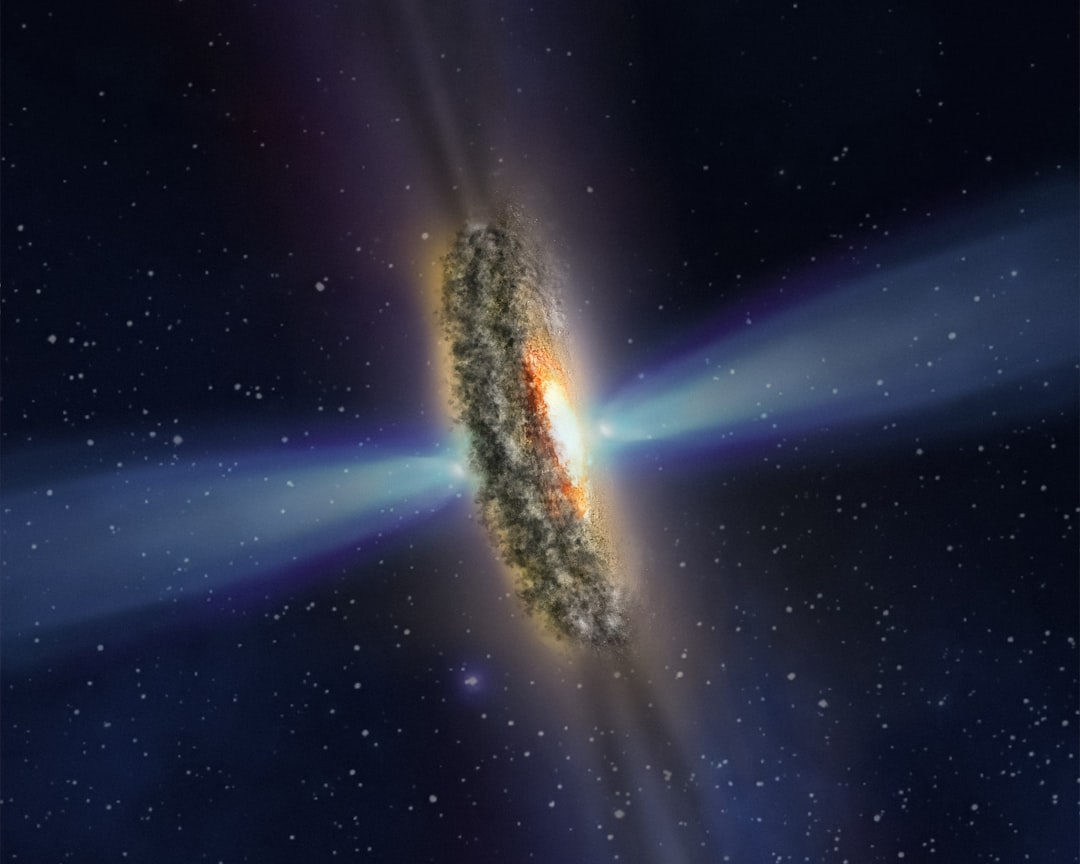
Galaxies aren’t flying through space like shrapnel; the fabric of space between them is stretching. The farther away a galaxy is, the faster it appears to recede, a pattern baked into the expansion of the universe itself. This doesn’t break the cosmic speed limit, because it’s not objects speeding through space; it’s space growing between objects. Think of raisin bread rising: the raisins stay put while the dough swells.
On the largest scales, that expansion is accelerating, driven by something we label dark energy. Roughly about two thirds of the cosmos seems tied up in that mysterious push. Ordinary matter – the stuff of planets, people, and pancakes – is only a thin slice. Our daily experience is built from a minority ingredient.
The Cosmic Web: Filaments, Clusters, and Immense Voids
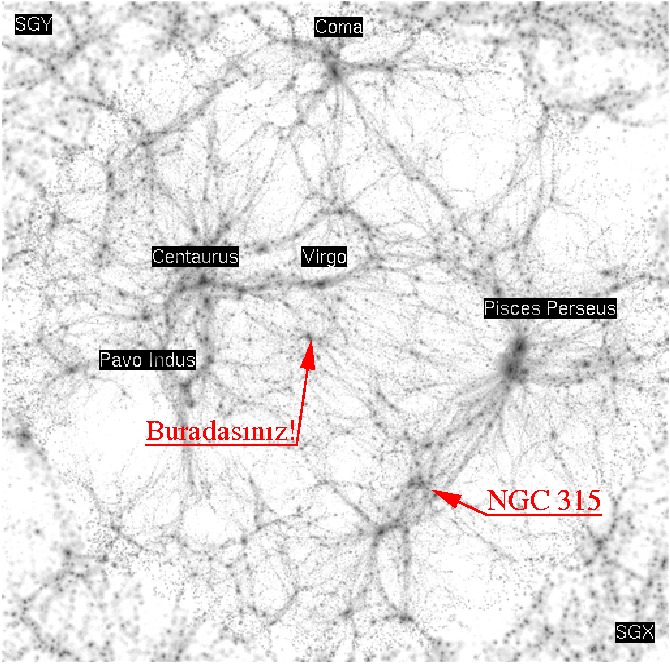
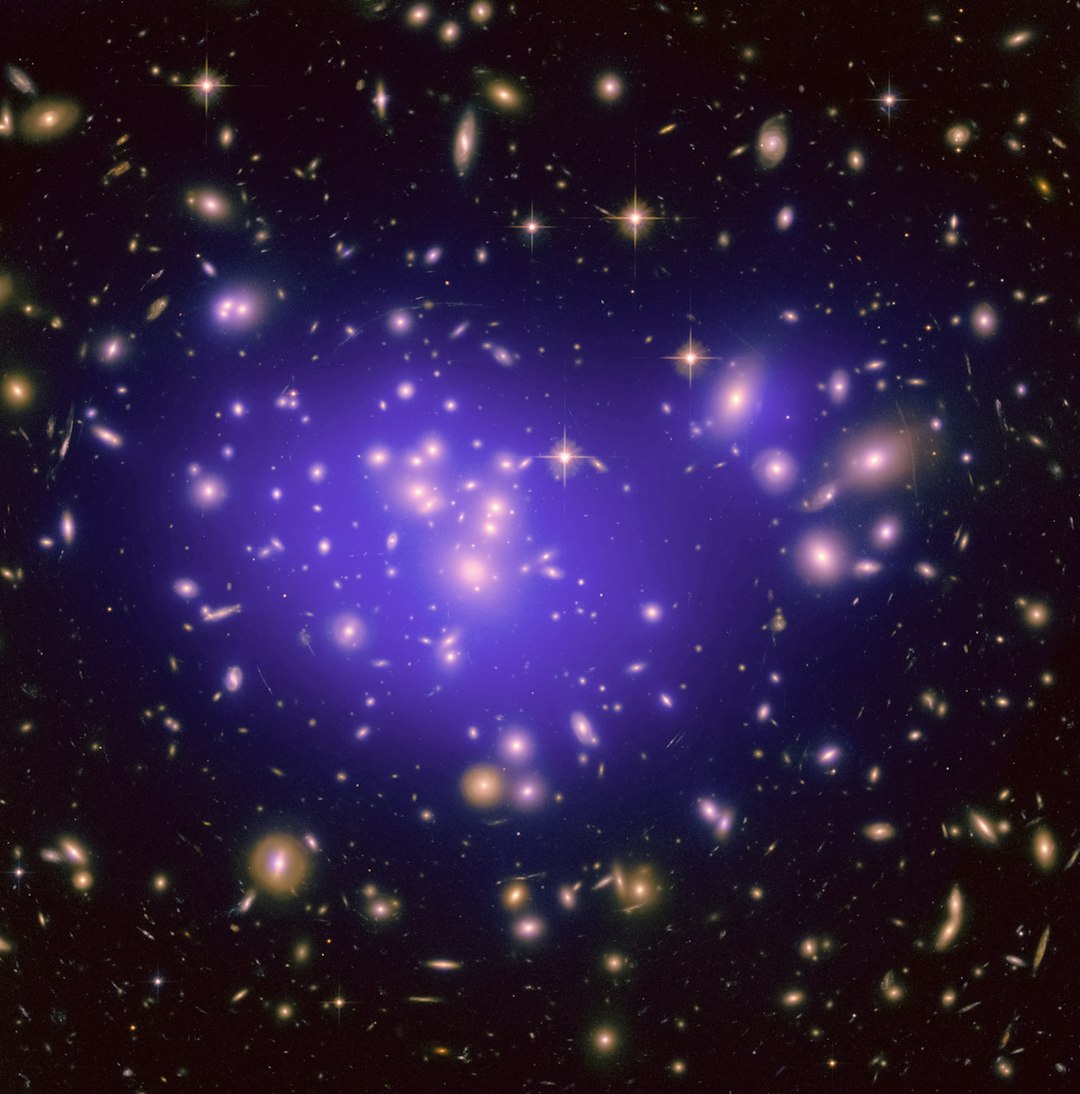
Zoom out far enough and galaxies trace a lacework: filaments threading into nodes called clusters, with yawning voids in between. These structures sprawl for hundreds of millions of light-years, shaped by gravity tugging on invisible scaffolding. Dark matter, the unseen mass, provides the skeleton; gas and stars light up the bones. Voids aren’t empty so much as underdense, vast deserts between city-states of galaxies.
The web formed from small ripples after the Big Bang, amplified over billions of years. Simulations predict its delicate strands; surveys then go and find them. Every map we draw of this structure is a biography of gravity at work. The web’s artistry is accidental – and haunting.
Black Holes to Superclusters: Extremes Where Scale Always Wins
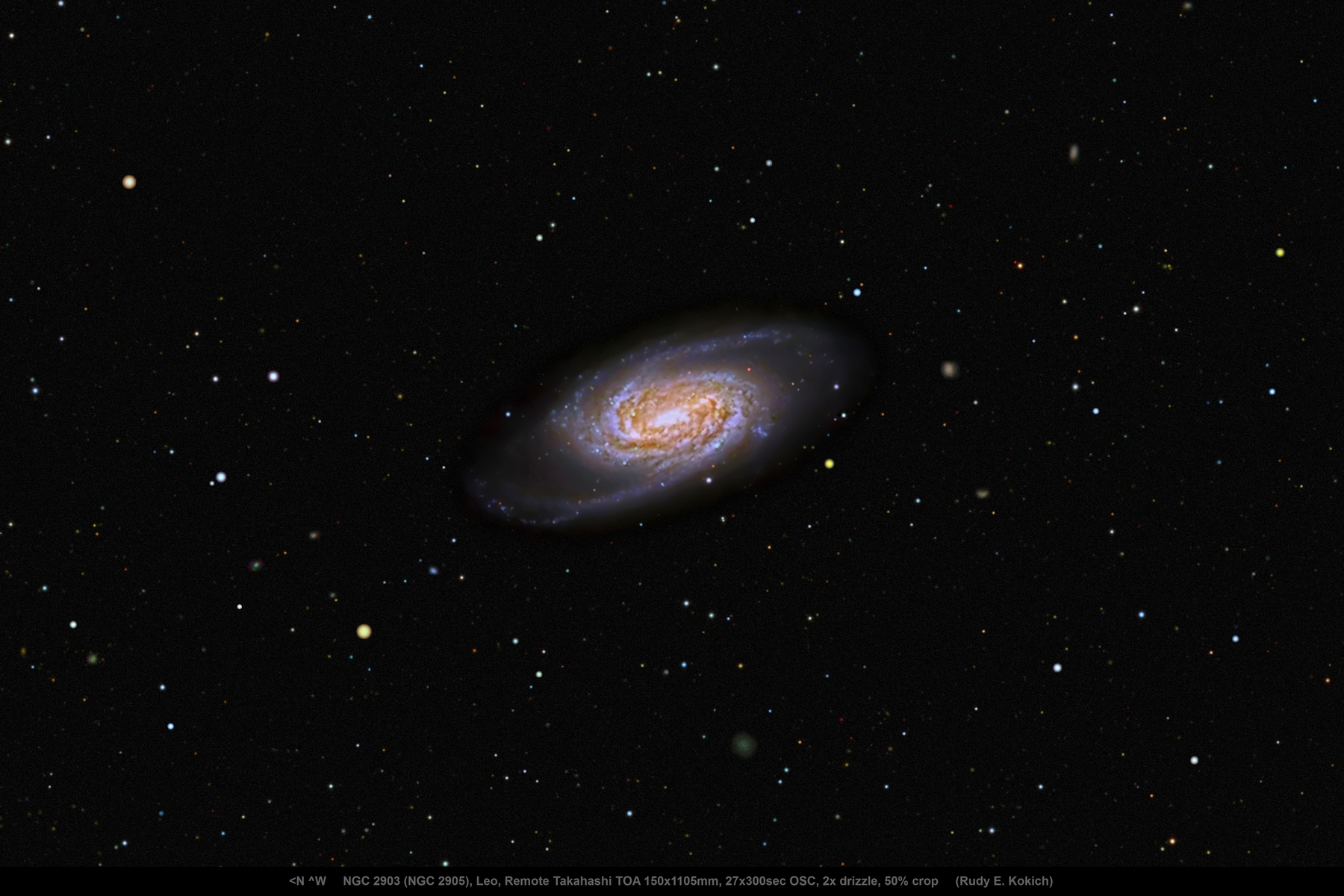
In the same universe where atoms jitter, black holes weigh millions to billions of Suns. Their event horizons can span distances comparable to our solar system, yet their gravitational influence organizes whole galaxies. On the other end of the scale, superclusters stitch together thousands of galaxies, sprawling across regions so large that the mind buckles. The common rule across these extremes is simple: scale sets the stakes.
When I first saw an image of a supermassive black hole’s shadow, it felt like peering at a storm eye carved into spacetime. Then I looked at a chart of superclusters and felt the same vertigo in reverse. We keep bouncing between microscopes and megascopes. Either way, the view is humbling.
Time Is Distance Here: Looking Far Means Looking Back
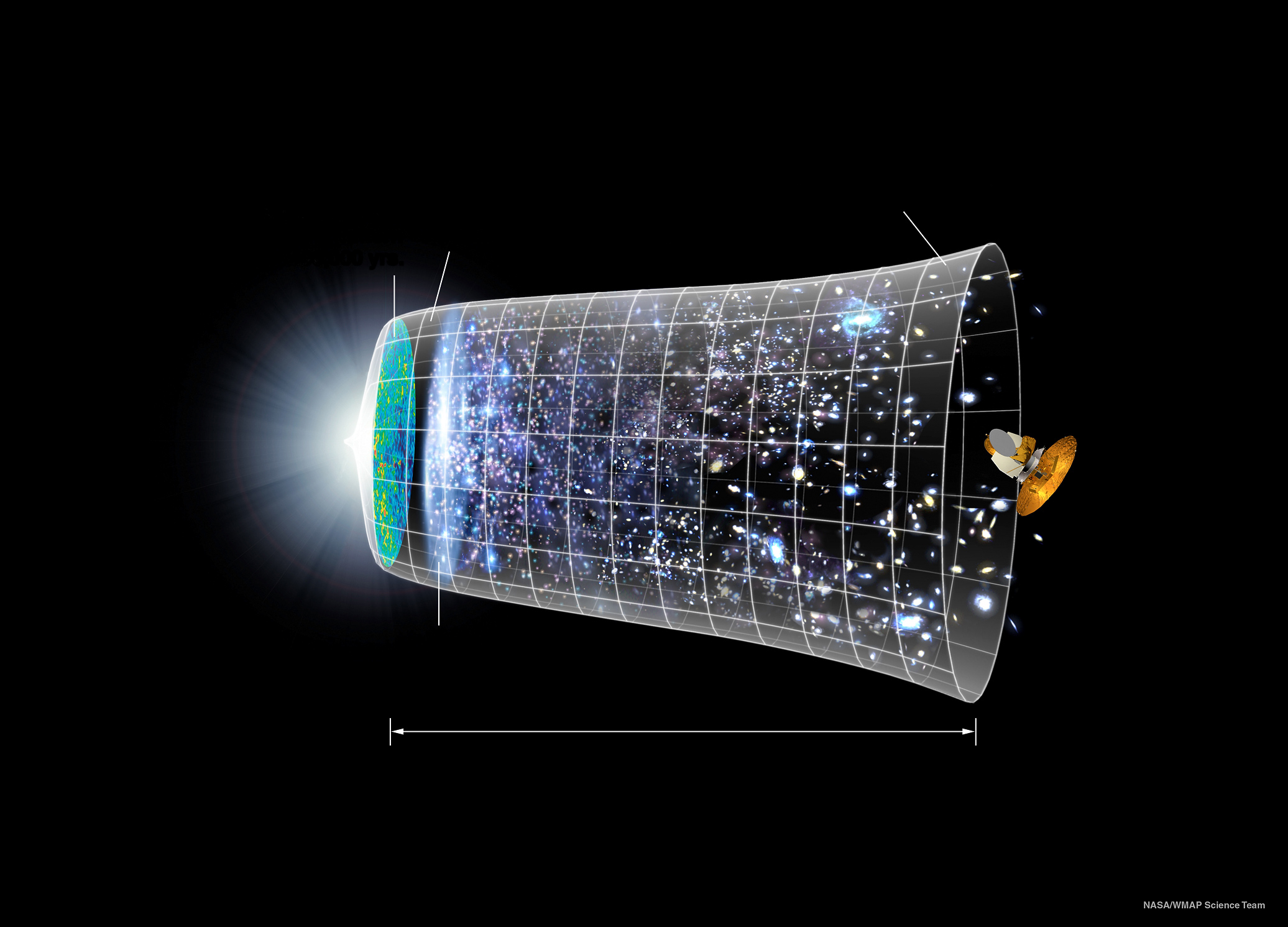
Every additional light-year out is another year into the past. Look far enough, and you see galaxies as infants, messy with rapid star birth and mergers. Farther still lies the cosmic microwave background: the afterglow from when the universe became transparent, a baby picture imprinted across the entire sky. The present, in astronomy, is a mosaic assembled from many yesterdays.
This time-stacked reality means we witness evolution, not just snapshots. We’ve watched stars explode and fade, galaxies collide, and clusters grow heavier over eons. It’s a documentary filmed in layers, with distance as the editing tool. The cosmos tells its story; we just have to learn its language.
Why It Matters: Scale Rewrites Our Place and Our Tools
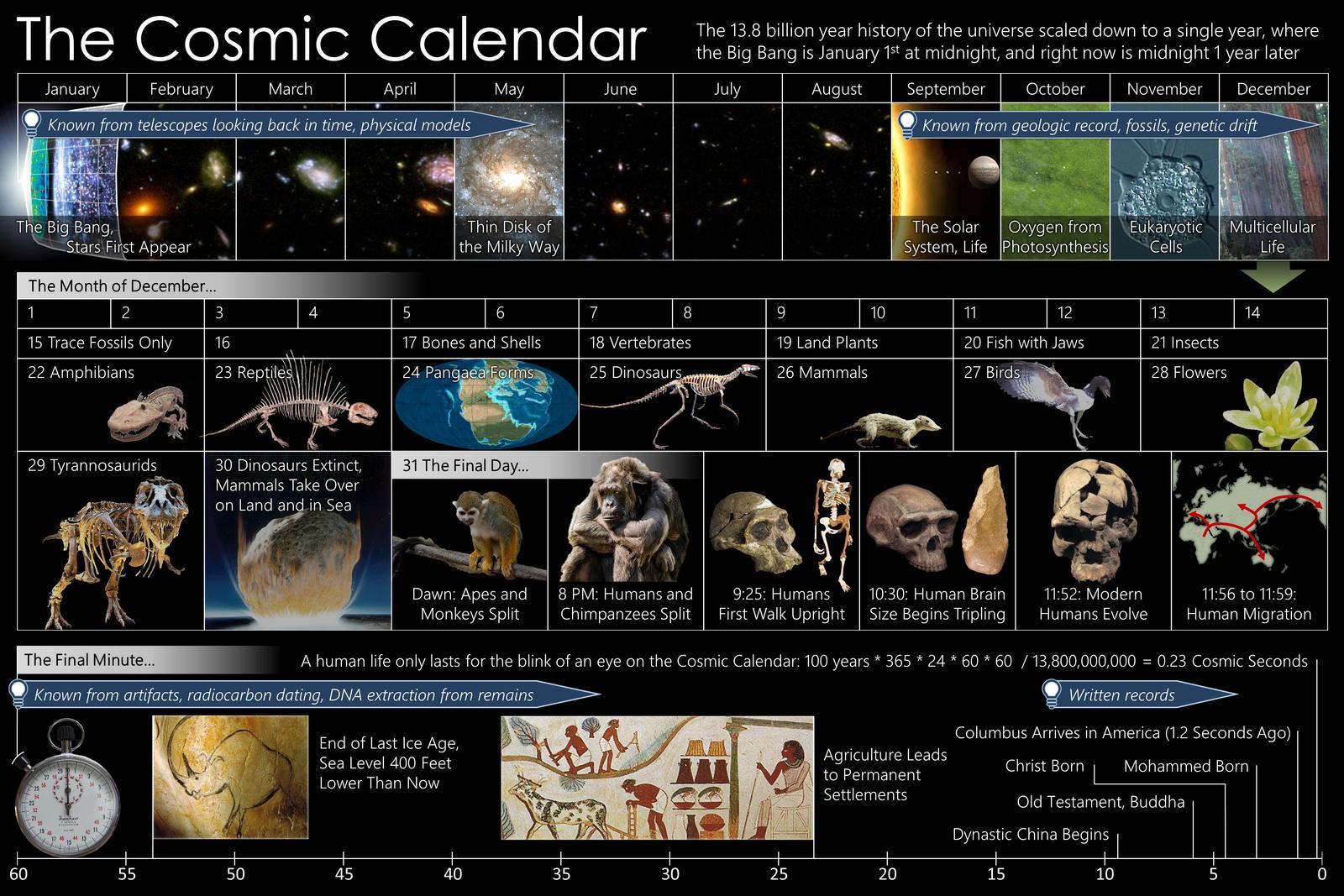
Grasping cosmic scale isn’t trivia – it changes how we model physics, plan missions, and even design sensors in your phone. The same math that tracks galaxies helps navigate spacecraft and calibrate GPS timing. Understanding dark matter and energy reframes the ultimate fate of everything we know, from the Sun’s future to the reach of humanity. Science thrives when our mental maps match reality, even if that reality is outrageously large.
Consider a few anchors that ripple back to Earth:
– Navigation and timing rely on relativistic corrections born from studying gravity.
– Detector technology from astronomy flows into medical imaging and materials science.
– Dark-sky policies preserve research and restore natural night to wildlife and people.
Scale is not just out there; it quietly powers everyday life.
Global Perspectives: A Planet-Sized Effort to Chart a Universe-Sized Map
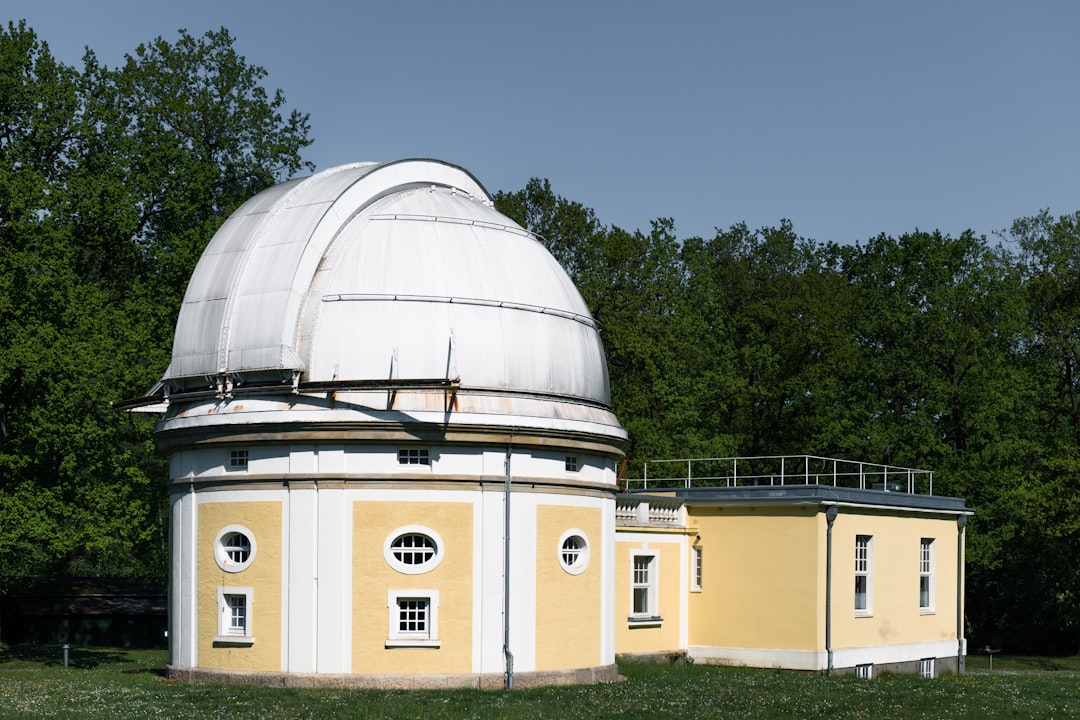
No single observatory, country, or team can measure a cosmos this vast. Radio arrays in the Southern Hemisphere pair with optical giants in Chile and Hawaii, while space telescopes orbit above the blur of air. Data centers on multiple continents grind through torrents of observations, stitching together the same sky from different wavelengths. Collaboration isn’t a nicety; it’s the only way the picture resolves.
That international mosaic has a practical upside: redundancy. When one instrument falters, others can confirm, refute, or refine. Disagreements – like competing measurements of the expansion rate – are features, not bugs. They force the field to tighten the bolts on the cosmic distance ladder.
The Future Landscape: New Eyes Will Redraw the Cosmic Map
The next wave of observatories will widen and deepen the survey, catching fainter galaxies and sharper transients. Ultra-wide optical surveys will track billions of objects night after night, while infrared space telescopes push farther into the early universe’s glow. Massive radio projects will chart hydrogen across cosmic time, mapping the web as it formed. Together, they’ll slash uncertainties and stress-test today’s models.
Challenges loom: terabytes will become petabytes overnight, and algorithms must separate real events from noise. We’ll need better standards, open data, and transparent pipelines to keep trust with the public. If the past decade revealed surprises, the next will test our courage to be wrong in public. That’s how a map gets better.
Your Move: Small Actions That Support Big-Universe Science
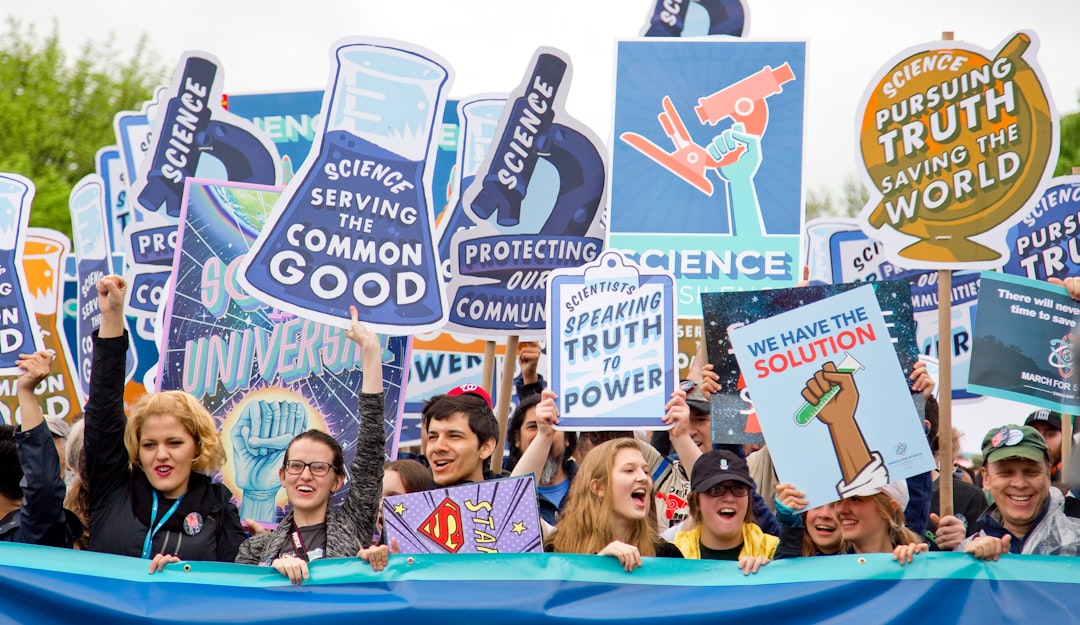
You don’t need a telescope to help map the cosmos. Citizen-science platforms let anyone classify galaxies, spot gravitational lenses, or tag supernova candidates. Supporting dark-sky initiatives reduces light pollution, sharpening observatories and restoring the Milky Way to backyard skies. Even sharing accurate explanations pushes back against elegant myths that mislead.
Practical steps live close to home: advocate for shielded outdoor lighting, back public research funding, and follow mission updates from reputable agencies. If you’re curious, start a sky journal and track what changes with the seasons; pattern-spotting is the beating heart of science. The universe is very large, but participation scales, too. That’s the most human trick of all.
Suhail Ahmed is a passionate digital professional and nature enthusiast with over 8 years of experience in content strategy, SEO, web development, and digital operations. Alongside his freelance journey, Suhail actively contributes to nature and wildlife platforms like Discover Wildlife, where he channels his curiosity for the planet into engaging, educational storytelling.
With a strong background in managing digital ecosystems — from ecommerce stores and WordPress websites to social media and automation — Suhail merges technical precision with creative insight. His content reflects a rare balance: SEO-friendly yet deeply human, data-informed yet emotionally resonant.
Driven by a love for discovery and storytelling, Suhail believes in using digital platforms to amplify causes that matter — especially those protecting Earth’s biodiversity and inspiring sustainable living. Whether he’s managing online projects or crafting wildlife content, his goal remains the same: to inform, inspire, and leave a positive digital footprint.