
Every once in a while, science drops a discovery that quietly blows up everything you thought you knew about reality. The universe isn’t just big and mysterious; it’s deeply weird in ways that feel almost personal, like it’s challenging you to let go of your old mental picture and build a new one from scratch. The more astronomers look, from massive telescopes on mountaintops to space observatories orbiting far above us, the clearer it becomes: our human-scale intuition is wildly unprepared for the truth out there.
What follows isn’t just a list of “fun space facts.” These are findings that can shake how you think about time, matter, beginnings, endings, and even what it means to be “here” at all. Some of them sound almost spiritual, others sound like science fiction, but they’re all grounded in real research from the last decades, right up to the 2020s. Read them slowly, let each one sink in, and notice which ones make your stomach drop a little. That’s your perspective stretching.
The Universe Is Mostly Made of Stuff We Can’t See or Touch
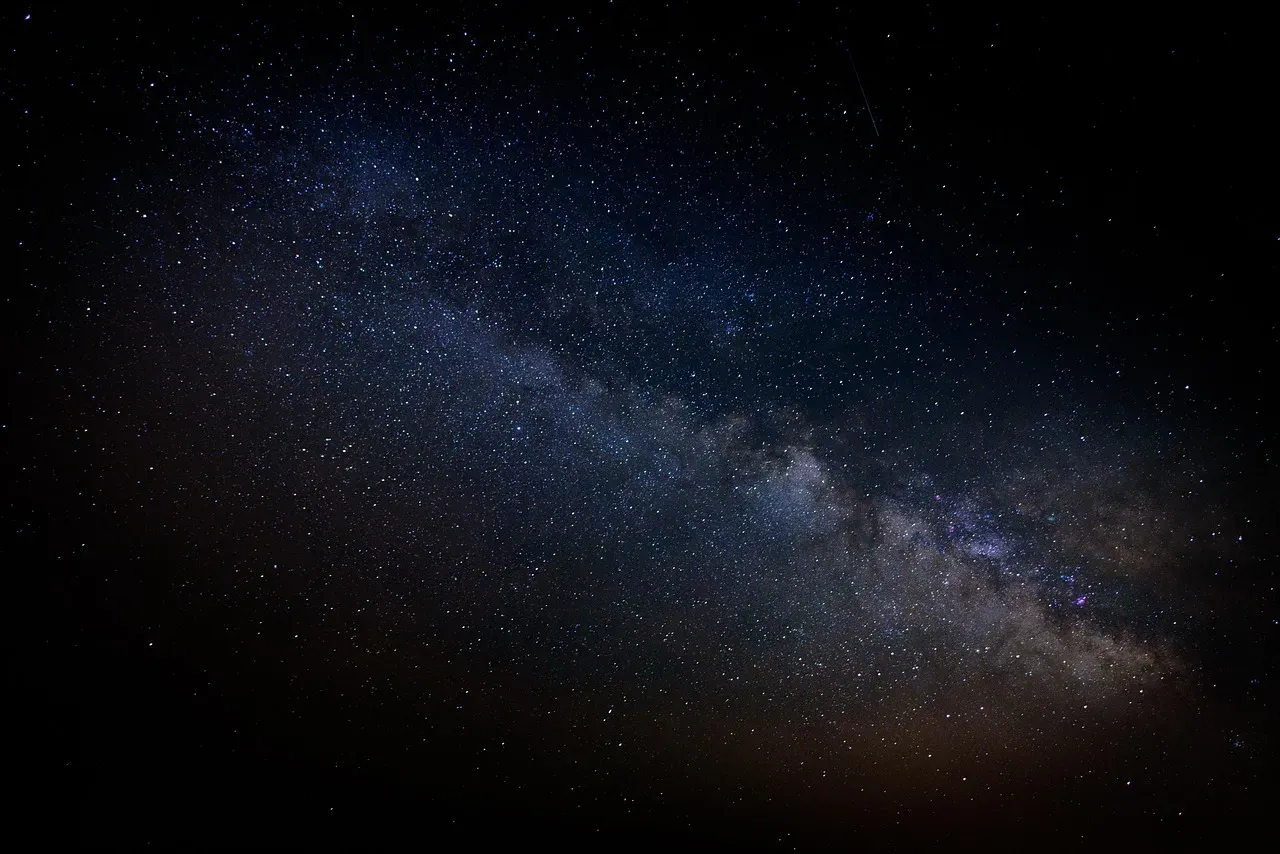
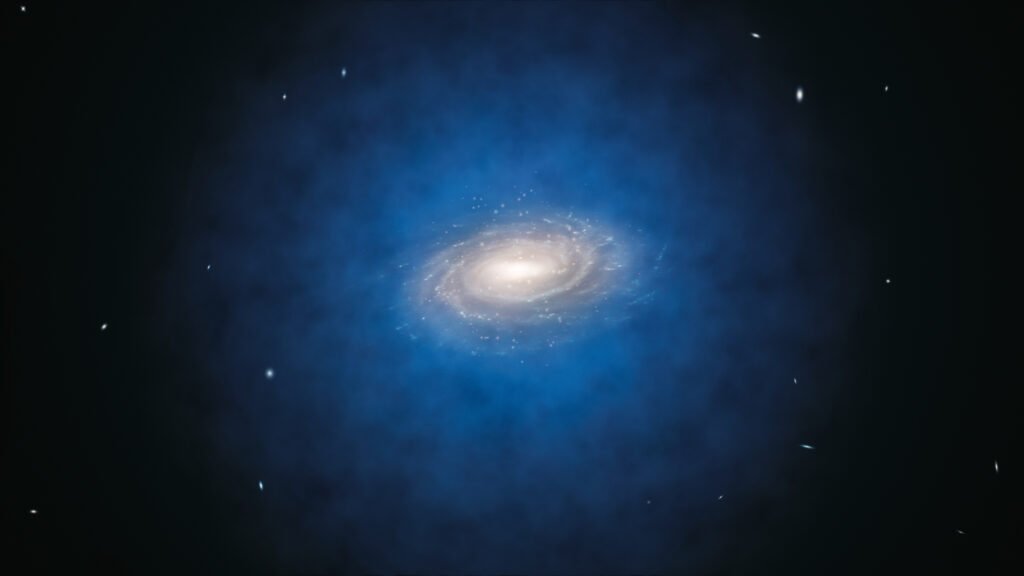
Here’s a wild starting point: everything you’ve ever seen – stars, planets, people, your phone, your breakfast – adds up to only a tiny slice of what exists. Astronomers have learned that ordinary matter, the kind made of atoms, is just a small fraction of the universe’s total content. The vast majority is “dark”: dark matter and dark energy, which don’t shine, don’t glow, and don’t interact with light the way normal stuff does. They shape the cosmos, but they slip right through our senses and our everyday experience.
Dark matter seems to act like an invisible scaffolding, holding galaxies together and affecting how they spin. Dark energy, on the other hand, behaves like a mysterious pressure pushing the universe apart faster and faster over time. It’s like learning that the house you live in is resting on an enormous, hidden structure no one ever told you about. Once you realize that most of reality is invisible and still only partially understood, it’s hard not to question how “complete” your view of the world really is.
The Universe Is Expanding Faster, and We Don’t Know Why
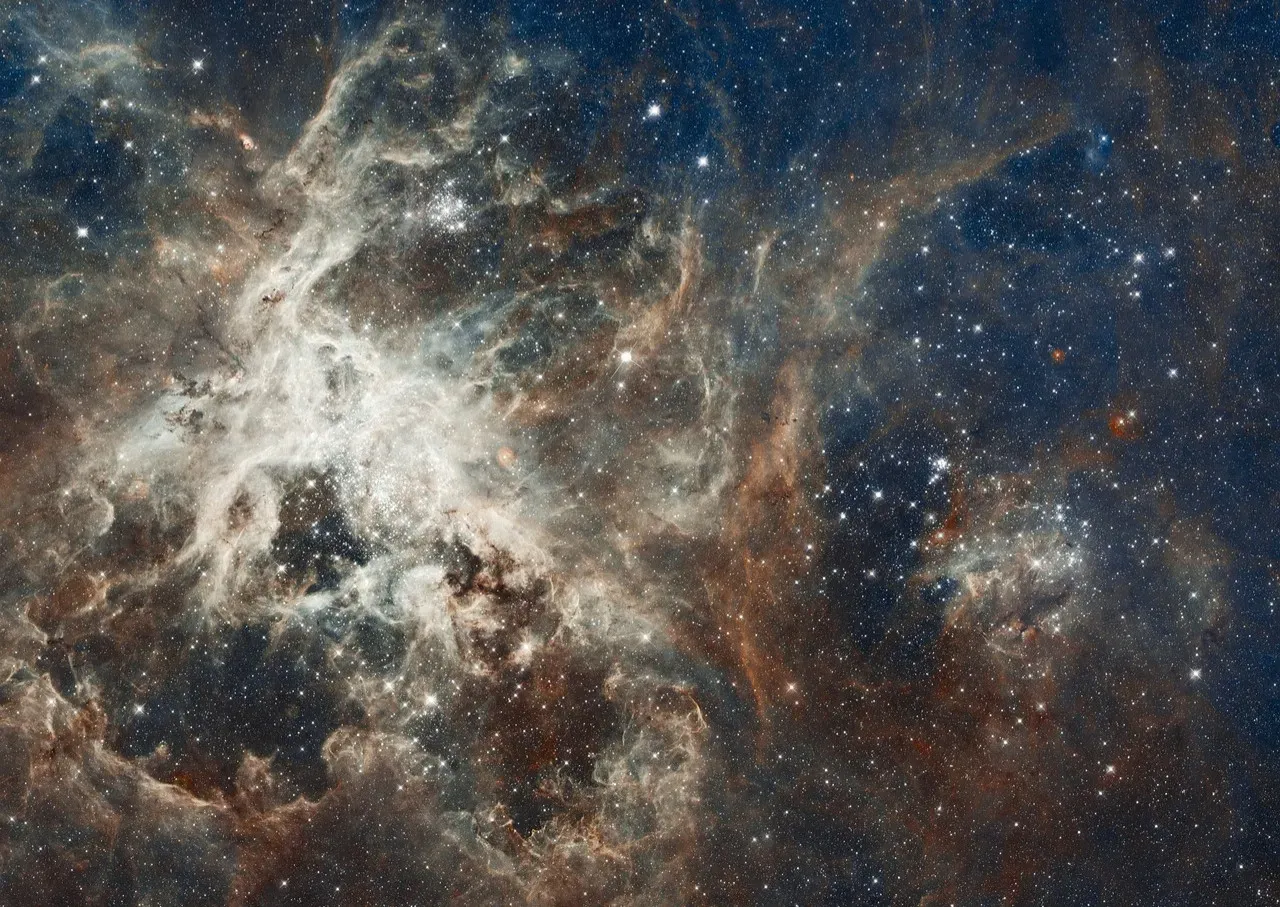
For a long time, scientists thought the universe’s expansion would be slowing down, like a ball thrown upward that eventually loses speed. Instead, measurements of distant exploding stars showed something shocking: the expansion is speeding up. Space itself is stretching more and more rapidly with time, driven by whatever dark energy is. Even stranger, different methods of measuring the expansion rate now give slightly different answers, a puzzle known as the “Hubble tension.”
This disagreement isn’t just a rounding error; it suggests that some piece of our cosmic model might be missing. In the 2020s, new telescopes and surveys have been trying to pin this down, and the possibility is on the table that our current picture of gravity or early cosmic history might need an upgrade. Imagine checking your car’s speedometer, your GPS, and a roadside radar gun and finding they all insist on different speeds, with no obvious mistake. That’s where cosmology is right now: we know the universe is racing away, but we’re not fully sure how fast, or why.
Black Holes Are Not Just Cosmic Vacuum Cleaners
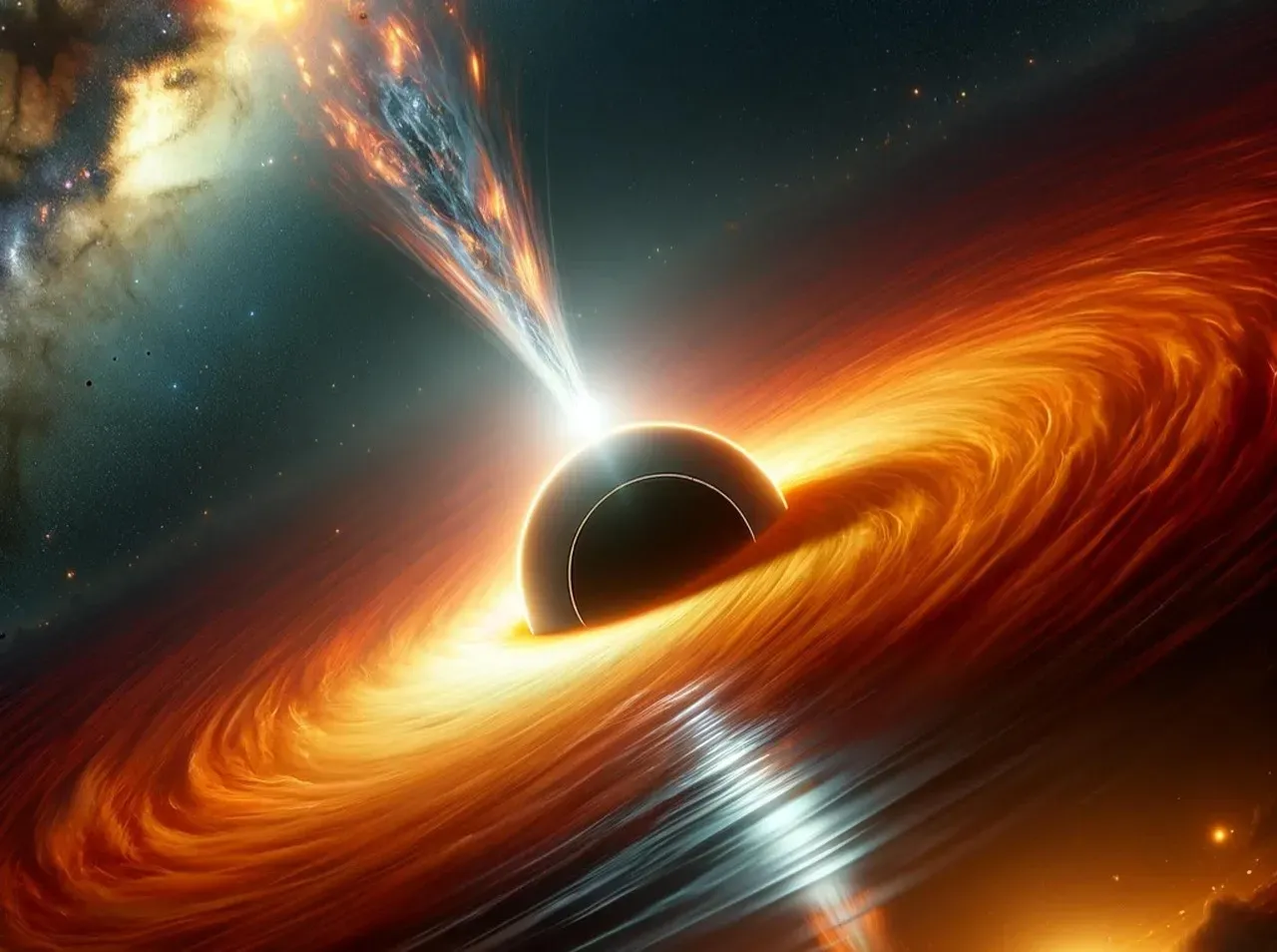
Black holes used to sound like simple monsters: regions of space where gravity is so strong that nothing, not even light, can escape. But modern observations have revealed that black holes are more like dynamic engines than bottomless pits. At the centers of galaxies, supermassive black holes can power jets of particles that blast out for hundreds of thousands of light-years, shaping entire regions of space. Instead of just swallowing matter, they regulate how galaxies grow and change.
Even more mind-bending, black holes carry information in ways we still don’t fully understand. The so-called “information paradox” asks what happens to the details of everything that falls in, if black holes can slowly evaporate over unimaginably long times. Recent theoretical work suggests that information might not be lost after all, hinting that spacetime and quantum mechanics are woven together in a deeper way than we can currently picture. So the next time you hear “black hole,” don’t think of a cosmic drain; think of a complicated, universe-scale hard drive we still haven’t learned how to read.
Time Runs Differently Depending on Where You Are

It sounds like a plot twist, but it’s proven physics: time doesn’t tick at the same rate everywhere. Einstein’s theory of relativity, tested again and again, shows that gravity and motion literally stretch and compress time. Clocks on GPS satellites high above Earth run slightly faster than clocks on the ground, and engineers have to correct for that difference or your navigation would slowly drift off. Time in a strong gravitational field – near a massive planet or a black hole – passes more slowly than it does in emptier regions of space.
Zoom this idea out to the scale of the universe, and your sense of a single, universal “now” starts to crumble. Two distant galaxies might experience very different histories of star formation and cosmic events in what we call the same age of the universe. When science tells you that the cosmos is a certain number of billions of years old, that’s already a simplified version of a much more complex reality. Once you accept that time itself is flexible, your everyday rush to squeeze “enough” into the day starts to look a little different.
There May Be Trillions of Habitable Worlds
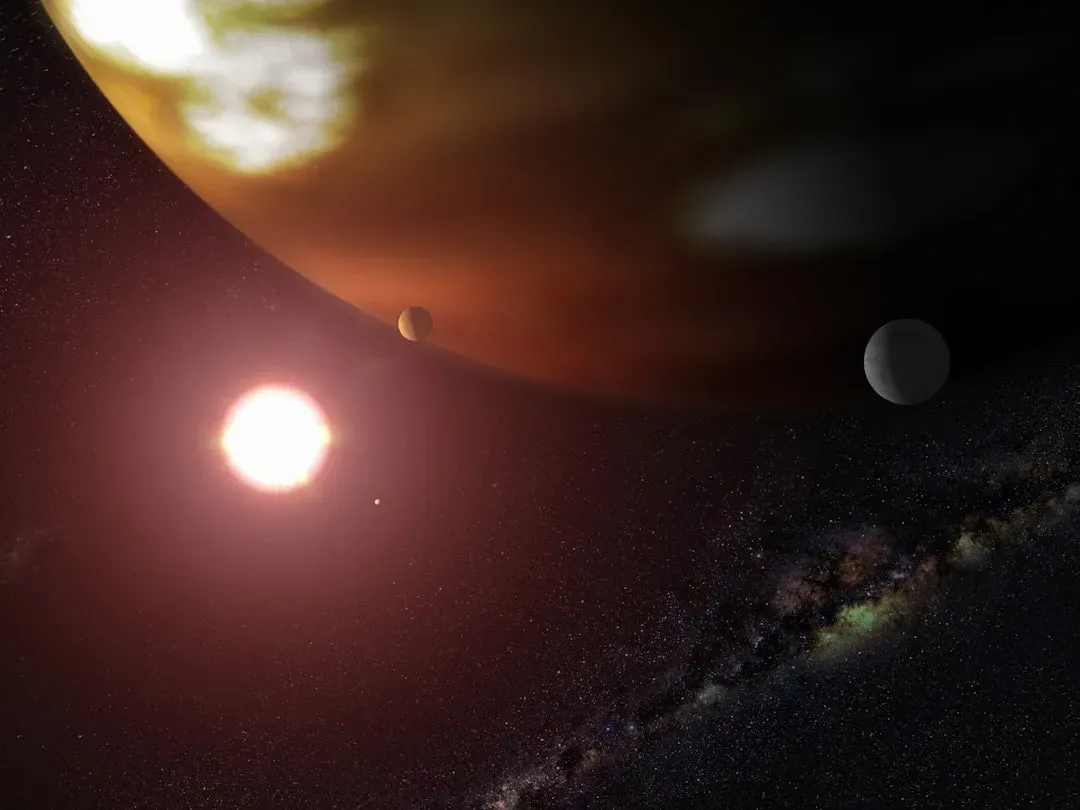
Not long ago, planets around other stars were still mostly in the realm of speculation. Now, we’ve confirmed thousands of exoplanets, and the number keeps growing as instruments improve. Many of these worlds are roughly Earth-sized and orbit in the “habitable zone,” where temperatures could allow liquid water. When astronomers scale up what we’ve already seen to the number of stars in our galaxy, they estimate there could be an enormous number of potentially habitable planets in the Milky Way alone, and many more across the observable universe.
In other words, Earth is not a rare jewel sitting alone in a cosmic void. It’s more like one interesting shell on an endless beach. New missions and observatories in the 2020s and beyond are working toward analyzing exoplanet atmospheres for signs of life-friendly conditions, such as certain combinations of gases. Even if we never find clear proof of alien biology, it becomes harder to believe that life chose only this one speck of rock and nowhere else. That realization can make you feel small, but also strangely connected to a much larger story.
The First Image of a Black Hole Changed How We See the Invisible
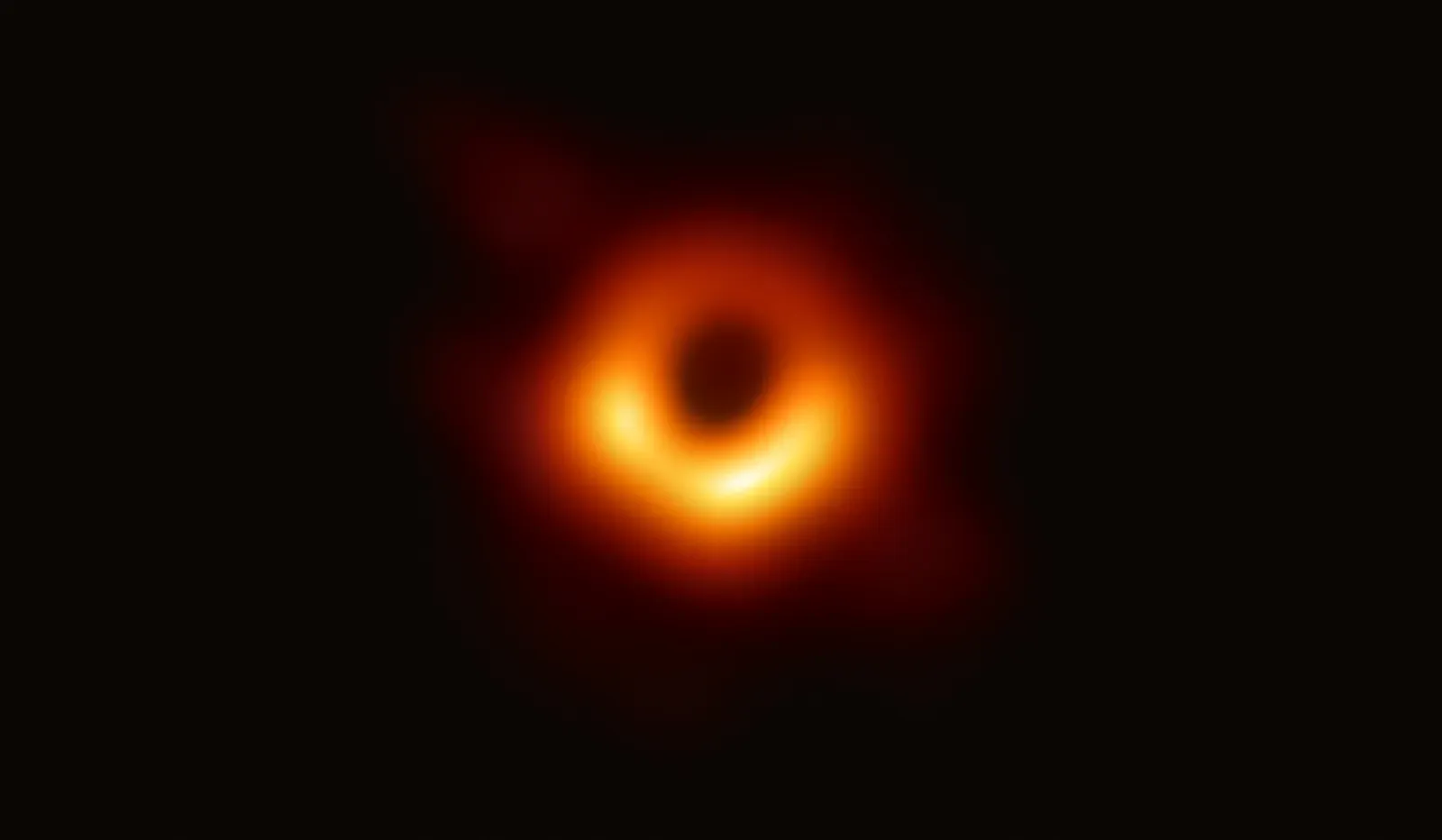
For most of history, black holes were an idea on paper, backed by math and indirect evidence like the motion of nearby stars. Then, in 2019, an international collaboration of radio telescopes stitched together data and produced the first direct image of a black hole’s shadow, revealing a glowing ring of matter around a dark center in a distant galaxy. A few years later, the same method delivered an image of the black hole at the center of our own Milky Way. These weren’t artist impressions; they were reconstructions from real signals gathered across Earth.
That moment did something subtle but powerful to our collective imagination. Suddenly, an object that had lived in equations and science fiction became a kind of portrait on the wall of human knowledge. It showed that we can actually “see” things that no single telescope could capture alone, by synchronizing instruments across continents with exquisite timing. To me, that feels like watching humanity build a planet-sized eye just to glimpse the edge of the unknowable. It’s hard not to feel a little proud that our species pulled that off.
Quantum Entanglement Laughs at Our Idea of Distance
Quantum entanglement is one of those ideas that sounds like a riddle: two particles can become linked in such a way that measuring one instantly affects what you can know about the other, no matter how far apart they are. This doesn’t mean information is traveling faster than light in a simple way, but it does mean our usual, comfortable picture of separate objects sitting in separate places is incomplete. In the last decade, experiments have pushed entanglement to larger distances and more complex systems, including tests with satellites between Earth and space.
These results are not fringe speculation; they sit at the heart of serious efforts to build quantum computers and quantum communication networks. On a philosophical level, entanglement suggests the universe has a kind of built-in connectedness that our everyday senses completely miss. Imagine two coins flipped in different cities that always come up in a perfectly linked pattern, even though no signal passes between them in any normal way. It feels impossible, and yet it’s part of how reality works under the hood.
Galaxies Formed Earlier and Stranger Than We Expected
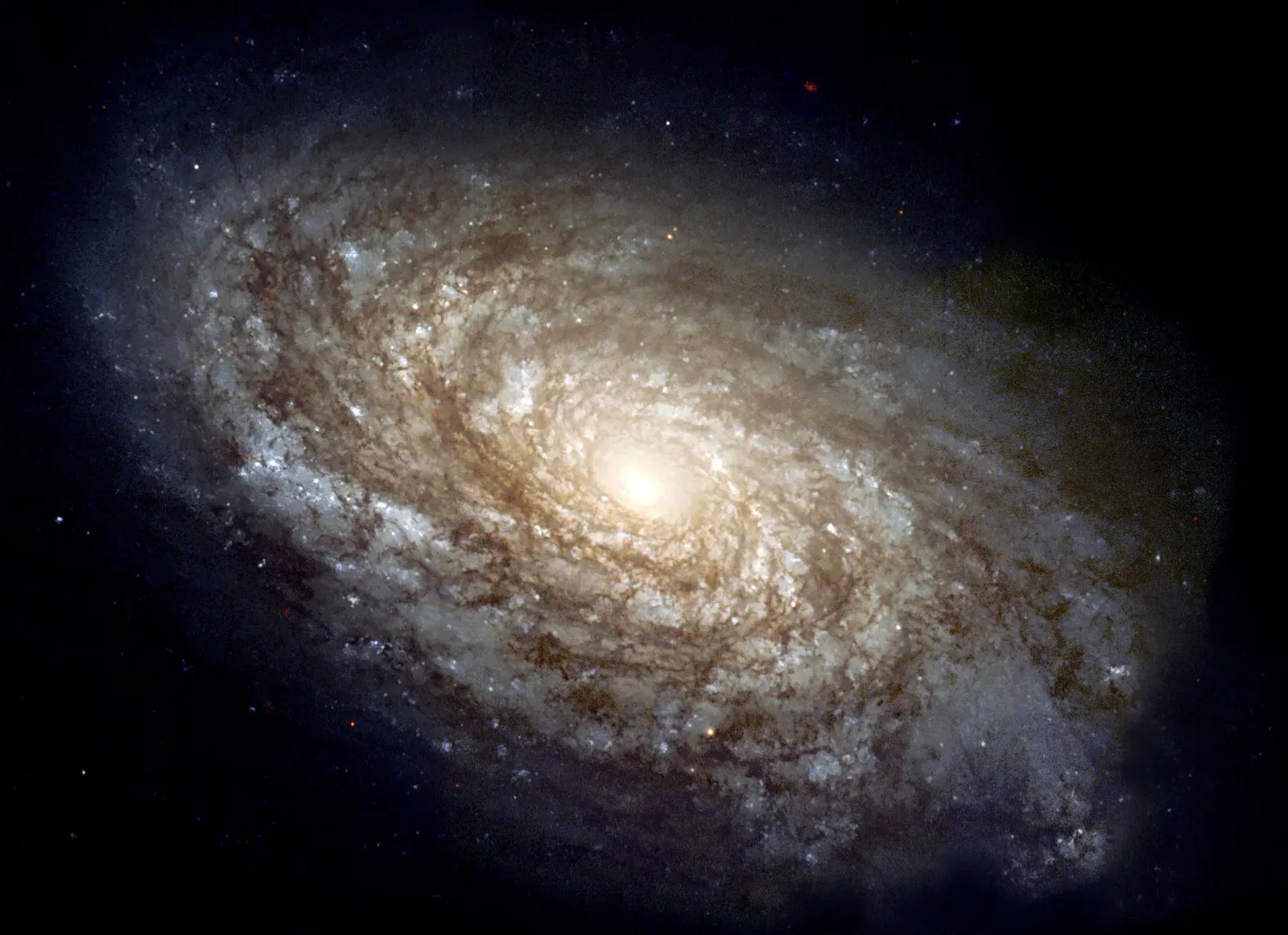
New space telescopes, especially those launched in the 2020s, have been peering deeper into the early universe than ever before. By capturing light that has traveled for more than thirteen billion years, astronomers are seeing galaxies as they looked when the universe was just a tiny fraction of its current age. Some of these young galaxies appear surprisingly massive and well-formed, with more structure and stars than standard models predicted for such an early time.
This has sparked intense debate about whether we fully understand how quickly matter clumped together after the Big Bang. It’s as if you expected to find only a few tents in a new settlement and instead discovered full skyscrapers already standing. Researchers are double-checking measurements, refining simulations, and exploring whether our theories of dark matter, star formation, or cosmic expansion need adjustment. The bigger point is that the universe keeps refusing to be as simple and orderly as we’d like it to be.
The Universe Might Not Be Infinite, and It Might Be Curved
We often picture space as an endless, flat grid stretching on forever, but the universe might not play by that mental image. Measurements of the cosmic microwave background – the faint afterglow of the Big Bang – suggest that on the largest scales, spacetime can be curved. Depending on the true amount of matter and energy, the universe could be very close to flat, slightly open, or slightly closed, each with different long-term fates. Our current best data say it’s extremely close to flat, but even a tiny curvature could mean the difference between infinite and finite.
If space is finite but unbounded, moving in a straight line far enough might, in principle, bring you back where you started, like walking around Earth and ending up at your front door. That idea makes the universe feel less like a bottomless pit and more like a vast but ultimately contained structure with a particular shape. Thinking about this can feel like trying to imagine the edge of a thought: your brain keeps looking for a wall or a border that might not exist the way you expect.
The Cosmic Future Is Both Lonely and Beautiful
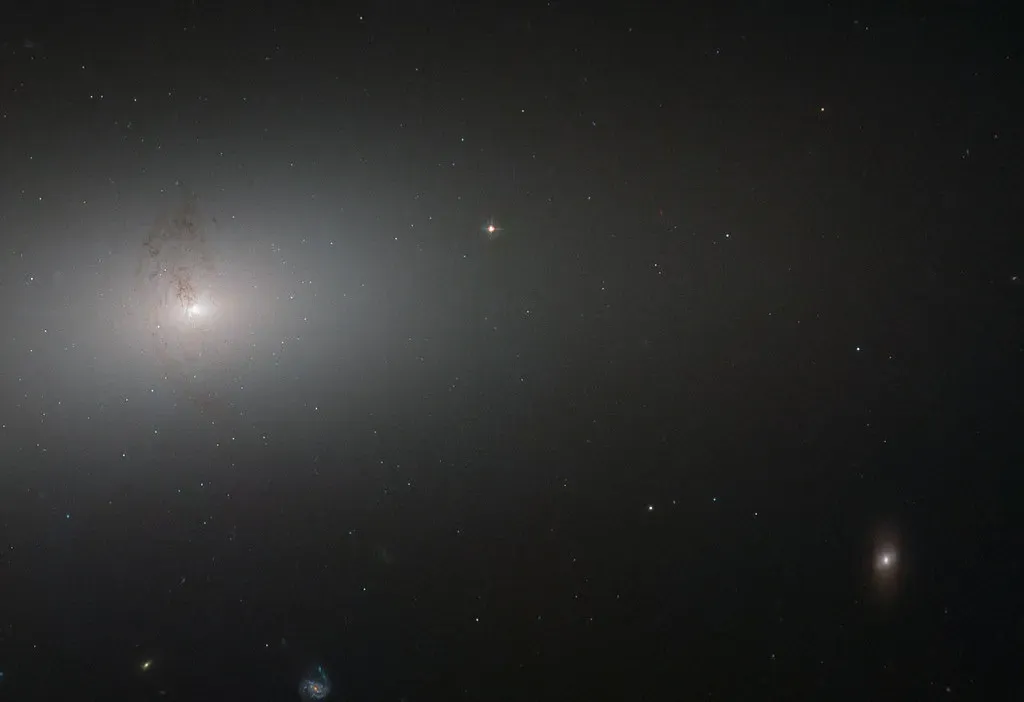
When you zoom far into the future, the universe’s story takes a dramatic turn. If dark energy keeps pushing space to expand faster and faster, distant galaxies will drift beyond our horizon, becoming forever unreachable and invisible. Over immense stretches of time, stars will burn out, galaxies will fade, and the night sky will grow emptier. On those timescales, even black holes slowly leak away their energy, and the cosmos trends toward a thin, cold, quiet state sometimes called “heat death.”
This picture can feel bleak, like a slow fading of everything bright and meaningful. But there’s another way to see it: we are alive in an incredibly special moment when the universe is full of stars, galaxies, and heavy elements that allow life, art, and curiosity to exist. We happen to be awake while the lights are on and the show is in full swing. Knowing that the cosmic party won’t last forever can make our brief human moment feel more fragile, yes – but also more precious. What else could make your own slice of time feel more worth using well?