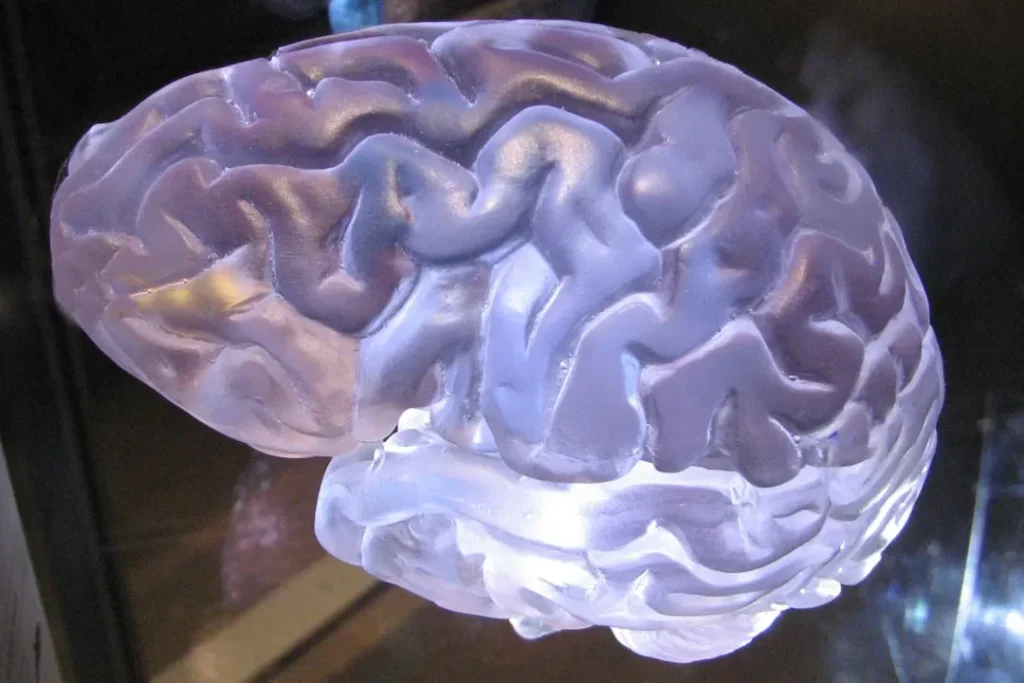

You carry around roughly three pounds of the most complex material ever known to exist in the universe, sitting quietly between your ears, doing things you have absolutely no idea about. It runs your dreams, makes your decisions before you even realize it, and, as it turns out, glows. Science has been picking apart the human brain for centuries, and yet, the deeper researchers dig, the more jaw-dropping the revelations become.
In 2025 and into 2026, neuroscience has been on what can only be described as an absolute tear. Discovery after discovery has overturned things we thought were settled. Some findings are inspiring. Others are honestly a little unsettling. All of them are extraordinary. Let’s dive in.
1. Your Adult Brain Is Still Growing New Neurons
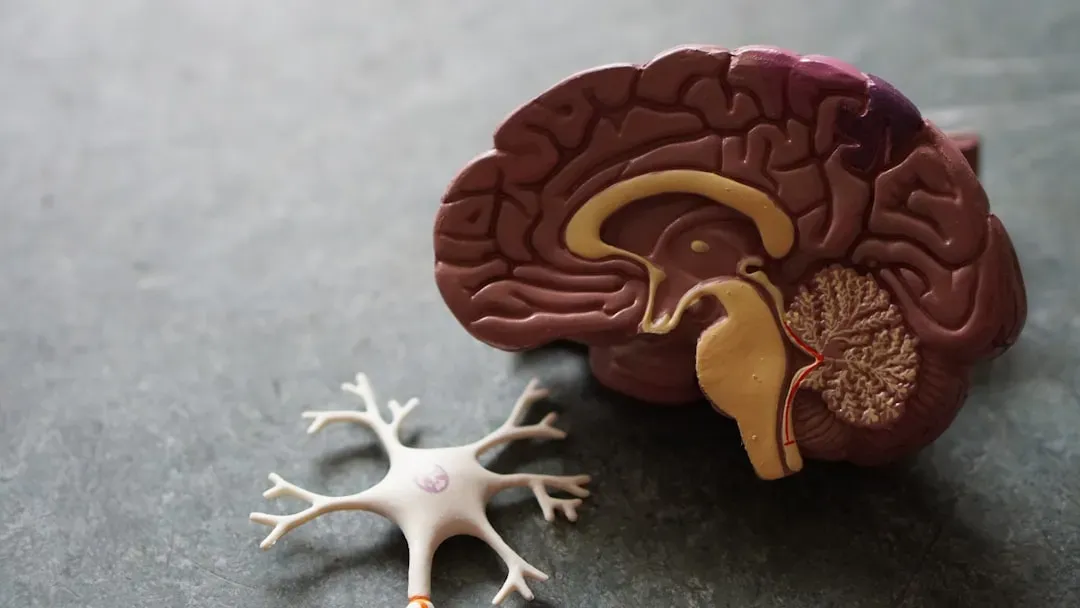
Here’s the thing that blew the scientific world wide open: you were never actually stuck with the neurons you were born with. For a long time, neuroscientists firmly believed you are born with all the neurons you will ever have. Evidence had slowly accumulated to suggest that adults can actually form new neurons, a process called neurogenesis. The debate was fierce, and skeptics were loud.
Researchers then discovered newly formed neurons and the precursor cells that birthed them in the brains of adults, some as old as age 78. Think about that for a moment. A person who has lived nearly eight decades on earth is still generating brand-new brain cells. I honestly find that more inspiring than almost anything else on this list.
2. Your Brain Has a Built-In “Reality Signal”
When you imagine an apple, your brain activity is not that different from when you actually see one. So how does your brain know the difference? Scientists discovered a “reality signal” generated by a region of the brain called the fusiform gyrus, which is then evaluated by another region to determine whether something is real or imagined. This is essentially your brain running a fact-check on itself in real time.
It’s a little like having an internal editor who reads every thought and stamps it either “real” or “fantasy” before it gets filed away. When that system misfires, it could help explain conditions like hallucinations or psychosis in an entirely new light. The implications for mental health research here are enormous, and scientists are only just scratching the surface of what this discovery means.
3. Your Brain Literally Glows
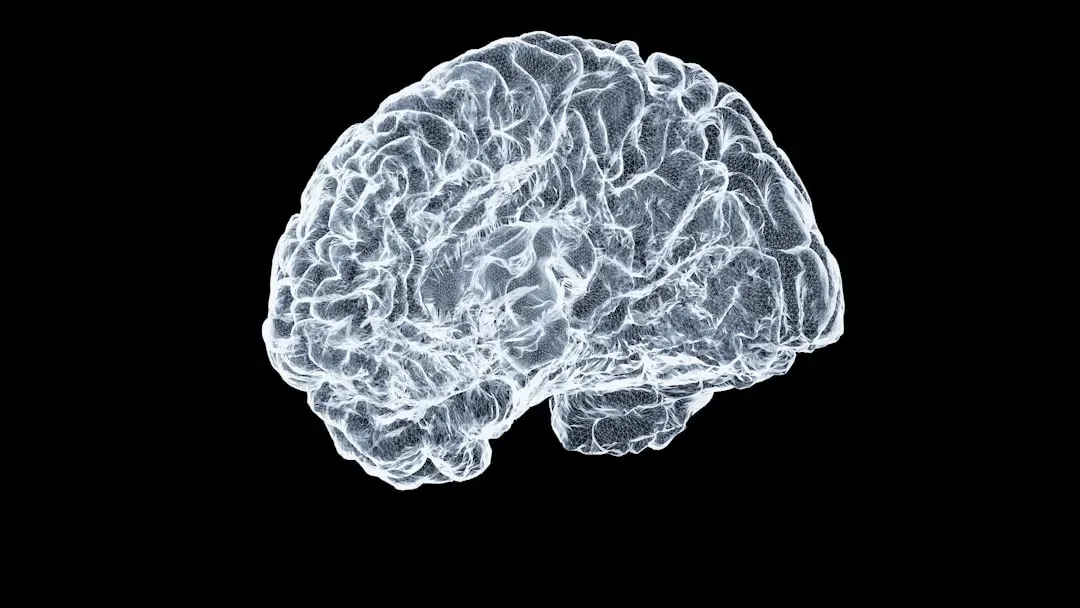
Living tissues emit light called biophotons as a by-product of consuming energy, and the brain consumes a whole lot of energy. In a remarkable experiment, scientists detected biophotons emitted by the human brain from outside the skull for the first time. You are, in the most literal biological sense, a glowing thinker.
The emission changed as people performed different mental tasks, but whether these photons play a role in cognition at all remains to be seen. It’s hard to say for sure what this means for understanding consciousness, but the fact that your brain physically radiates light, detectable from outside your head, is the kind of discovery that makes you stop and stare at the ceiling for a while.
4. The Brain Has Five Distinct Life Stages, Not One Continuous Decline
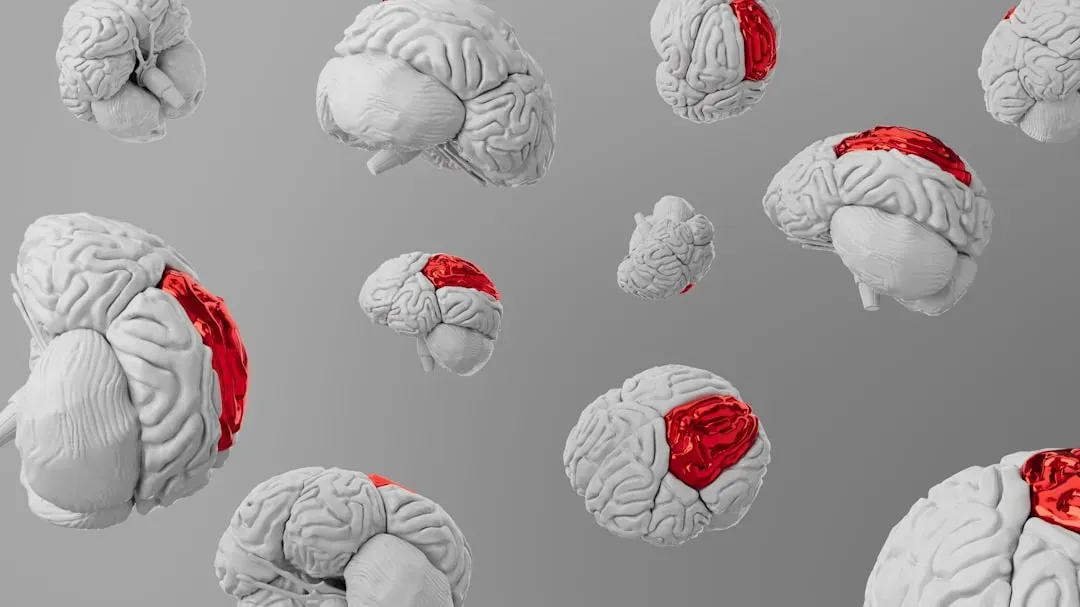
Let’s be real: most people walk around assuming their brain peaked somewhere in their twenties and has been slowly betraying them ever since. That story is wrong. Brain scans of thousands of people revealed that the human brain has five distinct eras, with turning points in the way it is organized occurring at ages nine, 32, 66, and 83. Across each of these stages, people’s brains tend to experience the same types of changes.
A massive lifespan study rewrote one of the most persistent myths in neuroscience, that the brain “peaks in your mid-20s.” Researchers identified five major stages of brain-network organization, with transitions around those key ages. The brain, in a relatable metaphor, continuously installs new “operating system versions” across life, moving the conversation from decline to adaptive re-architecting. You’re not declining. You’re upgrading. That reframe alone deserves a moment of appreciation.
5. Infant Memories Exist Long Before You Can Access Them

You might have zero memory of being two years old, but your brain was most certainly taking notes. Adults’ earliest memories tend to start around preschool and no earlier. But recent research suggests that your brain was making memories before that. A study of the infant hippocampus, a deep-brain structure crucial for memory formation, found that it can store memories once babies are around one year old, though it is not yet clear why those memories become inaccessible as we grow up.
Think of it like a hard drive that saved files in a format your current operating system can no longer read. The data is there. The access just disappeared somewhere along the way. Memory consolidation is closely tied to sleep, especially during REM cycles. During sleep, the hippocampus repeatedly replays daily experiences, strengthening neural connections in the cortex significantly. Even your baby brain was doing this. Wild, isn’t it?
6. The Brain Can Process Impossible Colors It Has Never Seen
Your brain constructs colors based on the activation of cells in the retinas that detect blue, green, and red light. Because of a quirk of biology, there is no light on Earth that can activate only green-light-detecting cells. Every color you have ever seen in your life is a mixture, a blend, a compromise your visual system makes with reality.
Researchers were able to change that by lasering the eyes of five participants to create an impossible new color scientists called “olo,” a wildly saturated blue-green that exists beyond our normal visual range. Your brain, presented with input it has literally never encountered before, simply invented a new perceptual experience. That’s not adaptation. That’s creativity at a biological level you never consented to.
7. Your Brain’s Memory Capacity Could Store the Entire Internet
People often worry about running out of mental storage space, especially after a rough week at work. The reality is almost offensively reassuring. Your neural networks may be capable of storing up to 2.5 petabytes of information, equivalent to about 20,000 iPhones with 128 gigabytes of storage. Researchers note that brains are more flexible than computers when it comes to storing memories and other information.
The brain’s neural network processes roughly 11 million bits of information every second, filtering most of it outside conscious awareness. This attention bottleneck allows focus while the brain manages countless background tasks. In other words, your brain is simultaneously running a million silent processes so you can concentrate on just one thing at a time. It’s less like a filing cabinet and more like an entire city’s worth of infrastructure, working invisibly beneath you.
8. The Brain Consumes a Disproportionate Amount of the Body’s Energy
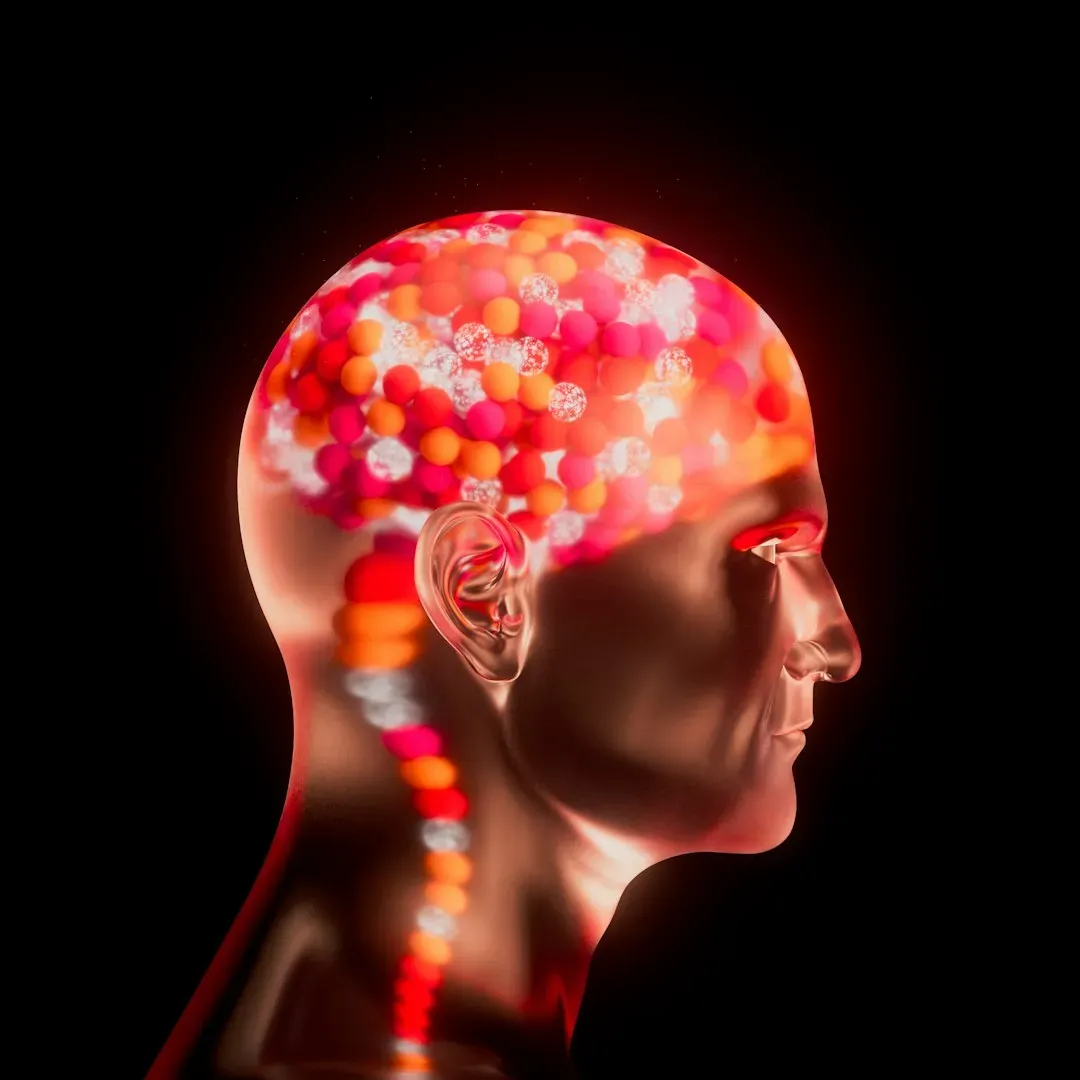
Here’s a number that puts things in perspective. Despite weighing only about two percent of the body, the brain requires a constant flow of oxygen and glucose, consuming roughly twenty percent of the body’s total energy. Even brief disruptions in energy supply can affect thinking and coordination. You are essentially carrying around a supercomputer that demands nearly a fifth of everything you eat just to keep it running.
The metaphorical light bulb over your head might be closer to the truth than you realize. The brain’s billions of neurons consume enough energy even when at rest to power a small light bulb. Think about that the next time someone tells you to stop overthinking things. Your brain burns fuel even when you’re sitting perfectly still doing absolutely nothing. It never truly powers down. Not even for a second.
9. Brain-Computer Interfaces Are Now Decoding Speech in Real Time
For people living with paralysis or ALS, one of the cruelest aspects of the disease is that the brain often remains entirely intact, forming complete thoughts and even speech intentions, while the body can no longer carry them out. People with paralysis or ALS often form intact speech plans but simply cannot move the muscles to speak. A 2024 to 2025 trial showed that a high-density brain-computer interface could decode those speech intentions at roughly 32 words per minute with remarkable accuracy.
Among the major scientific highlights in recent years is a brain-computer interface that can convert brain waves into speech with minimal training. This is not science fiction anymore. It is happening in labs right now, and it is changing what disability, communication, and even identity could look like within a generation. The distance between thought and spoken word may soon be measured in milliseconds rather than impossibility.
10. Two Competing Theories of Consciousness Were Tested Head to Head, and Neither Won
The greatest mystery about the brain remains how it creates consciousness. How does the activity of tens of billions of neurons create your experience of the world? Scientists have many theories of consciousness, and two recently went head-to-head in a formal scientific face-off. The scientific community held its breath for results that would finally settle the argument.
The results were extremely mixed, challenging some of the central tenets of both theories and highlighting just how much mystery remains in the quest to understand our mind. Honestly, there’s something almost humbling about that outcome. The most powerful scientific tools available to humanity were aimed at the question of what makes you “you,” and the answer came back as a resounding “we still don’t quite know.” The brain, it turns out, keeps its deepest secret closest.
Conclusion: The Brain Is the Greatest Frontier We’ve Ever Explored
Every one of these discoveries shares something in common: they arrived by overturning something we thought we already knew. Neuroscience research now shows that intelligence, memory, and emotional regulation are not fixed traits but dynamic processes influenced by sleep, nutrition, learning, and environment. That’s not a small shift in thinking. That changes everything, from how you approach your health to how you think about aging.
You grow new neurons well into old age. Your brain invents colors, glows faintly in the dark, stores more information than the internet, and still somehow can’t explain its own consciousness. As human brain studies continue to integrate AI, genetics, and high-resolution imaging, future therapies will likely focus on precision rather than broad treatment. Protecting brain health early and supporting adaptability later may become central to healthcare.
We are only beginning to understand the thing that does the understanding. And if that doesn’t make you look at yourself a little differently today, honestly, what would? What discovery surprised you the most? Drop your thoughts in the comments below.