Life on Earth is far stranger, more flexible, and more inventive than most of us were ever taught in school. In the last few decades, biologists have uncovered organisms that rewrite the rules of aging, communication systems that work without nerves or voices, and genes that behave more like software patches than fixed blueprints. These discoveries don’t just add trivia to your mental library; they challenge what it even means to be alive, human, or conscious. As new tools like CRISPR and single-cell sequencing peel back more layers, the picture only grows wilder and less predictable. The result is a quiet revolution in how scientists – and increasingly the rest of us – think about our own bodies and our place in the living world.
The Hidden Clues: Your Body Is Mostly Not You
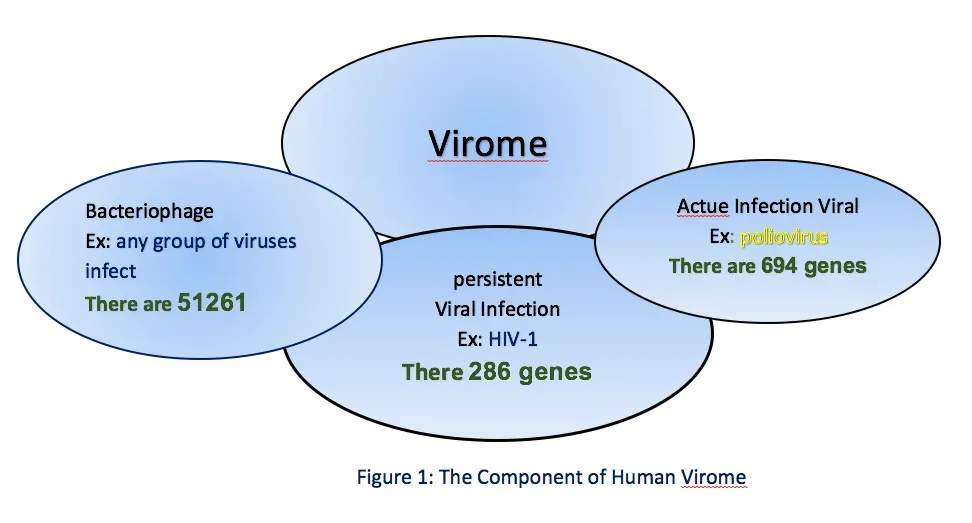
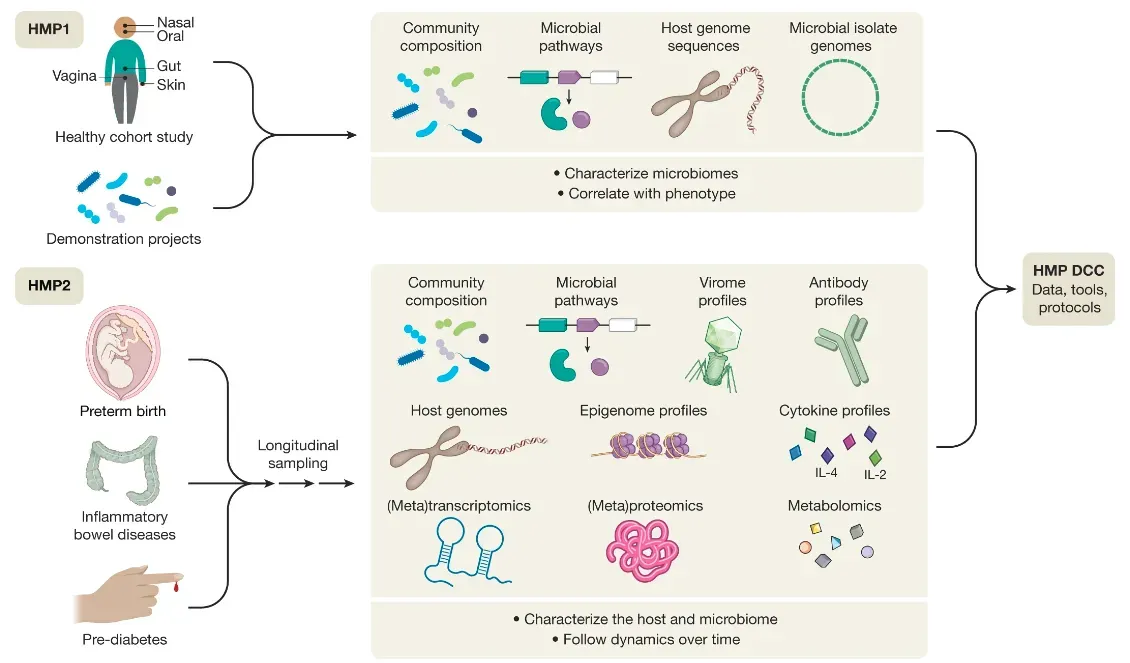
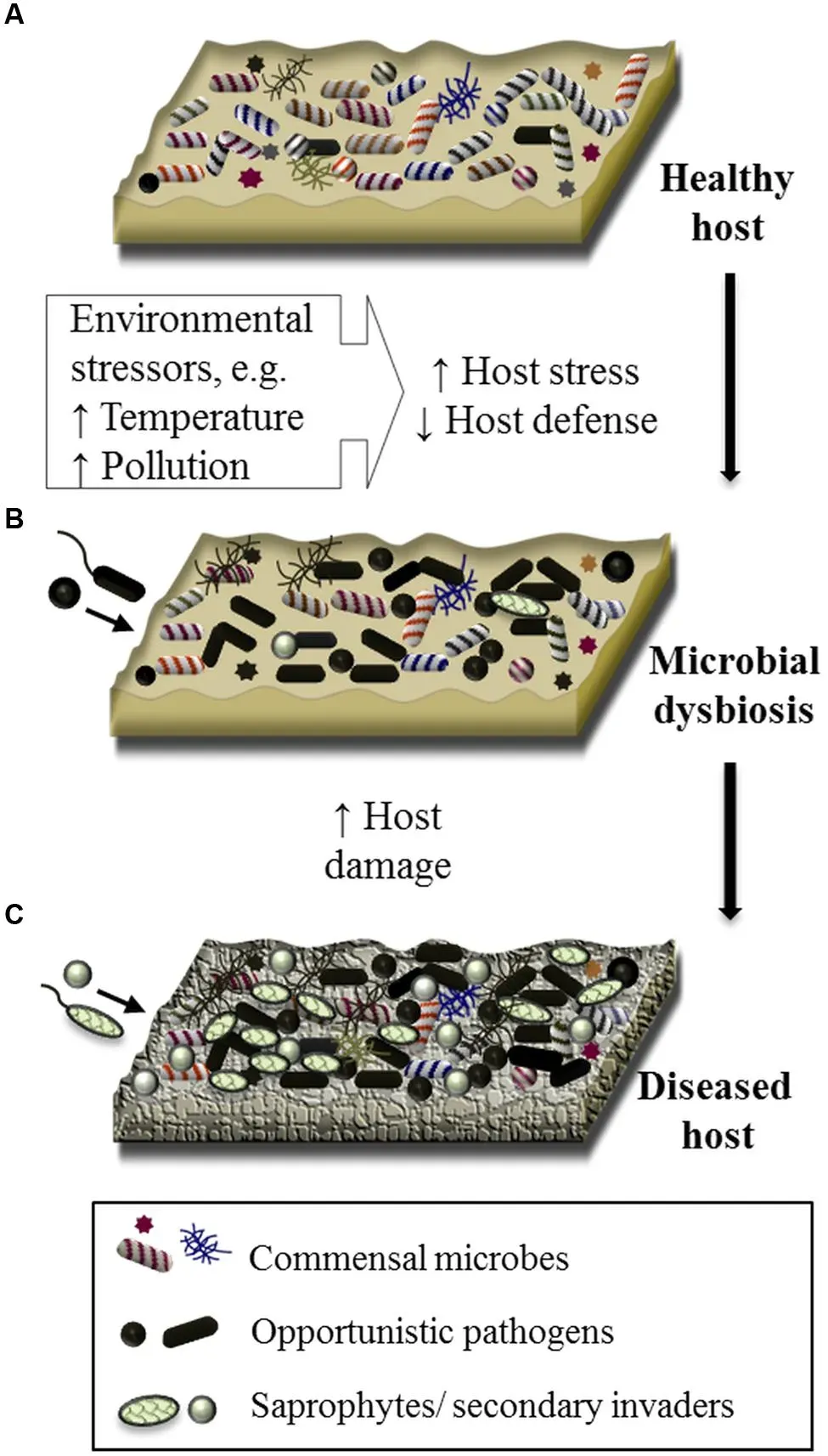
Here’s a jarring thought: most of the cells associated with “you” are not human at all. Your skin, gut, mouth, and even lungs are packed with microbes that help digest food, train your immune system, and even influence your mood. Roughly about one third of the molecules in your bloodstream at any moment are metabolic products made or modified by bacteria, not by your own cells. When scientists transfer gut microbes from anxious mice into calm ones, the calm animals often become more anxious, suggesting that personality can literally be nudged by microbes. It is as if you’re less a single organism and more a bustling city whose residents are constantly bargaining over resources.
This flips the old picture of human biology inside out. Instead of a pristine, sealed body occasionally invaded by germs, we are ecosystems that collapse without microbial partners. Antibiotics, diet changes, and even birth by C-section versus vaginal delivery can reshape this ecosystem in ways that echo for years. Doctors are now exploring fecal microbiota transplants to treat stubborn infections and even some gut-linked brain disorders. When you realize that your sense of “self” rides on trillions of nonhuman passengers, ideas about individuality start to look surprisingly fragile.
Time-Bending Biology: Some Animals Practically Pause Aging
While humans obsess over wrinkle creams and supplements, a few species simply sidestep aging in ways that border on science fiction. The naked mole-rat, for instance, can live almost ten times longer than similar-sized rodents and shows little increase in mortality risk with age. Some jellyfish species can revert from an adult stage back to a juvenile form, essentially rebooting their life cycle when stressed. Certain freshwater hydra have shown no detectable increase in death rates over time in laboratory studies, suggesting they may evade aging as we know it. These creatures behave like the biological equivalent of software that never accumulates fatal bugs.
Studying such species is not just a curiosity project; it is reshaping the science of human aging. Researchers are probing mole-rat DNA repair systems, stress responses, and cancer resistance for clues that might translate to human medicine. Rather than looking for a single “longevity gene,” they find complex networks for maintaining proteins, clearing damaged cells, and controlling inflammation. This has nudged gerontology away from chasing miracle molecules and toward broader strategies like senolytics, which aim to eliminate worn-out cells. If time can be bent in other animals, the hard line we draw around human aging suddenly looks more like an engineering challenge than a fixed fate.
Language Without Voices: Plants Talk, Warn, and Remember
Walk through a forest and it can feel silent, but biologists now know that plants are in constant, invisible conversation. When a caterpillar chews on a leaf, many plants release airborne chemicals that warn nearby plants to ramp up their defenses. Underground, roots connect via fungal networks that shuttle nutrients and chemical signals, sometimes likened to a kind of “wood wide web.” Some trees, when thriving, have been observed sending extra carbon through these networks to shaded saplings, essentially subsidizing their neighbors. Others increase chemical defenses once their fungal partners “tell” them a pest is spreading through the soil.
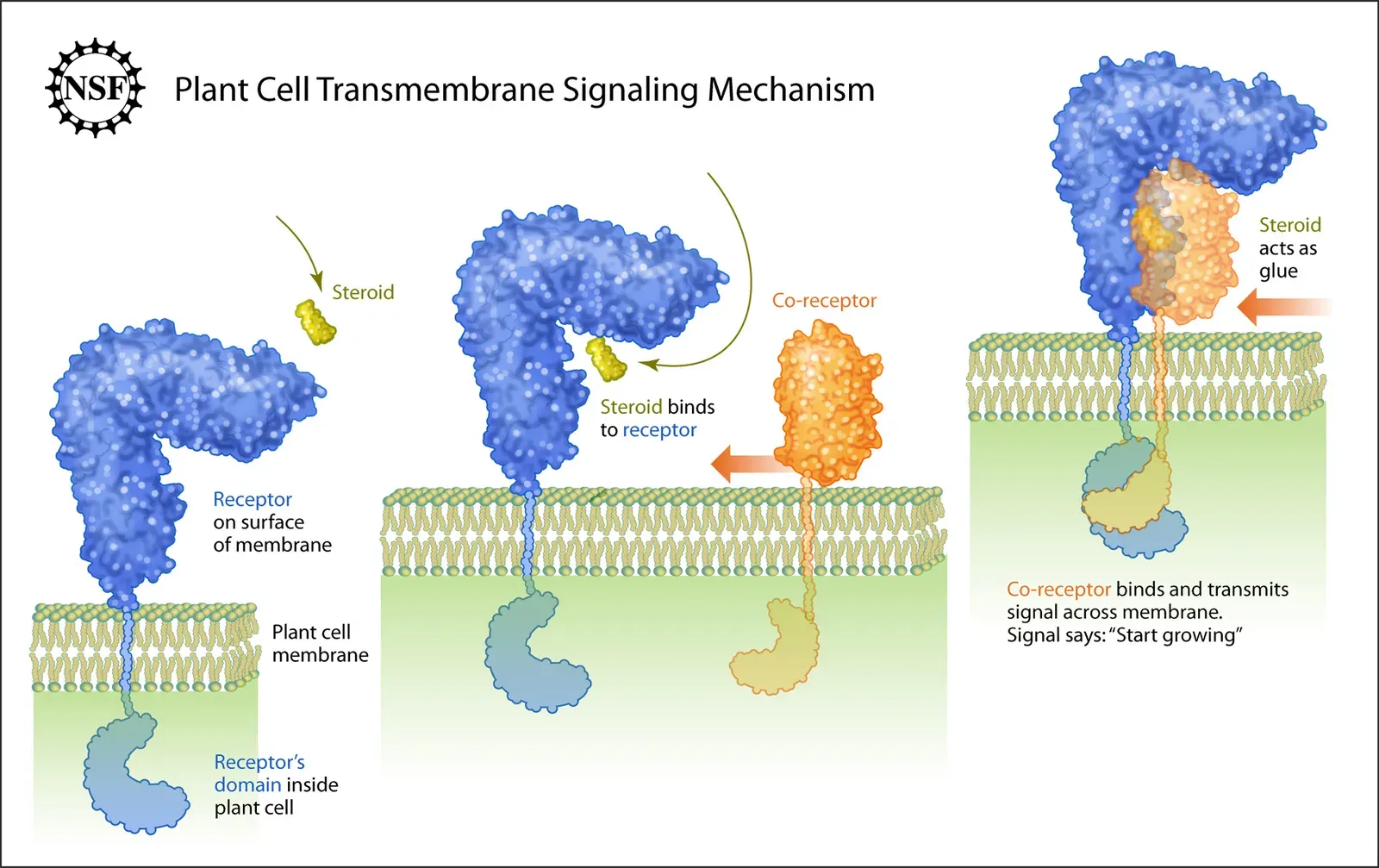
Plant communication overturns the old stereotype of vegetation as static and passive. While plants lack neurons, they use electrical impulses, hormonal waves, and chemical gradients to detect light, touch, gravity, and damage. Researchers have even recorded distinct patterns of plant electrical activity in response to specific stresses like drought or heat. For humans, this matters in surprisingly practical ways, from breeding crops that “listen” more efficiently for stress to designing forests that are more resilient to climate shocks. Once you accept that a meadow is humming with complex information flows, the line between animals and plants feels a lot thinner than it did in high school biology.
Identity in Flux: Your DNA Is Not a Fixed Script
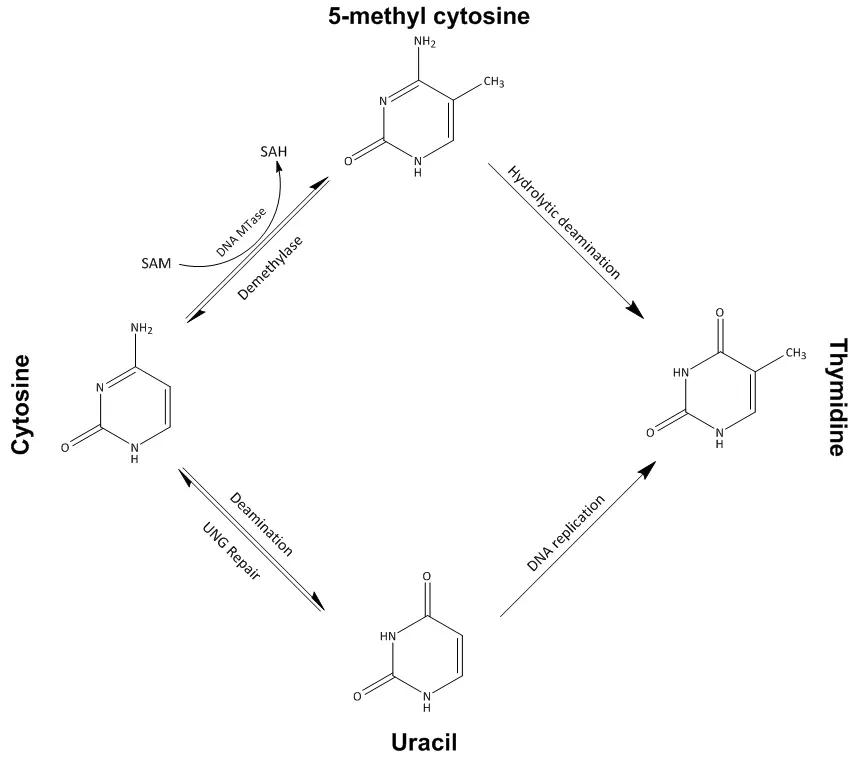
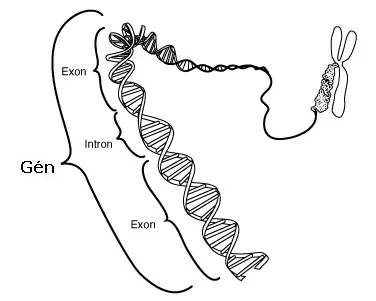
We often talk about DNA as if it were a tidy instruction book written at conception and followed faithfully for life. The reality is much messier and more mind-bending. Cells constantly tweak how genes are used through epigenetic marks – small chemical tags added to DNA and its packaging proteins that act like dimmer switches. Experiences such as chronic stress, malnutrition, or exposure to toxins can alter these tags, sometimes in ways that persist long after the original trigger is gone. In a few cases, epigenetic changes have even been observed passing from one generation to the next, hinting that life experiences can echo into descendants without changing the underlying genetic code.
This dynamic view of genetics challenges the old nature-versus-nurture debate. Instead of static DNA versus external environment, we see a constant feedback loop where the environment writes temporary notes in the margins of your genome. Modern tools now let scientists read these epigenetic patterns in single cells, revealing how a heart cell, a brain cell, and an immune cell all “interpret” the same genome differently. It also opens ethically loaded possibilities, from epigenetic drugs that rewrite gene activity to forensic methods that infer a person’s life exposures. Your genome, in other words, isn’t just a script – it is a script being edited in real time.
Shared Bodies: Chimeras, Mosaic Selves, and Vanishing Twins
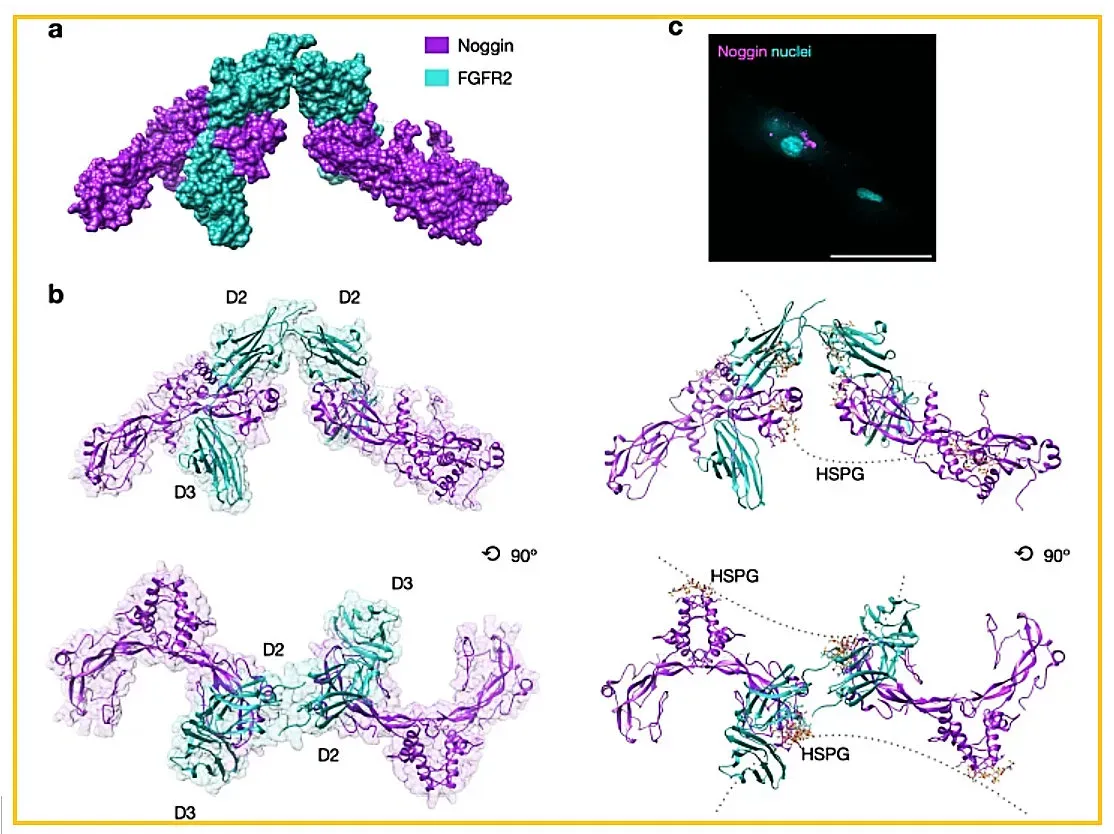
The assumption that every cell in your body carries identical DNA is comforting but often wrong. Many people are biological mosaics, with groups of cells carrying slightly different genetic codes because of mutations that occurred early in development. In some cases, individuals are true chimeras, formed when twin embryos fuse in the womb, leaving one person with two distinct genetic lineages. This can lead to astonishing scenarios where a person’s blood, hair, and reproductive cells each have different DNA signatures. There have even been legal disputes where standard DNA tests initially failed to match mothers to their own children because of hidden chimerism.
Far from being rare curiosities, low-level mosaics and microchimeras seem to be common. During pregnancy, fetal cells can slip into the mother’s bloodstream and take up long-term residence in organs like the thyroid or brain. Conversely, maternal cells cross the placenta and can persist in children for decades. Scientists are exploring whether these foreign-but-familiar cells might influence autoimmune disease risk or tissue repair. Once you realize your “self” may quietly include remnants of a sibling or a child, the question of where one body ends and another begins becomes surprisingly hard to answer.
Why It Matters: Rethinking Health, Responsibility, and What It Means to Be Human
These mind-bending facts are more than entertaining oddities; they reshuffle some of our most deeply held assumptions. If your mood can be nudged by gut microbes, and your immune system co-designed by bacteria and viral remnants, then health becomes a conversation between species, not a solo performance. Traditional medicine often treated microbes as enemies to be wiped out, but the new picture favors careful diplomacy – supporting helpful communities while restraining dangerous ones. That shift is already visible in more targeted antibiotic use and in live bacterial therapies being tested for conditions from recurrent infections to depression. The old model of a lone doctor battling disease gives way to something more like ecology management inside the body.
On a philosophical level, biology’s new frontier undermines simple ideas of personal autonomy and blame. If epigenetic marks shaped by the trauma or poverty of one generation incline the next toward certain diseases, then responsibility for health clearly extends beyond individual choices. Policies around pollution, food systems, and mental health support suddenly look like genetic policy by another name. Likewise, recognizing that aging is malleable, that plants communicate, and that chimerism blurs individual boundaries forces us to reconsider how we allocate care, rights, and research funding. These facts push us toward a humbler, more interconnected view of being human – one that is less about control and more about stewardship.
From Ancient Tools to Modern Science: How New Technologies Revealed Hidden Life
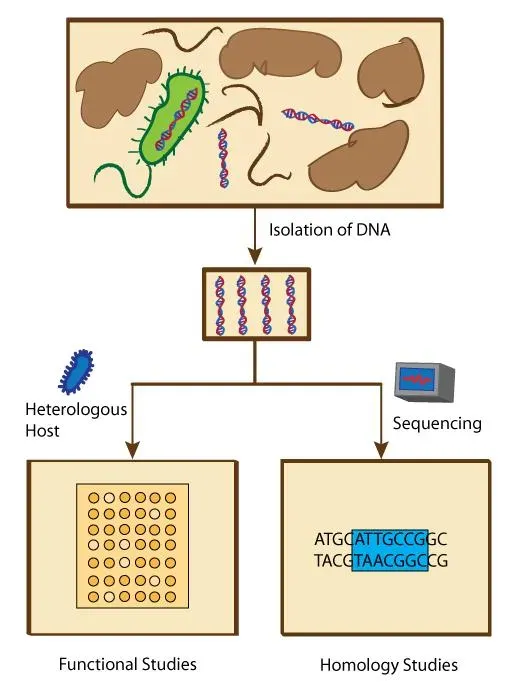
For most of history, our understanding of life was limited to what we could see with the naked eye or through early microscopes. The discovery of cells, then DNA, felt revolutionary, but they were still relatively coarse tools compared to what labs use today. High-throughput DNA sequencing now lets scientists read the genetic material in a droplet of seawater or a pinch of soil, revealing thousands of unseen species at once. Single-cell sequencing goes further, exposing the unique molecular profiles of individual cells that used to be lumped into broad categories. Compared to traditional culture methods, which favored a narrow slice of microbes that happened to thrive in a petri dish, the new approaches have revealed that the vast majority of microbial life had been entirely missed.
Imaging technologies have followed a similar trajectory. Super-resolution microscopy can track molecules zipping around inside living cells, while advanced brain imaging maps subtle activity patterns linked to thoughts, memories, and even decisions. The combination of these tools has turned long-standing biological questions into data-rich fields that resemble astronomy more than old-school anatomy. What once seemed stable – species boundaries, brain regions, cell types – now looks more like a spectrum of shifting states. The punchline is that the strangest facts about life were often right in front of us; we just finally built the tools to see them.
Global Perspectives: Life Adapts in Ways We Never Expected
Zooming out to the planet’s extremes makes these mind-bending discoveries feel almost inevitable. Microbes have been found thriving in boiling hot springs, deep ocean vents under crushing pressure, acidic mine drainage, and Antarctic ice. These extremophiles force biologists to rethink the “limits” of life, expanding the range of temperatures, pH levels, and radiation doses where metabolism is possible. Some can shrug off levels of radiation that would be instantly fatal to humans, while others repair dried-out DNA after years in a desiccated state. Their existence hints that life elsewhere in the universe might not need Earth-like comfort zones at all.
Even in more familiar settings, life keeps surprising us with its flexibility. Urban ecosystems are filled with animals and plants evolving in real time to cope with light pollution, noise, and novel food sources. City-dwelling birds, for instance, often sing at higher pitches or different times of day to cut through the human soundscape. Insects adjust reproductive cycles to match artificial lighting, and some plants are adapting to heat pockets created by concrete and asphalt. Put together, these examples show a planet in constant negotiation, with species rewriting their rules in response to human-made changes. The line between natural and artificial environments, once so clear in textbooks, is blurring rapidly.
The Future Landscape: Editing Life, Extending Youth, and New Ethical Fault Lines
Looking ahead, the most mind-bending biology fact may be that we are becoming active editors of life’s code. Tools like CRISPR have already been used to correct disease-causing mutations in cells, modify crops for resilience, and engineer mosquitoes less able to spread malaria. Researchers are experimenting with senolytic drugs that selectively remove damaged cells, potentially slowing aspects of aging. Organoids – miniature organ-like structures grown from stem cells – are giving scientists unprecedented access to early brain development and disease processes in a dish. Compared with older trial-and-error approaches, these techniques offer surgical precision but carry equally sharp risks.
With this power comes a tangle of ethical and social questions. Who decides which traits are acceptable to alter, and for whose benefit? How do we prevent advanced interventions – from anti-aging therapies to cognitive enhancement – from widening existing inequalities? There are also ecological risks in releasing gene-edited organisms into the wild, especially when their traits can spread through populations. Many scientists argue for a cautious, transparent approach, with international guidelines and local community input before high-impact experiments proceed. The emerging landscape is one where biology is no longer just observed but actively engineered, and the decisions we make now will echo through generations of humans and nonhumans alike.
Conclusion: How You Can Engage With the New Biology
These discoveries are not just for labs and lecture halls; they touch daily choices in quiet but powerful ways. Supporting your own microbial “city” can be as simple as paying attention to diet diversity, being cautious with unnecessary antibiotics, and respecting that your body is an ecosystem, not a machine. Staying informed about gene editing, reproductive technologies, and anti-aging research helps you participate in public conversations that will shape laws and norms. Even choosing which science stories you share or question online affects how your community understands what biology can and cannot do. Small acts of curiosity – like reading original research summaries instead of only headlines – add up over time.
You can also support broader efforts that align with this more interconnected view of life. That might mean backing conservation projects that preserve complex ecosystems rather than isolated “charismatic” species, or engaging with citizen science projects that track microbes, wildlife, or environmental change. Schools, libraries, and local science centers increasingly offer programs on topics like the microbiome, bioethics, and climate biology that welcome non-specialists. The more we recognize that our health, identities, and futures are intertwined with the rest of the living world, the harder it becomes to shrug off ecological damage or scientific misinformation as someone else’s problem. In a world where biology keeps rewriting its own rules, staying engaged is one of the few choices fully in our hands.
Suhail Ahmed is a passionate digital professional and nature enthusiast with over 8 years of experience in content strategy, SEO, web development, and digital operations. Alongside his freelance journey, Suhail actively contributes to nature and wildlife platforms like Discover Wildlife, where he channels his curiosity for the planet into engaging, educational storytelling.
With a strong background in managing digital ecosystems — from ecommerce stores and WordPress websites to social media and automation — Suhail merges technical precision with creative insight. His content reflects a rare balance: SEO-friendly yet deeply human, data-informed yet emotionally resonant.
Driven by a love for discovery and storytelling, Suhail believes in using digital platforms to amplify causes that matter — especially those protecting Earth’s biodiversity and inspiring sustainable living. Whether he’s managing online projects or crafting wildlife content, his goal remains the same: to inform, inspire, and leave a positive digital footprint.