
Far below the surface weather and the churn of waves, a second world stretches across the planet – silent, pitch-black, but busy as a city at rush hour. Scientists have mapped only a sliver of this terrain, and every new expedition seems to rewrite a chapter of Earth’s story. hides lakes that defy physics, forests made of glass, and towers that build themselves from rock and chemistry. These places look alien, yet they run on rules that quietly shape the climate, store carbon, and feed life we rarely see. The mystery is the problem; the solution is to look harder, longer, and with better tools than ever before.
The Hidden Lakes: Brine Pools That Kill and Nourish
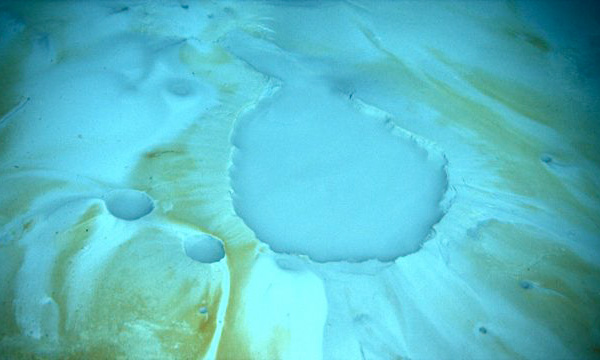
Imagine an underwater shoreline where waves never break and the “water” is so salty it forms a lake inside the sea. Brine pools do exactly that, assembling dense, toxic basins that trap passing fish while nourishing hardy communities of clams, mussels, and microbes along the edges. The boundary looks like shimmering heat on asphalt, a wavy curtain where chemistry flips from deadly to life-giving within inches. I still remember watching an ROV camera hover over a brine pool lip – eerie and beautiful – like staring at a moon crater filled with mercury. In a place where sunlight never reaches, the shoreline glow is pure geology and microbiology at work.
These pools often ooze hydrogen sulfide and methane, fueling chemosynthetic food webs that don’t need photosynthesis. The result is a paradox: a lethal lake that also acts as a cradle, powering life that learned to turn poison into energy.
Stone Gardens at Cold Seeps: Carbonate Mounds Built by Chemistry
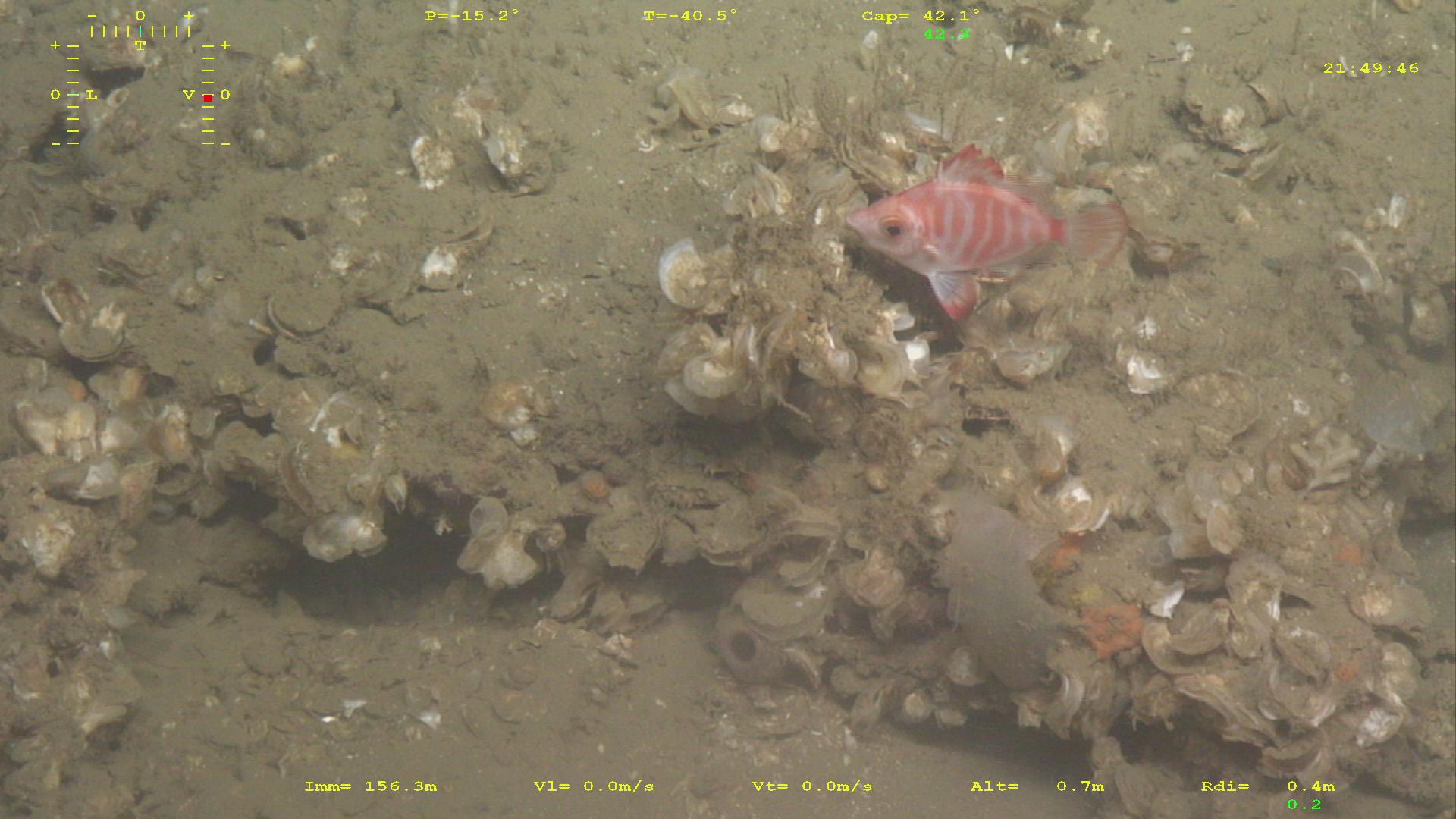
Cold seeps are quieter cousins of volcano-like vents, exhaling methane-rich fluids through the seabed without the fireworks. Microbes there perform sleight of hand, oxidizing methane and causing minerals to precipitate into knobbly pavements and mounds of carbonate. Over time, those stone gardens rise like ruins across slopes and continental margins, stabilizing sediments and creating new habitat. Tube worms, snails, and soft corals settle in, turning chemistry into architecture. What starts as a leak becomes a neighborhood.
These mounds also lock away carbon that might otherwise enter the water column and atmosphere. In a warming world, such slow, steady vaults matter more than they look.
Fields of Metal Nodules: The Slowest Mines on Earth
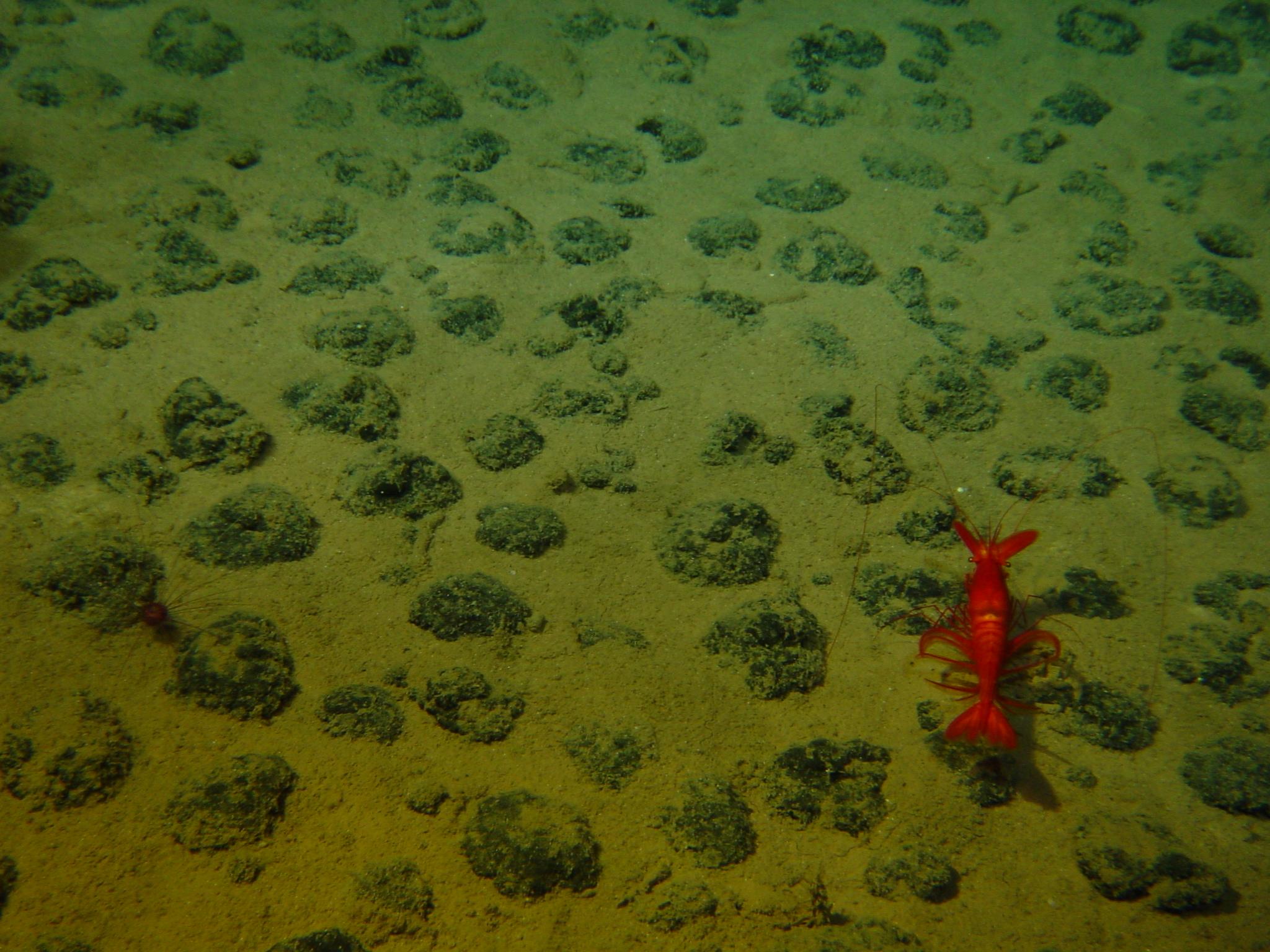
Scattered across abyssal plains are potato-sized polymetallic nodules, each a time capsule that grew grain by grain over vast spans of time. They are rich in manganese, nickel, cobalt, and rare elements, forming around tiny seeds like shark teeth or shell fragments. The fields look whimsical at first glance, but they anchor fragile ecosystems of sponges, worms, and wiry sea stars that roam at a deliberate pace. Scientists have even found old tracks from test machines persisting for decades, a reminder that this is a landscape that heals slowly. Speed is a surface habit; the deep sea prefers the long game.
Because these nodules accumulate so gradually, disturbing them is a century-scale decision. Every footprint lasts, and every last speck matters.
The Lost City: Alkaline Towers in a Calm, Blue Heat
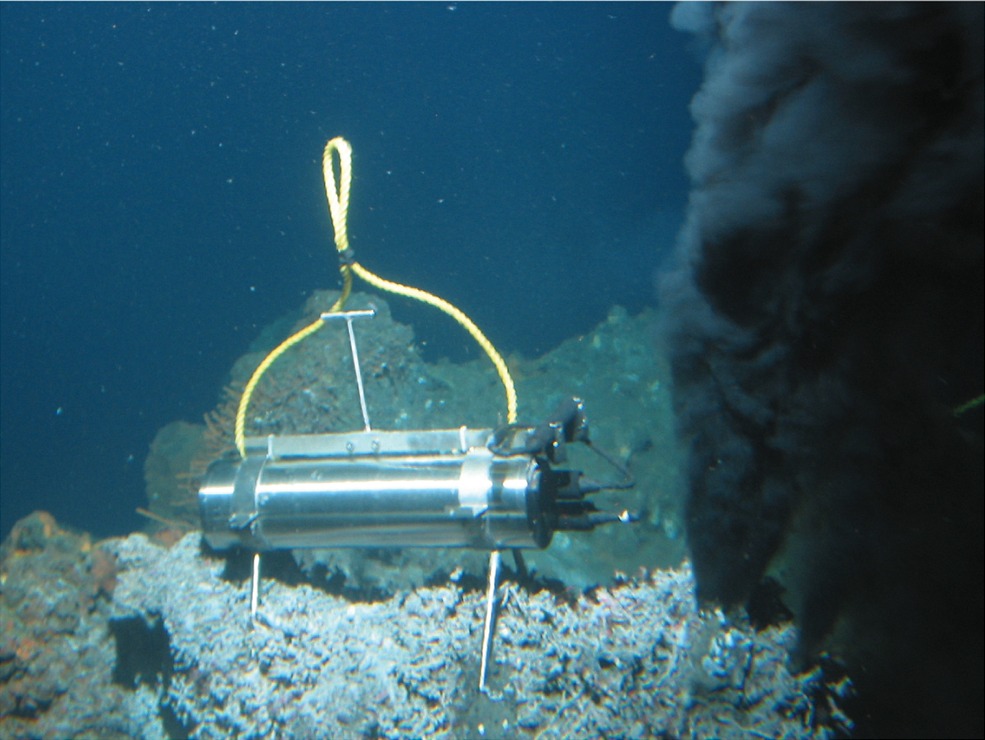
Unlike the dark smoke of black smokers, the Lost City hydrothermal field breathes warm, alkaline fluids through tall carbonate chimneys that gleam pale in robot lights. Its energy comes from serpentinization – water reacting with mantle rocks – creating hydrogen and methane without magma’s roar. The scene feels otherworldly: spires stacked like coral castles, fizzing with chemistry that some researchers think mirrors conditions that could have sparked early life. No boiling roar, just a steady hush and a chemical buffet. Life, as it turns out, doesn’t always need drama to get creative.
The microbes here are masters of thrift, eking out a living on gradients so subtle they’d escape most instruments. That restraint may be the real miracle: a slow-burn economy of life that has worked for ages.
Glass Sponge Reefs: Fragile Forests of Living Silica
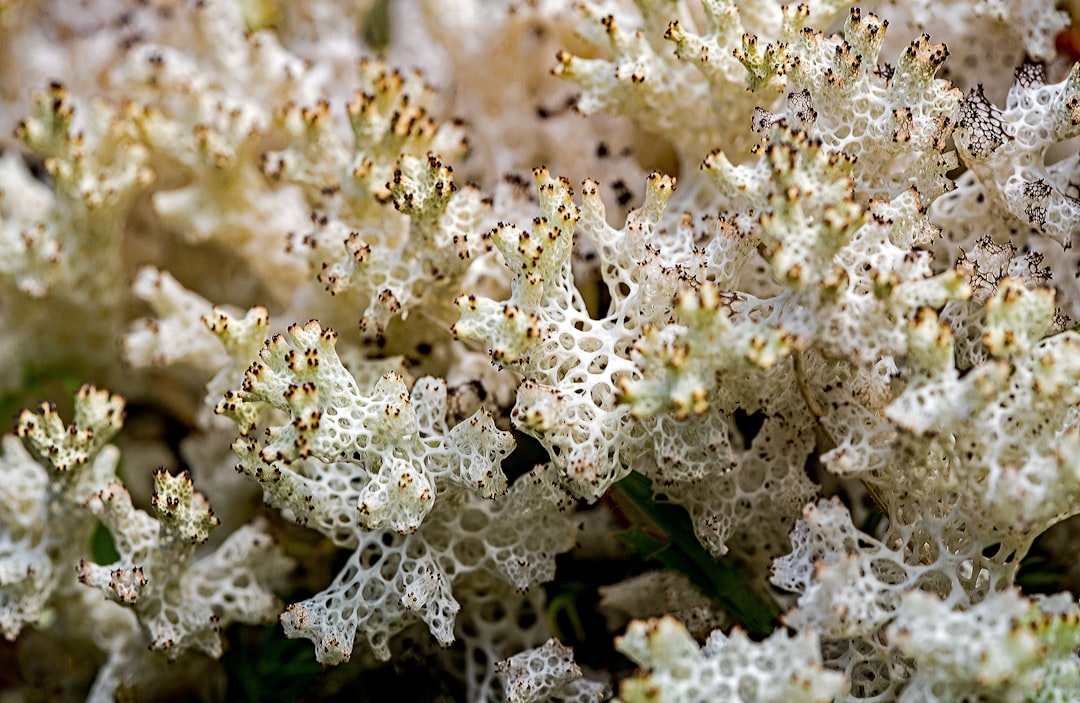
On parts of the North Pacific seafloor, glass sponges fuse their silica skeletons into towering reefs that look like frozen lace. Long thought extinct for about 40 million years, these living structures filter enormous volumes of seawater and offer shelter to fish and invertebrates. They are delicate – one errant trawl can snap centuries of architecture – but when intact, the reefs turn murky bottom water into a clear, living filter. Their shapes are intricate, but the engineering is straightforward: sift, settle, build. Nature often solves complicated problems with elegantly simple routines.
Where these reefs persist, biodiversity climbs and sediments stabilize. Lose the lattice, and the neighborhood goes with it.
Subsea Freshwater: Vast Aquifers Trapped Beneath the Seafloor
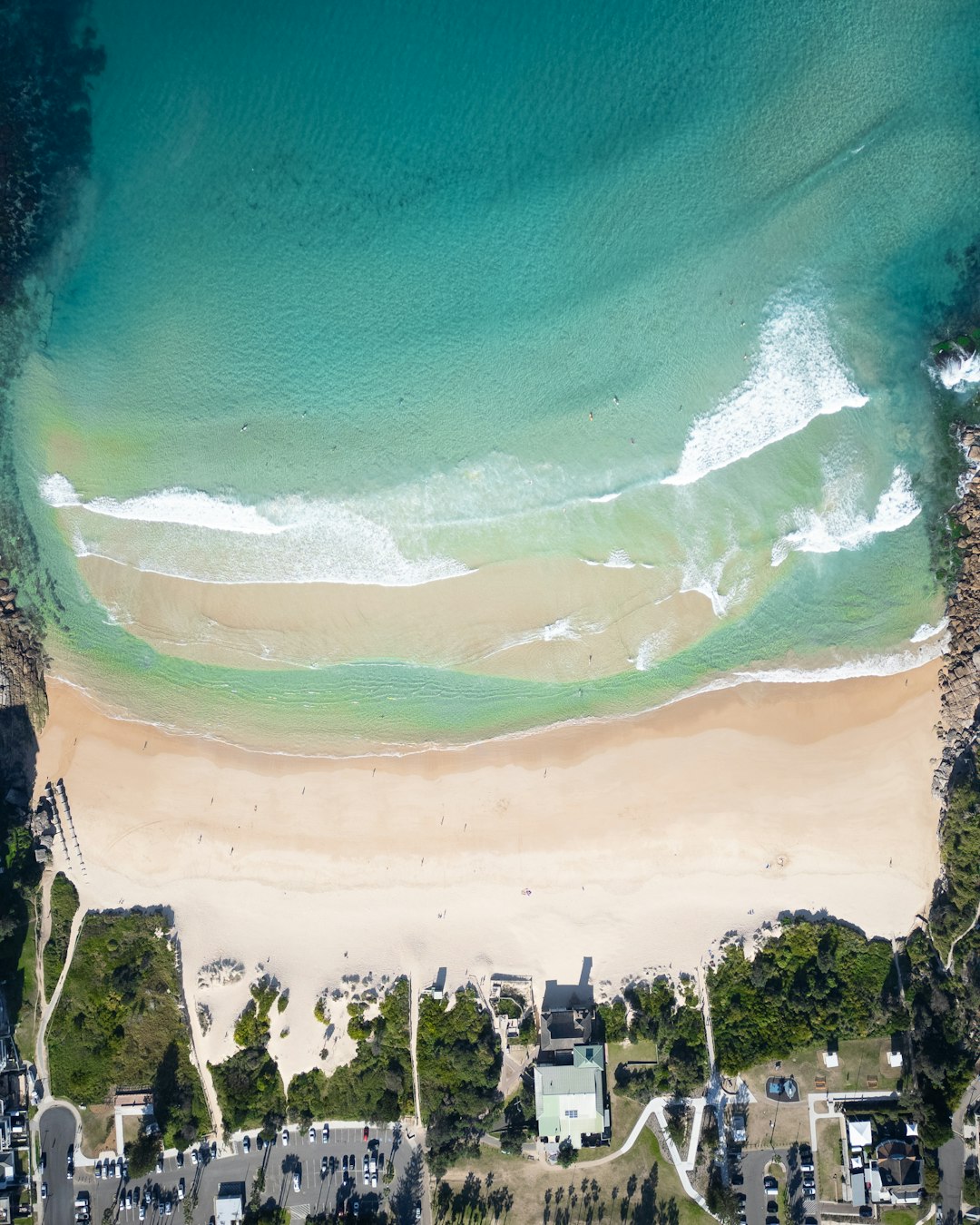
Beneath coastal shelves, pockets of ancient rainwater sit sealed within sands and gravels under the ocean. Mapped with electromagnetic signals and seismic echoes, these hidden aquifers stretch far offshore in some regions, their salinity closer to tap water than the brine above. They formed when sea levels were lower and coastlines were miles farther out, then became capped as seas rose. It’s a quiet archive of climate history wrapped in a potential resource, tempting in regions facing water scarcity. But tapping it risks saltwater intrusion and ecological surprises we can’t easily reverse.
stores memories as well as molecules; the trick is to read them without erasing the page. Prudence beats haste when the reservoir is prehistoric.
Whale Falls: When Giants Become Deep-Sea Neighborhoods
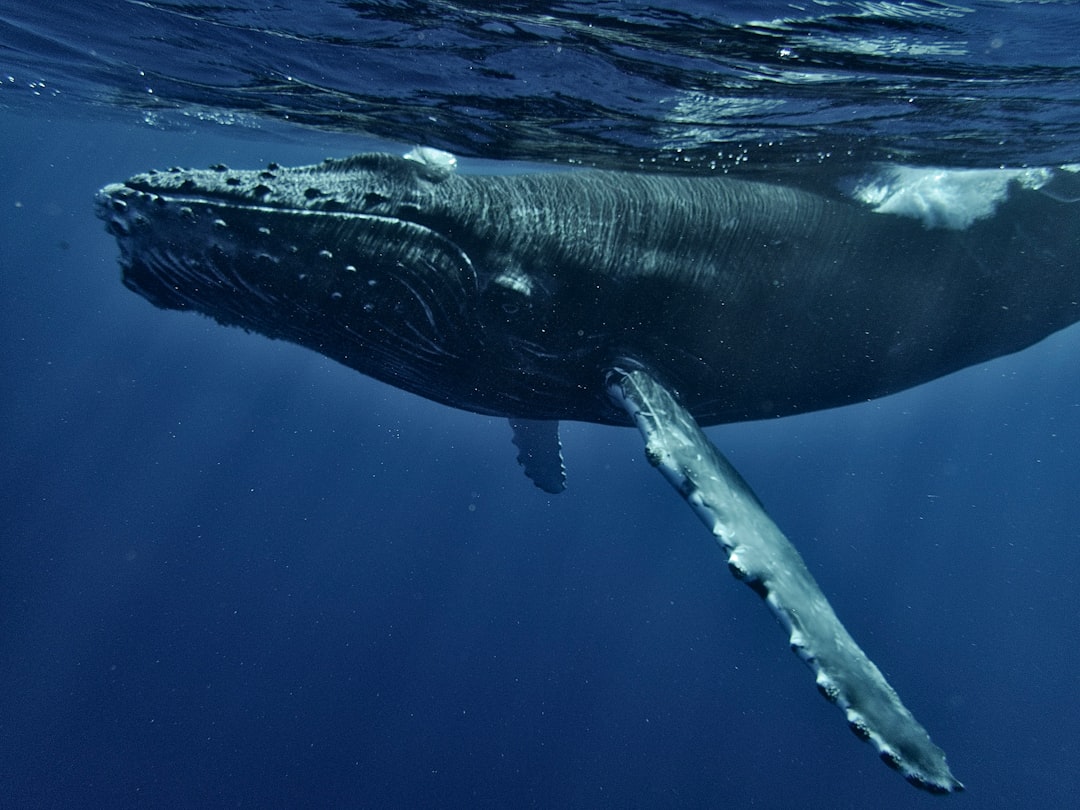
When a whale dies and sinks, its body explodes into abundance – first a feast for sharks and hagfish, then a long, slow banquet for worms and microbes. Bones become apartment blocks for strange residents, including bone-boring worms and bacteria that spin sulfide-rich chemistry into energy. Entire communities bloom in the wake of a single animal, lasting years as fats and collagen are steadily consumed. It’s a reminder that the deep sea runs on subsidies, and a single windfall can feed multitudes. Death above becomes life below.
These islands of nourishment also act as stepping stones for dispersal, helping species hopscotch across otherwise sparse plains. In the deep, chance events write the map.
The Deep Subsurface: A Microbial Metropolis in the Dark
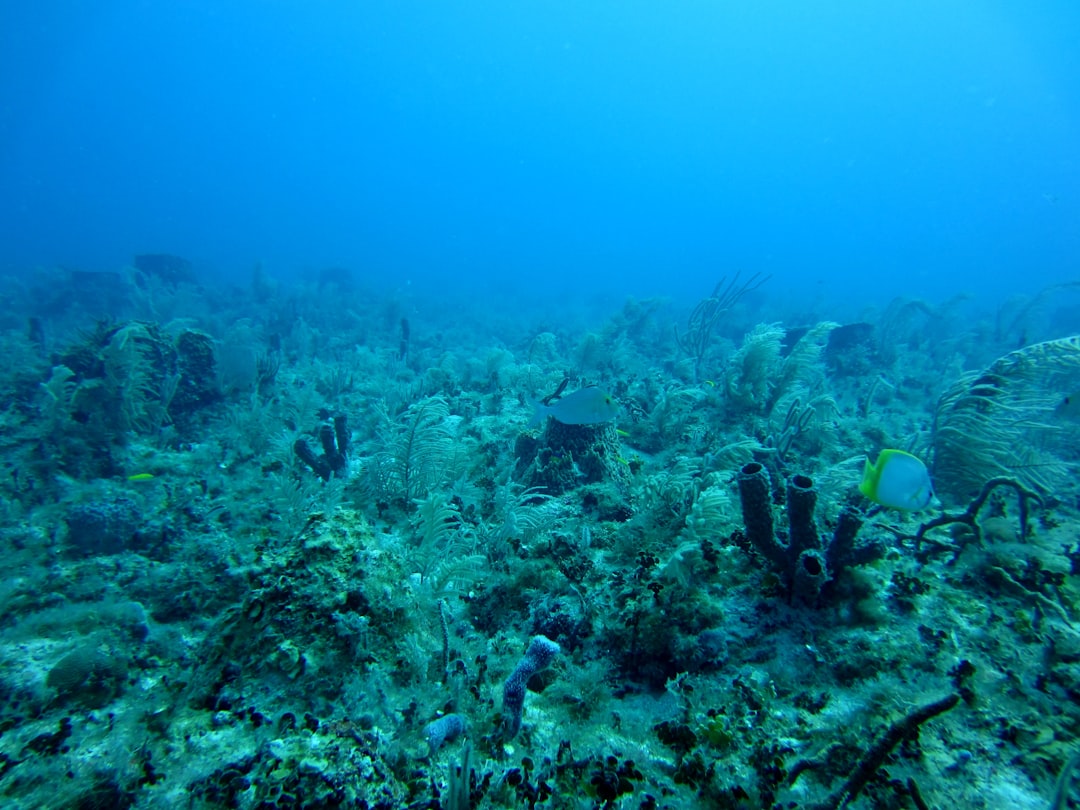
Drill into seafloor muds and rocks and you find a biosphere that hums at the edge of energy bankruptcy. Microbes persist down to astonishing depths, dividing perhaps once in spans that stretch human imagination, yet still steering chemistry that influences oceans above. They recycle nutrients, store carbon, and sometimes produce methane that seeps back out, closing loops we barely knew existed. Think of it as the planet’s basement: quiet, dusty, but full of pipes that connect every room. We ignore it at our peril.
What makes this metropolis remarkable isn’t speed, but staying power. Over geologic time, slow can outweigh swift.
Why It Matters: Hidden Systems That Steady the Planet
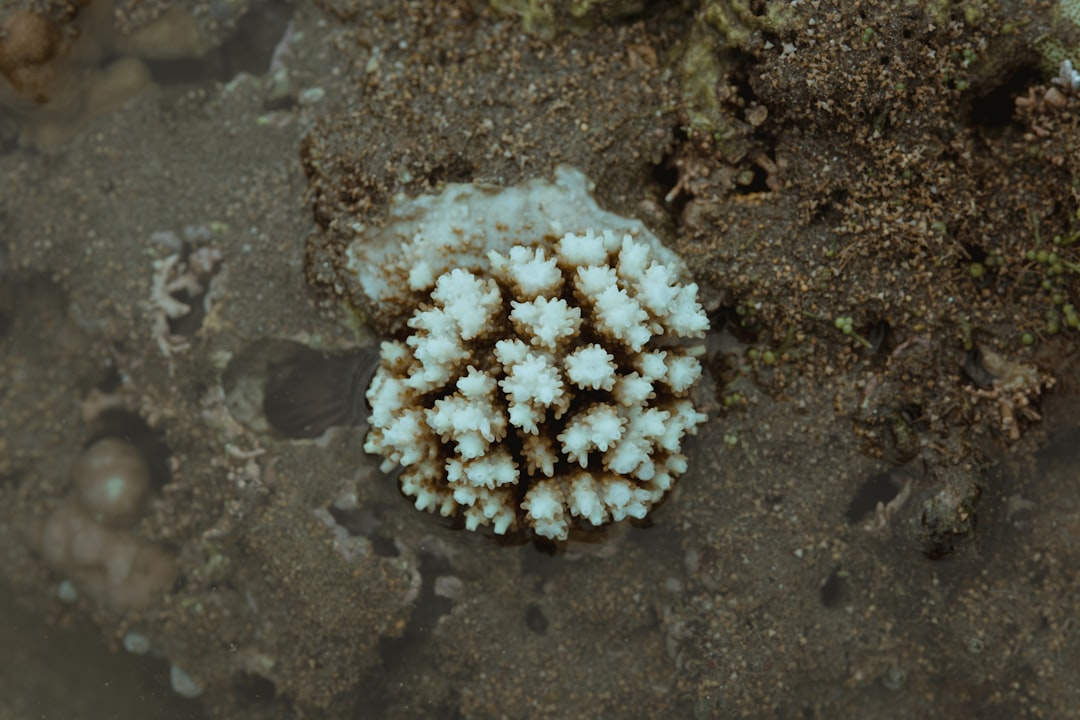
These seafloor wonders are not curiosities; they are gears in Earth’s larger machine. Cold seeps and deep microbes moderate methane, brine margins host unique food webs, and carbonate mounds bank carbon the way forests do on land. Glass sponge reefs filter water like living treatment plants, while whale falls redistribute nutrients across a desert of mud. Even the much-debated nodule fields carry biodiversity that evolved to fit a clock that ticks in millennia, not months. Compared with traditional oceanography that skims the surface, seafloor science is the difference between reading a headline and investigating the entire story.
Mapping and monitoring these systems sharpen climate models, guide hazard forecasts on slopes prone to collapse, and inform any talk of seabed extraction. Stewardship starts with understanding, and understanding starts with seeing.
The Future Landscape: A Call to Action for Thoughtful Exploration
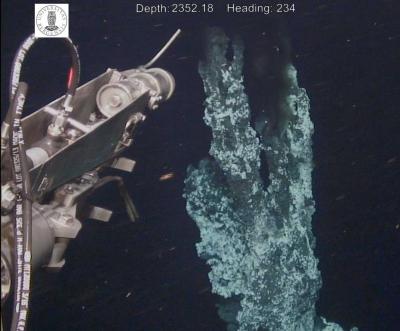
New sonars, autonomous robots, and cabled observatories are turning the abyss into a place we can finally study in real time. Environmental DNA is letting researchers “read” local biodiversity from a scoop of water, and machine learning is speeding the hunt for fragile habitats before industry arrives. The challenge is to match curiosity with caution, setting baselines now so any disturbance – natural or industrial – has a yardstick. International rules are still catching up, and decisions made in the next few years will echo for generations on landscapes that heal slowly. Exploration is not a blank check; it’s a responsibility with a receipt.
Here’s the invitation: stay curious, support seafloor mapping and long-term observatories, and back policies that put sensitive habitats off-limits until science says otherwise. doesn’t ask for much – only that we choose patience over haste; will we?
Suhail Ahmed is a passionate digital professional and nature enthusiast with over 8 years of experience in content strategy, SEO, web development, and digital operations. Alongside his freelance journey, Suhail actively contributes to nature and wildlife platforms like Discover Wildlife, where he channels his curiosity for the planet into engaging, educational storytelling.
With a strong background in managing digital ecosystems — from ecommerce stores and WordPress websites to social media and automation — Suhail merges technical precision with creative insight. His content reflects a rare balance: SEO-friendly yet deeply human, data-informed yet emotionally resonant.
Driven by a love for discovery and storytelling, Suhail believes in using digital platforms to amplify causes that matter — especially those protecting Earth’s biodiversity and inspiring sustainable living. Whether he’s managing online projects or crafting wildlife content, his goal remains the same: to inform, inspire, and leave a positive digital footprint.