
You probably think of old as meaning a grandparent, maybe a century-old oak tree in a town square, or a tortoise named Jonathan who’s been plodding around since the 1800s. Then science steps in and casually reveals that some organisms have been alive since before humans invented the wheel, before woolly mammoths went extinct, and in some jaw-dropping cases, before our ancestors even left Africa. are not just remarkable for their age. They shatter everything you thought you knew about what life can look like and how long it can endure.
Some of them don’t look ancient. Some of them don’t even look like a single organism. A few of them have survived ice ages, mass extinctions, and geological upheaval that wiped out entire species. So if you’re ready to have your mind genuinely blown, let’s dive in.
1. Pando: The 80,000-Year-Old “Forest” That Is Actually One Single Tree
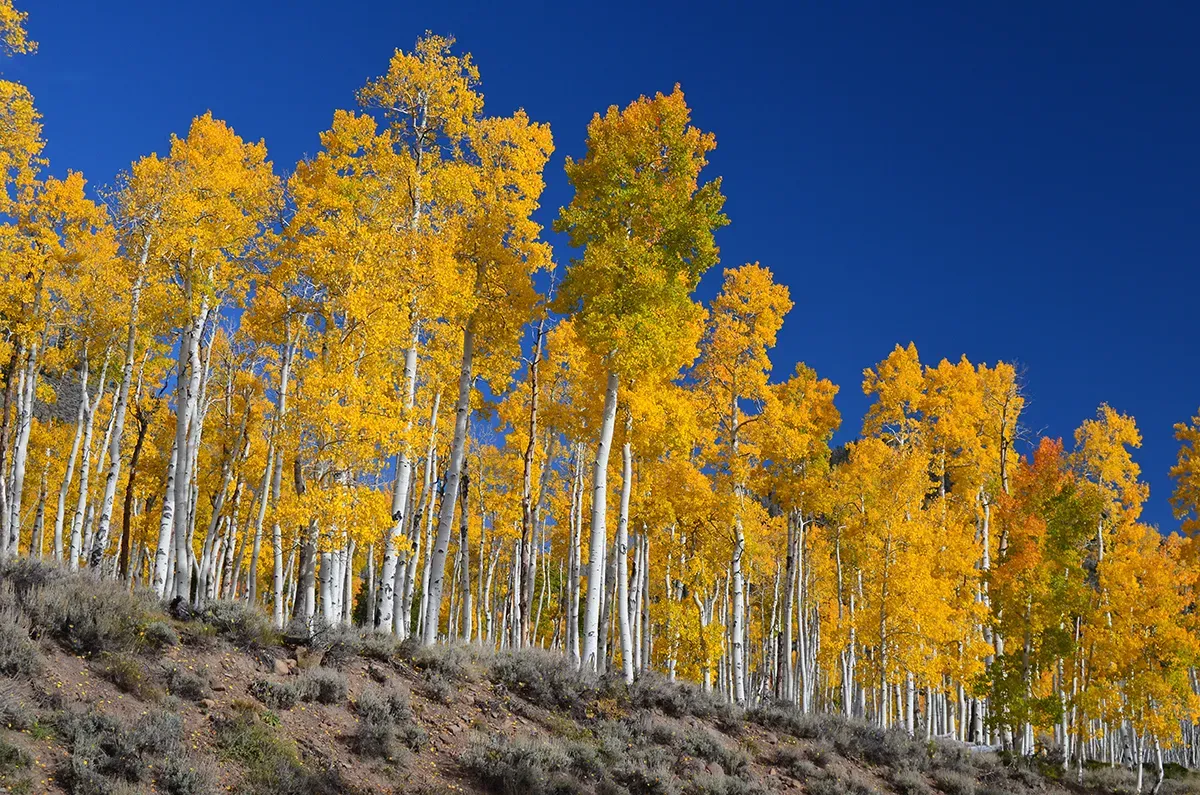
Most people picture a forest as thousands of separate trees rooted in their own independent lives. Pando turns that assumption on its head entirely. Pando is the name of a quaking aspen clone located in Sevier County, Utah, inside the Fishlake National Forest, and it consists of an estimated 47,000 stems that appear to be individual trees but are actually genetically identical parts of a single tree connected by one massive root system.
Pando, a massive forest in Utah, is confirmed to be between 16,000 and 80,000 years old, making it one of Earth’s oldest living organisms. To truly appreciate what that number means, consider this: it makes the Roman Empire seem like a recent phenomenon, since this forest has survived ice ages, mass extinctions, and other major events in Earth’s history. Your great-great-grandmother’s grandmother’s grandmother would not even register as a blip on Pando’s timeline.
The Pando clone is the largest living organism by weight, clocking in at just over 13 million pounds, and is also the largest living organism by land mass, spreading across 106 acres in Utah. Sadly, the ancient giant has been shrinking since the 1960s or 70s, largely due to a lack of new recruits, as the shoots forming from Pando’s ancient rootstock are being eaten while they are still small, soft, and nutritious, with mule deer being the main culprits.
2. Methuselah: The Nearly 5,000-Year-Old Tree Nobody Is Allowed to Find
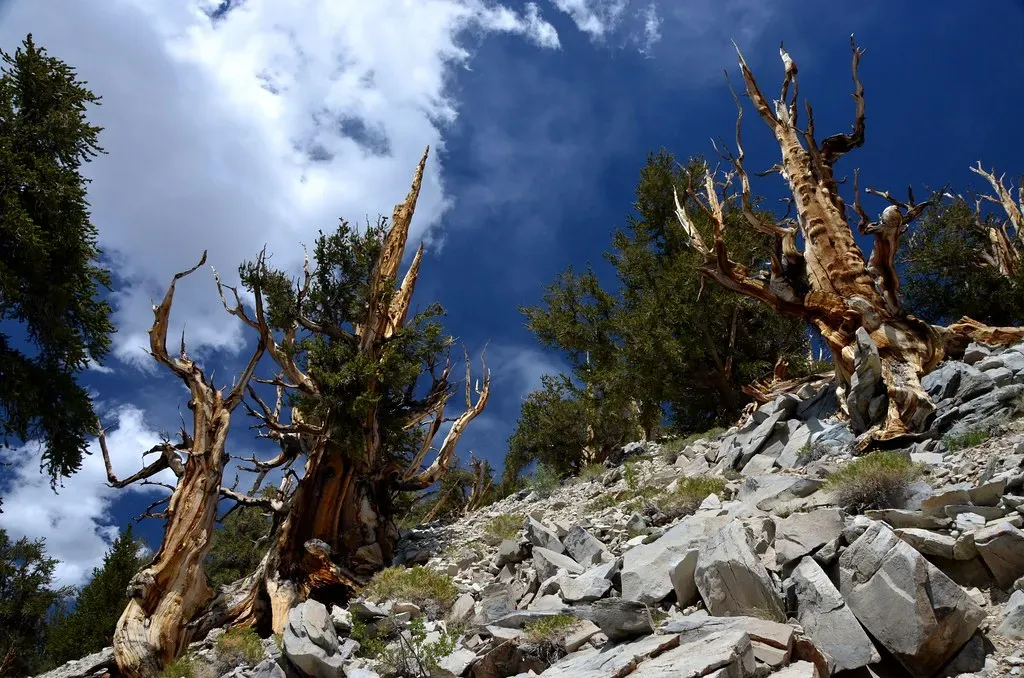
Here’s a fun fact that sounds more like a spy thriller than botany: the world’s oldest known non-clonal living organism on land is hidden in plain sight, and its precise location is deliberately kept secret. Methuselah, a bristlecone pine in the White Mountains of California, stands at the ripe old age of about 5,000, making it the oldest known non-cloned living organism on Earth.
That’s older than most of human civilization: Methuselah sprouted during the Bronze Age, some two millennia before Rome was founded and a few hundred years before Egyptians constructed the Great Pyramid of Giza. Honestly, that fact alone takes a moment to sink in. To protect the oldest of all living things from vandalism, Methuselah’s precise location is undisclosed by the U.S. Forest Service.
According to the U.S. Forest Service, trees like Methuselah experience exceptionally slow growth in cold temperatures, which makes their wood dense and resistant to disease, and scientists have shown that bristlecones change little as they grow older and may not deteriorate with age the way other plants and organisms do. Think about that: a tree that essentially refuses to age the way everything else does. It is likely that bristlecone pines more than 5,000 years old exist, but it may not be possible to measure their age because old trees can lose their bark, allowing early rings to be worn away by wind and weather.
3. Neptune’s Grass: The Underwater Meadow Older Than Modern Humans
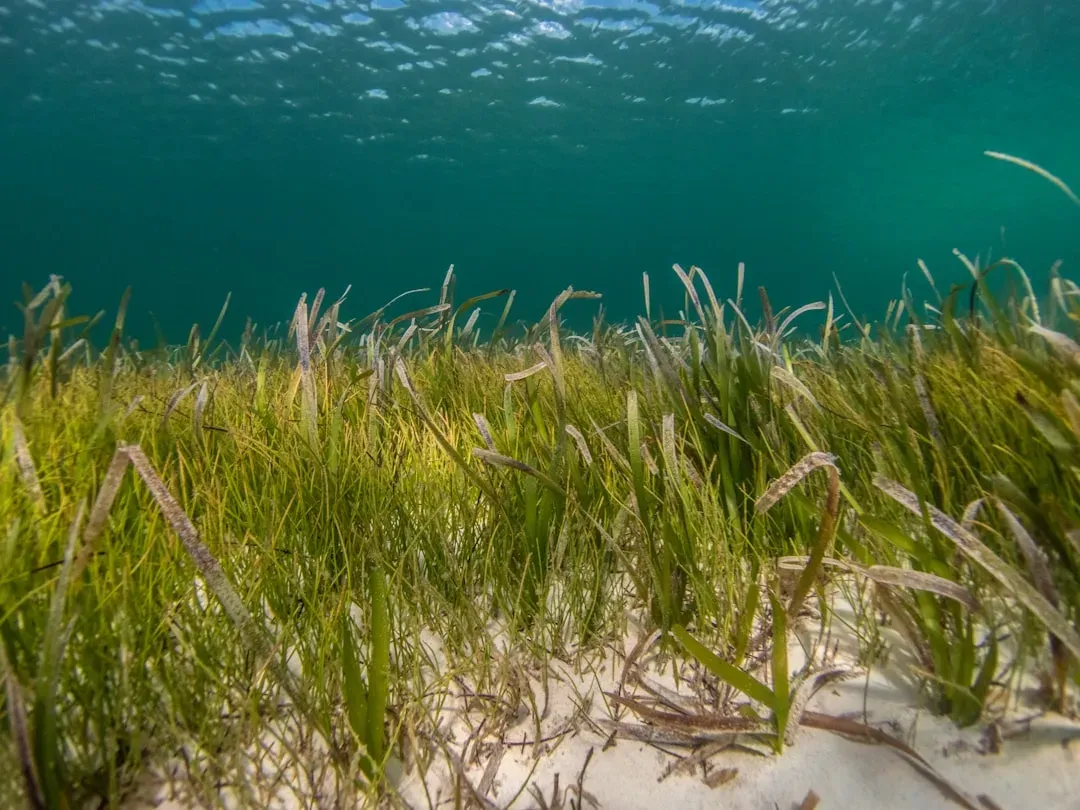
You might not picture seagrass when you think of ancient life, but you absolutely should. A patch of seagrass, Posidonia oceanica, along 15 km of coastline of the island of Formentera, is estimated to be at most 200,000 years old, making it the oldest living thing known on Earth. Let that sit for a moment. Two hundred thousand years. Homo sapiens as a species are estimated to be only a little older than that.
Ancient giant Posidonia oceanica reproduces asexually, generating clones of itself, and a single organism has been found to span up to 15 kilometers in width and reach more than 6,000 metric tonnes in mass. It’s essentially an underwater empire of identical genetic copies, all spreading silently across the Mediterranean seafloor. This remarkable marine seagrass absorbs more carbon dioxide than an equivalent area of the Amazon rainforest, which makes it not only ancient, but actively vital to our planet’s climate balance today.
The bad news? The patch of Posidonia oceanica is currently threatened by climate change, and since the Mediterranean is warming three times faster than the world average, the meadows decline by roughly five percent each year. An organism that survived 200 millennia of planetary change is now losing ground to a few decades of human activity. That thought should keep you up at night.
4. The Greenland Shark: The Vertebrate That Was Alive During the Renaissance
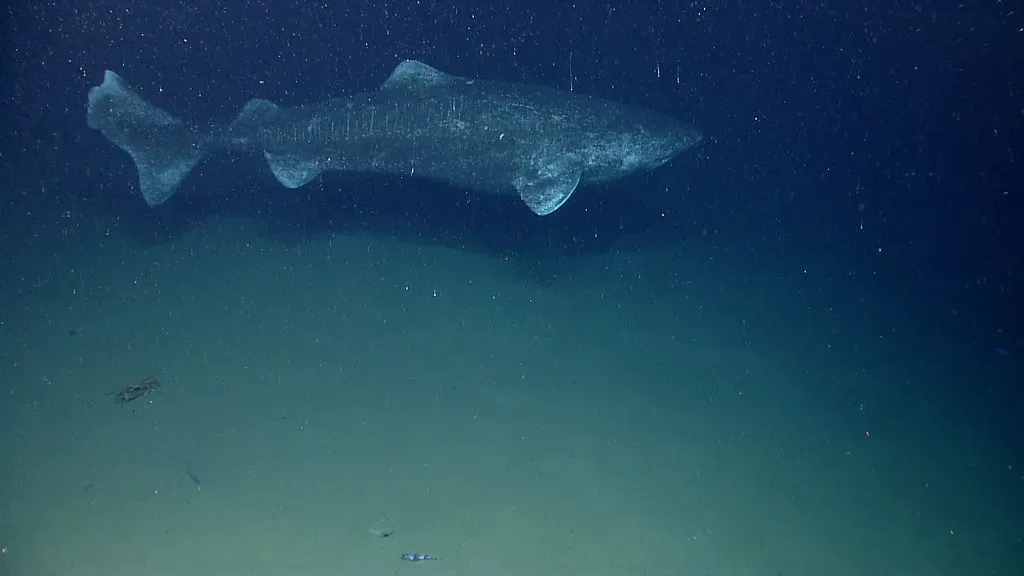
Sharks already have a fearsome reputation, but the Greenland shark’s most astonishing quality has nothing to do with teeth. Greenland sharks have the longest lifespan of any known vertebrate, estimated to be between 250 and 500 years. Let’s be real: that is the kind of number you expect from a tree, not an animal with a heartbeat.
There could be an individual in the ocean today that was alive during the 1665 Great Plague of London and George Washington’s presidential inauguration in 1789. The age is determined in a fascinating way: estimates of age were made using radiocarbon dating of crystals within the lenses of their eyes, since the lens proteins are formed before birth and never change. It’s like reading ancient rings inside a living animal’s eye.
The slow metabolism could explain the shark’s slow growth, slow aging, and sluggish movement, and because the sharks grow so slowly, they aren’t thought to reach sexual maturity until they are over a century old. Think about that from a conservation standpoint. Given the ongoing fishing pressures on Greenland sharks, their low productivity and extreme longevity may severely limit their ability to recover from overfishing and bycatch, promoting a growing concern for the sustainability of this species.
5. Glass Sponges: The Oldest Animals on the Planet Predate the Last Ice Age
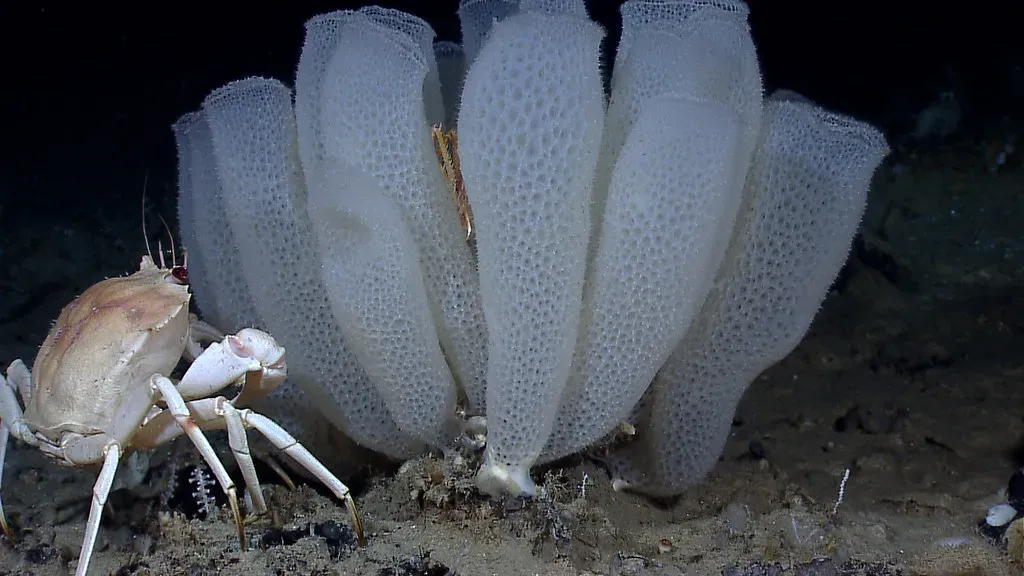
You might walk past a sea sponge in a marine biology exhibit and think absolutely nothing of it. You would be wrong. Very, very wrong. Glass sponges are considered the oldest animals on Earth, and scientists estimate that they can live for more than 10,000 years, possibly 15,000 years maximum. Not thousands of years like a tree. Fifteen thousand years. As in, alive when the glaciers were still retreating across North America.
One glass sponge observed by researchers in the Ross Sea, a bay of Antarctica, is thought to be the oldest living animal on the planet, and scientists have also discovered a skeleton of a glass sponge in the East China Sea that they believe lived for 11,000 years, meaning these individual animals could have been alive during the last ice age. That’s not just old. That’s geologically, embarrassingly, hilariously old for an animal.
While sea sponges are often thought of as rocks or plants, they are in fact members of the animal kingdom, and glass sponges, known for their large, complex, glass-like skeletons, spend their lives attached to hard surfaces, filtering water to consume bacteria and plankton. They are the ultimate minimalists: stationary, simple in form, and impossibly ancient. There is something genuinely humbling about sharing a planet with them.
6. Old Tjikko: The 9,500-Year-Old Tree With a Secret Root System
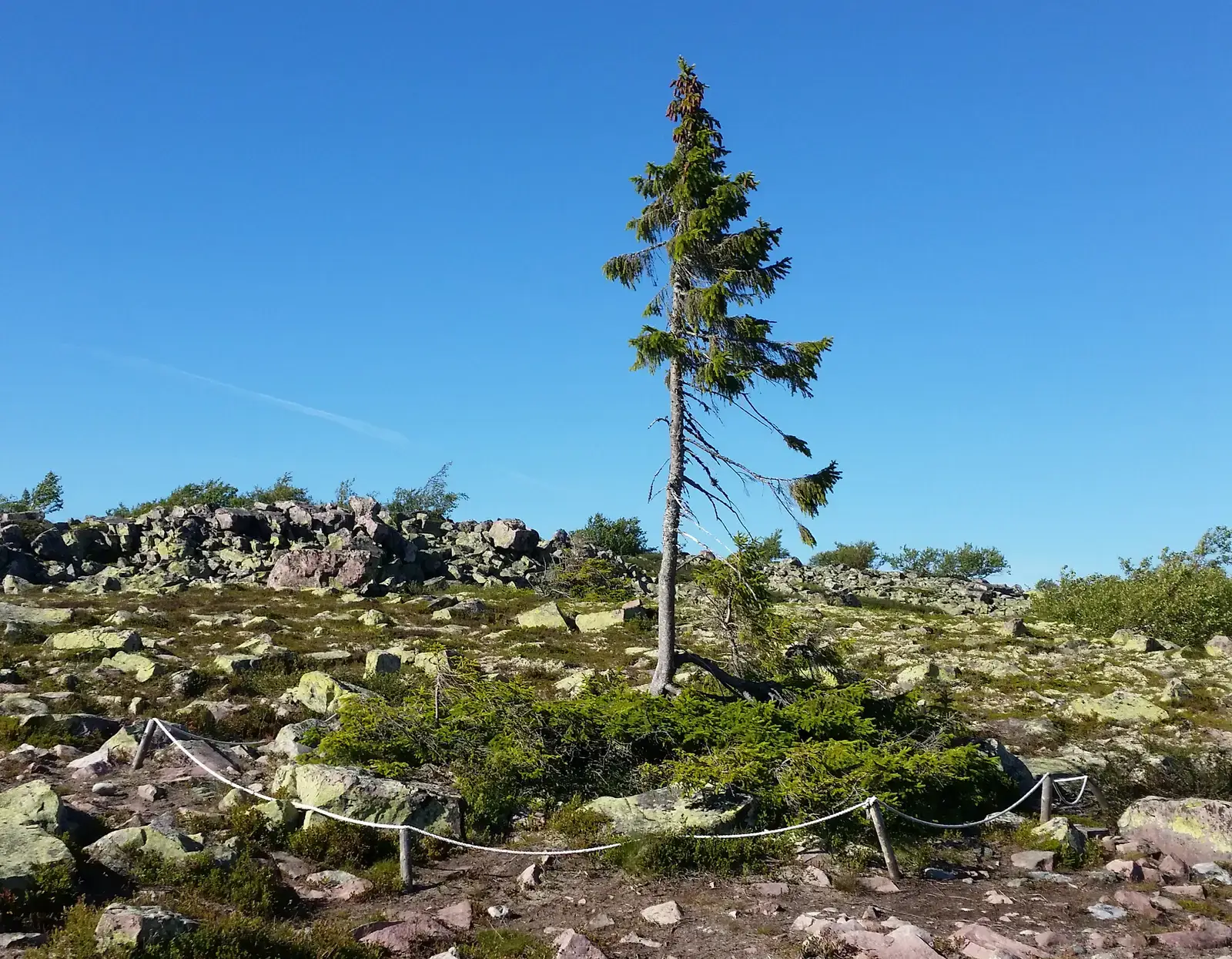
Here is a fact that bends your brain a little. A tree can look relatively young above the surface and be over nine thousand years old underground. Old Tjikko, the world’s oldest known Norway spruce in Sweden, continues via vegetative cloning, and although its trunk may be only a few centuries old, its root system is estimated to be 9,568 years old. The visible tree you would see while hiking is essentially a new chapter in an ancient story told beneath the soil.
It’s a bit like discovering that your neighborhood coffee shop has been running on the same foundation since the Stone Age. The building looks new, sure. The bones go back to an entirely different world. A Norway spruce in Sweden that’s over 9,000 years old is a startling reminder that what we see above ground tells only a fraction of the story of a plant’s true age and identity.
What makes Old Tjikko’s existence even more fascinating is the mechanism behind it. The tree survives not by the individual stem’s longevity, but by a process of continuous cloning from a root system that has persisted through the end of the last great ice age. Ice sheets have advanced and retreated over northern Europe since this root system first took hold. Old Tjikko didn’t just survive history. It watched history.
7. Black Coral: The Deep-Sea Colonies That Were Alive During Ancient Egypt
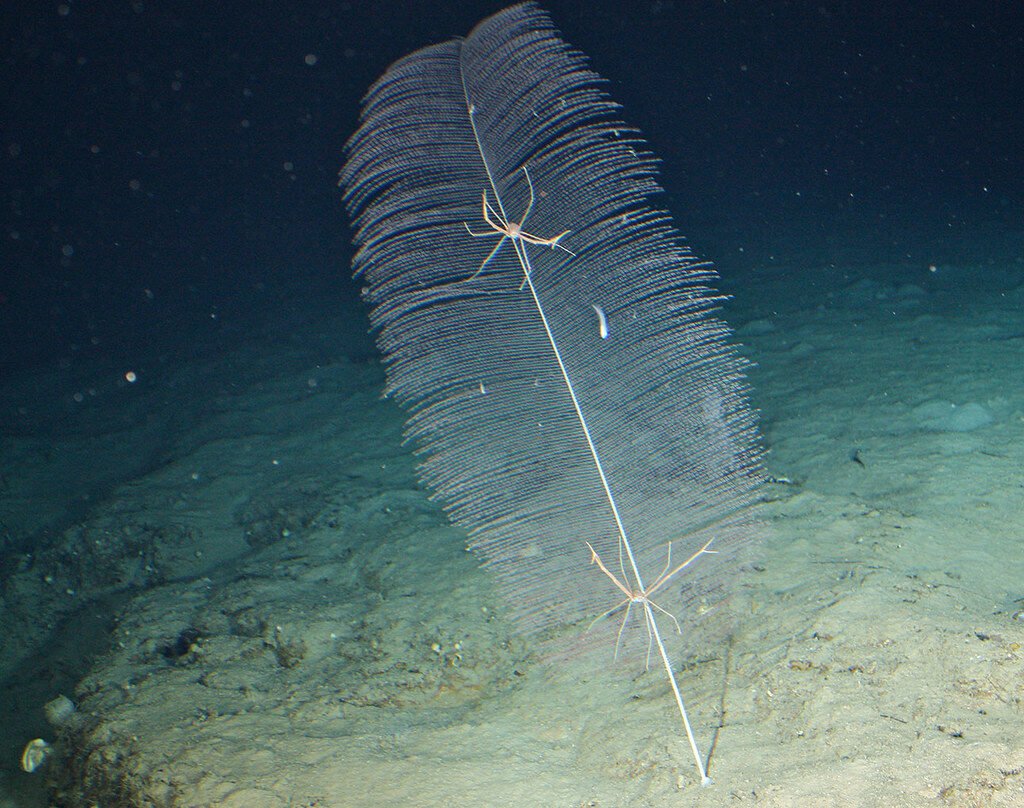
Coral reefs look vibrant and busy, full of color and movement. But some corals hide an extraordinary secret beneath their brilliant surfaces: they are genuinely, staggeringly ancient. Specimens of the black coral genus Leiopathes, such as Leiopathes glaberrima, are among the oldest continuously living organisms on the planet, at around 4,265 years old. That means some of these living coral colonies were growing when the pharaohs of Egypt’s Old Kingdom were building their first monuments.
Some coral species can live up to 5,000 years, and two of the oldest are found in the deep ocean near Hawaii, where a gold coral was estimated to be about 2,740 years old and a black coral was estimated to be about 4,270 years old, meaning it was alive during the Old Kingdom of Ancient Egypt. It’s hard not to feel a kind of reverent vertigo imagining that.
Tragically, these ancient organisms face growing threats. Despite this feat, black coral and all other coral species face severe threats to their survival, including pollution, overfishing, destructive fishing practices, and coral mining, and in just nine years, the world lost roughly fourteen percent of its coral cover. For something that took thousands of years to grow, the speed of that loss is alarming.
8. The Armillaria Fungus: The Underground Giant Quietly Eating a Forest
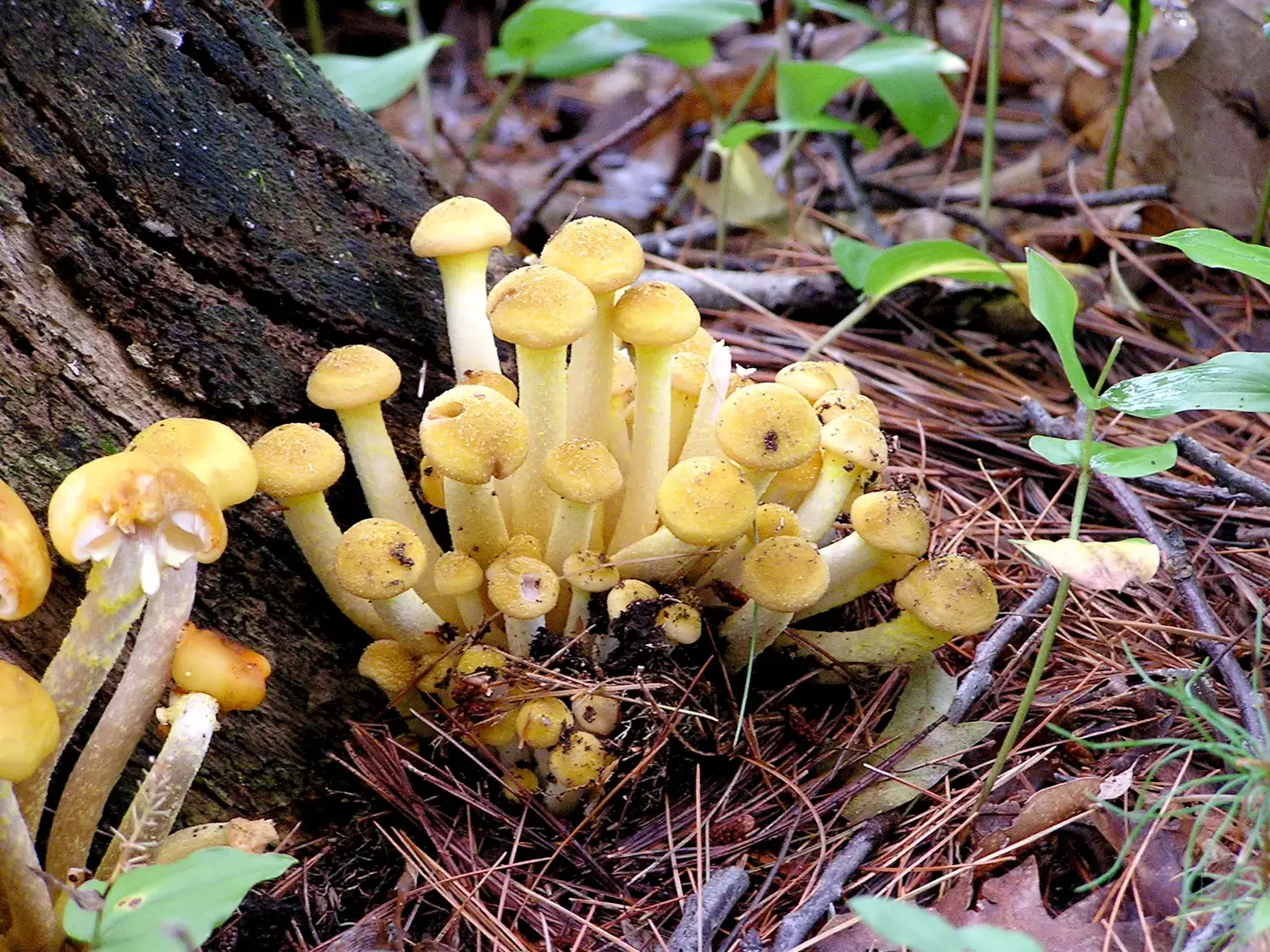
If you thought a forest of trees masquerading as one organism was wild, wait until you meet the honey fungus. Networked organisms like fungi live significantly longer than individual plants or animals, and these impressive mushrooms are not only among the most ancient but are also the largest organisms in the world, eating their way across thousands of acres of forest. You might walk through a forest and never once realize you are inside a single living entity.
The Armillaria fungus, sometimes called the “humongous fungus,” operates like a biological empire. Some mushrooms you see separately above ground are part of the same network underground, and they may grow, reproduce, and appear to die, while a young mushroom nearby shares the exact same genes and is technically the same organism. The visible mushrooms are just the tips of an enormous, hidden, connected network.
What’s especially unsettling, in the best possible way, is that this organism is not passive. It actively spreads through and consumes the root systems of living trees, growing outward by meters each year. It survives fire. It survives drought. Individual mushroom caps die and decay while the underground mat just keeps on going, century after century. I think of it as nature’s most patient predator.
9. Ancient Bacteria Revived From Amber: Life Paused for Millions of Years
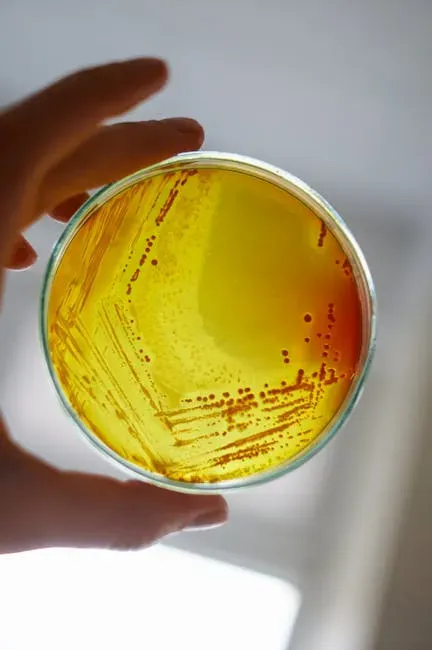
If you thought deep-sea sponges were old, prepare to readjust your concept of time entirely. In 1995, microbiologist Raul Cano and his team were the first scientists to extract and successfully revive ancient bacteria, with the bacterial spores recovered from ancient bees that were encased in amber from the Dominican Republic. The bacteria had essentially been on pause, suspended in biological amber like prehistoric fossils that hadn’t quite finished their story.
At the time, no one believed that Cano was able to bring 25 to 35 million year old bacteria back to life, and to prove his claims, Cano and his team spent three years testing and retesting their process before publishing their findings. Three decades of scientific skepticism followed. Then the results held up. Life, it turns out, does not need continuous activity to persist. It just needs the right conditions, and an extraordinary amount of patience.
The ancient bacteria found in the prehistoric bees are similar to the microbes that live in the gut of present-day bees, which is a strange and beautiful kind of continuity across tens of millions of years. Endoliths, organisms such as bacteria, fungi, lichen, algae, and amoeba that live inside rocks and coral, have also been found in sediment samples from a mile and a half beneath the ocean floor, with some research suggesting the sediment was approximately 100 million years old, which may mean some of these organisms could be about the same age.
10. The Creosote Bush and Box Huckleberry: Ancient Clonal Plants You’ve Never Heard Of
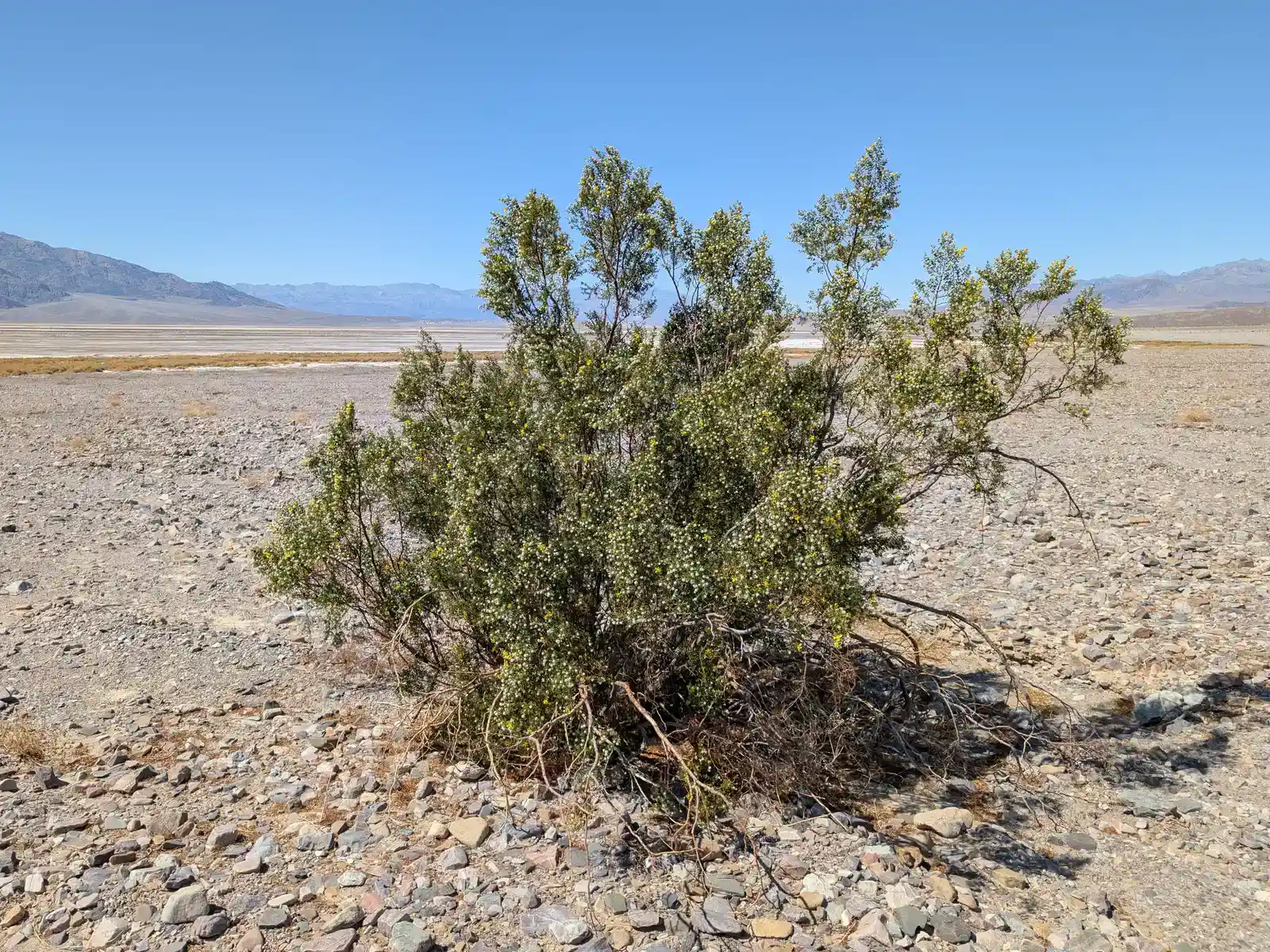
Most people have never heard the words “box huckleberry” and “ancient organism” in the same sentence. Yet here we are. A colony in Pennsylvania, known as the Losh Run box huckleberry plant, was surveyed to be about 6,500 feet long, and the age of box huckleberry plants is determined by its size, with the Losh Run colony estimated to be about 13,000 years old. At the time of its discovery, it was the oldest living organism in the world.
Unfortunately, much of the Losh Run colony was destroyed in the 1970s due to road construction, but small pockets of the colony still remain, and today other box huckleberry colonies are protected so that the Losh Run incident is never repeated again. It’s hard not to feel a sharp pang of loss reading that. Thirteen thousand years of survival, and a road crew ended part of it. In the Mojave Desert, a ring of Creosote bushes was discovered to be a clonal colony, a group of genetically identical plants that grew from a single original plant, estimated to be around the same ancient age range.
These prehistoric organisms have survived by either entering a dormant state and being revived, having extremely slow metabolisms, or cloning themselves to extend their lifespans. That is an extraordinary range of survival strategies: freeze time, slow time, or simply copy yourself endlessly. Since the oldest living people only reach about 120 years of age, it can be hard to believe that other organisms can live so much longer, and although reaching 100 years is impressive for a person, compared to other organisms, 100 years is just a drop in the bucket, as there are several organisms still living around the world that are thousands of years old.
Conclusion: Ancient Life Is Still Out There, Quietly Persisting
There is something almost humbling about all of this. We spend so much time measuring progress in human terms, decades, centuries, generations. Then you discover that a tree in Utah has been quietly cloning itself since before humans left Africa, or that a patch of underwater grass has been photosynthesizing since Homo sapiens were still figuring out stone tools. These organisms don’t care about our timelines. They simply endure.
What’s remarkable is that many of these ancient beings are under threat right now, in 2026, from the very species that discovered them. Warming oceans, habitat destruction, overfishing, and road construction have already damaged or destroyed organisms that survived tens of thousands of years of natural upheaval. The scientific community is increasingly raising alarms about the pace of these losses.
are not relics locked behind glass in a museum. They are alive, right now, roots spreading underground, coral polyps filtering deep ocean water, a massive shark drifting slowly through the Arctic dark. They are witnesses to human history, and so much that came before it. The least we can do is pay attention.
What would you have guessed was the oldest living thing on Earth before reading this? Tell us in the comments.