
Most of us learn that DNA is a kind of biological barcode, a static code that quietly sits in our cells deciding things like eye color and blood type. That version of the story is comforting, but it is also wildly incomplete. In reality, your DNA behaves more like a living script, constantly interpreted, edited, and sometimes misread by your cells in ways that shape your health, mood, behavior, and even how you respond to the world around you.
Once you start seeing DNA as active, responsive, and full of hidden switches, everyday experiences suddenly look different. Why the same workout program transforms one person and barely nudges another, why a stressful childhood can echo in the body decades later, or why some people shrug off infections while others end up in intensive care – so many of these differences trace back to subtle layers of control written into and around our DNA. Here are ten under-the-radar facts that show just how much more your genome is doing behind the scenes.
1. Your DNA Is Covered In “Software” That Tells It When To Speak
When people say genes “turn on” or “off,” they are really talking about epigenetics – chemical tags and structural changes that sit on top of your DNA and control how it is read. You can think of your DNA as the hardware and epigenetic marks as the software that tells the cell which programs to run in which situation. Two people can carry the same gene variant, but if their epigenetic settings are different, that gene can behave in totally different ways.
What makes this even more surprising is how dynamic the system is. Nutrition, stress, sleep, pollution, infections, and even social experiences can nudge these epigenetic switches over time. In that sense, your day-to-day life is constantly editing the way your DNA is used, without ever changing the letters themselves. It is not quite accurate to say you can “rewrite your genes,” but you absolutely can influence how loudly some parts of your genome are allowed to speak.
2. Identical Twins Prove DNA Control Is More Fluid Than We Think

Identical twins start life with essentially the same DNA sequence, yet as they age, they often diverge in striking ways. One might develop a disease that the other never gets, or their personalities and even their responses to medications can slowly drift apart. This is a loud hint that the letters of the genetic code are only part of the story, and that the way those letters are managed over time matters just as much.
Studies of twins show that their epigenetic marks are very similar early in life, then gradually become more different as they gather different experiences, live in different environments, or even just have distinct circles of friends. It is as if their genomes started as identical sheet music but ended up with different annotations scribbled in the margins. For me, this is one of the most concrete reminders that DNA is powerful but not destiny; the system keeps a little room for your life story.
3. “Junk” DNA Is Not Really Junk – It Helps Run The Control Panel
For years, the majority of our genome was dismissed as junk, a kind of molecular attic full of broken bits and leftover code. We now know that a huge chunk of that so-called junk helps regulate when and where genes are used. These regions can act like dimmer switches, timing devices, and safety locks, controlling the activity of nearby or even faraway genes in complex ways.
This hidden control panel helps explain why many DNA changes linked to disease are not in the genes themselves but in these non-coding stretches. A tweak in a regulatory region can be like moving a thermostat from a comfortable setting to one that slowly overheats the house. The fact that the “non-coding” majority of the genome has such influence is, in my view, one of the most humbling corrections in modern biology – we underestimated the quiet parts of the script.
4. DNA Can Remember Stress And Pass That Memory Forward
One of the more unsettling discoveries of the past few decades is that severe stress, trauma, or famine can leave epigenetic marks that linger for years and may even be detectable in the next generation. This does not mean trauma magically rewrites your gene sequence, but it can change how stress-related genes are regulated in eggs or sperm, or in early development. The body essentially leaves notes on the genome warning future cells about the environment it “expects.”
Some researchers believe this is an ancient survival mechanism, a way for children to be pre-tuned for a harsh world if their parents lived through one. The modern twist is that these same settings can be mismatched when the environment improves, potentially raising risks for metabolic or mental health problems. I find it both sobering and oddly motivating that how we handle stress today might shape more than just our own bodies; it may adjust the starting settings for those who come after us.
5. The Microbes In Your Gut Talk To Your DNA
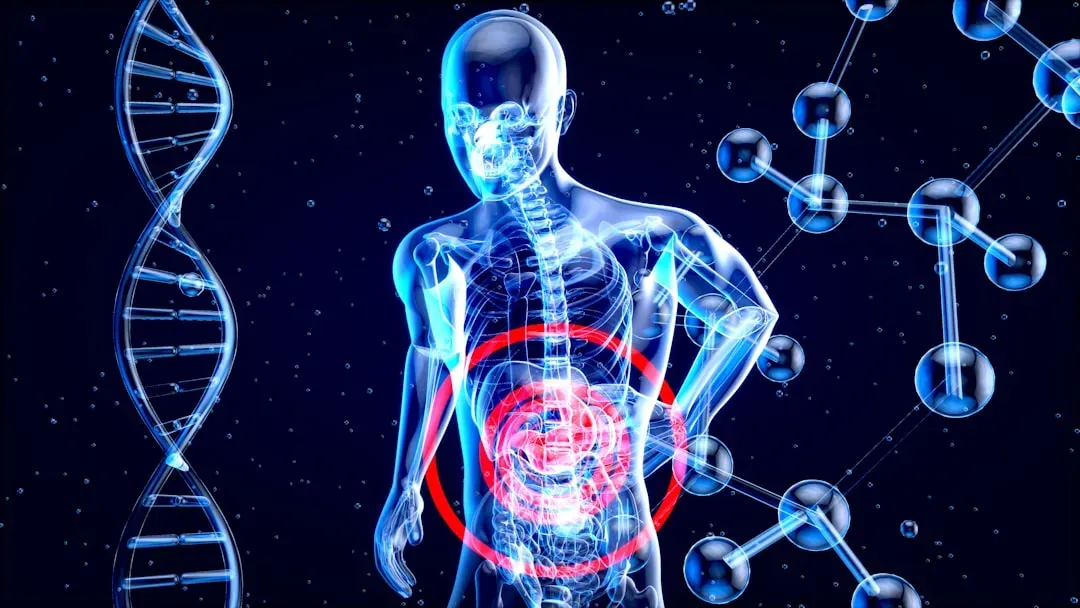
Your DNA is not making decisions in isolation; it is constantly listening to chemical chatter from the trillions of microbes in your gut. These bacteria and other microorganisms break down food and produce small molecules that can influence epigenetic marks, inflammation, and hormone levels. Through these signals, the microbiome effectively nudges which genes are dialed up or down in your intestinal cells, immune cells, and sometimes even in the brain.
That is part of why shifts in your gut ecosystem – from antibiotics, diet changes, or infections – can ripple outward into mood, weight, or immune function. It is not that the microbes are in charge of your genome, but they are like a noisy neighbor who keeps slipping notes under the door. Lately, I think of yogurt, fiber, and fermented foods less as “health trends” and more as gentle attempts to steer that microbial-DNA conversation in a calmer direction.
6. Sleep, Light, And Your Internal Clock Reprogram Genes Every Day
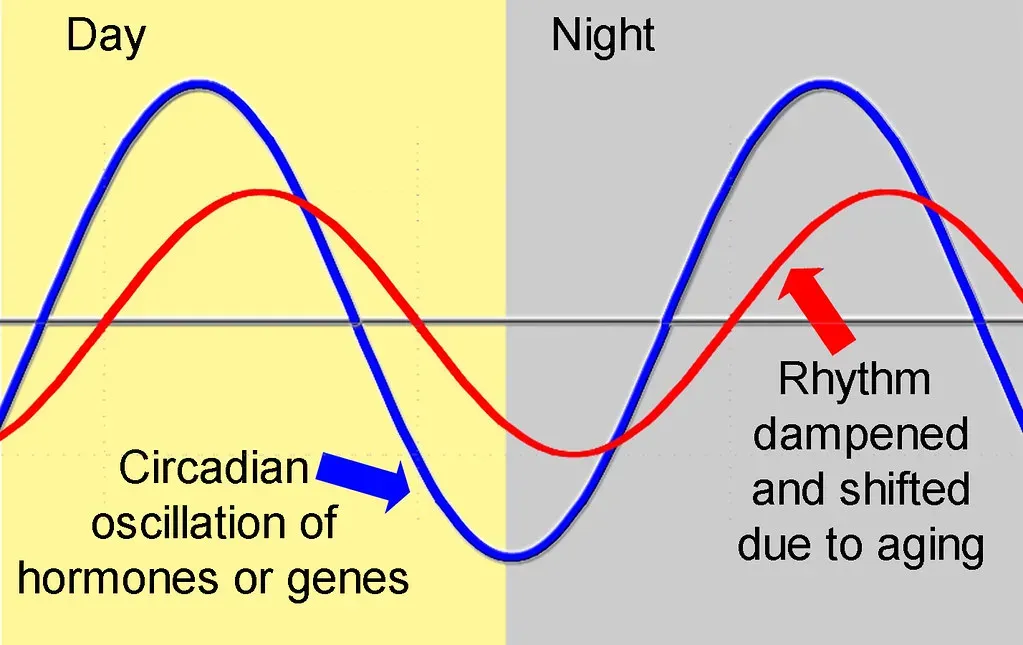
Inside your cells, there is a molecular clock that keeps a roughly 24-hour rhythm, and this clock directly controls the activity of thousands of genes. Some genes are only active during certain windows of the day or night, carefully timed to match behaviors like eating, resting, or repairing tissues. When you routinely stay up late, work night shifts, or stare into bright screens at midnight, you are asking that intricate gene schedule to operate completely out of sync.
Research shows that these circadian disruptions can alter hormone release, immune responses, and even how well certain drugs work. In extreme cases, chronic clock misalignment has been linked to higher risks of metabolic issues and some cancers. I used to think of sleep as a kind of “off” switch, but it is closer to a night shift at a factory: an entire crew of genes clocks in to clean up, repair, and reset. Ignore that schedule long enough, and the whole operation runs less smoothly.
7. The Same DNA Can Build Very Different Cells
Every cell in your body – skin, neuron, liver, muscle – carries essentially the same DNA, yet they behave like completely different species. The magic trick is differential gene expression: each cell type turns on a specific subset of genes and keeps others tightly locked down, using layers of epigenetic marks and structural packaging. It is like a single recipe book that can be used to cook a hundred very different meals depending on which pages you open.
This selective access is why damage to the wrong control genes can be so catastrophic. When a cell loses control over which genes are allowed to run, it can start dividing wildly or taking on the wrong identity, which is one path toward cancer or developmental disorders. I find it mind-blowing that the same underlying DNA can make both the hardness of bone and the delicacy of a memory, simply by shifting which chapters the cell is permitted to read.
8. Tiny DNA Differences Can Change How You React To Food And Medicine

People often talk about “the” effect of a drug or “the” best diet, but your DNA quietly decides how your body handles both. Small variations in genes that code for enzymes, receptors, or transporters can change how quickly you break down a medication, how strongly you respond to caffeine, or how your blood sugar rises after a bowl of pasta. These differences do not usually slam the door on a treatment, but they can nudge the odds of side effects or success.
This is the logic behind personalized medicine and nutrition: instead of pretending everyone’s body is interchangeable, we pay attention to the genetic and regulatory differences that matter. It is still an emerging field, and there is a lot of hype to sift through, but the core idea is sound. Your DNA is not giving fixed yes-or-no answers; it is quietly adjusting dials that change how your body responds to the same input that someone else gets.
9. Viral DNA Has Been Built Into Your Genome And Helps Control It
Hidden in your genome are ancient remnants of viruses that infected our ancestors and then got stitched into the germline, becoming part of the human genetic library. Many of these viral fossils are inactive, but some have been repurposed over evolutionary time as regulatory elements. In some cases, they help control when genes are turned on during development or how the immune system recognizes threats.
It is a bit wild to realize that your DNA does not just come from a long line of humans, but also from old viral intruders that were tamed and put to work. Evolution, in that sense, behaves like a scrappy engineer, scavenging useful parts from old invaders and wiring them into the control circuits of our genome. To me, this is one of the clearest signs that our DNA is not a pristine codebase but a running story of conflict, adaptation, and creative reuse.
10. You Can Influence Your DNA’s Behavior, Even If You Cannot Change The Letters
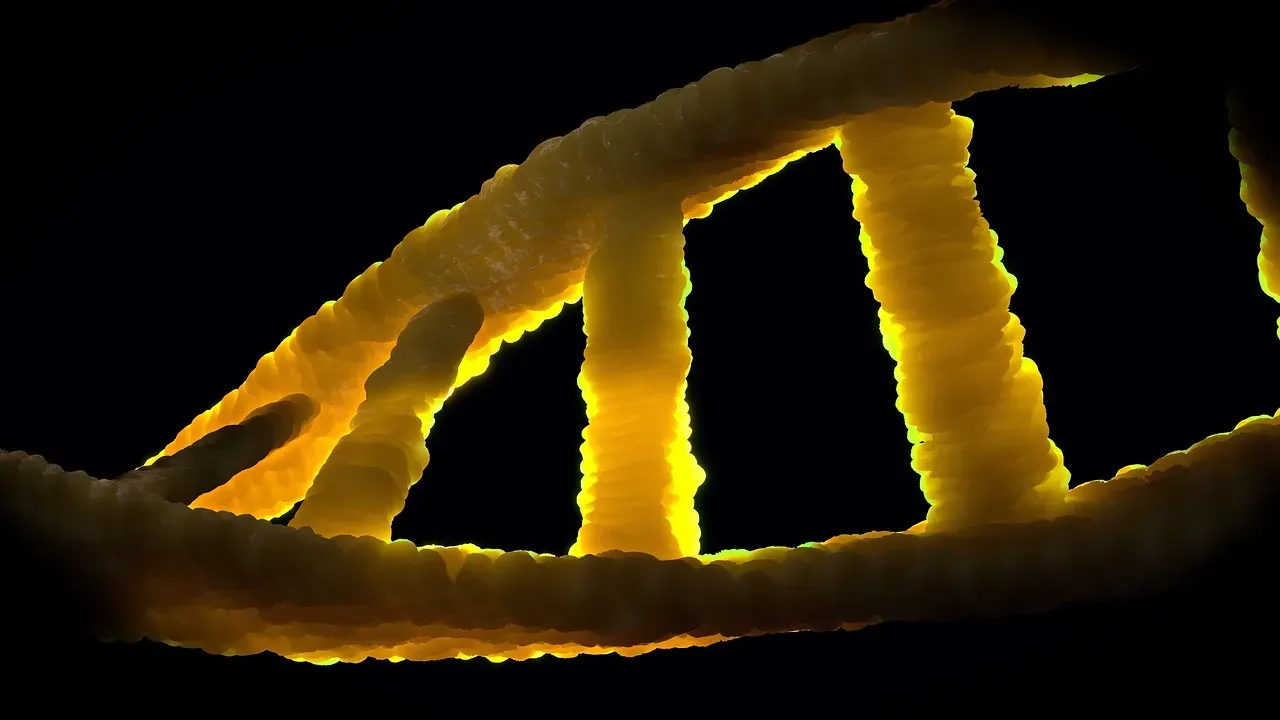
There is a common, almost fatalistic belief that once you get your genetic test results, the story is written in stone. The reality is more nuanced and, honestly, more hopeful. While you cannot easily rewrite your core DNA sequence, many of the control layers around it – epigenetic marks, hormonal signals, metabolic states – are influenced by lifestyle and environment. Things like regular movement, decent sleep, a varied diet, and stress management are not magic, but they gently reshape the context in which your genes operate.
That does not mean you can “will away” serious genetic risks or ignore structural inequalities by preaching personal responsibility. It does mean the gap between your inherited code and your lived health is not fixed; there is often wiggle room carved out by how your genome is regulated. I see this as the honest middle ground between genetic determinism and wishful thinking. Your DNA sets the stage, but your daily life still helps direct the play.
Conclusion: DNA Is Powerful, But It Does Not Get The Last Word
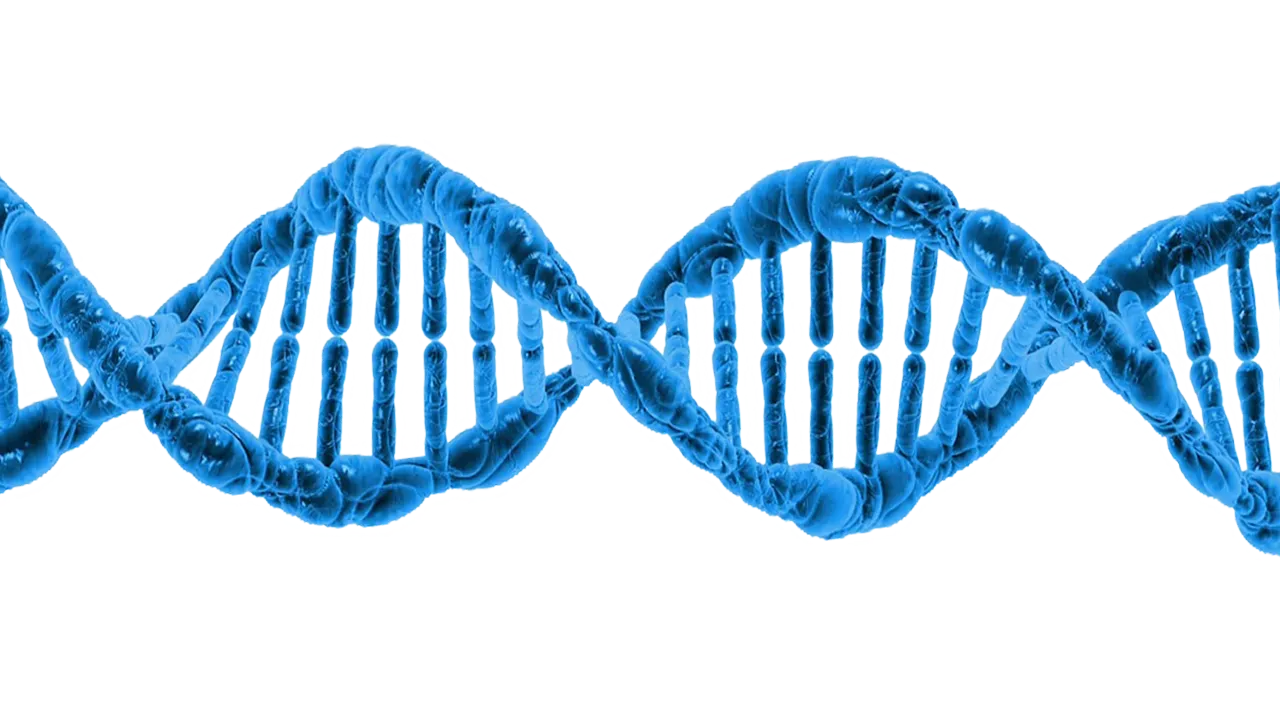
The more we learn about DNA, the more obvious it becomes that the old slogan of “genes as destiny” misses the point. Your genome is incredibly influential, yet it operates inside a web of controls, signals, and experiences that constantly shape what actually happens in your body. Ignoring that complexity leads to lazy thinking – blaming everything on bad genes when things go wrong, or selling unrealistic promises that you can hack your biology overnight.
My own bias is pretty clear: I think we should treat DNA with deep respect but not blind obedience. It holds a powerful script, but that script is edited every day by your habits, stresses, microbes, and environment. Instead of asking whether genes or lifestyle matter more, it is more honest to admit they are tangled together and then act accordingly. Knowing that, how might you treat your genome differently if you saw it not as a fixed verdict, but as a living story you are still helping to write?