
Myths have a strange staying power. You grow up hearing about dragons, sea monsters, and unicorns, and you learn to file them under “fantasy.” Case closed, right? Not quite. Science has a funny habit of pulling the rug out from under our assumptions, and when it comes to legendary creatures, the line between folklore and biological reality is blurrier than most people realize.
Some of the most outrageous beasts from ancient legends turn out to have startlingly plausible real-world counterparts, hiding in fossil records, ocean depths, or remote jungle floors. The stories your ancestors told might not have been pure imagination after all. Let’s dive in.
1. The Kraken: A Norse Horror That Was Swimming Beneath You All Along
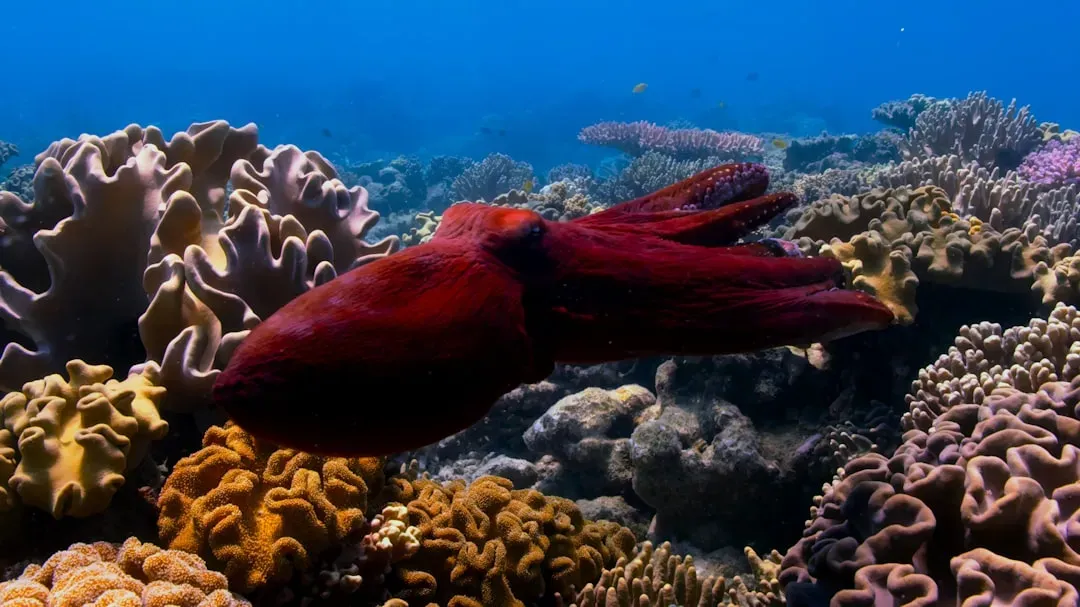
Here’s the thing about the Kraken – it is arguably the mythological creature with the strongest scientific backing of the entire lot. Few sea monsters have terrified sailors more than this colossal tentacled beast said to drag entire ships to the ocean floor, and this legendary creature finds its real basis in the giant squid and the even larger colossal squid. Honestly, when you learn the facts, it’s hard to blame those Vikings for the stories they told.
These extraordinary cephalopods live in the ocean’s depths, with giant squid reaching lengths of up to 43 feet, and for centuries their existence was only known through remains washed ashore or found in sperm whale stomachs. Sailors who spotted tentacles or body parts naturally assumed the complete animal was exponentially larger. The first photographs of a living giant squid weren’t captured until 2004, and a live specimen wasn’t filmed until 2012. Think about that for a second. For the vast majority of human history, these creatures existed only as fragmentary evidence, easily transformed into a ship-swallowing nightmare.
2. The Unicorn: A Real-Life Beast From the Siberian Ice Age
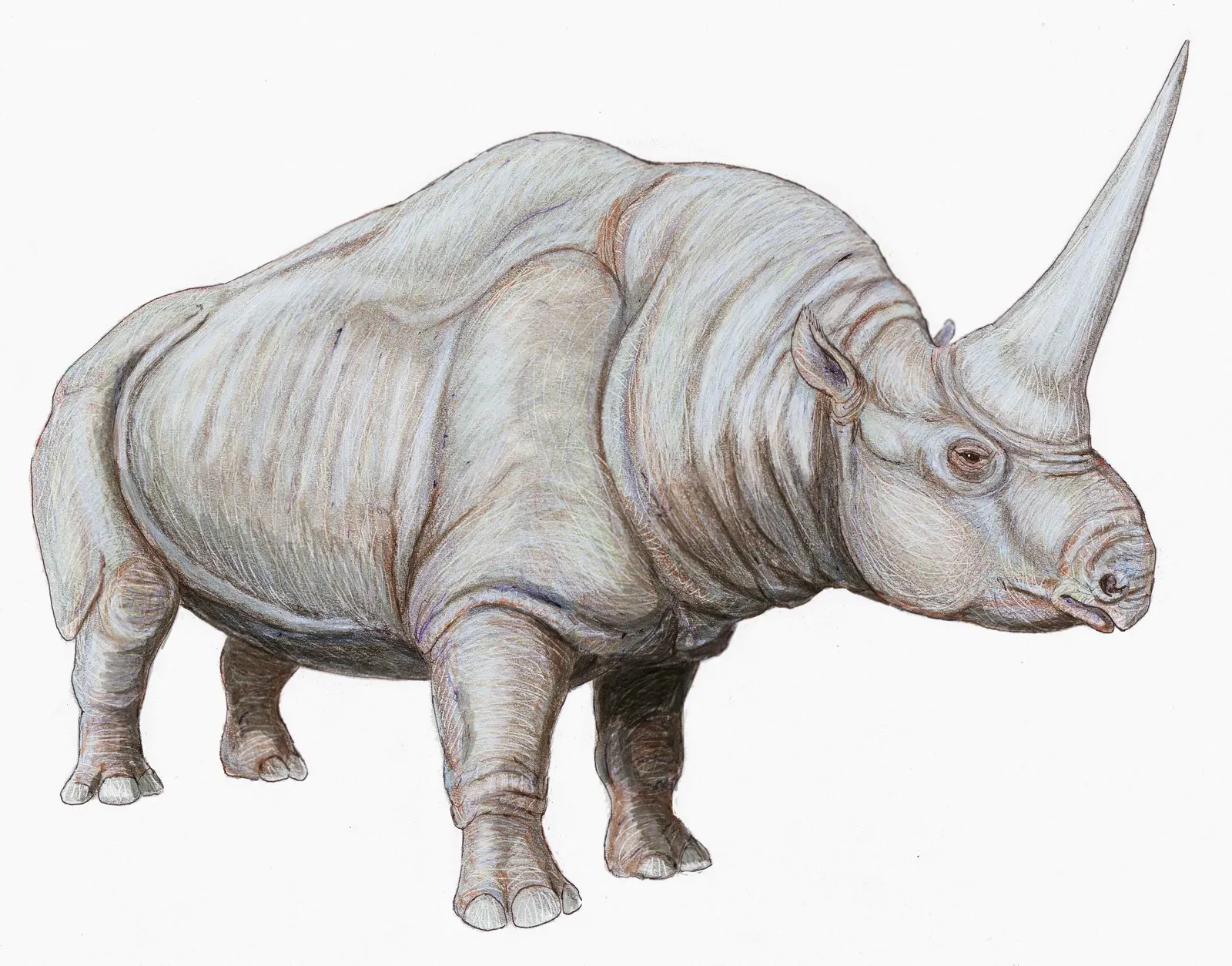
You might think the unicorn is about as far from reality as it gets. A white horse with a magical spiraling horn? Pure fantasy. But consider this: the formidable beast known as the Siberian Unicorn was not a horse at all, but a giant, shaggy rhinoceros scientifically called Elasmotherium sibiricum. This Ice Age titan lived across the vast steppes of Eurasia roughly 39,000 years ago, and possibly as recently as 29,000 years ago, meaning it coexisted with early humans.
Elasmotherium was a true Ice Age giant, weighing up to twice as much as a modern rhino, and despite its massive size and prominent shoulder hump, it is thought that the Siberian unicorn was actually adapted to running at speed. Though no complete horn fossils have survived since keratin decomposes over time, scientists have inferred its size and placement from the skull’s large frontal dome. This horn, set atop the animal’s forehead rather than the snout, may have given rise to stories of a single-horned creature. Add ancient storytelling to a fossilized skull, and you have a unicorn myth that lasted millennia.
3. The Griffin: A Fossil-Fueled Legend From the Gobi Desert
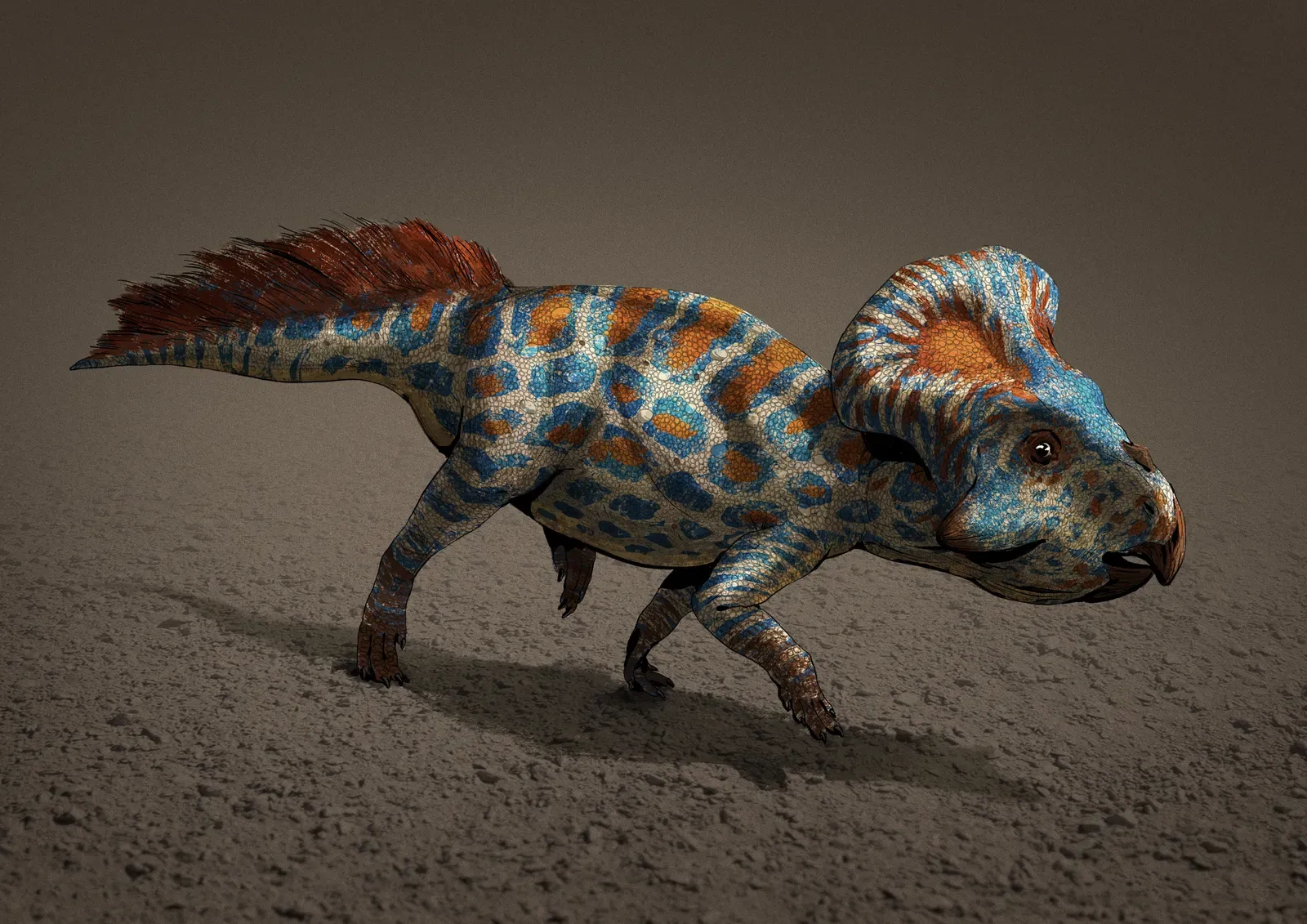
Legends of a strange, winged creature with the body of a lion and the head of an eagle date back to the 7th century BC in Central Asia, and it has been suggested that the inspiration for this mythical creature, which was said to guard golden treasures, came from early discoveries of dinosaur fossils. Imagine stumbling across a massive, beaked skull half-buried in a golden desert. You’d invent a story too.
One proposed species was Protoceratops, a beaked dinosaur that lived in Asia between 75 and 71 million years ago, whose fossilized bones were uncovered by Scythian gold miners in the Gobi Desert around 2,000 years ago. The Scythians, a nomadic people who originated from Central Asia, found Protoceratops remains in the same region where they would prospect gold, and eventually word reached the Greek people about a beaked, gold-guarding creature. The Greeks thought that it lined up with their history of a griffin, birthing a legend that has lasted centuries. Fossil hunters accidentally creating mythology. I think that is genuinely one of the most fascinating things science has ever revealed.
4. The Mermaid: Lonely Sailors and Surprisingly Human-Looking Sea Cows
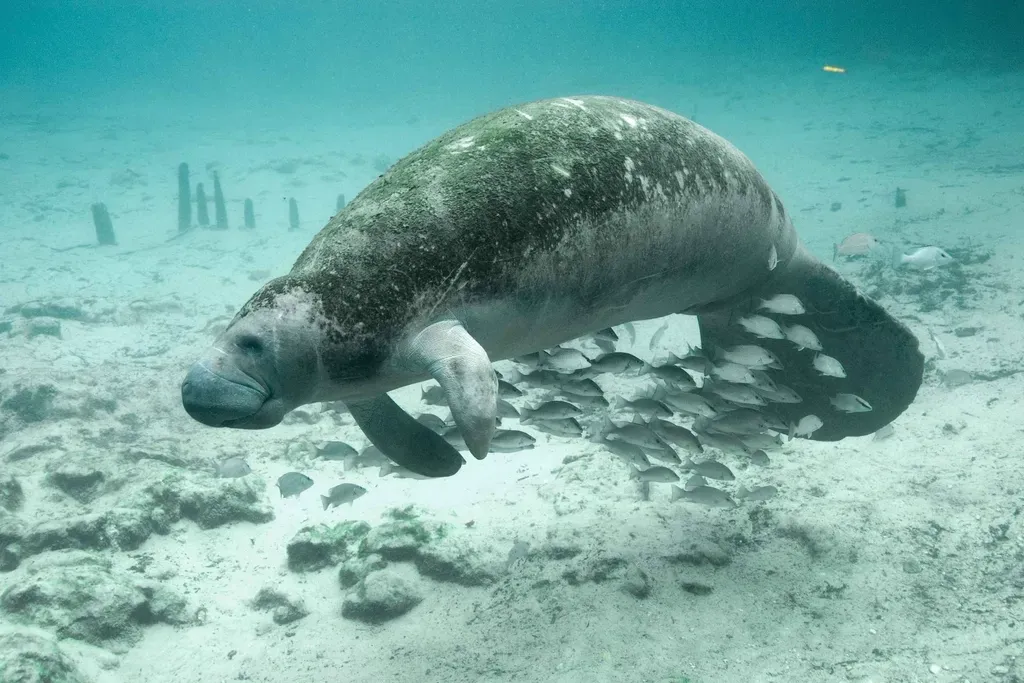
Let’s be real – if you’ve been out at sea for six months with nothing but salt water and hard biscuits, your perceptions tend to shift. European sailors exploring the high seas in the 15th century returned with reports of mermaid sightings, and Christopher Columbus’s description of a mermaid near what’s now Haiti in 1493 suggests that the real animals these explorers probably encountered were manatees and dugongs, large herbivorous marine mammals also known as sea cows.
It is often said that the myth of mermaids and sirens came from manatees and dugongs. The order that these two species belong to is even called Sirenia for that reason, and these animals tend to have human-like qualities such as being able to turn their heads, flippers with finger-like bones, and the way they sometimes appear upright as they float around. Another factor possibly contributing to sailors’ visions was scurvy, whose symptoms, caused by vitamin C deficiency on long voyages, include hallucinations. Combine isolation, malnutrition, and a manatee, and suddenly mermaid mythology makes complete sense.
5. The Pouakai: The Maori’s Man-Eating Monster Bird Was Absolutely Real
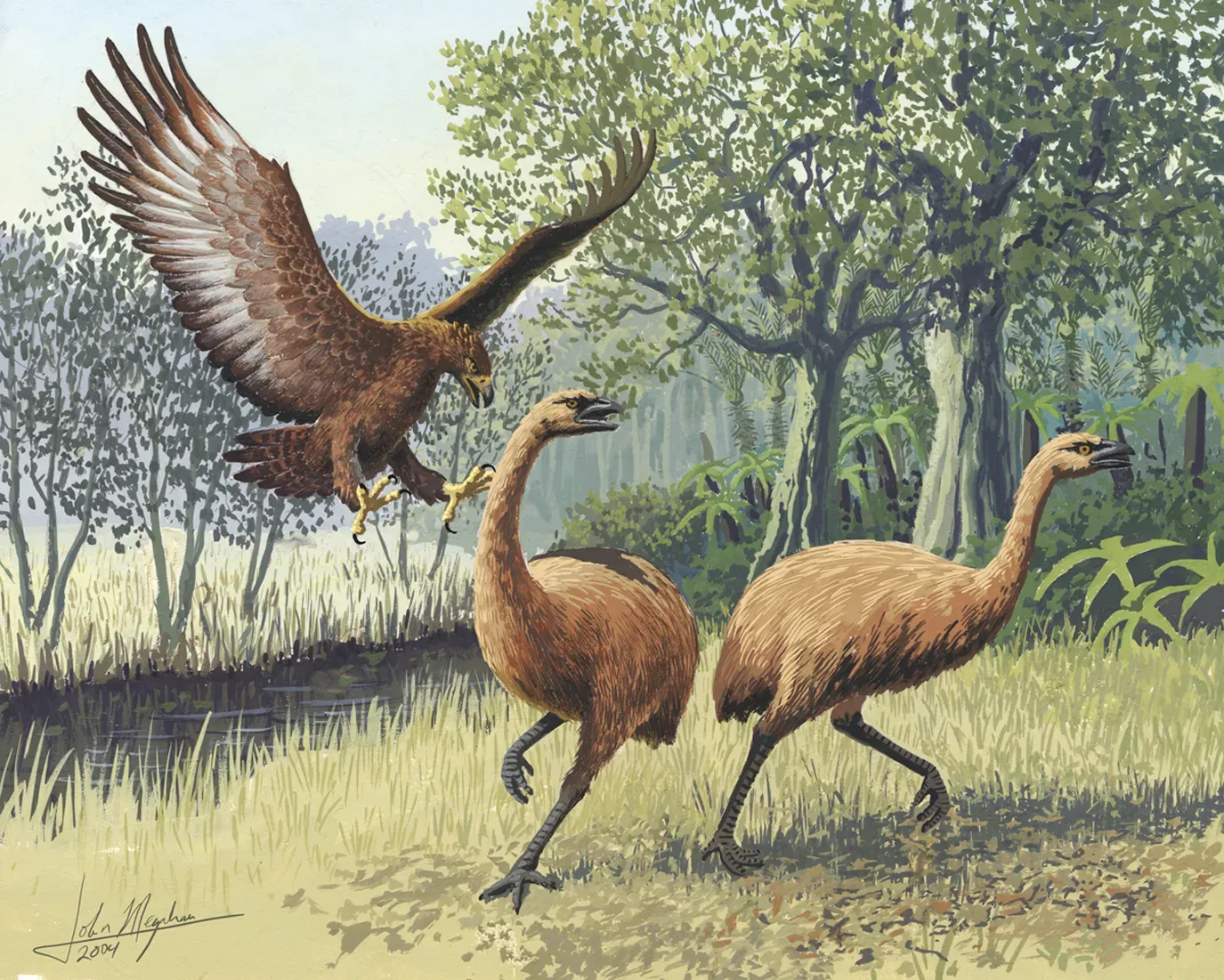
The Pouakai is a monstrous bird from Maori mythology said to have terrorised villages and hunted humans, and this myth is widely considered to be inspired by the very real but now extinct Haast’s eagle, the largest eagle ever found and the top predator on New Zealand’s South Island for thousands of years. This is not even a contested comparison at this point. It is one of the most solid myth-to-reality connections in all of natural history.
It is the largest eagle known to have existed, with an estimated weight of 10 to 18 kilograms, and its massive size is explained as an evolutionary response to the size of its prey, the flightless moa, the largest of which could weigh 200 kilograms. In Maori mythology, Pouakai would prey on and kill humans along with moa, which scientists believe could have been possible given the massive size and strength of the bird. Haast’s eagle became extinct around 1445, following the arrival of the Maori, who hunted moa to extinction and destroyed large tracts of forest by fire. A creature that once dominated the skies, remembered only in chilling legend.
6. The Dragon: Dinosaur Bones That Lit a Fire in Human Imagination
![6. The Dragon: Dinosaur Bones That Lit a Fire in Human Imagination (Original, now superseded file based on the images found here: [2][3][4]and[5] which is now known to be Neovenator: File:Neovenator salerii-Dinosaurisle.jpg. Heavily revised current version based on skeletal diagrams by Scott Hartman in:(2015). "An overview of non-avian theropod discoveries and classification". PalArch's Journal of Vertebrate Palaeontology 12 (1): 1–73.
The feathering shown here is speculative, skin remains are not currently known for Megalosaurus., Public domain)](https://nvmwebsites-budwg5g9avh3epea.z03.azurefd.net/dws/7ae14bd5c6c32114fb669762dac2cc00.webp)
(2015). “An overview of non-avian theropod discoveries and classification”. PalArch’s Journal of Vertebrate Palaeontology 12 (1): 1–73.
The feathering shown here is speculative, skin remains are not currently known for Megalosaurus., Public domain)
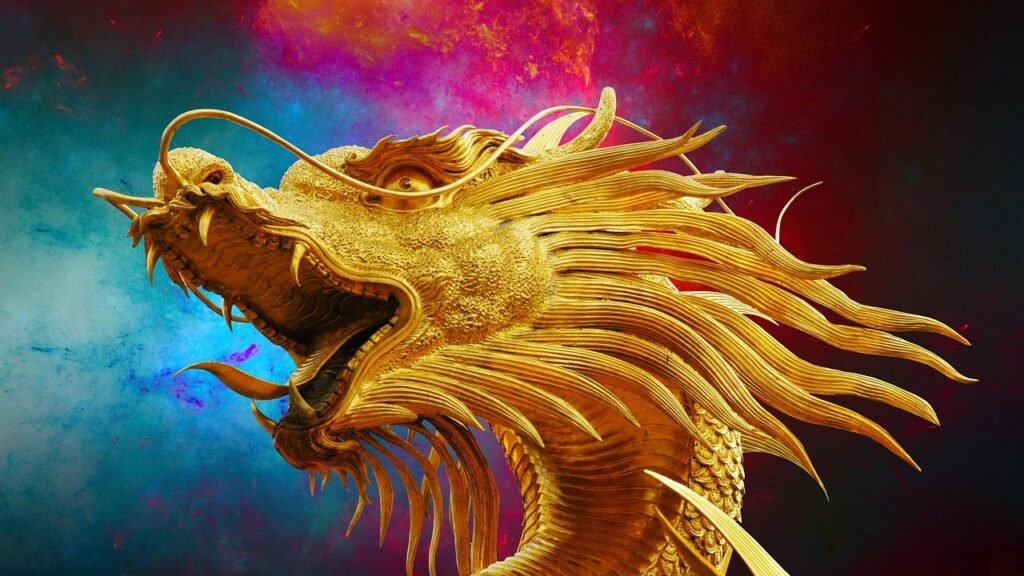
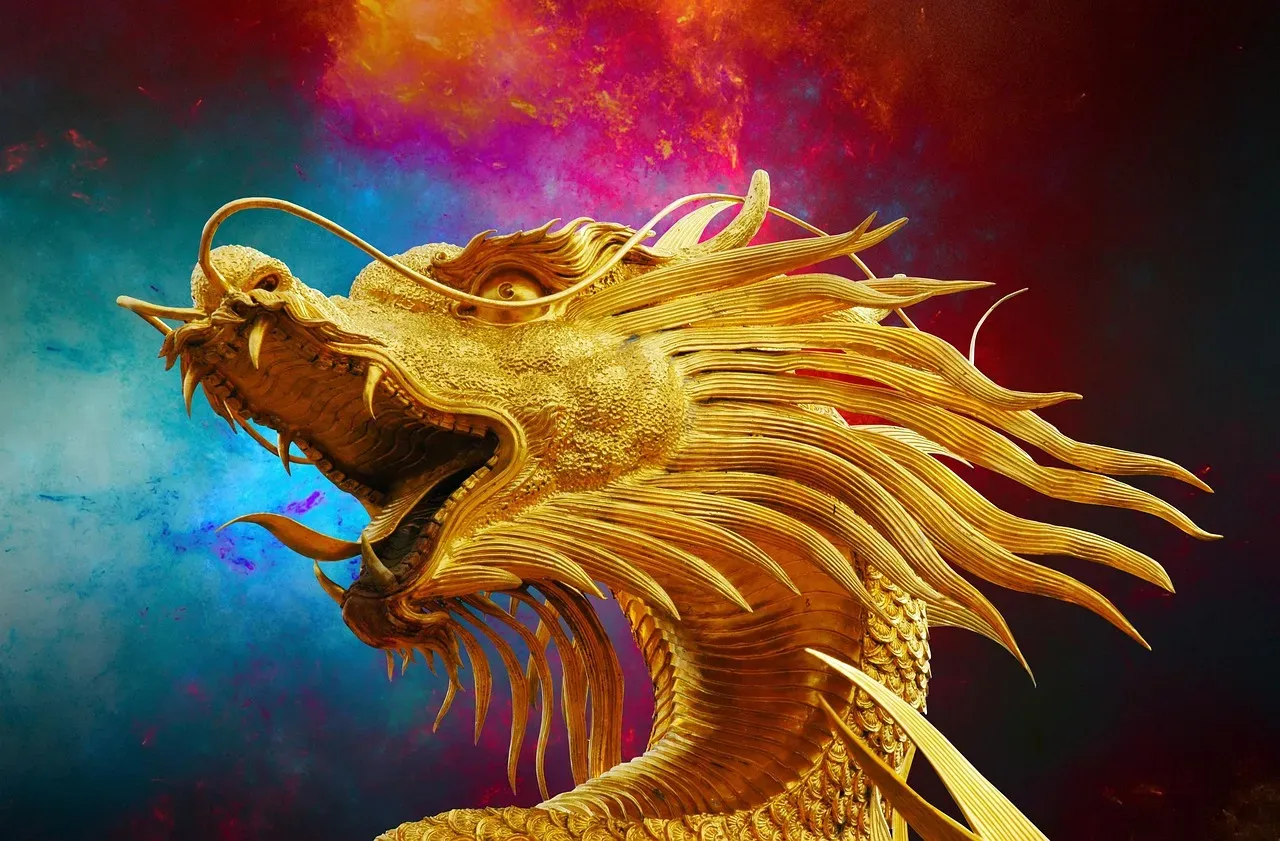
There are few mythological creatures more recognizable than dragons. These serpent-like beasts are central to myths that originated in both Western Europe and China, and the origins of dragon myths are heavily debated, with some suggesting they may be inspired by humans’ innate fear of snakes and others claiming they are hybrids of many different living animals. Still, one explanation rises above the rest when you think about it carefully.
Some researchers think dragon myths may have been spawned by discoveries of dinosaur fossils, which are found all over the world. One of the first to suggest this was Francis Buckland, son of William Buckland who described the first ever dinosaur Megalosaurus in 1824. As dinosaur fossils were found throughout history, there’s a chance they may have helped shape the idea of the European dragon and fueled this myth, since one can see where the winged, reptilian dragon looks similar to some dinosaurs. Ancient people discovering massive, reptilian fossil skulls buried in the earth? No modern science to explain them? You’d call it a dragon too.
7. The Gorilla: Africa’s “Monster” That Science Refused to Believe
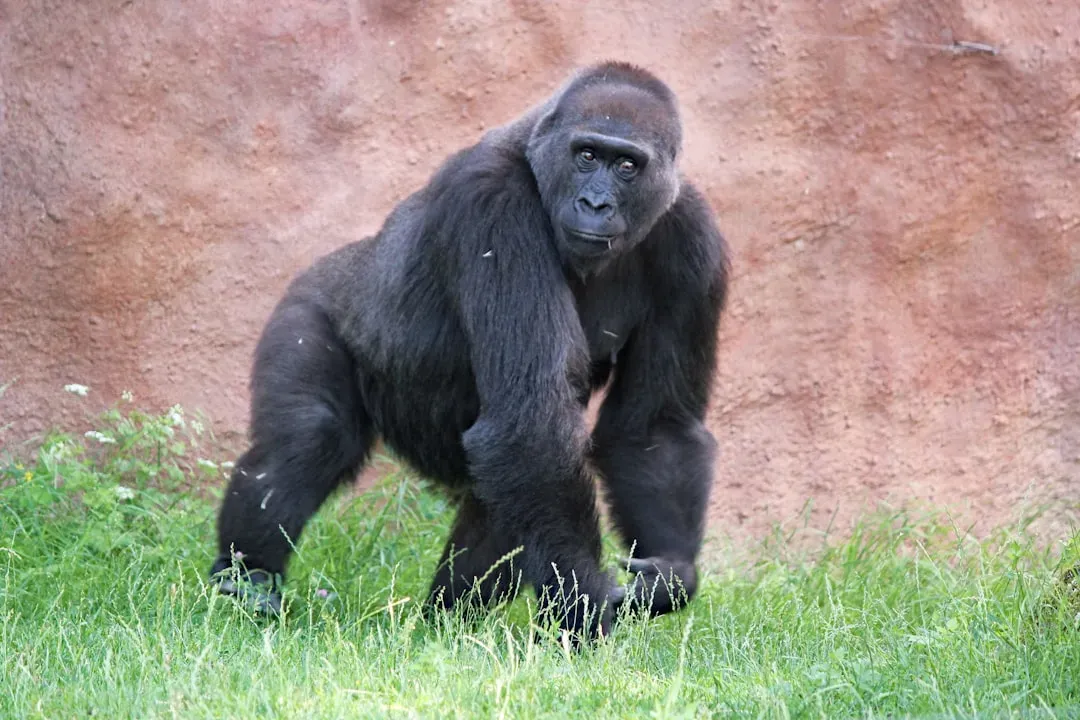
This one might genuinely shock you. Before the mid-19th century, the gorilla was believed to be a mythical creature. There were tales of enormous, hairy, human-like creatures in African jungles, which were thought to be wild exaggerations, and it was Thomas Savage in 1847 who scientifically described the gorilla, confirming its existence. Confirmed in 1847. That’s not ancient history. That’s relatively recent.
What if someone told you that a dark, hairy human-like creature with remarkable strength lurked in the wilderness of a faraway land? You’d think of legendary beasts, but as far back as the 5th century BCE, explorers were telling tales of human-like creatures visiting their camps. These beings remained legendary until 1847, when missionary T.S. Savage confirmed their existence, not as humans, but as the great apes now known as gorillas, and the name stuck, transforming from myth to scientific classification. Every time someone dismisses a “ridiculous” creature report, it’s worth remembering this story.
8. The Cyclops: One Eye, One Skull, and a Very Logical Mistake
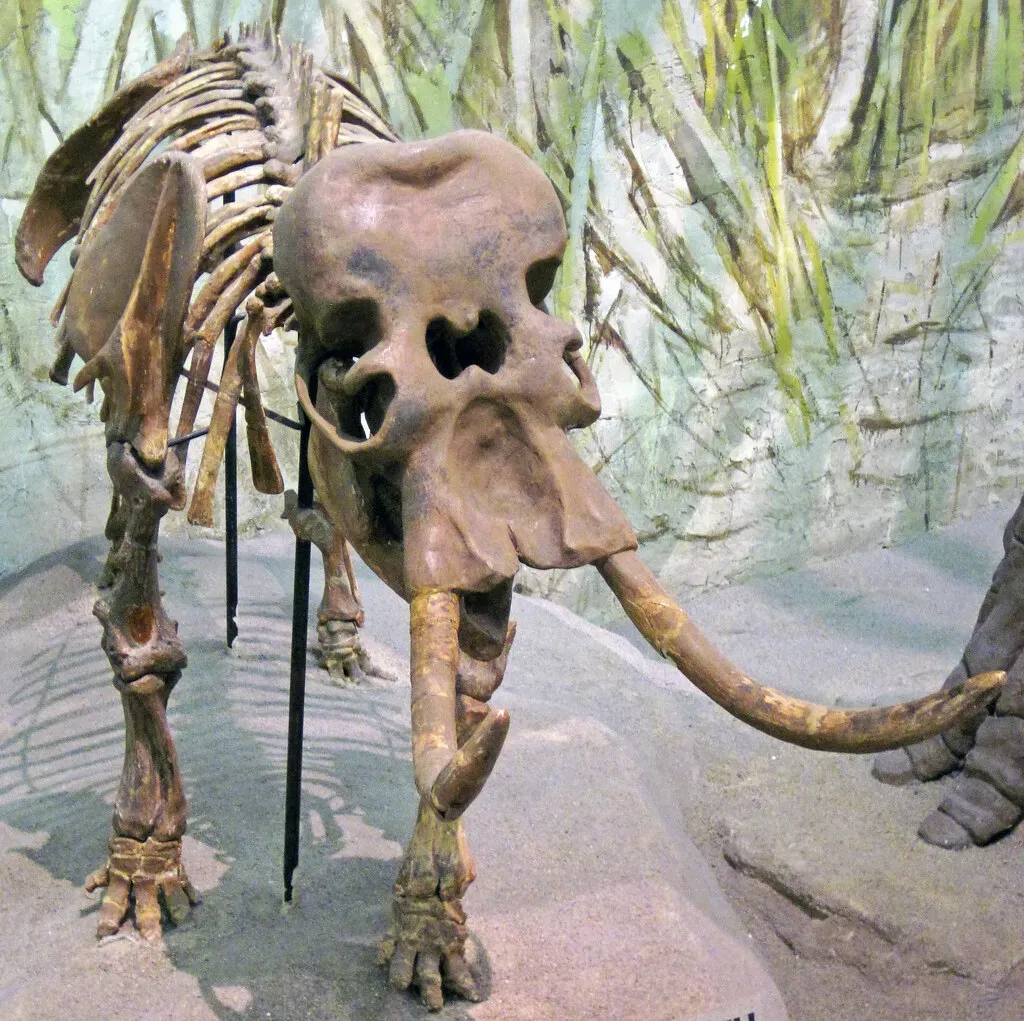
None of the ancient Greeks’ creations is better known than the Cyclops, the one-eyed giant that Odysseus famously defeats in Homer’s epic poem, The Odyssey. A now-popular theory behind the origin of the Cyclops myth was first discussed by paleontologist Othenio Abel in 1914, who proposed that the fossilized skulls of dwarf elephants, found in caves on islands in the Mediterranean, may have been misinterpreted by Greek explorers as belonging to a one-eyed monster. It’s almost poetic in its logic.
The skull of a dwarf elephant, you see, has a large central nasal cavity that sits right in the middle of the face – precisely where you might imagine a single, enormous eye socket to be. The discovery of extinct animals was not a modern phenomenon; some of our ancestors were budding palaeontologists themselves and regularly came across traces and remains of animals from bygone eras. Unlike modern scientists, however, they did not have modern science to guide their interpretations and instead relied heavily on their imaginations. One misidentified skull, centuries of storytelling, and a one-eyed giant was born.
9. The Komodo Dragon: A Living Monster Dismissed as Sailor’s Fantasy
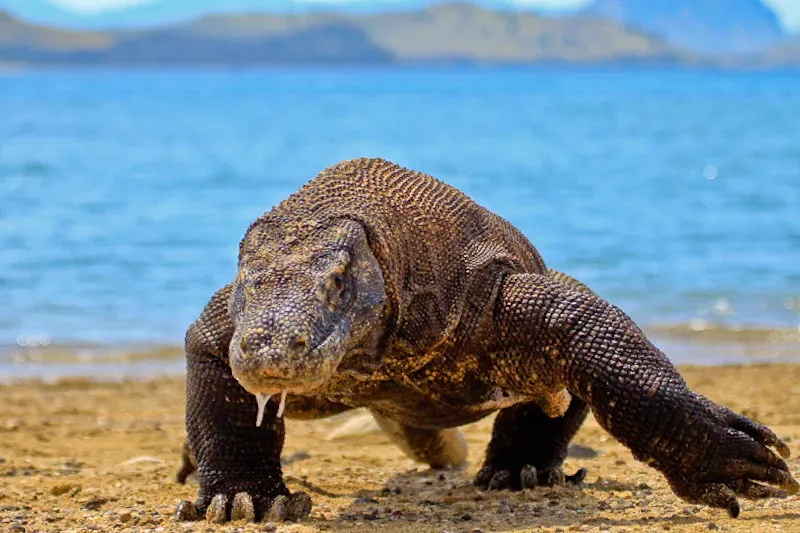
For generations, stories circulated among Indonesian islanders about enormous, dragon-like lizards inhabiting remote islands, but most Western scientists dismissed this as folklore. It was Dutch colonists who first confirmed the existence of the Komodo dragon in 1910. The pattern here is unmistakable. Time after time, indigenous knowledge was accurate, and Western skepticism was wrong.
When pearl fishermen returned from the Lesser Sunda Islands in Indonesia telling tall tales of giant “land crocodiles,” no one took them seriously. After all, fishermen are famous for exaggeration. Then, in 1910, an expedition from Buitenzorg Zoological Museum visited Komodo Island and produced the first scientific report on the creatures, and Lieutenant Jacques Karel Henri visited the island and took home both a Komodo dragon skin and a photograph. The 1926 expedition and discovery of an animal considered by many to be prehistoric went on to inspire the 1933 film King Kong. Even Hollywood owes something to a creature once thought to be pure legend.
10. The Sea Serpent: An Ocean Giant That Writes Its Own Mythology
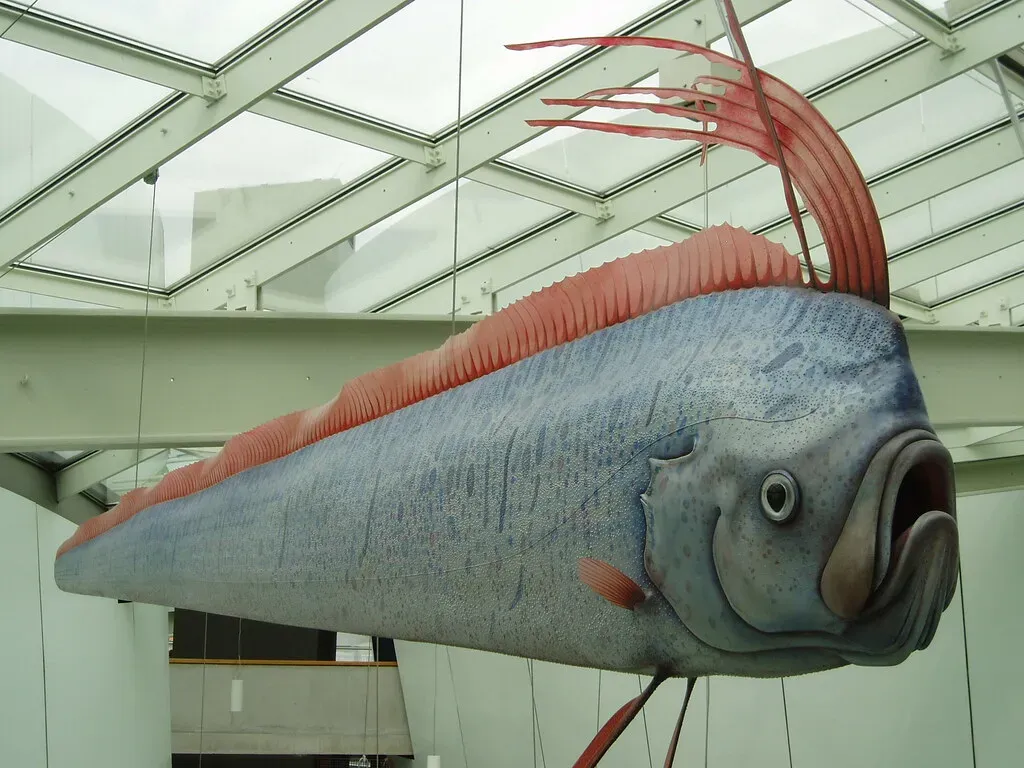
Many maritime myths tell of a terrifying and giant sea serpent, and while sailors are known for storytelling abilities, this one is most likely based in some truth. Deep in the Pacific, Atlantic, and Mediterranean oceans lies the massive oarfish, the world’s largest bony fish, capable of growing more than 30 feet, which could explain what seafarers of ancient times were seeing. Picture one of these silvery, ribbon-like giants slowly writhing at the ocean surface near a sailing ship. The crew would have lost their minds.
Another possible explanation for sea serpent sightings is that accounts described marine animals entangled in fishing gear, writhing around while attempting to free themselves. A fishing rope or net might, in such circumstances, look like the long, coiled body of a serpent. Scientists are discovering new species all the time, as many as 20,000 per year by some estimates, and a study in the journal PLOS Biology predicted that more than the vast majority of species on Earth are still awaiting discovery. The ocean remains the world’s greatest mystery, and sea serpent sightings, honestly, may not all be imagined.
Conclusion
What all of these stories reveal is something genuinely humbling: our ancestors were not simply making things up. They were observing the world around them, encountering strange bones, enormous creatures, and unexplained phenomena, and doing their best to make sense of it all without the tools of modern science. The myths and monsters that populate our cultural histories are not mere flights of fantasy – they are reflections of how humans have long interpreted the natural world through the lens of curiosity, fear, and imagination. From the deep-sea oarfish mistaken for sea serpents to narwhal tusks passed off as unicorn horns, real animals have continuously inspired some of our most fantastical legends.
The next time someone laughs off a strange creature report or an unusual sighting, it might be worth pausing. Science has been wrong before, and reality keeps proving that it is stranger, wilder, and far more spectacular than anything we could invent. Which of these ten surprised you the most? Drop your thoughts in the comments – this is exactly the kind of conversation worth having.