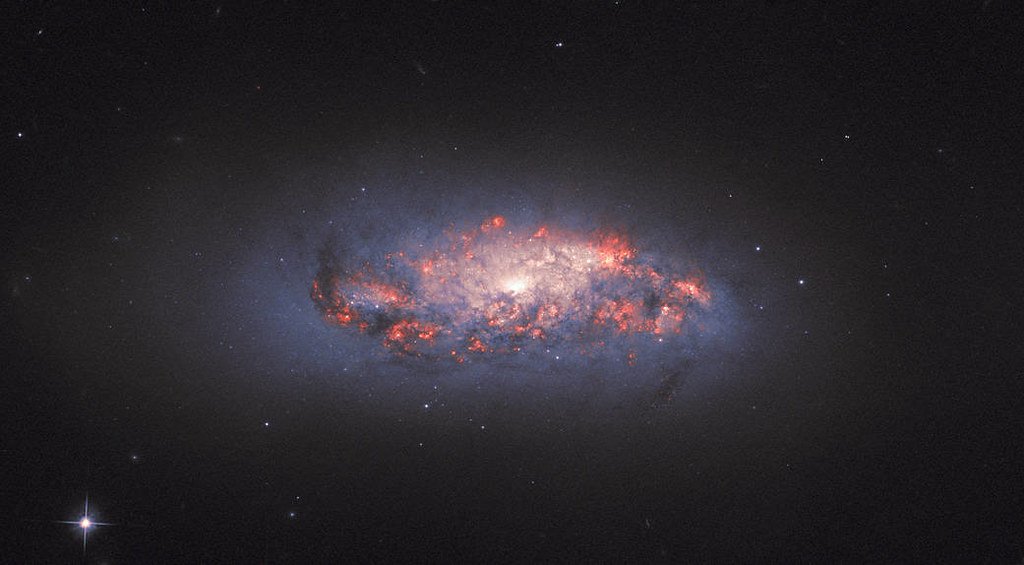

You’ve probably heard it mentioned in science documentaries or read about it in articles. , that mysterious invisible substance that supposedly makes up most of the universe. It’s one of those concepts that sounds like science fiction but is very much grounded in real physics. Scientists have been scratching their heads over it for decades, trying to figure out what this elusive cosmic ingredient actually is.
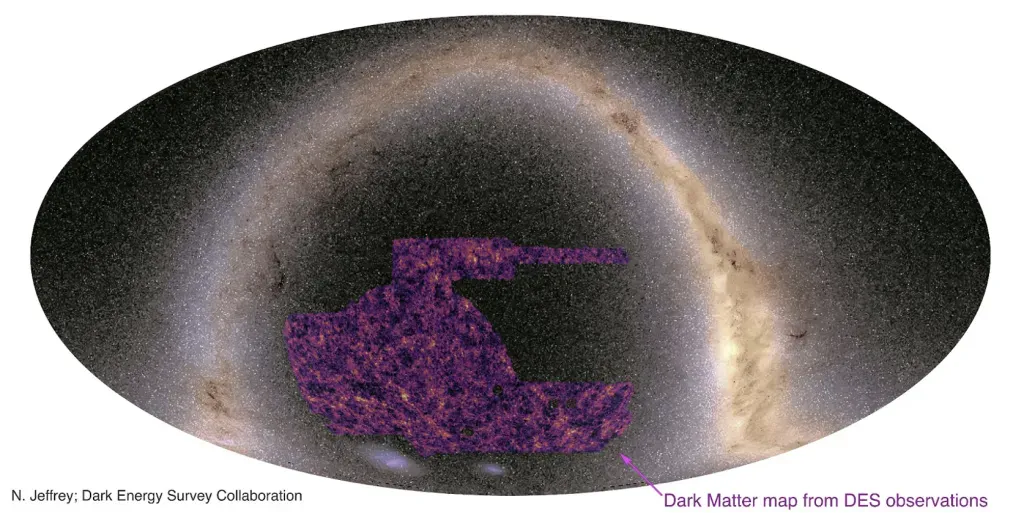
Here’s the thing that makes so fascinating. We can’t see it, we can’t touch it, and we can’t directly detect it with any of our current instruments. Yet we know something is out there because galaxies behave in ways that just don’t make sense otherwise. They spin too fast, they cluster together in patterns that visible matter alone can’t explain. Something invisible is holding everything together, like a cosmic glue we can’t quite identify.
The search for has spawned some truly creative theories over the years, each attempting to solve this cosmic puzzle from a different angle. Some scientists think it’s made of exotic particles that barely interact with anything. Others wonder if maybe we’ve got our understanding of gravity all wrong. A few even propose that might exist in hidden dimensions or parallel universes. Let’s dive into ten of the most intriguing theories that physicists are seriously considering.
Weakly Interacting Massive Particles: The Classic Candidate

WIMPs have long been considered one of the most compelling leads in the hunt for dark matter, with their predicted properties aligning strikingly well with long-standing models. These hypothetical particles would be heavy and would barely interact with regular matter except through gravity and possibly the weak nuclear force. That would explain why we haven’t spotted them yet despite decades of searching.
Recent gamma ray signals detected from the center of the Milky Way closely match what theories predict should be released when dark matter particles collide and annihilate. The energy levels and patterns fit what scientists expect from WIMPs with masses roughly 500 times that of a proton. If confirmed, this could be humanity’s first glimpse after nearly a century of searching.
The Mirror World: A Hidden Sector of Reality
Think about this for a second. What if there’s an entire shadow universe existing alongside ours, with its own particles and forces that we simply can’t see? One theory proposes a hidden physical realm with its own versions of particles and forces that gave birth to tiny, stable black hole–like objects.
While completely invisible to humans, this shadow sector would obey many of the same physical laws as the known universe, drawing inspiration from quantum chromodynamics. It’s a bit mind-bending, honestly. The idea suggests that dark matter formed in this hidden sector during the early universe, creating objects that account for all the mysterious gravitational effects we observe today.
Ultra-Relativistic Freeze-Out: Reviving an Old Idea
A new theory suggests that fast-moving, neutrino-like dark particles could have decoupled from Standard Model particles far earlier than previous theories had suggested, through an ultra-relativistic freeze-out mechanism. This actually revives a decades-old idea that scientists had largely abandoned.
In the 1970s, physicists thought neutrinos might be dark matter, but calculations showed they would have smoothed out the universe too much for galaxies to form. The new twist proposes that if ultra-relativistic dark matter decoupled even as Standard Model particles were first forming, it would have had enough time to cool down so it wouldn’t be disruptive to early galaxy formation. Sometimes the oldest ideas just need a fresh perspective.
Particles That Condensed Like Steam Into Water

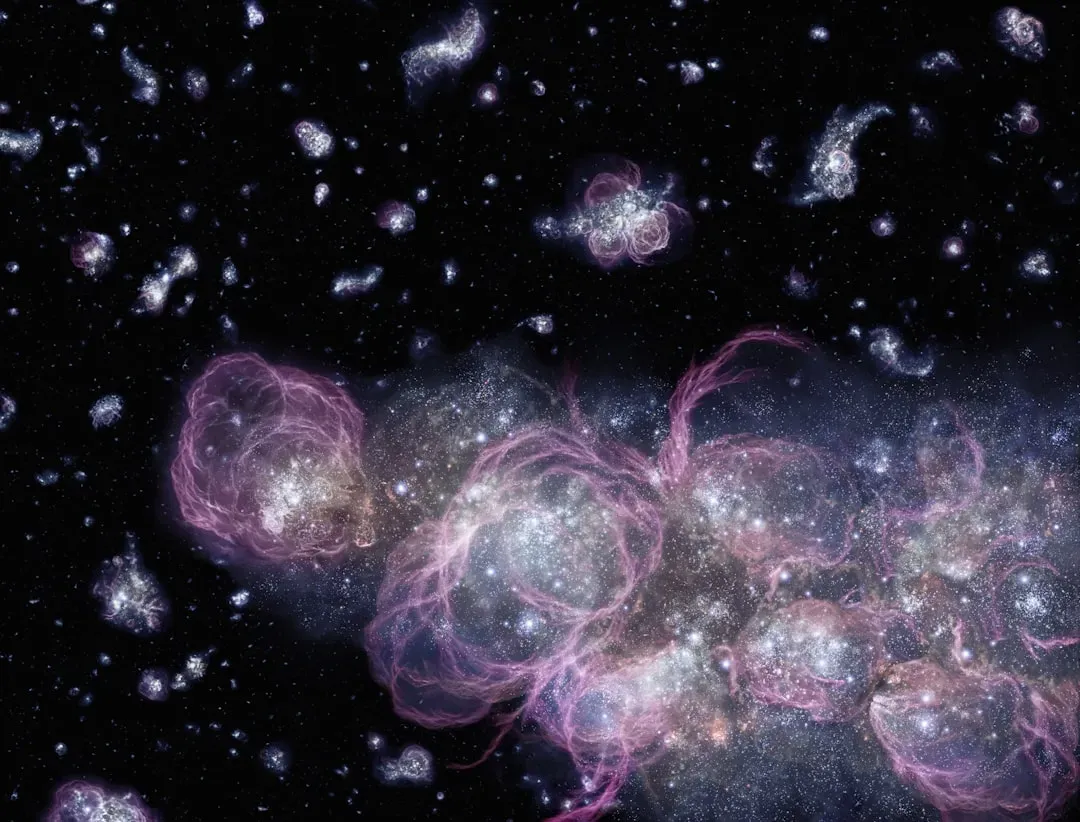
Researchers propose that dark matter could have formed from the collision of high-energy massless particles that lost their zip and took on an incredible amount of mass immediately after pairing up. Picture this: in the scorching chaos right after the Big Bang, particles of light paired up and suddenly became heavy lumps of matter.
Dark matter started its life as near-massless relativistic particles, almost like light, which is totally antithetical to what dark matter is thought to be – cold lumps that give galaxies their mass. The theory explains how it went from being light to being lumps, similar to how steam condenses into water droplets. It’s a phase transition on a cosmic scale.
Quantum Birth at the Universe’s Edge
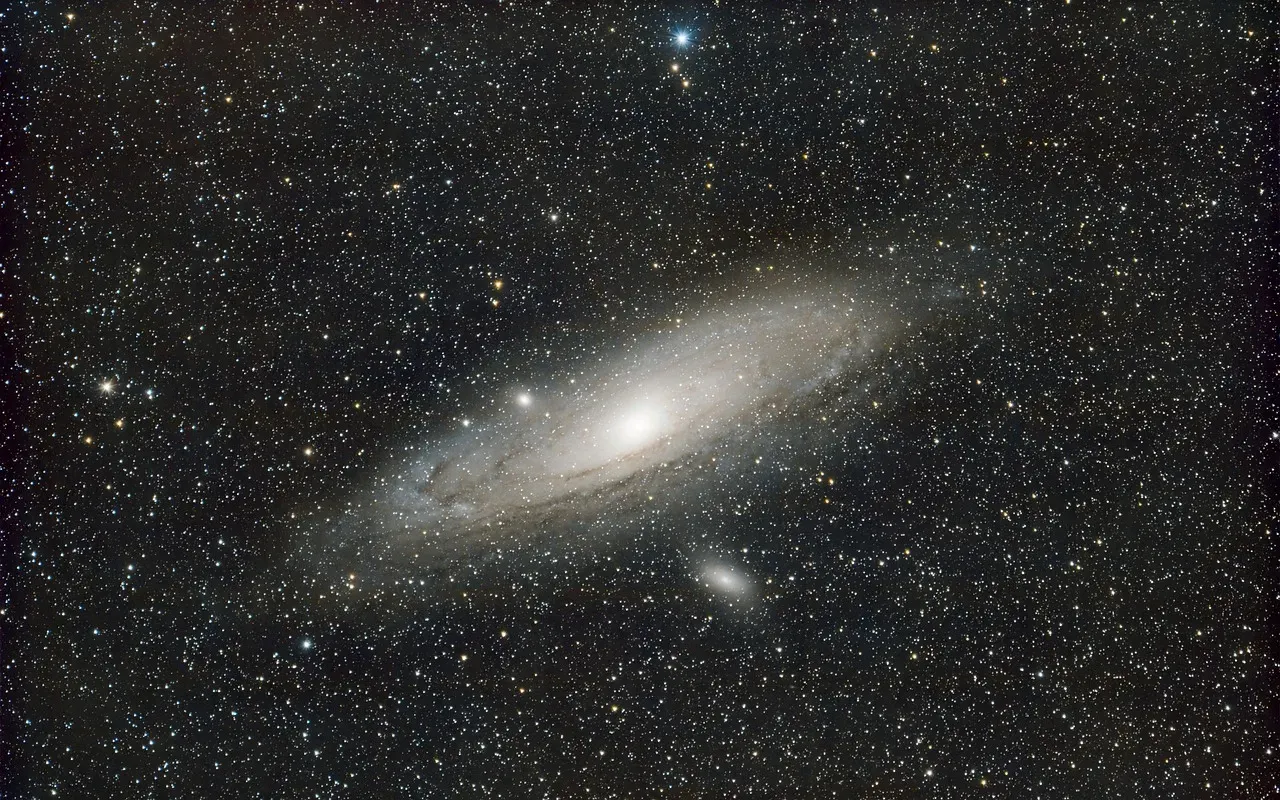
Another theory explores whether dark matter could be a product of the universe’s own expansion, created by quantum radiation near the cosmic horizon during a brief but intense post-inflation phase. Let’s be real, this one gets pretty wild. During the moments right after the Big Bang when the universe was expanding faster than the speed of light, quantum effects at the edge of the observable universe might have generated dark matter particles.
The mechanism involves quantum effects near the rapidly expanding cosmic horizon gravitationally generating dark matter particles. It’s as if the universe literally created dark matter out of the fabric of space-time itself during its most violent moments of expansion. The universe as its own particle factory.
No Dark Matter at All: Evolving Constants of Nature
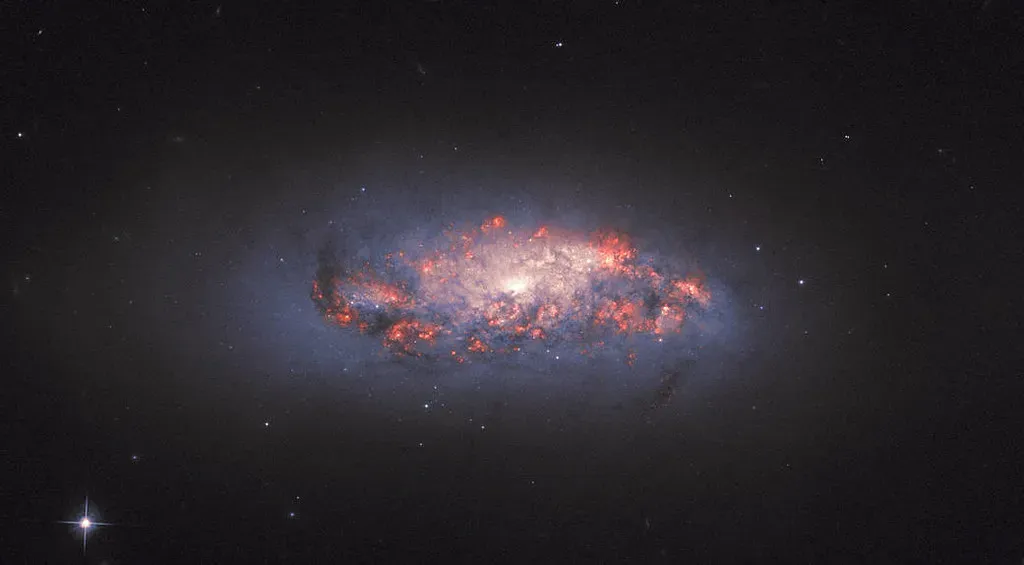
What if there’s no dark matter and we’ve been looking for something that doesn’t exist? Research proposes that gradual changes in the strength of nature’s forces over time and space could explain several puzzling cosmic behaviors, including how galaxies rotate, evolve, and cluster.
The universe’s forces actually get weaker on average as it expands, and this weakening makes it look like there’s a mysterious push making the universe expand faster. The model naturally explains why stars in a galaxy’s outer regions move faster than expected without invoking unseen dark matter halos. Sometimes, the simplest explanation might just be that nature’s rules are changing slowly over billions of years.
Axions and Axion-Like Particles: The Lightweight Contenders
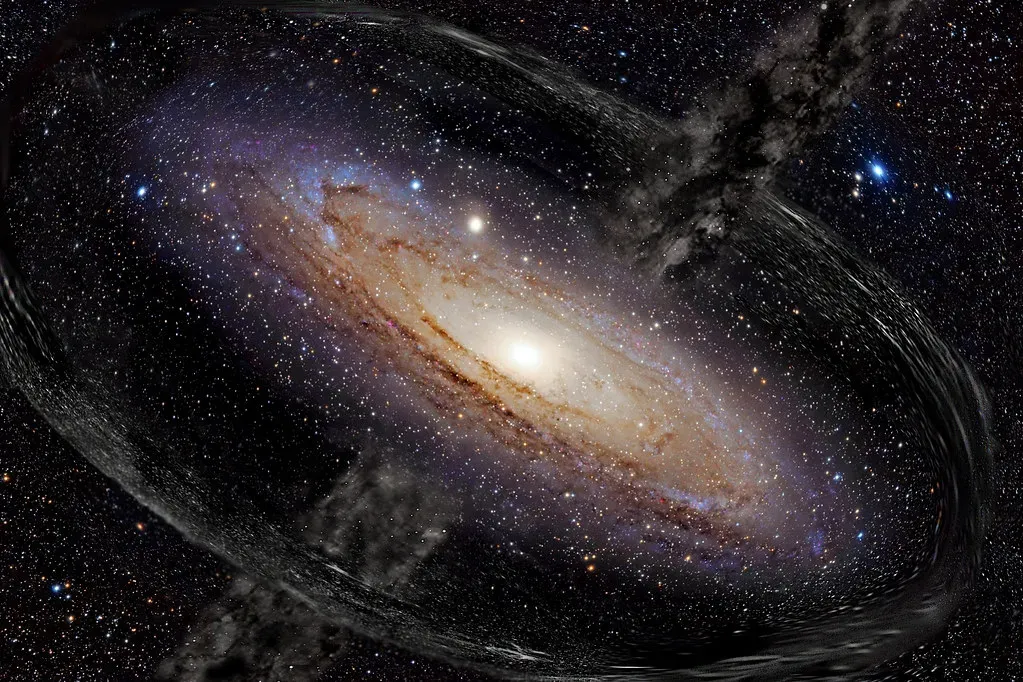
Axions are fascinating because they solve two problems at once. These extremely light particles were originally proposed to fix a problem in particle physics called the strong CP problem. Axions are an especially compelling example of very light scalar or pseudoscalar fields, and the QCD axion provides a solution to the strong CP problem while remaining a viable dark matter candidate.
Unlike WIMPs, which would be heavy, axions would be incredibly lightweight and abundant. There could be trillions of them passing through your body right now without you ever noticing. Scientists have built specialized detectors trying to catch these elusive particles by looking for their interactions with strong magnetic fields. The search continues, but the theory remains compelling.
Primordial Black Holes: Ancient Cosmic Fossils
Here’s a different approach altogether. What if dark matter isn’t exotic particles but rather tiny black holes formed in the first fraction of a second after the Big Bang? These primordial black holes wouldn’t be the massive stellar remnants we typically think of. They could be microscopic, perhaps no bigger than an atom but with the mass of a mountain.
They would have formed from density fluctuations in the extremely early universe, before stars even existed. The gravitational effects of countless tiny black holes scattered throughout space could potentially explain the dark matter observations without requiring any new physics. It’s hard to say for sure, but the idea has gained renewed interest recently as scientists refine their understanding of the early universe.
Self-Interacting Dark Matter: Particles That Talk to Each Other
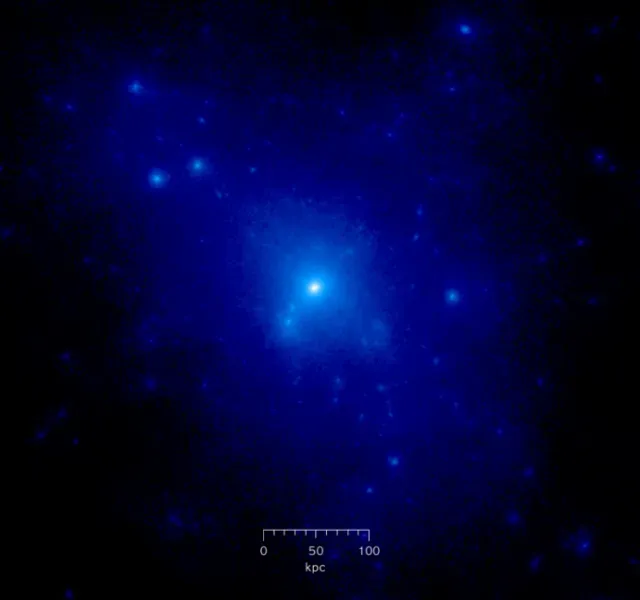
Most dark matter theories assume these particles barely interact with anything, including each other. Self-interacting dark matter challenges that assumption. Small-scale problems in the Lambda-CDM paradigm could call for a modification or extension, with the ever increasing amount of data on satellites used to constrain alternative dark matter models.
These particles would collide with each other occasionally, similar to how gas molecules bump into one another. This could explain some puzzling observations about the distribution in galaxies, particularly why galaxy cores sometimes have less dark matter than standard theories predict. The interactions would allow dark matter to redistribute itself in ways that non-interacting particles couldn’t.
Dark Matter from Hydrothermal Quantum Fields
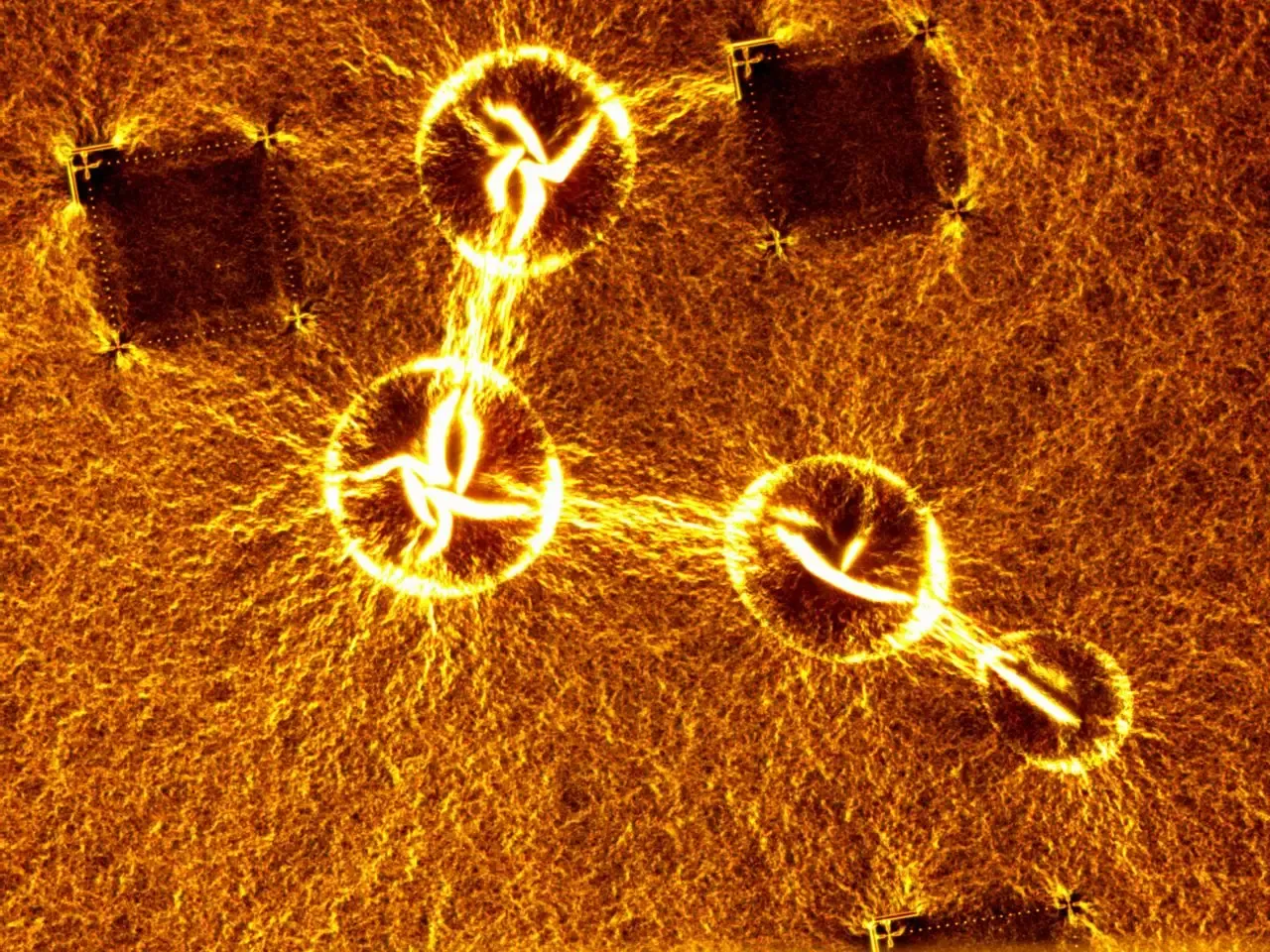
Some of the most recent proposals get really abstract, involving quantum field theory in curved spacetime. These ideas explore connections between the deepest questions in particle physics with the large-scale behavior of the cosmos, remaining rooted in known physics like quantum field theory in curved spacetime.
The mathematics suggests that under the extreme conditions of the early universe, quantum fields could have behaved in unexpected ways, producing stable particles that now constitute dark matter. These aren’t particles in the traditional sense but rather excitations in fundamental fields that permeate all of space. The theory requires some seriously advanced physics to fully understand, involving concepts that blend general relativity with quantum mechanics.
Conclusion: The Mystery Continues
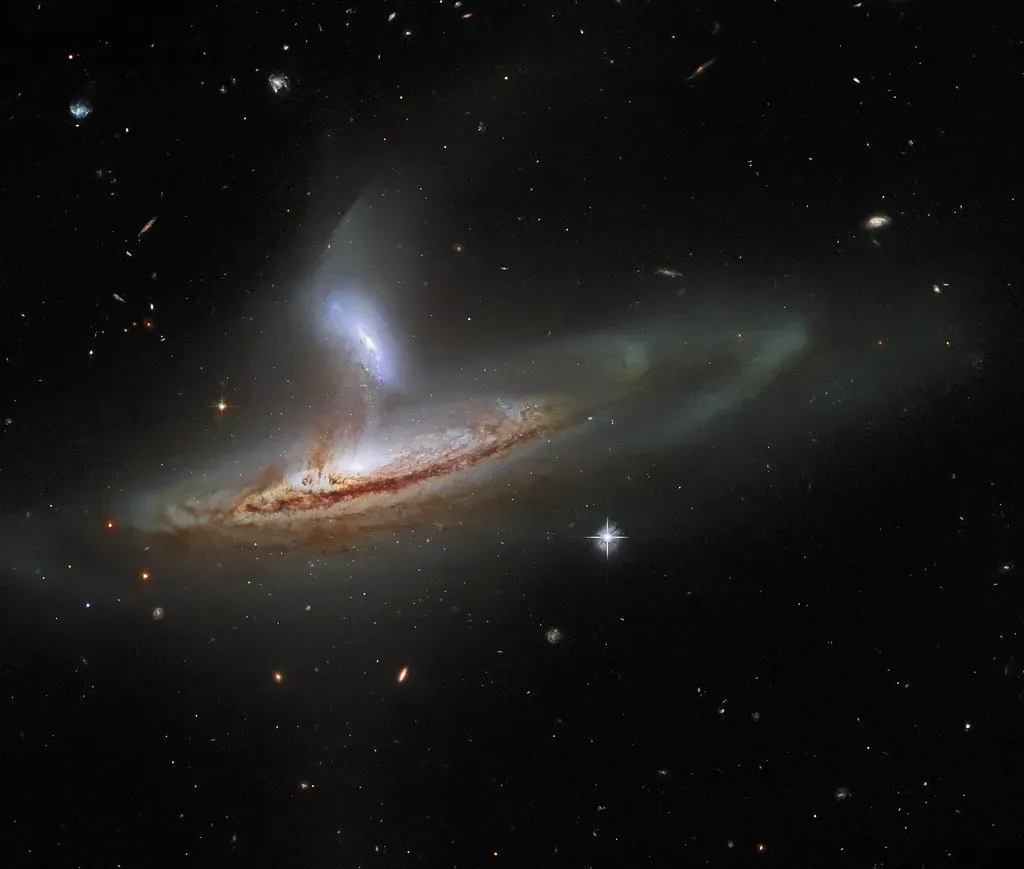
After exploring these ten theories, you might be wondering which one is correct. Honestly, nobody knows yet. That’s what makes this such an exciting area of research. Most of the universe is invisible, with a combined 95 percent made and dark energy, and we’re still trying to figure out what that invisible majority actually is.
Each theory has its strengths and weaknesses. Some explain certain observations beautifully but struggle with others. The truth might involve a combination of ideas, or it could be something entirely different that nobody has thought of yet. Scientists are building bigger detectors, launching more sophisticated space telescopes, and running increasingly complex computer simulations to narrow down the possibilities.
What’s clear is that solving the dark matter mystery will revolutionize our understanding of the universe. It might reveal new dimensions, new forces, or new particles we never imagined. It could tell us how galaxies formed and where the universe is heading. The answer is out there, somewhere in the darkness, waiting to be discovered. What do you think dark matter really is? The search continues, and the next breakthrough could come at any moment.
Hi, I’m Andrew, and I come from India. Experienced content specialist with a passion for writing. My forte includes health and wellness, Travel, Animals, and Nature. A nature nomad, I am obsessed with mountains and love high-altitude trekking. I have been on several Himalayan treks in India including the Everest Base Camp in Nepal, a profound experience.