
Across cultures and centuries, humans have filled the unknown edges of the map with creatures that were terrifying, protective, or strangely tender, long before satellites and camera traps began mapping real biodiversity. Today, as scientists scour genomes and deep oceans, the legends have not vanished – they’ve evolved into clues about how people once read landscape, weather, and animal behavior. Mythical beings often sit right at the crossroads of fear and curiosity, mirroring our anxieties about predators, disease, or the dark, while hinting at our longing for connection with something larger than ourselves. From winged serpents to shape-shifting foxes, these stories do more than entertain; they reveal how people tried to explain what science had not yet named. And in an era of climate disruption and species loss, they may still shape how we decide what is worth saving.
The Dragon: Fire-Breather of Power, Fear, and Fossils
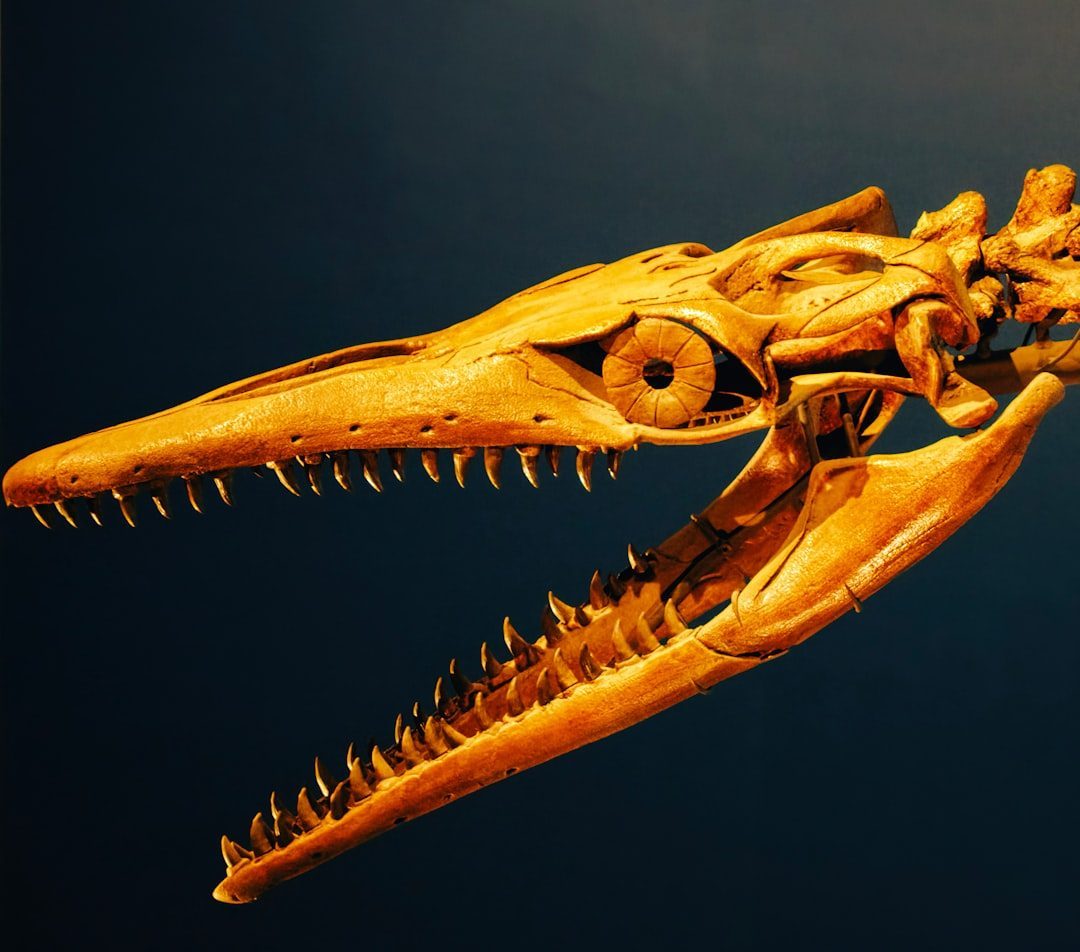
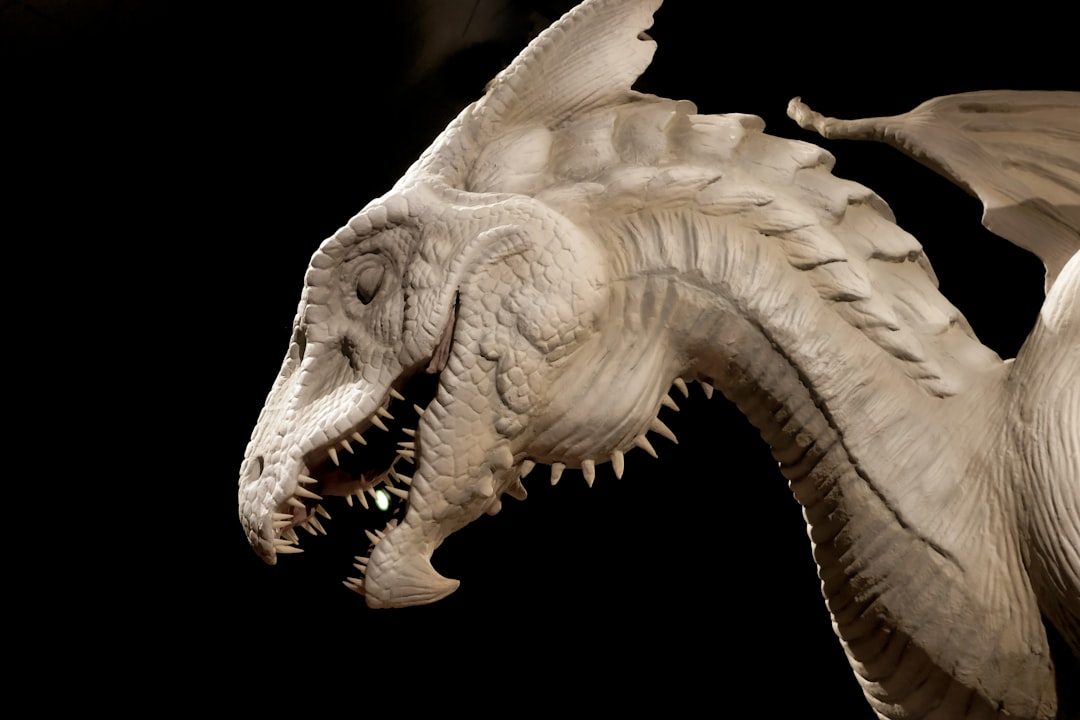
It’s hard to think of a mythical creature more globally recognizable than the dragon, yet few symbols compress so much fear and fascination into a single form. European tales often frame dragons as hoarders and villains, guarding treasure or princesses in cave lairs, while Chinese stories tend to cast them as bringers of rain, luck, and imperial power. One intriguing scientific idea is that early people may have stumbled over dinosaur bones or massive fossils and woven them into dragon lore, trying to reconcile these enormous skeletons with the animals they knew. In some regions, discoveries of mammoth bones in riverbeds coincided with stories of long, serpent-like beasts lurking in deep water, blurring the line between paleontology and storytelling. When you look at it this way, the dragon becomes less a fantasy monster and more an early attempt at natural history, filtered through awe and limited tools.
Modern researchers studying human cognition suggest that our brains are primed to fear certain shapes – snakes, talons, staring eyes – and dragons combine many of those features into one “super-predator” figure. That might help explain why children who have never heard a dragon story still find dragon-like images both frightening and fascinating, reacting almost instinctively. Dragons also often emerge as symbols of political power; emperors and kings used them as banners, perhaps because ruling over a creature that embodies storms and fire suggests control over chaos itself. Today, dragons live on in everything from national festivals to blockbuster films, carrying ancient ideas about power and nature into modern pop culture. In that sense, every animated dragon is a distant cousin of some shepherd’s fossil-fueled fear thousands of years ago.
The Phoenix: Cycles of Fire, Death, and Regeneration
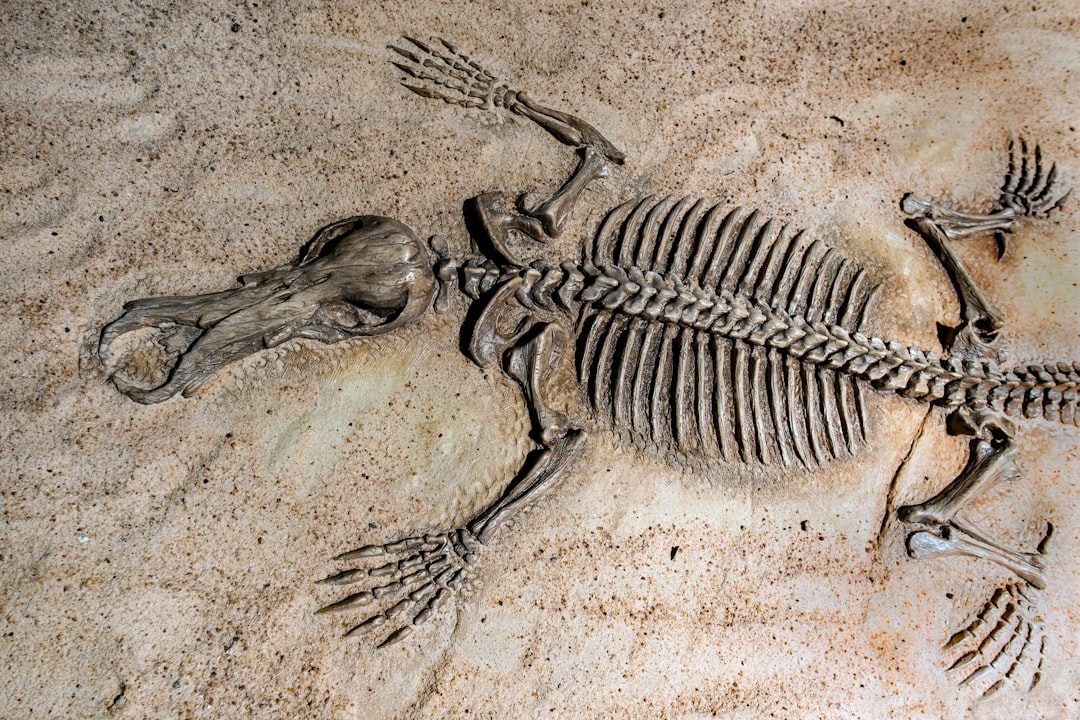
The phoenix legend, with its solitary bird that bursts into flames and rises again from its own ashes, might be one of humanity’s most hopeful myths. Stories from the Mediterranean and Middle East describe a bird that lives for hundreds of years before burning up in a self-made pyre, only to emerge renewed. Scholars have pointed out that real bird behavior – like molting, seasonal migrations, or nesting in burned landscapes – could have fed into these images of life emerging from fire. In some ecosystems, fires are not purely destructive; they can clear underbrush, trigger seeds to open, and make way for new growth, creating a very real cycle of death and rebirth. The phoenix, in that context, is basically a metaphor for ecological succession, centuries before ecologists had words for it.
Psychologists and medical historians have also latched onto the phoenix as a symbol in conversations about resilience and recovery from trauma. People describe coming back from serious illness, war, or environmental disaster using phoenix language, even when they don’t consciously know the original myths. In conservation science, some researchers talk about “phoenix species” that rebound from the brink of extinction when habitat is restored or hunting bans take effect. This framing can be powerful, but it can also be misleading if it makes us overconfident that nature will always fix what we break. Real ecosystems do not always get a second act, and unlike the mythical phoenix, many species cannot rise once they’ve vanished from the Earth.
Mermaids and Sirens: Ocean Mysteries and Misread Wildlife
Legends of mermaids and sirens have haunted sailors’ imaginations for centuries, blending beauty, danger, and the unknowable depths of the sea. Ancient Mediterranean stories tell of creatures whose songs lured sailors to their deaths, while later European folklore adds images of half-woman, half-fish beings glimpsed from storm-tossed decks. Anthropologists and marine biologists have suggested that sightings of manatees, dugongs, or seals – seen from a distance, in poor light, and framed by long voyages – may have helped feed these tales. Exhausted sailors, already primed by stories, could easily interpret a curved back or lifting flipper as a beckoning arm. Once such accounts were retold in ports, small misinterpretations crystallized into firm belief.
Modern science has flipped the script by showing just how richly communicative real marine mammals are, from elaborate whale songs to subtle seal calls that travel through murky water. Instead of seducing sailors, these animals are often desperately trying to find one another through a wall of ship noise, sonar, and industrial sound. Interestingly, some coastal communities now use their old mermaid legends as hooks for marine conservation programs, drawing kids into ocean science through familiar story figures. By reframing the siren as a symbol of fragile marine ecosystems, educators can bridge folklore and data in ways that feel less like a lecture and more like a story. The ocean may not hold human-fish hybrids, but it does hold lives that are just as extraordinary – and much more at risk.
Werewolves: Shape-Shifting, Night Terrors, and the Science of Fear
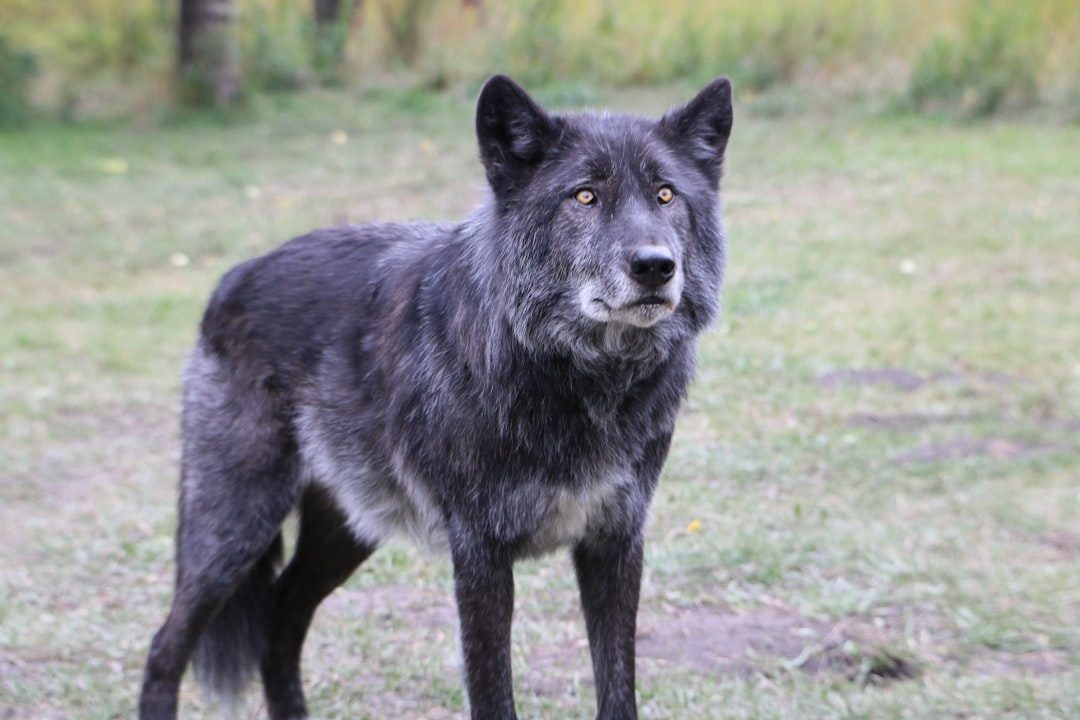
The werewolf, locked in a cycle of human by day and wolf by night, might be one of the most unsettling mythical creatures because it challenges the idea of a stable human self. European tales of werewolves often surge in times of social stress – war, famine, epidemics – when communities were already anxious about who they could trust. Historians have traced some werewolf panics to real wolf attacks on livestock or children, amplified by rumor and fear. Others may reflect attempts to explain rare medical conditions, like diseases that cause excessive hair growth or neurological disorders that alter behavior. When science was limited, transforming into a beast under a full moon could feel like the only way to explain sudden violence or unpredictable moods.
Today, neuroscientists study how fear reshapes perception, making people more likely to see threat in ambiguous shapes and sounds, especially in the dark. In that light, werewolf stories are almost like case studies in how communities narrate fear of the night and of their own capacity for harm. Wolves themselves have become a test case in conservation: once demonized, now reintroduced in places like the American West, where debates rage over livestock, ecology, and cultural identity. It’s telling that even as actual wolf populations struggle to recover, werewolves thrive in movies and novels, suggesting that the metaphor – the human who might snap – is far harder to retire. The legend clings because it lets us ask a question we’re still afraid of: how much of the beast lives inside us?
Kitsune and Fox Spirits: Tricksters Between Worlds
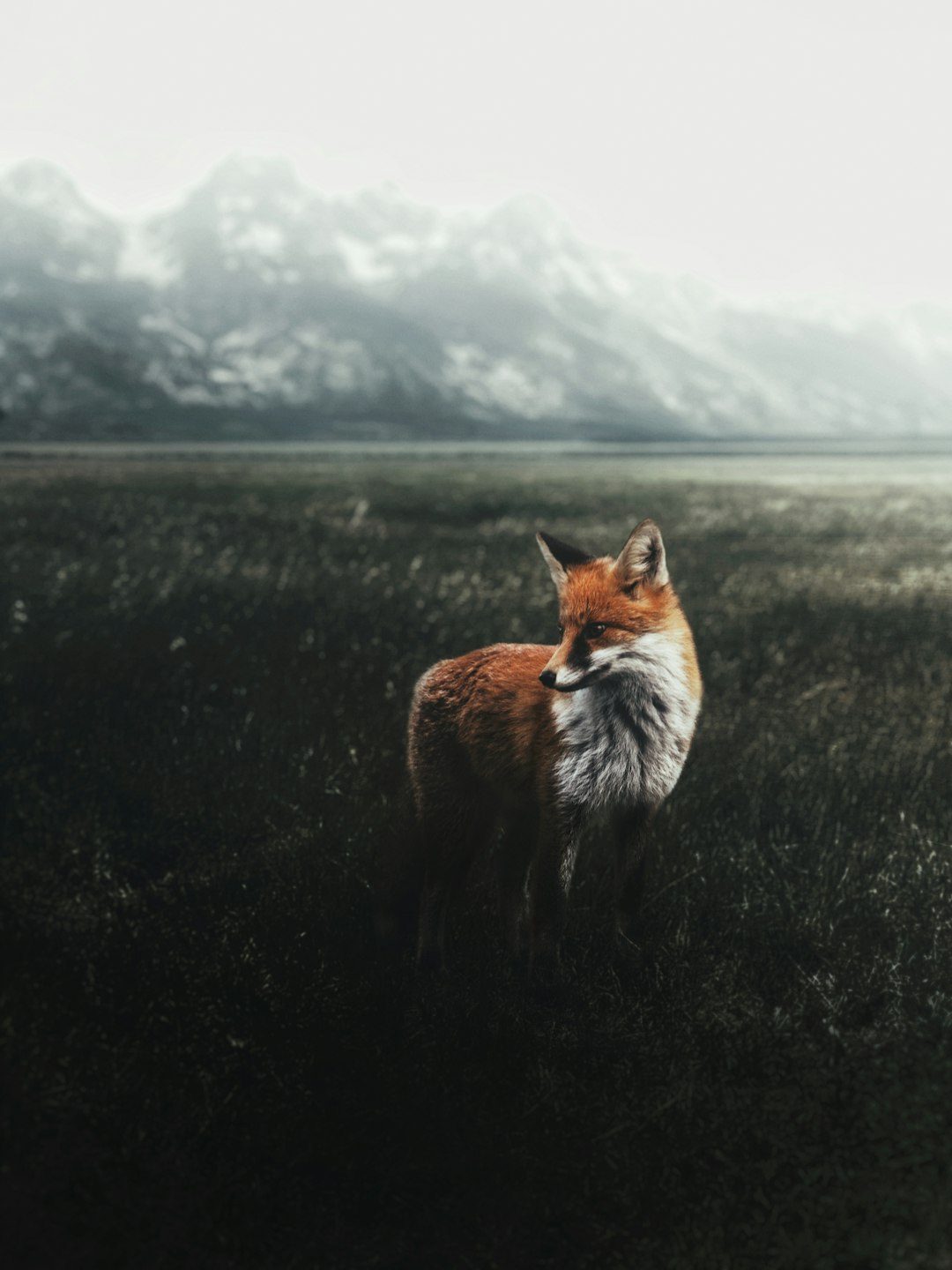
Across East Asia, fox spirits like the Japanese kitsune or the Chinese huli jing occupy an ambiguous space between guardian and trickster. They’re often portrayed as shape-shifters capable of taking human form, sometimes to test people’s character, sometimes to seduce, and sometimes to protect. Foxes themselves are highly adaptable animals, thriving on the edges of human settlements and scavenging in fields, forests, and city backstreets. Biologists describe them as opportunistic omnivores with impressive problem-solving skills, and that cleverness echoes strongly in the stories. When a creature shows up just at the edge of the campfire, vanishing and reappearing with unnerving ease, it’s no surprise it becomes a symbol of liminality – standing on the border between worlds.
Folklorists have pointed out that fox spirit stories often carry moral lessons about promises, hospitality, or greed, using the fox’s tricks to reveal human flaws. At the same time, some legends cast fox spirits as protectors of forests or shrines, tying them to specific landscapes and seasons. This duality reflects a broader truth that modern ecology reinforces: the same species can be both competitor and partner, pest and ally, depending on context. In cities from London to Tokyo, real foxes are now part of the urban ecosystem, navigating traffic, waste, and green spaces with startling agility. Every time one darts through a backyard or appears on a night-vision camera, it’s hard not to feel that older stories about clever, watching spirits are still alive in a new form.
The Hidden Clues: What Mythical Creatures Reveal About Early Science
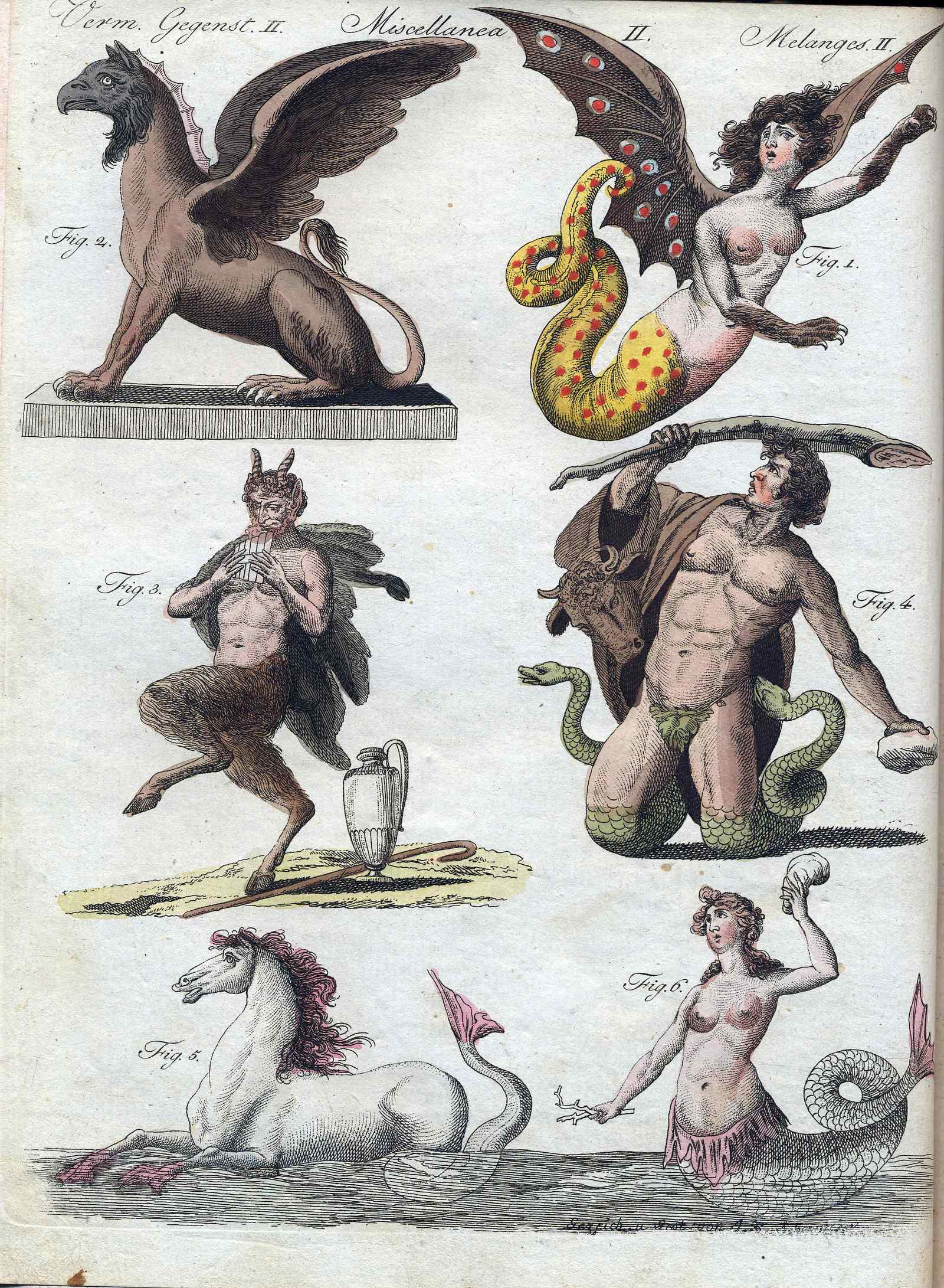
Look across cultures and you start to notice a pattern: mythical creatures often cluster in places where people were brushing up against something they did not yet understand. Dragons around fossil sites, sea monsters along poorly mapped coastlines, or thunderbirds above storm-prone plains are just a few examples. Before meteorology, plate tectonics, or marine biology, storytelling was the main tool people had to connect scattered observations into meaning. In that sense, these legends act like early models or hypotheses, built not from equations but from fear, hope, and careful watching of the natural world. Even when they got the mechanisms wrong, they were trying to solve the same problem science tackles today: why does the world behave the way it does?
Archaeologists and anthropologists now treat myths as data points, cross-checking stories with geological records, climate events, and migration patterns. Some flood myths, for example, align surprisingly well with evidence of past sea-level changes or catastrophic regional floods. Similarly, oral traditions about “fire from the sky” have been linked to real meteor impacts or volcanic eruptions. While not every tale encodes a literal event, the overall pattern suggests that mythical creatures often sit at the junction of natural phenomena and human interpretation. Reading them with scientific tools does not strip away their magic; it simply reveals additional layers of meaning that were always there.
Why It Matters: Legends, Conservation, and the Stories We Choose
In an era of rapid biodiversity loss, it might seem frivolous to spend time on dragons and mermaids, but the stories we tell about animals and landscapes shape what we protect. Conservation campaigns that tap into deep cultural symbols – sacred forests guarded by spirits, rivers home to serpent beings, mountains watched over by giant birds – often gain more traction than those built on numbers alone. Psychologists studying environmental behavior have found that people are more likely to act when they feel emotionally connected to a place or species, not just logically convinced. Myths and legendary creatures are powerful shortcuts to that kind of emotional bond. They give otherwise abstract ecosystems a face, a personality, and sometimes a backstory of sacrifice or guardianship.
At the same time, it’s important to recognize that some legends have been used to justify persecution, particularly of real animals like wolves, snakes, or bats. When an animal is always cast as a villain or omen, efforts to protect it can meet intense resistance. Scientists and educators now walk a fine line: respecting cultural narratives while gently introducing updated ecological knowledge. Done well, this can turn a feared creature into a respected neighbor without erasing tradition, instead reinterpreting it for a new era. The stakes are not small; in a warming world, losing species also means losing the stories and meanings woven around them.
The Future Landscape: Tech, Folklore, and New Myth-Making

As satellites, drones, and environmental DNA tools push deeper into forests and oceans, the physical space for hidden creatures shrinks – but the imaginative space may be expanding. Citizen science apps now let people document unusual sightings instantly, sometimes sparking viral speculation about unknown species. While most of these turn out to be misidentified owls, seals, or shadows, they show that our appetite for wonder is very much alive. At the same time, virtual reality and gaming worlds are generating entirely new ecosystems filled with hybrid beasts inspired by everything from Greek chimera to Pacific sea spirits. These digital creatures may be fictional, but they influence how younger generations think about biodiversity, extinction, and what a “monster” really is.
On the research side, interdisciplinary teams are starting to treat folklore as a serious source of environmental knowledge, especially in Indigenous and local communities. Myths about taboo hunting grounds or sacred lakes can point to long-standing conservation zones or fragile habitats that never made it onto official maps. As climate change redraws coastlines and weather patterns, some communities are revisiting old stories to help interpret new extremes. There is a real possibility that future environmental policy will lean more on this blend of satellite data and story-based insight. The mythical creatures of the future might not live only in caves and oceans, but in the code of climate models and the narratives that help us face an uncertain planet.
Conclusion: Listening to Legends, Protecting the Real Wild
Engaging with mythical creatures is not just an escape into fantasy; it can be a gateway back into caring about the living world. One simple step is to learn the legends tied to your local landscapes, especially those kept by Indigenous and long-rooted communities, and to treat them as more than entertainment. Visiting museums, cultural centers, or community talks that explore folklore alongside natural history can deepen that connection and spark new questions. Supporting conservation groups that respectfully incorporate traditional stories into their outreach helps ensure that those narratives stay alive with the species and habitats they describe. Even choosing books, games, or films for kids that portray “monsters” in nuanced ways can gently shift attitudes toward real-life misunderstood animals.
On a more direct level, you can join citizen science projects that track wildlife, from urban foxes to coastal marine mammals, adding your observations to the growing global picture of biodiversity. Many initiatives now frame their work in creative, story-rich ways, making participation feel less like homework and more like stepping into an unfolding myth of recovery and resilience. As you listen to old tales or share new ones, the key question is simple: does this story bring us closer to protecting the world we actually share with other species, or does it drive them further into the shadows? In choosing carefully, each of us becomes a kind of modern storyteller, with real ecosystems as our audience. And maybe, if we listen well enough, the dragons and mermaids of our time will turn out to be intact forests and thriving coral reefs we managed not to lose.
Suhail Ahmed is a passionate digital professional and nature enthusiast with over 8 years of experience in content strategy, SEO, web development, and digital operations. Alongside his freelance journey, Suhail actively contributes to nature and wildlife platforms like Discover Wildlife, where he channels his curiosity for the planet into engaging, educational storytelling.
With a strong background in managing digital ecosystems — from ecommerce stores and WordPress websites to social media and automation — Suhail merges technical precision with creative insight. His content reflects a rare balance: SEO-friendly yet deeply human, data-informed yet emotionally resonant.
Driven by a love for discovery and storytelling, Suhail believes in using digital platforms to amplify causes that matter — especially those protecting Earth’s biodiversity and inspiring sustainable living. Whether he’s managing online projects or crafting wildlife content, his goal remains the same: to inform, inspire, and leave a positive digital footprint.