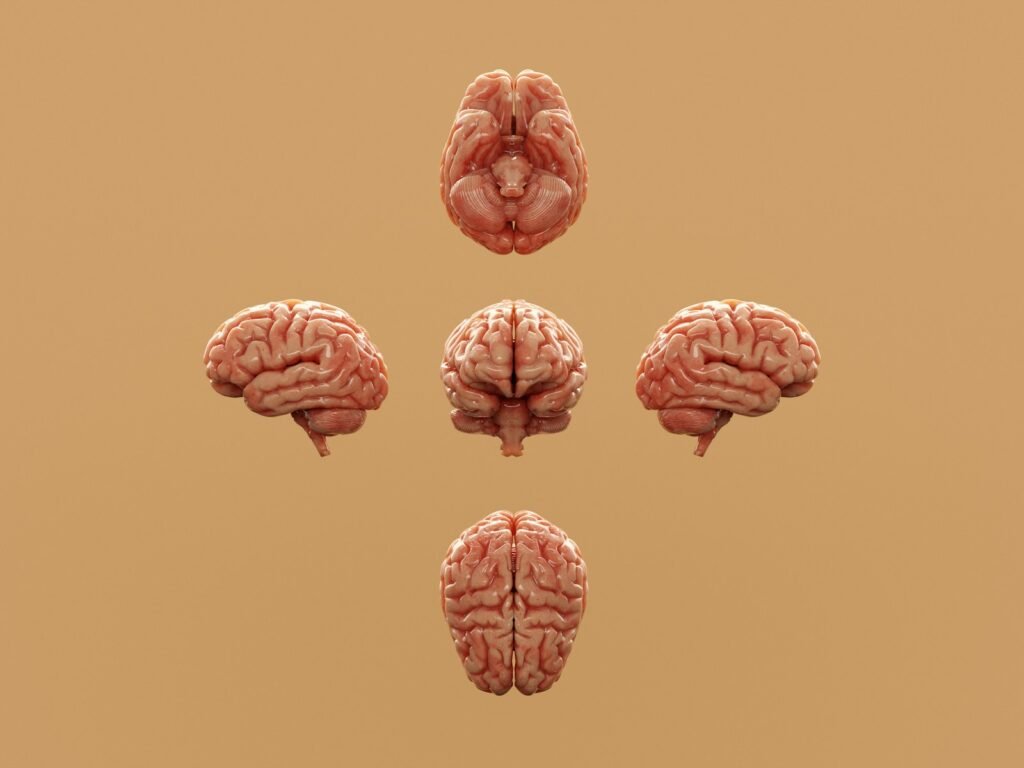

Every night, nearly every human on Earth steps into the same strange ritual: we lie down, lose consciousness, and wake up hours later with memories that feel like half-faded movies. For something so universal, sleep remains one of biology’s most tantalizing mysteries, and for a long time, even scientists treated it as little more than “the off switch.” That story has exploded over the last two decades, as new tools let researchers watch sleeping brains in action, track molecules ticking like clocks, and even follow how lost sleep ripples through the economy and climate decisions. What is emerging is a radically different picture of what happens when we close our eyes: sleep is not passive; it is an active, pulsing, reorganizing state that may shape who we are far more than we imagined. Here are ten of the most surprising, unsettling, and inspiring things science is revealing about the nights that quietly rule our days.
The Hidden Clues in Your Nightly Shutdown
It might feel like nothing is happening when you sleep, but your brain is lighting up in complicated patterns that look less like “off” and more like an overnight construction crew. Different stages of sleep – light sleep, deep slow-wave sleep, and rapid eye movement (REM) sleep – come in cycles, each with its own job description. Deep sleep, marked by big, synchronized brain waves, seems especially critical for repairing tissues and consolidating hard facts and skills. REM sleep, where vivid dreaming happens, is more like an emotional editor, replaying experiences and blending them with older memories.
One of the most intriguing clues is that when you learn a new skill during the day, the brain areas involved often “replay” their activity while you sleep. It is as if the brain is quietly rehearsing in the background, strengthening important connections and trimming away weaker ones. This replay has been captured in animals and hinted at in humans, suggesting that each night’s sleep is your personal software update. Miss that update often enough, and bugs start to creep in: muddled thinking, poor decisions, and a growing risk for long-term health problems.
From Ancient Theories to Modern Brain Scans

Humans have been trying to explain sleep for thousands of years, from ancient beliefs that the soul temporarily left the body to early modern ideas that the brain simply “ran out” of energy during the day. Those explanations feel almost quaint in the era of brain imaging, where researchers can peer into a sleeping brain in real time. Techniques like electroencephalography (EEG) and functional MRI have shown that sleep is not a single state but a carefully orchestrated sequence, controlled by networks deep in the brainstem and hypothalamus. These regions act like conductors, using chemical messengers to nudge you between wakefulness and different sleep stages.
Not long ago, many textbooks still framed sleep as a kind of default, something that happens only when wakefulness switches off. Modern science has flipped that view, showing that sleep is actively generated and fiercely protected by biology. Your internal body clock, housed in a tiny region called the suprachiasmatic nucleus, coordinates hormones, temperature, and metabolism to align sleep with the day-night cycle. When that alignment frays – through night shifts, constant screen exposure, or jet lag – the impacts echo through mood, immune function, and even cancer risk. In other words, sleep science has moved from mystical speculation to a hard, measurable branch of biology, and it is changing medical practice in real time.
Why Your Brain Needs a Nightly Deep Clean
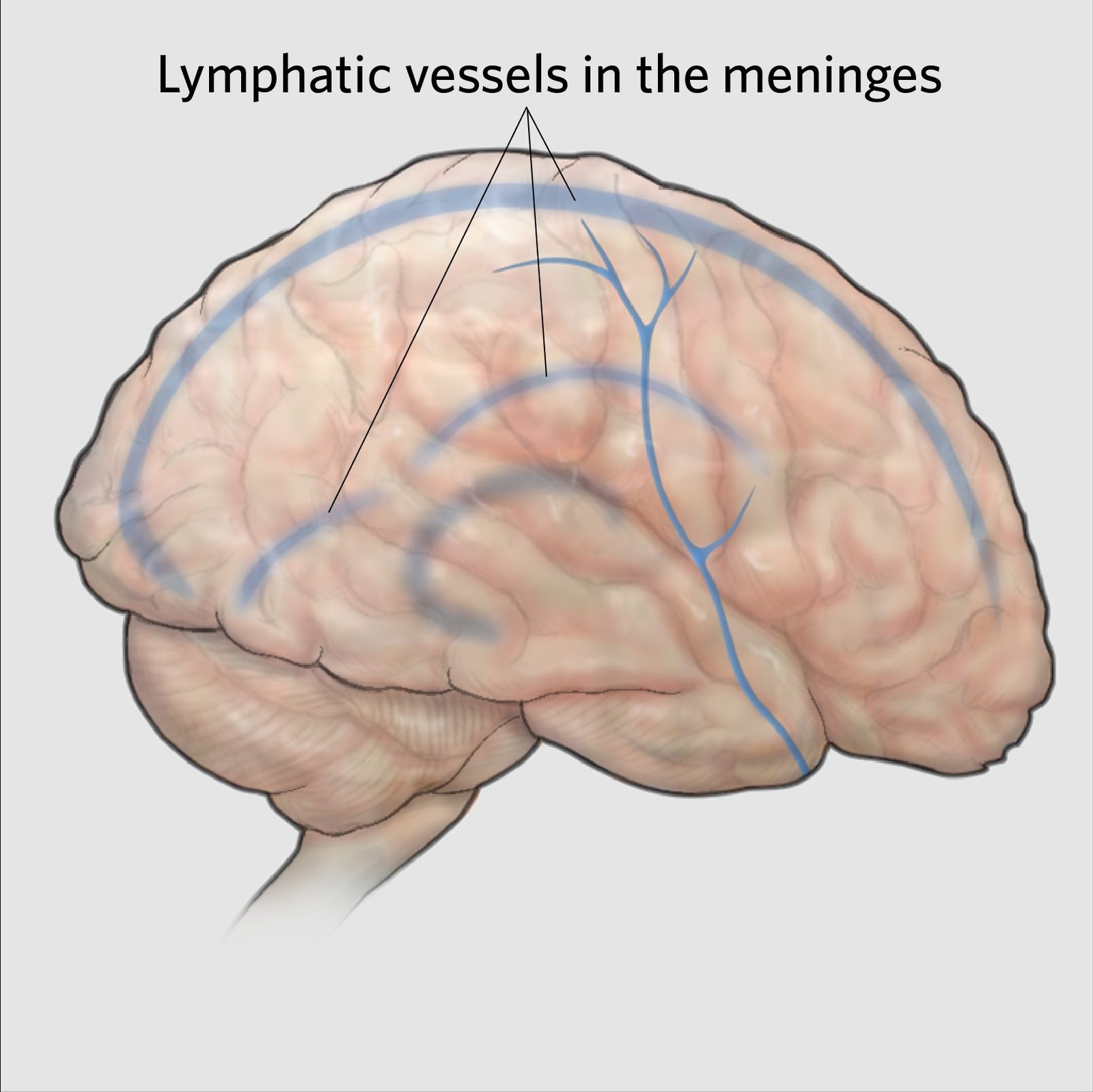
One of the most dramatic discoveries of the last decade is that your brain appears to have a specialized cleaning system that switches on during deep sleep. This network, sometimes compared to a plumbing system, helps flush out waste products that build up when billions of neurons are firing all day. During deep slow-wave sleep, the spaces between brain cells seem to widen, allowing cerebrospinal fluid to wash more freely through brain tissue. That flow carries away molecules linked to neurodegenerative diseases, including proteins that accumulate in conditions like Alzheimer’s.
Researchers have watched this process in animals and identified hints of it in humans, sparking serious conversations about sleep as a potential long-term brain protector. While the science is still evolving, there is growing concern that chronically short or fragmented sleep might reduce this nightly cleaning time. Over years or decades, that could contribute to disease risk, especially when combined with genetics and lifestyle. It is a sobering thought: staying up late for work or doom-scrolling might feel harmless in the moment, but your brain could be quietly paying off the debt with interest.
Dreams: Emotional Laboratories, Not Random Noise
Dreams have always felt like the wild frontier of sleep, tempting everyone from poets to psychiatrists to invent elaborate theories. For a long time, the scientific story reduced them to random brainstem firing that the cortex stitched into strange narratives. Recent work paints a richer picture in which REM sleep and dreams may play a key role in emotional processing. Brain scans show that areas involved in fear, reward, and social processing often light up during REM, even as regions linked to logic and self-control quiet down. This pairing may explain why dreams feel intense yet bizarre, deeply meaningful yet impossible to fully explain.
Some researchers now argue that dreams function like overnight therapy sessions, helping us replay emotionally loaded experiences in a safer, chemically altered state. Stress hormones drop during REM, while the brain reactivates fresh memories, possibly sanding down their sharpest edges. Studies hint that people who get enough REM sleep cope better with trauma, while disrupted REM is tied to conditions like post-traumatic stress. That does not mean every dream is a coded message or prophecy; many are just mental noise. But it does suggest that brushing off dreams as useless might mean underestimating one of the brain’s oldest emotional tools.
Sleep Deprivation: The Silent Public Health Crisis
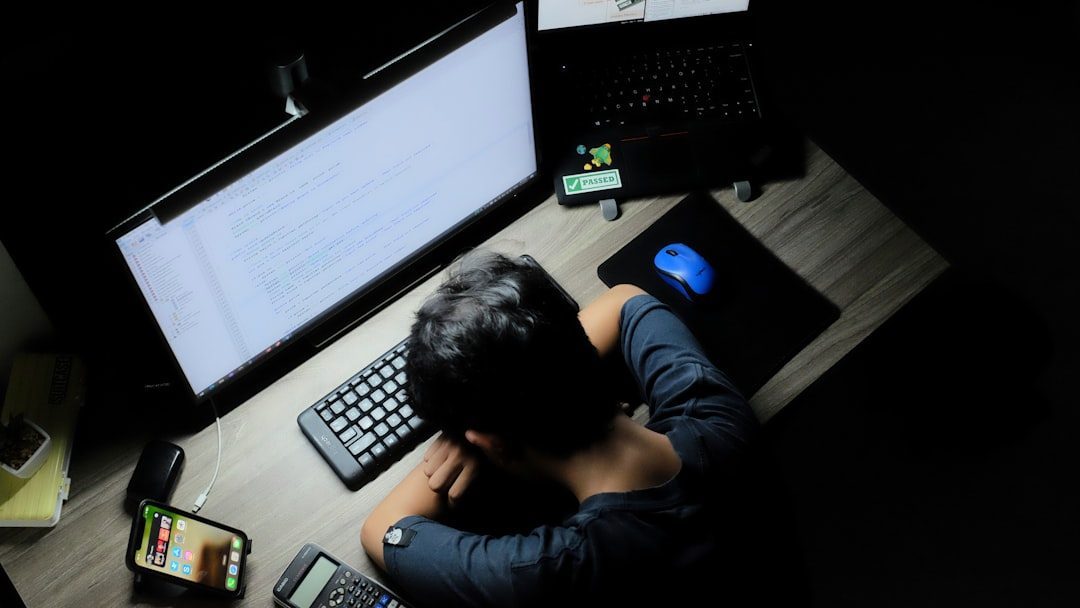
If sleep is so vital, you might expect society to treat it like oxygen or clean water. Instead, many modern cultures quietly reward those who sacrifice it, like a twisted badge of honor. In the United States and many other countries, a large share of adults regularly get less sleep than recommended for health. That chronic shortfall is linked to higher risks of obesity, diabetes, heart disease, depression, and accidents on the road and at work. It is not just individual willpower at play; long commutes, shift work, economic stress, and constant digital distractions all chip away at our nights.
Public health researchers now talk about sleep in the same breath as diet and exercise, arguing that it deserves the same policy attention. Economists have even tried to estimate the cost of lost sleep, finding that it may drain hundreds of billions of dollars each year in lost productivity and medical expenses in large economies. The irony is striking: in trying to squeeze more waking hours out of each day, societies may be eroding the very resource that keeps people sharp, healthy, and creative. Improving sleep is not just a lifestyle tweak; it is a societal challenge with real stakes.
Why It Matters: Sleep as the Quiet Engine of Daily Life
Sleep might feel like downtime, but from a scientific perspective it looks more like a central operating system that every other part of health depends on. Compared with traditional medical approaches that focus on single organs or symptoms, sleep science cuts across boundaries: it touches cardiology, psychiatry, endocrinology, and even oncology. When people regularly sleep well, they tend to think more clearly, regulate emotions more effectively, and make safer choices, which spills over into everything from parenting to driving to voting. On the flip side, chronic sleep loss can look eerily like mild brain injury, impairing attention, impulse control, and memory in ways most of us underestimate.
Past generations often treated sleep as a luxury or a sign of laziness, but the evidence now points in the opposite direction. Prioritizing sleep turns out to be one of the simplest, lowest-cost interventions for improving public health and reducing long-term disease risk. It also highlights inequalities: people with lower incomes, unstable housing, or demanding shift schedules often have far less control over their sleep environment and timing. In that sense, sleep is both a personal responsibility and a social justice issue. Recognizing its importance nudges us to rethink work schedules, school start times, and urban design through a new lens.
Global Perspectives: How Culture Shapes the Night
Not everyone sleeps the way Western industrialized societies do, and that has big implications for what we consider “normal.” Studies of traditional communities in Africa, South America, and the Pacific have revealed patterns of segmented or flexible sleep, with people dozing in shorter stretches or napping more during the day. Some cultures embrace siestas or communal sleeping spaces, while others emphasize strict individual bedtimes. Despite these differences, a striking common theme is that sleep tends to align closely with natural light-dark cycles in communities with limited artificial lighting. This suggests that our brains are wired to follow the sun far more than our electric lifestyles allow.
Cross-cultural research also highlights how beliefs about sleep can influence real health outcomes. In places where rest is seen as an essential part of productivity and well-being, people may feel less guilt about going to bed earlier or taking restorative breaks. In contrast, cultures that glorify constant hustle can leave individuals torn between social expectations and biological needs. As globalization spreads screen-filled, always-on habits to every corner of the world, scientists are watching to see how traditional sleep patterns shift. The big question is whether we can borrow the best of both worlds: the flexibility of modern life without completely severing our connection to the natural rhythms that shaped our brains.
The Future Landscape: Tech, Tracking, and Tough Questions
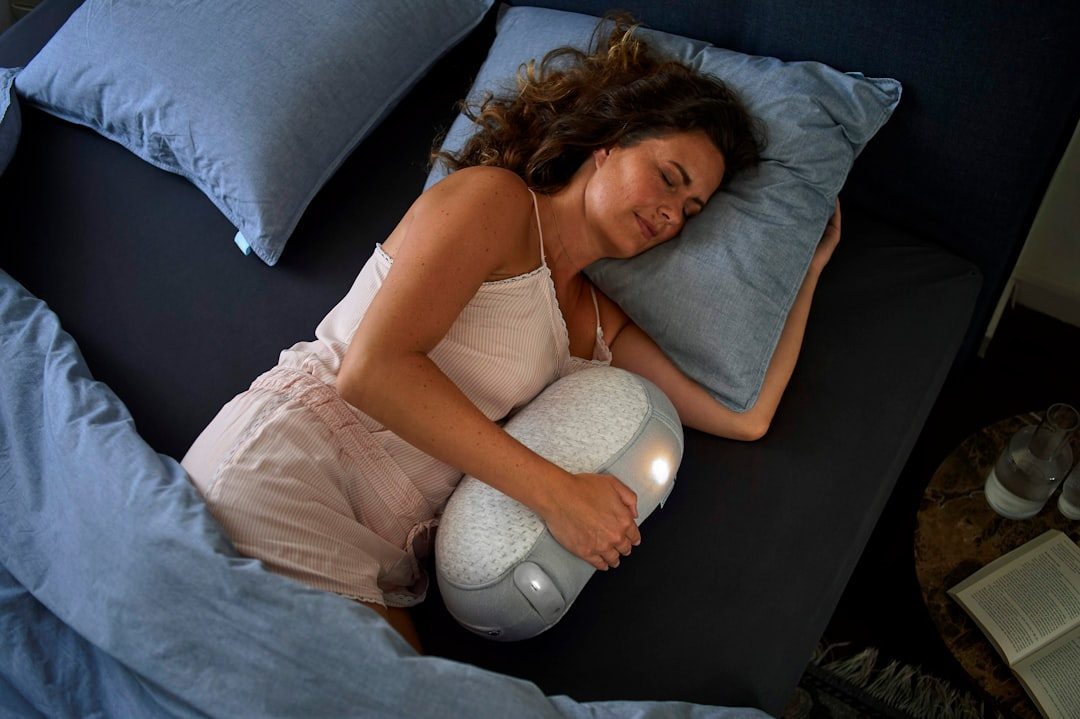
The next decade of sleep science may feel less like a quiet bedroom and more like a high-tech laboratory. Wearable devices, smart rings, and even mattress sensors now promise to track our nights in fine detail, feeding data into apps that claim to optimize rest. At the same time, researchers are testing new drugs and brain stimulation techniques that might deepen specific sleep stages or help shift workers adapt more safely to odd hours. The military and high-pressure industries are especially interested in tools that can sustain performance when sleep is limited, raising ethical questions about how far we should push biology.
Yet more information is not always better. Consumer sleep trackers can be inaccurate or confusing, nudging some people into unhealthy obsessions with “perfect” sleep scores. There is also a risk that sleep could become another polarized technology story, where wealthier people buy their way into healthier nights while others struggle with noisy apartments, long hours, and unstable schedules. Global challenges like climate change may add another layer, as hotter nights already make it harder to sleep in many regions. The future of sleep will not just be about gadgets, but about whether societies choose to protect rest as a basic human need.
How to Work With Your Biology Instead of Fighting It

The good news is that you do not need a lab or expensive device to start treating your sleep like the powerful biological tool it is. Simple habits – keeping a consistent bedtime and wake time, dimming lights in the evening, and getting bright daylight in the morning – can meaningfully nudge your internal clock. Many sleep specialists emphasize building a wind-down routine, like reading or stretching, to help the brain recognize that it is safe to power down. Cutting back on late-night caffeine, heavy meals, and doom-scrolling may not sound dramatic, but they can remove some of the biggest roadblocks to falling and staying asleep.
Beyond personal habits, there are ways to support broader change. Parents and students can advocate for later school start times that better match teenage biology, which naturally runs on a delayed clock. Workers and unions can push for schedules that rotate more humanely and protect rest periods, especially in safety-critical fields like healthcare and transportation. Supporting research, paying attention to how new technologies affect your nights, and simply talking more openly about the importance of sleep all help shift cultural norms. In the end, unlocking the science of sleep is not just about decoding brain waves in a lab; it is about deciding, collectively, to value the mysterious third of life that quietly shapes the other two.
Suhail Ahmed is a passionate digital professional and nature enthusiast with over 8 years of experience in content strategy, SEO, web development, and digital operations. Alongside his freelance journey, Suhail actively contributes to nature and wildlife platforms like Discover Wildlife, where he channels his curiosity for the planet into engaging, educational storytelling.
With a strong background in managing digital ecosystems — from ecommerce stores and WordPress websites to social media and automation — Suhail merges technical precision with creative insight. His content reflects a rare balance: SEO-friendly yet deeply human, data-informed yet emotionally resonant.
Driven by a love for discovery and storytelling, Suhail believes in using digital platforms to amplify causes that matter — especially those protecting Earth’s biodiversity and inspiring sustainable living. Whether he’s managing online projects or crafting wildlife content, his goal remains the same: to inform, inspire, and leave a positive digital footprint.