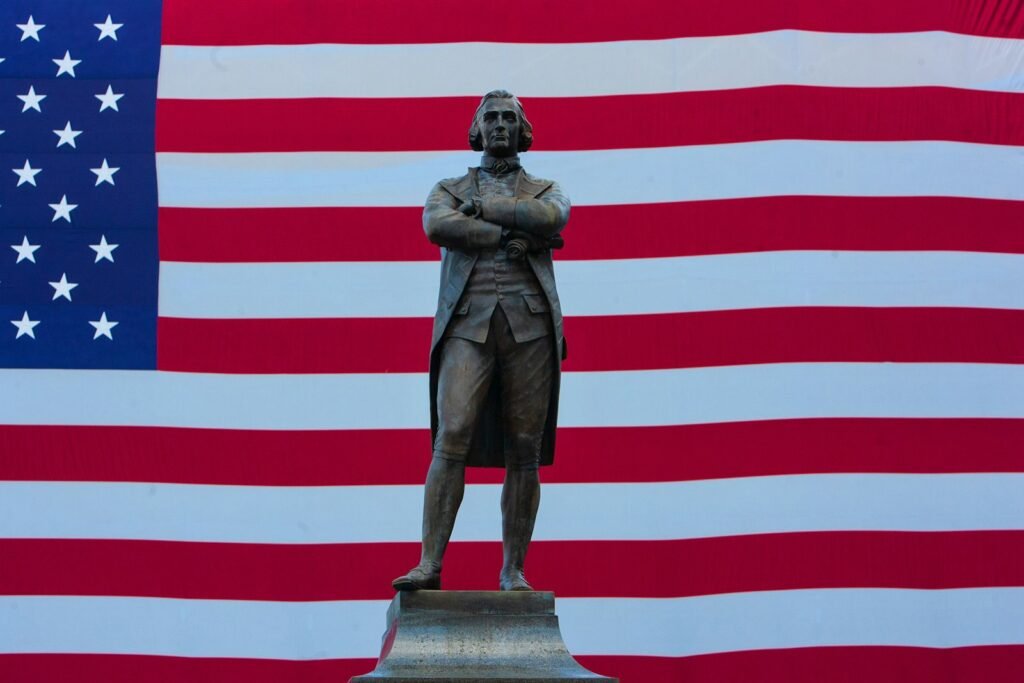

Ask most people about George Washington, and they’ll picture the solemn face on the dollar bill or the marble statue in the nation’s capital. Yet behind that familiar image is a surprisingly complex human being shaped by war, science, land, and even some inventive dental engineering. When you look closer, Washington’s life reads almost like a natural experiment in leadership under pressure, where character, chance, and context evolved together. His choices helped determine how a fragile new republic would survive in a harsh political environment, not unlike how a species carves out a niche in an unforgiving ecosystem. The more you zoom in on the details, the less he feels like a myth and the more he looks like a remarkably adaptive, flawed, and fascinating human being.
The Reluctant Commander Who Kept Saying Yes
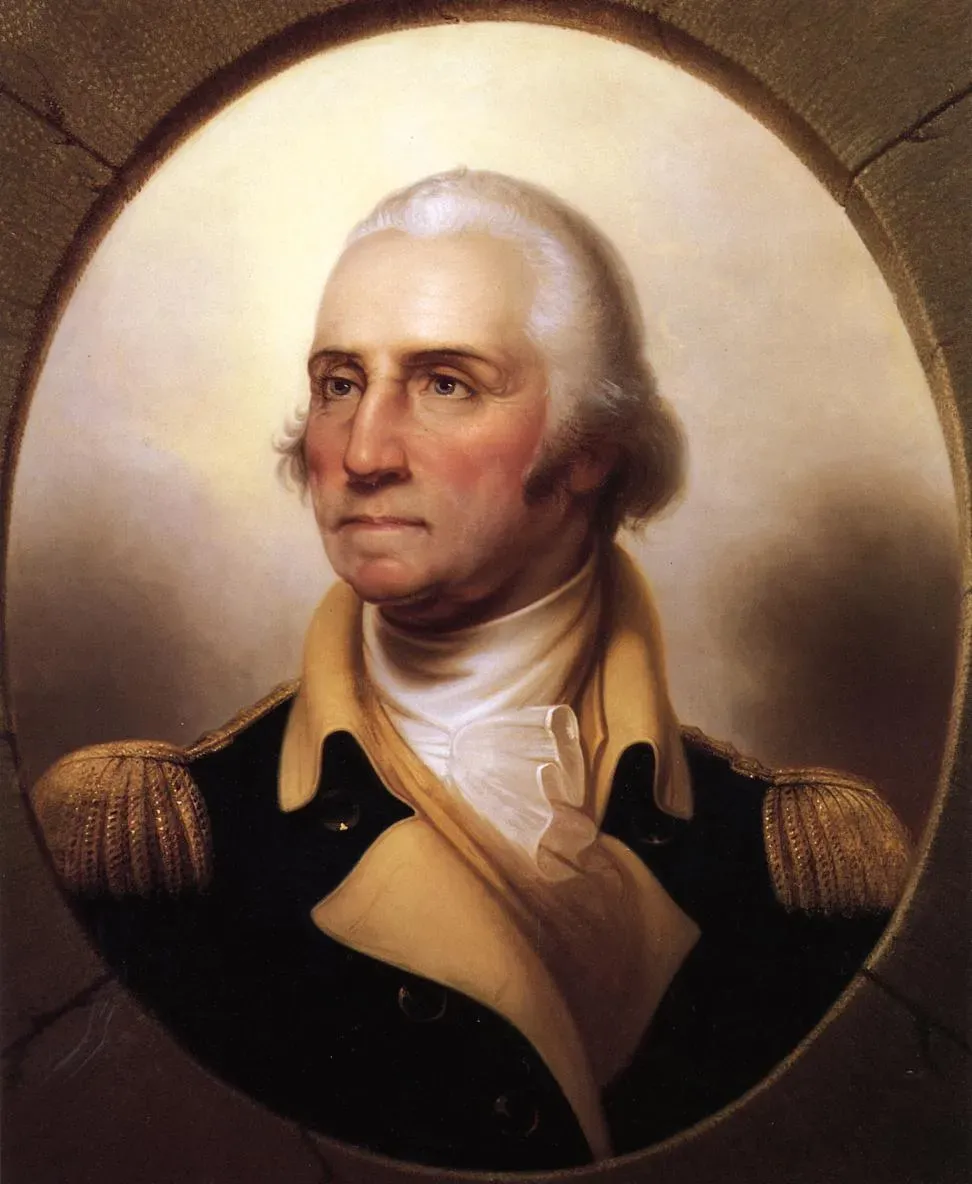
It’s almost shocking how often Washington tried to avoid the roles that later defined him. When the Continental Congress chose him to lead the Continental Army in 1775, he reportedly appeared in uniform but expressed deep reservations about his own abilities, a kind of early version of what we’d now call impostor syndrome. He accepted anyway, understanding that the colonies needed unity more than they needed his comfort or certainty. In that sense, he behaved like an organism forced into a new ecological niche, adapting in real time to pressures that could have destroyed the entire system.
After the war, he tried to retire to his plantation at Mount Vernon, only to be pulled back into public life when it became clear the Articles of Confederation were collapsing. He presided over the Constitutional Convention, then reluctantly accepted the presidency in 1789, again insisting he did not seek power. Instead of clinging to office, he walked away after two terms, establishing a norm of peaceful transfer that has shaped American political evolution ever since. For someone supposedly ambitious, he spent a surprising amount of time trying to go home, and that tension between private desire and public duty is one of the most quietly dramatic parts of his life story.
A Surveyor Who Learned to Read the Land Like a Scientist
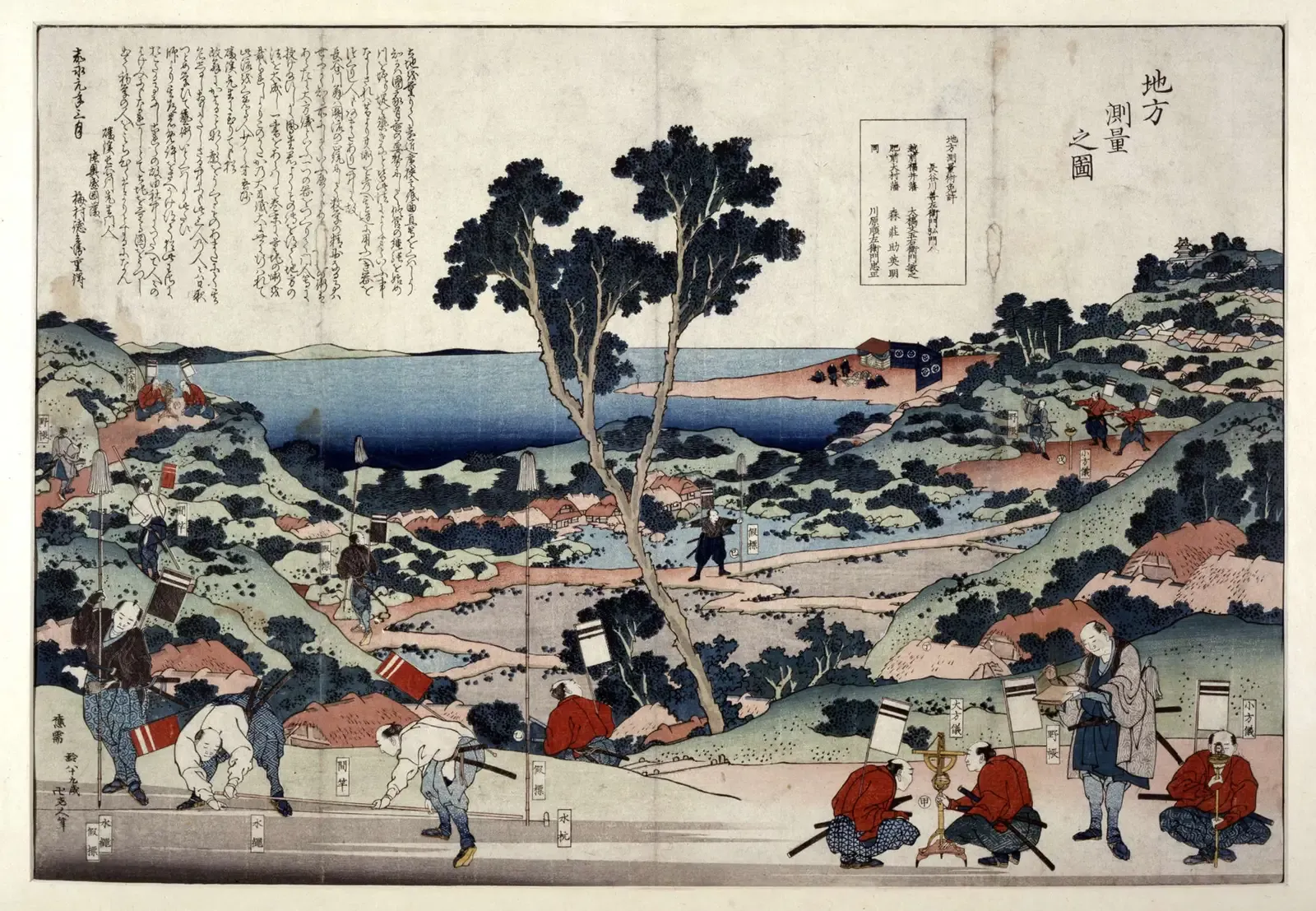
Before he was a general or a president, Washington was a teenage surveyor, walking miles each day through the forests and rugged terrain of Virginia’s frontier. That early work forced him to develop a sharp eye for geography, soil quality, waterways, and natural boundaries, in a way that feels very close to field science. Learning how to measure distances, chart landscapes, and record observations trained him to think systematically about space and resources. This wasn’t abstract book learning; it was hands-on data collection in unpredictable conditions.
Those skills later gave him a distinct advantage in both war and politics. On the battlefield, Washington was acutely aware of how terrain could make or break a campaign, whether he was crossing the icy Delaware River or choosing high ground for encampments. As a landowner and agricultural experimenter at Mount Vernon, he used his surveying experience to redesign fields, manage forests, and plan crop rotations. In a way, his entire life shows how early technical skills, honed in the field, can ripple outward and influence decisions at the highest levels of power. It’s a reminder that scientific ways of seeing the world often begin with simply paying very close attention.
A Risk-Taker in War, but Surprisingly Pragmatic in Peace
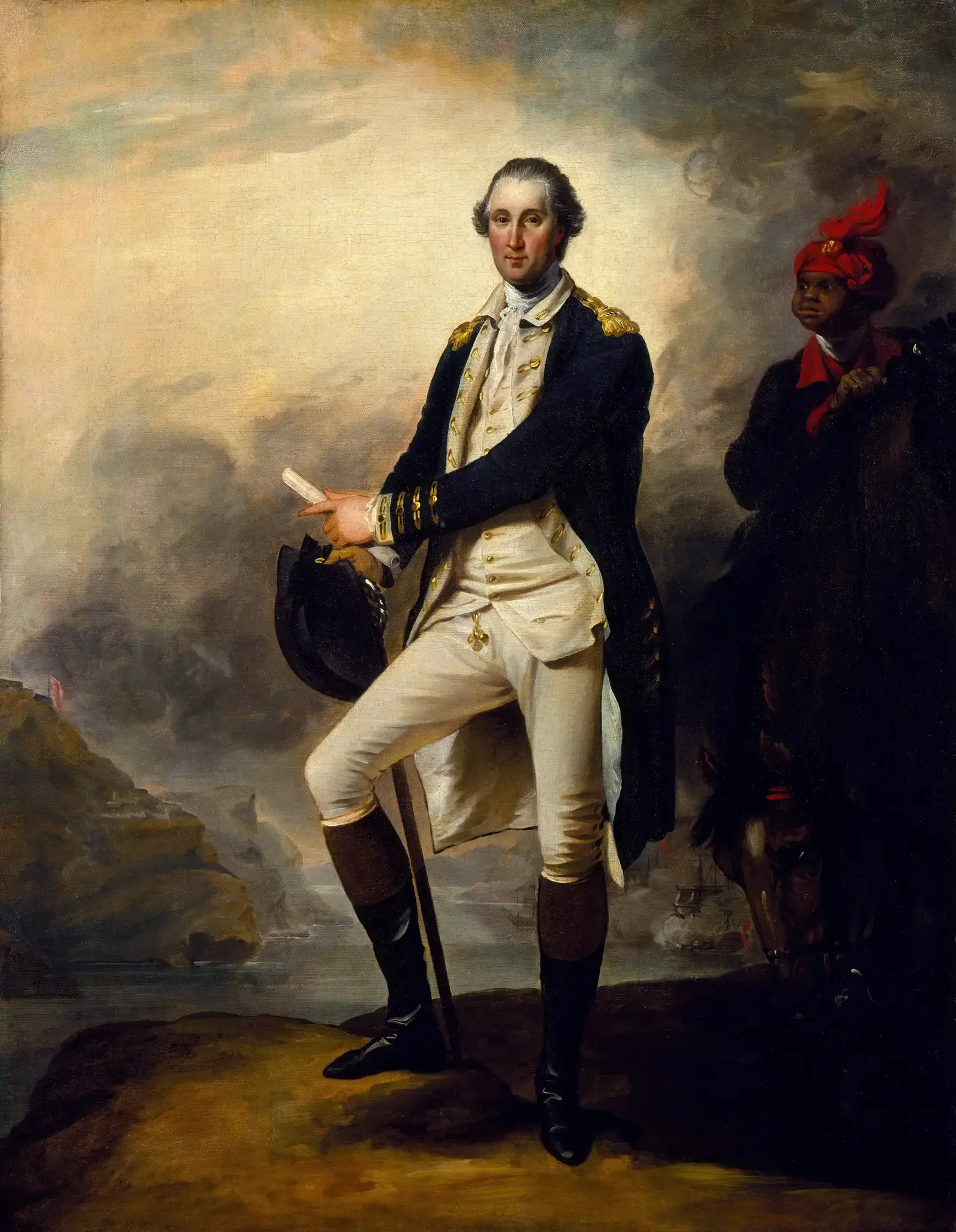
Washington’s reputation is often wrapped in words like courageous and heroic, but the pattern of his decisions is more interesting than that. During the Revolutionary War, he took bold, calculated risks when the odds were steep, such as launching the surprise attack at Trenton in the dead of winter. Those moves were not reckless lunges; they were strategic gambles grounded in careful reading of enemy behavior and environmental conditions. He understood that in an asymmetric conflict, occasional high-risk maneuvers were necessary to keep momentum and morale alive.
In peace, however, his instincts shifted toward caution and stability, almost like a species that changes its behavior when the environment becomes less hostile. As president, he avoided entangling the new nation in European wars, even when public pressure pushed in that direction. His famous neutrality stance during the conflict between Britain and revolutionary France kept the fragile United States from being crushed between global powers. That balance between battlefield daring and presidential restraint reveals a flexible mind that responded differently depending on the pressures of the moment, rather than following a single hardwired temperament.
The Myth of the Wooden Teeth – and the Strange Reality
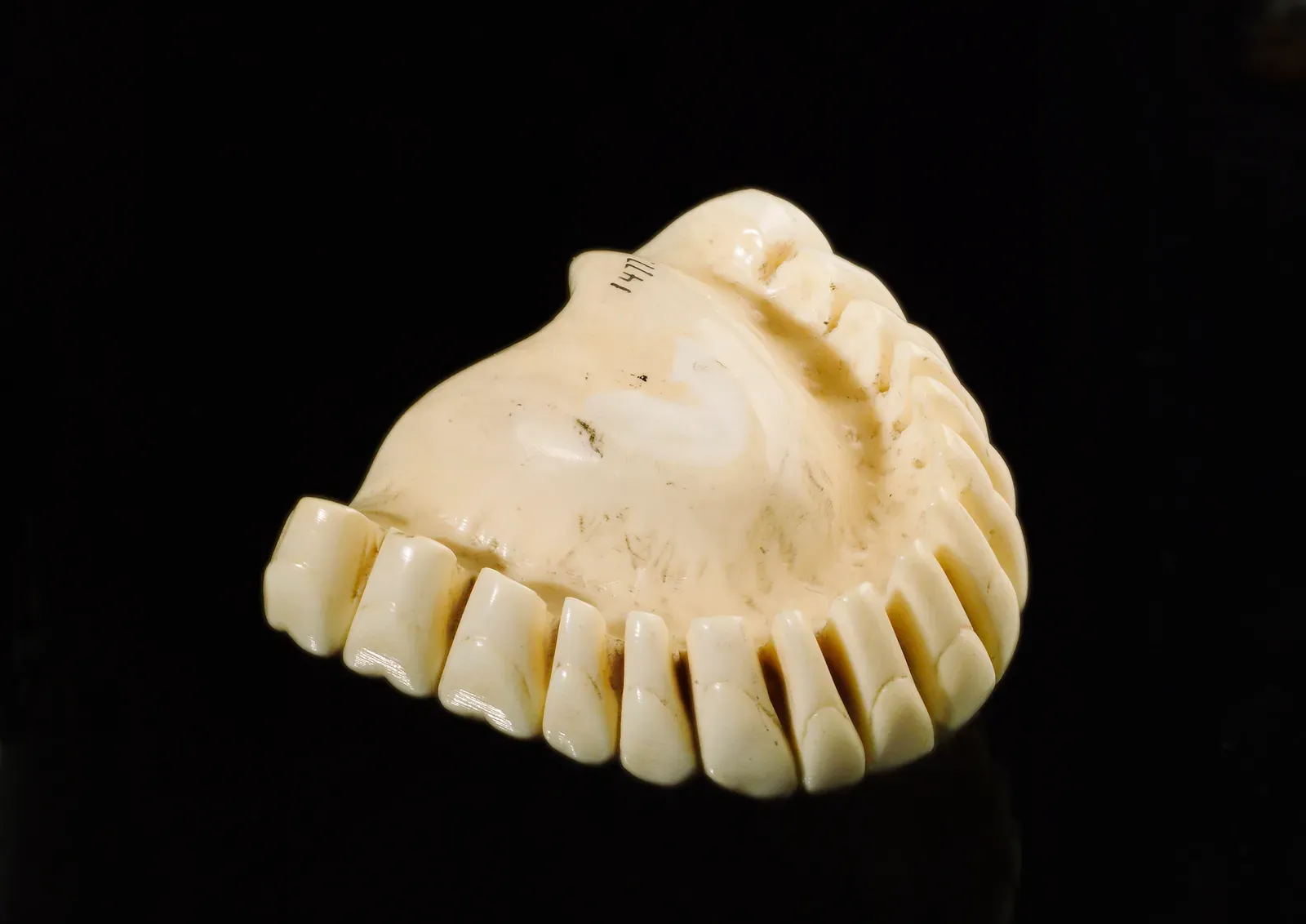
One of the most stubborn legends around Washington is that he had wooden teeth, a story that sounds almost cartoonish when repeated today. In reality, his dental struggles were very real and painfully human, but they involved ivory, metal, and sometimes even teeth taken from other humans, not wood. By the time he took office as president, he had lost most of his natural teeth and relied on dentures built from materials like hippopotamus ivory and gold. These devices were heavy, uncomfortable, and could distort his face, possibly explaining his famously tight-lipped expressions in portraits.
From a modern perspective, his dental history reads like a grim snapshot of pre-anesthesia medicine and early biomaterials engineering. The dentures required constant adjustment and contributed to chronic pain, which he endured while carrying the psychological and physical weight of the new nation. Some historians note that he was unusually guarded about his health, aware that visible weakness could undermine public confidence. The wooden teeth myth survives because it’s vivid and simple, but the real story says much more about the intersection of status, early medical technology, and the very human cost of leadership before modern dentistry existed.
Planting Experiments: Washington the Agricultural Innovator
For all his military and political fame, Washington often described himself primarily as a farmer, and he treated his land like a living laboratory. At Mount Vernon, he experimented with crop rotation, soil conservation, and alternative cash crops to move away from tobacco, which had depleted the soil. He tried wheat, flax, and other plants, constantly adjusting his approach as he watched how the fields responded year after year. This iterative tinkering looks strikingly similar to how scientists refine hypotheses based on new data.
He also adopted and promoted the use of manure and compost to improve soil fertility, recognizing that the land’s health was not infinite and had to be actively restored. Washington’s farm included a sophisticated sixteen-sided threshing barn designed to increase efficiency and reduce grain loss, a sort of early attempt at agricultural engineering. While he was not alone in such efforts, his visibility helped normalize the idea that elite landowners should embrace innovation, not just tradition. In today’s language, you might say he was an early adopter of sustainable practices, even if he never used that term.
Complicated Views on Slavery and a Late, Limited Change
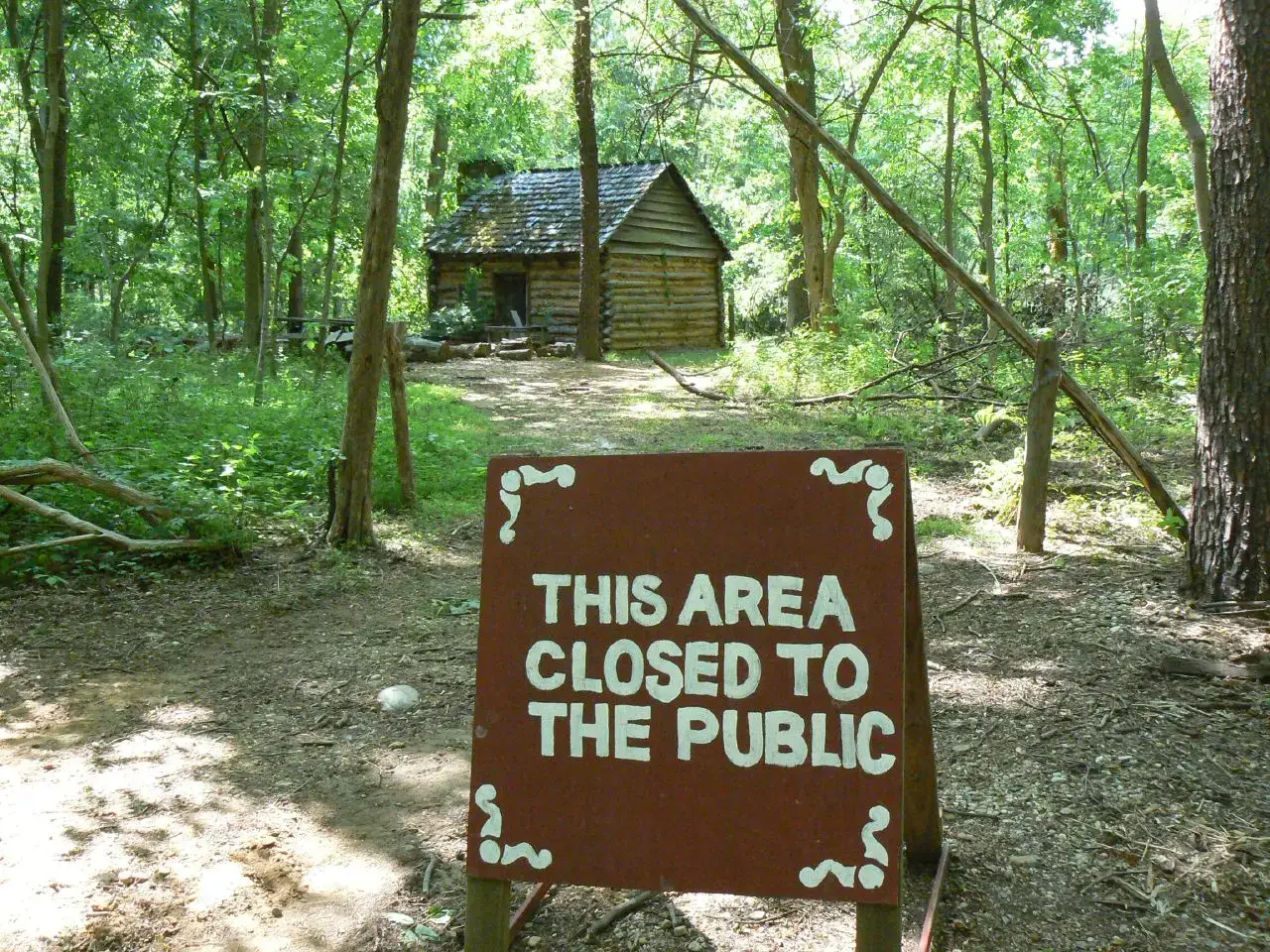
One of the most difficult and essential facts about Washington is that he was a slaveholder for most of his life, and his wealth was deeply tied to enslaved labor. At Mount Vernon, enslaved men, women, and children worked in his fields, homes, and workshops, a reality that stands in direct tension with the ideals of liberty he championed in public. Over time, his private letters and actions suggest he grew increasingly uneasy with slavery, influenced by practical observations and moral questions. Yet that discomfort did not translate into sweeping public advocacy while he was alive.
In his will, Washington arranged for the emancipation of the enslaved people he personally owned, to take effect after Martha Washington’s death, and he provided instructions for their education and support. This was an unusual step among Virginia slaveholders of his era, but it also left untouched many enslaved individuals who were part of the estate but legally owned by the Custis family. The result is a legacy that feels morally inconsistent: a man who helped define a nation built on freedom but only partially confronted the institution that denied freedom to so many. Grappling with that contradiction is not an optional footnote; it’s central to understanding the real George Washington rather than the simplified, marble version.
Inventing the Presidency on the Fly
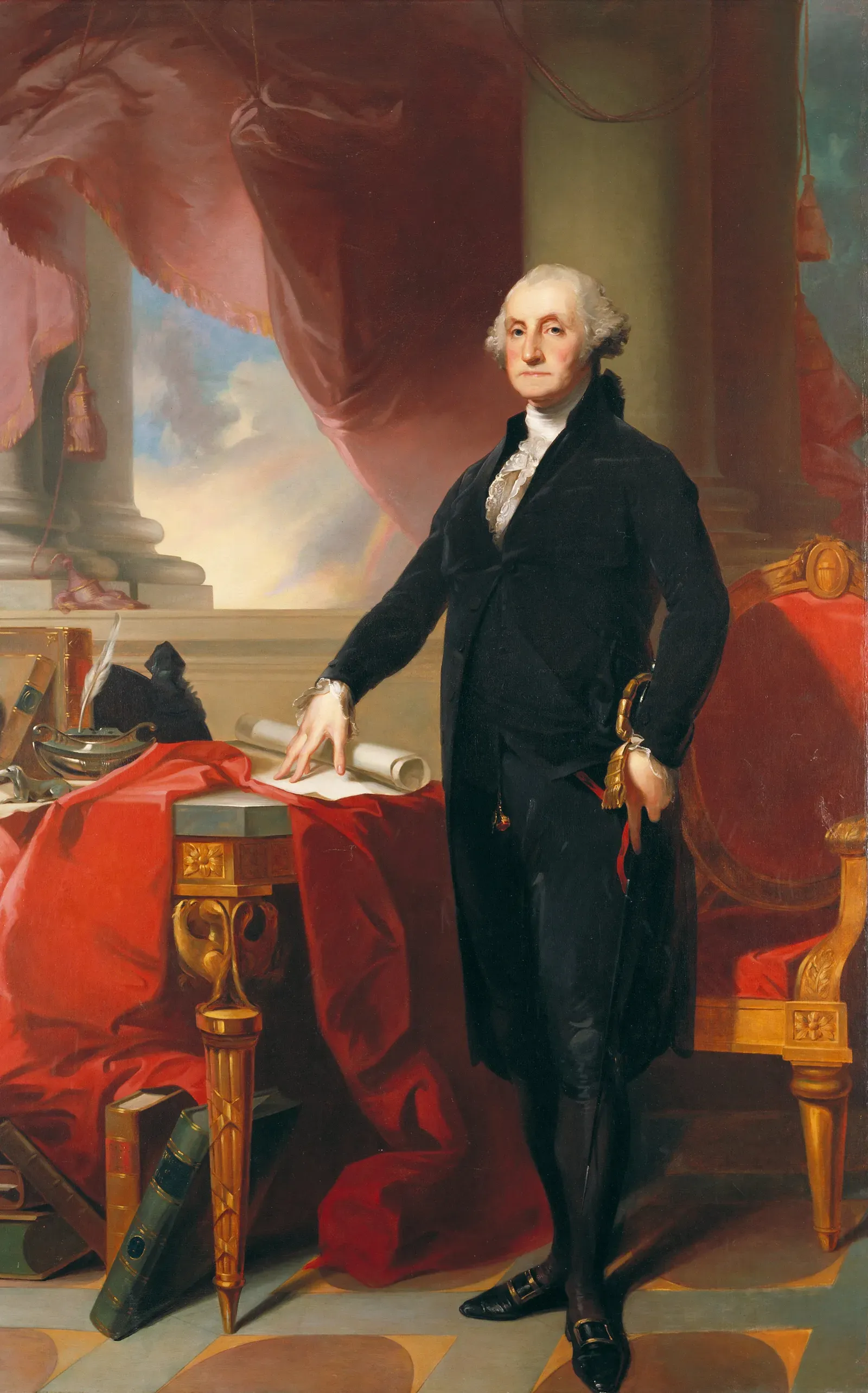
When Washington took the oath of office in 1789, there was no instruction manual for how a president should behave. Almost every move he made set a precedent, from how often he met with Congress to how he handled foreign dignitaries. He chose the title “president” rather than adopting grander, more monarchical language, sending a signal that this office was powerful but not royal. Even decisions that looked small from the outside became templates for future administrations.
Washington also created a cabinet of advisors, bringing together figures like the secretary of state and secretary of the treasury to help manage an increasingly complex government. He issued proclamations, navigated domestic uprisings like the Whiskey Rebellion, and toured the states to build a sense of national unity. Many of these actions were experiments in real time, as he tried to balance authority with republican restraint. The fact that so many of his choices became standard practice shows how quickly institutions can crystallize around early behaviors, much like how initial conditions in a new ecosystem can shape its long-term structure.
Why Washington Still Matters in a Data-Driven Age
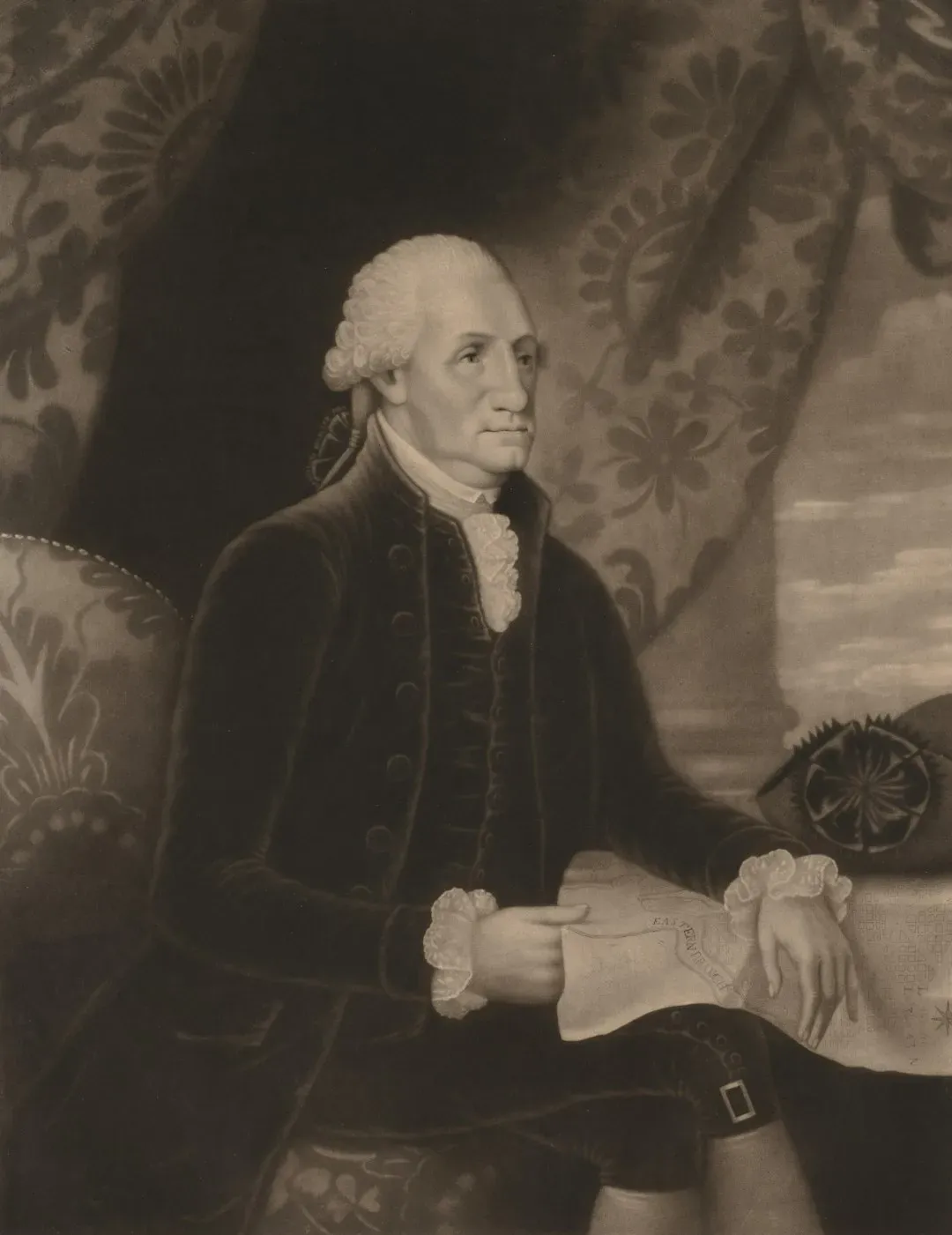
It might seem strange to dwell on an eighteenth‑century figure in a world dominated by algorithms, satellites, and gene editing, but Washington’s story still has real analytical value. His life is a case study in how personal character, environmental pressures, and institutional design interact over time. In modern terms, you could say he operated under extreme uncertainty, with limited information and high stakes, yet had to make decisions that would affect generations. That dynamic is not so different from what we see today in climate policy, biotechnology, or global health.
Unlike many modern leaders, Washington repeatedly walked away from power instead of trying to maximize it, which offers a useful contrast when we talk about term limits and democratic erosion. His willingness to test new approaches in agriculture echoes the trial‑and‑error process behind today’s sustainable farming and conservation efforts. Even his failures and contradictions, particularly around slavery, help frame current debates about how societies remember their past and correct systemic injustice. Studying Washington is not about idealizing him; it is about using his life as a complex dataset for thinking more clearly about leadership, responsibility, and change under pressure.
The Future of How We Study and Understand Washington
The way we learn about Washington today is changing rapidly, thanks to technology that would have seemed almost magical in his era. Historians and archivists are digitizing thousands of letters, account books, and maps, allowing researchers and the public to search patterns in his writings and finances with the speed of a search engine. Advances in imaging and conservation science are revealing hidden layers in documents and artifacts, from erased notes to material compositions of his clothing, tools, and even those infamous dentures. It’s as if we’re gaining new lenses to observe an already well‑studied species from angles no one had before.
Public historians are also partnering with descendant communities, including descendants of the enslaved people from Mount Vernon, to rebuild stories that were suppressed in older narratives. Virtual reconstructions, interactive museum exhibits, and augmented‑reality tours are turning static monuments into dynamic stories, letting visitors experience the landscapes he moved through. As our tools improve, we can test old assumptions against new evidence, refining the portrait of Washington in ways that would have been impossible even a few decades ago. The result is a more layered, sometimes uncomfortable, but ultimately more honest understanding of the person behind the icon.
How Readers Can Engage With Washington’s Legacy Today
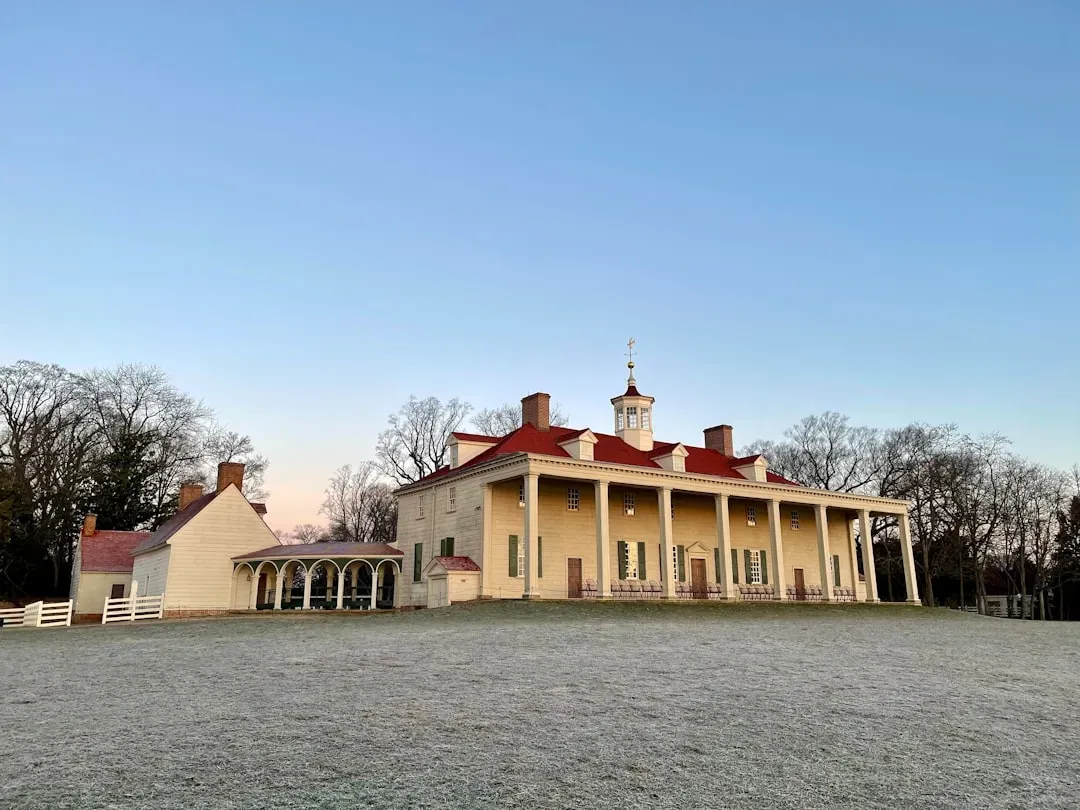
Engaging with Washington’s legacy now goes far beyond memorizing dates or staring at his portrait in a classroom. You can explore digitized collections of his letters, compare his words over time, and notice how his tone shifts between war and peace, public and private life. Visiting places like Mount Vernon or Revolutionary War battlefields, either in person or virtually, turns abstract history into something you can almost feel under your feet. Listening to the stories of enslaved individuals connected to these sites adds necessary depth and context that older textbook versions often left out.
Readers can also support museums, archives, and public history projects that are working to preserve and reinterpret primary sources for future generations. Even simple actions, like discussing the more complicated aspects of his life with friends or students, help keep the conversation honest and evolving. Treating Washington not as a flawless hero but as a complicated human being makes history more relatable and more useful for thinking about current challenges. The next time you glance at a dollar bill, you might find yourself wondering what hidden experiments, struggles, and compromises lie behind that familiar face.
Suhail Ahmed is a passionate digital professional and nature enthusiast with over 8 years of experience in content strategy, SEO, web development, and digital operations. Alongside his freelance journey, Suhail actively contributes to nature and wildlife platforms like Discover Wildlife, where he channels his curiosity for the planet into engaging, educational storytelling.
With a strong background in managing digital ecosystems — from ecommerce stores and WordPress websites to social media and automation — Suhail merges technical precision with creative insight. His content reflects a rare balance: SEO-friendly yet deeply human, data-informed yet emotionally resonant.
Driven by a love for discovery and storytelling, Suhail believes in using digital platforms to amplify causes that matter — especially those protecting Earth’s biodiversity and inspiring sustainable living. Whether he’s managing online projects or crafting wildlife content, his goal remains the same: to inform, inspire, and leave a positive digital footprint.