The animal kingdom is alive with secrets. You might think you understand a bird’s chirp or a dog’s bark, but what scientists have uncovered over the past few decades goes so far beyond simple sound that it challenges everything we thought we knew about non-human intelligence. Animals are talking to each other in frequencies you cannot hear, in dances you cannot decode, and through networks that span entire ocean basins.
The more researchers probe these behaviors, the more a radical idea takes shape: that animals are woven into elaborate, invisible communication grids that rival the complexity of human language. You are about to discover ten of the most astonishing, research-backed examples. Some will surprise you. Some might even unsettle you. Let’s dive in.
1. Elephants and Their Underground Phone Network
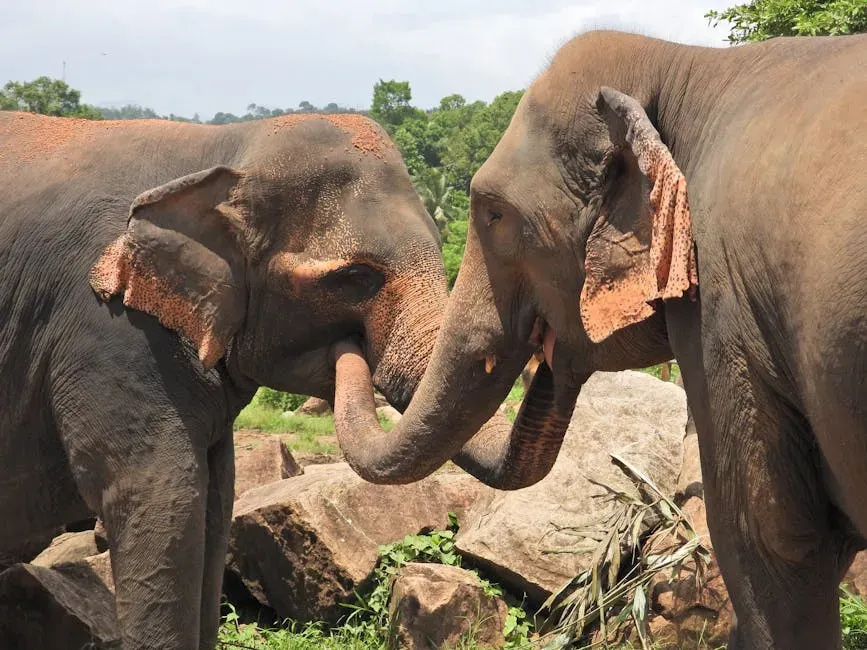
Imagine calling a friend who lives ten kilometers away, but without a phone, a radio, or any technology at all. That is essentially what African elephants do every day. Infrasound in the range of 1 to 20 Hz may be generated and detected by elephants over distances in excess of 10 kilometers, with complex sounds interpreted over those ranges to aid in social cohesion, territory definition, and resource utilization. You simply cannot hear any of it.
Elephants are known to communicate with seismic vibrations produced by impacts on the earth’s surface or acoustical waves that travel through it, and they appear to rely on their leg and shoulder bones to transmit these signals to the middle ear. When detecting seismic signals, they lean forward and put more weight on their larger front feet, a behavior known as “freezing behaviour.” Think of it as pressing your ear against the ground to hear the rumble of a distant train. Except for elephants, those rumbles carry real social meaning across the savannah.
2. Humpback Whales and the Ocean’s Living Language
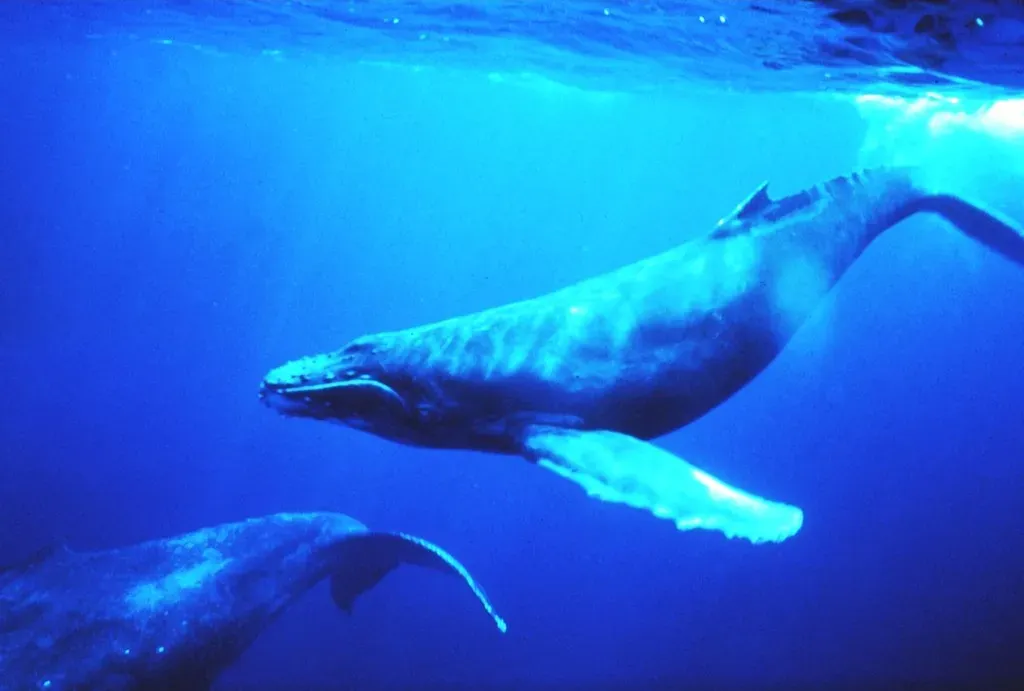
You have probably heard that whales sing. What you may not realize is just how structurally sophisticated that singing is. Research published in Science has uncovered the same statistical structure that is a hallmark of human language in humpback whale song. That is not a poetic comparison. It is a mathematical finding, verified through rigorous linguistic analysis.
Bottlenose dolphins demonstrate the cultural transmission of tool use, while humpback whales have multiple independently evolving cultural traditions including migratory destinations, feeding techniques, and songs. Honestly, it is hard not to be stunned by this. These are not random noises bouncing around the ocean. Humpback whale song is a striking example of a complex, culturally transmitted behavior, and human language, which is also culturally transmitted, has recurring parts whose frequency of use follows a particular pattern.
3. Honeybees and the Dance That Speaks a Full Language
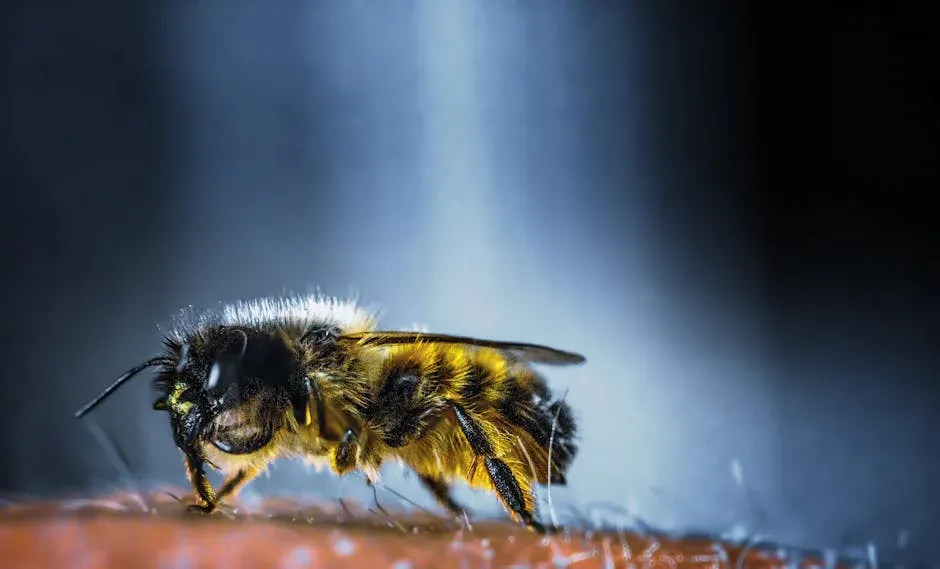
Honey bees use a complex form of spatial referential communication. Their waggle dance communicates to nestmates the direction, distance, and quality of a resource by encoding celestial cues, retinal optic flow, and relative food value into motion and sound within the nest. In other words, a bee returning from a flower field essentially draws a map for her colony using her own body. No app required.
Here’s the thing that makes this even more remarkable. Research published on the cover of the journal Science uncovered evidence that social learning is fundamental to honey bees, and Professor James Nieh and his collaborators discovered that the waggle dance, which signals the location of critical resources to nestmates through an intricate series of motions, is improved by learning and can be culturally transmitted. The bees literally teach each other how to communicate better. Honey bees, like humans, many songbirds, and naked mole rats, appear to have a critical period for language acquisition.
4. Schooling Fish and the Invisible Alarm System
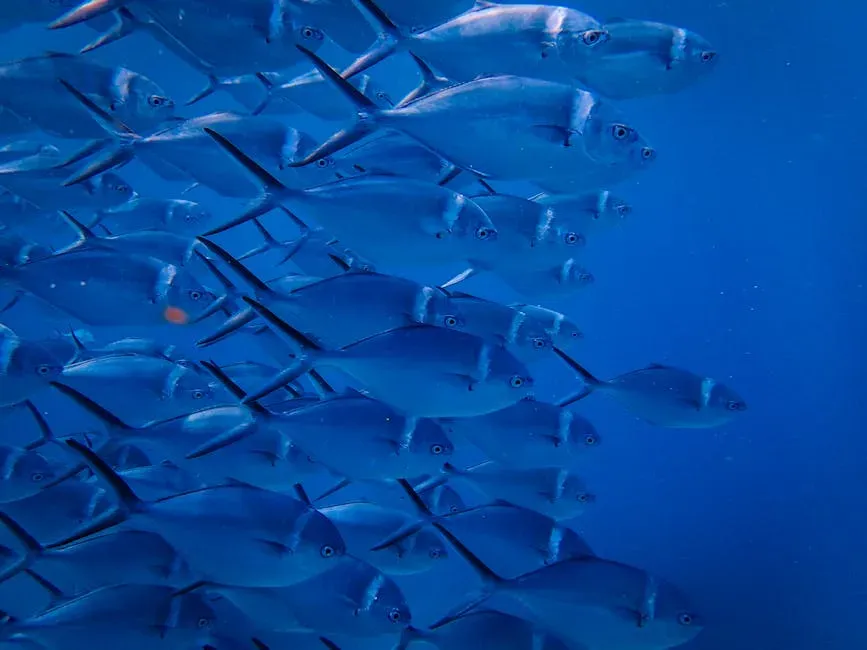
Coordination among social animals requires rapid and efficient transfer of information among individuals, which may depend crucially on the underlying structure of the communication network. You can see this in action whenever a school of fish suddenly ripples and shifts direction as one fluid body. It looks like magic. It is actually sophisticated information transfer at lightning speed.
By studying these interaction networks, researchers reveal the complex, fractional nature of social contagion, establishing that individuals with relatively few but strongly connected neighbors are both the most socially influential and most susceptible to social influence. Think of it like a social media algorithm, but biological and instantaneous. This method allows researchers to establish how a complex social scene is translated into behavioral response at the level of individuals and to visualize and analyze the resulting complex communication network as behavioral change spreads rapidly through groups.
5. Elephants Calling Each Other by Name
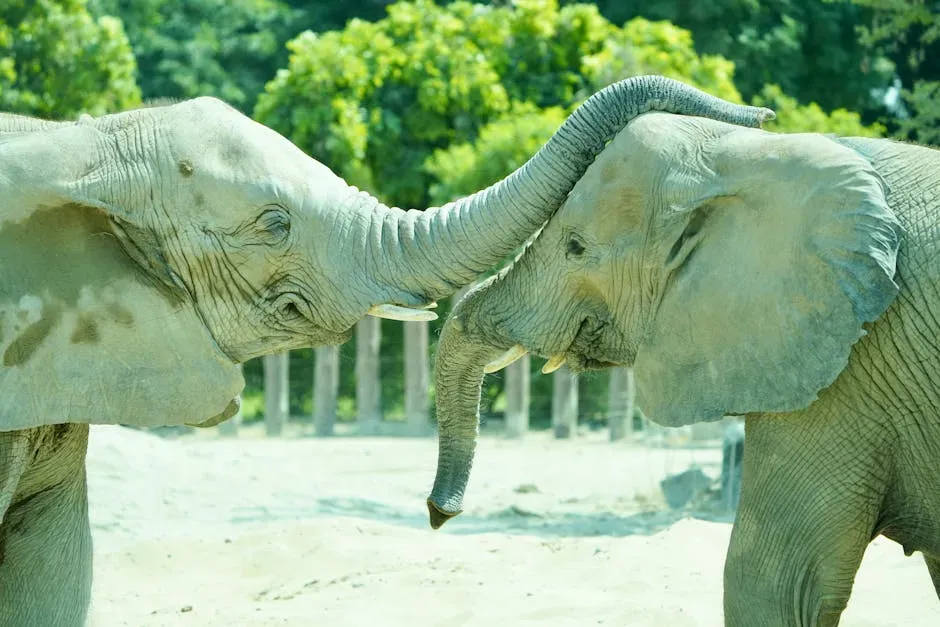
This one genuinely stopped me in my tracks when I first read about it. Researchers used machine learning to uncover what appears to be naming behavior in wild African elephants, and these mammals address each other with specific vocalizations akin to names. You might think name-calling is a uniquely human social act. Apparently not.
Research published in Nature Ecology and Evolution demonstrated that elephants call each other by distinct vocalized names and respond when they hear others call their name. Researchers analyzed hundreds of elephant calls recorded over more than a year in Kenya, applying machine learning to distinguish specific sounds by which elephants call each other. When recorded calls were played back, elephants responded to the sound of their friends or family members calling their name by either calling back or moving toward the speaker. That is not instinct. That is recognition, identity, and social memory.
6. Crows and Their Secret Social Whispers
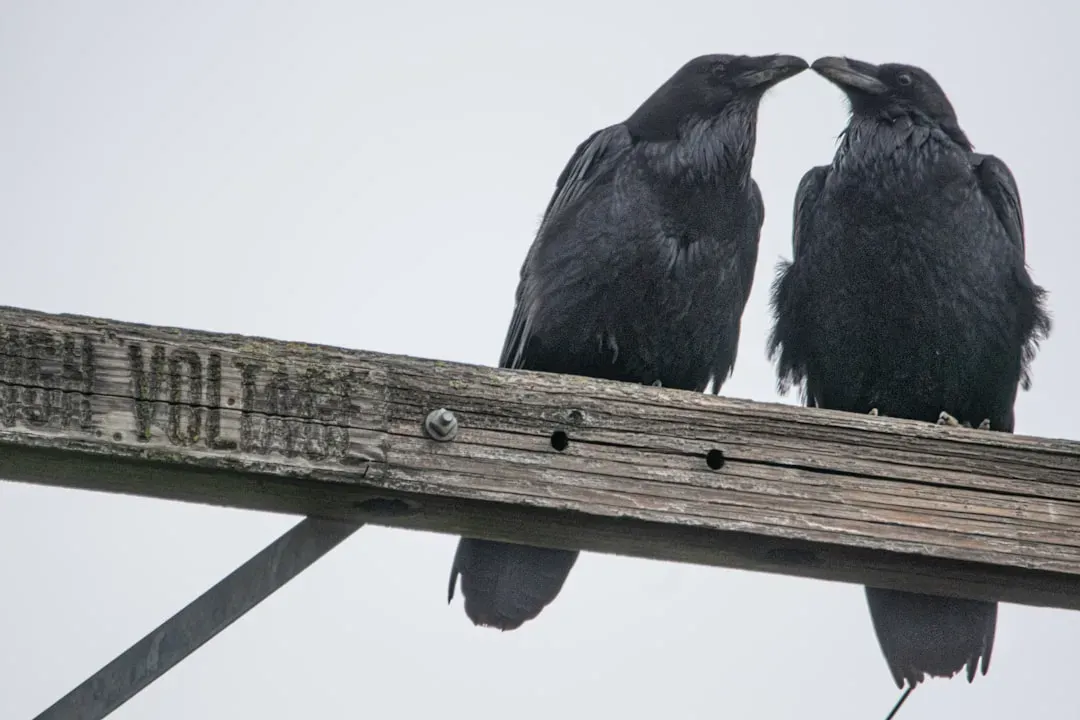
You probably think of crows as loud, harsh-voiced birds. That impression is only half the story. Crows are part of the AI revolution in animal communication research. A population of carrion crows in Spain exhibits unique social behaviors including cooperative chick-rearing, and using AI tools, researchers identified softer, less detectable vocalizations alongside the loud caws that typically define crow communication. So while you hear the caw, there is a quieter conversation happening underneath it.
By pairing these sounds with data from accelerometers and video footage, researchers aim to map out the birds’ interactions and better understand their teamwork. Cooperative child-rearing requires communication about trust, division of labor, and timing. The idea that crows are coordinating this through a layered vocal system, some parts audible and some nearly hidden, is genuinely fascinating. It is like discovering that your neighbors have been whispering in a language you never noticed.
7. Songbirds and Their Neighborhood Eavesdropping Networks
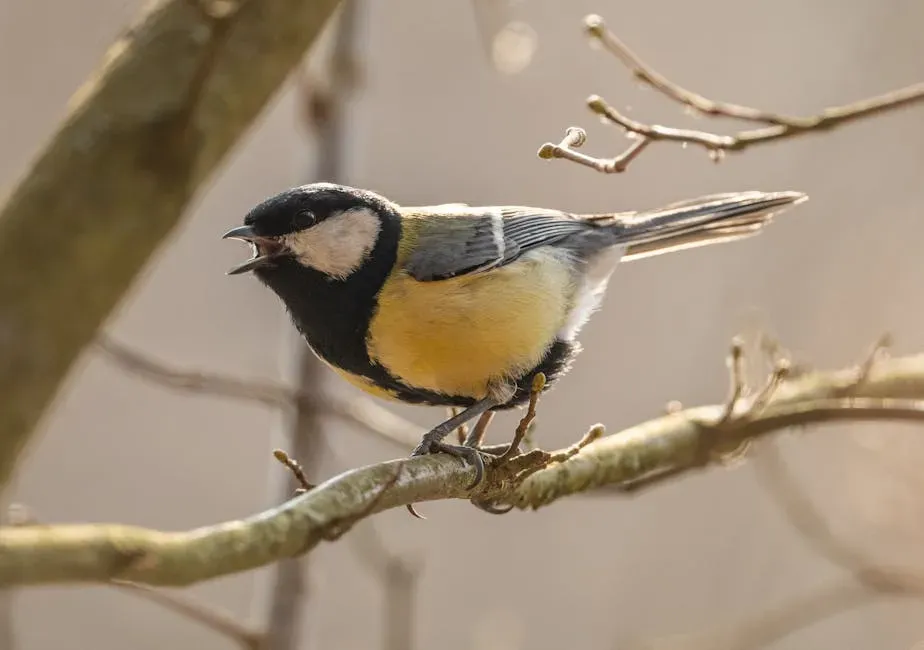
Here is a behavior that sounds almost human. Songbirds are among the best-studied territorial signaling taxa, and when competitors start singing during a territorial intrusion, residents usually show elevated spatial and vocal responses. These responses could be used by intruders and distant eavesdroppers to predict future responses or to compare responses across competitors. You are not just hearing birdsong when you step outside in the morning. You are hearing a neighborhood negotiation.
Social eavesdropping could provide a low-risk alternative to direct interactions with others, as eavesdroppers can learn about the quality or ability of another individual without engaging in interactions that could be risky or costly. This is strategically brilliant. Rather than pick a fight and risk injury, a bird listens in on its neighbor’s battles and draws conclusions about who is worth challenging. The forest, it turns out, is full of quiet political intelligence.
8. Sperm Whales and Clan-Level Vocal Identity
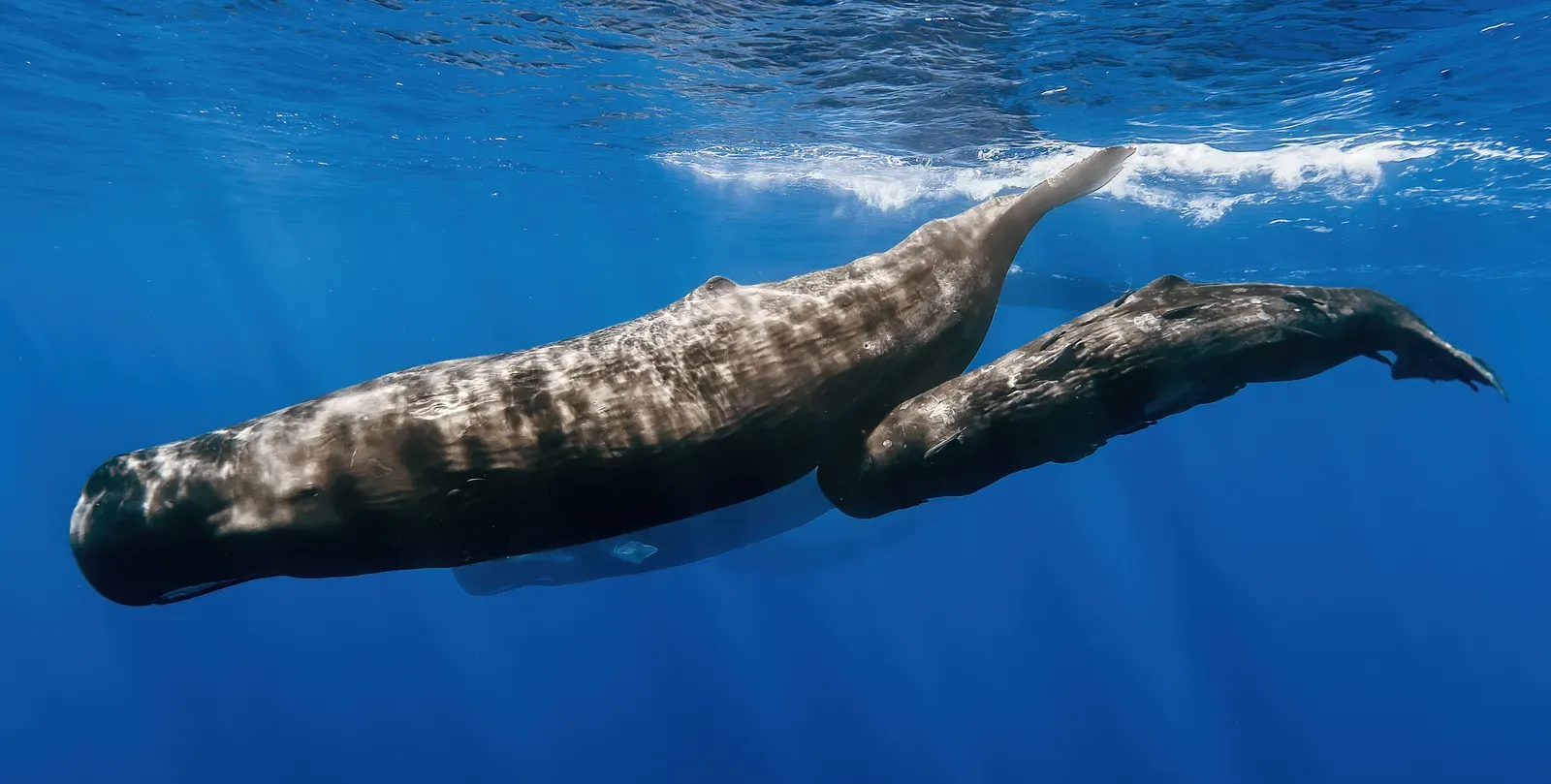
Vocal traditions and vocal learning provide a strong foundation for studying culture and its transmission in both humans and cetaceans. For example, vocalizations that are shared within a group and maintained through cultural transmission over decades are used to identify social structures in killer whales and sperm whales. You could almost think of this as a dialect system, where your accent tells others exactly which community you belong to.
Cetaceans show some of the most sophisticated and complex vocal and cultural behavior outside of humans, including vocal learning, shared traditions, and gene-culture coevolution. Let that phrase sink in. Gene-culture coevolution. The way these animals communicate is so deeply embedded in their biology that it shapes their genetics over generations. For whale biologist Shane Gero, understanding sperm whale communications begins with recognizing their individuality, and working off the coast of Dominica, Gero and his team gave names to individual whales, understanding that each plays a unique role in its family and ecosystem.
9. Animals as Environmental Sensors and Early Warning Systems

You have probably heard folk stories about animals fleeing before a storm. What is becoming clear is that these are not myths. For generations, farmers living near Mount Etna have reported animals acting strangely before a volcanic eruption, and now goats that beam back data every three minutes are confirming that their behavior changes in the minutes and hours before an eruption, with the animal warning system able to give an alert signal two to twelve hours before an eruption within twelve miles.
During the 2004 Indian Ocean earthquake and tsunami, elephants in Thailand, Sri Lanka, and India were reported to have displayed unsettled behavior and moved to higher ground before the tsunami reached the coasts of those countries, and it has been theorized that these elephants were able to react to infrasonic sounds from the earthquake or tsunami long before humans were aware of it. Whether through infrasound, vibration, or electrical field sensitivity, animals appear to be plugged into environmental data streams that we can barely measure, let alone interpret. They are, in a sense, living sensors with real-time alerts built right in.
10. Bats and the Art of Precision Acoustic Architecture
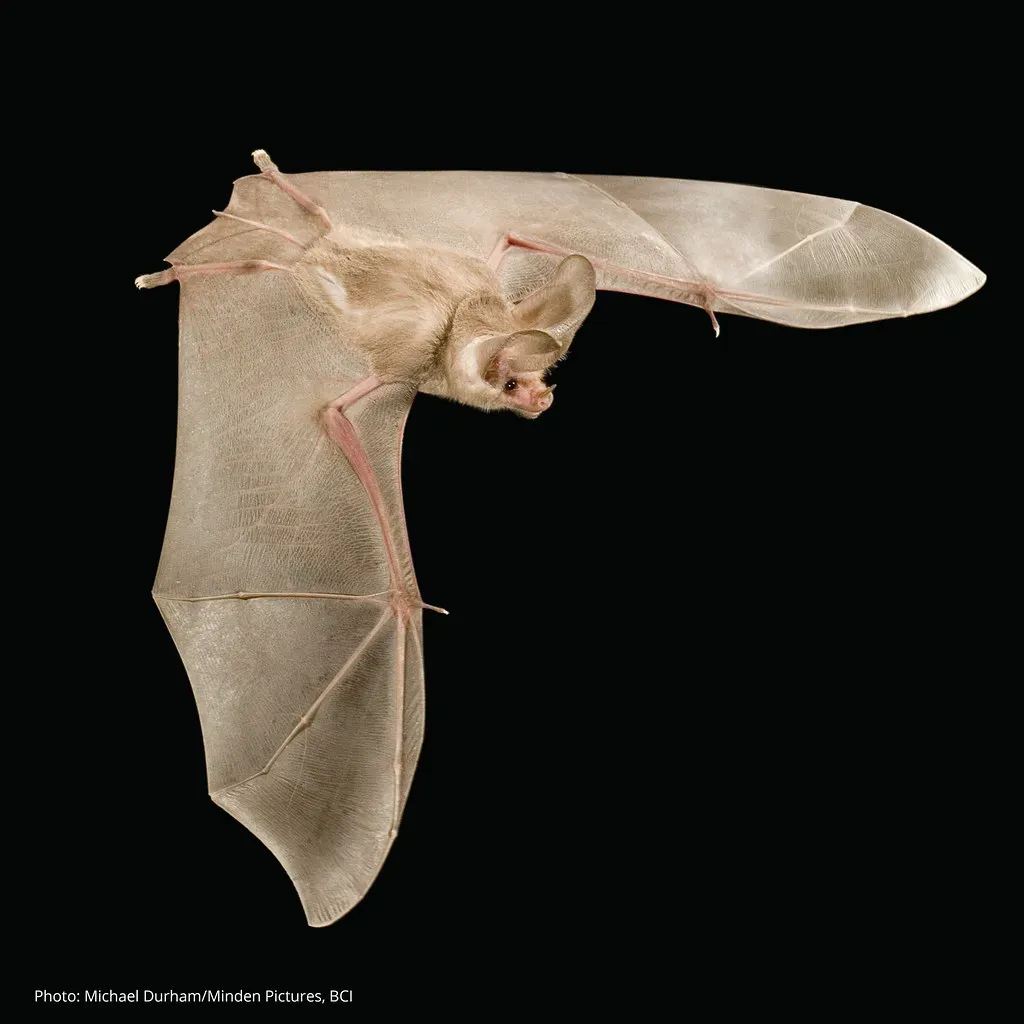
It’s hard to say for sure where bat communication ends and bat navigation begins, because the two are profoundly intertwined. Dr. Ellen Covey, a Neural Systems and Behavior professor specializing in bat echolocation, explains that when a bat sends an outgoing call such as a tongue click, it uses the returning echo to gather detailed information about its surroundings, allowing the bat to determine the location, movement, and characteristics of objects in its environment. Every click is a question, and the echo is the answer.
According to Covey, the calls are emitted in such a way that directs the sound in a narrow beam, ensuring it is only received by the bat that sent it. This is like having a private, directed phone call in total darkness at speeds no human brain could process consciously. These communication tools draw on advanced capabilities to detect patterns in animal sounds, movements, and behaviors that would be difficult or impossible for humans to recognize on their own, including analyzing ultrasonic calls made by rodents, or studying how bats signal to one another within complex social systems. The social dimension of bat communication is still being unraveled, and what researchers keep finding is that it is vastly richer than a simple navigation tool.
Conclusion
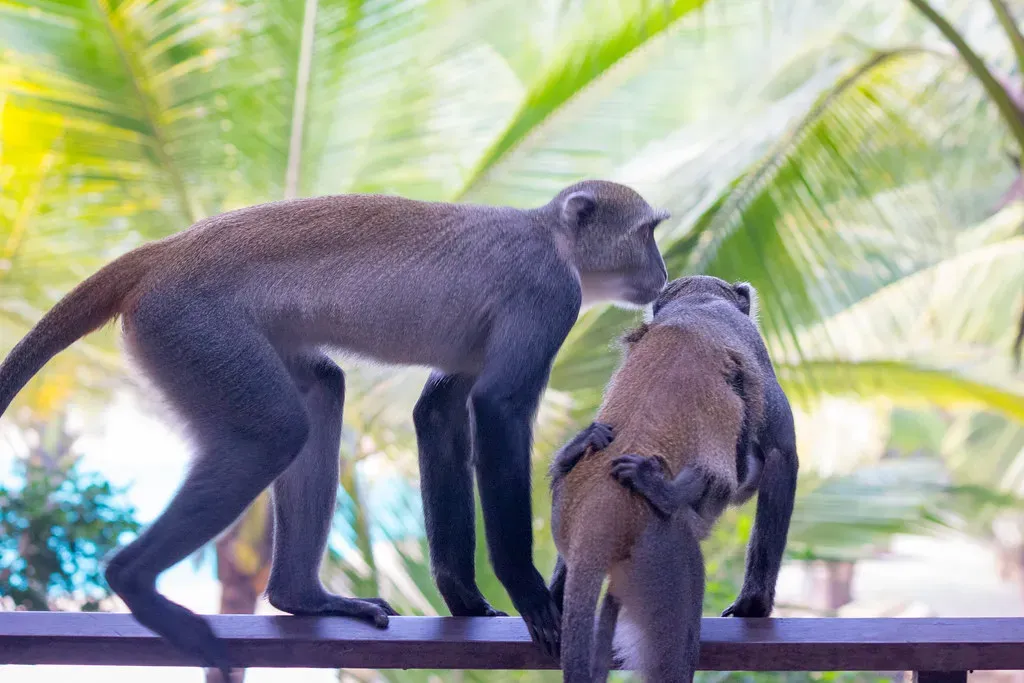
What all ten of these behaviors share is a common thread: the animals in your world are exchanging information through channels that human senses cannot naturally detect. They are coordinating, naming, grieving, warning, teaching, and learning, often across distances and through media that our technology is only now beginning to capture. We know remarkably little about the nature of the evolved interaction networks that give rise to the rapid coordinated collective responses exhibited by many group-living organisms.
Many species rely on communication to coordinate migration, care for young, share knowledge, and maintain kinship networks, and interference, whether through noise, surveillance, or behavioral manipulation, can fracture these systems, weakening communities in ways that are difficult to detect until damage is already done. This is not just scientifically profound. It is a call for humility. The more you look, the more apparent it becomes that the natural world has been engaged in rich, layered conversation long before humans developed a single word. The real question is not whether animals communicate in complex ways. The question is whether we are curious enough, and quiet enough, to actually listen. What do you think? Which of these behaviors surprised you the most? Share your thoughts in the comments.