Every year, the boundaries of animal intelligence shift a little farther from our assumptions, and a little closer to something uncanny. Field researchers rig up clever experiments, only to watch wild minds break the rules and rewrite the playbook. The mystery is not whether animals think, but how far that thinking goes and what it looks like in forests, oceans, and deserts. The surprise is how often solutions arise from culture and creativity rather than brute instinct. If we’re honest, the most unsettling twist is simple: many of these animals don’t just learn our tests – they find loopholes we didn’t know existed.
The Hidden Clues: Chimpanzees That Plan and Collaborate
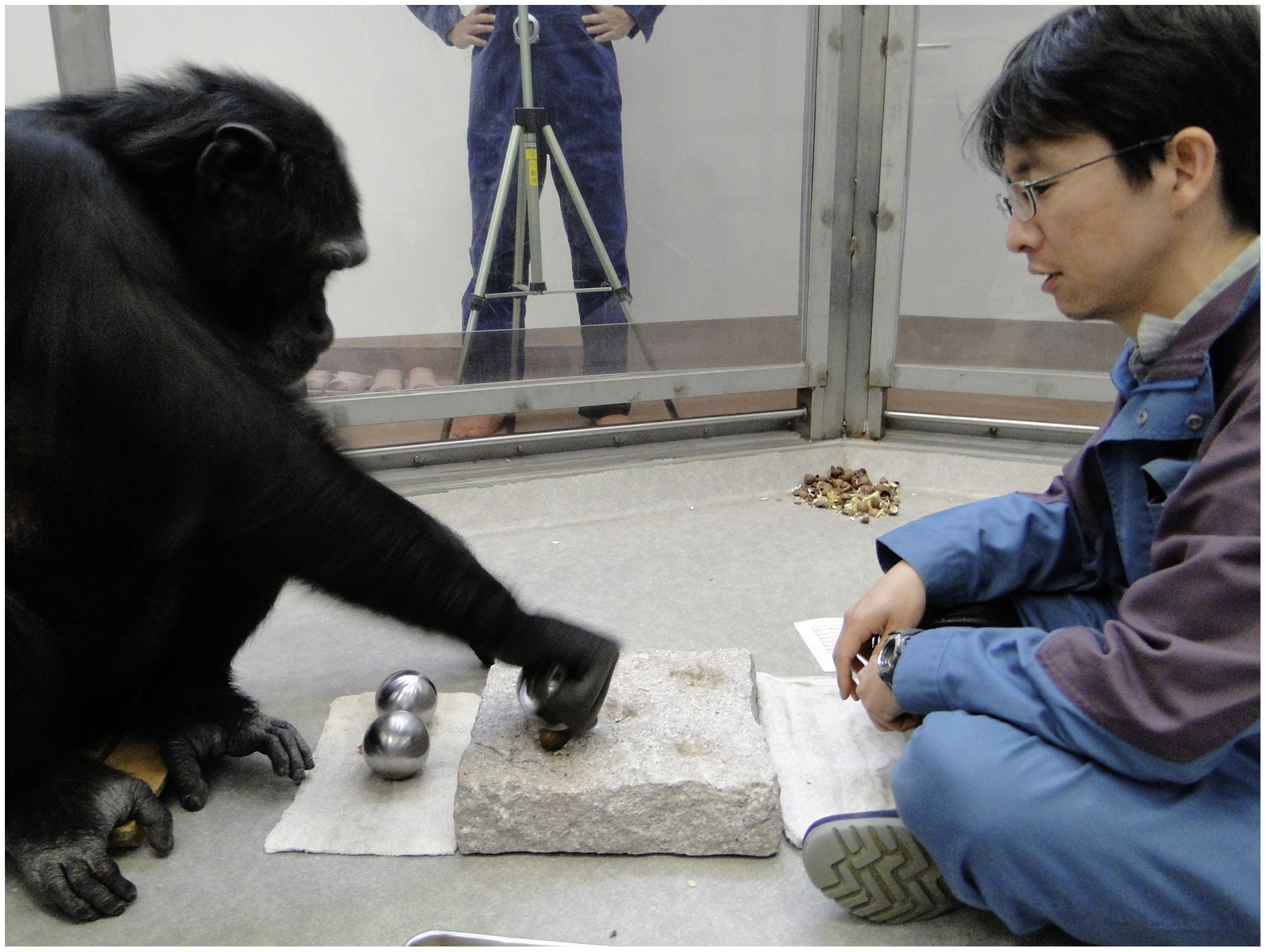
Chimpanzees turn twigs into fishing rods, stones into anvils, and patience into a strategy that scales from minutes to seasons. In some populations, individuals sharpen sticks to spear small prey, a behavior taught and refined within family lines. They coordinate hunts, exchange favors, and seem to remember who helped whom, which looks a lot like social accounting. When researchers alter a problem box, chimps sometimes abandon brute force and adopt entirely new routines, as if switching mental gears.
Watch a community at work and you see culture: neighboring groups use different tool sets for the same foods. That diversity suggests not a single “chimp mind,” but many local traditions, each with its own logic and flair. It’s hard not to feel they’re running field labs of their own, testing ideas one stick at a time.
From Ancient Tools to Modern Science: New Caledonian Crows
New Caledonian crows craft hooks from twigs and leaves, and they wield those tools with the deceptive ease of habit. In carefully designed tasks that require two or three steps, these birds retrieve one tool to fetch another, then use it to reach the prize – a kind of mental scaffolding. They also modify tools on the fly, trimming or bending materials to improve reach or grip. That edit-as-you-go style hints at an internal model of cause and effect, not blind tinkering.
Even more striking, juveniles watch elders and pick up local “brands” of tool design, a cultural signature etched in twigs. If you think intelligence needs a big primate brain, these birds politely disagree. They deliver results with feathers, not hands, and still outmaneuver expectations.
Underwater Strategists: Bottlenose Dolphins

Bottlenose dolphins pass along foraging tactics like family recipes. In some bays, mothers teach calves to wear sea sponges on their snouts to probe the seafloor without injury – a wearable tool that spreads through kin lines. Elsewhere, dolphins coordinate ring-bubble corrals that trap fish in a silvery net, an underwater choreography learned by watching.
They recognize themselves in mirrors, remember social partners, and alter calls in flexible ways that resemble naming. When researchers shift the rules of a task, dolphins often pivot quicker than expected, improvising new approaches rather than perseverating. In the open ocean, that agility can mean the difference between a missed meal and a feast.
Global Perspectives: Orcas and Culture Across Oceans
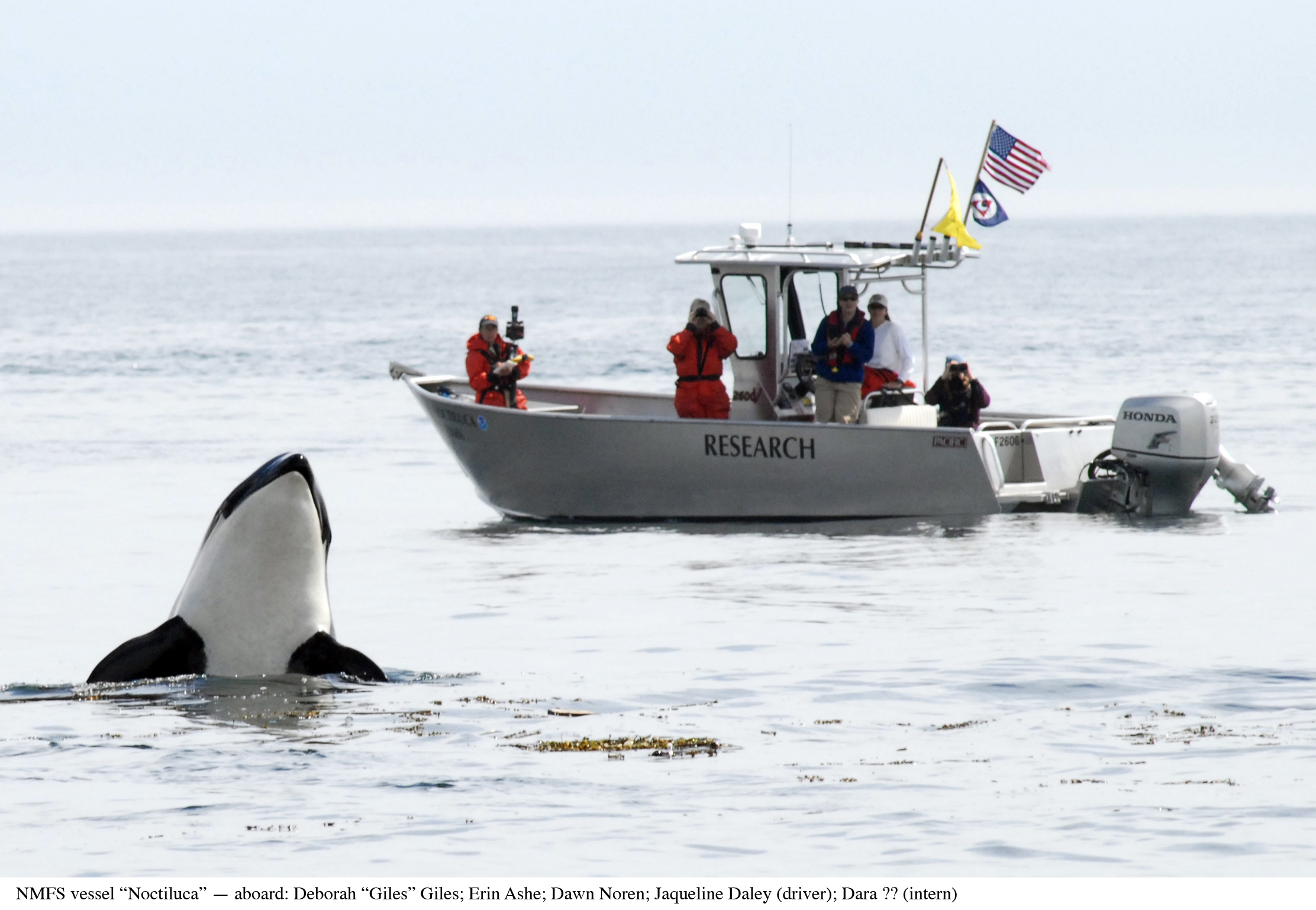
Orcas carry cultural toolkits as wide as their ranges. Along icy coasts, some pods deliberately surge to wash seals from ice floes, a stunning group tactic. In warmer waters, others shadow tuna fleets or stun fish with tail slaps, practices taught to calves across years. Those regional traditions function like human dialects, shaping what counts as food, how to catch it, and whom to share it with.
Such cultural inheritance matters when environments shift. If one strategy falters, pods with broader repertoires may adapt faster. It’s a reminder that conservation isn’t just about saving bodies; it’s about safeguarding libraries of behavior passed down through generations.
Memory, Mourning, and Maps: Elephants
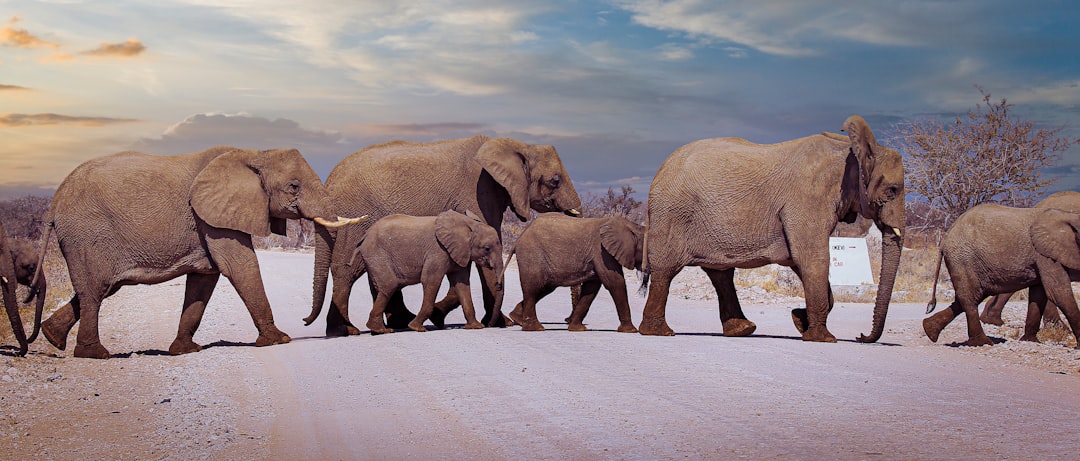
Elephants appear to recognize themselves in mirrors, but their deeper genius may be social memory stretched across landscapes. Matriarchs recall distant water sources and old allies, guiding families through hard seasons. Herds pause over bones, handle tusks, and linger in what many observers describe as vigil-like scenes. Whether or not we can label it grief, it shows attention to the lives of others that lingers beyond a moment.
They repurpose branches as fly swatters, collaborate in rescues, and adjust routes to avoid threats learned years prior. When fencing or roads reroute their world, they redraw mental maps rather than give up. That resilience is intelligence tuned to time and terrain.
The Puzzle Masters: Octopuses
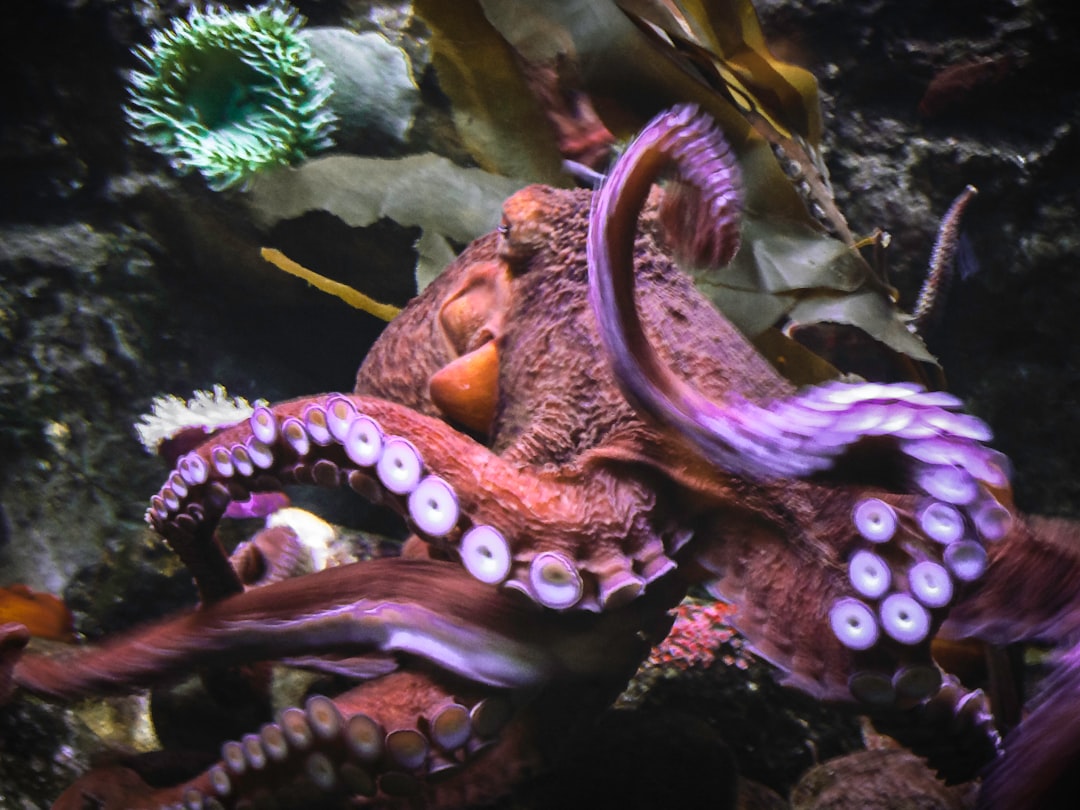
Octopuses are solitary engineers with a flair for improvisation. They collect coconut shells and carry them like mobile shelters, then assemble them into armor when danger looms. In lab mazes, they learn from experience, remember for weeks, and sometimes dismantle the apparatus for parts. Their arms explore with semi-independent smarts, yet coordination flows back to a central plan.
As someone who has watched hours of field footage, I’m convinced their curiosity is a power source in its own right. They test lids, valves, and textures as if running small experiments, then pivot without fuss when a tactic fails. It’s trial and elegance, wrapped in camouflage.
The Tricksters: Ravens
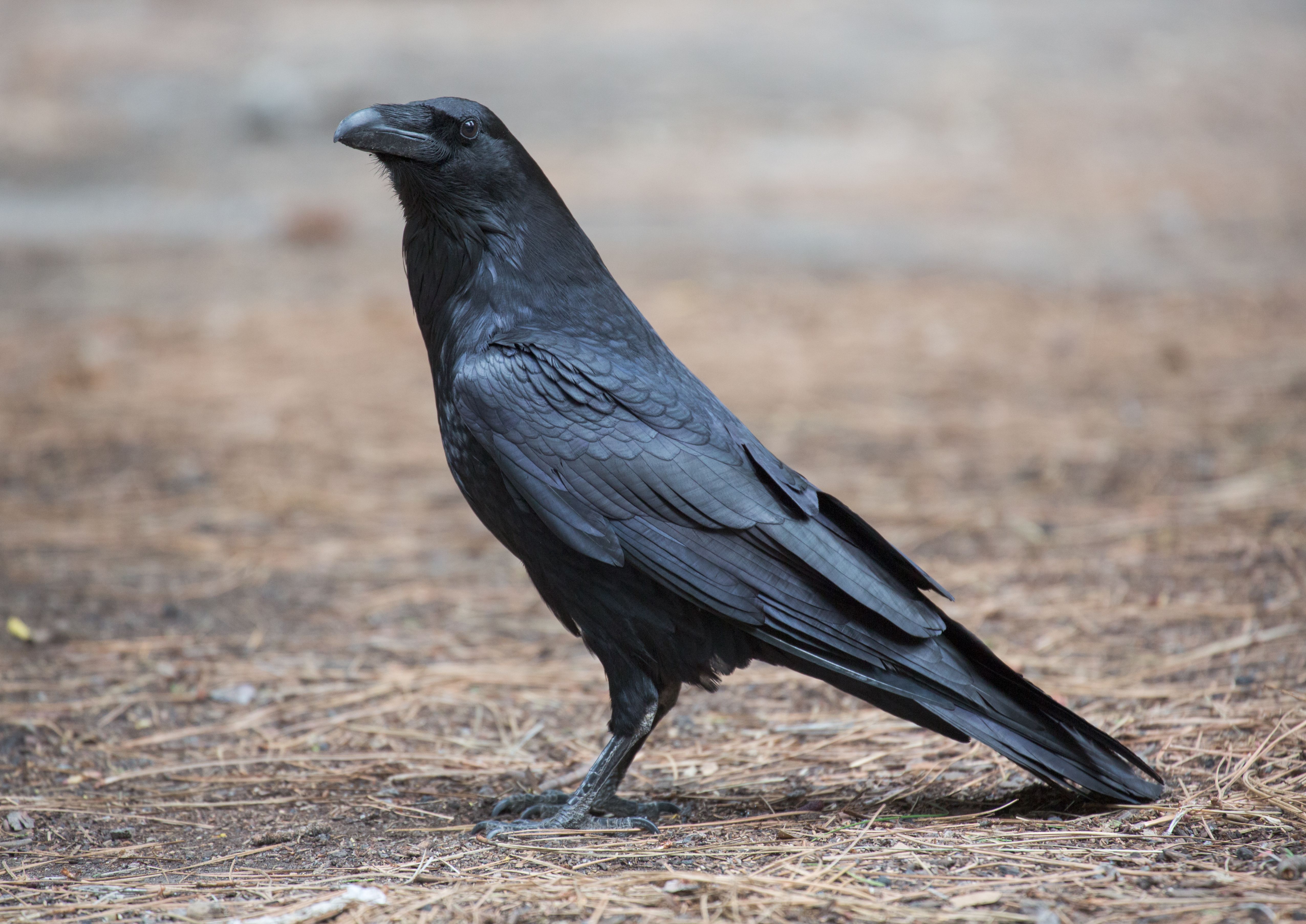
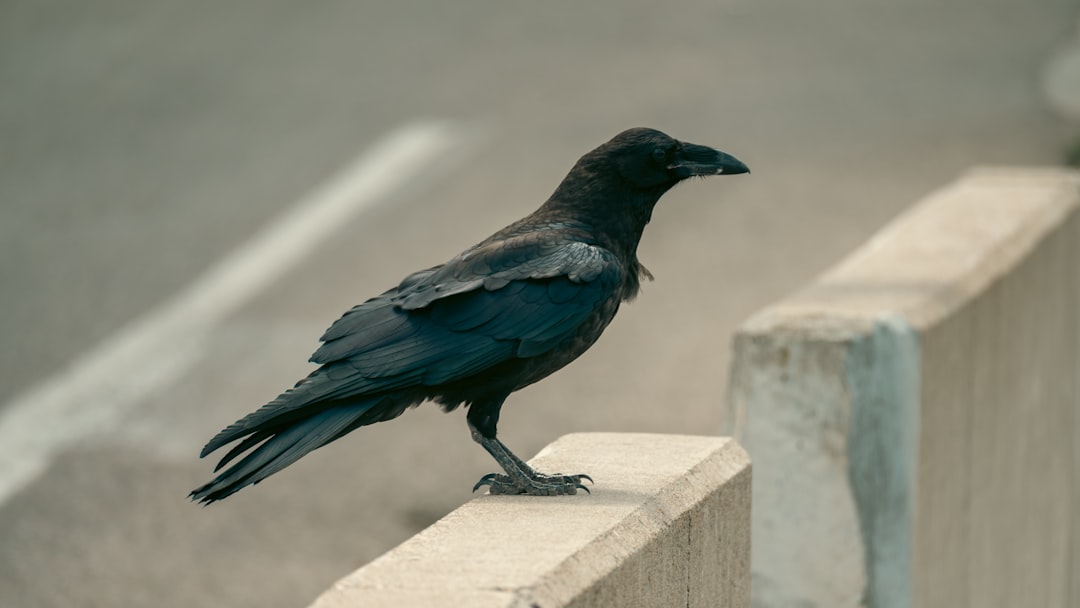
Ravens cache food, then move it again if a rival might be watching, suggesting they can imagine another’s point of view. In problem-solving studies, they save useful objects to deploy later – a hint of mental time travel. They recruit partners, cooperate, and then renegotiate when the deal no longer benefits them. That fluidity looks suspiciously like strategy rather than reflex.
Field observations show ravens manipulating social scenes, from distracting competitors to leading them away from hidden stashes. When humans alter the rules of a test, these birds often change the game entirely. It’s wit with wings, and it keeps researchers guessing.
Rock and Anvil Economists: Sea Otters
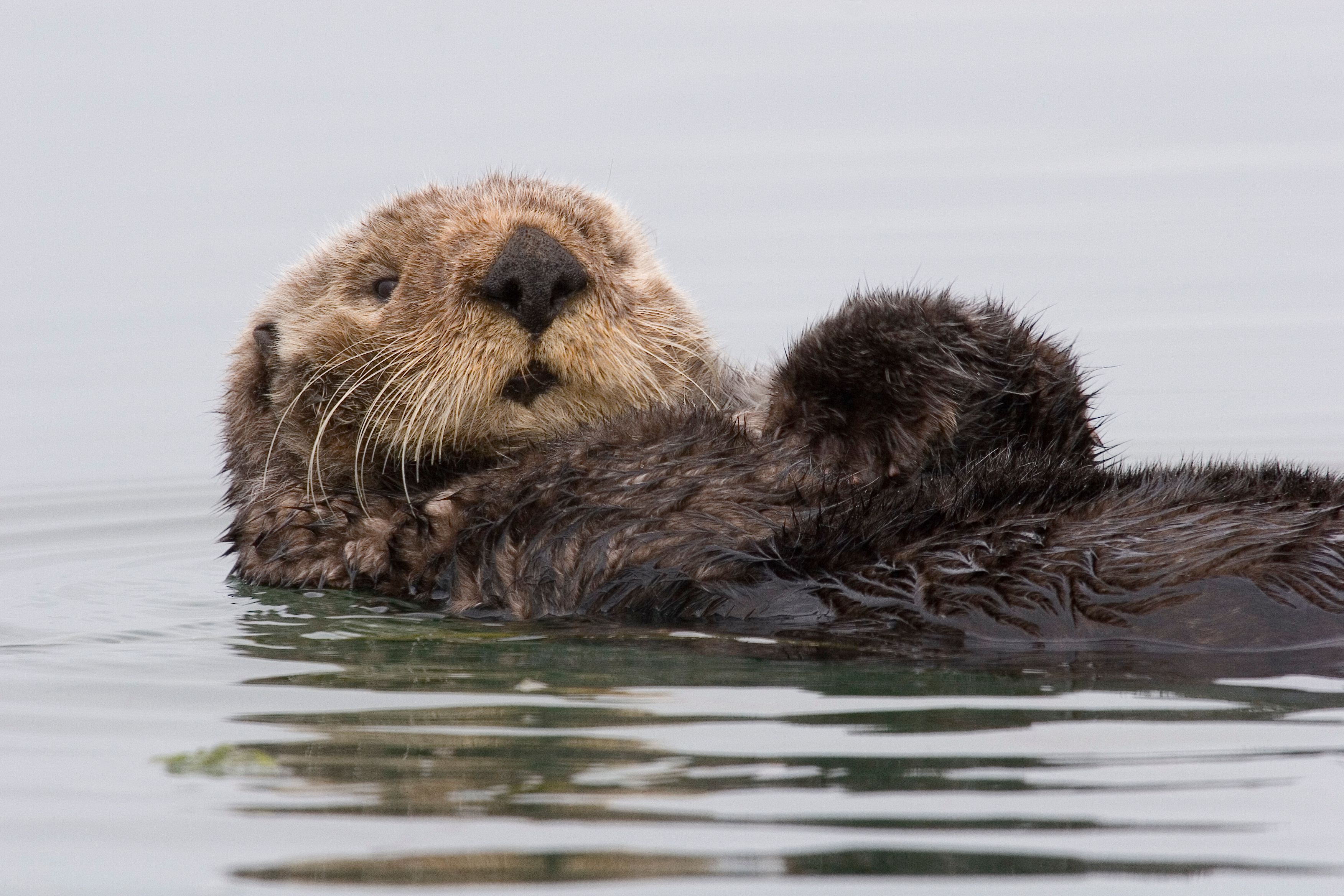
Sea otters balance stone hammers on their chests and pound shellfish against natural anvils, a learned craft that varies by coastline. Some populations favor certain tools and prey types, and those preferences persist like local cuisines. Mothers teach pups through repeated, finely timed demonstrations on kelp rafts. That patient instruction yields technique, not just instinct.
Tool choice even seems to reflect trade-offs: speed versus safety, calories versus risk. When conditions change, otters shuffle tactics, a nimble response that stabilizes their day-to-day survival. Intelligence here is pragmatic, wet, and loud.
Beyond Words: African Grey Parrots
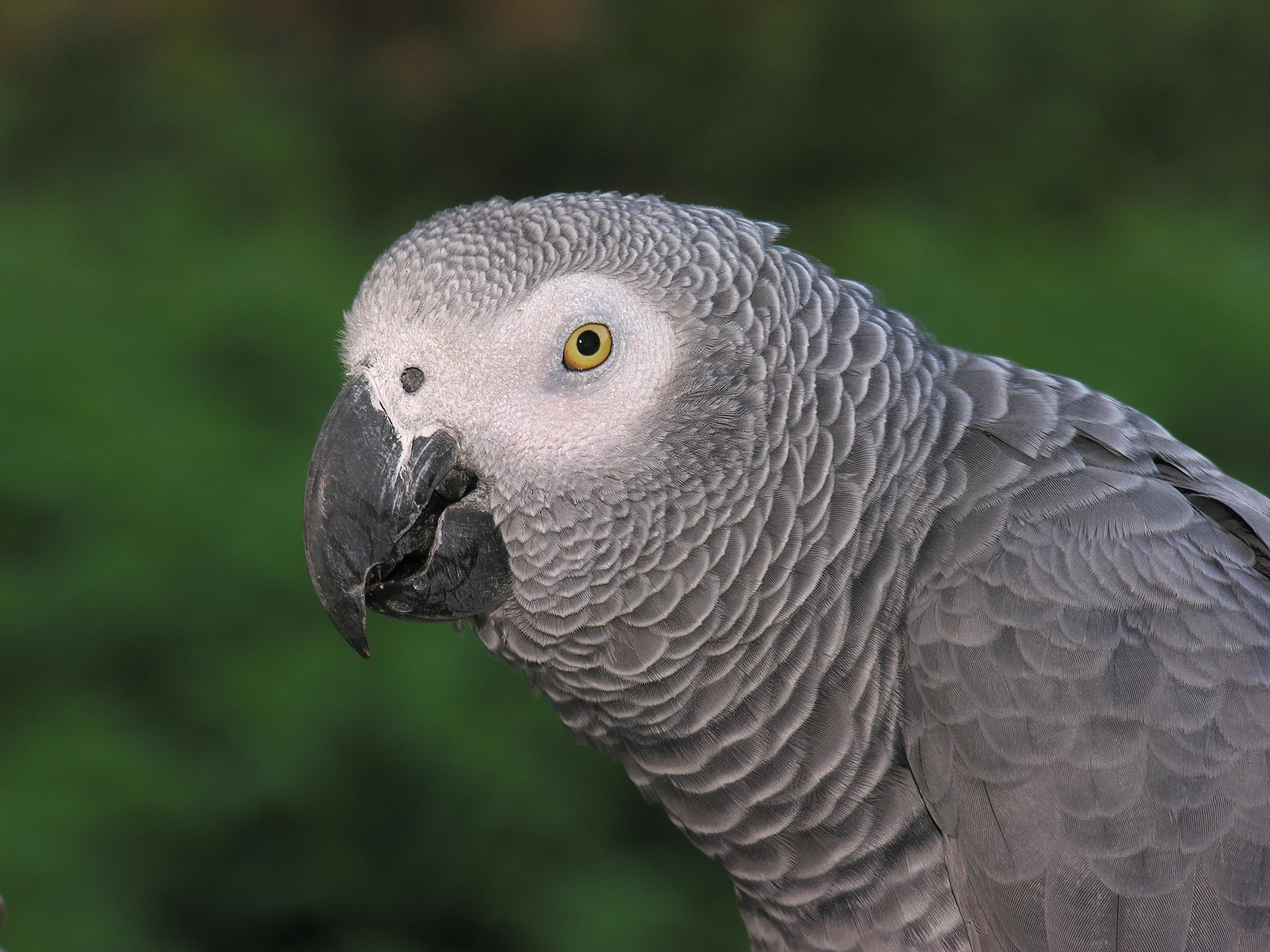
African grey parrots weave vocal learning with concept-like flexibility. In controlled tasks, they have shown the ability to match categories such as color or shape and to switch rules when the pattern changes. Their accuracy is not mere mimicry; it’s a demonstration that symbols can be mapped to ideas and then recombined. They attend to social context too, shaping calls and timing for effect.
In the wild, that talent becomes problem solving under pressure – finding food, avoiding predators, negotiating space with a flock. Their minds seem to run on attention and inference, the same fuels that drive many human insights. Small body, big bandwidth.
Social Calculus: Spotted Hyenas
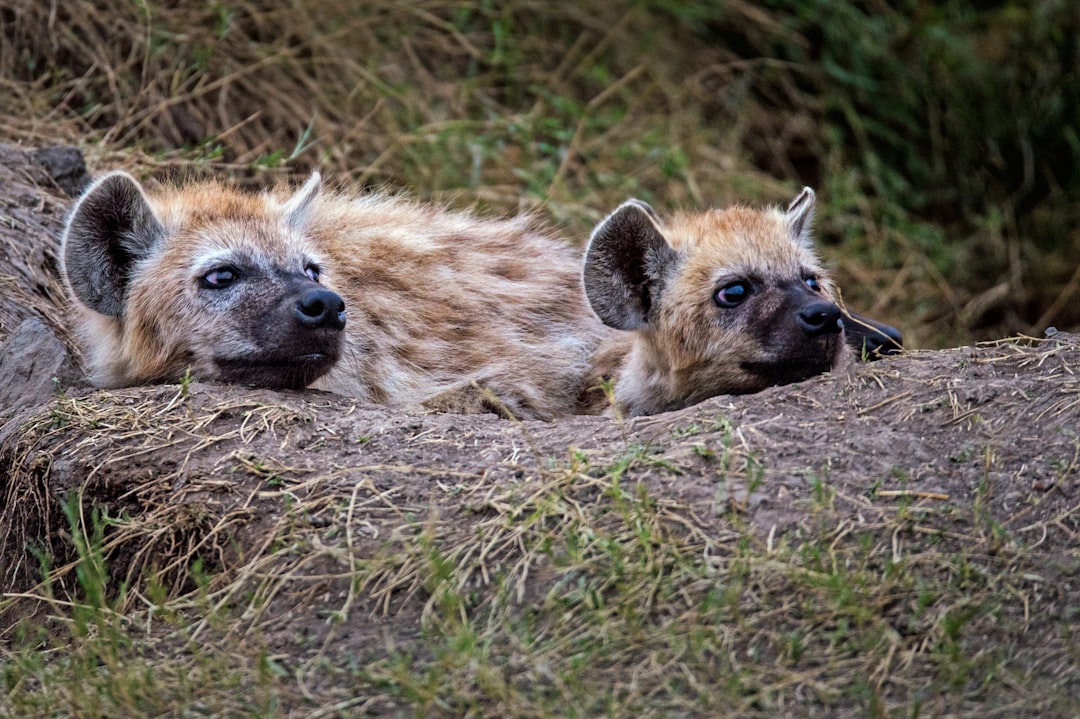
Spotted hyenas navigate clans where alliances rise and fall like markets. They remember third-party relationships – who sides with whom – and leverage that knowledge during conflicts and hunts. In cooperative tasks, they coordinate with speed that rivals primates, flexing roles as conditions change. Their vocalizations carry rich information about identity and status, tools for social engineering under the stars.
What looks like chaos at a carcass is often strategy in motion. Individuals probe for openings, test loyalties, and learn from outcomes, then try again the next night. Call it ruthless if you want; it’s also a relentless education in cause and effect.
If these animals share a lesson, it’s that intelligence grows where curiosity meets culture. We’re not merely counting tricks; we’re witnessing communities that teach, revise, and sometimes surpass the challenges we set. The practical takeaway is clear: protect habitats, and you protect living libraries of knowledge. Support local conservation groups, back long-term field studies, and choose seafood, timber, and tourism options that keep wild teachers at work. Which of these minds surprised you most today?
Suhail Ahmed is a passionate digital professional and nature enthusiast with over 8 years of experience in content strategy, SEO, web development, and digital operations. Alongside his freelance journey, Suhail actively contributes to nature and wildlife platforms like Discover Wildlife, where he channels his curiosity for the planet into engaging, educational storytelling.
With a strong background in managing digital ecosystems — from ecommerce stores and WordPress websites to social media and automation — Suhail merges technical precision with creative insight. His content reflects a rare balance: SEO-friendly yet deeply human, data-informed yet emotionally resonant.
Driven by a love for discovery and storytelling, Suhail believes in using digital platforms to amplify causes that matter — especially those protecting Earth’s biodiversity and inspiring sustainable living. Whether he’s managing online projects or crafting wildlife content, his goal remains the same: to inform, inspire, and leave a positive digital footprint.