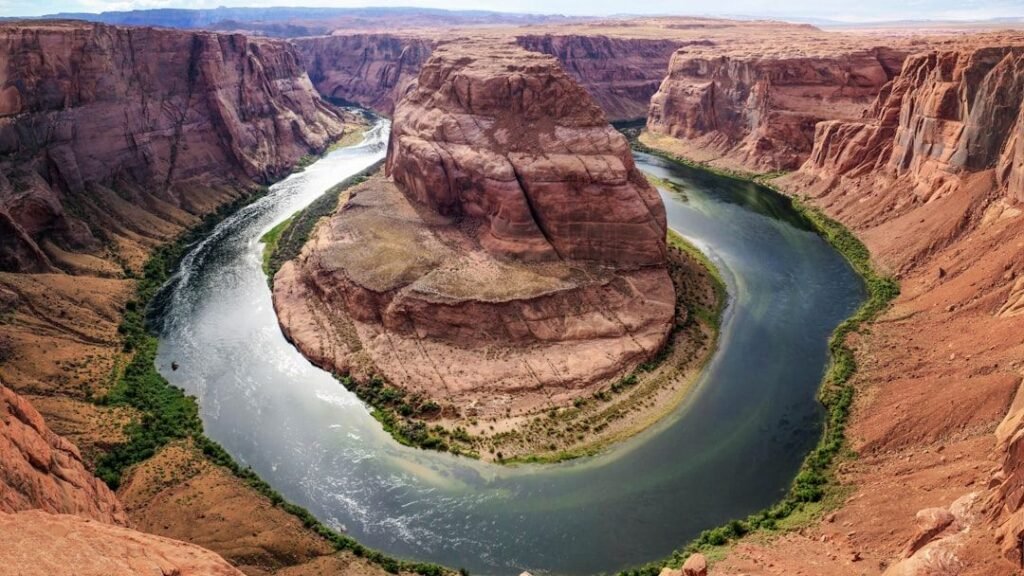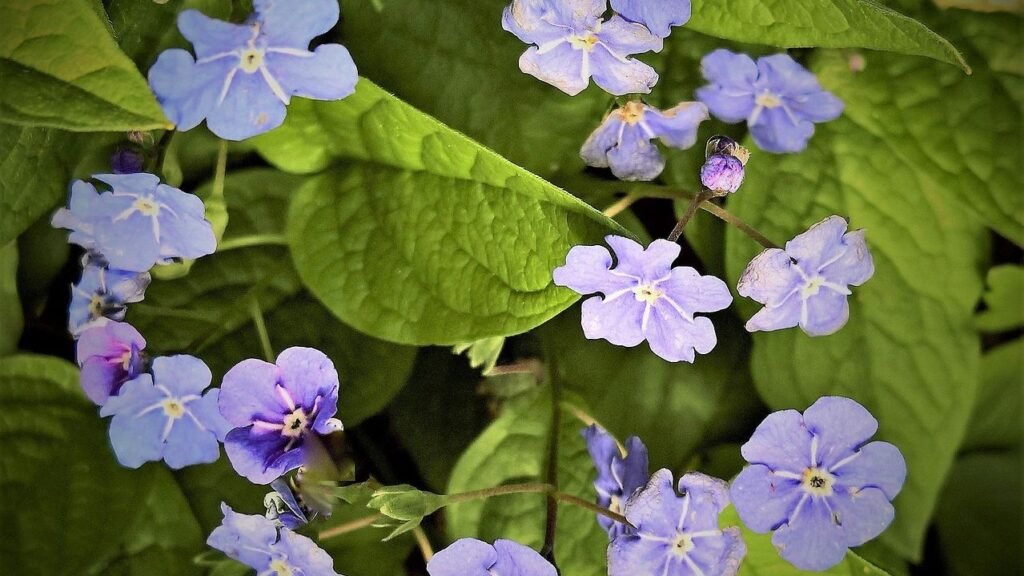

You might be wondering what allows certain plants to thrive where others would wither and die within days. The natural world contains extremes that sound almost fictional. From blistering deserts where temperatures soar beyond what most living things can endure, to frozen tundras where the ground itself stays locked in ice year-round, plants have found ways to not just survive, but actually flourish.
These botanical survivors have spent millions of years perfecting their craft. Their strategies are diverse, fascinating, and honestly, a bit mind-blowing when you really think about them. Let’s dive in.
Resurrection Plant: The Master of Coming Back From the Dead
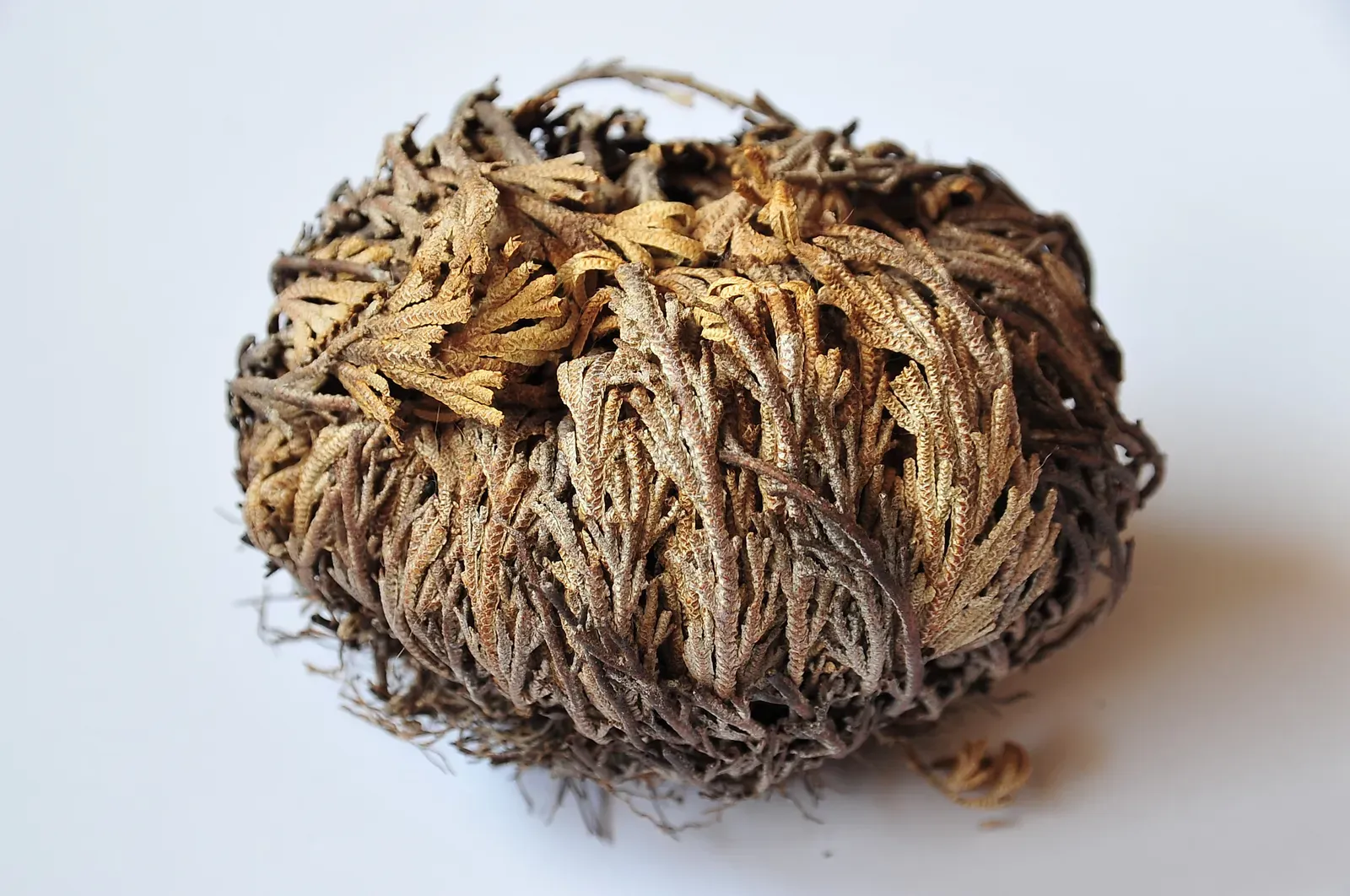
The resurrection plant can survive extreme desiccation and revive with water exposure, and these weather-proof plants can lose almost all of their liquid and then recover when rain returns. Imagine curling into a tight ball for months on end, looking completely lifeless, only to spring back to life the moment water touches you.
During dry spells, the resurrection plant curls into a tight ball, minimizing its surface area to reduce water loss, and this dormant state allows it to conserve energy until the next rainfall, at which point it unfurls its leaves and resumes photosynthesis. It’s hard to say for sure, but this might be one of nature’s most dramatic comebacks.
Arctic Willow: Surviving the Frozen North
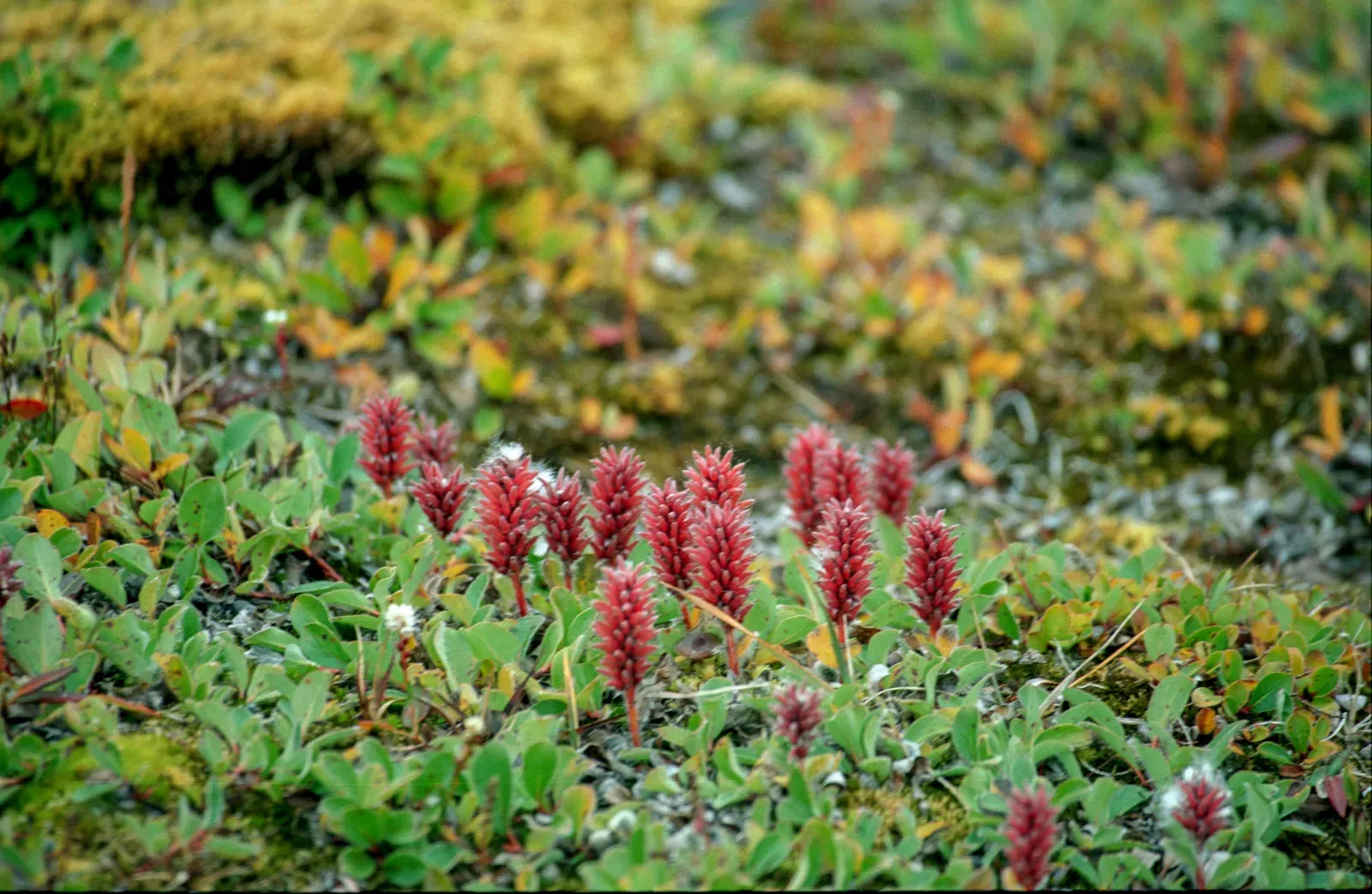
Dwarf shrubs represent the largest woody vegetation in the tundra, remaining close to the ground and rarely exceeding a few inches in height, and the Dwarf Willow is one of the world’s smallest “trees,” growing prostrate along the ground to avoid the harshest winds. You’d probably walk right past it without even noticing it’s technically a tree.
Arctic plants have evolved distinct physical structures that create protective microclimates, with most species adopting a cushion or mat growth habit, remaining close to the ground to stay beneath the harsh wind boundary layer, and this low-growing form allows the plant to absorb heat from the warmer soil and benefit from the insulating effect of snow cover. Snow becomes a blanket instead of a burden. The plant stays warmer underneath than you’d think possible when surrounded by ice.
Welwitschia: The Ancient Desert Oddity
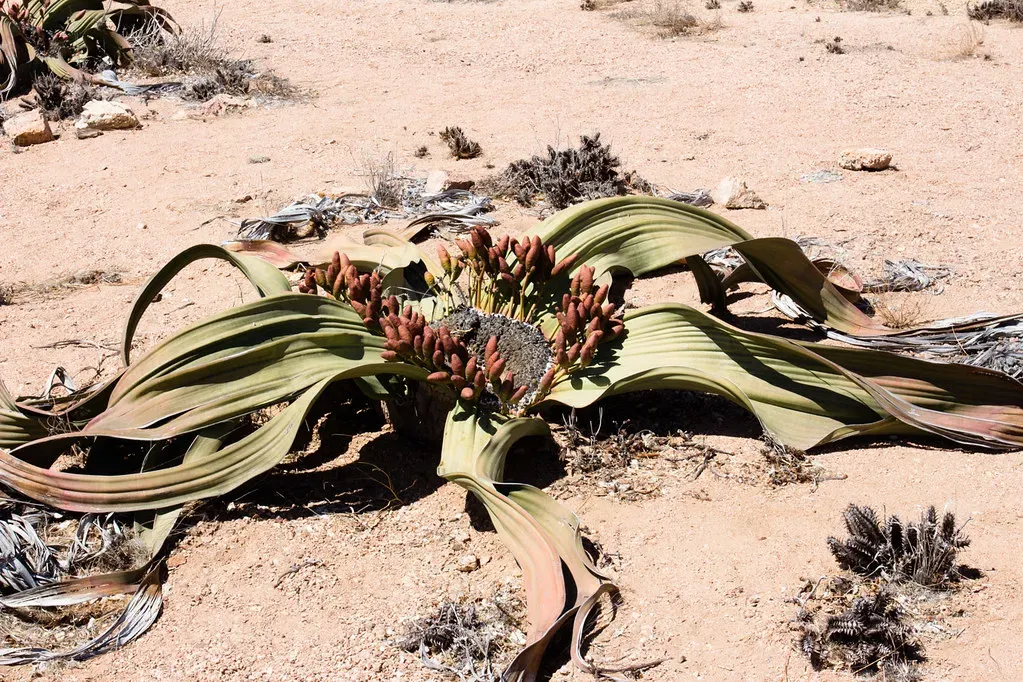
This plant looks like something that crash-landed from another planet. Found only in the Namib Desert, Welwitschia can live for over a thousand years with just two leaves that never stop growing. These leaves split and twist over time, creating a tangled mess that somehow keeps the plant alive in one of Earth’s driest places.
The secret lies in its ability to absorb moisture from coastal fog. Deep taproots also reach underground water sources that other plants can’t access. It’s a slow grower, but patience pays off when you’re built to outlast centuries of drought.
Baobab Tree: Africa’s Water-Storing Giant
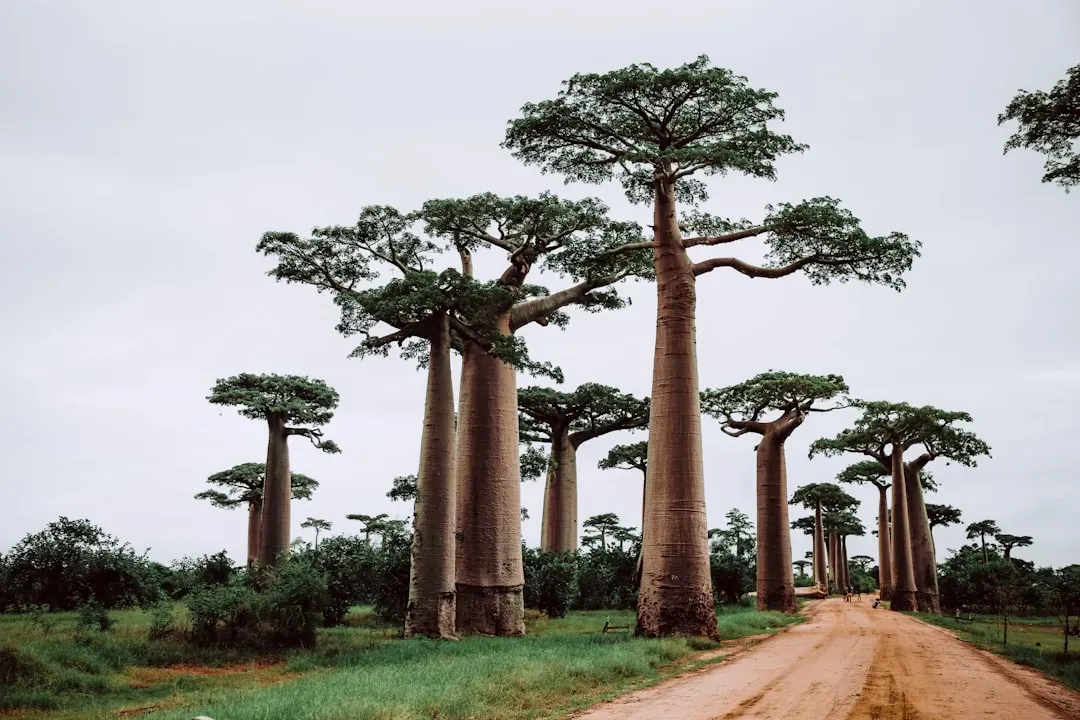
The baobab comes from Madagascar, and this island nation is famous for its unique wildlife and diverse plant life, with the baobab adapted to Madagascar’s subtropical climate, which has a hot and rainy season followed by a cool, dry season. These trees can reach massive proportions, their trunks swelling to store thousands of gallons of water.
During the rainy season, baobabs absorb and hoard water like living reservoirs. When drought strikes, they tap into these reserves, keeping themselves alive while everything around them dries up. Local wildlife and people have relied on baobabs for water during desperate times, making these trees literal lifesavers.
Lithops: The Living Stones of South Africa
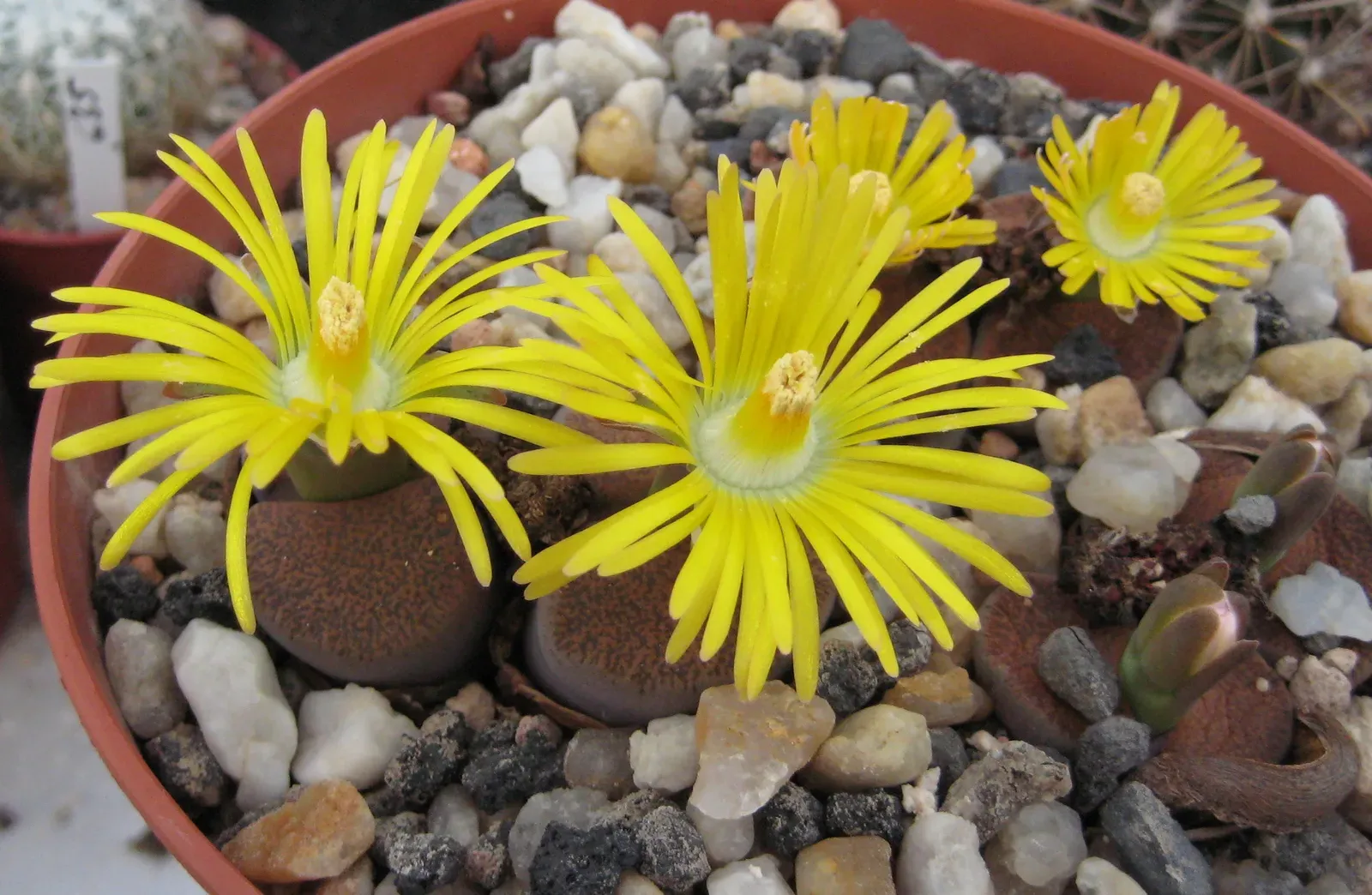
Let’s be real, if you placed Lithops in a pile of actual rocks, you probably wouldn’t spot the difference. These succulents have mastered camouflage to an extreme degree. Their stone-like appearance protects them from being eaten by animals in the harsh South African deserts where they grow.
Lithops store water in their thick, fleshy leaves and remain mostly buried underground. Only the flat tops of their leaves peek above the soil, looking exactly like pebbles. When rain finally arrives, they produce delicate flowers that seem impossibly beautiful compared to their drab, rock-like bodies.
Antarctic Hair Grass: One of the Southernmost Survivors
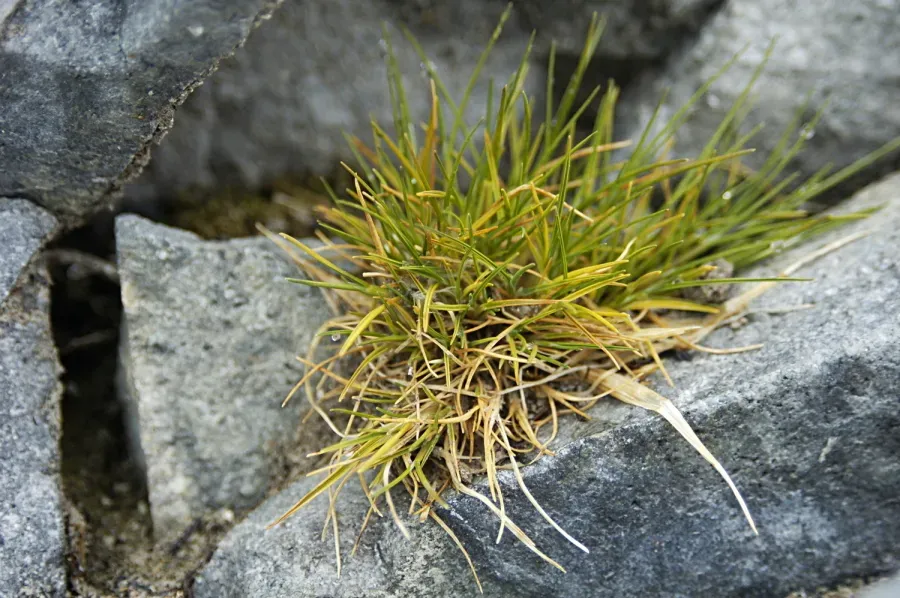
Antarctic Hair Grass is one of only two species of flowering plants native to Antarctica, it is a perennial grass which colonizes near moss and lichen, the plant reproduces sexually through self pollination, and the seeds remain closed until the summer, at which time they are released and can germinate before winter arrives. Think about that for a second: a continent covered in ice, yet this grass finds a way.
Antarctic Hair Grass has acquired adaptations related to photosynthesis, with the optimal temperature for photosynthesis in these plants around 10°C. Most plants would consider that freezing, but for Antarctic Hair Grass, that’s prime growing weather. It makes the most of the brief Antarctic summer when temperatures barely climb above freezing.
Saguaro Cactus: The Icon of Desert Endurance
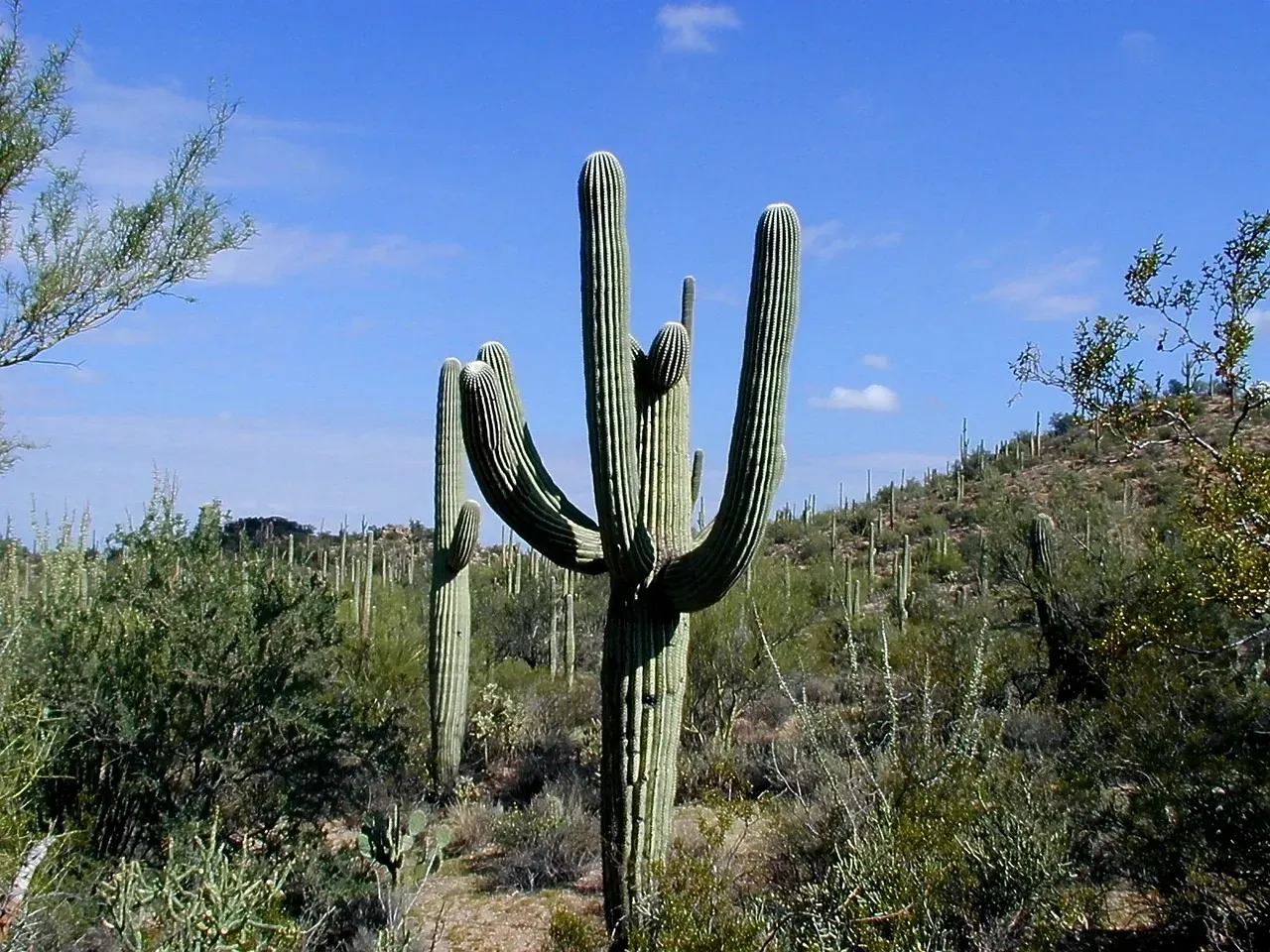
Cacti use spines to reduce herbivory and shade stomata, lowering transpiration by up to 75%, and shallow, widespread roots capture flash flood water, while deeper mesquite roots tap aquifers up to 50 meters below. The saguaro is probably what pops into your head when someone says “desert plant,” and for good reason.
These massive cacti can live for over 150 years and grow arms that reach toward the sky like they’re waving. Their accordion-like pleats expand when water is available, allowing them to store massive amounts. During droughts, they slowly shrink as they use up reserves, but they can go months without a single drop of rain.
Mangrove Trees: Thriving Where Land Meets Sea
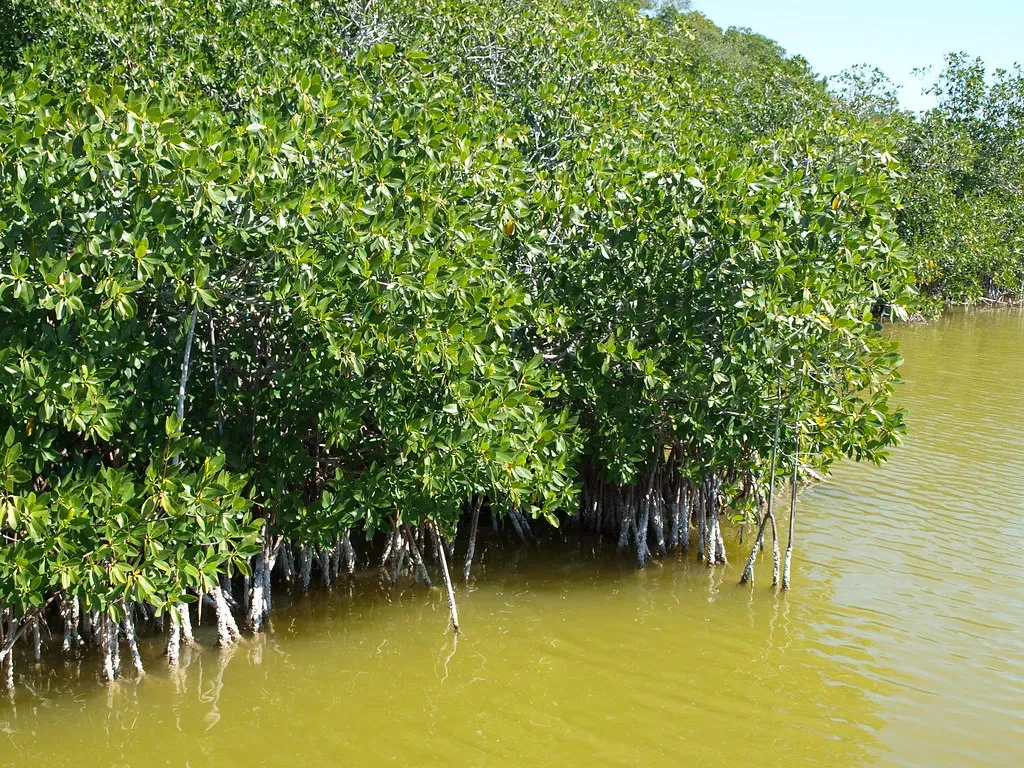
Mangrove trees have developed unique adaptations to salty, waterlogged soils, with their elaborate root systems stabilizing coastal areas and helping them survive in saline conditions, and the roots anchor them in the shifting sands and filter out salt, allowing the plant to extract fresh water from the saline environment. Honestly, it’s remarkable how they’ve solved a problem that would kill most plants instantly.
Some species can shed leaves during droughts to reduce the loss of liquid and conserve energy until more favorable conditions return. Mangroves create entire ecosystems, providing shelter for fish, birds, and countless other creatures. They also protect coastlines from erosion and storm surges, making them environmental superheroes.
Aloe Vera: The Drought Specialist
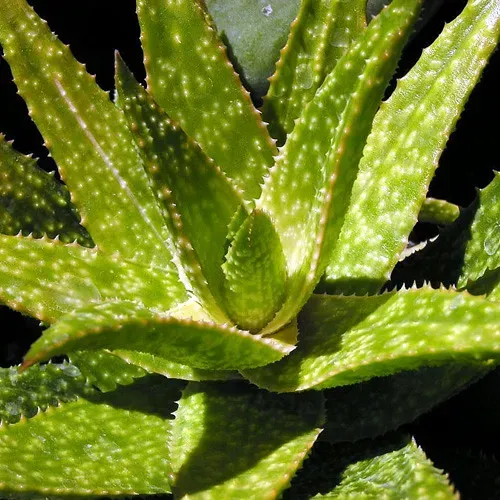
Aloes have special adaptations to survive drought, with their thick waxy leaves able to survive in harsh climates with little rain as they have special water-storing tissues called parenchyma. You’ve probably used aloe gel on a sunburn before, but that gel serves a far more important purpose for the plant itself.
That clear, gooey substance is the aloe’s water storage system. The waxy coating on its leaves prevents evaporation, while the succulent tissues inside hold moisture for extended periods. Aloe can go weeks without water, making it perfect for regions where rain is unpredictable and scarce.
Purple Saxifrage: The Arctic Bloomer
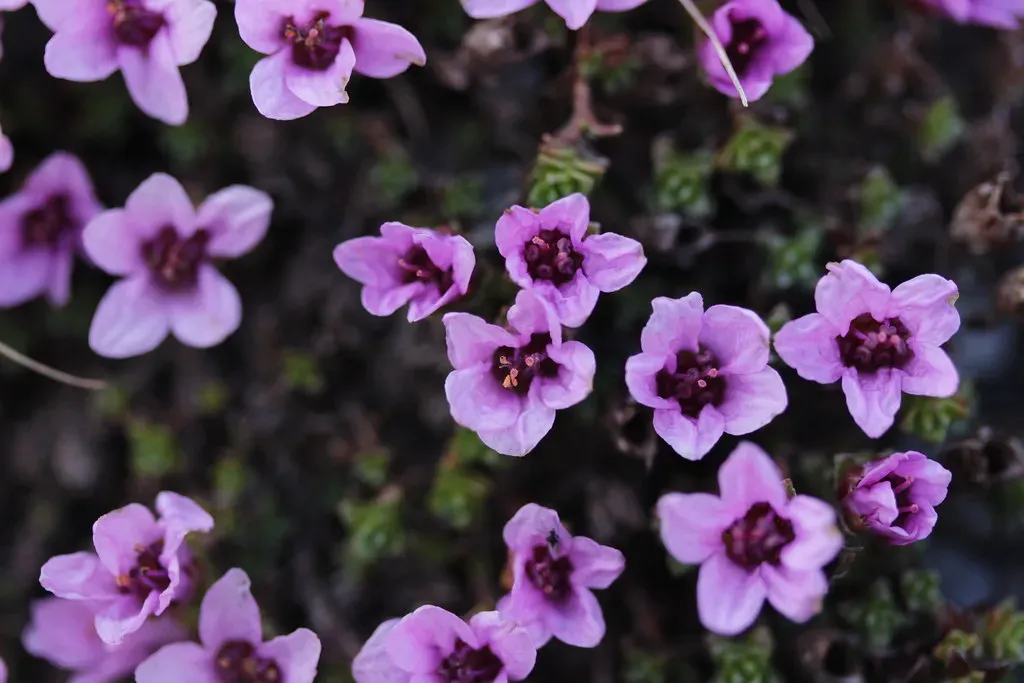
Approximately 1,700 species of plants live on the Arctic tundra, including flowering plants, and plants grow close to the ground and to each other, a strategy that helps to resist the effects of cold weather and reduce damage caused by wind-blown snow and ice particles. Purple saxifrage pushes the limits of where flowering plants can exist.
Many Arctic species can grow under a layer of snow, and virtually all polar plants are able to photosynthesize in extremely cold temperatures, and during the short polar summer, plants use the long hours of sunlight to quickly develop and produce flowers and seeds. When the brief summer arrives, purple saxifrage explodes with vibrant purple flowers, creating carpets of color across barren arctic landscapes. It’s a reminder that even in the harshest places, beauty finds a way.
Conclusion: Nature’s Resilience on Full Display
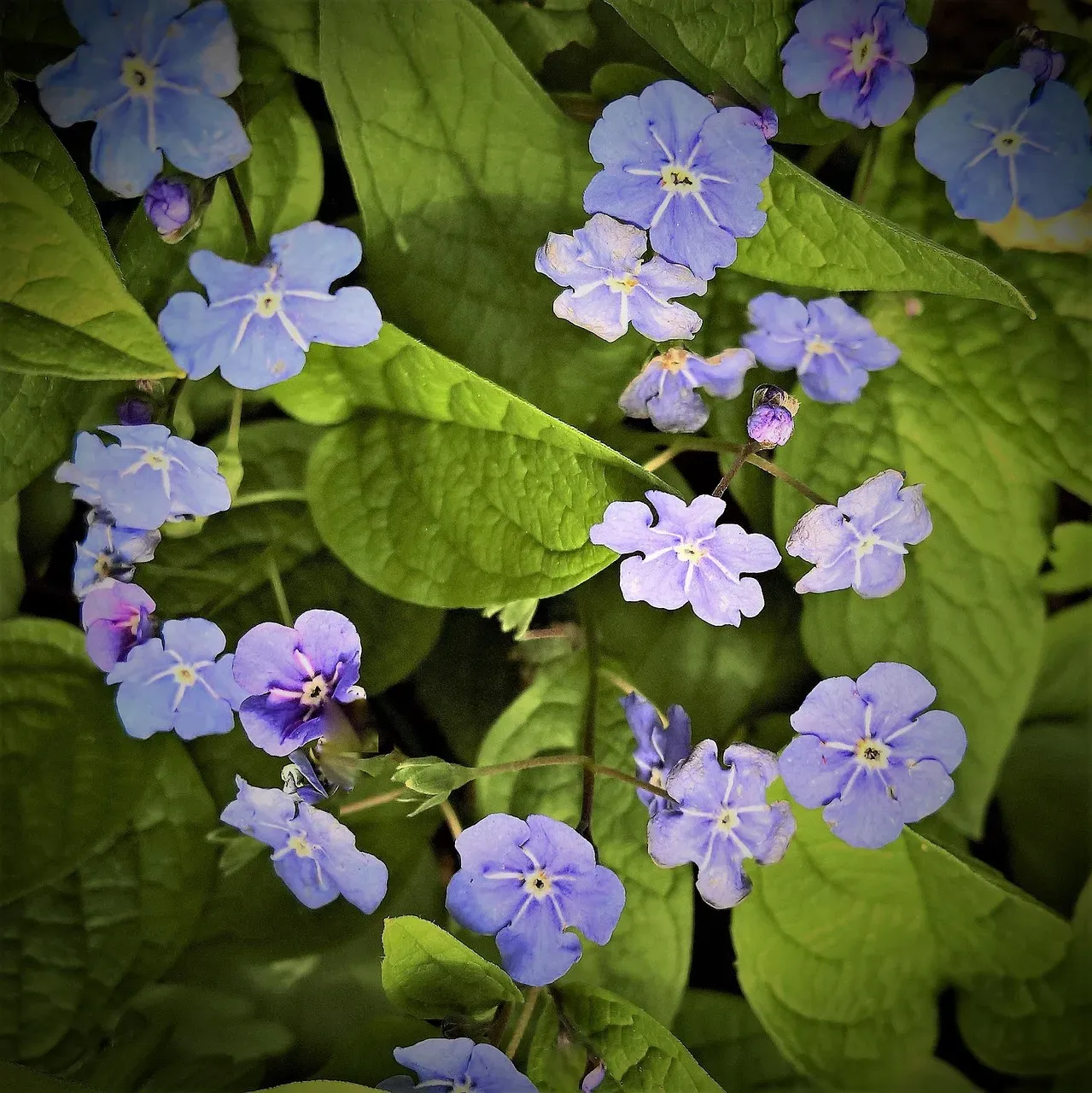
Extreme botany reminds us that life adapts in astonishing ways, with plants that survive floods, droughts, and freezing temperatures representing centuries of refinement, and they stand as living proof that persistence often wins over comfort. These ten plants showcase strategies refined over millions of years, each one perfectly suited to its brutal environment.
From water storage and protective coatings to dormancy and specialized photosynthesis, these survivors teach us about adaptation and endurance. What do you think is the most impressive survival strategy? Which plant surprised you the most?