
Every day we walk on sidewalks and drive along roads, barely thinking about the ground beneath us. Meanwhile, deep under our feet, continents are grinding, magma is rising, and ancient rock is being twisted like soft clay over unimaginable spans of time. The landscapes we see as static postcards are actually snapshots from a wild, ongoing story written by ice, fire, wind, and water.
This article takes you through ten natural wonders that simply don’t make sense when viewed through the lens of everyday experience. They are so massive, so old, or so violently shaped that our usual mental yardsticks almost break trying to measure them. You can look at photos, watch documentaries, or even stand right in front of them – and still feel you’ve only half-understood what you’re seeing.
The Grand Canyon: A River That Cut Through Time
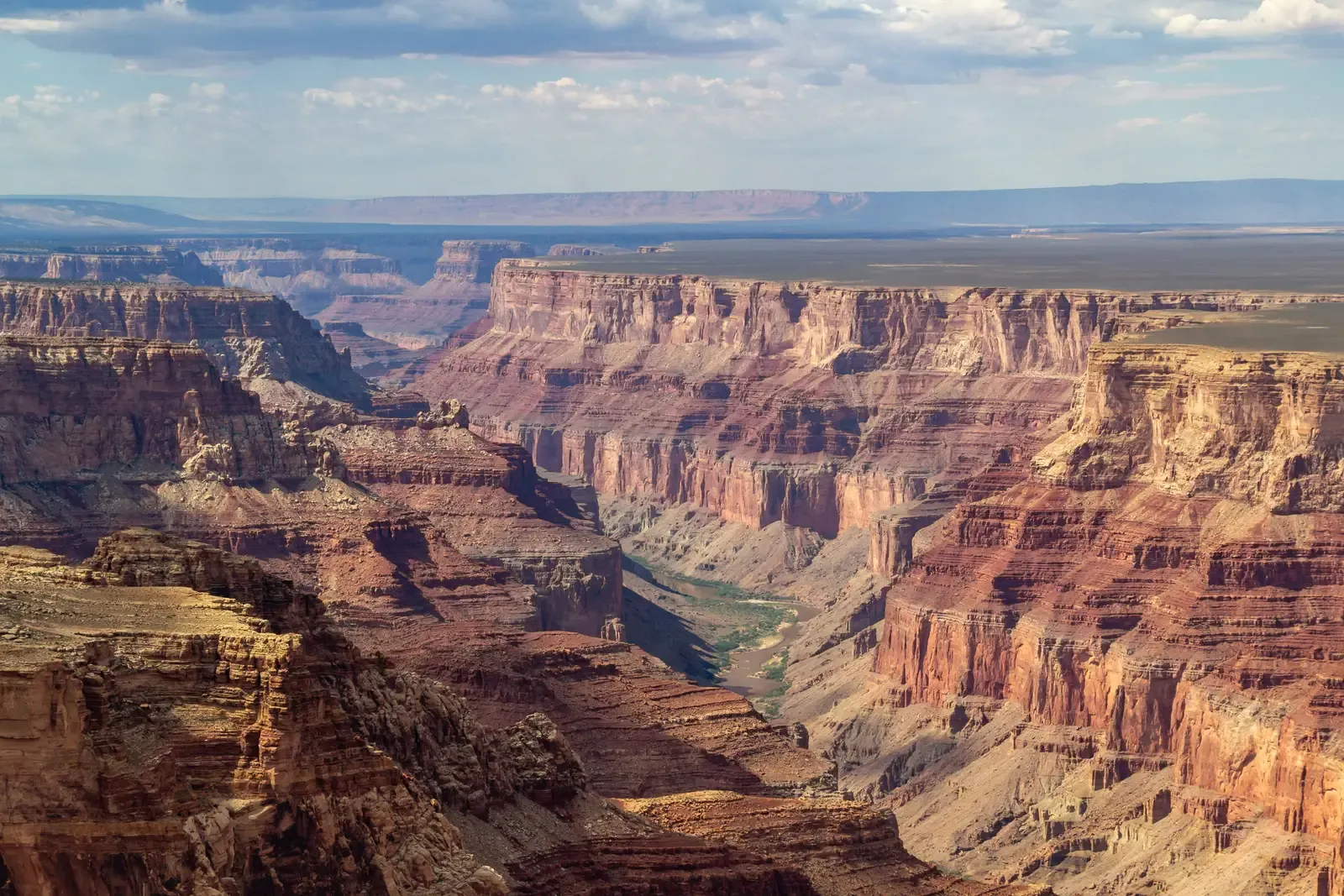
Imagine a river so stubborn it spends millions of years sawing through solid rock, layer after layer, revealing nearly two billion years of Earth’s history. That’s the Grand Canyon, a place where time is not just an idea but a staircase of colored stone stretching from ancient oceans to vanished deserts. The Colorado River, which looks almost modest from the rim, has patiently carved this chasm through uplifted rock, guided by tectonic forces that slowly raised the Colorado Plateau like an enormous dinner plate.
What shocks most people is how thin and fragile the river appears compared to the size of the canyon it created. You stand on the edge, see the tiny ribbon of water far below, and your brain protests that this just isn’t possible. Yet it’s the slow violence of erosion – water carrying away grains of sand, floods shaving off chunks of cliff, gravity pulling rocks down – that does the work. It’s a reminder that given enough time, persistence beats brute strength, and even a “small” river can rewrite the surface of a continent.
Mount Everest and the Himalayas: Mountains Born from a Colliding World
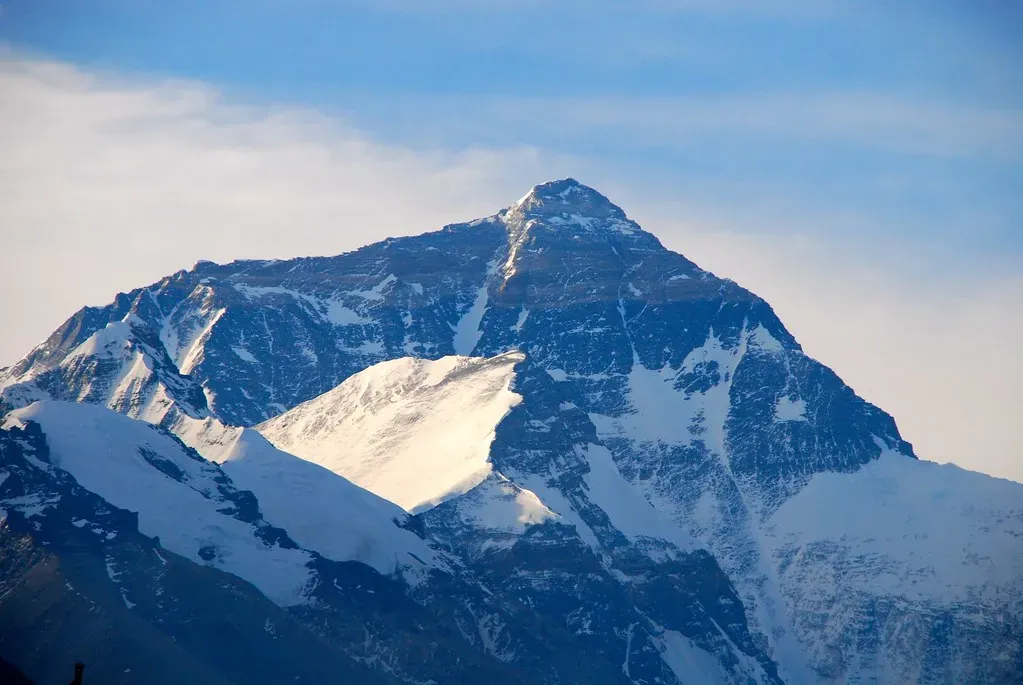
Mount Everest tends to be described in terms of altitude and climbing records, but its most mind-bending story lies deep beneath the snow. The Himalayas exist because an entire continent – India – slammed into another continent – Eurasia – and is still grinding into it today. This isn’t a poetic exaggeration; the collision is ongoing, and the mountains are actually still rising by tiny amounts each year, even as erosion wears them down.
The rock at the summit of Everest was once part of an ancient seabed, filled with marine sediments and fossils. That means the highest point on Earth’s surface was once at the bottom of an ocean, lifted up by forces powerful enough to shove whole slabs of crust thousands of meters into the sky. When you look at photos of climbers inching along razor-thin ridges, you’re really seeing people walking on the warped seam where two drifting pieces of the planet crashed like slow-motion tectonic cars.
The Northern Lights: Solar Storms Painting the Sky
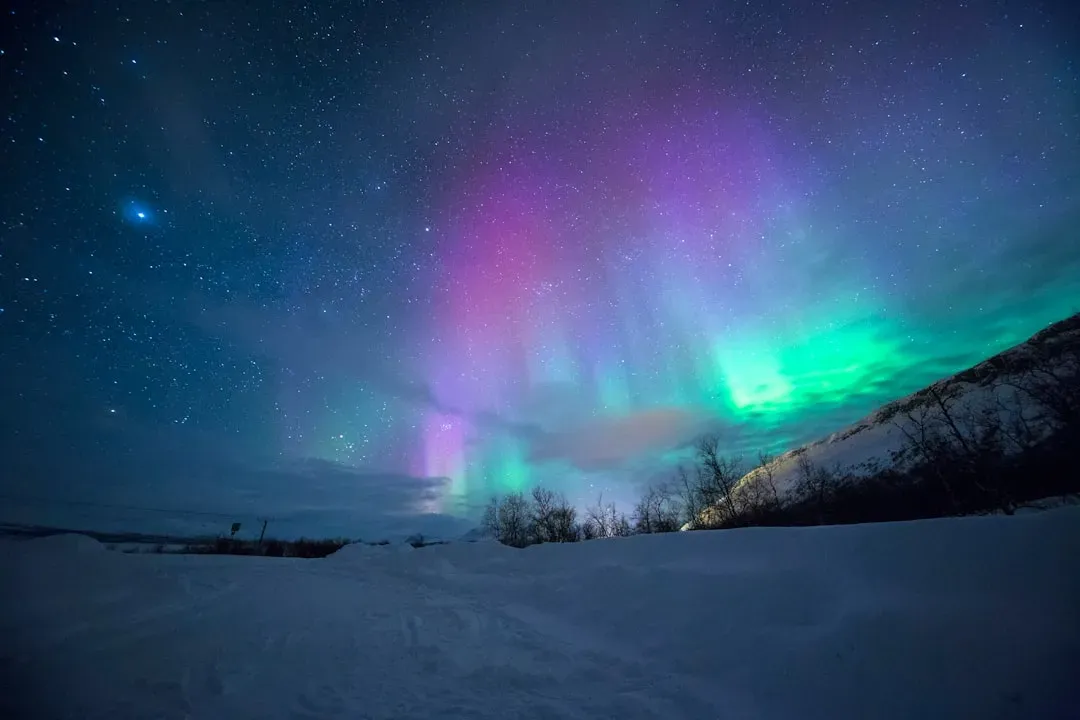
The aurora borealis looks almost magical – curtains of green, pink, and violet light rippling silently above frozen landscapes. But those shimmering colors are the visible traces of high-energy particles from the Sun smashing into Earth’s upper atmosphere at incredible speeds. The Sun constantly throws off a stream of charged particles called the solar wind, and during stronger solar storms, that flow intensifies, slamming into the magnetic shield around our planet.
Earth’s magnetic field then guides these particles toward the polar regions, where they collide with atoms of oxygen and nitrogen high above us. Those collisions excite the atoms, which release energy as light, producing the eerie, ghostlike glows that dance across the sky. To our eyes, it feels poetic and mysterious, but in physical terms, it’s closer to a gigantic, planet-sized neon light powered by space weather. Standing under a powerful aurora, you’re watching your planet actively interacting with the Sun in real time.
Victoria Falls: A River Plunging into a Cracking Earth
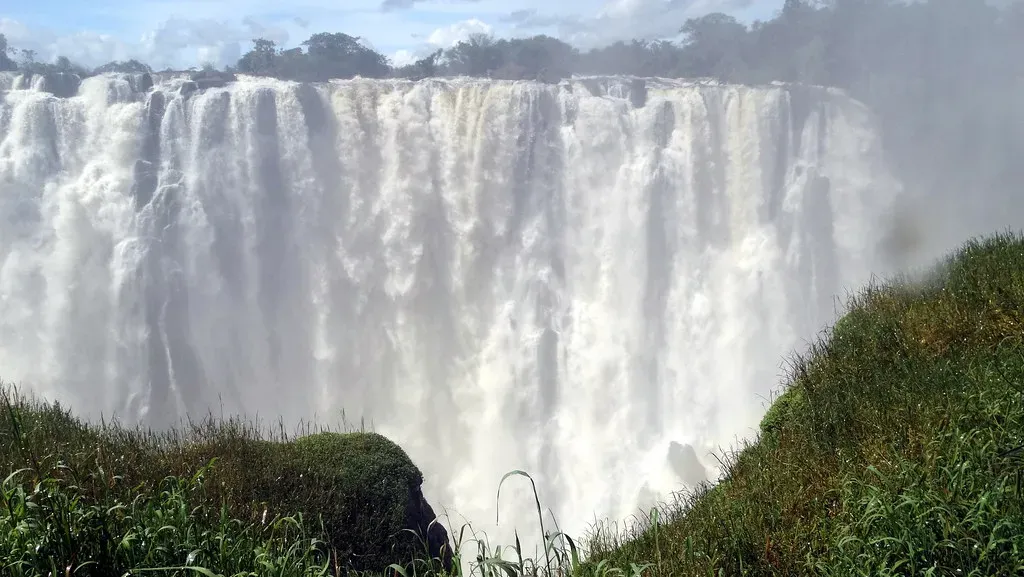
Victoria Falls, straddling the border of Zambia and Zimbabwe, is not just a big waterfall; it’s a waterfall carved into an evolving system of fractures in volcanic rock. The Zambezi River flows peacefully across a flat plateau until it suddenly drops into a narrow chasm, creating a wall of water so wide and tall that the local spray can form its own weather of mist and rainbows. The roar can be heard from far away, and the constant cloud of water vapor rises like breath from the planet itself.
Geologically, the falls are migrating upstream over time. The river is exploiting cracks and faults in the basalt bedrock, gradually eroding new gorges while abandoning older ones. Seen from above, it looks as if the river is slowly sawing its way inland, each new cut shifting the curtain of water back, gorge by gorge. You’re not just looking at a waterfall when you visit; you’re catching the Zambezi mid-sentence in a story where rock gives way to relentless water, inch by inch.
The Great Barrier Reef: A Living Structure Visible from Space
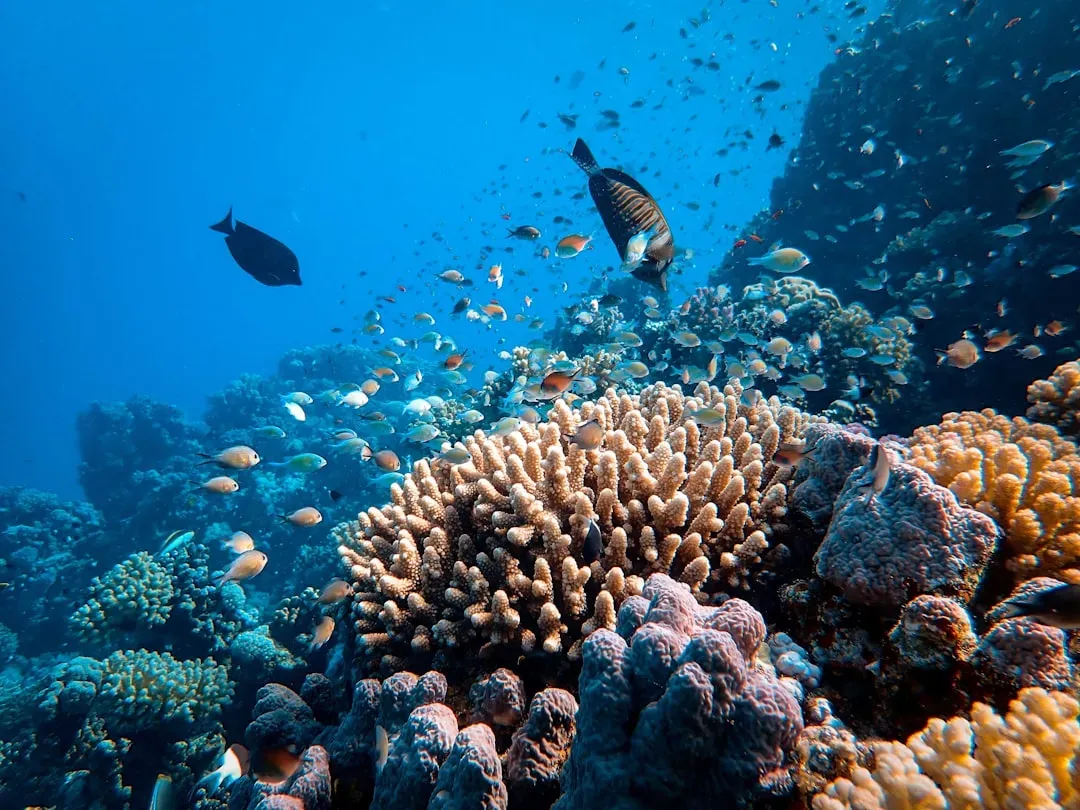
The Great Barrier Reef is so enormous that it’s often compared to a living city stretching for thousands of kilometers off Australia’s northeastern coast. But it’s more like a vast, interconnected nation built by countless tiny organisms – coral polyps – layering skeleton upon skeleton over hundreds of thousands of years. Each polyp is a soft, fragile little creature, yet together they form limestone structures big enough to be detected from space.
The forces shaping this wonder are subtle and complex: changing sea levels, water temperatures, ocean chemistry, and the balance between coral growth and erosion by waves. Coral reefs grow best in warm, clear, shallow waters, but they are incredibly sensitive to shifts in temperature and acidity. In recent decades, marine heatwaves and bleaching events have stressed huge portions of the reef, revealing just how vulnerable even the mightiest natural architecture can be when climate systems tilt. This is a wonder that shows both the power and the fragility of life as a geological force.
Antelope Canyon: Sculpted by Flash Floods in Desert Silence
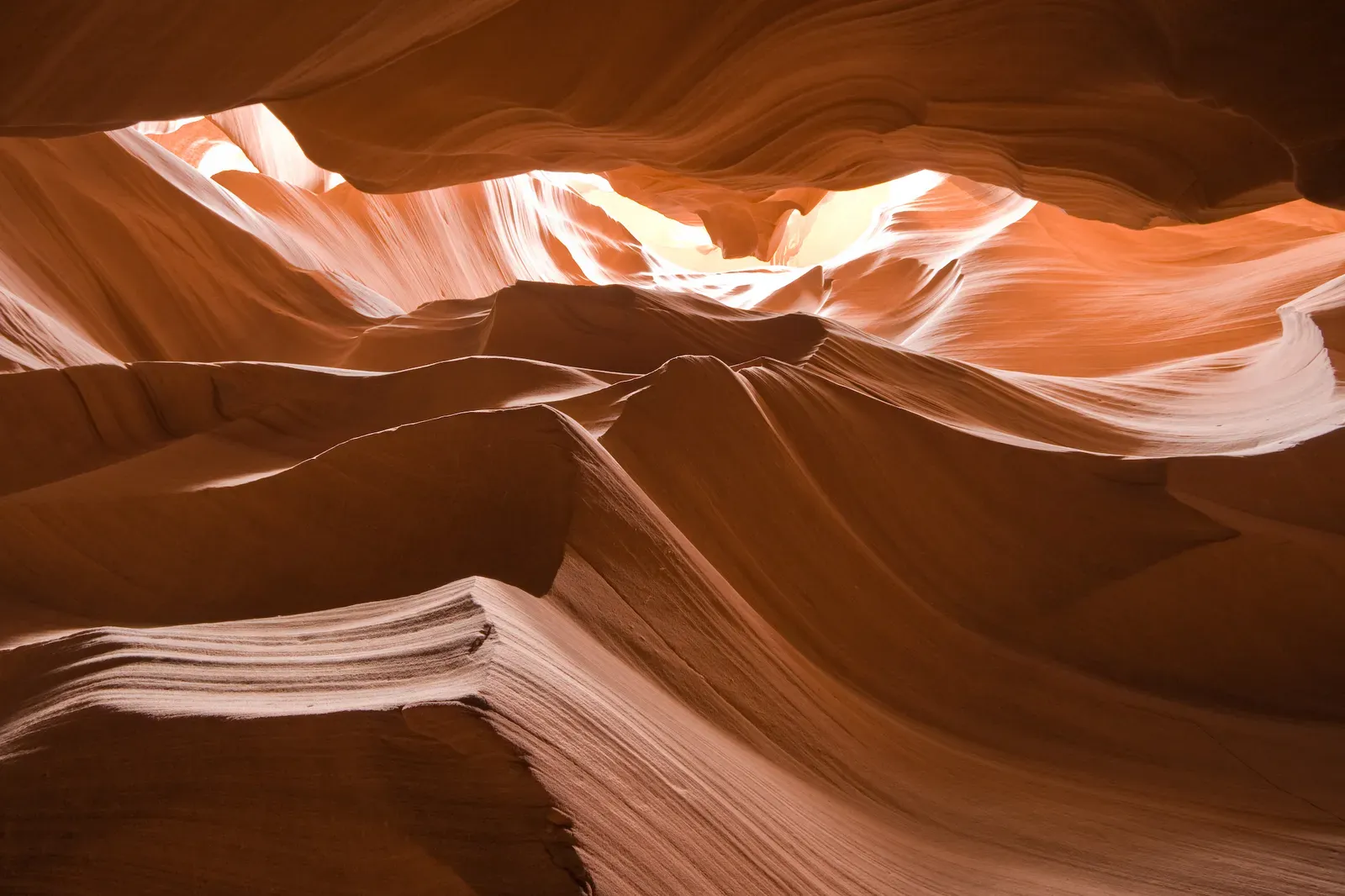
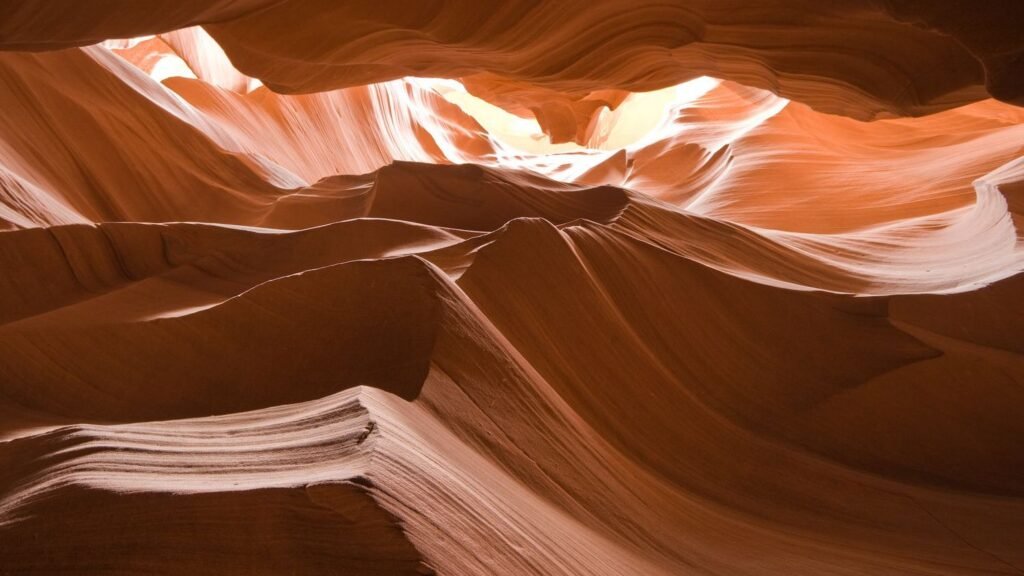
If you’ve ever seen photos of soft, flowing sandstone walls glowing in impossible shades of orange and red, you’ve probably seen Antelope Canyon in Arizona. It looks like an artist carved it with a giant chisel, but the sculptor here is violent, muddy, desert flash floods. On ordinary days the canyon can feel calm and almost sacred, with shafts of light cutting through narrow openings, yet its smooth curves were formed by torrents of water and sand grinding through the rock in brief, furious bursts.
Rainfall from miles away can funnel into these slot canyons, sending walls of water rushing through passages barely wider than your shoulders. As the water roars past, it carries bits of sand and rock that sandblast the canyon sides, slowly deepening and smoothing every surface. There’s a strange tension standing in such a serene, silent place knowing it was, and still is, created by chaos you do not want to be anywhere near. It’s a reminder that calm beauty often hides a wild origin story.
The Amazon Rainforest: A Self-Engineered Climate Machine
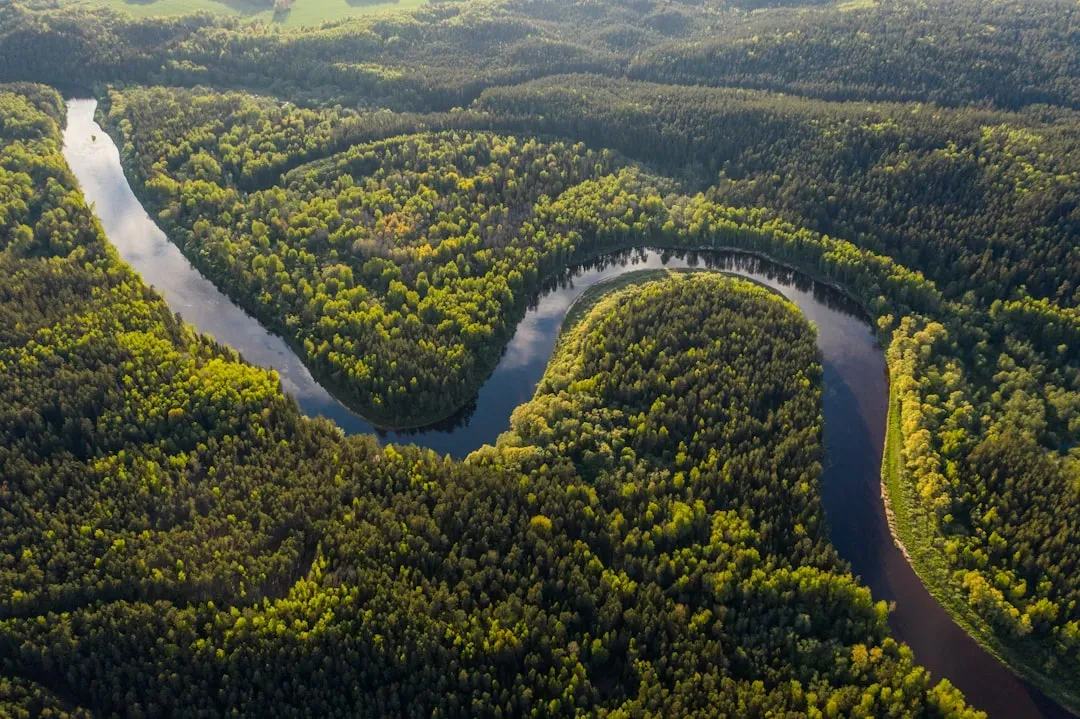
The Amazon Rainforest is usually described in terms of biodiversity, but its real superpower might be its role as a planet-scale climate engineer. Stretching across much of northern South America, it’s so large that it influences rainfall patterns far beyond its borders, even affecting weather in distant regions. The trees pull water from the soil and release vast amounts of moisture into the air, creating clouds and driving their own rainfall in a kind of atmospheric loop.
Scientists sometimes describe the Amazon as a living pump that recycles water again and again as it moves inland from the Atlantic. The forest also stores enormous quantities of carbon, moderating the impact of human greenhouse gas emissions. But as deforestation and climate change intensify, parts of this system are under stress, raising concerns that some regions could shift from rainforest to savanna. When you fly over this endless green expanse, you’re not just seeing trees; you’re looking at a living engine quietly helping stabilize the planet’s climate – and it’s an engine we’re tampering with.
Yellowstone: A Supervolcano Breathing Under a National Park
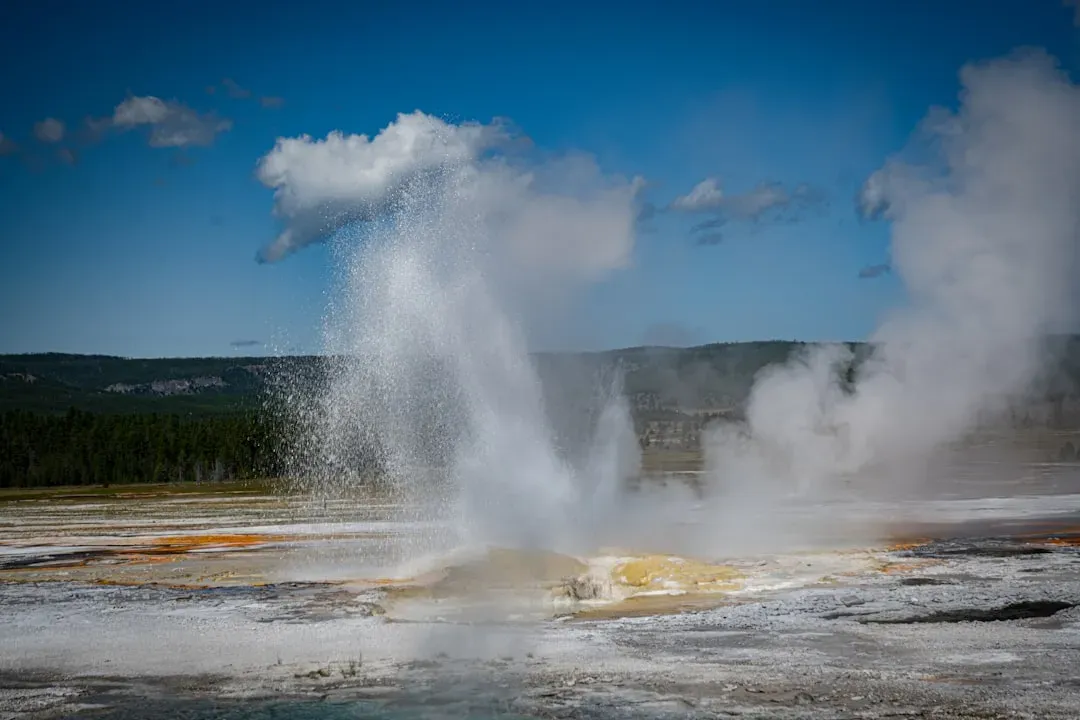
Yellowstone National Park looks, at first glance, like a scenic mix of forests, rivers, and picturesque mountains. Then you notice the boiling geysers, steaming vents, and pools of acid-colored water – and you realize something enormous is happening underground. The entire park sits atop a massive volcanic system, a hotspot feeding a magma reservoir that, in the distant past, has produced some of the largest eruptions known on Earth.
The geysers and hot springs are surface expressions of heat leaking from deep within the crust. Groundwater seeps downward, encounters hot rock, and then explodes back to the surface as steam and superheated water. While scientists monitor the region closely and there is no sign of an imminent super-eruption, the idea that you can camp, hike, and watch wildlife on top of an active caldera is surreal. It’s like picnicking on the lid of an immense, simmering pressure cooker that breathes in slow, geological time.
Iceland’s Volcanic Landscapes: A Rift Tearing a Country Apart
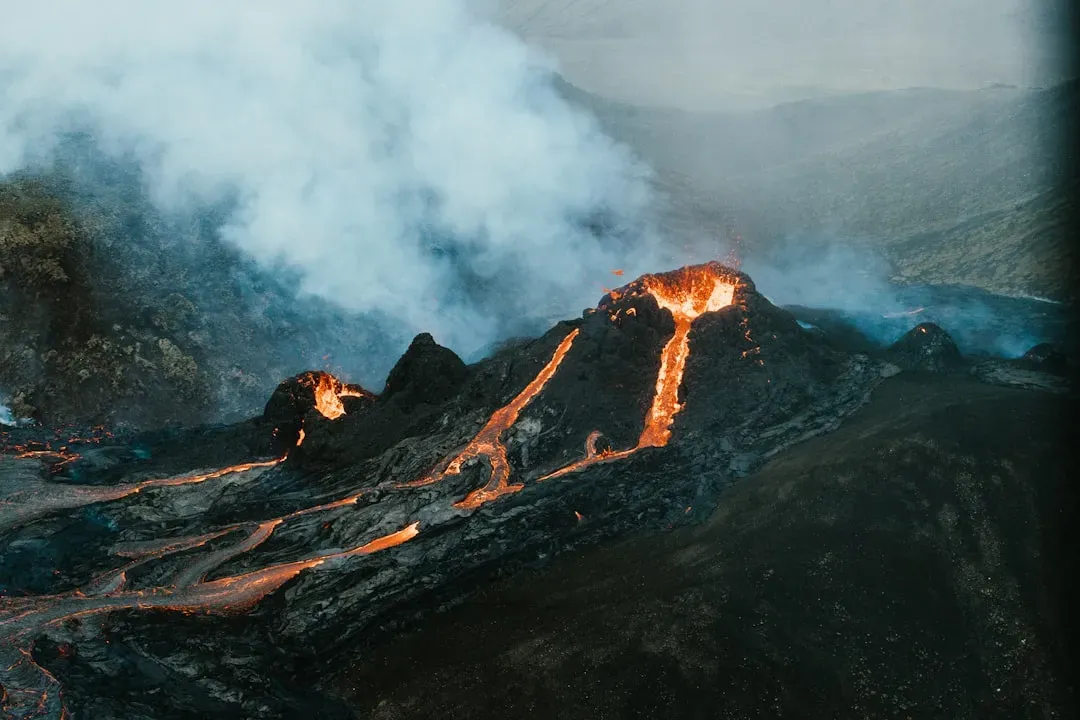
Iceland feels like it belongs on another planet: black lava fields, glaciers spilling down into the sea, and plumes of steam rising from the ground almost everywhere you look. The island sits astride the Mid-Atlantic Ridge, where two tectonic plates are slowly pulling away from each other, and on top of a volcanic hotspot for good measure. This combination makes it one of the most geologically active places on Earth, with frequent eruptions, new lava fields, and even land gradually being added to the island.
In recent years, eruptions on the Reykjanes Peninsula have captivated global attention, with glowing lava fountains visible just a short distance from populated areas. What feels wild and dangerous is, for geologists, a living laboratory that lets them watch plate tectonics shaping a landscape in real time. Walking between the visible edges of the plates, with Europa on one side and North America on the other, you can literally feel the planet stretching beneath your feet. It’s unsettling and exhilarating all at once, like standing at the seam of a slowly opening zipper in the Earth’s crust.
The Mariana Trench: The Deepest Scar in the Ocean Floor
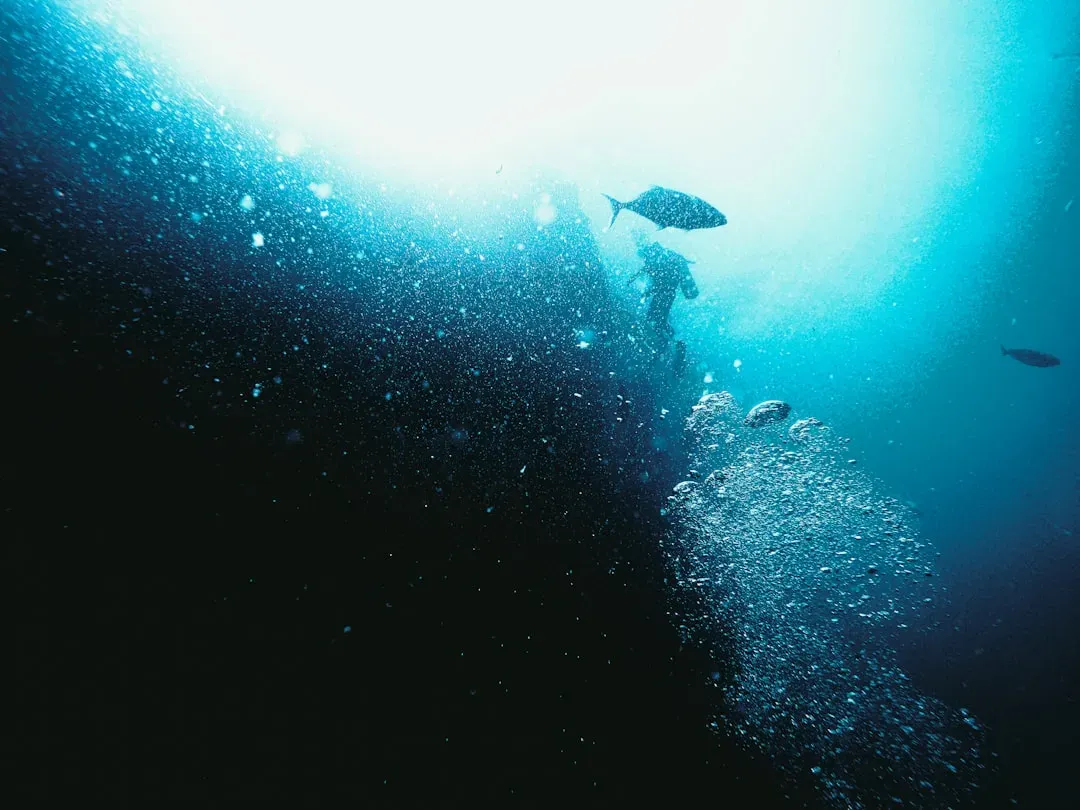
The Mariana Trench in the western Pacific is the deepest known point in Earth’s oceans, plunging down far deeper than Mount Everest is tall. It’s a place so remote and inaccessible that only a handful of crewed missions have ever reached its lowest point. Up above, the sea surface can be calm and ordinary, yet nearly eleven kilometers below, the pressure is so extreme that it would crush most human-made structures instantly.
This abyss exists because an oceanic plate is sliding beneath another in a process called subduction, pulling the seafloor down into the mantle. The trench is the surface expression of that descent, like the crease where one vast slab of crust dives below another. At the bottom, in near-total darkness and crushing pressure, life still persists in bizarre forms adapted to extremes we can barely imagine. When you look at a map and see that thin blue line labeled “Mariana Trench,” you’re really seeing the edge of a conveyor belt that slowly recycles the planet’s crust, dragging it into the deep interior over tens of millions of years.
Living on a Restless Planet
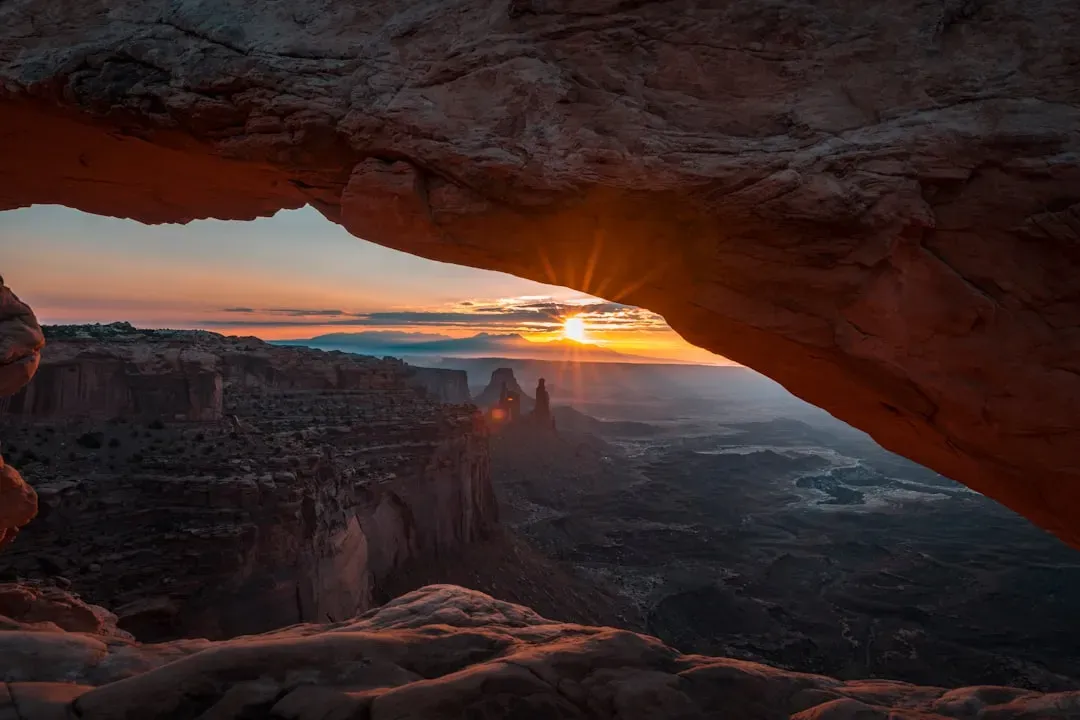
These ten wonders are wildly different – a canyon, a reef, a trench, a mountain range, glowing skies, and more – but they all share one thing: they’re the result of forces that operate on scales our daily routines do not prepare us for. We think in minutes and meters; the planet mostly works in millennia and continents. When you pull back far enough, Earth stops looking like a static backdrop and starts to resemble a restless, breathing system, constantly reshaping itself through collision, erosion, eruption, and life itself.
There’s a strange comfort in realizing we live on a world that is bigger, older, and more powerful than our worries and plans. It can be humbling, even unsettling, to stand at the edge of the Grand Canyon or under the northern lights and feel how small you are in the story of this planet – but it’s also a rare kind of awe that modern life doesn’t give us very often. Next time you see a photo of one of these places, will you think of it as a pretty landscape, or as a chapter in an ongoing planetary epic that’s still being written right now?