
Have you ever stood before something so breathtaking that it makes you question whether humans truly are the most creative beings on Earth? Nature has been sculpting masterpieces for millions of years, long before we even existed. While we pride ourselves on towering skyscrapers and architectural wonders, the planet has been busy creating structures that put our best efforts to shame.
From perfectly hexagonal stone columns to underwater sinkholes that seem to drop into oblivion, these formations weren’t designed by architects or engineers. They’re the result of volcanic eruptions, erosion, chemical reactions, and countless other natural processes working over unimaginable spans of time. What makes these structures even more fascinating is that many of them defy initial expectations. You might assume they’re too perfect, too deliberate to be accidents of geology.
Let’s dive into some of the most stunning natural creations our planet has to offer.
Giant’s Causeway: Nature’s Perfect Geometry
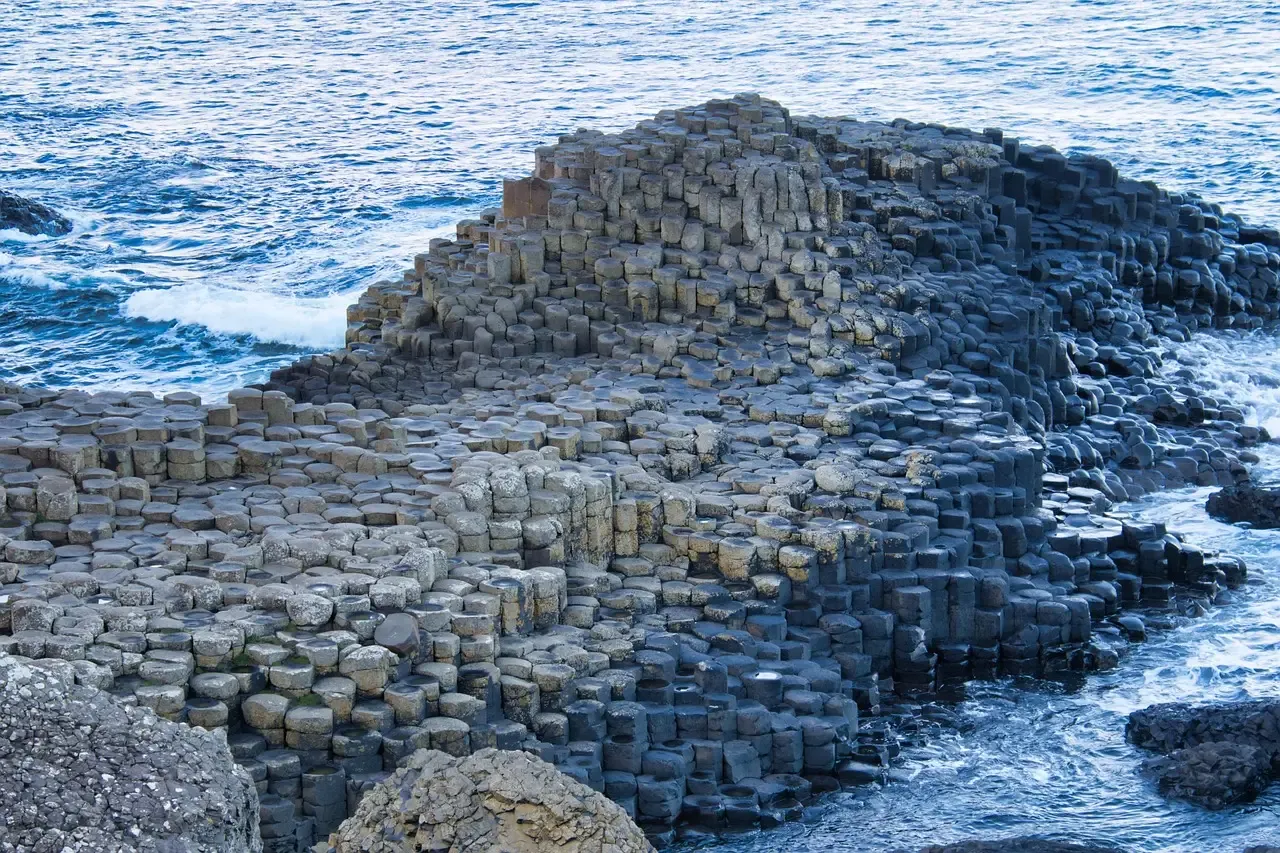
The Giant’s Causeway consists of approximately 40,000 interlocking basalt columns formed by an ancient volcanic fissure eruption along the coast of Northern Ireland. What makes this place truly special is the almost mathematical precision of these stones. Most of the columns are hexagonal, although some have four, five, seven, or eight sides, creating a natural pavement that looks like it could’ve been designed by an obsessive geometer.
Around 50 to 60 million years ago during intense volcanic activity, highly fluid molten basalt formed an extensive volcanic plateau, and as the lava cooled, horizontal contraction fractured in a similar way to drying mud. The remarkable thing is how these cracks propagated downward as the rock mass cooled, leaving behind these pillar structures. The molten rock cooled and contracted, cracking into these columns, but the exact temperature at which the cooling lava cracked has long been a mystery.
The Great Blue Hole: A Portal to Earth’s Past
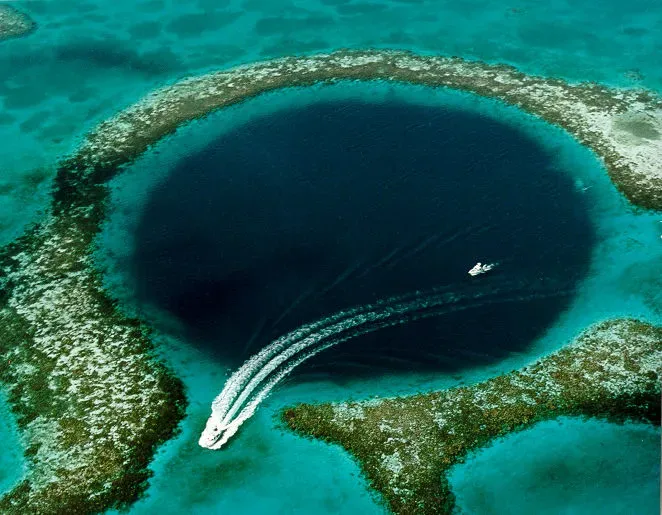
Off the coast of Belize lies what looks like a giant sapphire eye staring up from the ocean floor. The hole is circular in shape, over 300 metres across and 125 metres deep, making it one of the most spectacular diving destinations on the planet. But this isn’t just a pretty spot for underwater photography.
The Blue Hole was formed at the end of the last Ice Age when rising seawaters flooded a series of enormous caverns, with geologists determining that the caves first formed about 153,000 years ago and were completely submerged approximately 15,000 years ago. When you dive down into the depths, you’re essentially exploring what used to be a dry cave system. The vast expanse contains interconnected underwater caverns adorned with stalactites, stalagmites, dripstone sheets, and columns that scientists speculate originated within the caverns long before the area became submerged.
Wave Rock: Frozen Tsunami in the Outback
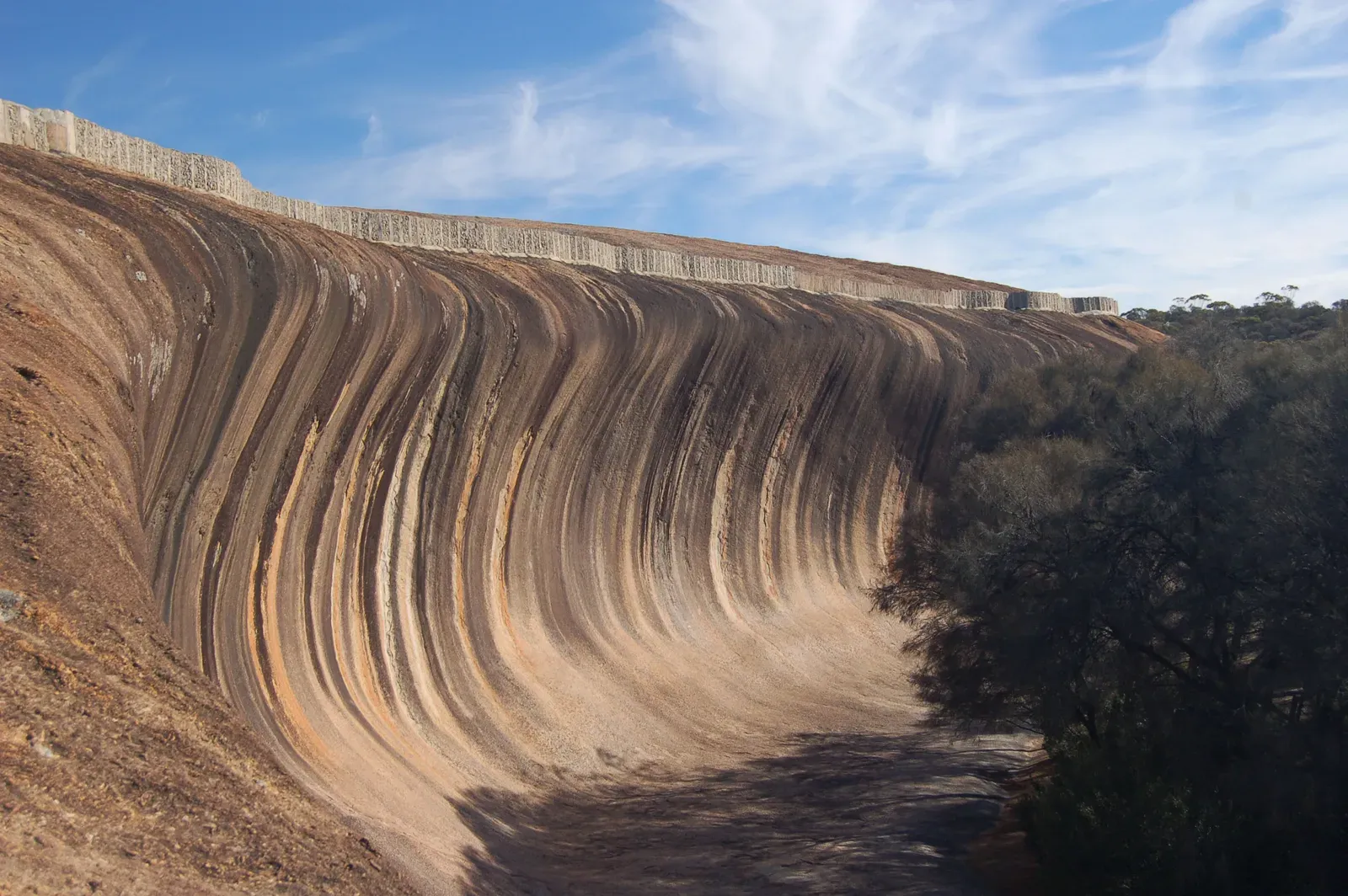
Imagine walking through the Australian outback and suddenly encountering what appears to be a massive wave about to crash down on you. The wave is about 15 meters high and around 110 meters long, curving over your head like a surfer’s ultimate dream frozen in stone. Yet there’s no ocean for hundreds of kilometers.
Wave Rock is a good example of what geomorphologists call a flared slope, which is a concave-upward or inward bedrock surface typically found around the base of inselbergs and granitic boulders. The colors make it even more dramatic. Water from springs runs down the cliff face, dissolving and re-depositing chemicals in the granite, leaving red, brown, yellow and grey stains of carbonates and iron hydroxide. The result is something that looks like water flowing down a breaking wave, adding to the illusion.
Chocolate Hills: Earth’s Sweetest Landscape
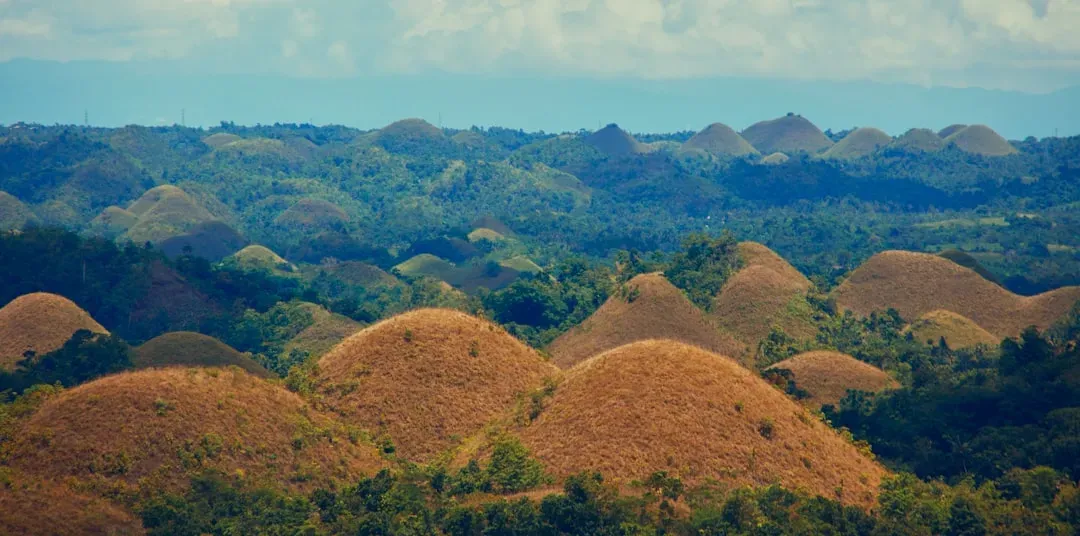
The Chocolate Hills are a geological formation in the Bohol province of the Philippines, with at least 1,260 hills spread over an area of more than 50 square kilometres. During the dry season, these cone-shaped hills transform into something that looks suspiciously like a field of giant chocolate kisses. They are covered in green grass that turns brown like chocolate during the dry season, hence the name.
The origins of these uniform mounds remain somewhat mysterious. Different theories suggest they could be the result of limestone weathering, volcanic activity, or marine reef deposits lifted above sea level. Whatever created them, the result is one of the most unusual landscapes you’ll find anywhere on Earth.
White Desert: Egypt’s Surreal Sculpture Garden
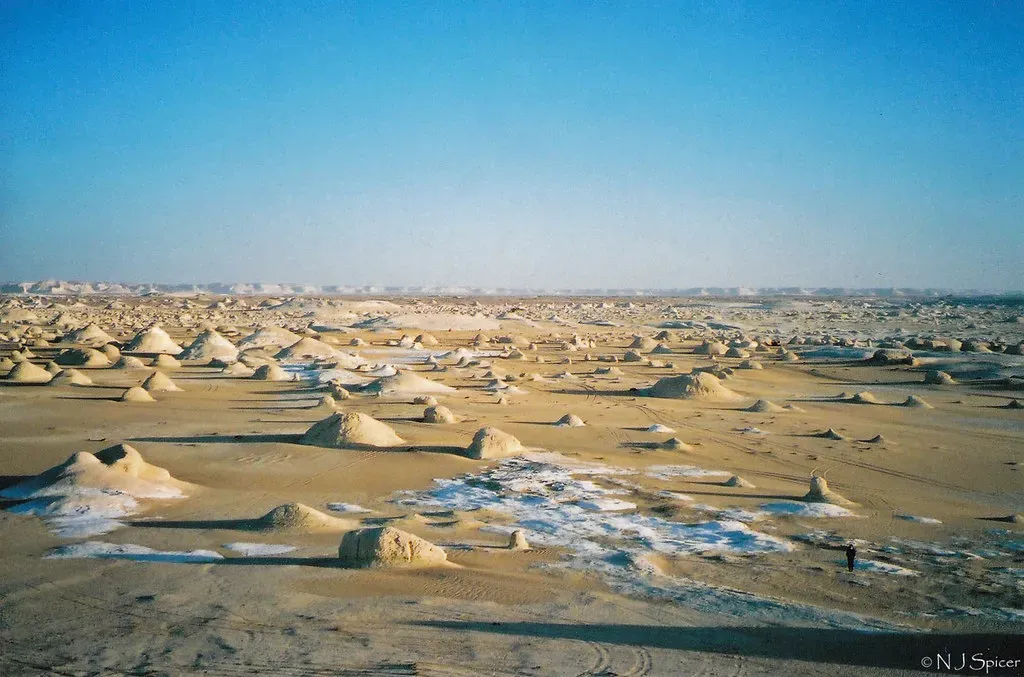
When you think of Egyptian deserts, you probably picture golden sand dunes. The White Desert throws that expectation out the window. Situated about 45 km north of the Farafra oasis, the White Desert is made of oddly shaped chalk formations that are stark white, reminding visitors of an Arctic landscape.
The soft chalk material has been contoured into amazing shapes by the elements, with a few resembling marshmallows, camels, and mushrooms, making the imagination go wild in this very remote spot. Walking through this alien landscape feels like stepping onto another planet. The formations cast dramatic shadows as the sun moves across the sky, constantly changing the appearance of these natural sculptures.
Stone Forest: Where Trees Turned to Rock
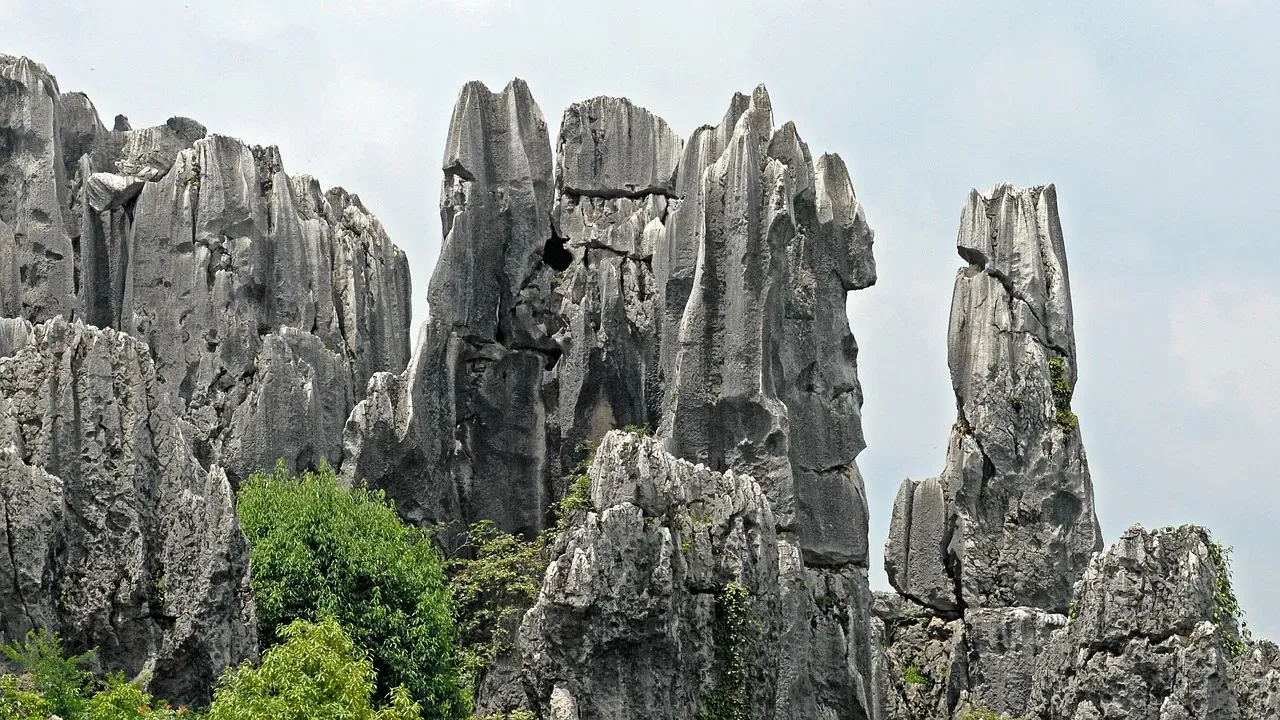
The Stone Forest is a notable set of limestone formations located near Shilin, with tall rocks seeming to emanate from the ground in the manner of stalagmites, many looking like petrified trees. It’s one of China’s most distinctive natural wonders, creating the uncanny impression that an entire forest was somehow transformed into stone.
These towering pillars of limestone were actually shaped by water erosion over millions of years. The stones are thought to be 270 million years old, formed when the area was an ocean floor and the flow of water created the majestic pinnacles. Today, visitors can wander through narrow passages between the stone pillars, which reach heights of up to 30 meters in some places.
Basaltic Prisms: Waterfalls Over Geometry
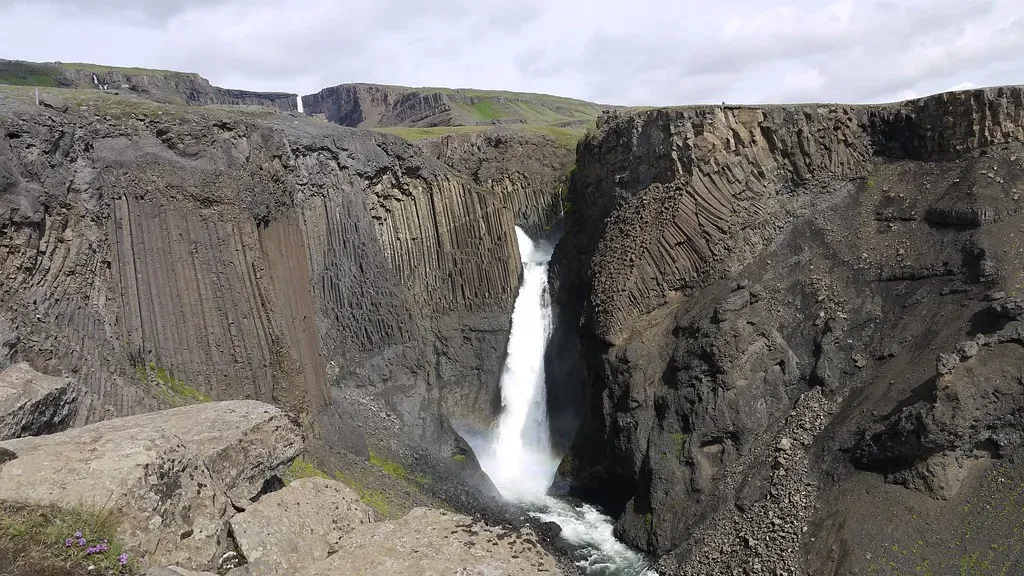
The basaltic prisms in Santa Maria Regla in Hidalgo state are columns up to 30 meters high, created by cooling lava, with the formations’ beauty marked by water from a dam flowing over them. This Mexican wonder combines two spectacular natural phenomena: perfectly formed hexagonal rock columns and cascading waterfalls.
The formation process is similar to the Giant’s Causeway, where volcanic lava cooled and contracted into geometric patterns. What sets this location apart is the way modern water features interact with the ancient rock formations, creating a scene that seems almost too perfect to be accidental.
Uluru: The Heart of Australia Rising from Flatness
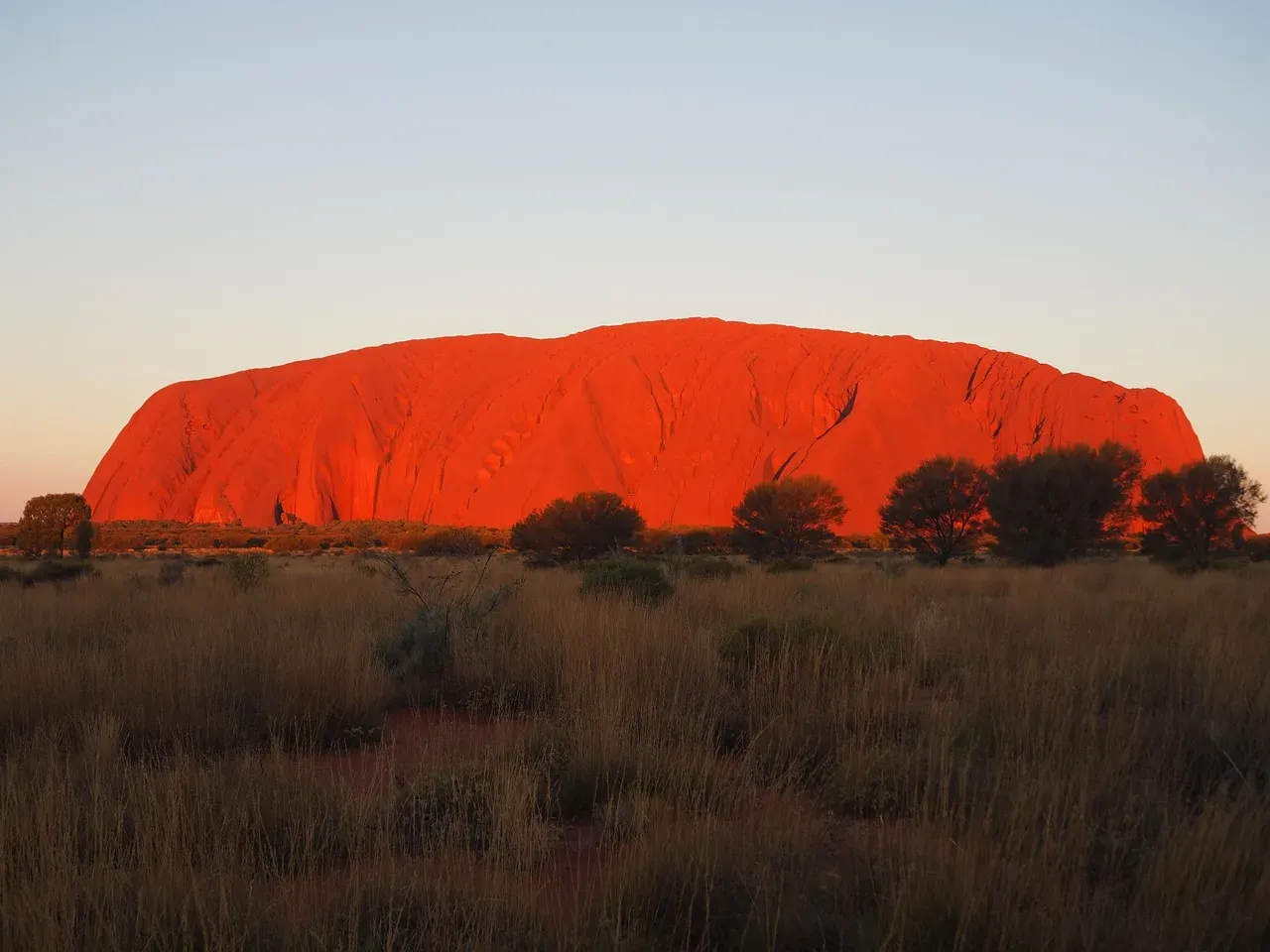
Ayers Rock, also known as Uluru, is one of the world’s largest monoliths, having a height of more than 318 metres. This massive sandstone formation rises dramatically from the flat Central Australian desert, visible from kilometers away. A trip around the rock’s base would be around nine km long.
What makes Uluru particularly special is how it changes color throughout the day. The iron oxide in the sandstone creates stunning displays, especially at sunrise and sunset when the rock glows in shades of deep red and orange. This natural light show has drawn visitors for generations, though the formation itself has held spiritual significance for Aboriginal peoples for tens of thousands of years.
Arches National Park: Stone Bridges to Nowhere
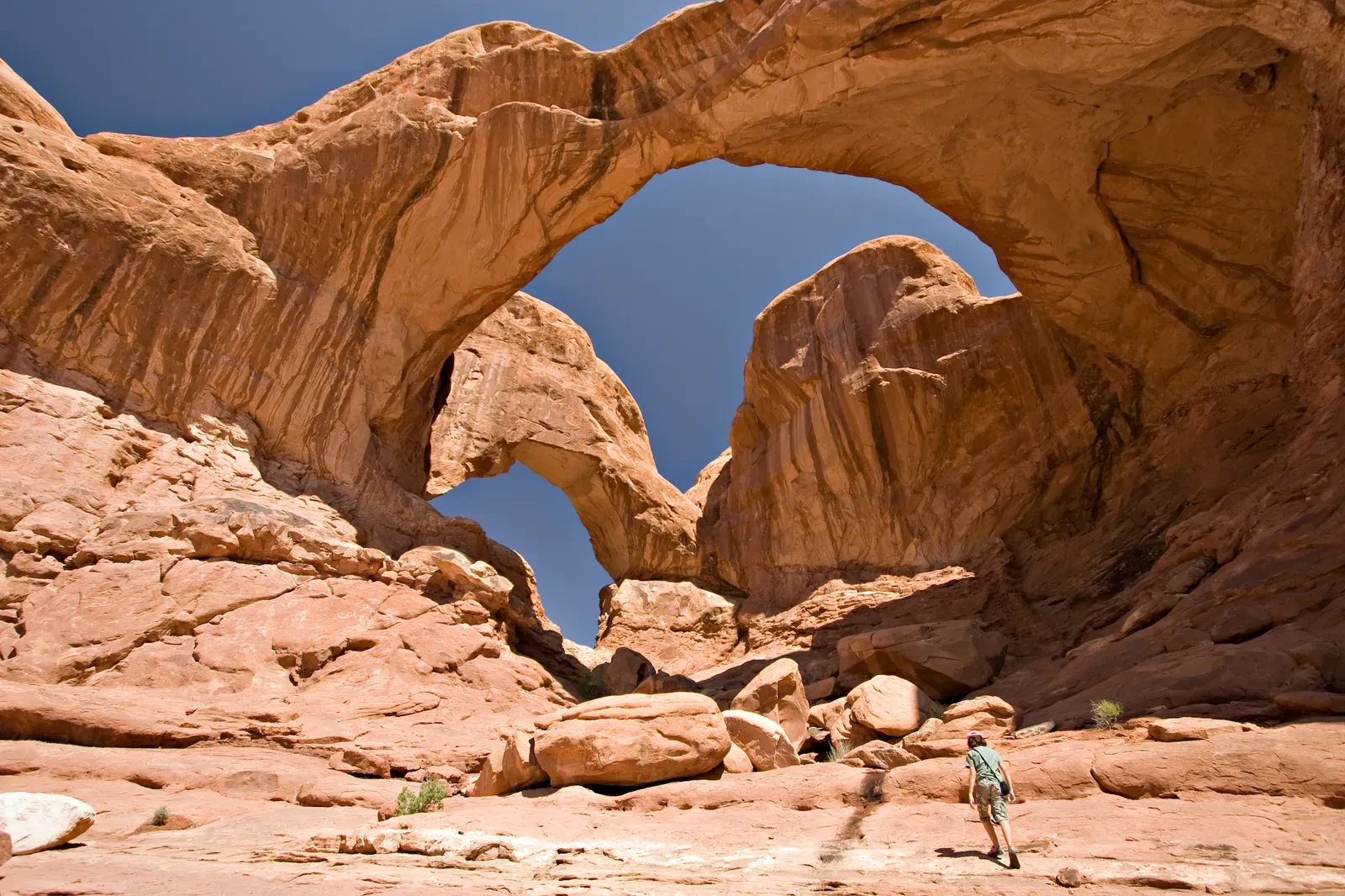
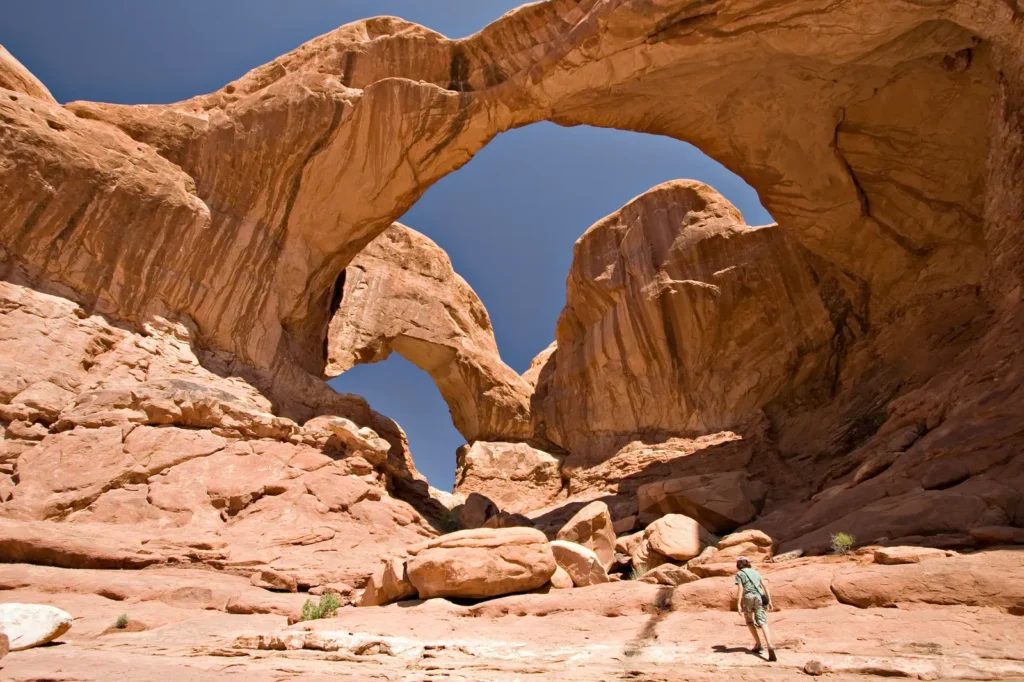
Arches National Park in Utah consists of more than 2,000 arches and is a unique geological resource, with Delicate Arch as one of the pieces of evidence. These natural stone bridges span empty air, defying gravity in ways that seem impossible. Some are massive, while others are delicate ribbons of rock.
These arches form through a process of erosion that takes millions of years. Water seeps into cracks in the sandstone, freezing and thawing, slowly widening the gaps. Wind carries sand that acts like sandpaper, wearing away softer sections. Eventually, openings break through, creating these natural windows in the rock. The process is ongoing, which means some arches eventually collapse while new ones slowly form.
Moeraki Boulders: Dragon Eggs on the Beach
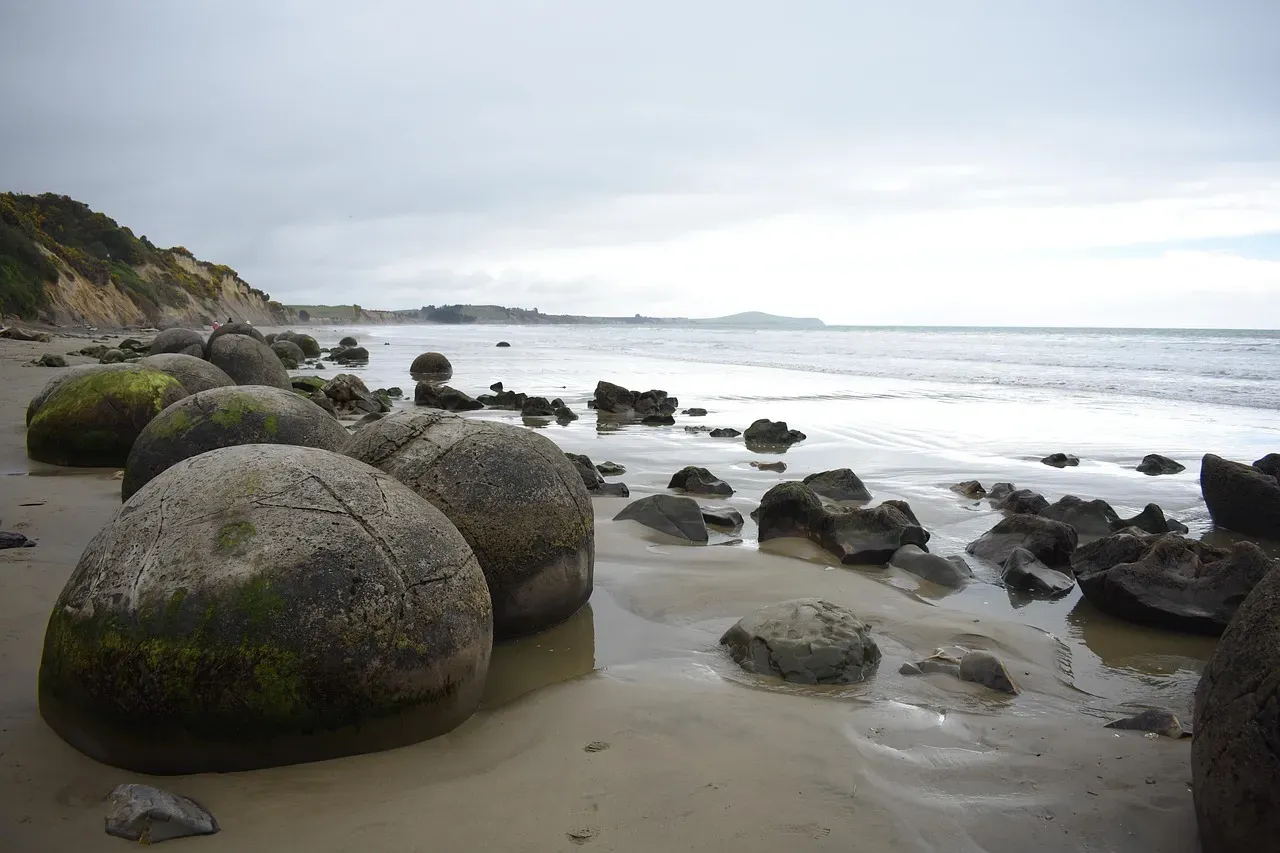
Along a stretch of beach in New Zealand, enormous spherical boulders lie scattered across the sand like giant marbles. These perfectly round stones can measure up to three meters in diameter and weigh several tonnes. They look so perfectly formed that it’s tempting to believe they were carved by someone or something.
The boulders actually formed on the ancient sea floor millions of years ago through a process called concretion, where minerals gradually accumulated around a central core. Over time, coastal erosion has exposed them, washing them out of the mudstone cliffs. The Maori have their own explanation involving the wreck of a legendary canoe, with the boulders representing food baskets and calabashes washed ashore.
Conclusion: Earth’s Endless Creativity
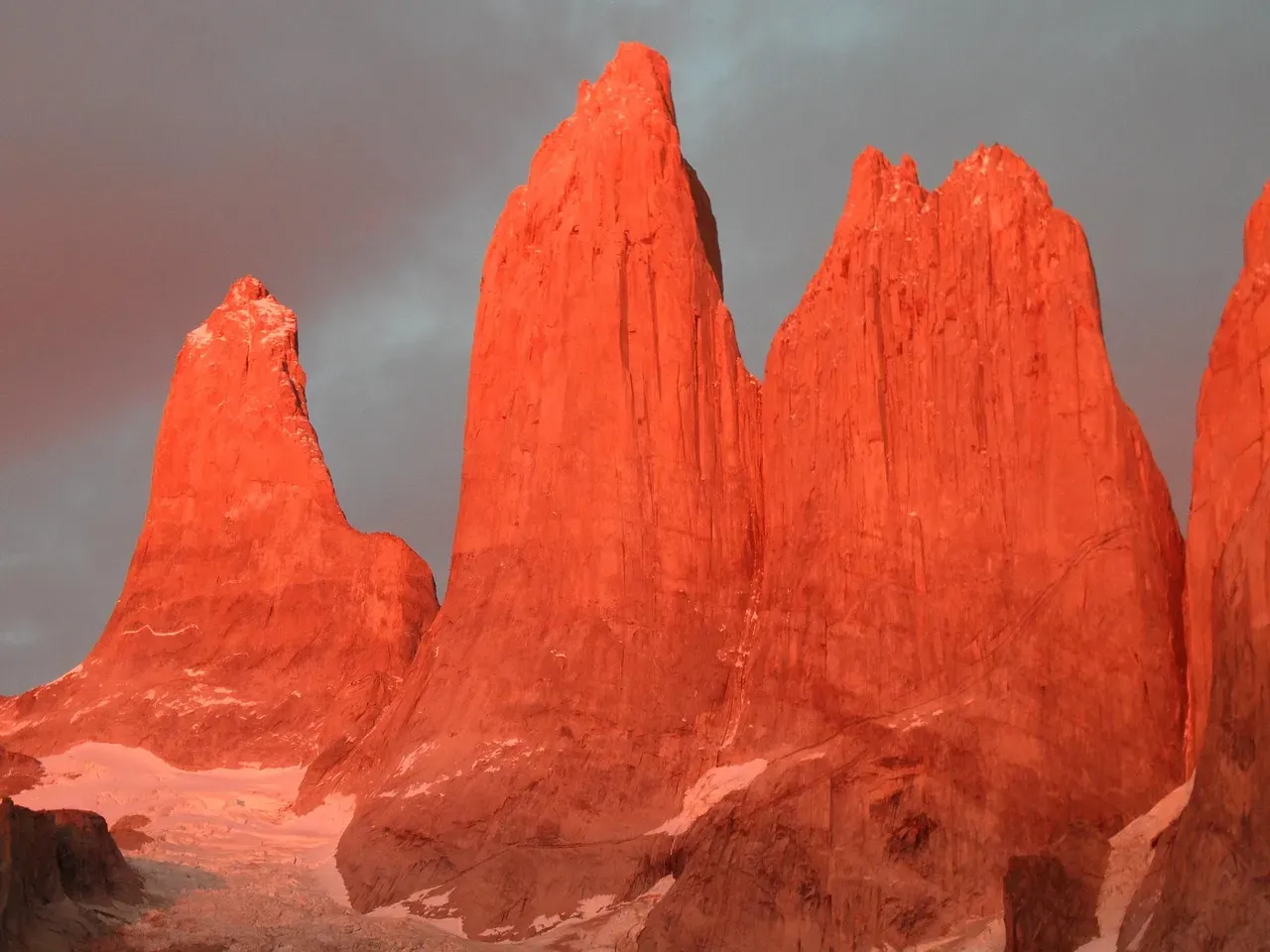
These structures remind us that nature has been the ultimate architect for far longer than humans have existed. Each formation tells a story spanning millions of years, shaped by forces we’re only beginning to fully understand. Volcanic eruptions, chemical weathering, erosion, tectonic movements, and rising sea levels have all played their part in creating landscapes that continue to inspire wonder.
What’s perhaps most humbling is knowing these processes are still ongoing. New formations are slowly taking shape beneath the ground and under the sea, while others gradually wear away. The Earth is constantly reinventing itself, creating masterpieces we haven’t yet discovered. Next time you encounter something that seems too perfect to be natural, remember that given enough time, water, wind, and geological forces can craft wonders beyond imagination.
What do you think about these incredible formations? Have you visited any of them, or do you have others to add to the list?