
Somewhere on this planet, waves glow electric blue in the dark, rocks move across the desert floor on their own, and lightning strikes upwards into the sky. None of that sounds real at first. It feels like something out of a science‑fiction movie, not something quietly playing out on an ordinary Tuesday night on Earth.
The wild part is that many of these things are happening right now, while you’re reading this, and most people have never even heard of them. They’re reminders that the world is still stranger, more beautiful, and more unpredictable than our daily routines let us see. Let’s walk through ten of the most incredible natural phenomena that honestly sound like someone made them up.
Bioluminescent Seas That Glow Electric Blue
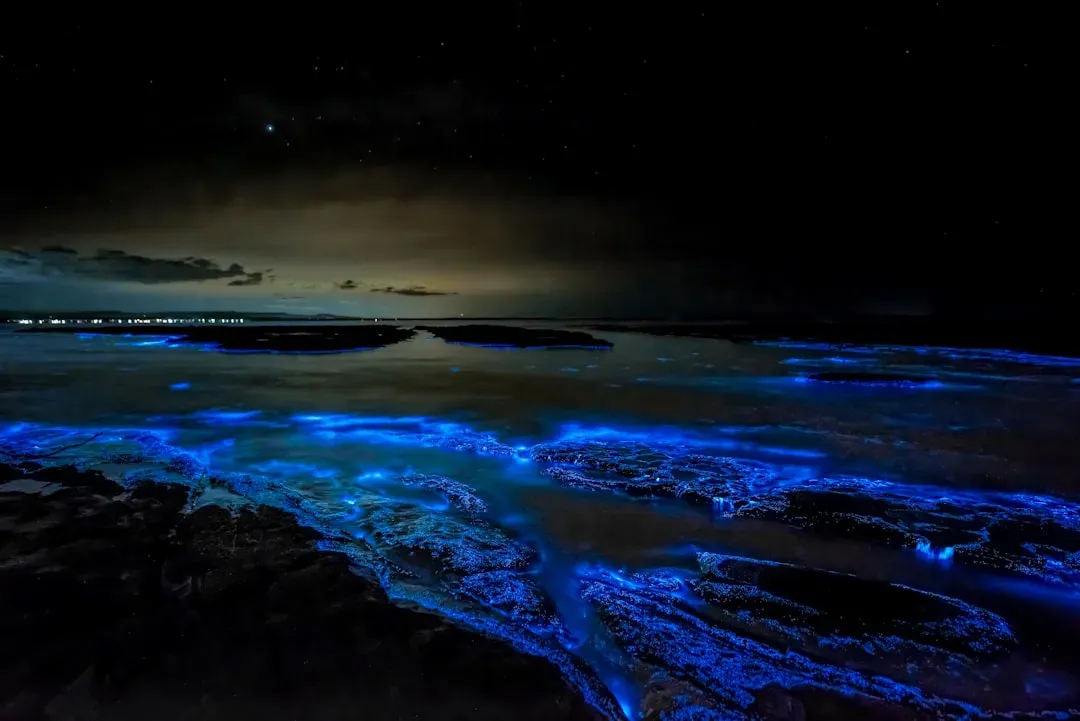
Imagine walking along a dark beach and every step you take makes the shoreline explode in neon blue light. In certain coastal waters around the world, especially in places like the Maldives and parts of Puerto Rico, microscopic marine organisms called dinoflagellates turn the sea into a glowing, living night-lamp. When waves crash or your hand swirls through the water, they react by emitting light, almost like underwater fireflies.
It looks supernatural, but it’s basically a defense mechanism: when disturbed, these organisms produce light to startle predators or attract something bigger that might eat the predator instead. The effect is so bright that it can outline fish, boats, and even the wake of a swimming person. Standing there watching the sea pulse with light feels a little like the planet is quietly winking at you, reminding you it still has a few tricks left. Once you’ve seen a glowing wave roll in, a regular beach at night feels oddly plain.
Catatumbo Lightning: Storms That Never Seem To End
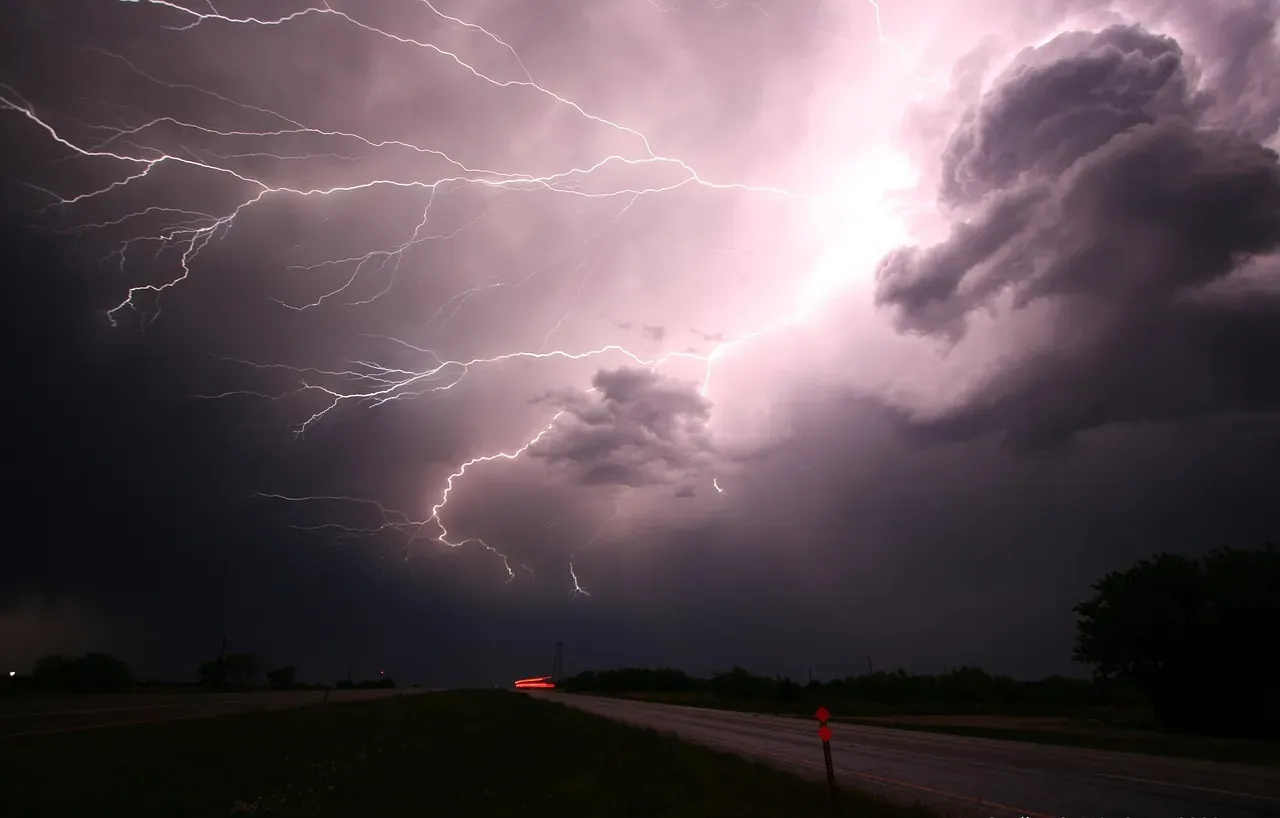
There’s a place in Venezuela where lightning storms rage so frequently that sailors once used them as a natural lighthouse. Over the Catatumbo River and Lake Maracaibo, thunderstorms can erupt almost every night for much of the year, with lightning flashing again and again for hours. Locals are completely used to it, but to visitors it feels like the sky is stuck in some endless, angry strobe light show.
This bizarre consistency seems to come from a mix of warm lake water, surrounding mountains, and humid air that trap and recycle storms in the same region. The lightning is so intense that it has been estimated to strike thousands of times in a single night during peak seasons. What really hits you is the contrast: calm water below, and above it, a roaring sky that just refuses to go dark. It’s one of those places where you can literally watch the energy of the atmosphere bursting out in front of you.
Fairy Circles: Mysterious Polka Dots in the Desert
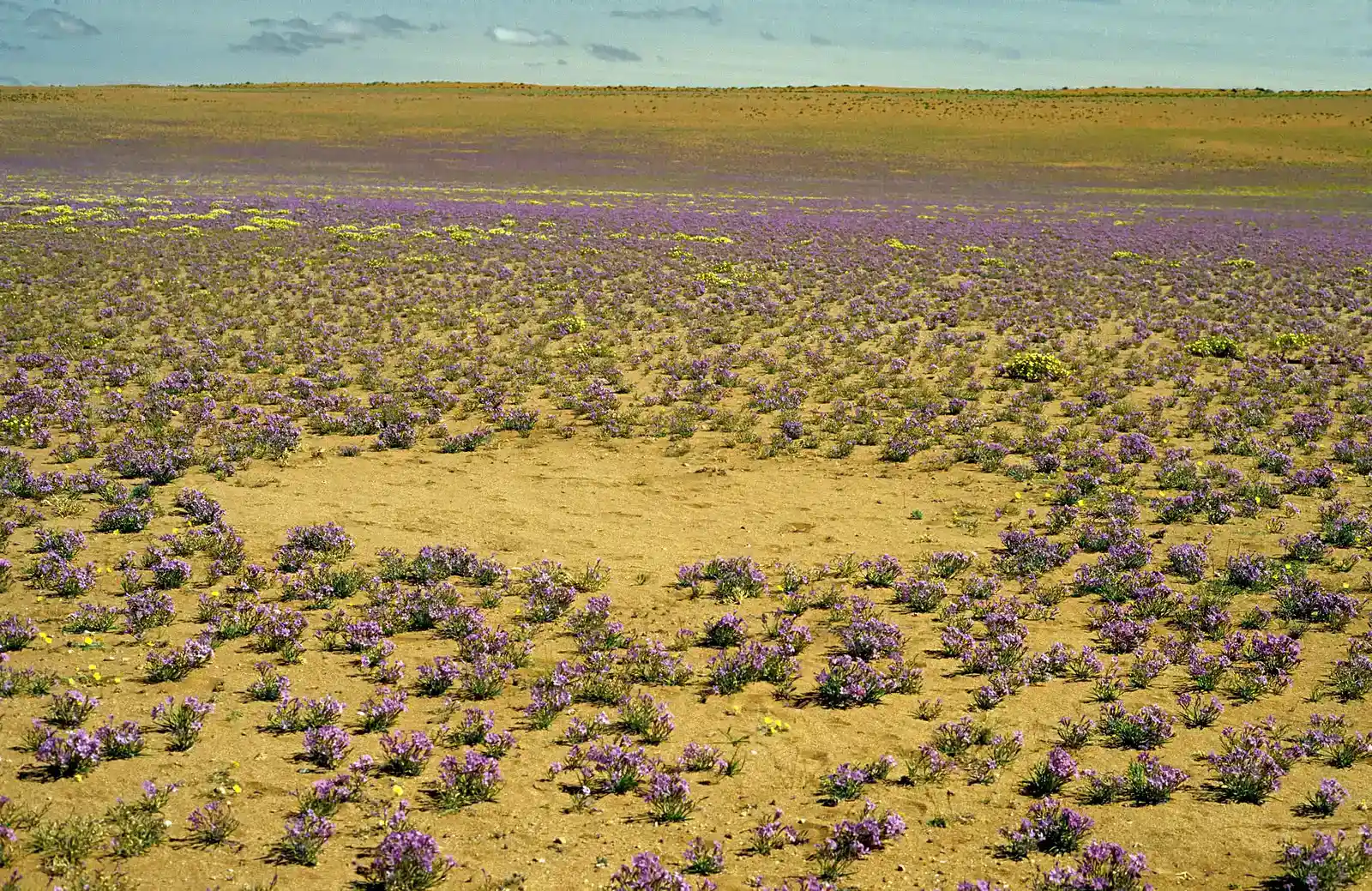
If you fly over parts of the Namib Desert in southern Africa, the landscape looks like someone has taken a giant hole punch to the ground. The sand is covered in countless circular patches where nothing grows, surrounded by rings of taller, healthier grass. These so‑called fairy circles form a huge, irregular polka‑dot pattern that stretches for miles and has confused scientists for decades.
There are competing explanations: some researchers point to termites engineering the soil underground, while others argue that the plants are self‑organizing to share scarce water in a surprisingly “cooperative” way. Either way, there’s nothing quite like standing in the middle of one of these bare circles, looking out at hundreds of others fading into the heat haze. It’s one of the few natural landscapes that genuinely looks like a deliberate piece of modern art, even though no human hand shaped it.
Morning Glory Clouds: Giant Sky-Rollers Over Australia
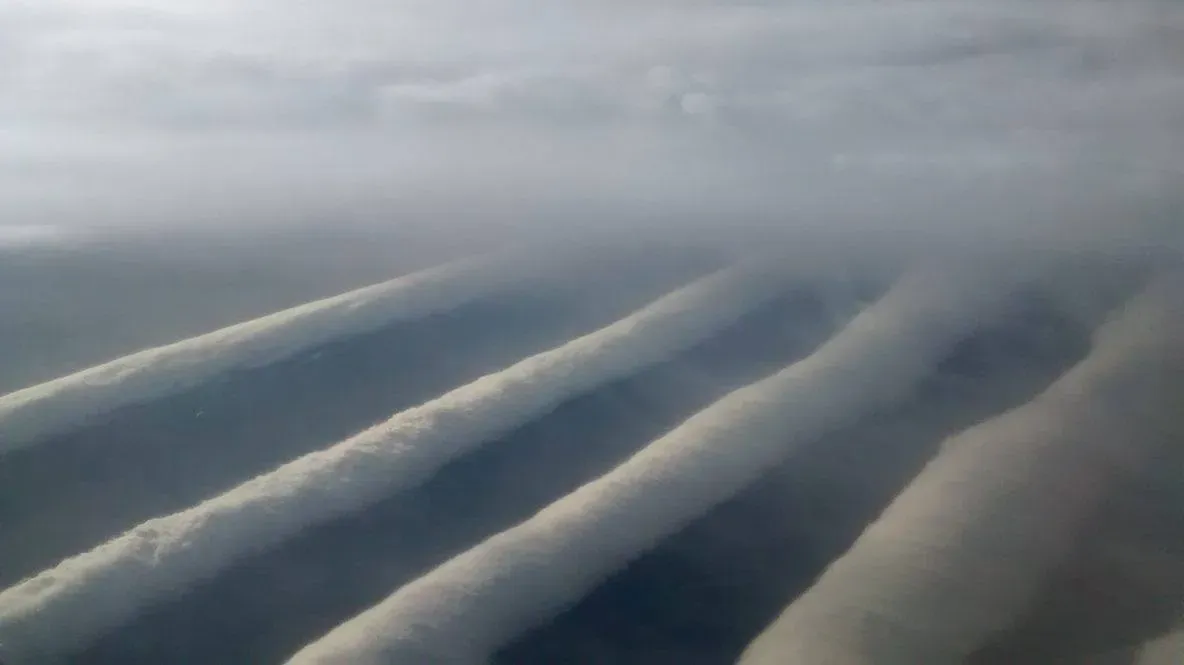
In a remote part of northern Australia, people occasionally wake up to find the sky rolling overhead like a massive white cylinder. These are Morning Glory clouds, long, tubular clouds that can stretch for hundreds of kilometers, gliding across the sky in unnervingly smooth motion. Seen from the ground, they look like a giant wave frozen in mid‑crash, slowly sliding over the horizon.
Glider pilots chase these clouds because the air around them behaves like an invisible rollercoaster track, providing lift and speed. They usually form when cool, moist air meets warm air in very particular conditions, which is why they’re so rare and so localized. Watching one pass is strangely hypnotic: it moves with such steady determination that you almost forget it’s just water vapor and air. It’s like the sky briefly decides to experiment with a new shape before going back to the usual scattered fluff.
Volcanic Lightning: Thunderstorms Inside Eruptions
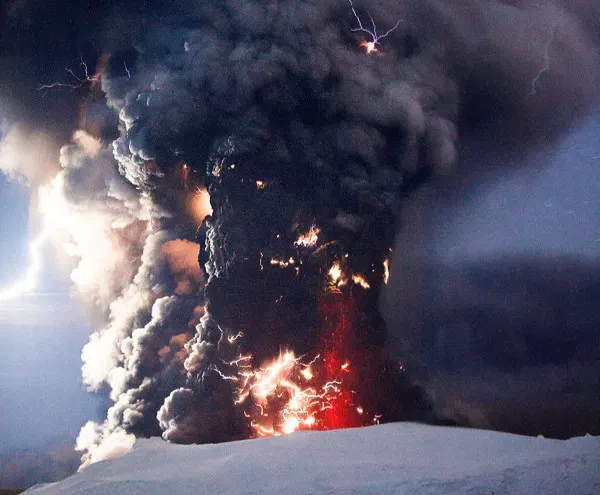
When a volcano erupts with enough power, it can create its own weather, and that’s where things go from scary to surreal. Volcanic lightning is what happens when ash, rock, and gas blasted from the volcano rub together and build up massive electric charges. The result is lightning that forks through the thick ash plume, sometimes turning the whole eruption into a hellish light show.
Photos of this phenomenon often look fake at first glance because our brains don’t expect lightning to be tangled up with a towering column of ash. Unlike regular storms that form high in the atmosphere, this lightning is born right inside the eruption cloud itself. It’s dangerous, of course, but visually it’s one of the most dramatic things nature can do. It’s as if the volcano isn’t satisfied with fire and smoke and decides to throw in its own pyrotechnics for emphasis.
Frozen Methane Bubbles Trapped Under Ice
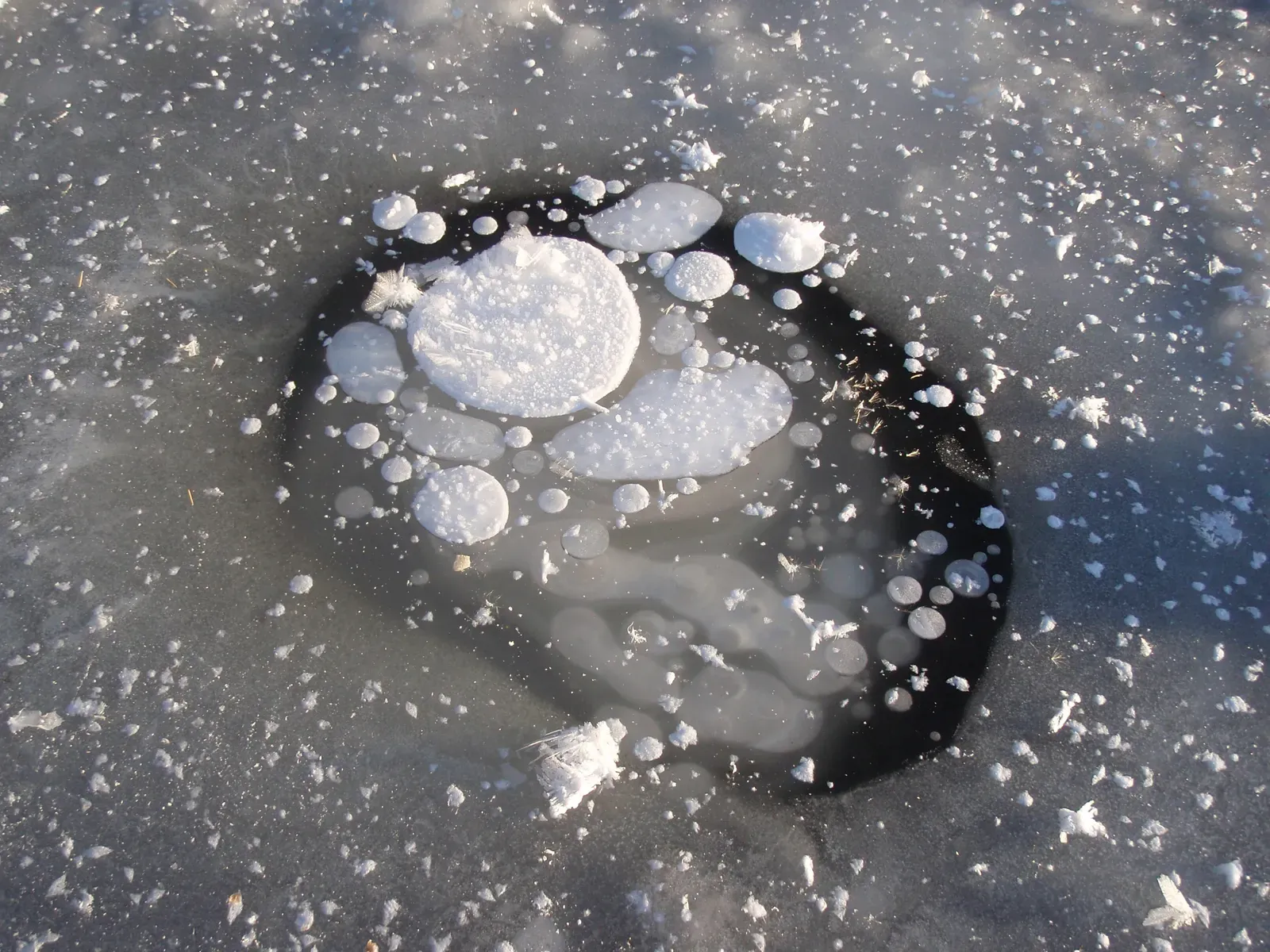
In some cold northern lakes, like Canada’s Lake Abraham, winter ice captures something surprisingly beautiful and a little unsettling: frozen methane bubbles. As plants and organic material break down on the lake bed, they release methane that rises toward the surface. When the water freezes, those rising gas pockets get trapped in stacked, milky white discs, creating layers of ghostly spheres floating under the ice.
From above, the effect is like looking into a glass table dotted with suspended pearls, some shallow, some deep, each one a tiny time capsule of gas. It’s breathtaking to photograph, but there’s a flip side: methane is a powerful greenhouse gas, so when the ice melts, those bubbles escape into the atmosphere. You’re literally looking at beauty and climate risk frozen together in one scene. It’s a reminder that not everything that looks magical is harmless.
Sailing Stones: Rocks That Move Across the Desert
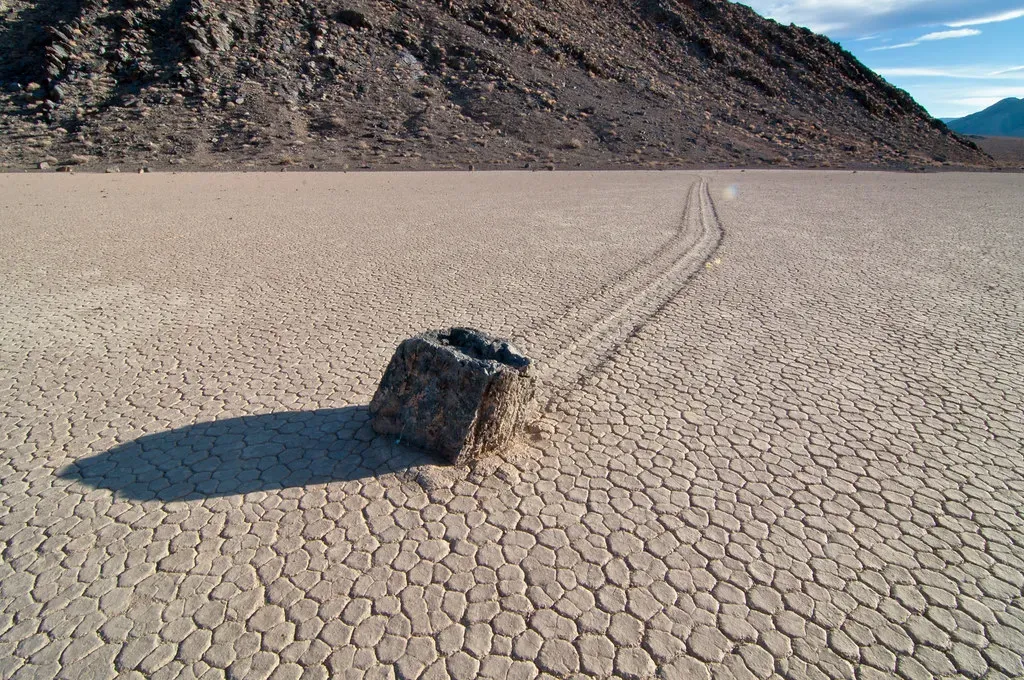
In a dry lake bed in Death Valley, California, heavy rocks appear to have dragged themselves across the ground, leaving long, clear trails behind them. For years, no one had actually seen the stones move, which made the whole thing feel eerie, like some slow-motion prank by the landscape itself. The paths are sometimes straight, sometimes curving and even crisscrossing like a record of unknown journeys.
Eventually, careful research and time‑lapse cameras revealed the process: thin sheets of ice, shallow water, and light winds combine in rare conditions to nudge the rocks along. They slide just a little at a time, but over months or years, those tiny shifts add up. The funny thing is that once you know the explanation, the phenomenon doesn’t become less impressive. If anything, it’s more astonishing to realize how delicate the setup has to be for a solid rock to “walk” over the desert floor.
Supercell Storms: Perfectly Structured Monsters
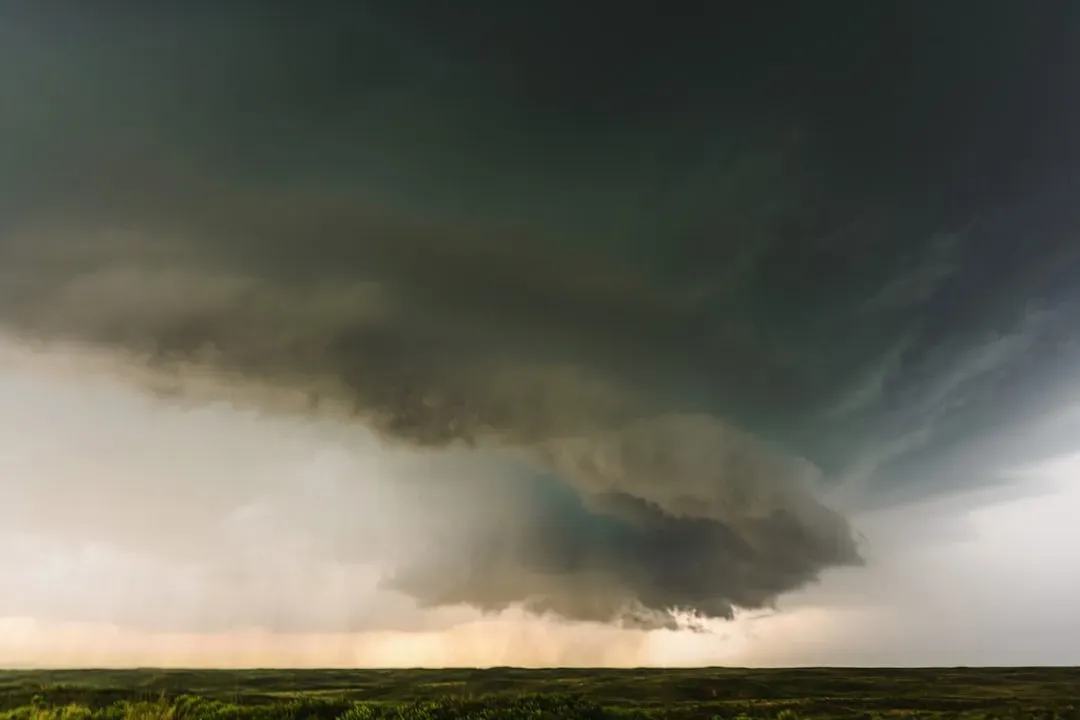
Supercells are the storms that look like they were custom‑designed by a special effects studio, complete with rotating cloud structures and ominous, layered bases. These are the thunderstorms with strong, persistent rotating updrafts, and they can last for hours, spawning tornadoes, large hail, and violent winds. From a distance, a supercell often looks like a giant, spinning stack of plates hanging over the landscape.
Storm chasers track them across the Great Plains of the United States and other regions where conditions are right, sometimes driving hundreds of kilometers for a single encounter. Up close, the atmosphere feels thick and tense, like the air itself is holding its breath. While the damage they can cause is serious, there’s no denying the disturbing beauty of that sculpted, rotating cloud base. It’s one of the clearest examples of raw atmospheric power organizing itself into something both terrifying and mesmerizing.
Blood Falls: A Crimson Waterfall in Antarctica
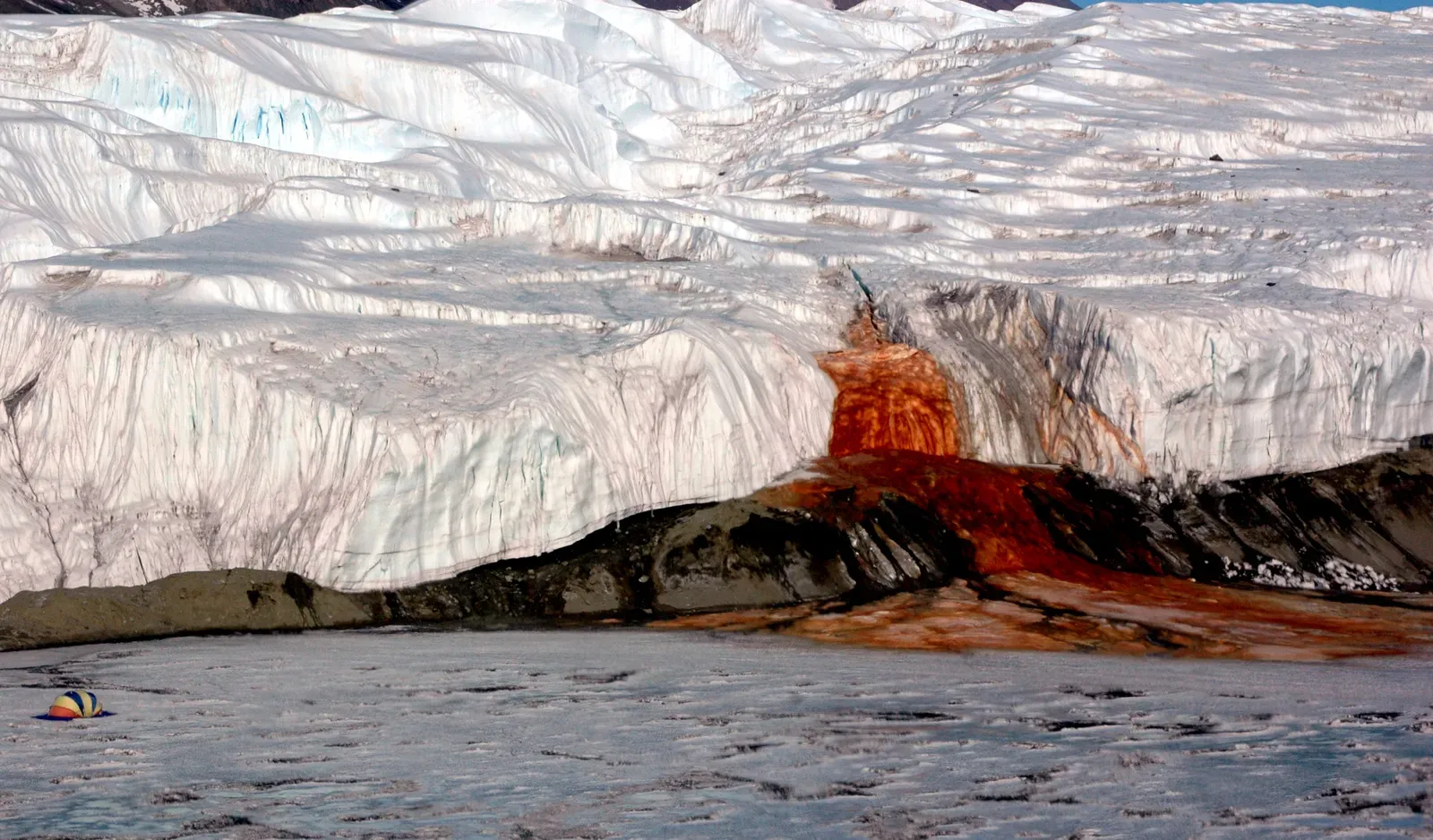
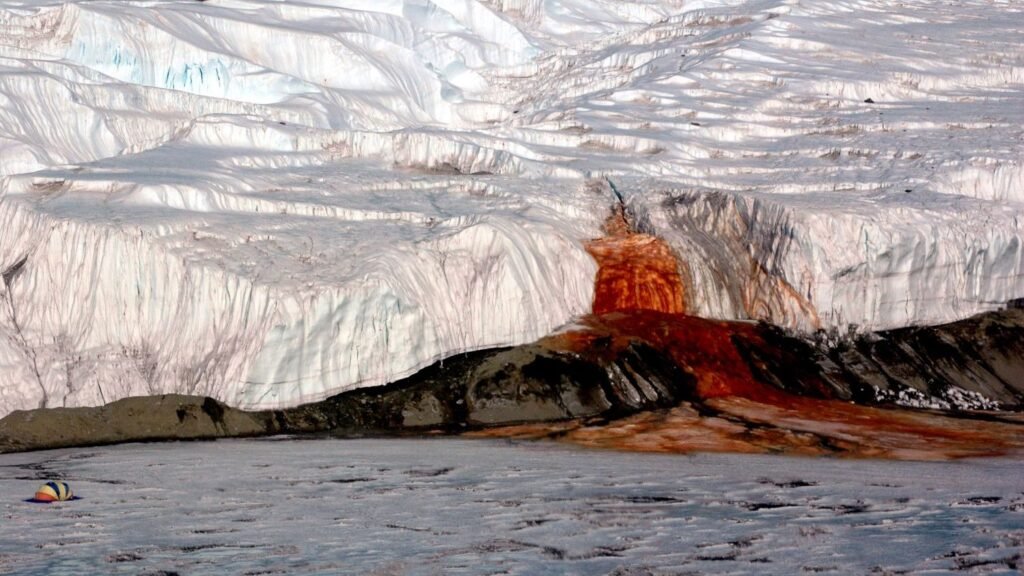
On the otherwise colorless, icy face of Taylor Glacier in Antarctica, there’s a waterfall that pours out a deep red stream, staining the ice as it flows. At first glance it looks like a horror movie prop, as if the glacier itself were bleeding. The water gets its color from iron-rich brine that has been trapped beneath the ice for a very long time; when it reaches the surface and meets oxygen, the iron rusts, turning the flow red.
The source water is extremely salty and hosts ancient, hardy microbes that manage to survive in conditions that would kill most life. That makes Blood Falls not just a visual oddity, but also a kind of natural laboratory for understanding how life might persist in extreme environments on other planets. Standing near it, with endless white on all sides and this stark red streak cutting through, you get a strange feeling that you’re looking at something the planet meant to keep hidden. It’s unsettling and fascinating all at once.
Penitentes: Razor-Sharp Snow Blades Reaching for the Sun
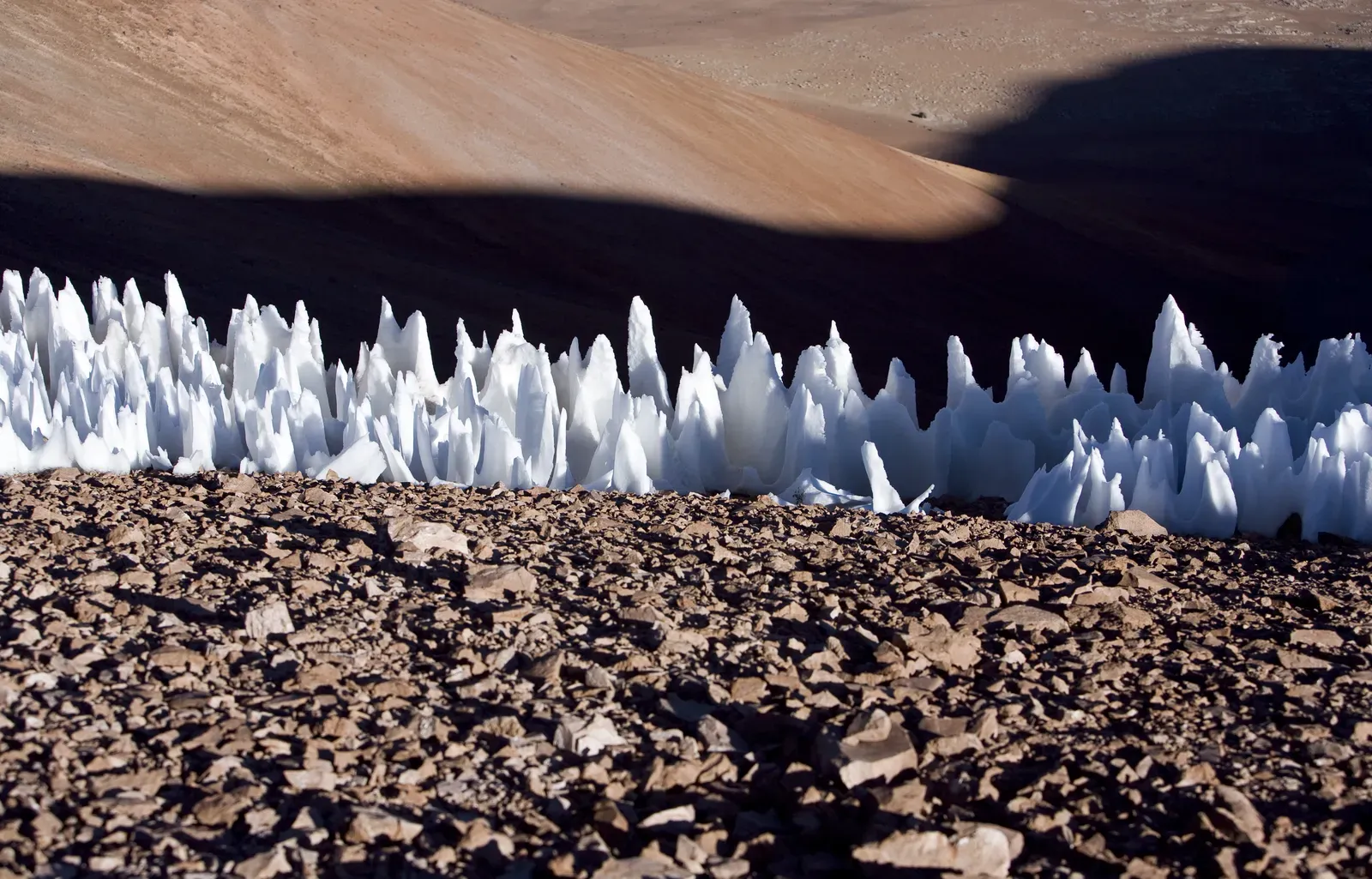
High in the Andes and a few other high‑altitude regions, snow fields sometimes transform into forests of tall, thin ice blades called penitentes. They can be as small as your hand or taller than a person, all lined up like rows of frozen shark fins pointing toward the sun. Walking through them is like moving through a crowd of icy ghosts leaning in your direction.
They form when strong sunlight and dry air carve the snow unevenly, causing some spots to sublimate faster than others and leaving behind ridges and spikes. Over time, those little differences grow into dramatic, sculpted formations. Climbers and trekkers have to pick their way carefully across these fields, which can be beautiful but also exhausting to navigate. It’s one of those rare times when snow stops being a smooth, soft surface and turns into a jagged, alien landscape that feels more like another planet than Earth.
Seeing even one of these with your own eyes can change the way you look at the natural world, because suddenly you know what it’s capable of. It turns the planet from a familiar backdrop into something more like a restless, creative artist, always experimenting, always rearranging. Next time you step outside and everything looks normal, it’s worth remembering that somewhere, right now, the sky might be rolling, the sea might be glowing, or a glacier might be “bleeding.” Which one of these would you most want to witness in person?