There’s something quietly life-changing about standing in front of a wild landscape and realizing: this is not a movie, this is happening right now, right in front of me. The United States is full of those moments you don’t really feel through a screen – skies that ripple and glow, cliffs that sing in the wind, lakes that suddenly turn colors as if someone messed with the filters. You don’t have to fly halfway around the world to see nature do something downright unbelievable.
From volcanic fire to dancing lights and sand that actually “booms,” America is hiding some surreal experiences in plain sight. This isn’t about postcard views or generic “pretty places”; it’s about the kind of natural events that make you go quiet for a second because your brain needs time to catch up. Let’s walk through ten of the most incredible natural phenomena you can actually witness across the country – if you know where (and when) to look.
The Northern Lights Over Alaska
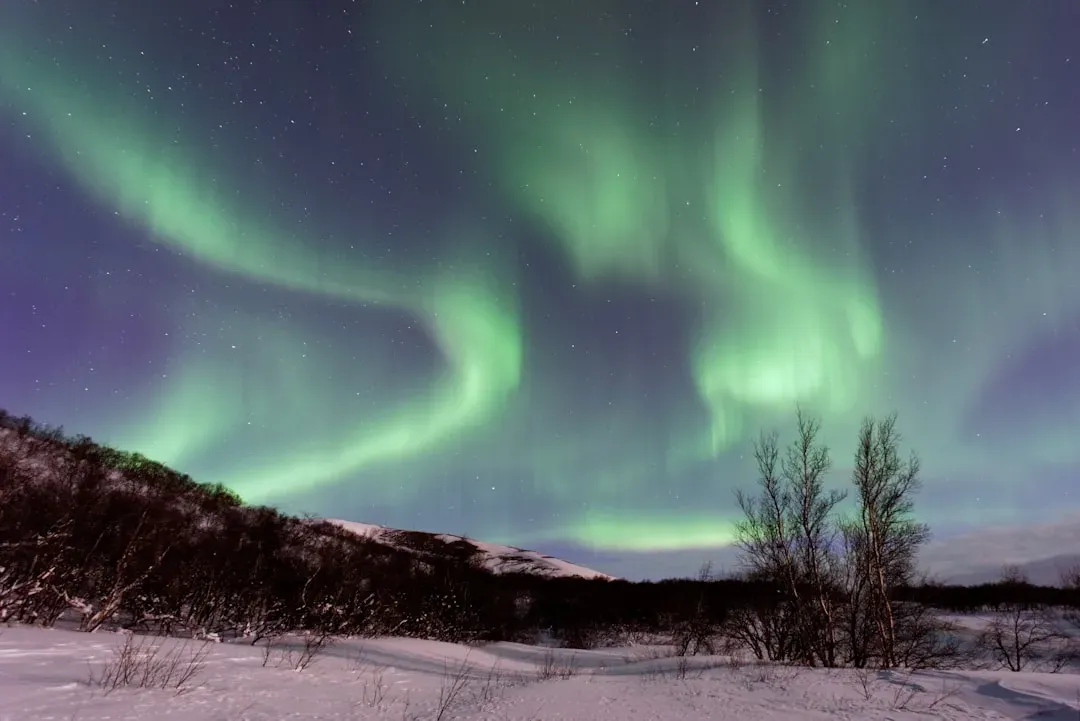
Imagine standing in the crisp night air while the sky slowly starts to move, as if someone tugged on an invisible curtain of light. In Alaska, especially around Fairbanks and the interior, the northern lights can flood the sky with streaks and waves of green, purple, and sometimes faint reds that seem to breathe and twist above you. It’s not just pretty; it’s strange and slightly eerie, because your mind isn’t used to seeing the sky behave like this.
The aurora is caused by particles from the sun colliding with Earth’s atmosphere, but out there under the frozen stars, you’re not thinking about physics – you’re just feeling small and a little stunned. Peak viewing usually runs from late August through early spring, when nights are long and dark, and clear skies are your best friend. Many locals casually treat it like normal weather, which almost feels offensive once you’ve seen it for the first time. It’s one of those experiences that makes you understand why earlier cultures built entire myths around the sky.
Bioluminescent Waters Along the Coasts
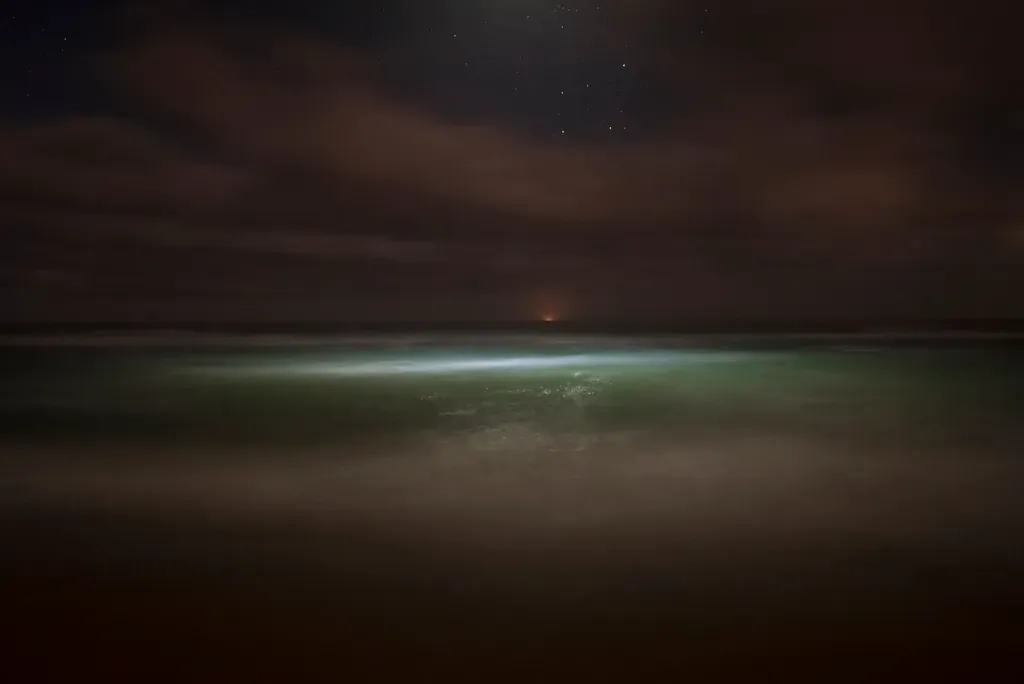
Walk along certain American shorelines at night, and with the right timing, each step you take can leave a glowing blue trail in the water. Bioluminescence – the natural light produced by microscopic organisms like dinoflagellates – can make waves sparkle like someone poured stars into the ocean. Places in Puerto Rico get a lot of attention for this, but parts of the mainland U.S. see it too, from coastal Florida to Southern California and sometimes along the Pacific Northwest.
On the best nights, every splash of a paddle or breaking wave lights up electric blue for a second or two before fading, like nature’s version of neon. It’s unpredictable and seasonal, influenced by water temperature, nutrient levels, and currents, which means you can’t just show up any random day and expect a show. But that uncertainty almost makes it better – when it does happen, it feels like stumbling into a secret party the ocean is throwing after dark. If you ever kayak on glowing water, it’s hard not to feel like you’ve briefly hacked reality.
Old Faithful and the Geyser Basins of Yellowstone
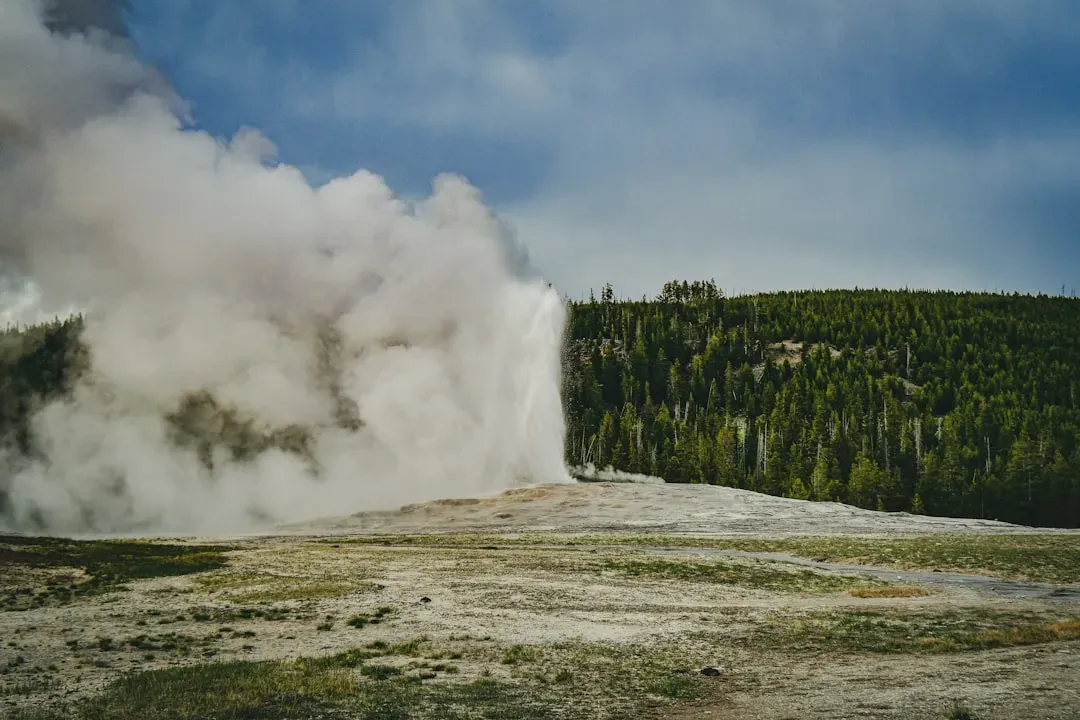
Watching boiling water blast out of the earth on a schedule is one of those experiences that sounds overhyped until you’re standing there, counting down. Yellowstone National Park sits on top of a massive volcanic system, and you feel that energy everywhere: steaming vents, bubbling mud pots, pools that look impossibly turquoise and deadly. Old Faithful gets most of the fame because it erupts regularly, but it’s just one part of a huge, living geothermal landscape that feels slightly unstable in the best possible way.
Walk through the Upper Geyser Basin and you’ll see pools so colorful they look fake: deep blues, bright oranges, milky whites created by heat-loving microbes and mineral deposits. Every few minutes, somewhere nearby, a geyser hisses, gurgles, or erupts in a spray of scorching water and steam. You’re required to stay on boardwalks, and you understand why when you feel the heat under your feet in the cold air. It’s one of the clearest reminders that the ground we treat as solid is, in some places, anything but.
The Great American Eclipse Events
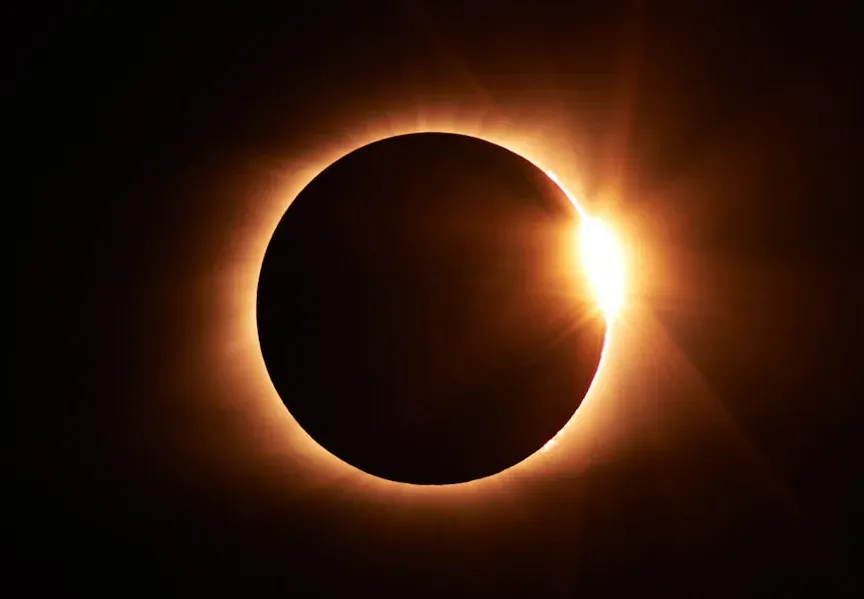
Total solar eclipses turn ordinary daytime into something out of a science fiction scene, and several paths of totality have sliced across the U.S. in recent years. During totality, the world shifts in a way that photos never quite capture: daylight drains into an eerie twilight, temperatures drop, birds go quiet, and the sun shrinks into a black circle with a glowing white halo. You can drive just a couple of hours from your home and suddenly find yourself standing in the shadow of the moon, along with strangers staring silently at the sky.
The wild part is how fast everything happens – one minute you’re squinting behind eclipse glasses, and then, suddenly, they come off and the sky looks completely wrong. The sun’s corona, usually invisible, flares gently around the dark disk, and the horizon glows in every direction like a 360-degree sunset. If you’ve only seen partial eclipses, totality feels like a different universe. It’s one of the rare natural phenomena you can predict down to the second and still feel totally unprepared for emotionally when it hits.
Monarch Butterfly Migrations in California and Beyond
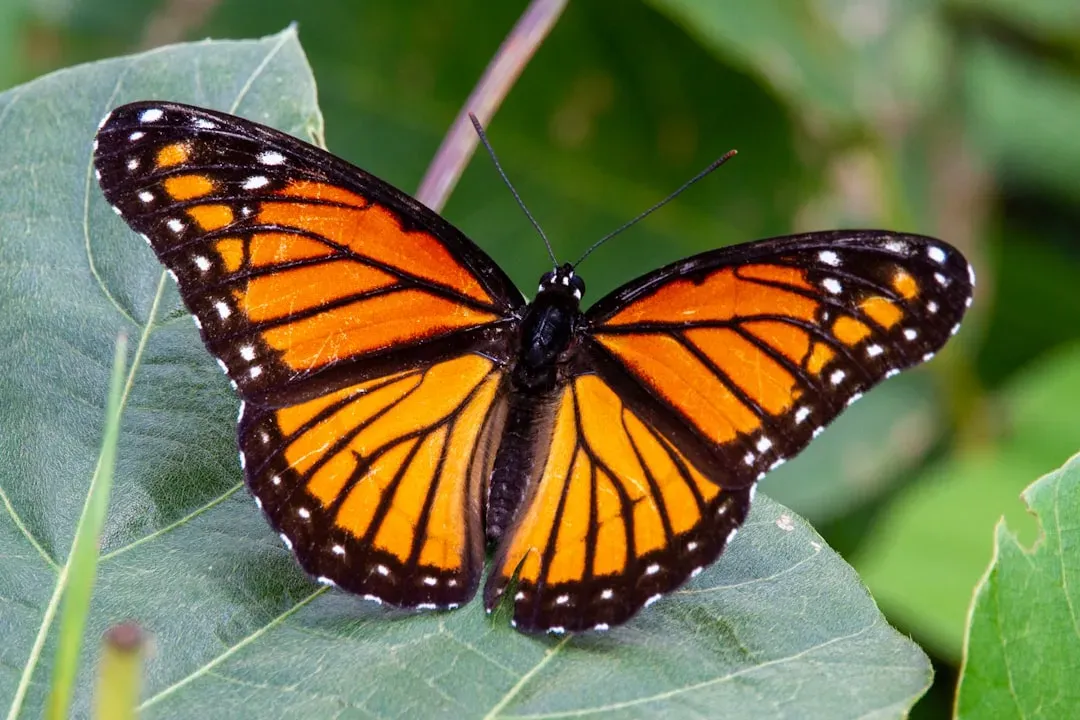
Picture walking into a quiet grove of trees and realizing that what you thought were dried leaves are actually thousands upon thousands of butterflies. Every year, monarch butterflies make mind-blowing migrations across North America, traveling from as far as Canada down to overwintering sites in Mexico and coastal California. In places like Pacific Grove and Pismo Beach in California, you can see monarchs clustered so densely on branches that they look like living, gently breathing ornaments.
On a warmer day, when the sun hits them just right, they detach and take off in waves, filling the air with orange and black wings that flutter around you like confetti. It’s honestly surreal that such delicate creatures can travel thousands of miles, guided by instincts that scientists are still studying. In recent decades, their numbers have dropped sharply in some regions, which makes seeing a strong gathering feel both beautiful and fragile. It’s the kind of phenomenon that quietly nudges you to care more about the habitats and plants that make these migrations possible.
Antelope Canyon’s Shifting Light in Arizona
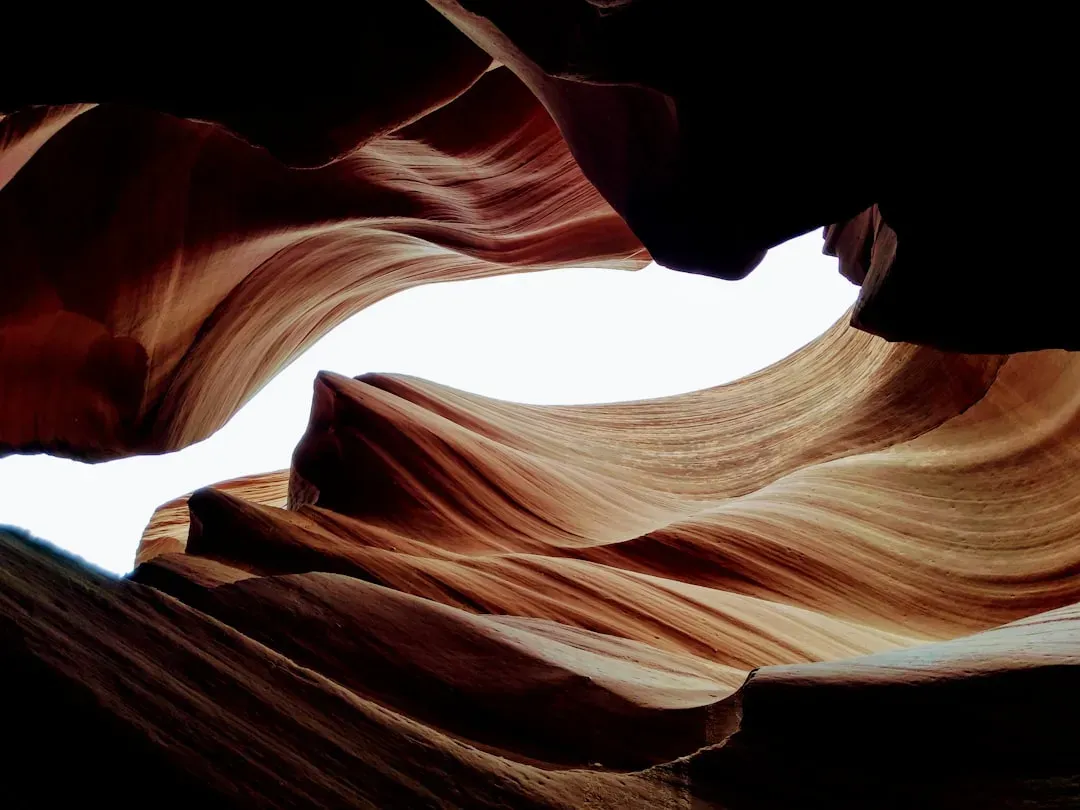
Antelope Canyon in northern Arizona looks like someone sculpted a sandstone wave and then invited light to play inside it. This slot canyon, carved over ages by flash floods, is famous for its smooth, sweeping rock walls that twist and curl overhead. When sunlight filters down through the narrow opening at the top, the interior glows in shifting shades of orange, red, purple, and gold that seem to change every few minutes.
In the upper canyon, shafts of light can pierce the darkness in late spring and summer, forming visible beams that look almost solid when they hit dust or sand in the air. Walk slowly, and every turn feels like a new abstract painting, with the curves and colors constantly reshaping as the sun moves. It’s crowded and heavily photographed, but honestly, that doesn’t fully take away from the experience of seeing it with your own eyes. The whole place feels like stepping inside a piece of art that water and wind have been editing for millions of years.
The Everglades’ River of Grass in Motion
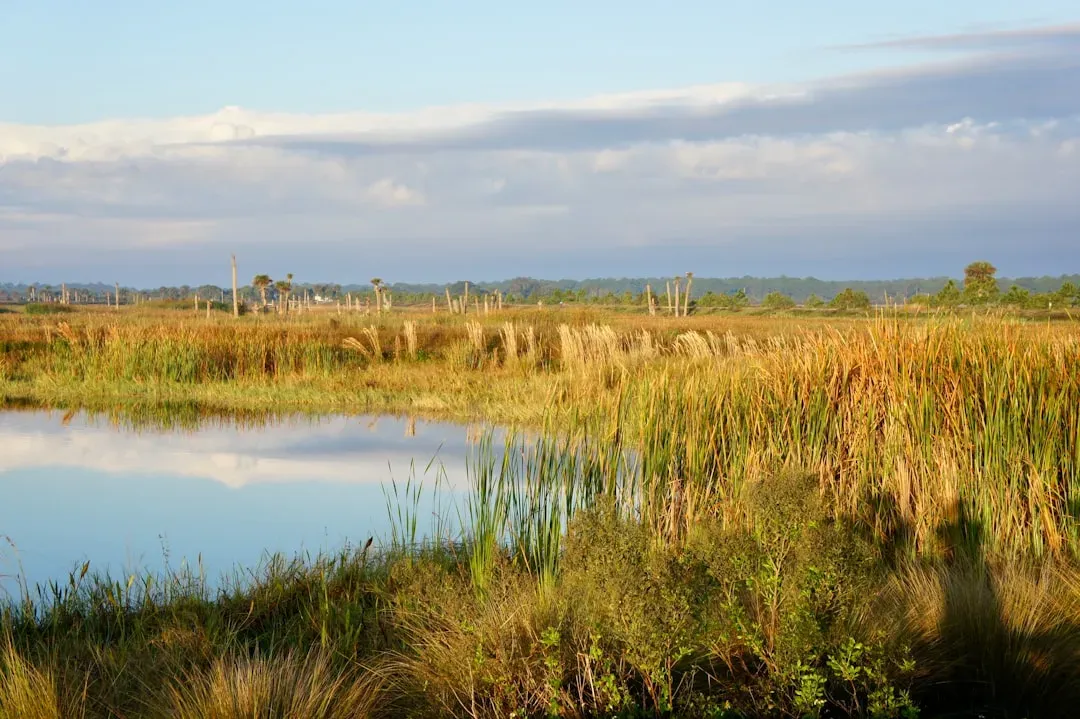
The Florida Everglades might not sound as dramatic as volcanoes or glowing skies, but it’s quietly one of the strangest and most unique natural systems in the country. It’s often called a “river of grass,” because the water here isn’t a lake or a swamp in the traditional sense; it’s a very slow-moving sheet of water flowing southward, weaving through sawgrass and mangroves. Stand still for a moment and you realize almost everything is alive, from the water itself to the air full of birds and insects.
On an airboat or kayak, you glide over what seems like solid fields, only to realize you’re actually moving on shallow, flowing water. Alligators bask on muddy banks, wading birds stalk through the reeds, and the landscape stretches flat and open in a way that feels a bit otherworldly. The Everglades only exist because of a very specific balance of rainfall, flow, and plant life, and that balance has been heavily stressed by development and water diversion. Seeing this slow, breathing ecosystem up close has a way of making you feel like you’re visiting something rare and slightly on the edge.
Painted Hills and Badlands of the American West
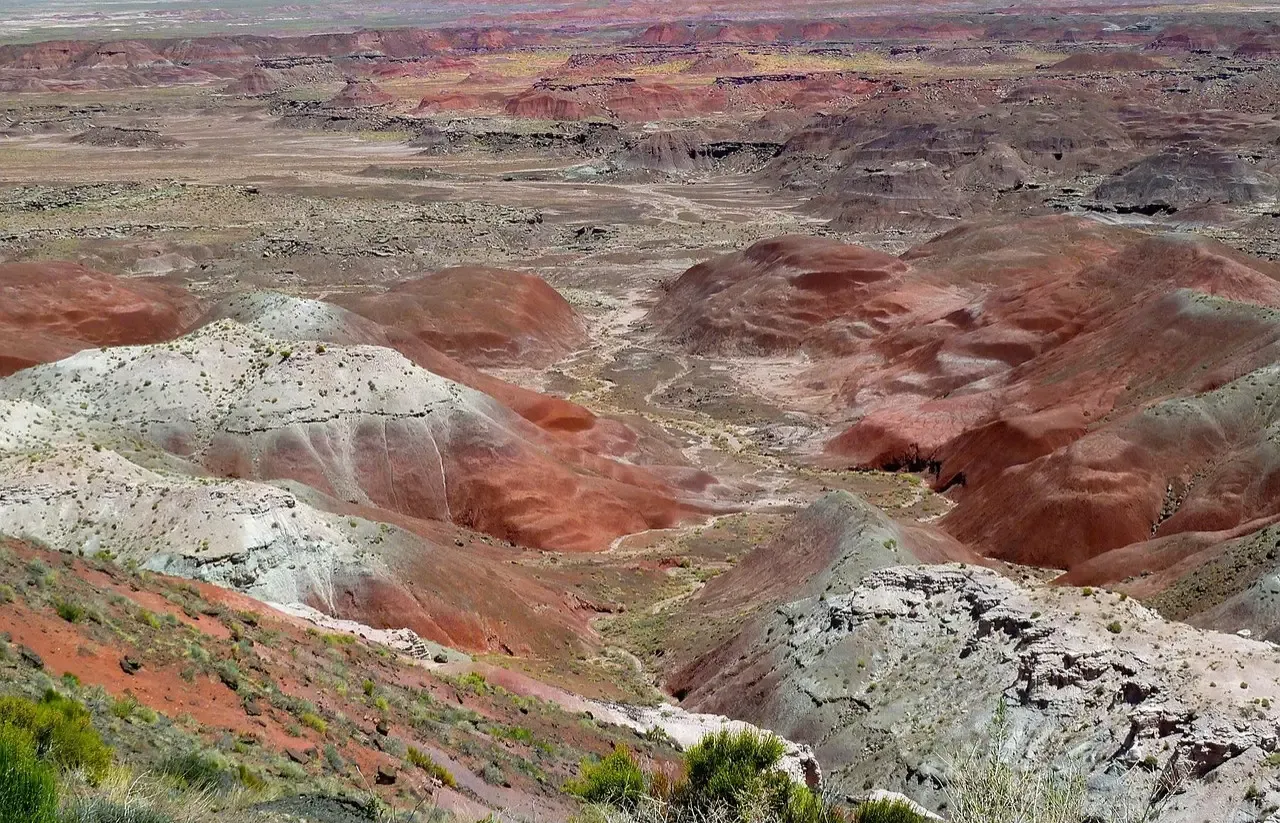
Some parts of the American West look less like Earth and more like a layered, unfinished art project. In places like the Painted Hills in Oregon and Badlands National Park in South Dakota, the ground rises in rippling mounds and eroded ridges, striped with bands of red, yellow, gray, and brown. These colors come from ancient soils and sediments laid down over millions of years, then exposed by wind and water like pages peeled back in a history book.
Walk the trails and you’ll see hills that look almost soft from a distance, as if you could leave fingerprints in them, even though they’re solid rock and clay. After rain, the colors can deepen, turning the landscape into a muted, surreal rainbow. You start to realize each stripe represents a different ancient world: old forests, long-gone rivers, extinct animals whose fossils still turn up in the area. It’s a quiet, contemplative kind of spectacle, the opposite of fireworks, but it stays with you.
Volcanic Fire and Lava Flows in Hawaii
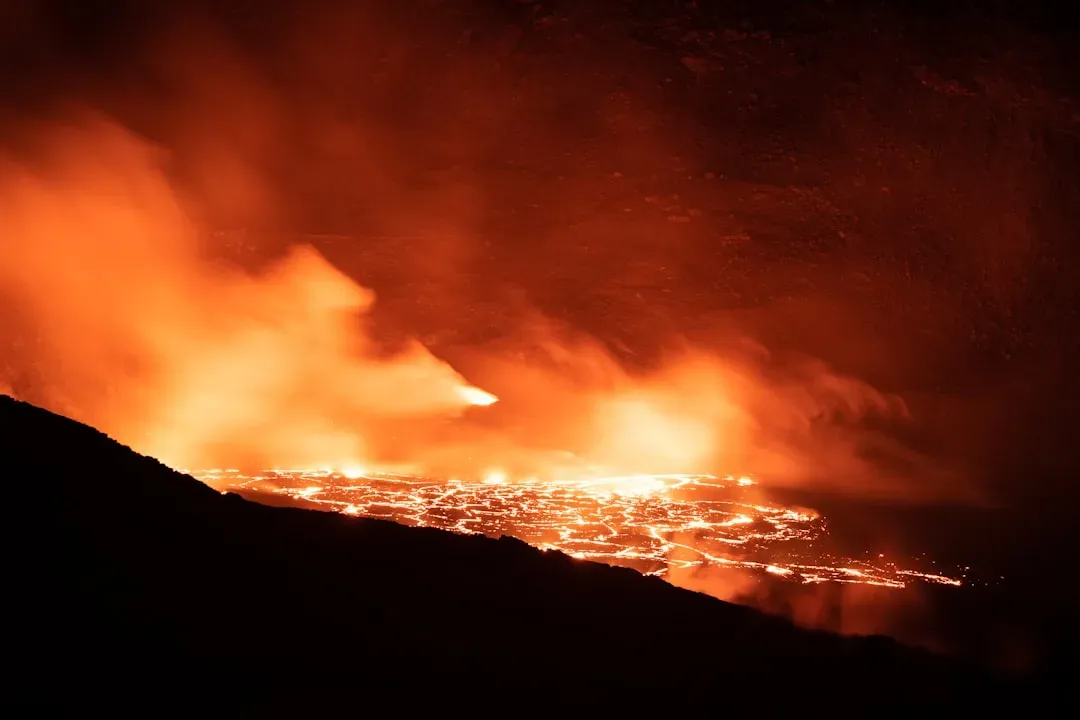
Few things feel as raw and primal as watching lava create new land right in front of your eyes. In Hawaii, particularly on the Big Island, volcanic activity from Kīlauea has, at times, sent glowing lava flows spilling down the slopes and onto new terrain. Depending on current conditions and safety restrictions, visitors can sometimes witness red-hot rivers of rock inching forward, hissing and cracking as they cool into black, jagged formations.
Even when surface lava isn’t visible, steam vents, sulfur-scented craters, and black lava fields remind you that the islands themselves were born from this same relentless process. Standing near a cooled flow that’s younger than you are is oddly humbling; it’s like seeing a time-lapse of planet-building in reverse. The contrast of bright green jungle, dark lava, and sometimes glowing fissures at night feels almost unreal. If you time it right and follow all safety guidelines, watching the earth literally rearrange itself is a once-in-a-lifetime experience.
Glacial Majesty in Alaska’s Fjords and National Parks
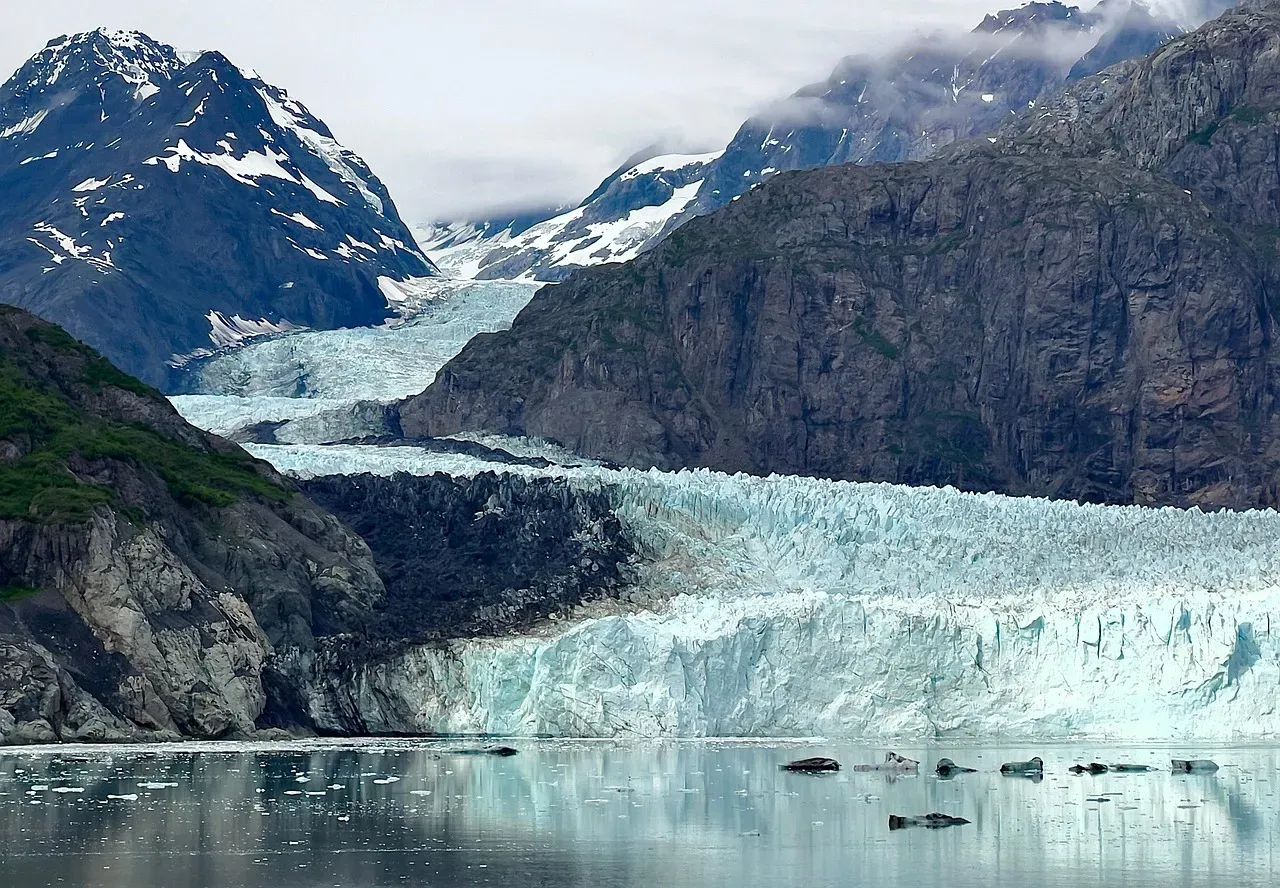
Seeing a glacier in person is a bit like meeting a celebrity you’ve only seen in textbooks: strangely familiar, but so much bigger than you imagined. In places like Kenai Fjords National Park, Glacier Bay, and parts of Wrangell–St. Elias in Alaska, massive rivers of ancient ice crawl slowly down from the mountains toward the sea. From a boat, you watch towering blue-white cliffs of ice loom ahead, streaked with dirt and rock that the glacier has chewed off the landscape over centuries.
If you’re lucky (and at a safe distance), you may witness calving – when chunks of ice as big as buildings crack and crash into the water with a thunderous roar, sending waves rolling outward. The air around glaciers feels colder and sharper, and sometimes you can hear the quiet creaks and pops of the ice shifting and settling. It’s beautiful, but also a bit unsettling, especially knowing that many glaciers in Alaska and around the world have been retreating significantly in recent decades. Standing there, watching these giants melt and move, it’s hard not to feel caught between awe and concern.
A Country-Sized Wonder Cabinet
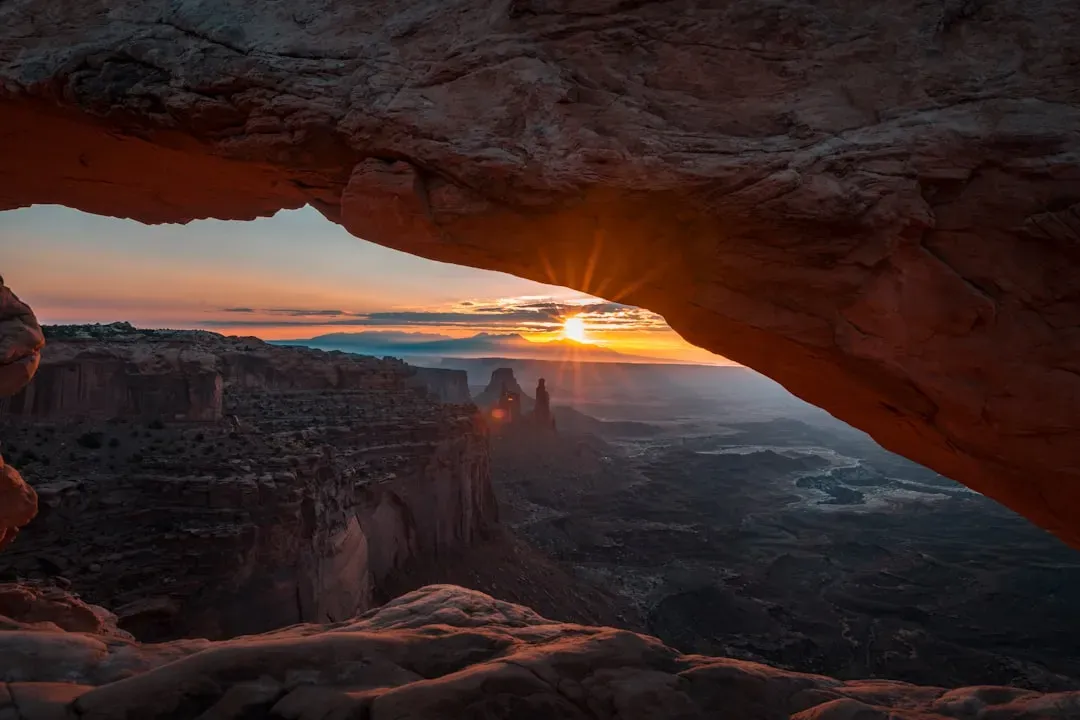
What stands out about these natural phenomena is not just how spectacular they are, but how close they really are to ordinary life. You can work a regular job, drink bad office coffee, and then, with a bit of planning, find yourself staring at a glowing ocean, a sky torn open by light, or a canyon that looks painted by hand. It’s easy to forget that in one country you can move from volcanic fire to Arctic-like ice to desert art within just a handful of flights or long drives.
These places and events aren’t just travel bucket-list items; they’re reminders that the planet is still doing its own wild thing, with or without our permission. Every time you go out and watch one of these phenomena in person, you’re basically giving your future self a memory that will outlast almost any gadget or purchase. The only real question is which one you’re going to chase first – and how different you might feel when you come back.