If nature had a special effects department, some of its greatest hits would still be hard to believe. Glowing waves, rocks that walk, storms that spit fire – they sound like scenes from a sci‑fi movie, not things you could literally stand in front of and film with your phone.
Yet these phenomena are completely real, shaped by physics, chemistry, biology, and sometimes a little bit of luck. Some last only seconds, others carve the landscape over centuries. Let’s dive into ten of the wildest, strangest natural wonders on Earth – the kind that make you rethink what “normal” even means.
Bioluminescent Bays: Oceans That Glow Electric Blue
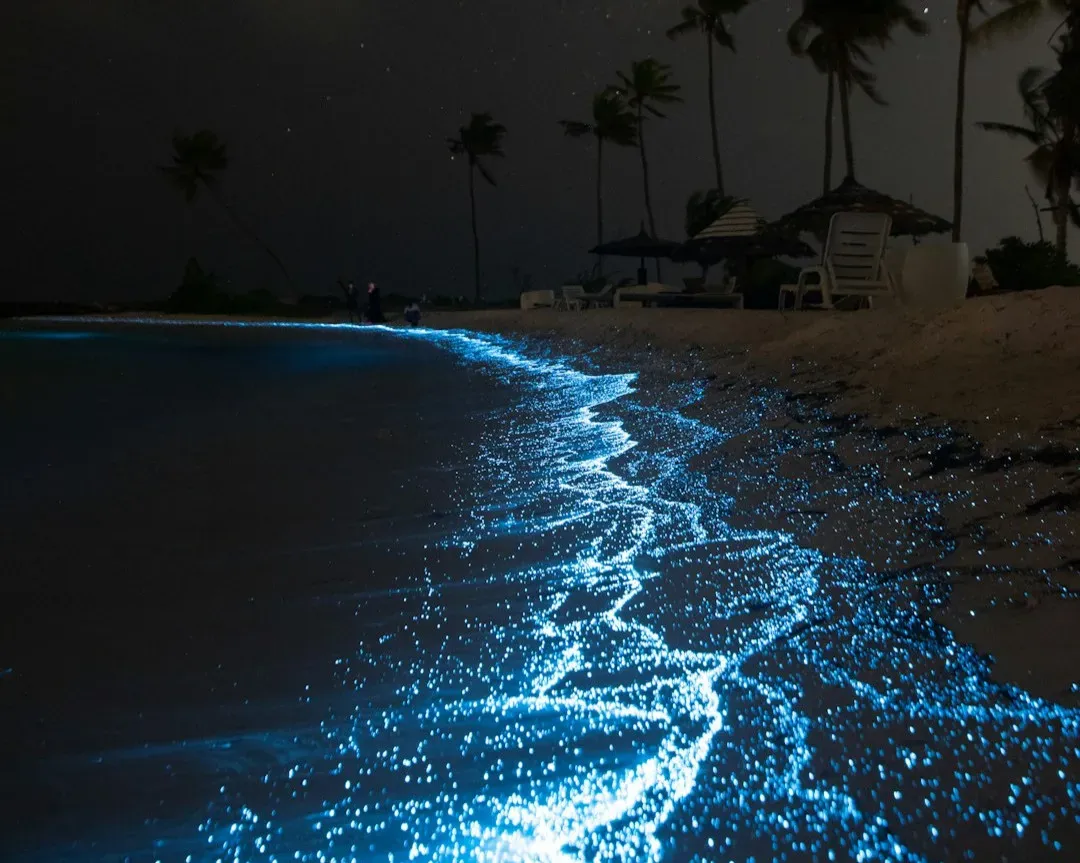
Imagine walking along a dark beach, dragging your hand through the water, and watching the sea explode into eerie blue light with every movement. Bioluminescent bays, found in places like Puerto Rico, the Maldives, and parts of Southeast Asia, seem like someone secretly wired the ocean with neon lights. The glow comes from tiny plankton called dinoflagellates that light up when disturbed, a chemical reaction similar to what happens in a firefly.
These living lights are incredibly sensitive, and that’s part of what makes them feel almost magical and heartbreakingly fragile at the same time. Boat traffic, pollution, and coastal development can reduce or wipe out the glow by messing with water quality and temperature. Standing in a bioluminescent bay, watching every splash shimmer like liquid stars, you can’t help feeling like you’re getting a private sneak peek at the planet’s hidden circuitry. It’s one of the purest “I can’t believe my eyes” experiences you can have in nature.
Catatumbo Lightning: A Storm That Almost Never Stops
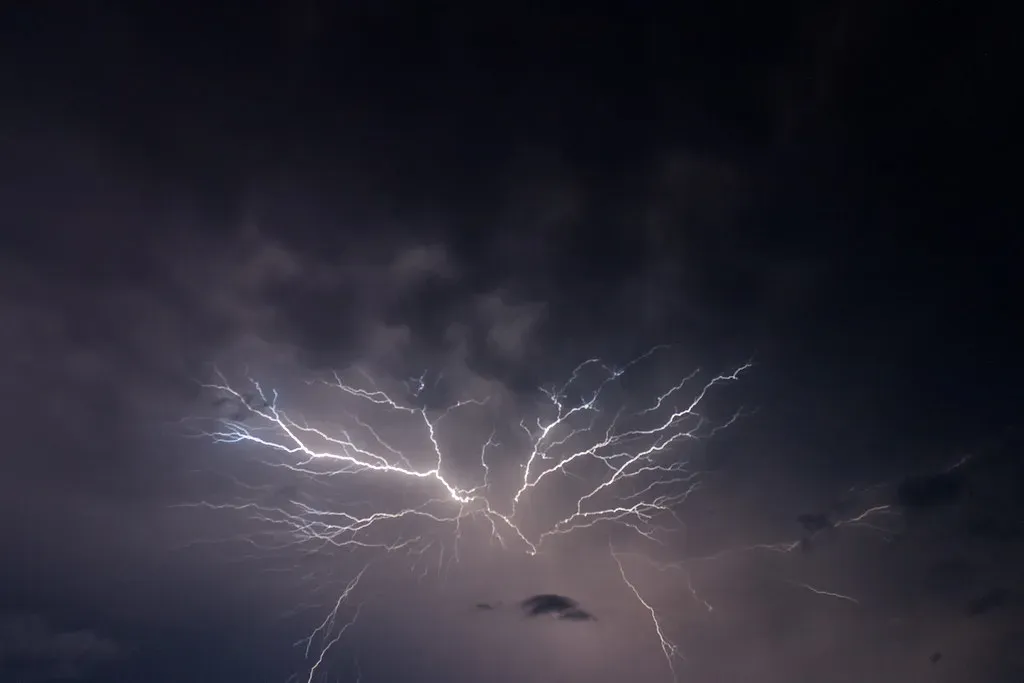
In one corner of northwestern Venezuela, lightning doesn’t wait for a weather forecast – it just keeps going. Above the Catatumbo River and Lake Maracaibo, storms light up the sky on most nights of the year, sometimes for hours at a time. Long before scientists started studying it, sailors used this almost constant lightning as a natural lighthouse, visible from far out at sea.
The region’s geography traps hot, humid air, which collides with cooler mountain winds and fuels repeated thunderstorms. The result is a sky that flashes so often it looks like nature left the lights on. Watching it, you get that strange feeling that the atmosphere is alive, breathing and sparking on a schedule of its own. It’s both mesmerizing and slightly unsettling, like staring at a world that forgot how to hit pause.
Fire Rainbows: Iridescent Flames Across the Sky
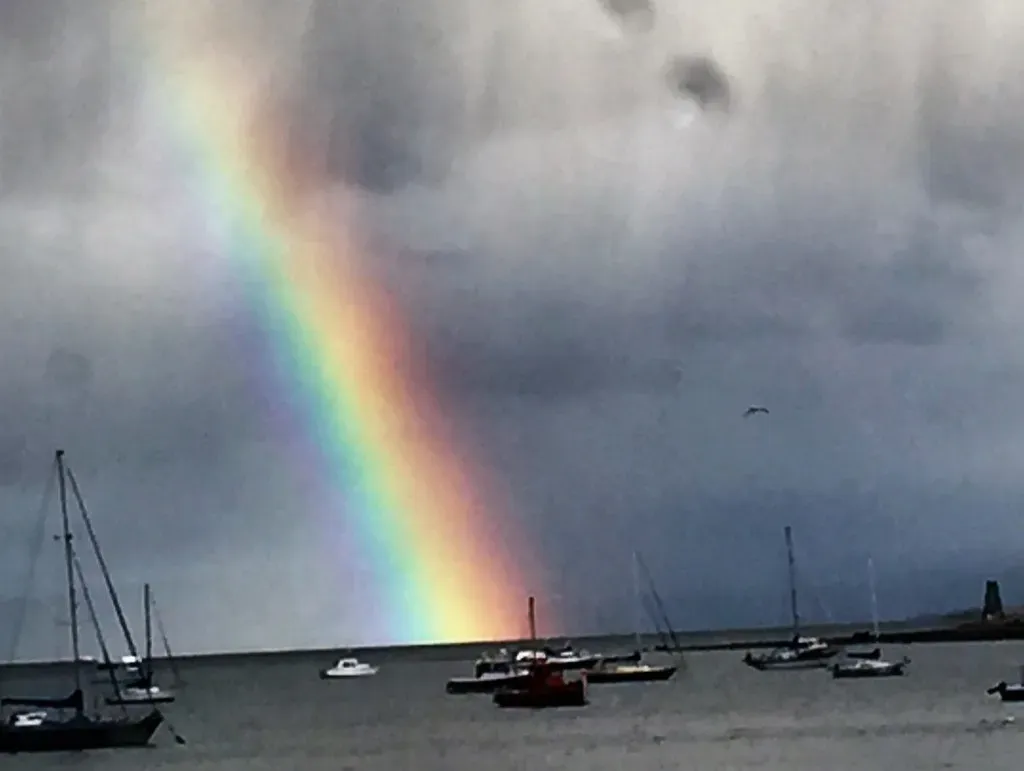
Despite the name, fire rainbows aren’t actually rainbows and definitely aren’t made of fire. Officially called circumhorizontal arcs, they appear when sunlight hits thin, high-altitude ice-crystal clouds at just the right angle. When conditions line up, bands of bright rainbow colors seem to burn across the sky, as if someone smeared neon paint along the horizon. You could stare at them and still swear they’ve been photoshopped in real time.
They’re rare in many parts of the world because the sun has to sit high in the sky and the ice crystals must be perfectly oriented, like millions of tiny glass prisms working together. When they do show up, people often flood social media insisting they’ve seen some kind of omen or portal opening above them. They’re really just sunlight and ice, but they hit you with that strange, humbling reminder that even simple ingredients can create something that feels way beyond ordinary weather.
Penitentes: Frozen Blade Forests of the High Andes
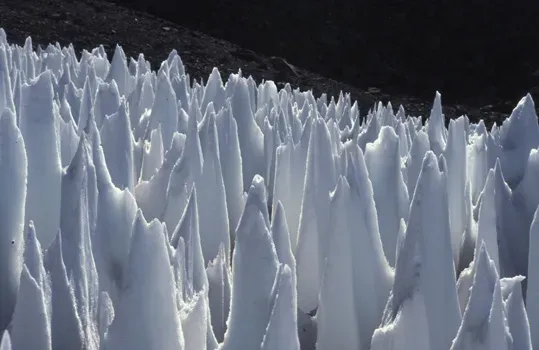
High in the Andes, patches of snowfields can look like they’ve been attacked by a giant sculptor with a taste for the dramatic. Penitentes are tall, thin blades of hardened snow and ice that all tilt toward the sun, some taller than a person. Walking among them feels eerie and surreal, like wandering through a frozen crowd of white-robed figures bowed in silent prayer.
They form when intense sunlight and dry air cause snow to sublimate – turning straight from solid to vapor – in an uneven way. Little dimples become troughs, troughs become spikes, and over time you get a whole jagged forest of frozen knives. Climbers have to weave around them, squeezing through narrow gaps, sometimes hearing them drip and crack. It’s the kind of landscape that makes you realize snow isn’t always soft and friendly; given the right conditions, it can become downright sinister.
Fairy Circles: Mysterious Polka Dots in the Desert
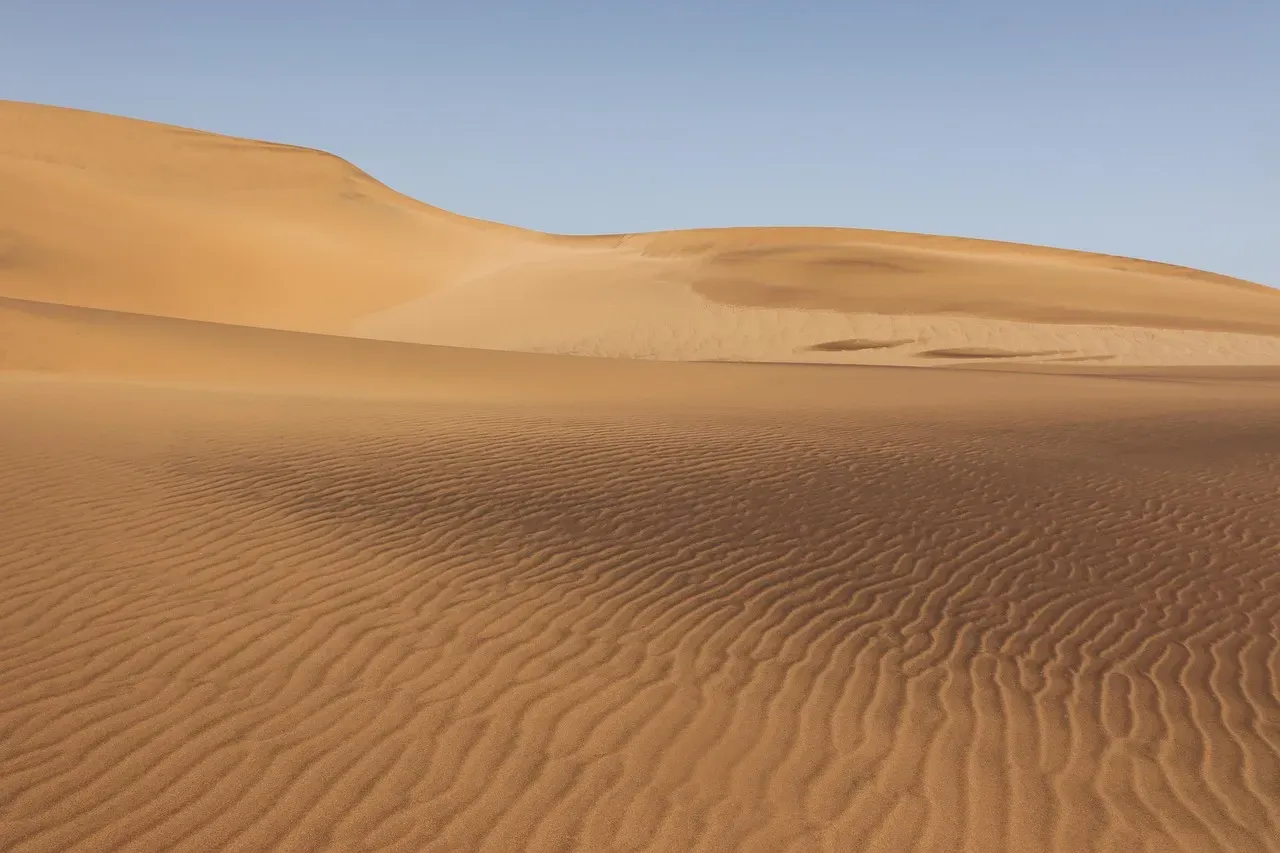
Across parts of Namibia and Western Australia, vast deserts are sprinkled with eerie, almost perfectly round patches of bare earth, each surrounded by a ring of grasses. From the ground, they seem odd enough, but from the air they look like the land has broken out in some kind of geometric rash. People have argued for decades over what causes these fairy circles, and even their name adds to the feeling that something supernatural might be going on.
Research points to a mix of plant competition for water and the underground activity of termites, but it’s still a topic that scientists keep revisiting. The harsh desert forces plants to space out in just the right way to share limited water, leaving those empty spots like breathing holes for the ecosystem. Standing in the middle of one, you can sense how finely tuned survival is out there, how every blade of grass is playing a high-stakes game. It’s not magic, but it feels like a spell written in soil and roots.
Blood Falls: A Glacier That Bleeds Red
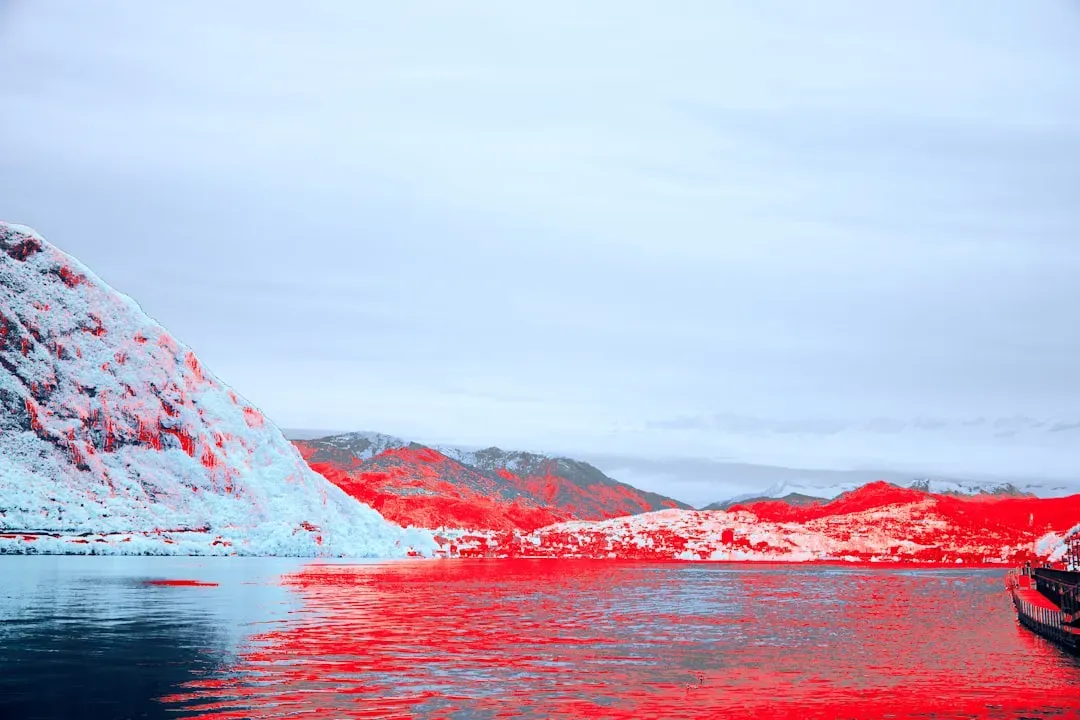
In Antarctica, where everything seems to come in shades of white, blue, and gray, there’s one glacier that looks like it’s leaking blood. At Taylor Glacier, a rusty-red stream spills out onto the ice, staining it in a way that looks almost violent at first glance. When photos of it pop up online, people often assume it’s fake or heavily edited, because who expects a glacier to look like it’s in a horror film?
The color comes from iron-rich, salty water that has been trapped beneath the ice for a very long time. When this ancient brine finally seeps out and hits the air, the iron oxidizes, turning red, just like metal rusting. Hidden in that salty water are tough, microscopic life forms that somehow survive in this dark, freezing, oxygen-poor environment. Blood Falls feels like a crack in the planet’s surface where you can literally watch an alien-seeming world leak out onto our own.
Sailing Stones: Rocks That Walk Across the Desert
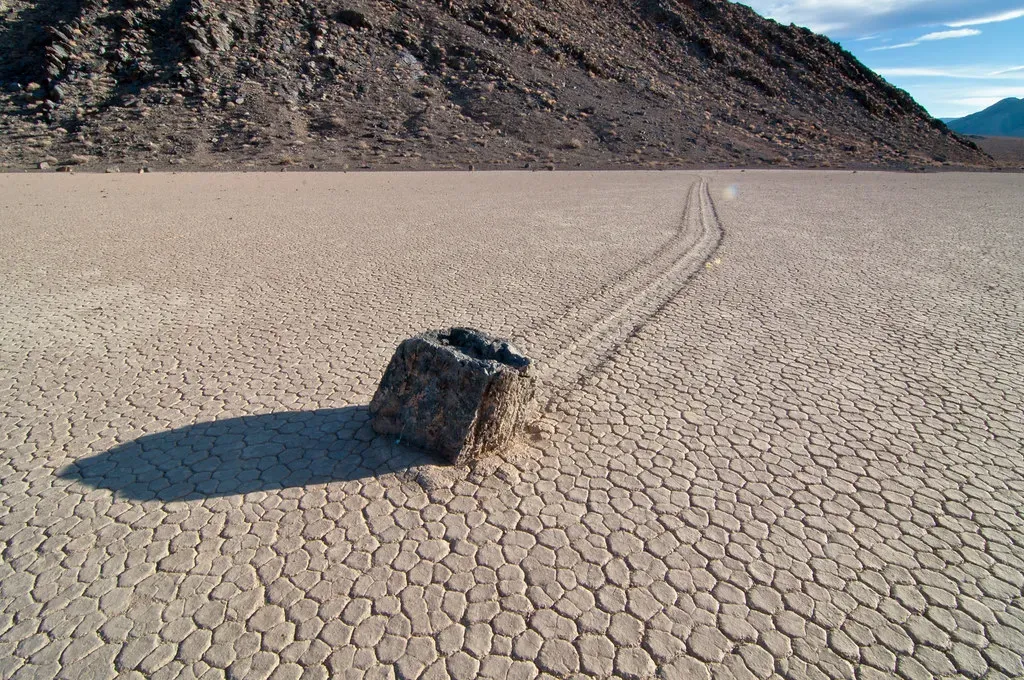
In California’s Racetrack Playa and a few similar dry lakebeds around the world, heavy rocks leave long trails etched in the cracked mud behind them, as if they’ve been slowly walking while no one was looking. For years, no one had solid proof of how it happened, which gave rise to all kinds of wild theories involving magnets, pranks, or stranger ideas. Coming across them in person, it’s hard not to feel like you’ve wandered into a real-life mystery novel.
Careful time-lapse studies finally caught the stones moving under just the right conditions. In winter, thin sheets of ice form around the rocks; when the ice begins to melt and a light breeze blows, the rocks gently slide across the slick mud. The process is subtle and slow, but over time it carves those long, ghostly tracks. It’s a reminder that even something as solid and stubborn as a boulder can be nudged into motion if the world lines up just right.
Brinicles: Icy Fingers of Death Under the Sea
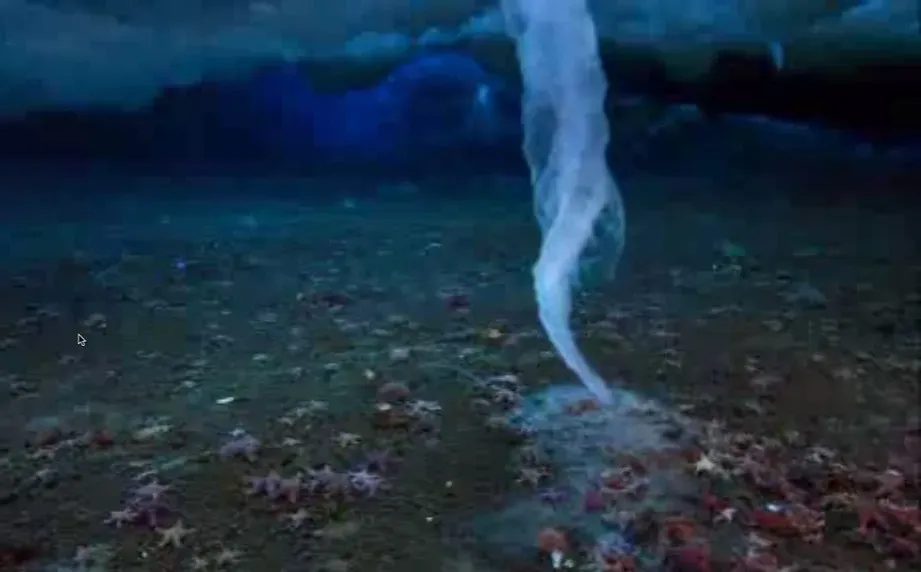
Under polar sea ice, there’s a phenomenon that looks like it belongs in a deep-sea horror game. Brinicles – sometimes nicknamed “ice fingers of death” – form when super-cold, very salty water drains down from the underside of sea ice into the ocean below. This freezing brine sinks and creates a tube of ice around itself as it falls, like an upside-down icicle plunging toward the seafloor.
When a brinicle reaches the bottom, it can spread out across the seafloor and quickly freeze anything slow and unlucky nearby, including sea stars and other small creatures. Watching time-lapse footage of one growing is deeply unsettling: it looks like an icy tentacle quietly reaching down to claim territory. The mix of calm movement and deadly effect taps into that primal fear of something creeping toward you while you stand still. Yet underneath the drama, it’s just salt, temperature, and physics doing their thing.
Volcanic Lightning: Thunderstorms Inside Eruptions
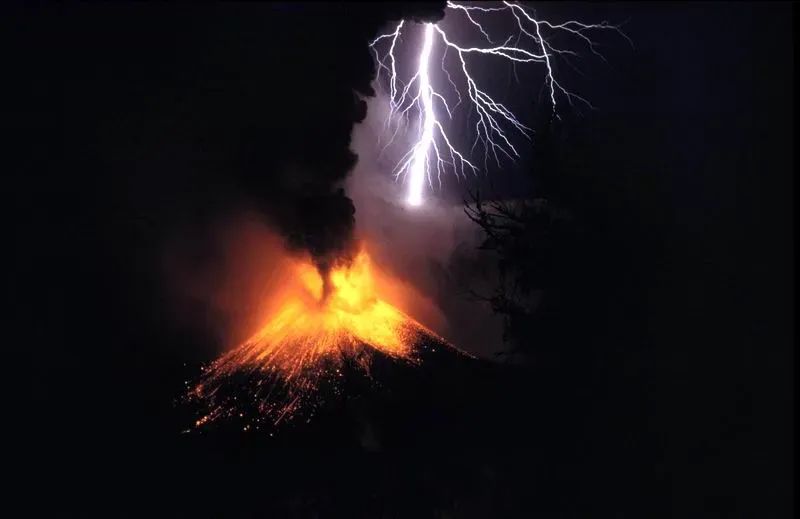
When a volcano erupts violently, it doesn’t just send lava and ash into the sky – sometimes it creates its own private lightning storm. As ash, rocks, and gas blast upward, the particles collide and build up electrical charges, similar to how charges form in regular storm clouds. The result is lightning that rips through billowing plumes of ash, carving bright veins of light into an already terrifying scene.
Photos of volcanic lightning almost don’t look real, like some special effects artist got carried away with the contrast settings. In person, the combination of roaring sound, choking ash, and sudden flashes would be overwhelming in a way most of us can barely imagine. It’s one of those moments where several forces of nature stack on top of each other and turn the dial past what feels believable. You’re seeing weather, geology, and electricity all fight in the same arena.
Moonbows: Rainbows That Glow in the Night
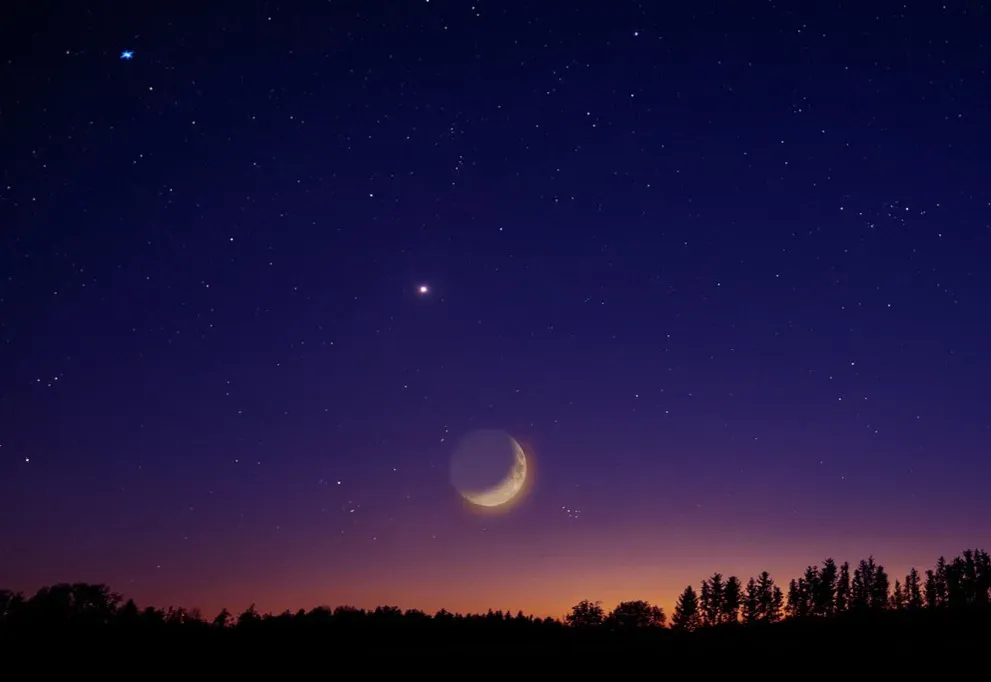
We’re used to rainbows showing up after a storm on sunny afternoons, so it’s jarring the first time you see one glowing faintly in the dark. Moonbows, or lunar rainbows, happen when bright moonlight shines through raindrops or mist, bending and reflecting just like sunlight does in a normal rainbow. They’re usually much paler, often looking almost white to the naked eye, which makes them seem like ghost versions of their daytime cousins.
You’re most likely to see them near waterfalls or during showers with a nearly full moon and clear skies behind you. Cameras with long exposures can bring out the full color spectrum, revealing that the rainbow really is hiding there in the darkness. Standing there, with a night sky, a glowing arc, and the hush of water or distant rain, you get that uncanny feeling that the world has flipped its usual rules. It’s familiar and strange at the same time, like nature replaying a well-known song in an unexpected minor key.
A Planet That Refuses To Be Boring
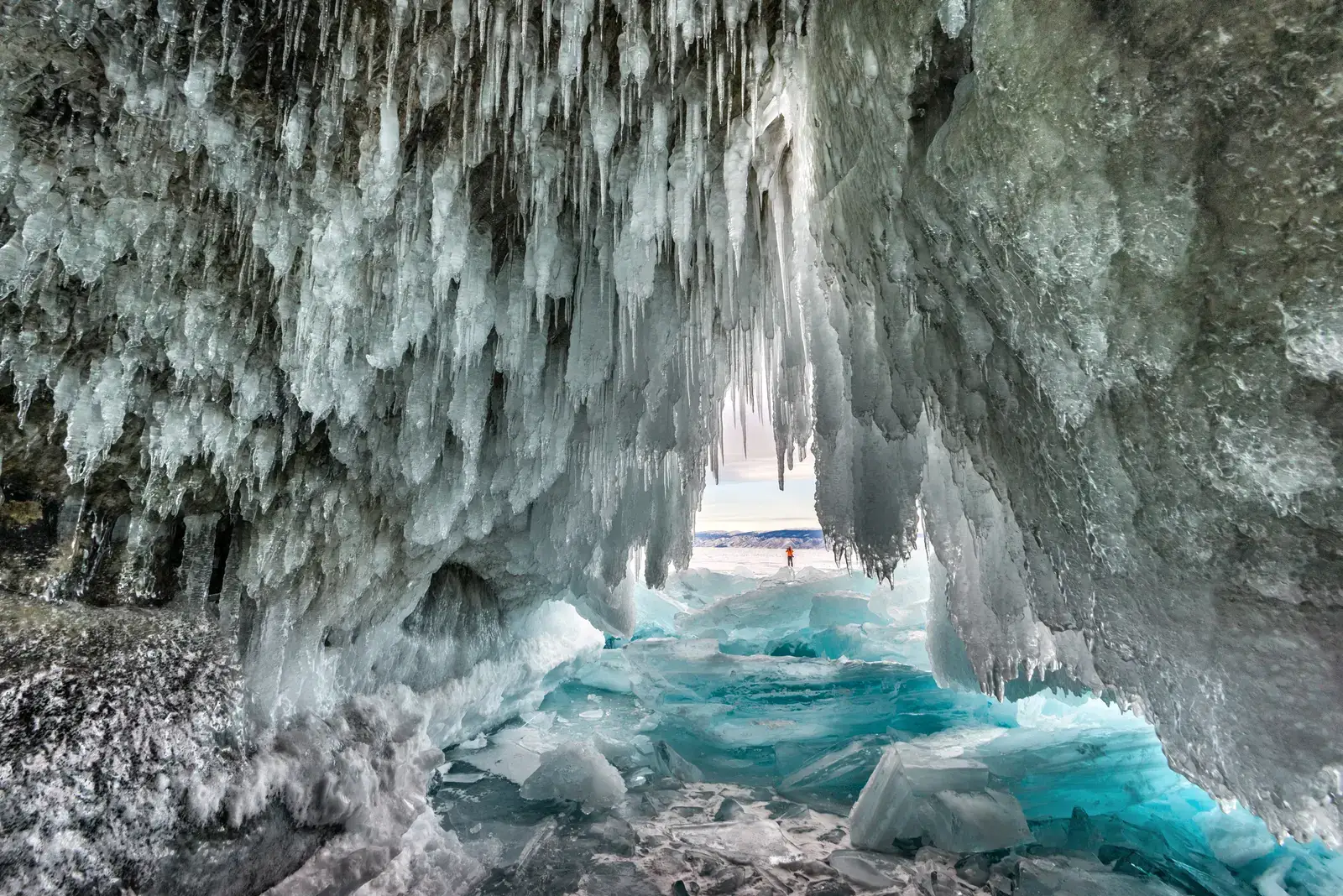
From glowing seas and walking rocks to bleeding glaciers and endless lightning, these phenomena show just how weird and wonderful Earth can be when conditions line up in just the right way. None of them require magic or the supernatural, yet they hit us with the same sense of shock and awe because they push so far past what we’re used to seeing day to day.
Once you realize the planet is capable of all this, an ordinary sky or shoreline feels less ordinary, like it’s hiding extra layers you just haven’t caught yet. The strange truth is that we live on a world that is constantly experimenting with light, ice, rock, and air in ways that can still surprise us. Which of these phenomena would you most want to stand in front of with your own eyes?