
Some spectacles of nature are so rare that most of us will only ever see them once, if at all, and often by pure accident rather than careful planning. Yet scientists are getting better at predicting and explaining these fleeting events, turning what used to be myth or rumor into measurable, documentable phenomena. In an era when we can stream almost anything on demand, these one-time-only natural wonders stand out as stubbornly unprogrammable, reminding us that the planet still keeps secrets. This is the paradox: our tools are better than ever, but the clock is ticking on how often these phenomena will occur as the climate changes. The result is a growing urgency among researchers, photographers, and travelers to chase moments that can blink out in seconds and never come again in a human lifetime.
1. The Total Solar Eclipse Over Your Own Home
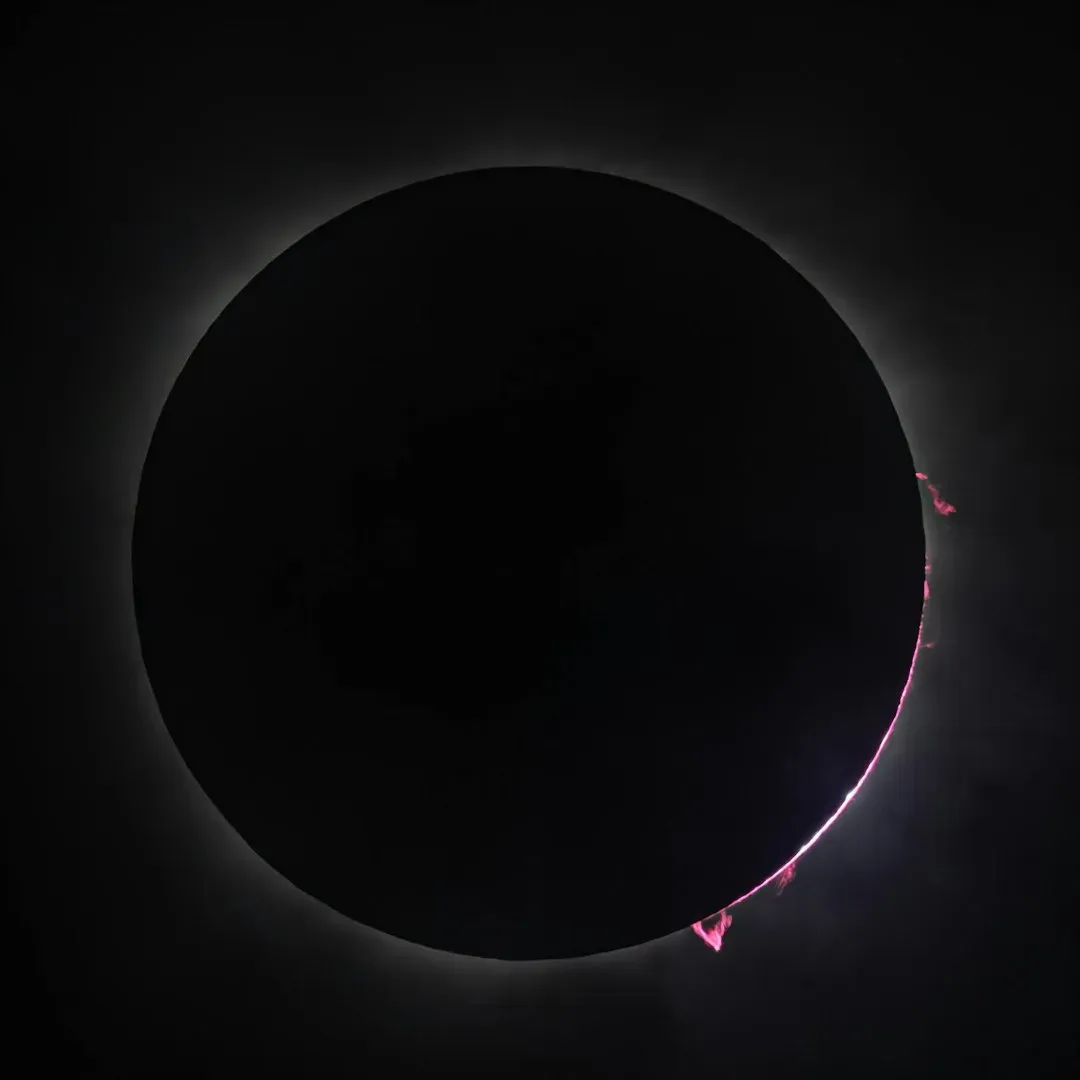
Watching a total solar eclipse is rare; watching one from your own backyard is almost like winning a cosmic lottery. The path of totality – where the Moon fully covers the Sun – forms a narrow track only a few dozen to a couple hundred kilometers wide, and it sweeps over any given point on Earth only once every few centuries on average. For a single town, the wait between total eclipses can easily stretch beyond multiple human lifetimes, which is why communities under an upcoming path prepare like they are hosting a once-in-history event. When totality arrives, daylight collapses into a ghostly twilight, streetlights flicker on, and the temperature noticeably drops in just a few minutes. Animals sometimes behave as if night has fallen, birds going quiet and insects surging in confused choruses.
Scientists treat these moments as precision laboratories in the sky. With the Sun’s blinding disk blocked, they can study the corona, the Sun’s tenuous outer atmosphere, in ways that even high-tech instruments struggle to match. During recent total eclipses, teams have used specialized cameras and spectrometers to track fine structures in the corona and test predictions about solar wind and magnetic fields. Meanwhile, for ordinary observers, it is an intensely personal experience – people routinely describe an almost physical shock when the last shard of sunlight disappears. Even if you travel across continents to see several eclipses, the one that crosses your own neighborhood will likely happen only once in your life, etching your own street into celestial history.
2. The Green Flash at Sunset Over a Perfect Horizon
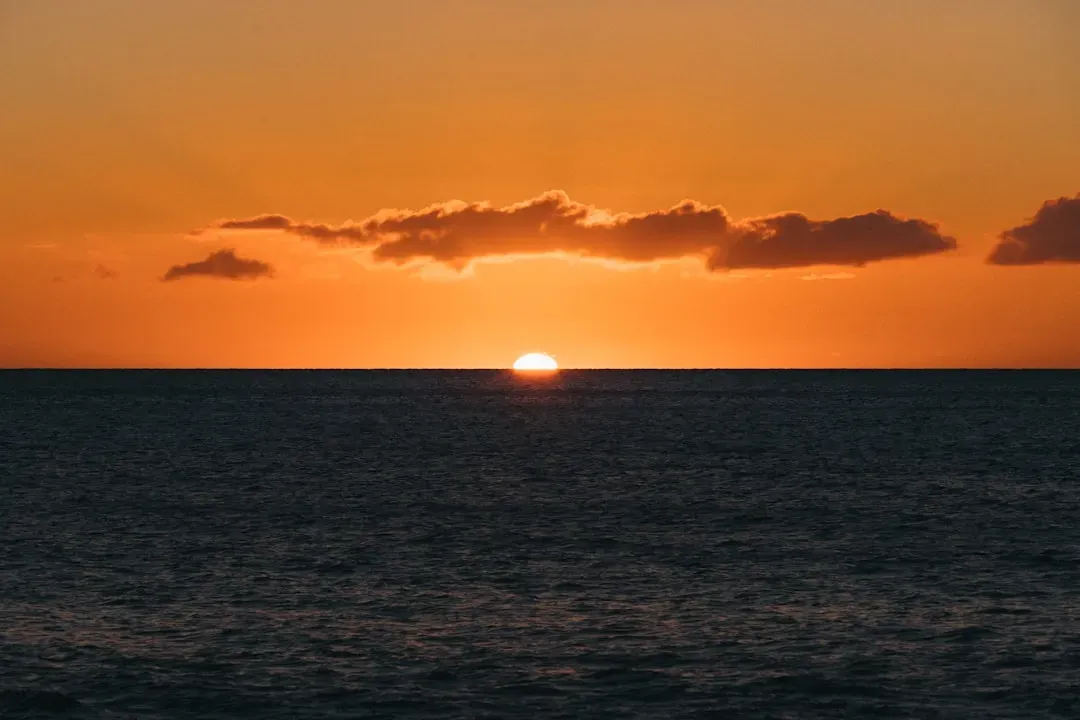
The so‑called green flash is one of those phenomena that sounds like sailor’s lore until you finally see it with your own eyes. For just a second or two as the Sun dips below a perfectly clear horizon, a tiny sliver at the upper edge can flare emerald green, like a jewel flicked into existence and then erased. This effect comes from atmospheric refraction and dispersion: the air bends sunlight like a prism, separating colors so that blue and green light are lifted slightly above the red. Normally, turbulence and haze smear this out, so most sunsets never deliver the clean conditions needed to reveal the flash. You need a stable temperature profile, low pollution, and a razor-sharp horizon such as a calm ocean or high-altitude plateau.
Because all those factors rarely align in the same place at the same time, many people chase the green flash for years and still never see it, while others get lucky once, during one random beach evening, and never witness it again. Photographers sometimes camp near coasts with telephoto lenses, capturing sequences that show the green segment stretching and morphing in ways the naked eye cannot track. Scientifically, the green flash is a reminder that the atmosphere is not just a thin blanket but an optical instrument constantly reshaping light. Emotionally, it feels like a private signal from the Sun, a one-time wink at whoever happened to be looking at exactly the right moment, from exactly the right place on Earth.
3. Firefall Illusions: Waterfalls That Turn to Lava-Light
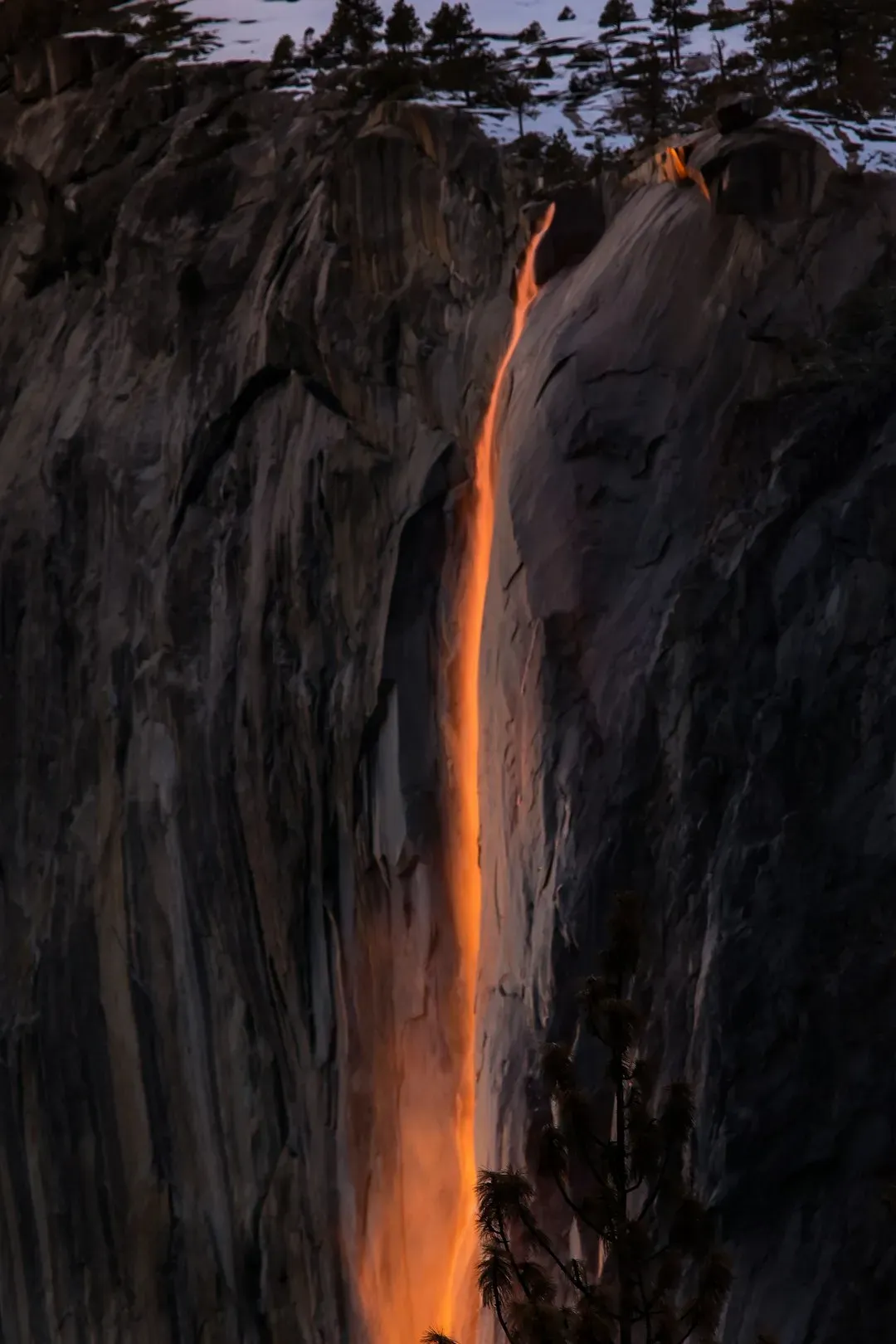
On a few evenings each year, certain waterfalls around the world appear to catch fire, glowing in bands of burning orange and red that resemble molten lava. The most famous example is the so‑called “firefall” effect at a slender waterfall on the face of a granite cliff in California, where, for a narrow window in February, the setting Sun lines up at just the right angle. When there is enough water flowing and the western sky is perfectly clear, the last rays of sunlight pass through a thick wedge of atmosphere and shift toward deep orange, painting the falling water in an eerie, flame-like glow. The illusion lasts only minutes, and a single cloud at the horizon can erase it entirely.
What makes this a once-in-a-lifetime experience for many people is how many variables must cooperate: seasonal snowmelt, recent weather, daily temperature, solar geometry, and sheer luck. On any given year, visitors may hike in, wait in the cold, and see nothing more than an ordinary waterfall darkening at dusk. For rangers and scientists, these events are fascinating case studies in how light, water, and geology conspire to create spectacle from simple physics. They also illustrate how social media can quickly transform a fragile, narrow viewing zone into a global pilgrimage site. One strong impression many people take away is how fragile the conditions are; a slight shift in snowpack timing or increased winter warmth could end the spectacle for years at a time.
4. Bioluminescent Seas That Ignite With Every Step
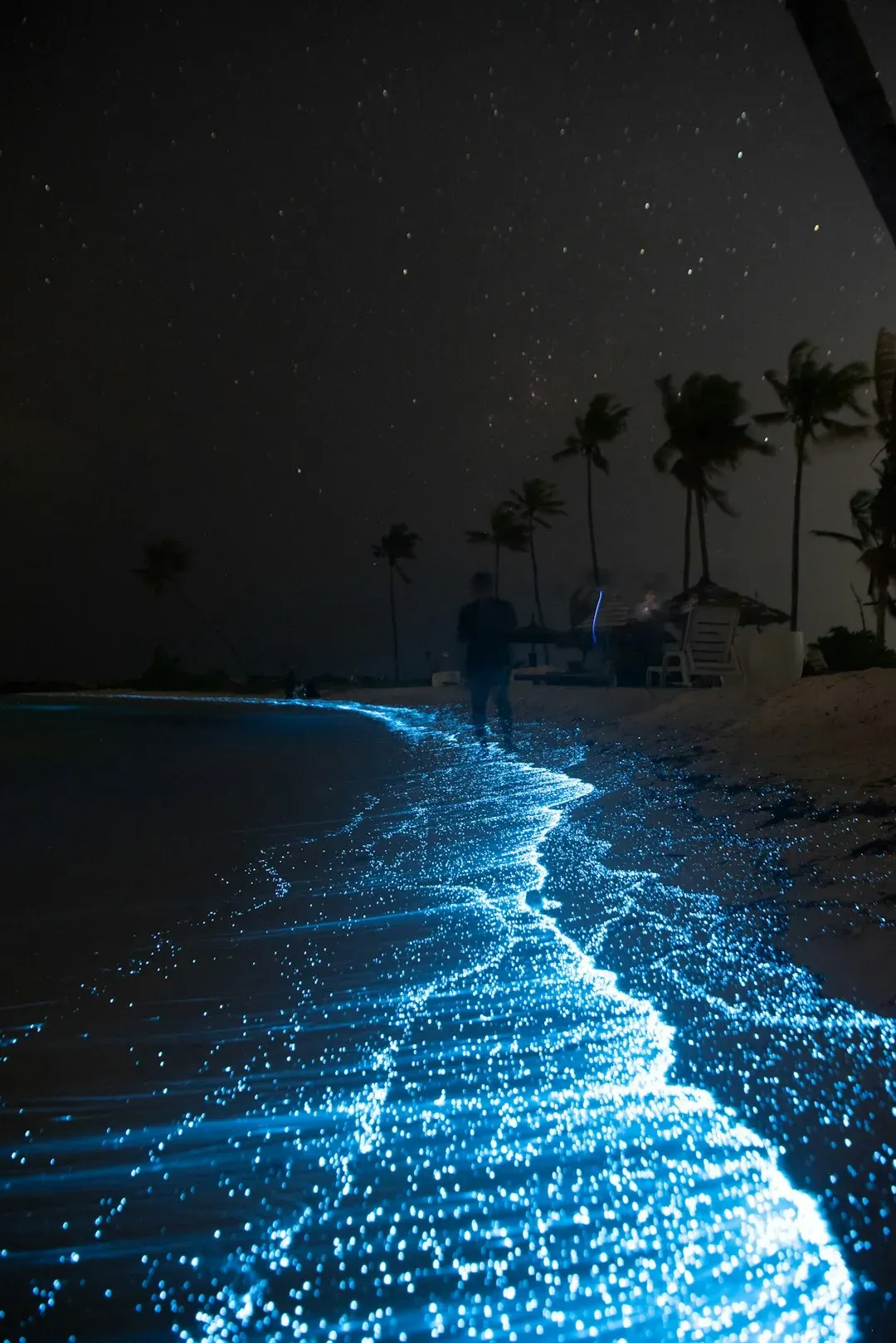
Every so often, coastlines around the world burst into electric blue light, turning gentle waves into glowing lines and human footsteps into streaks of ghostly fire. This spectacle comes from microscopic plankton – most commonly dinoflagellates – that produce light when they are disturbed, a defense mechanism triggered by motion. Usually their glow is faint, just enough to shimmer in boat wakes, but under the right combination of temperature, nutrients, and calm seas, their populations explode into a luminous bloom. These bright events can bathe entire bays or stretches of beach in moving light, like the ocean has become a living, star-filled sky under your feet. For many people, seeing this once is enough to permanently rewire how they think about the sea.
Researchers monitor these blooms with satellite sensors that can detect faint nighttime brightness patterns, pairing them with water samples to understand which species are involved and how they respond to changing ocean conditions. While some blooms are harmless, others can be linked to harmful algal events that affect marine life and fisheries, adding a sobering side to the beauty. Climate change and nutrient runoff appear to be altering where and when such bioluminescent events occur, potentially making them more frequent in some regions and less visible in others. That means the glowing beach you experienced once on a lucky night of your youth might never look the same again. Standing in a surf that seems to light up with every move can feel almost unreal, a once-only performance staged by trillions of microscopic performers.
5. Volcanic Lightning Inside an Erupting Plume
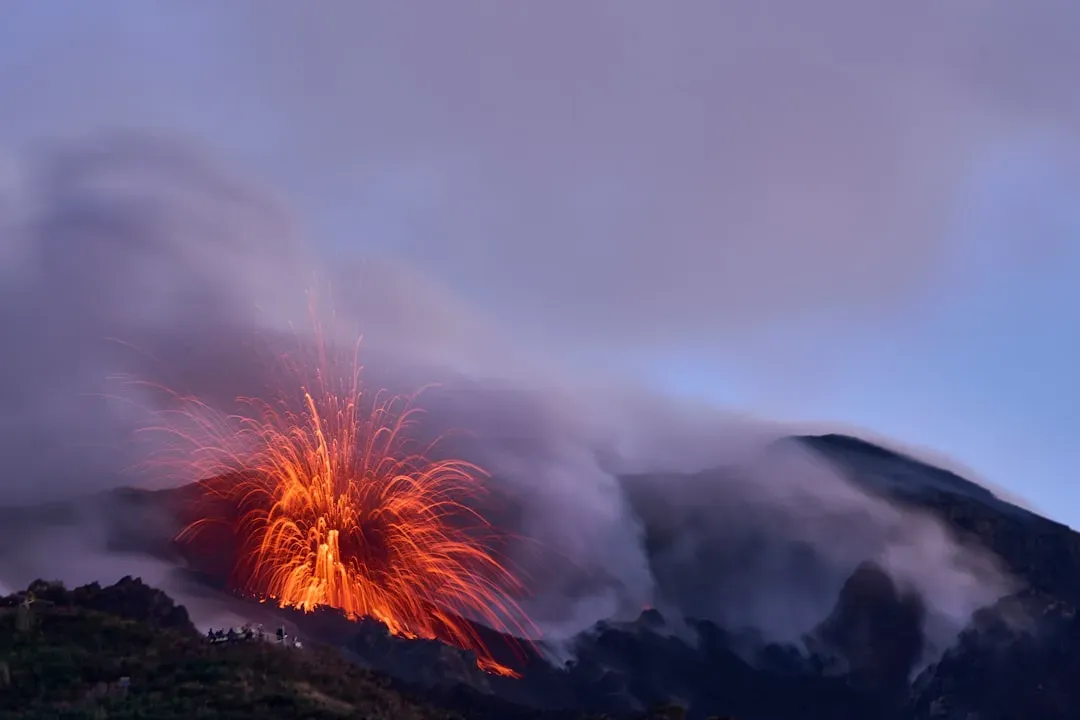
Few sights are as visceral as lightning stitched through a column of ash erupting from a volcano, transforming a natural disaster into a terrifyingly beautiful light show. This phenomenon, known as volcanic lightning, forms when ash particles and ice crystals collide and rub together inside the plume, charging up the cloud much like a thunderstorm does. Once enough charge builds, bolts leap across the dark column, sometimes branching in intricate patterns that cameras reveal in stark detail. These eruptions are rare, and major explosive events that produce intense lightning can be separated by decades at any single volcano. For nearby residents and scientists alike, witnessing one up close is often a once-in-a-lifetime, and sometimes life-defining, experience.
Because it is dangerous to get close, researchers rely on remote sensors, radio antennas, and high-speed imaging to study exactly how the charges separate and discharge. Volcanic lightning has gradually become more than a curiosity; detecting its radio signals can help confirm that an eruption is underway even when clouds or darkness block direct views. That can give surrounding communities precious extra minutes to respond to ashfall and lahars. On a human level, though, the sight of lightning erupting from the Earth itself taps into something primal, like watching the planet rage in real time. Many people who see it once never want to be that close to an eruption again, yet they also never forget how small it made them feel.
6. Rare Ice Halos and Sun Dogs in Polar Skies
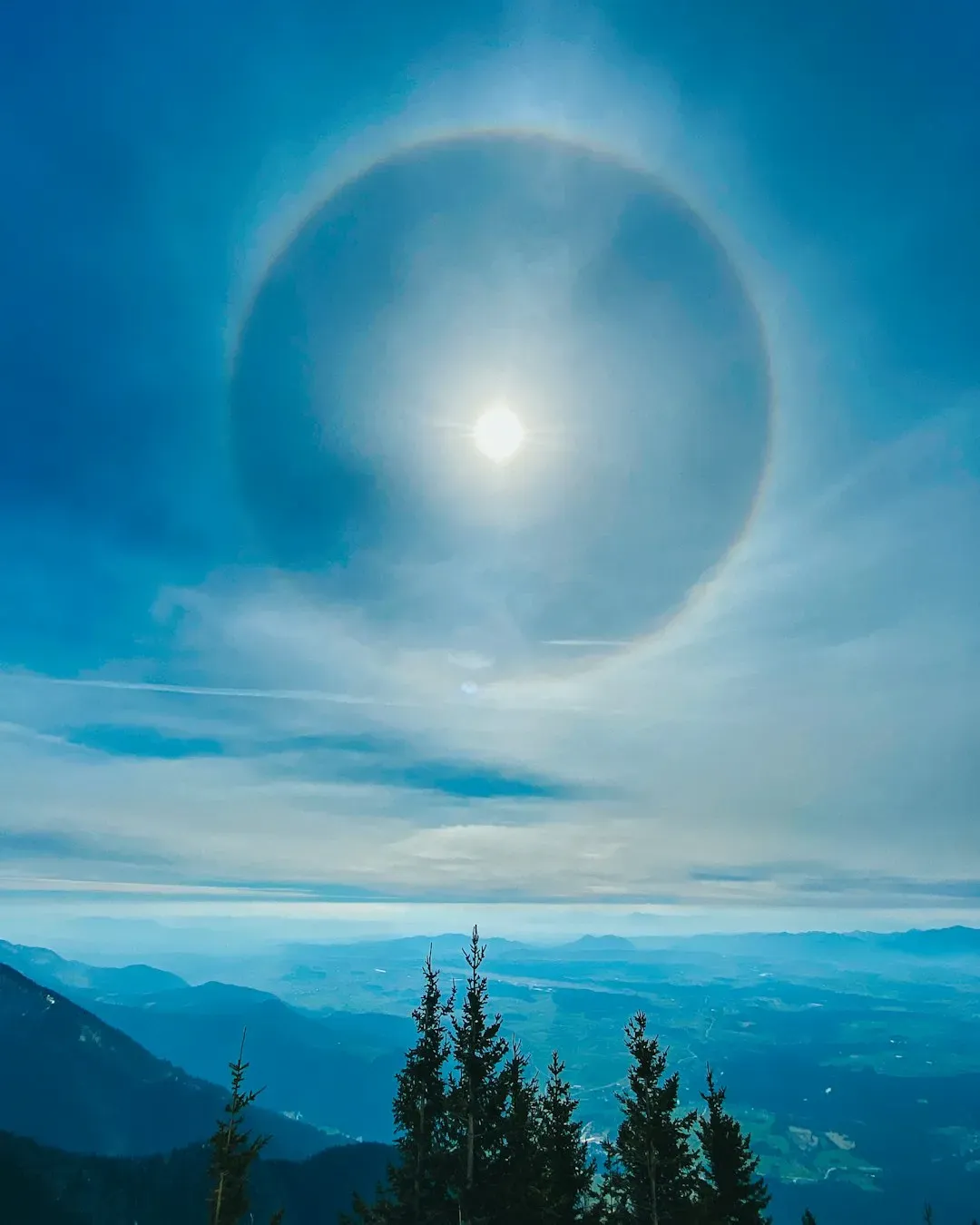
In the world’s coldest regions, the sky occasionally offers intricate ice-born geometry: glowing rings around the Sun, bright false suns flanking it, or even vertical beams of light rising like luminous pillars. These displays, collectively known as halos and sun dogs, form when sunlight passes through tiny hexagonal ice crystals suspended in frigid air. The crystals act like trillions of tiny prisms and lenses, bending and splitting the light into arcs and spots at precise angles. Some displays are fairly common in polar winters, but elaborate combinations – multiple rings, arcs, and bright dogs all at once – are exceptionally rare for any single observer. For someone living at lower latitudes, seeing such a full, textbook-perfect show may truly happen only once.
Atmospheric scientists use these events to infer properties of the ice crystals themselves, such as their shapes and orientations, which feed into better models of how clouds reflect and trap heat. High-quality photographs allow researchers to identify subtle arcs that reveal even more about upper-atmosphere conditions. There is also an emotional undertone: in regions where winter can feel endless and harsh, a sudden, ornate halo can feel like the sky’s way of compensating for months of icy darkness. People often describe a sense of quiet awe, standing in crisp, bitter air while the Sun appears to multiply and encircle itself with light. After experiencing such a rare pattern once, many find themselves scanning every winter sky just in case the crystals line up again.
7. A Once-in-a-Lifetime Meteor Storm
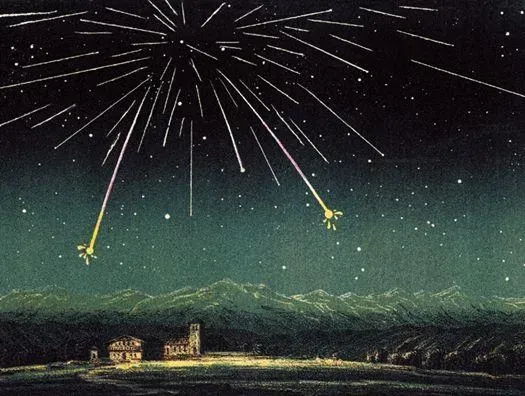
Meteor showers pass every year on schedule, but now and then, the Earth plows through an unusually dense filament of comet debris and the sky erupts into a full meteor storm. Instead of a comfortable handful of shooting stars per hour, observers may see hundreds or even thousands streaking across the sky, sometimes several per second. Historically, such storms have left powerful impressions on those lucky enough to be under clear, dark skies at the right time, with some describing the experience as feeling like the sky itself was falling. Modern forecasts can sometimes predict these outbursts, but there is always uncertainty: a minor enhancement on paper can turn into a legendary night, or vice versa. For any individual observer, the exact combination of storm and perfect weather rarely repeats in one lifetime.
Astronomers use these events to refine models of comet orbits and debris distribution, tracking how dust streams evolve over decades and centuries. By timing the meteors and tracing their paths, they can map invisible trails left by long-dead or dormant comets. On the ground, communities that host dedicated dark-sky reserves sometimes organize all-night watches, turning remote hillsides into temporary outdoor observatories filled with families and scientists lying side by side. The storms also highlight how our relationship with the night sky has changed; in light-polluted cities, even a spectacular outburst can be reduced to just a few visible streaks. For those who do manage to witness a true storm once, the memory tends to recalibrate their sense of cosmic scale every time they look up afterward.
8. When It Matters: Why Once-in-a-Lifetime Phenomena Are More Than Pretty Pictures
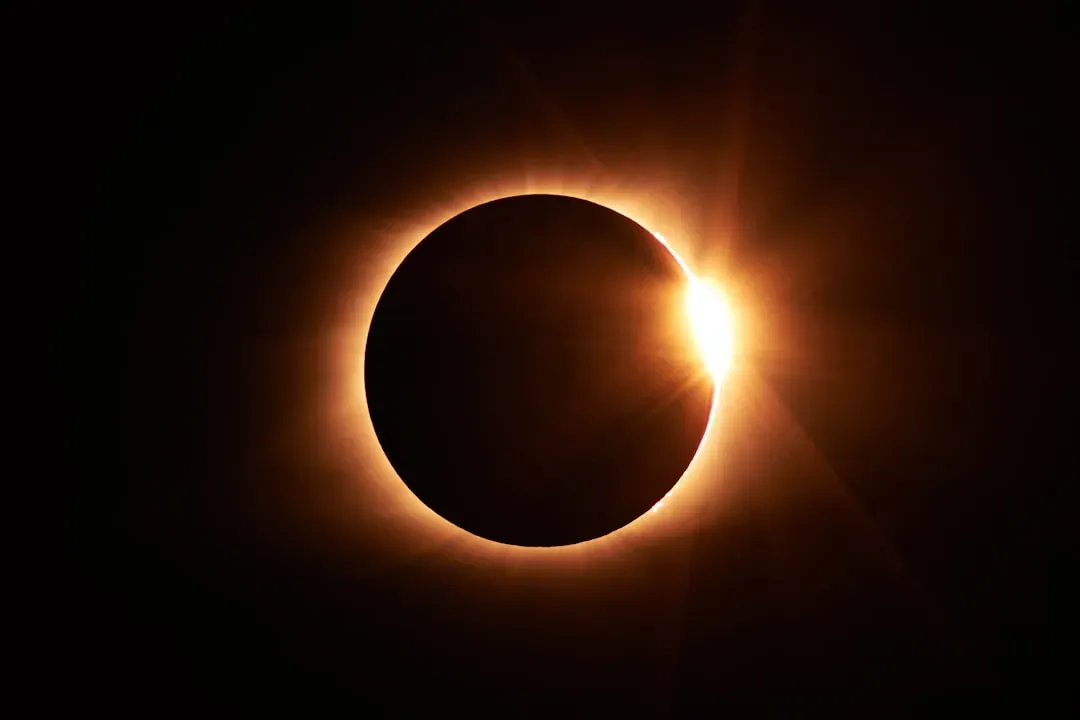
It is tempting to treat these rare events as bucket-list items or photo opportunities, but for scientists they are also critical stress tests for our understanding of Earth and space. A total solar eclipse, for example, compresses an entire suite of solar physics experiments into a few brief minutes, forcing teams to coordinate gear, software, and observations with no do-over. Volcanic lightning can validate or challenge models of how ash and ice interact in turbulent air, which in turn improves aviation safety protocols around ash clouds. Bioluminescent blooms and unusual halos reveal subtle shifts in ocean chemistry and atmospheric microphysics that might otherwise go unnoticed for years. Each of these phenomena is like a surprise exam for our theories: either they perform well, or the data exposes where we are still guessing.
Compared with routine, repeatable measurements, once-in-a-lifetime events carry a different kind of scientific weight: they are unplanned, messy, and deeply revealing. Traditional long-term monitoring tells us trends, but rare extremes show us how systems behave at the edges, under conditions we cannot easily recreate in a lab. Those edges often matter most for safety, whether it is predicting ash dispersion after a major eruption or understanding how changing ice crystal habits might alter regional climate. On a cultural level, these events also keep science emotionally connected to everyday life, since many people first become curious about physics or geology after experiencing a dramatic sky or sea phenomenon. When we treat them as more than spectacular wallpapers, they become bridges between wonder and rigorous understanding, linking backyard stargazers and field researchers in a shared sense of urgency.
9. The Future Landscape: Climate Change, Technology, and the Race to Capture the Unrepeatable

As the climate warms and weather patterns shift, some of these once-in-a-lifetime events are expected to change in frequency, timing, or location, and not always in intuitive ways. Warmer oceans and altered circulation could push bioluminescent blooms into new coastal regions while making past hotspots less predictable. Shifts in snowpack and seasonal runoff may reshape when or whether firefall-style waterfall alignments have enough water at precisely the right moment. At the same time, improved atmospheric modeling could allow far more accurate forecasts of green flashes, halo displays, or meteor outbursts, narrowing the window of uncertainty for would-be observers. The irony is that even as prediction improves, the underlying stage on which these phenomena play out is being rapidly remodeled.
Technology is racing to keep up, with automated all-sky cameras, satellite constellations, and global citizen-science networks all watching for transient events. Researchers are developing algorithms that scan massive image archives for previously unnoticed halos, meteors, or auroral structures, pulling new science out of old data. Drones and remote observatories are increasingly used to watch dangerous phenomena like volcanic plumes from safer distances, capturing lightning and ash dynamics in exquisite detail. Looking ahead, one can imagine near-real-time alerts that ping your phone if a rare display is unfolding within driving distance, blending prediction with personal choice. Yet even then, there will always be a stubborn element of chance: clouds, logistics, and human life itself will ensure that some moments remain unrepeatable for any one person.
10. Your Role in the Moment: How to Watch, Share, and Protect These Wonders
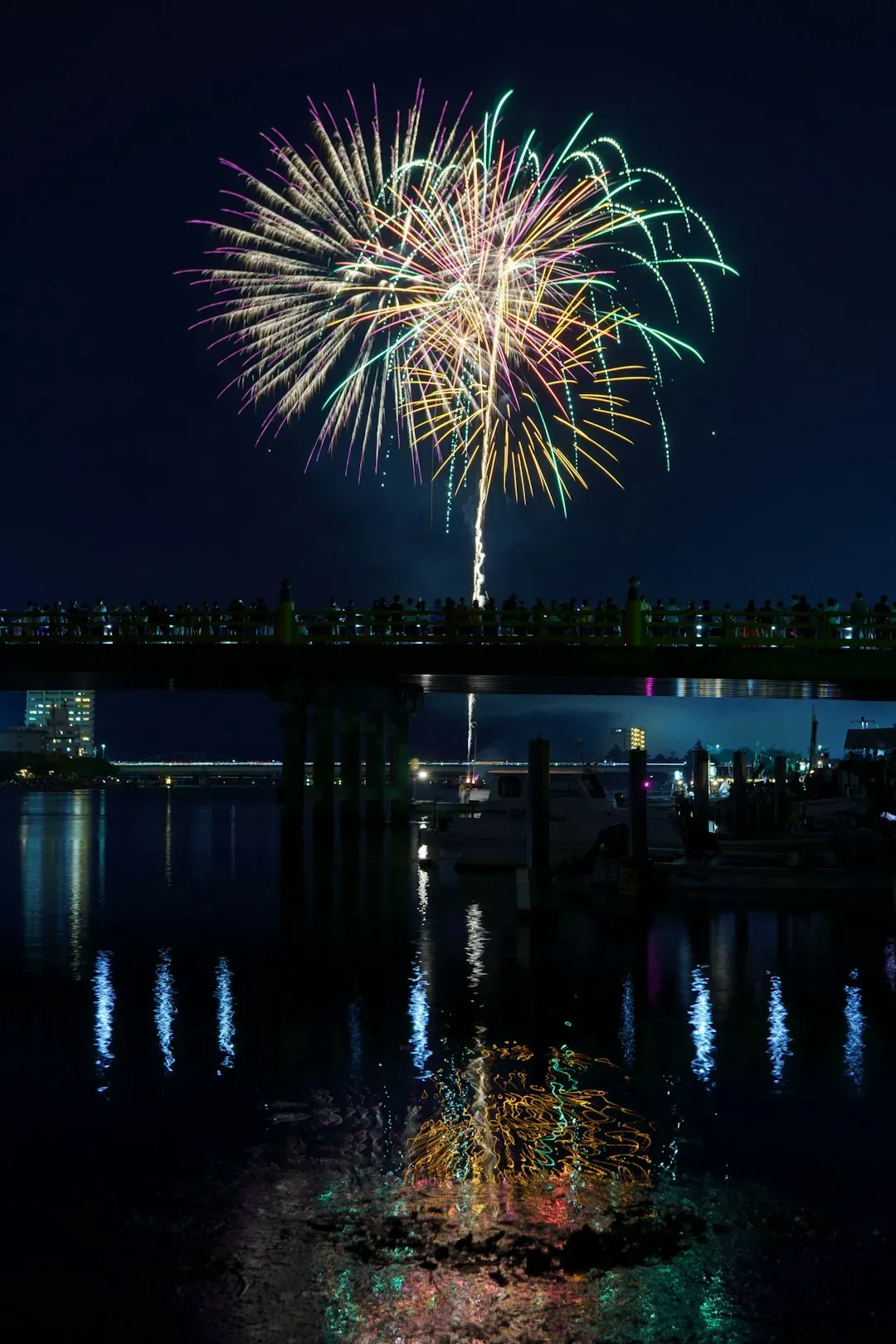
For readers who feel a twinge of urgency after realizing how many of these phenomena might pass them by, there are surprisingly practical ways to get involved. One simple step is to pay attention to forecasts not just for weather, but for eclipses, meteor showers, and auroral activity, and to plan at least one serious trip around them in your lifetime. Dark-sky preserves, national parks, and remote coastlines often publish seasonal guides to night-sky and ocean events, making it easier to pick your moment. When you do witness something rare, documenting it with photos, notes about timing, and your location can add real value to scientific databases. Many observatories and research projects welcome public submissions through apps or online portals, turning casual observers into contributors.
There is also a conservation angle that is easy to overlook. Light pollution can wash out meteor storms or faint halos; pollution and runoff can disrupt the marine ecosystems that make bioluminescent blooms possible. Supporting policies and organizations that protect dark skies, clean coasts, and stable climate conditions indirectly safeguards the stage on which these spectacles unfold. Even small choices – like shielding outdoor lights or choosing night-friendly fixtures – can collectively restore access to the rare events overhead. If once-in-a-lifetime phenomena teach anything, it is that moments of real wonder depend on long stretches of quiet care. The next time a forecast hints at something extraordinary, the most important step may simply be to look up, be present, and let the planet surprise you.
Suhail Ahmed is a passionate digital professional and nature enthusiast with over 8 years of experience in content strategy, SEO, web development, and digital operations. Alongside his freelance journey, Suhail actively contributes to nature and wildlife platforms like Discover Wildlife, where he channels his curiosity for the planet into engaging, educational storytelling.
With a strong background in managing digital ecosystems — from ecommerce stores and WordPress websites to social media and automation — Suhail merges technical precision with creative insight. His content reflects a rare balance: SEO-friendly yet deeply human, data-informed yet emotionally resonant.
Driven by a love for discovery and storytelling, Suhail believes in using digital platforms to amplify causes that matter — especially those protecting Earth’s biodiversity and inspiring sustainable living. Whether he’s managing online projects or crafting wildlife content, his goal remains the same: to inform, inspire, and leave a positive digital footprint.