
If you’ve ever stared at the sky, the sea, or even a frozen window and thought, “There’s no way that’s real,” you’re not alone. Nature has a sneaky way of putting on a show that feels more like special effects than everyday physics. The wild part is that once you understand the science, the wonder doesn’t disappear – it actually gets bigger.
I still remember the first time I saw the Northern Lights. I was freezing, my toes were numb, and yet I couldn’t look away. It felt like the sky was breathing. Back then it seemed like pure magic; now I know it’s solar particles and magnetic fields, and somehow that makes it even more unbelievable. Let’s dive into ten natural phenomena that look supernatural but are powered entirely by the laws of nature.
Aurora Borealis and Aurora Australis: The Sky on Fire
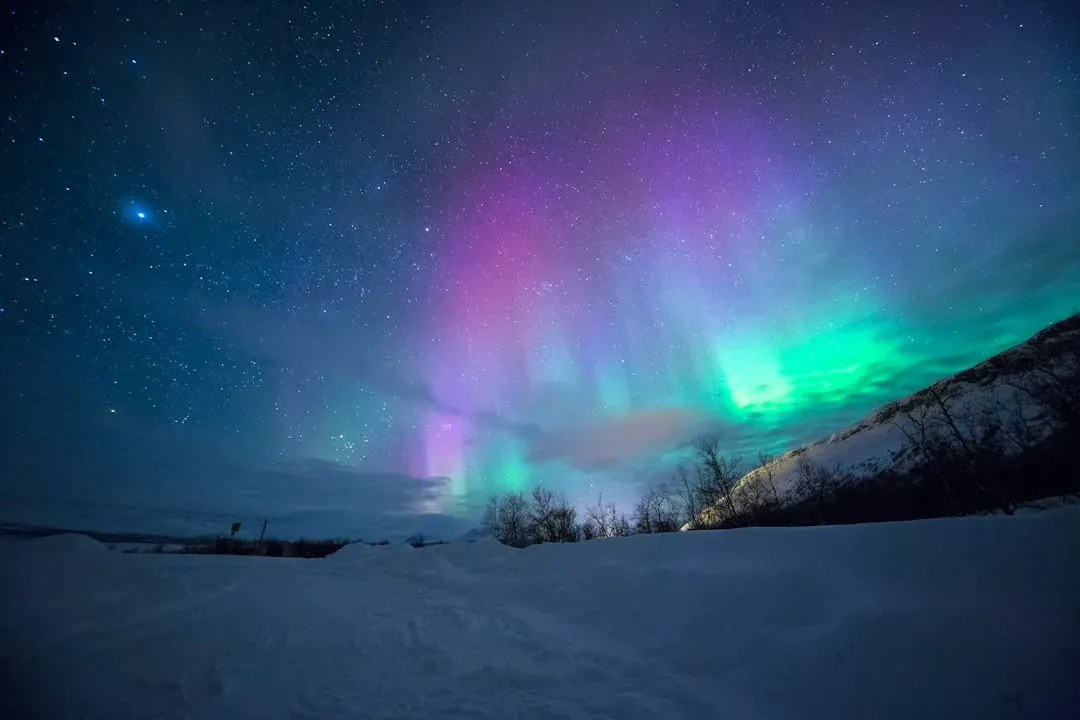
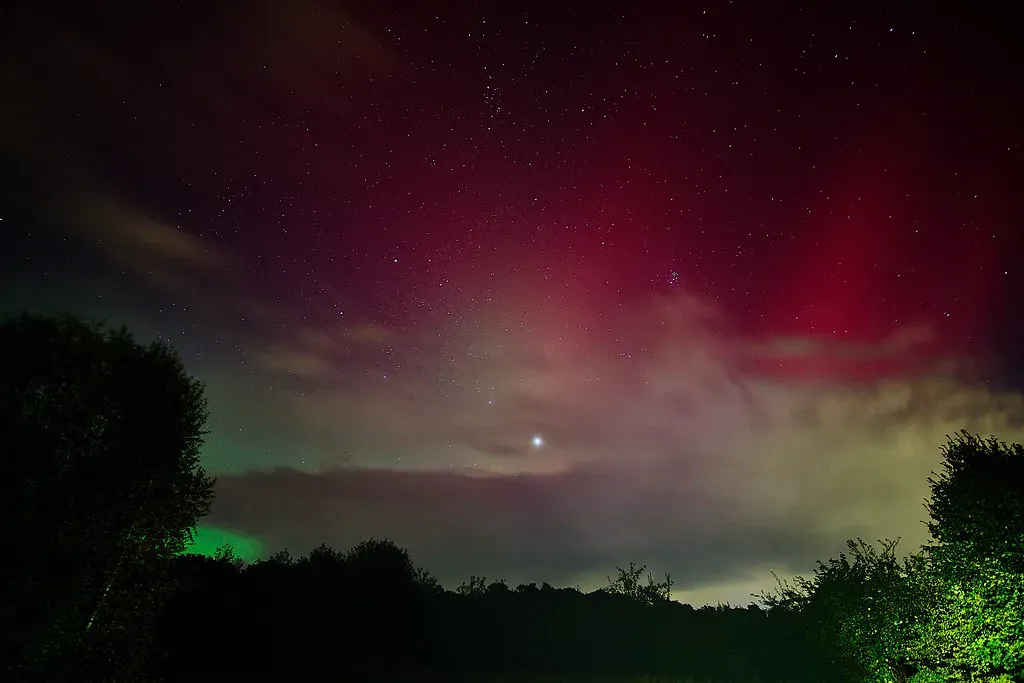
Imagine standing under a night sky that suddenly starts to move, ripple, and glow in curtains of neon green, purple, and red. The auroras – in the north called aurora borealis and in the south aurora australis – look like someone spilled liquid light across the atmosphere. For many cultures, this spectacle has long been tied to legends and spiritual stories, and honestly, it’s easy to see why when you witness it in person.
But the engine behind this shimmering sky show is the Sun and Earth’s magnetic field. Charged particles from the solar wind crash into atoms high in our atmosphere, exciting gases like oxygen and nitrogen, which then release light as they calm down. The different colors come from different gases and altitudes: green and red from oxygen, purples and blues from nitrogen. It’s like an invisible cosmic storm painting on the sky, and our planet’s magnetic field is the canvas that shapes the glowing arcs and curtains.
Bioluminescent Waves: The Ocean That Glows in the Dark
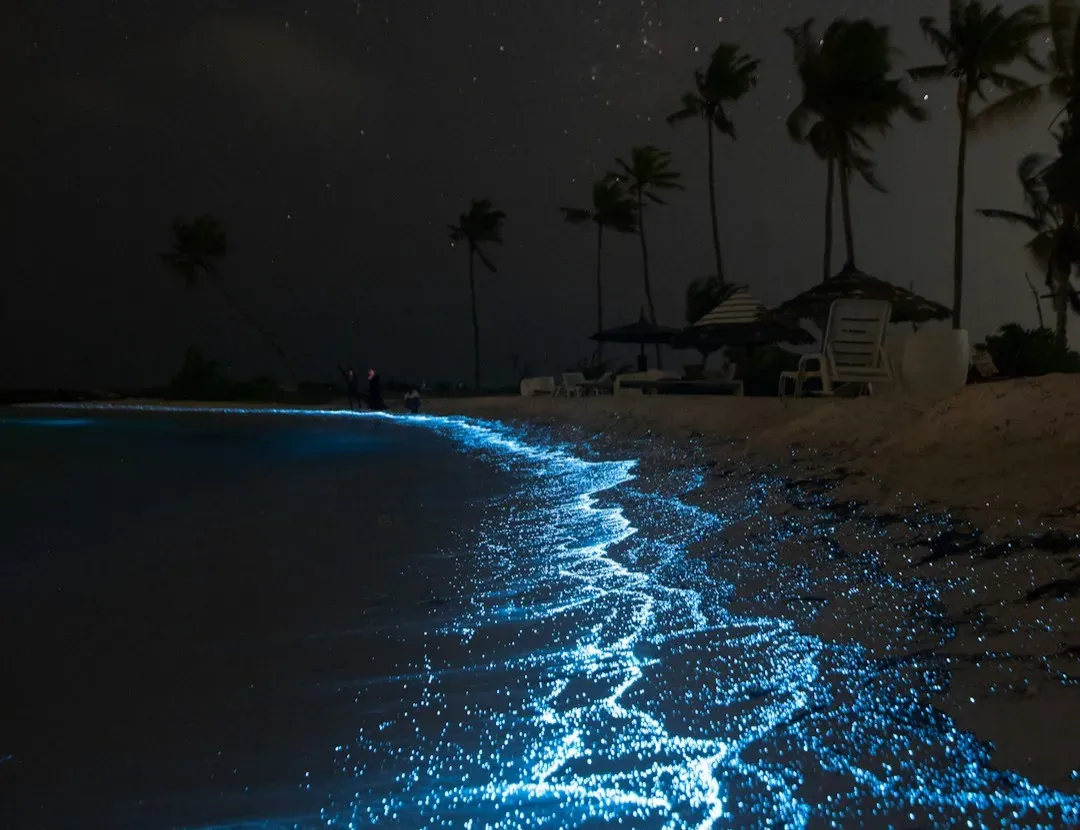
Picture walking along a beach at night, dragging your feet through the surf, and every step ignites an electric blue glow that looks like the ocean is wired with LEDs. Bioluminescent waves feel so unreal that your first instinct might be to assume it’s some kind of pollution or digital filter. In reality, it’s the nightlife of the microscopic world showing off.
The glow usually comes from tiny plankton called dinoflagellates that react to movement. When waves crash or your hand swirls through the water, these organisms trigger a chemical reaction that produces light, kind of like a built-in alarm system. Some beaches around the world occasionally turn into glowing shorelines when enough of these plankton bloom in one area. It’s not fantasy, it’s chemistry: a precise interaction of molecules called luciferin and luciferase that releases light instead of heat, turning a calm sea into something that looks straight out of a sci‑fi movie.
Fire Rainbows: Flames of Color in Afternoon Clouds
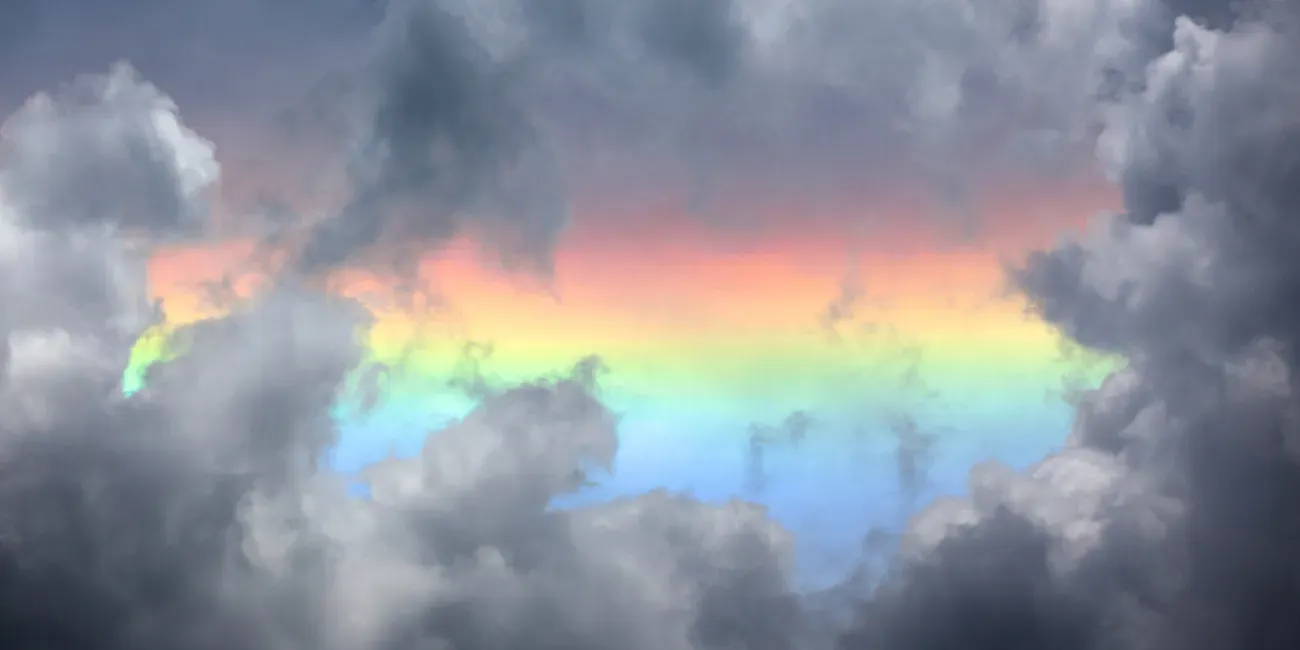
Despite the dramatic name, fire rainbows have nothing to do with fire and everything to do with ice. Every now and then, you’ll see what looks like a strip of rainbow flames streaking horizontally through a wispy cloud, often high in the sky on a summer afternoon. It’s bright, intense, and strangely detached from any obvious rainstorm, which makes it feel like the sky glitched for a second.
This spectacle is known as a circumhorizontal arc, and it happens when sunlight passes through flat, plate‑shaped ice crystals in cirrus clouds. The crystals act like tiny prisms, bending and splitting the light – but only when the Sun is fairly high in the sky and the crystals are aligned just right. That’s why you can’t see fire rainbows everywhere, all the time; they’re picky about their conditions. What looks like a celestial flame is really geometry and refraction, with ice crystals doing a quiet, precise optical dance way above our heads.
Ball Lightning: The Floating Orbs of Stormy Skies
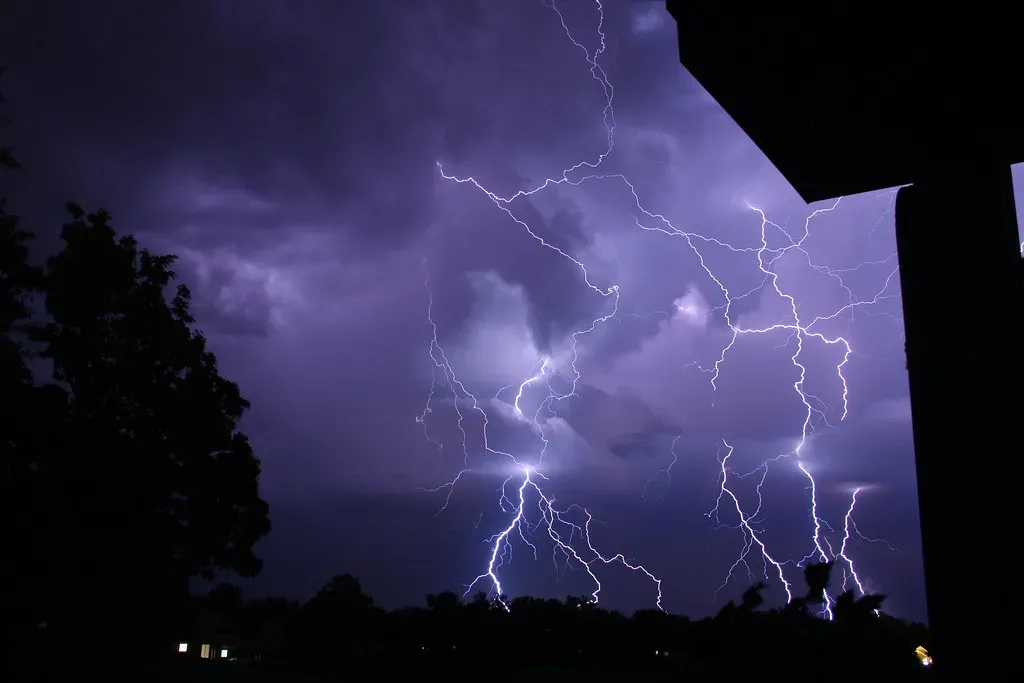
For centuries, people have reported glowing spheres of light drifting through stormy air, hovering over fields, or even appearing inside buildings during thunderstorms. It sounds like something from a fantasy novel: a wandering ball of light that hangs in the air for a few seconds before vanishing or exploding. For a long time, ball lightning lived right on the edge between “folk story” and “science mystery.”
Modern research suggests that ball lightning is real, but incredibly rare and still not fully understood. One leading idea is that when lightning strikes the ground, it vaporizes minerals in the soil, creating a cloud of charged particles that can glow as they react chemically with the air. Others think it may involve microwave radiation trapped in a plasma bubble. Either way, it’s not magic; it’s extreme electricity and complex physics playing out too fast and too strangely for our brains to neatly categorize in the moment.
Fire Whirls: Tornadoes Made of Flame
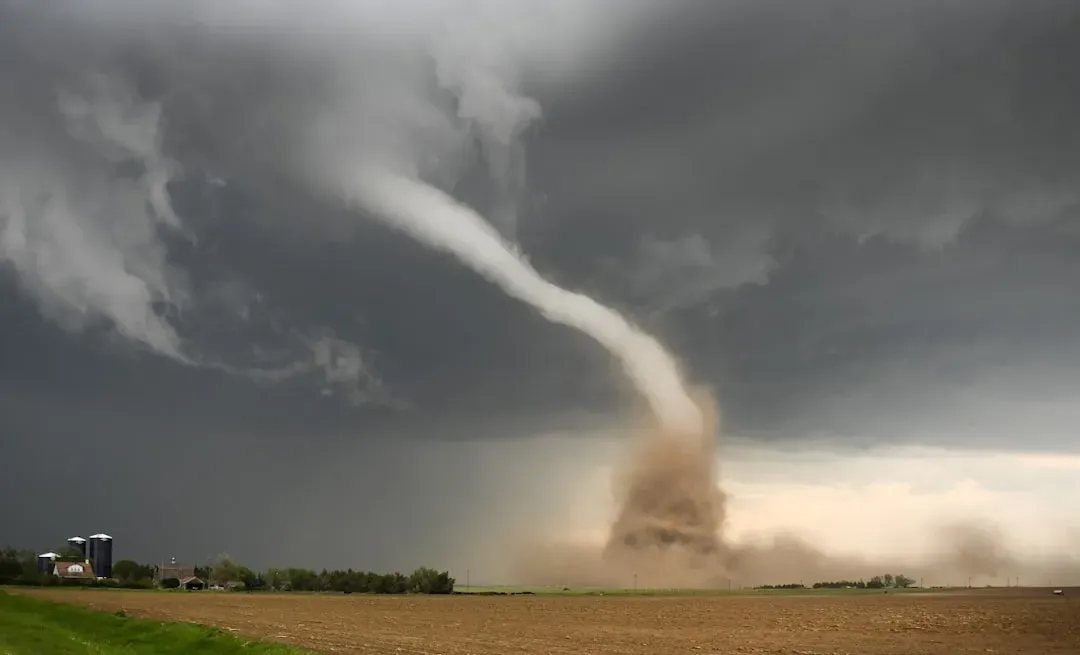
It sounds like the worst nightmare imaginable: a spinning column of fire stretching up into the sky, twisting and moving like a living creature. Fire whirls, sometimes called fire tornadoes, look so apocalyptic that video clips of them almost feel fake. They can form along the edges of wildfires, industrial fires, or even large urban blazes under the right conditions.
The science is brutal and fascinating. A fire whirl happens when intense heat from a fire makes hot air rush upward while cooler air rushes in from the sides, creating rotation. Add in wind and the right terrain, and that rotation can stretch into a vertical vortex, sucking flames and burning debris upward like a fiery vacuum cleaner. It’s essentially the same physics as a dust devil or small tornado, just powered by searing heat and raging combustion instead of a simple temperature difference on a sunny day.
Catatumbo Lightning: The Storm That Almost Never Sleeps
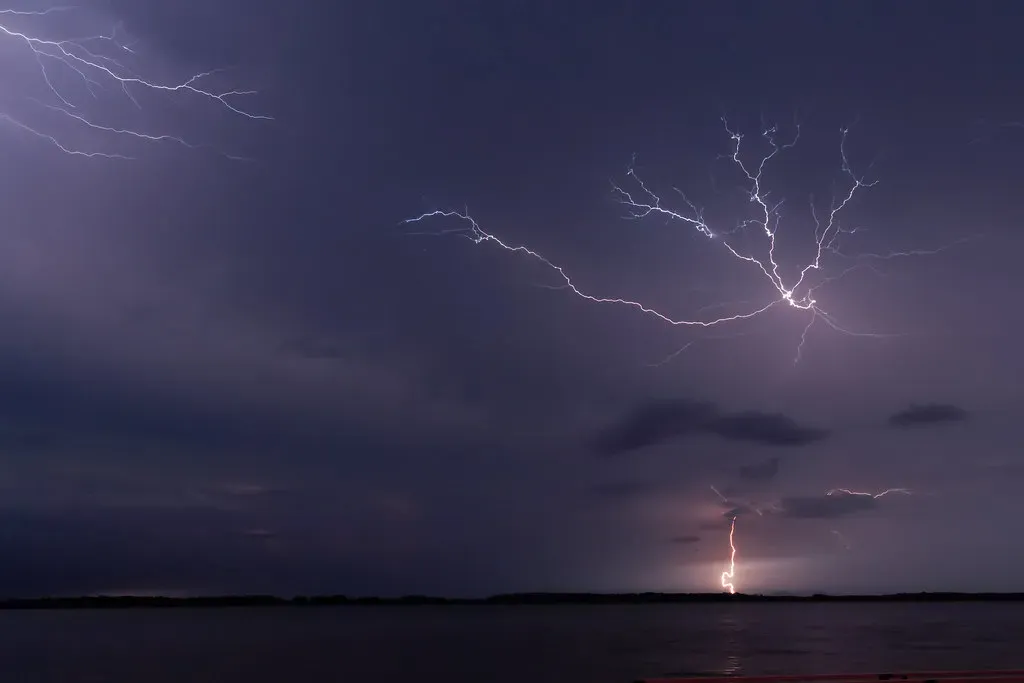
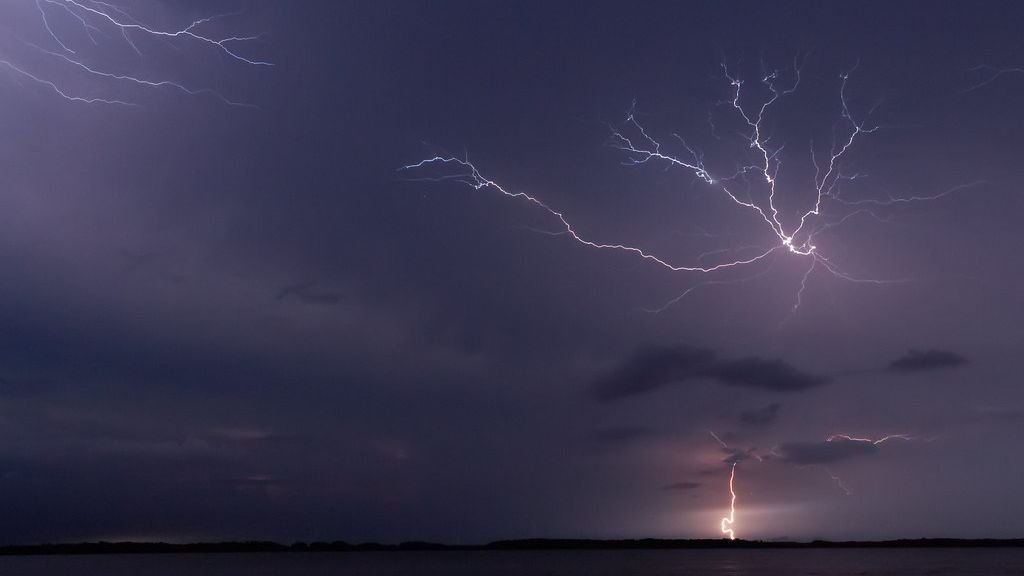
There’s a region in Venezuela, near Lake Maracaibo, where lightning storms rage so frequently that locals treat them as part of the landscape. On many nights of the year, lightning flashes over the same area again and again for hours, sometimes for hundreds of nights annually. From a distance, it can look like a silent, nonstop strobe light on the horizon, eerie and hypnotic.
This phenomenon, known as Catatumbo lightning, is driven by a perfect storm of geography and climate. Warm, moist air from the Caribbean collides with cooler mountain air that funnels around the lake, creating massive updrafts. As clouds bump and churn, electric charges build up and discharge in repeated lightning strikes. The storms mostly stay localized in that region because the surrounding mountains trap the conditions there. It feels supernatural, but at its core it’s the same thunderstorm physics you’d see anywhere else, just put on repeat by the landscape.
Mirages and Fata Morgana: Ghost Ships and Floating Cities
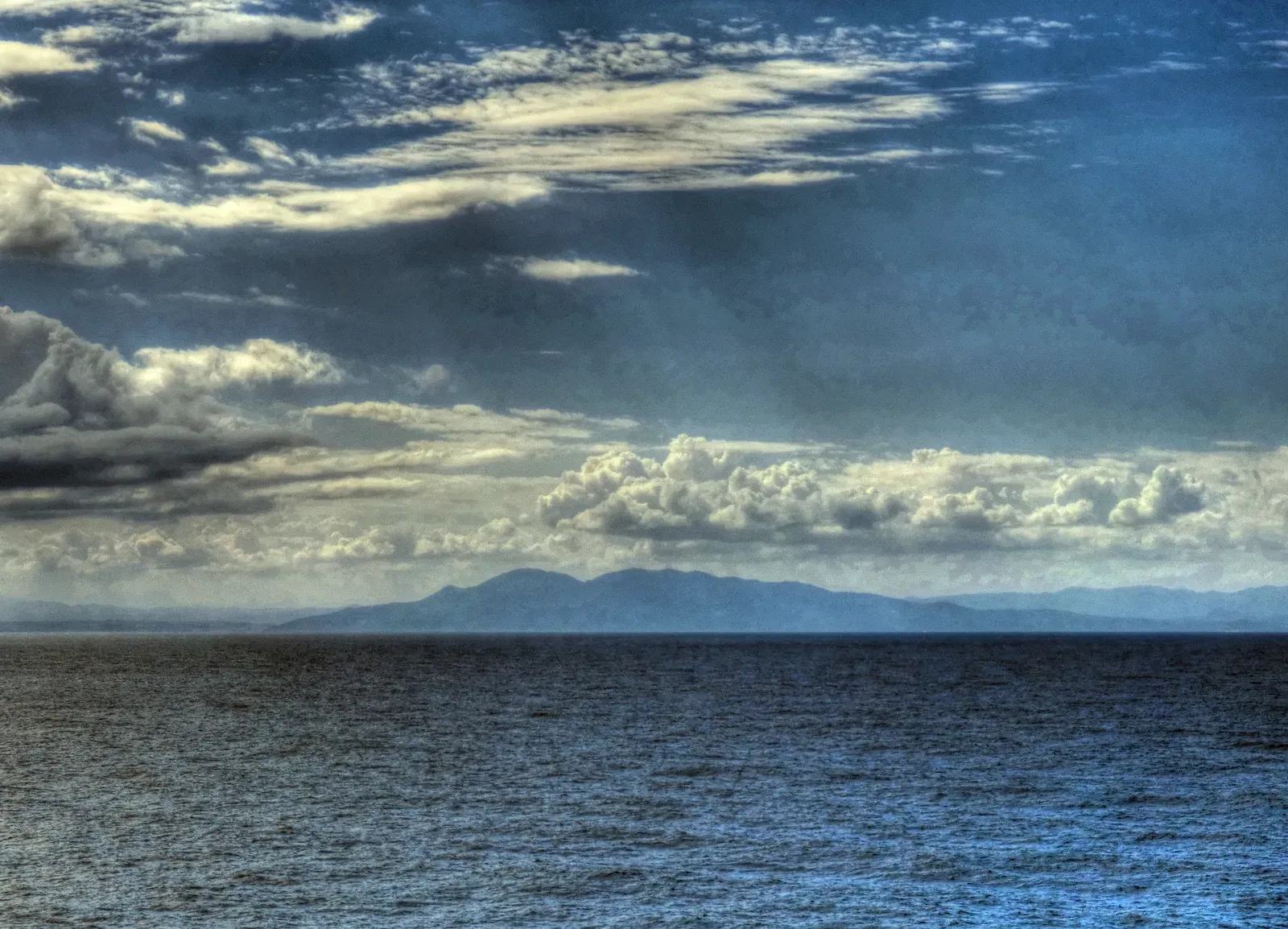
If you’ve ever seen a road look like it’s covered in water on a hot day, you’ve seen a simple mirage at work. But sometimes, especially over cold seas or vast ice, mirages ramp up into something far stranger: distant ships appearing to float in the sky, coastlines stretching and twisting, or jumbled towers that look like ghostly cities on the horizon. These more dramatic illusions are called fata morgana.
The trick is in how light bends as it travels through layers of air at different temperatures. When there’s a sharp temperature difference between layers – warmer air below, cooler air above, or the reverse – light can curve instead of traveling straight. Our brains assume light moves in a straight line, so we misplace the image, turning a faraway ship into an eerie levitating silhouette. The scene feels like a portal to another world, but it’s just our atmosphere acting like a refracting lens, quietly editing the view before it reaches our eyes.
Mammatus Clouds: The Sky Covered in Hanging Pouches
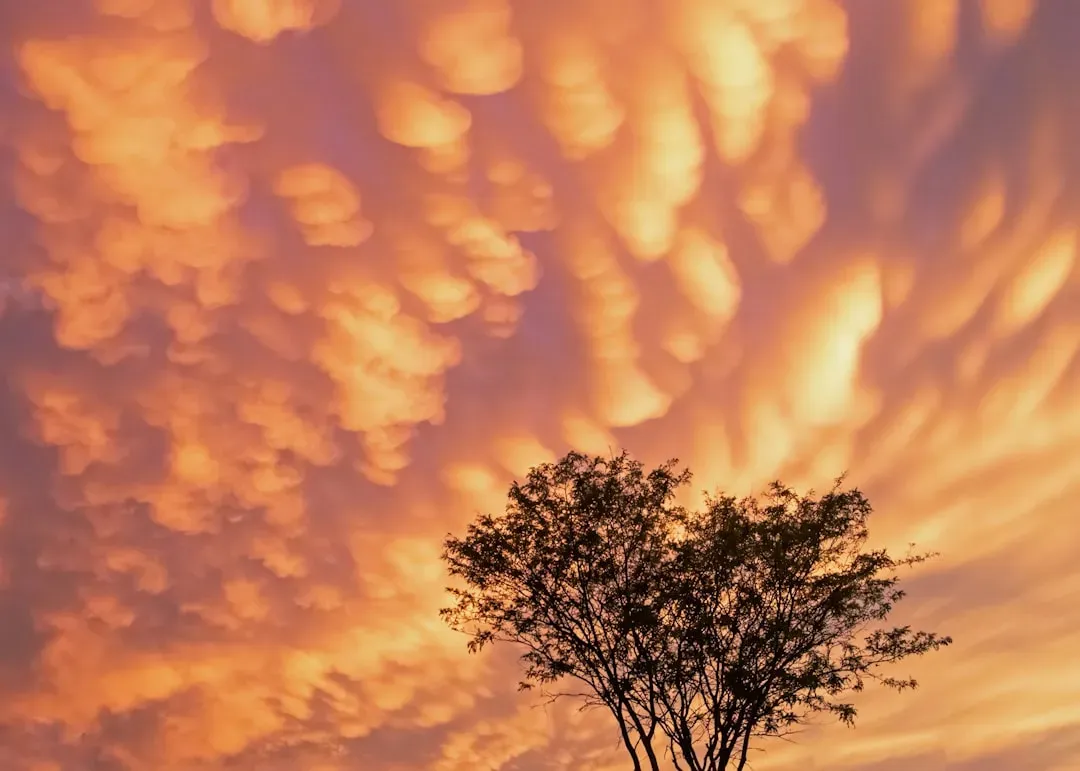
Every so often, the underside of the sky looks like it has grown a field of soft, drooping bubbles or pouches. These are mammatus clouds, and they can cover a huge stretch of sky, glowing orange at sunset or looming gray and menacing after a big storm. They look almost biological, like the sky suddenly decided to grow cells or clusters of grapes.
Mammatus form when sinking air carries ice crystals or water droplets downward from the base of a cloud, typically a powerful thunderstorm anvil. Instead of the usual puffy clouds rising upward, these are pockets of air descending, shaped by turbulent motion and differences in moisture and temperature. They can be associated with severe weather, which is why they often feel so ominous, but the clouds themselves are just markers of complex atmospheric flows. The sky is essentially showing you the fingerprint of turbulence in three‑dimensional form.
Ice Circles: Perfect Discs Spinning in a River
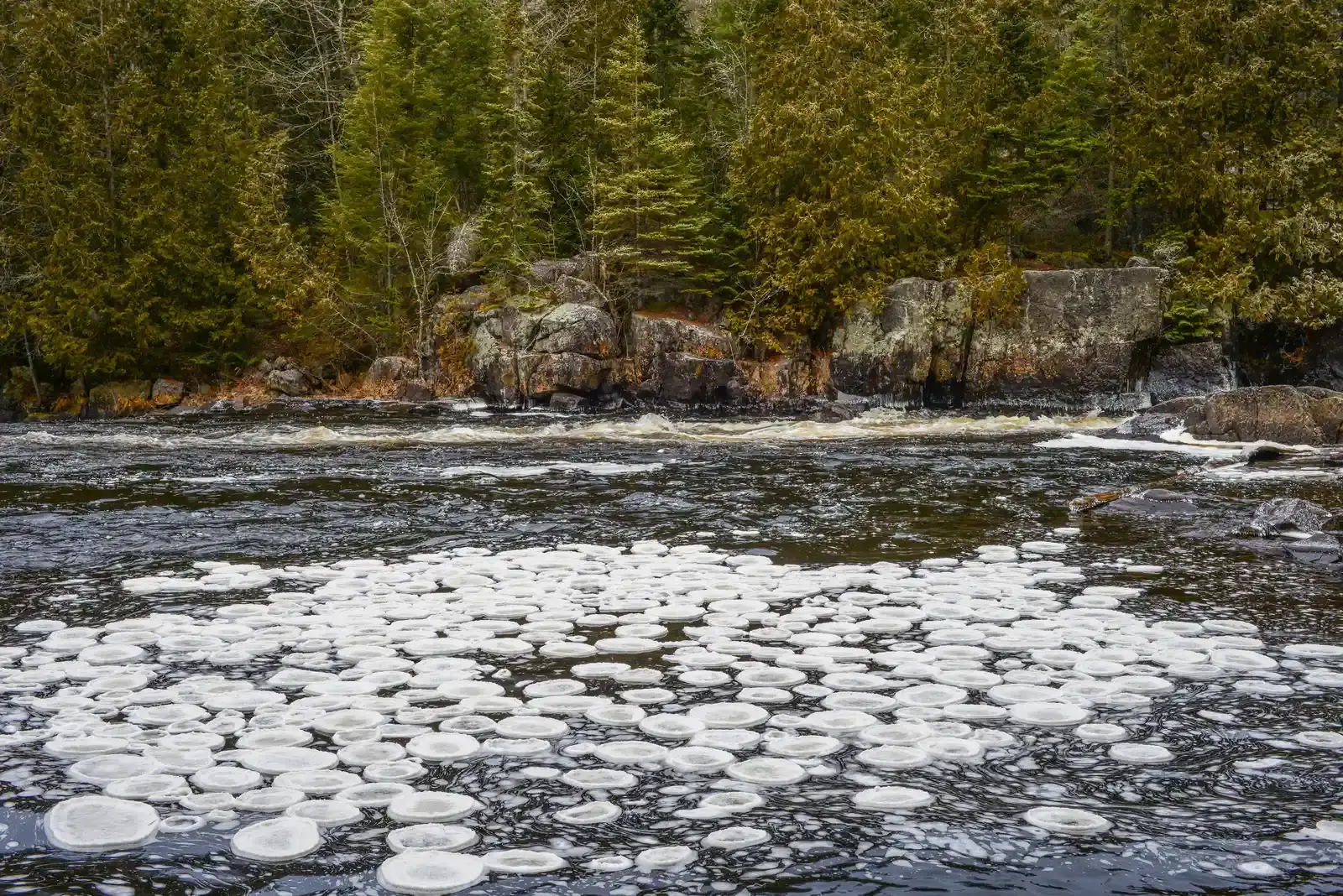
Imagine walking by a slow, cold river in winter and seeing a nearly perfect circle of ice, sometimes dozens of meters across, gently spinning on the surface. It looks like someone drew a compass circle on the water and froze it, or like a giant coin half‑embedded in the river. Videos of these scenes spread quickly because they tap into that mix of symmetry and mystery our brains love.
Ice circles usually form in slow, rotating sections of a river called eddies. As thin ice forms, the spinning motion grinds the edges against surrounding ice or shorelines, shaving it into a near‑perfect disc. The temperature, flow rate, and river width all have to cooperate, which is why they are rare and feel almost staged. The rotation continues because friction and current keep nudging the disc, turning a random patch of ice into a hypnotic, slowly spinning sculpture powered only by the water beneath it.
Sun Dogs and Halos: Fake Suns in a Frozen Sky
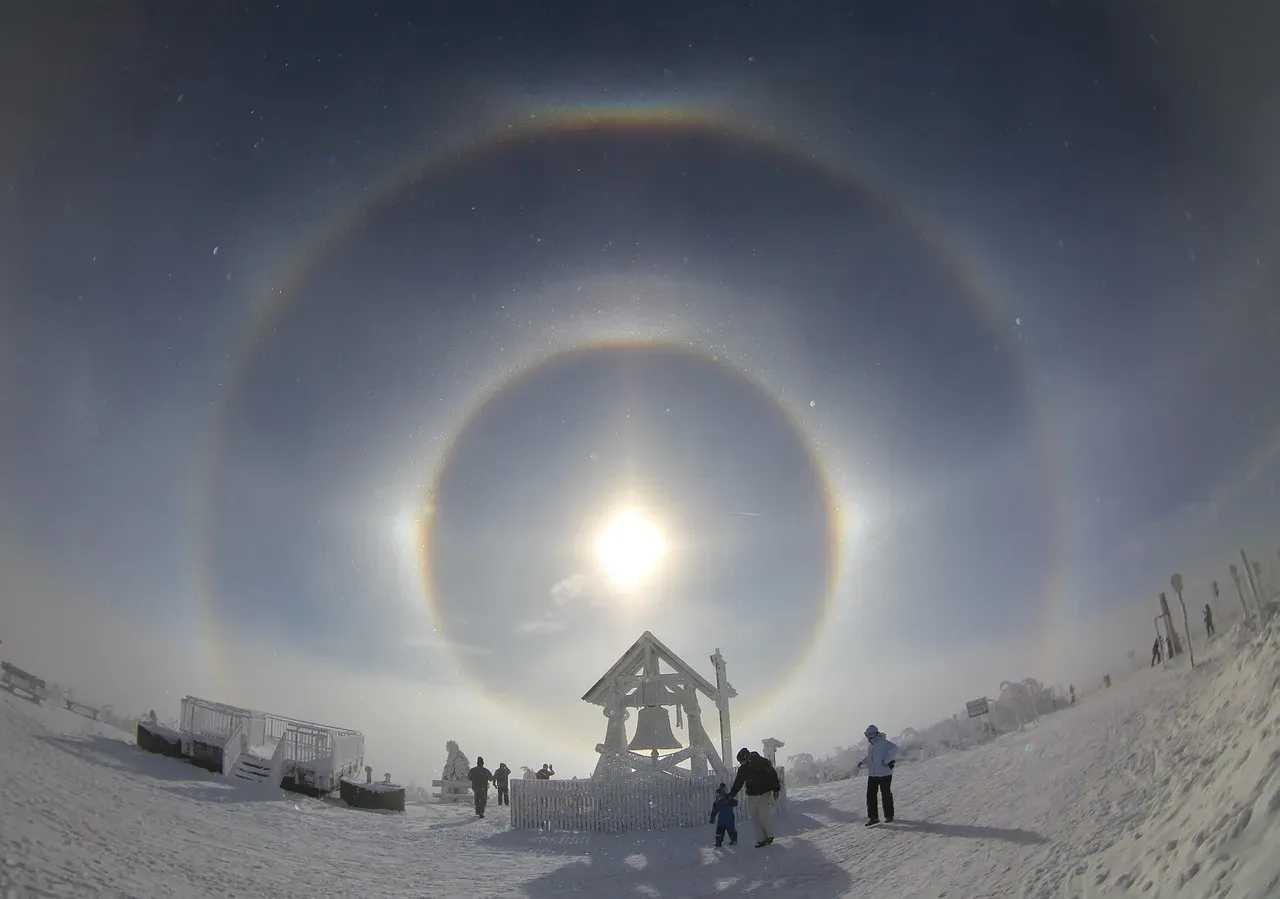
On very cold days, especially in polar regions or high latitudes, you might look toward the Sun and notice bright spots of light on either side of it, like two smaller suns flanking the real one. Sometimes those spots sit on a glowing ring encircling the sky, creating a halo that feels almost ceremonial. These bright companions are called sun dogs, and they can look shockingly like three suns rising together.
Sun dogs and halos arise when sunlight passes through hexagonal ice crystals floating high in the atmosphere. The crystals bend and reflect the light at specific angles, concentrating brightness in certain directions, which is why the spots appear at fixed distances from the Sun. If the crystals are well aligned, the effect becomes crisp and intense; if they’re jumbled, the halo is softer and more diffuse. Once again, what feels like a grand omen is really a giant, silent physics experiment happening overhead, with every crystal acting as a tiny prism.
When Science Makes the World Feel Even More Magical
Many people worry that understanding the science behind a beautiful phenomenon will ruin the magic, but the opposite usually happens. Knowing that glowing oceans come from stressed-out plankton, or that auroras are Earth defending itself from solar storms, adds layers of meaning to what we see. It’s like discovering the backstage of a theater and realizing the ropes, lights, and timing are just as impressive as the performance.
These ten phenomena are reminders that our planet is constantly running complex, elegant experiments without asking our permission or requiring our understanding. We just happen to be here to watch. Next time you see a strange light in the sky or a bizarre pattern in the clouds, maybe pause before reaching for a mystical answer and ask: what piece of physics is putting on a show for me right now?