
Have you ever stopped to consider that some of the most remarkable medical innovations weren’t born in sterile laboratories but discovered by watching bees, fish, or even jellyfish? The natural world has been solving complex problems for millions of years, long before humans even existed. Now, scientists are finally catching up by studying these time-tested solutions and applying them to modern medicine.
Regenerating skin or delivering medication to specific areas of our body is now possible thanks to the inspiration scientists draw from nature. This fascinating field, called biomimicry, is transforming how we approach healthcare challenges. Let’s be real, evolution has already done the heavy lifting. So why not learn from it?
Surgical Needles Inspired by Parasitic Wasps
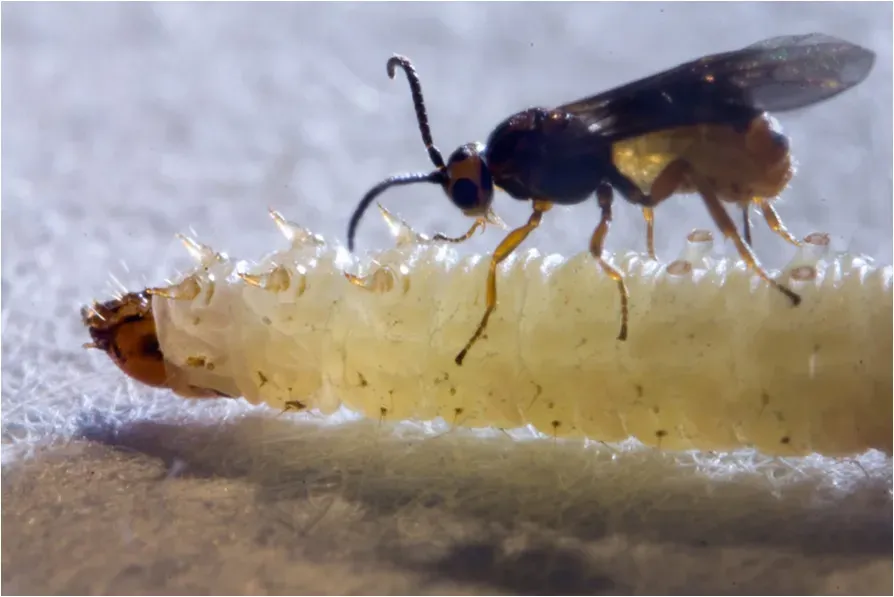
The female parasitic wasp uses her needle-like appendage, called an ovipositor, to lay her eggs inside her prey–a living caterpillar, and researchers Paul Breedveld and Johan van Leeuwen studied this gruesome process to develop their own ovipositor-like needle. It’s hard to say for sure, but this might be one of the strangest sources of medical inspiration you’ll encounter.
Tissue extraction from the human body is an important procedure in many fields of surgery, and tissue extraction from deeper locations in the body can be more challenging. The wasp’s ovipositor can penetrate tough materials with minimal force, making it perfect inspiration for surgical instruments that need to access hard-to-reach areas. Imagine a needle so precise it can navigate through delicate tissue without causing excessive damage.
Jellyfish-Inspired Cancer Detection Devices
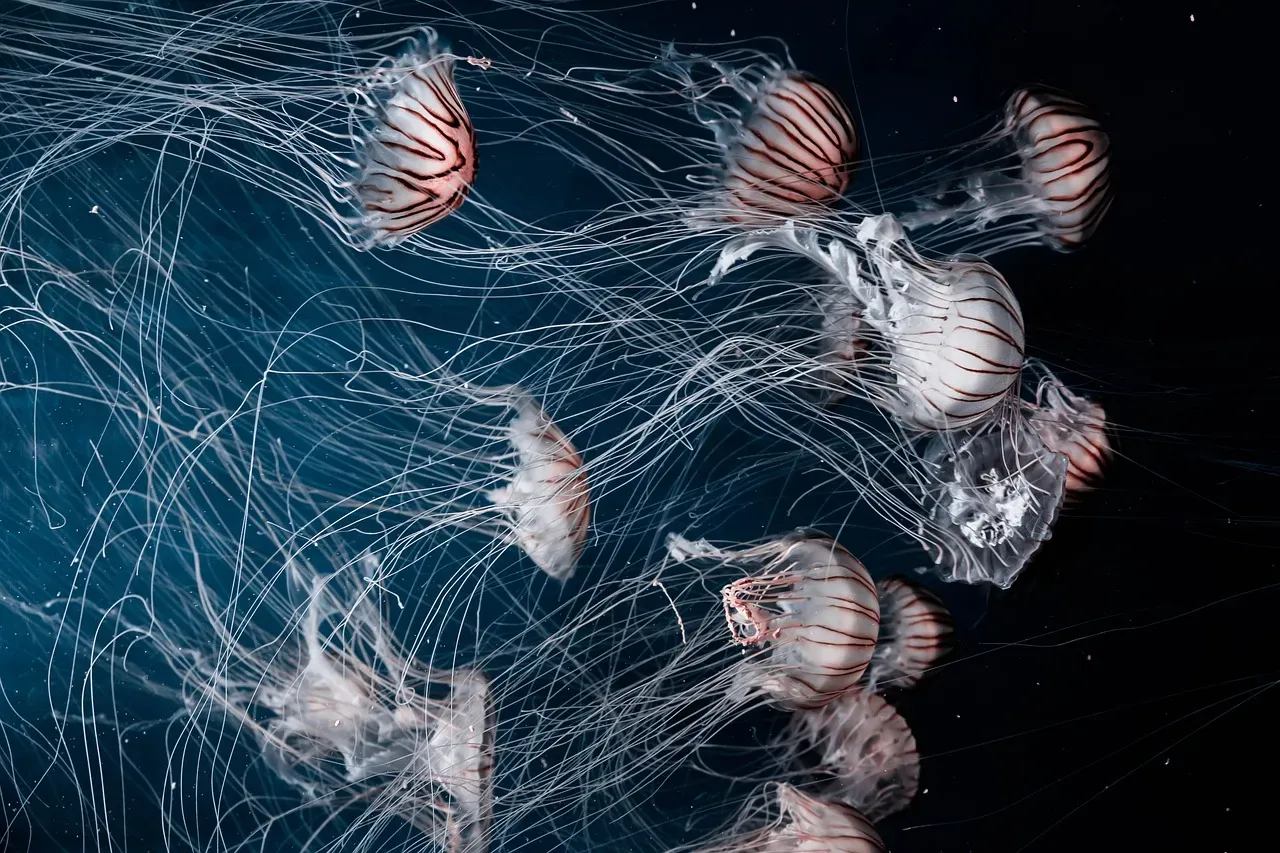
You might think jellyfish are just aimless drifters, yet their feeding mechanism has inspired groundbreaking cancer detection technology. Scientists took short strands of DNA that bind with targeted cancer cell surfaces and copied them hundreds of times, producing wispy material much longer than the cell itself, with one end connected to a microchip and the other floating free in the bloodstream, just as a jellyfish grabs food.
This microchip device could revolutionize how doctors monitor cancer progression. The device will provide valuable information about how tumors and their treatments are progressing, allowing doctors to watch the biology of the cancer change. The beauty of this approach is its simplicity, mimicking something nature perfected millions of years ago.
Gecko Feet and Surgical Adhesives
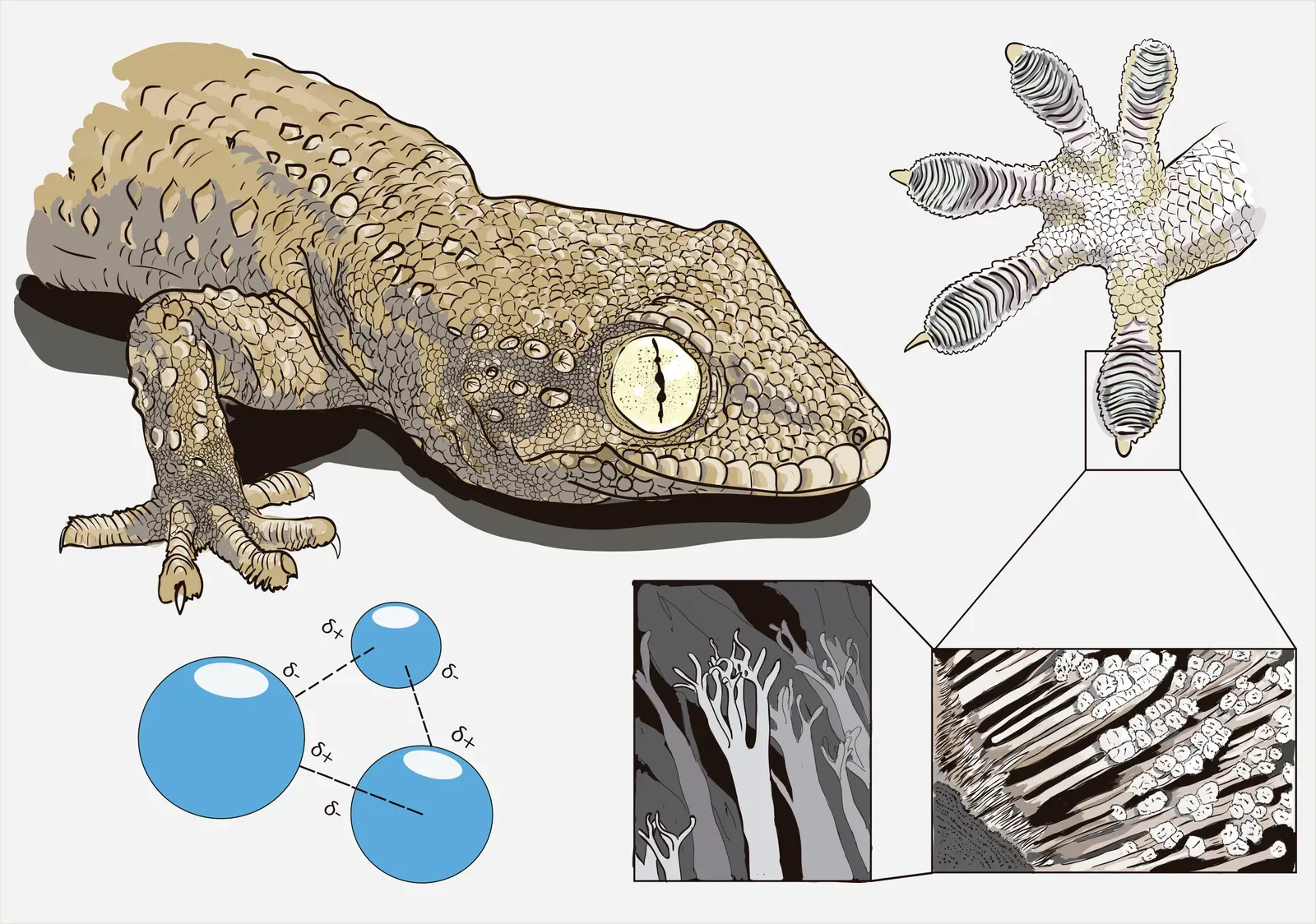
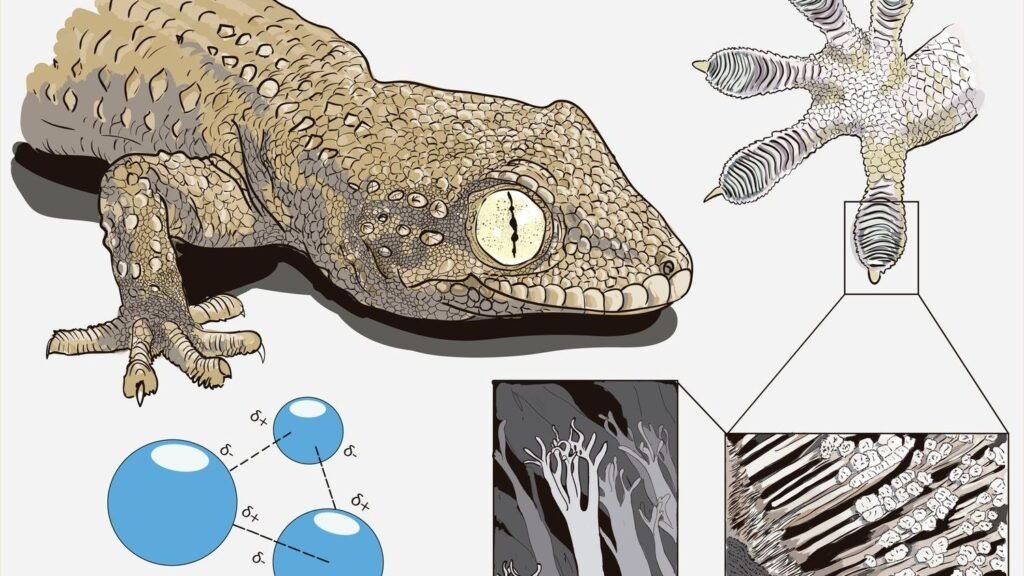
Five years ago, researchers developed a waterproof glue based on the sticky properties of geckos’ feet. Think about how effortlessly a gecko climbs vertical surfaces or even hangs upside down from ceilings. That incredible grip comes from thousands of microscopic hairs on their feet that create molecular bonds with surfaces.
Rigorous testing proved that the glue can withstand three times the amount of tension that disrupts the best traditional medical adhesives, making it an ideal alternative for repairing parts of the body that move, such as a beating heart. Honestly, it’s mind-blowing that a tiny lizard’s feet could solve one of surgery’s toughest challenges. Imagine sealing wounds on organs that never stop moving.
Mussel-Inspired Medical Adhesives and Coatings
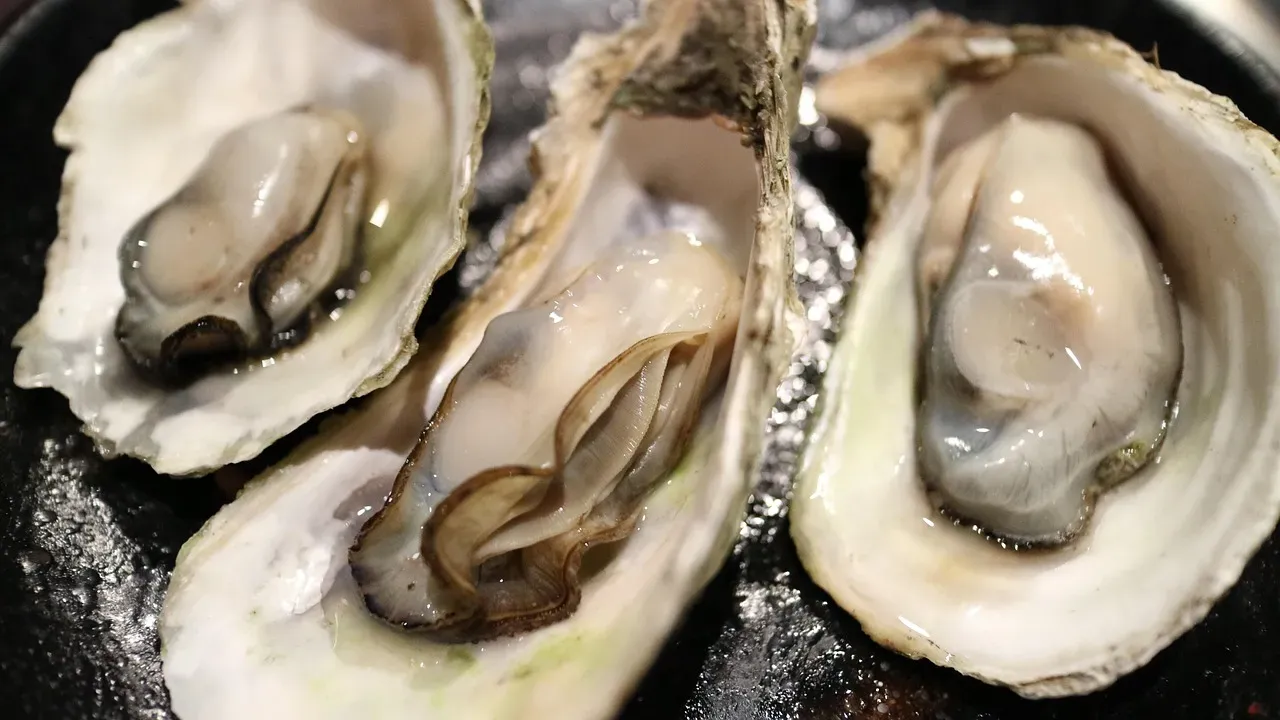
Here’s the thing about mussels: they cling to rocks in crashing ocean waves, remaining stuck despite constant pounding. The worm’s glue bonds by using oppositely charged proteins to form a fluid that is denser than water, and researchers created chemical analogs that mimic the worm’s adhesive proteins and properties.
ANEW Material reimagines coatings and adhesives that mimic the adhesion strategies of mussels, sticky bacteria, and geckos, using a proprietary plant-based green chemistry with no plastics or harmful solvents required. These underwater adhesives work on wet surfaces, making them perfect for surgical applications inside the body where everything is moist. The potential for sealing fetal membranes or closing surgical wounds is enormous.
Electric Fish and Catheter Navigation
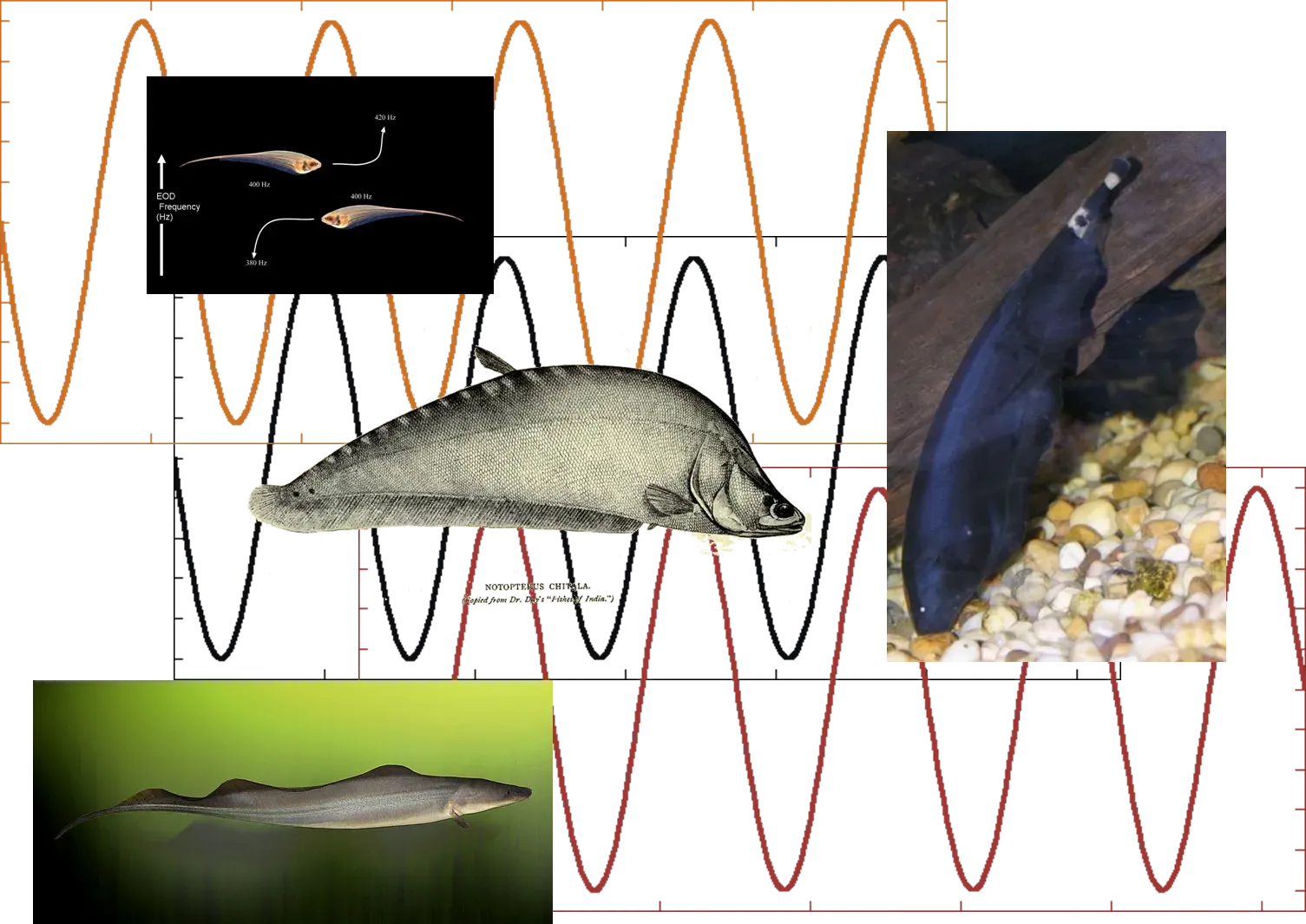
Fish that generate electrical fields to navigate their surroundings inspired the development of a medical catheter that navigates through complex blood vessel pathways, minimizing the need for fluoroscopic dyes and radiation. Some fish use electrical fields like a built-in GPS system, sensing objects around them without seeing.
This biomimetic catheter could reduce patient exposure to harmful radiation during procedures. Navigating the body’s intricate network of blood vessels has always been tricky, but electric fish showed scientists a better way. The catheter can sense its surroundings and adjust its path, much like the fish swimming through murky water.
Shark Skin and Antibacterial Surfaces
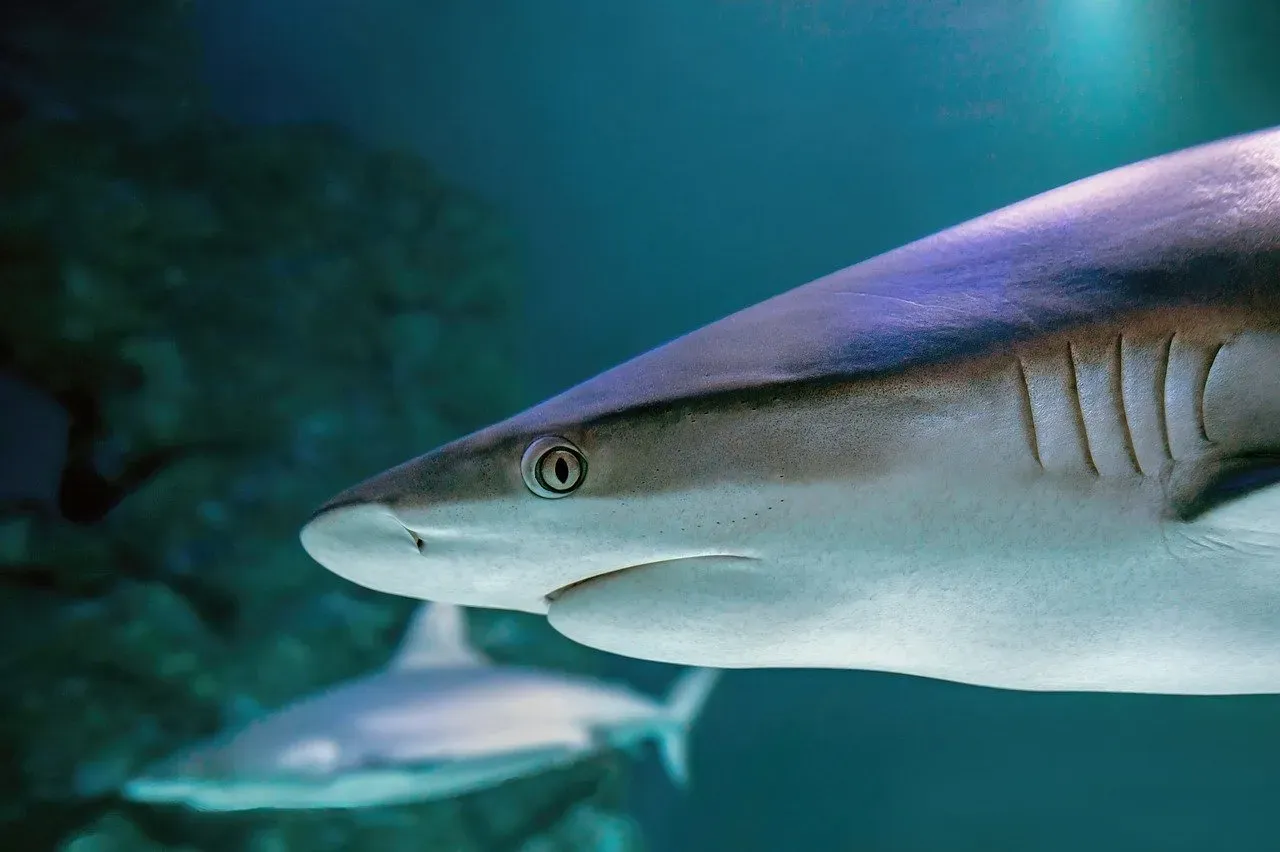
Even the ribbed skin of fast-swimming sharks has guided drag-reducing coatings for ships and hospital surfaces that resist bacterial colonization. Sharks don’t get infections or barnacle buildup on their skin, despite living in bacteria-filled oceans. Their secret lies in tiny, tooth-like structures called dermal denticles.
Biofouling is the adhesion and accumulation of micro- and macro-organisms, and it can occur on the surfaces of products that are placed inside the body where infection can develop, leading to the spread of infectious diseases, implant rejection or device malfunction. Hospitals are implementing shark skin-inspired surfaces on everything from surgical instruments to door handles. Bacteria simply can’t gain a foothold on these textured surfaces.
Lotus Leaf Effect for Self-Cleaning Medical Devices

Surgical instruments and devices take inspiration from self-cleaning properties of lotus leaves, where the microscopic structure is hydrophobic and repels water and unwanted microbial particles, a phenomenon known as the “Lotus Effect.” Lotus leaves stay remarkably clean in muddy ponds because water beads up and rolls off, taking dirt with it.
Medical devices coated with lotus-inspired surfaces could remain sterile longer and reduce infection risks. The microscopic bumps and waxy coating create a surface that water and contaminants can’t stick to. It’s nature’s way of staying clean without soap or scrubbing, and now hospitals are using the same principle.
Termite Mounds and Temperature-Regulating Devices
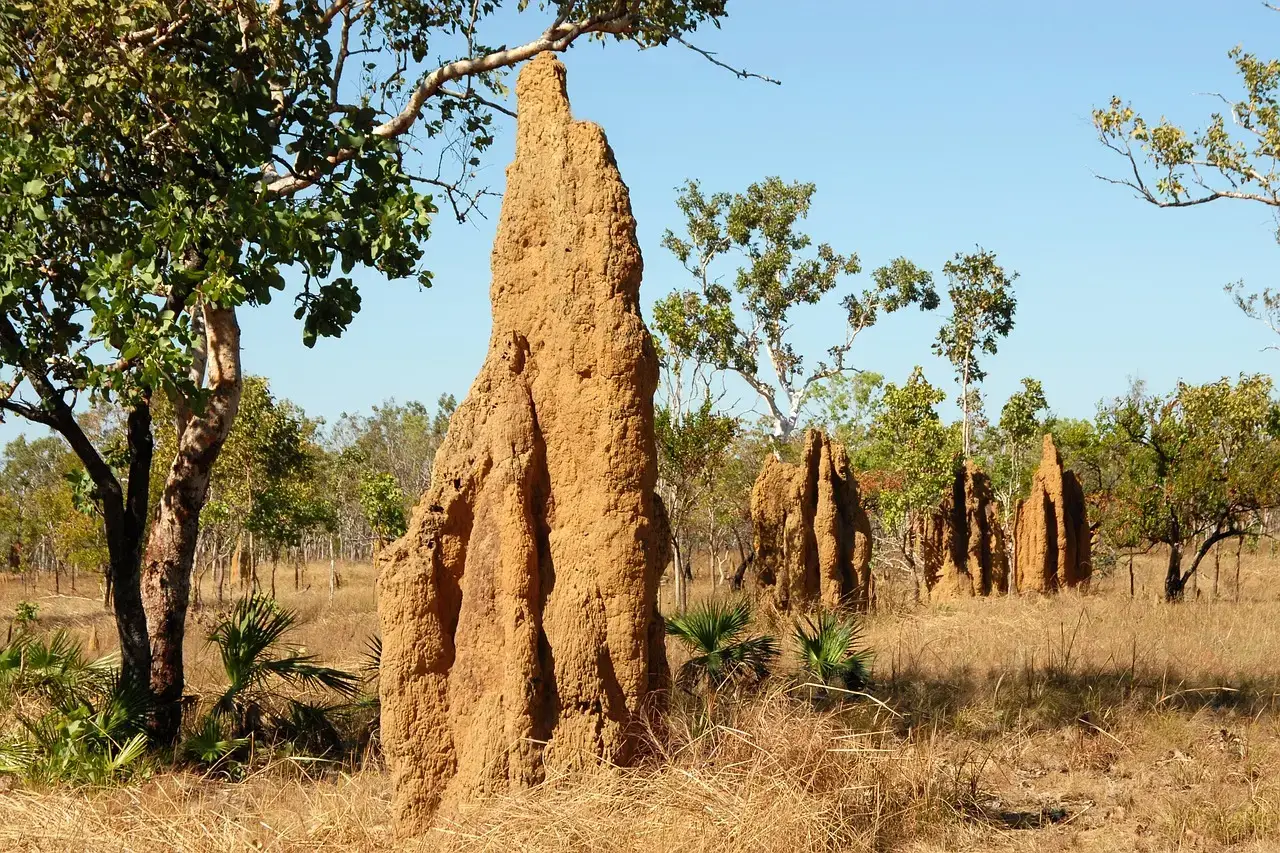
Termites are master architects, constructing mounds that maintain constant internal temperatures despite scorching heat or cool nights outside. Temperature-sensitive medical devices created over the past decade mimic termite mounds that maintain constant temperature regardless of outside fluctuations, and the design approach helps to lower the energy consumption of the devices.
Medical equipment that needs precise temperature control, like incubators for premature infants or vaccine storage units, can now operate more efficiently. The termite’s passive cooling and heating system requires no electricity, just clever design. Let’s be real, we’ve been building temperature-controlled systems for decades, but termites were doing it better all along.
Silk-Based Biodegradable Electronics

A professor of biomedical engineering at Tufts University unveiled a tiny electronic device wrapped in silk that performs its task and then decomposes in just a few weeks, where researchers dissolved and then reassembled natural silk crystals into tiny structures that coated the silicon circuits. Silkworms spin protein fibers that are incredibly strong yet completely biodegradable.
These silk-wrapped devices could be implanted temporarily to monitor healing or deliver medication, then simply dissolve when their job is done. No second surgery to remove them. The body absorbs the silk naturally, leaving no trace. This could revolutionize how we think about temporary medical implants.
3D Bioprinting with Nature-Inspired Materials
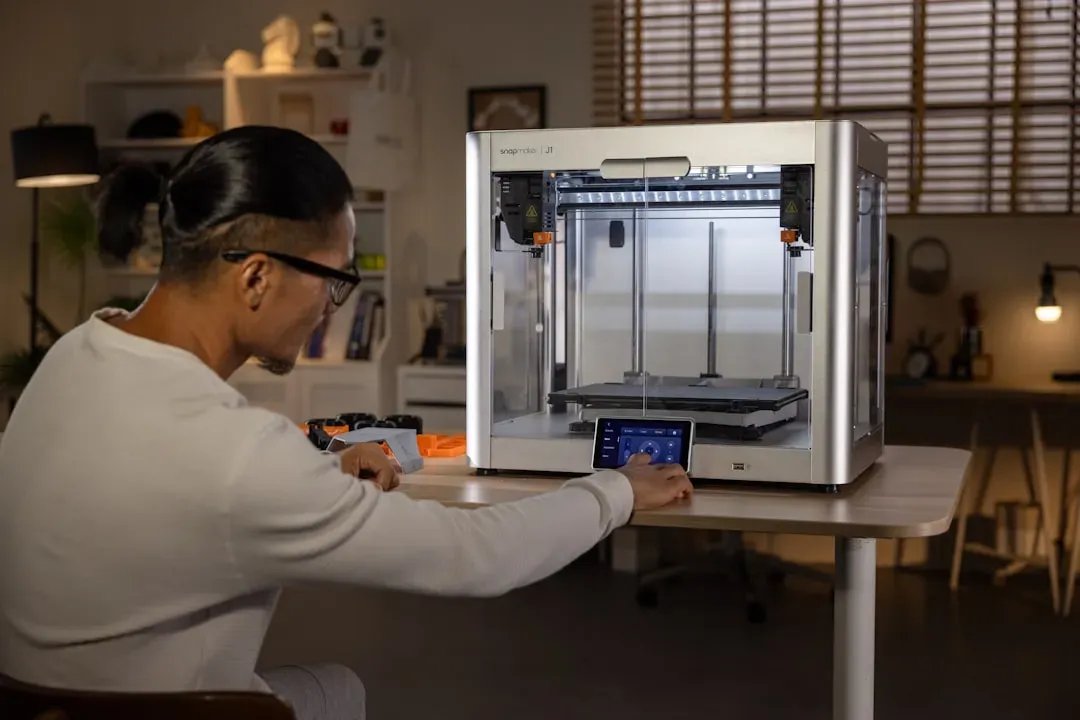
Three-dimensional bioprinting has transformed tissue engineering through the precise fabrication of biomimetic constructs including use in skin regeneration, bone and cartilage prostheses, muscle replenishment, the development of blood vessels as well as organ scaffolds. Nature builds bodies layer by layer, cell by cell, and now scientists are doing the same with 3D printers.
One such potential pathway is the introduction of natural fibers like cellulose, silk, and collagen into synthetic polymers in order to produce elasticity, high tensile strength, and good compatibility with synthetic polymers. By combining natural materials with synthetic ones, researchers are creating printable tissues that closely mimic real organs. Imagine printing a replacement heart valve using materials inspired by the very tissues they’re meant to replace.
Conclusion
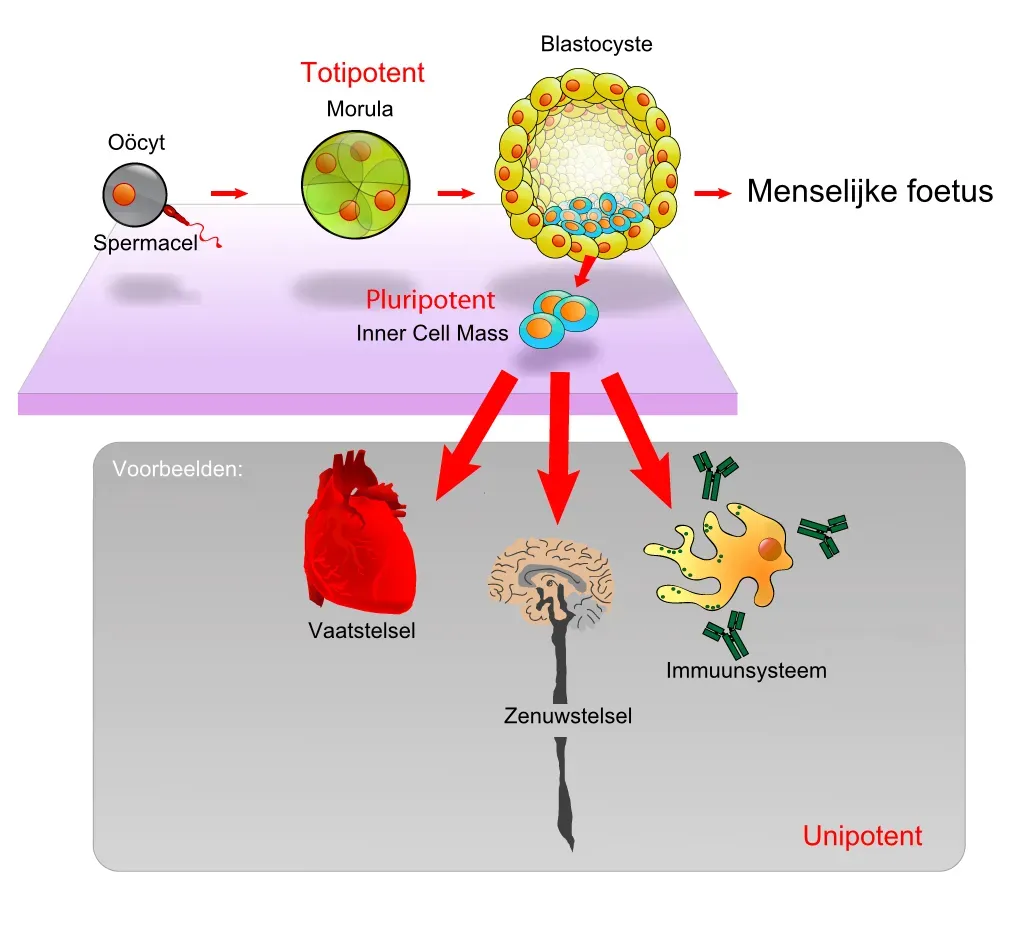
Nature has spent billions of years perfecting solutions to problems we’re only now beginning to understand. Biomimetics is the study of nature and natural phenomenon geared toward creating similar structures, devices, materials or processes for the benefit of humans, and within the multitudes of adaptations in animals and plants may be “solutions” to challenges facing human beings.
From wasp needles to gecko glue, these innovations prove that sometimes the best way forward is to look backward at the natural world. By mimicking the unique and ingenious structure and function of natural living organisms, biomimetic designs empower researchers to develop more efficient, sustainable, and intelligent biomedical tools and techniques, thus improving healthcare quality.
The next time you’re at the doctor’s office, remember that the medical device being used might have been inspired by a creature swimming in the ocean or crawling in your backyard. What other secrets is nature still hiding? Which of these breakthroughs surprised you the most?