
We walk around in our bodies every day as if we understand them, but the truth is a lot stranger and more mysterious than it feels from the inside. Modern medicine can map our DNA, replace joints, and even edit genes, but there are still everyday abilities and quirks of the human body that stubbornly refuse to be fully explained. Some of them are so common we barely notice them; others feel almost supernatural when they happen.
When I first started reading deeper into these mysteries, I expected everything to have a neat, tidy answer by now. Instead, I kept running into phrases like “leading hypothesis,” “partially understood,” and “still debated.” That mix of knowledge and uncertainty is weirdly comforting. It’s like discovering there are still blank spaces on the map of something you thought you knew by heart. Let’s walk through ten of the strangest features your body hides in plain sight – and why even top scientists are still scratching their heads.
The Placebo Effect: Healing Powered By Belief

Imagine taking a sugar pill, knowing nothing is in it, and still feeling your pain melt away or your mood lift. That’s the placebo effect, and it’s one of the most baffling forces in medicine. Researchers know that belief, expectation, and the doctor–patient relationship can trigger real, measurable changes in the body, from altered brain activity to shifts in hormone levels and immune responses.
Yet scientists still can’t fully explain how a thought becomes a biochemical chain reaction strong enough to ease chronic pain or improve symptoms of depression. Placebo responses can be powerful enough that clinical trials are designed around them, just to separate real drug effects from mind-driven improvements. Some studies even show “open-label” placebos – where patients are told they’re taking a placebo – can still work. The brain’s ability to rewrite the body’s experience, simply through belief, is still a black box with only a few wires traced.
Consciousness: How The Brain Creates “You”
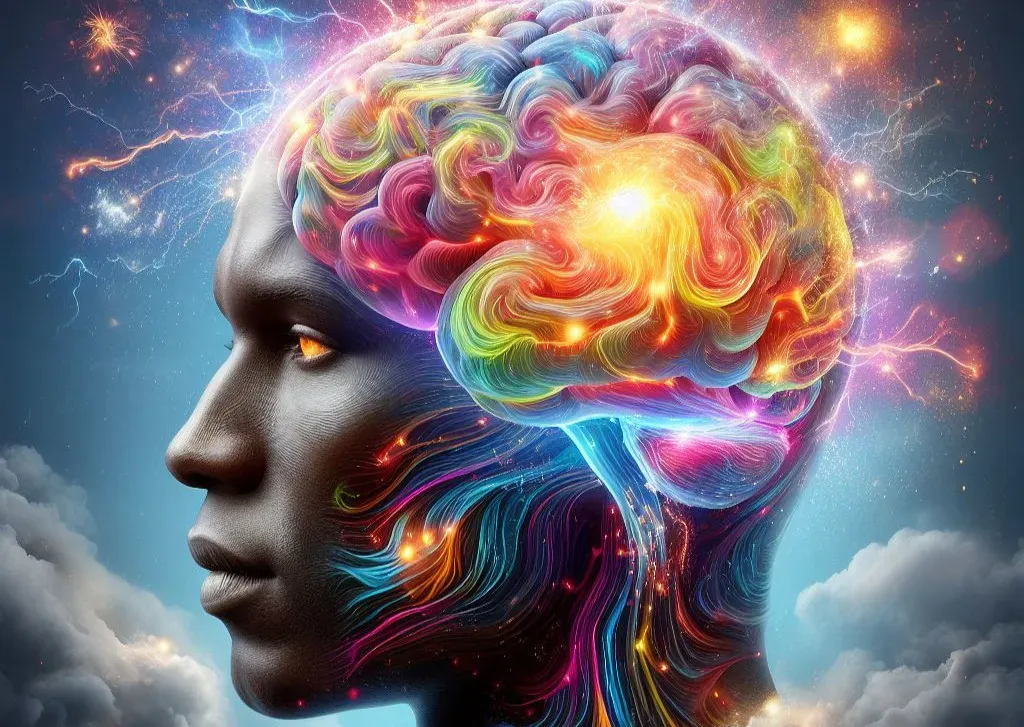
On paper, consciousness sounds simple: it’s your awareness of yourself and your surroundings. In practice, it’s one of the biggest scientific mysteries of our time. We know which brain areas light up when we experience pain, make choices, or see colors. We can even disrupt conscious perception with magnetic pulses or anesthetic drugs. But nobody can say, in a precise, step-by-step way, how the firing of billions of neurons becomes the feeling of being you.
There are competing theories – some say consciousness emerges from complex information processing, others argue it’s tied to specific patterns of brain connectivity, and a few suggest it might be a more fundamental part of the universe. None of them have won. It’s like we’ve taken apart the TV and understand every circuit, but we still can’t explain how that becomes a movie in our mind. Every time I think about this too long, it feels like staring into a mirror that keeps reflecting back further than it should.
The Gut–Brain Connection: Your “Second Brain”
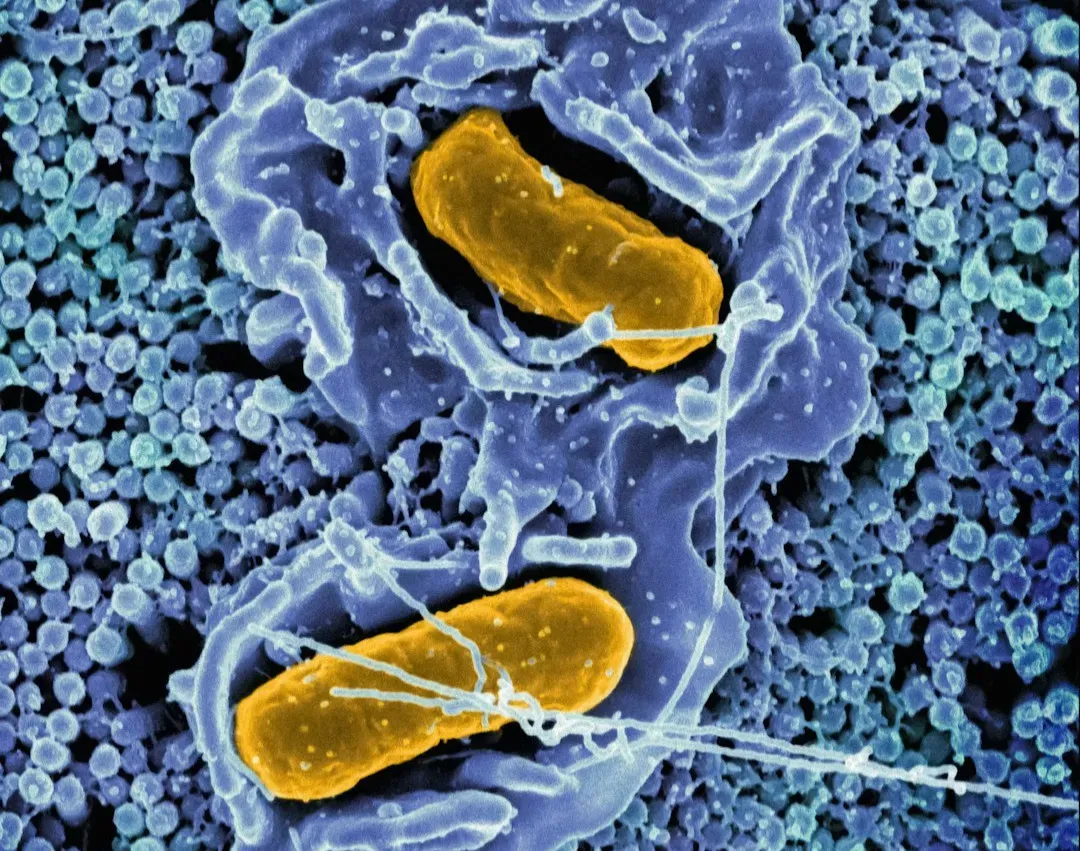
We’ve all had that sinking feeling in the stomach before a big exam or an important talk. It turns out that “gut feeling” is not just poetic language. The digestive tract is lined with a vast network of neurons sometimes called the “second brain,” and it talks to your actual brain through nerves, hormones, and even the trillions of microbes that live in your intestines. This gut–brain axis influences mood, appetite, stress, and possibly even risk for conditions like anxiety and depression.
What remains murky is exactly how all these signals add up to specific mental states. Researchers have linked certain gut bacteria to changes in behavior in animal studies, and there’s growing evidence that dietary shifts and probiotics can affect human mood, but the pathways are incredibly complex. Is your anxiety making your gut flare up, or is your microbiome quietly nudging your brain toward worry? The answer seems to be “both,” in a tangled loop that nobody has fully untied yet.
Individual Pain Tolerance: Why Some People Barely Flinch

Two people can get the same injury – say, a twisted ankle or a deep cut – and react completely differently. One doubles over, the other shrugs and walks it off. Pain is supposed to be a fairly basic warning system, yet tolerance to it varies wildly from person to person. Genetics, mood, past experiences, culture, and even expectations all play a role, but scientists still can’t neatly predict who will feel what, or why.
Researchers have identified genetic differences that affect pain receptors and pain-processing chemicals in the brain, and they’ve found that attention, fear, and context can amplify or dampen pain. Still, there’s no simple formula that turns all that into “this person will rate this pain as a seven out of ten.” Pain is subjective in a way that defies tidy measurement. It’s like everyone owns a personal volume knob for discomfort, but we still don’t understand how the knob is built, who set it, or why it moves so differently in different people.
Synesthesia: When Senses Blend And Numbers Have Colors
Some people don’t just hear music – they see it as shifting shapes or colors. Others look at letters and numbers and automatically experience them as colored, textured, or spatially arranged around their body. This blending of senses is called synesthesia, and it’s both rare and surprisingly stable over a person’s lifetime. Brain scans show unusual cross-activity between sensory regions in synesthetes, but the origin and purpose of this trait remain uncertain.
There are many open questions: Is synesthesia a leftover from early childhood brain wiring that most people lose? Could it offer subtle advantages in memory or creativity? Why does it show up in some families but not in others, and why does it take such wildly different forms? Researchers can describe what the synesthetic brain looks like in broad strokes, but not yet how or why those extra connections create such vivid, automatic inner experiences. It’s like having a secret extra layer of reality that only a few people can see, and science is still peeking through the keyhole.
Place Memory And Déjà Vu: That Eerie Feeling Of “Already Been Here”

Walking into a new place and suddenly feeling like you’ve stood there before can be deeply unsettling. Déjà vu is common – roughly about two thirds of people report experiencing it at some point – yet it’s still poorly understood. One leading idea is that it’s a glitch in the brain’s memory systems, where a new situation accidentally gets tagged as familiar, even though you know logically it shouldn’t be.
But that explanation only goes so far, especially when people describe eerie details that feel too precise to dismiss as random. Studies using brain imaging have shown that déjà vu involves regions related to memory and conflict detection, but not in a way that provides a clean, final answer. And then there’s the opposite phenomenon – jamais vu, where something familiar suddenly feels strange – which complicates the picture even more. Scientists can map when these experiences happen in the brain better than they can explain why the brain sometimes misfires in such a hauntingly specific way.
The Immune System’s “Memory” And Autoimmunity Paradox
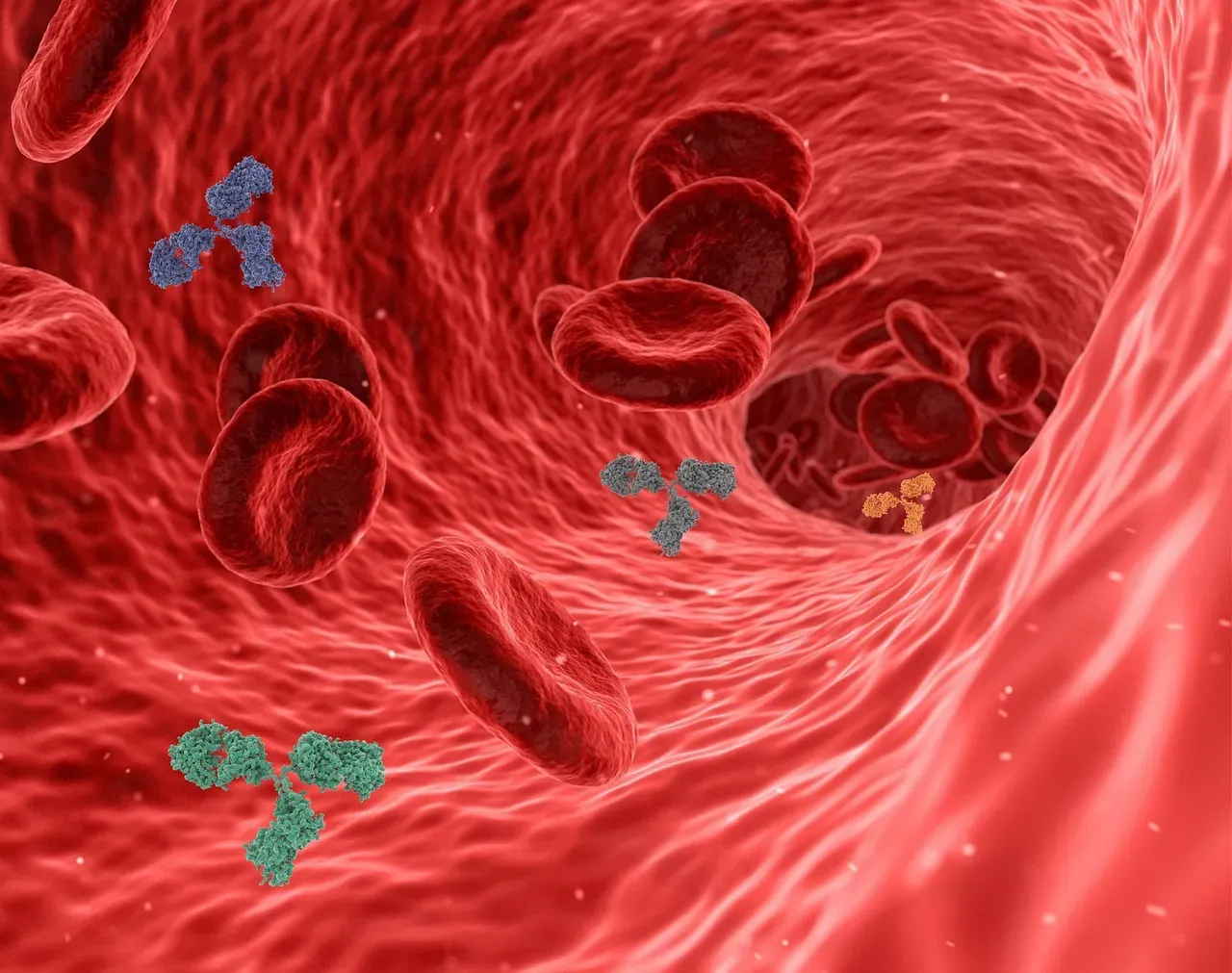
Your immune system remembers past infections for years, sometimes for life, launching faster defenses if the same invader shows up again. That memory is the basis of vaccines and one of the great triumphs of biology. But the same system that can recognize a virus years later can also, for reasons we don’t fully understand, turn on your own tissues instead and cause autoimmune diseases like type 1 diabetes or multiple sclerosis.
Scientists have uncovered a lot about immune cells, antibodies, and inflammatory pathways, yet the line between healthy defense and self-destruction remains blurry. Why does one person’s immune system tolerate their own cells, while another’s mislabels them as enemies? Environmental triggers, gut microbes, infections, genetics – they’re all suspects, but there’s no single master explanation. It’s as if the body’s security guards not only learn faces but can occasionally become paranoid, and we still don’t know exactly what pushes them over that edge.
Human Longevity And Why We Age The Way We Do

Humans live much longer than most mammals of similar size, yet our tissues eventually break down in ways that feel both predictable and strangely uneven. We’ve identified many pieces of the aging puzzle: DNA damage, shortening telomeres, chronic inflammation, and the gradual failure of cellular cleanup systems. What’s still missing is a unified theory that explains why some people reach their late nineties with relatively sharp minds and mobile bodies, while others face severe disease decades earlier.
Even more puzzling, lifestyle factors like diet, sleep, stress, and physical activity clearly matter, but they don’t tell the whole story. Two people can live very similar lives and still age dramatically differently. Research on so-called “blue zones,” where people often live past one hundred, raises as many questions as it answers. Is it the food, the social structure, the genetics, the environment, or a messy mix of all of them? We’re starting to slow some aspects of aging in lab animals, but in humans, the deeper “why” behind our lifespan and its wild variability is still frustratingly incomplete.
The Mystery Of Sleep: Why We Spend So Much Time Unconscious

We spend roughly about one third of our lives asleep, lying still and vulnerable, which seems like a terrible strategy from an evolutionary point of view. Yet every attempt to skip sleep backfires quickly. Memory falters, mood unravels, immune defenses drop, and in extreme cases, lack of sleep becomes life-threatening. Scientists know sleep is crucial for brain cleanup, emotional processing, hormone balance, and learning, but that still doesn’t fully explain why it has to work the way it does.
Why do we cycle through stages like REM and deep sleep instead of just flipping on a simple maintenance mode? Why do dreams replay fears, memories, and bizarre stories with such emotional intensity? Different theories focus on energy conservation, brain plasticity, and synaptic resetting, but none capture the full set of functions sleep seems to serve. In a way, sleep remains like a nightly software update whose interface we can see, but whose underlying code we still don’t fully understand.
Spontaneous Remission: When Severe Illness Suddenly Retreats
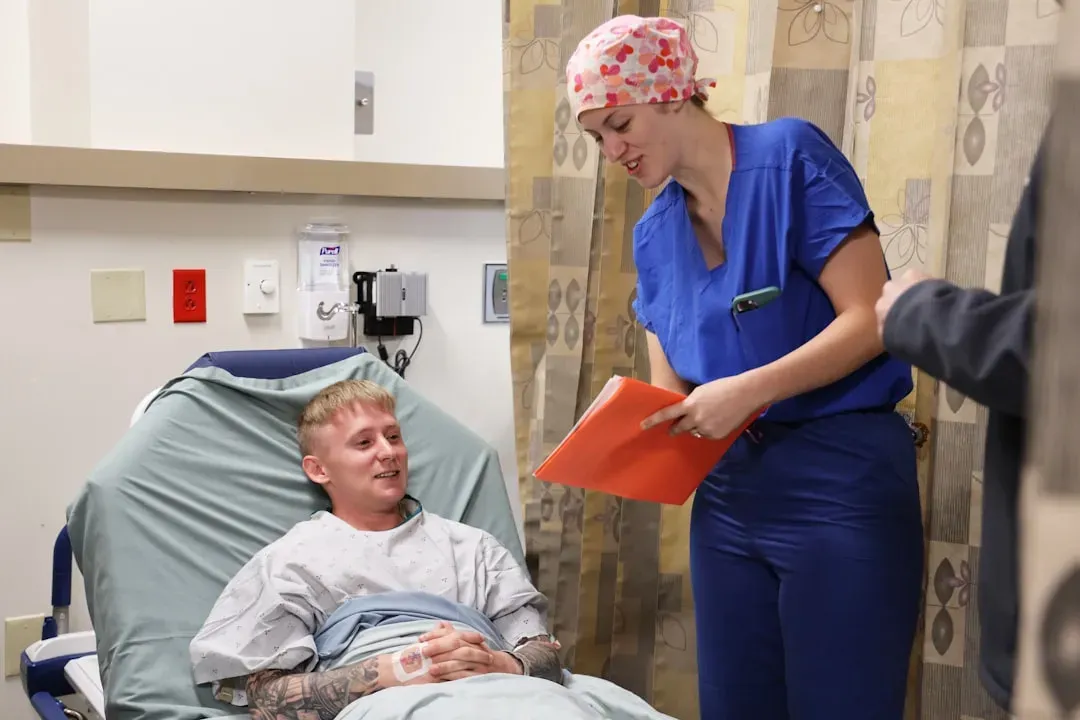
Every so often, a serious disease – especially certain cancers or autoimmune conditions – shrinks or disappears with little or no treatment. These rare events are called spontaneous remissions, and they are both deeply hopeful and scientifically confounding. Some cases follow infections, emotional shocks, or sudden lifestyle changes; others appear to happen out of the blue, with no obvious trigger at all.
Researchers suspect that the immune system sometimes mounts an unusually effective attack on diseased cells, or that tumors may outgrow their blood supply and collapse, but reliable mechanisms remain elusive. Because these cases are so uncommon and unpredictable, they’re hard to study rigorously. They sit at the edge of medical understanding, like strange outliers on a graph that refuse to fit the usual curve. For patients and doctors, they’re a reminder that the body can sometimes pull off recoveries we don’t yet know how to reproduce on demand.
For all our scans, lab tests, and genetic tools, the human body still hides many of its best tricks behind a curtain. We can describe pieces of the placebo effect, consciousness, the gut–brain axis, pain, synesthesia, déjà vu, immunity, aging, sleep, and remission, but we’re often sketching around the edges rather than drawing the full picture. These “almost explained” features are frustrating if you crave certainty, yet they’re also what makes biology feel alive instead of mechanical.
I like to think of our bodies as unfinished science projects we’re all quietly carrying around, each person a slightly different version of the same mysterious blueprint. The next major breakthrough in understanding might come from a huge lab or from a curious researcher noticing some small, odd detail nobody else paid attention to. Until then, we live in a body that can heal when it shouldn’t, misfire when it shouldn’t, and surprise us at almost every level. Knowing that, doesn’t your own heartbeat feel just a little more mysterious?