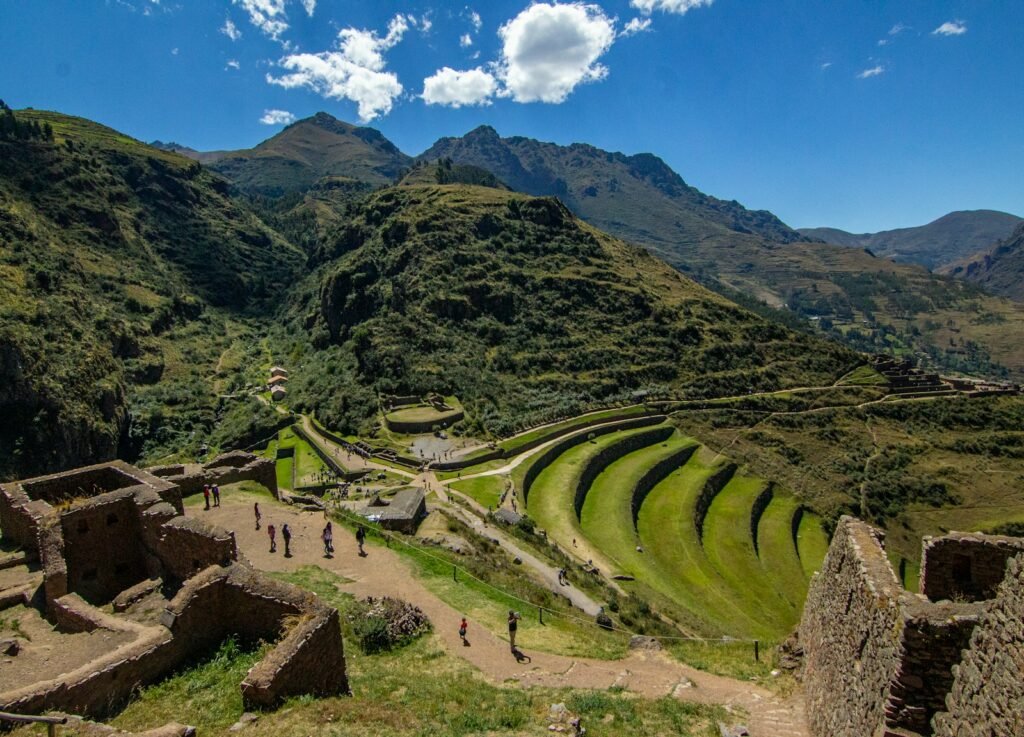

Long before satellites, supercomputers, and laser-guided cranes, humans were moving mountains, redirecting rivers, and raising stone structures so precise that modern engineers still argue over how they were built. Across deserts, jungles, and mountains, ancient civilizations solved brutal practical problems: how to feed cities, track time, survive floods, and impress both rivals and gods. Many of their solutions were so elegant that we still use their core principles today, often with fancier tools but not always better ideas. As archaeologists pair trowels with lidar and 3D modeling in the 2020s, a new picture is emerging: the past was far more technically sophisticated than most of us learned in school. And the more we uncover, the more uncomfortable questions we face about how much knowledge has been lost – and what modern engineering still has to learn from its ancestors.
Megaliths That Defy Intuition: The Pyramids and Their Precise Alignments
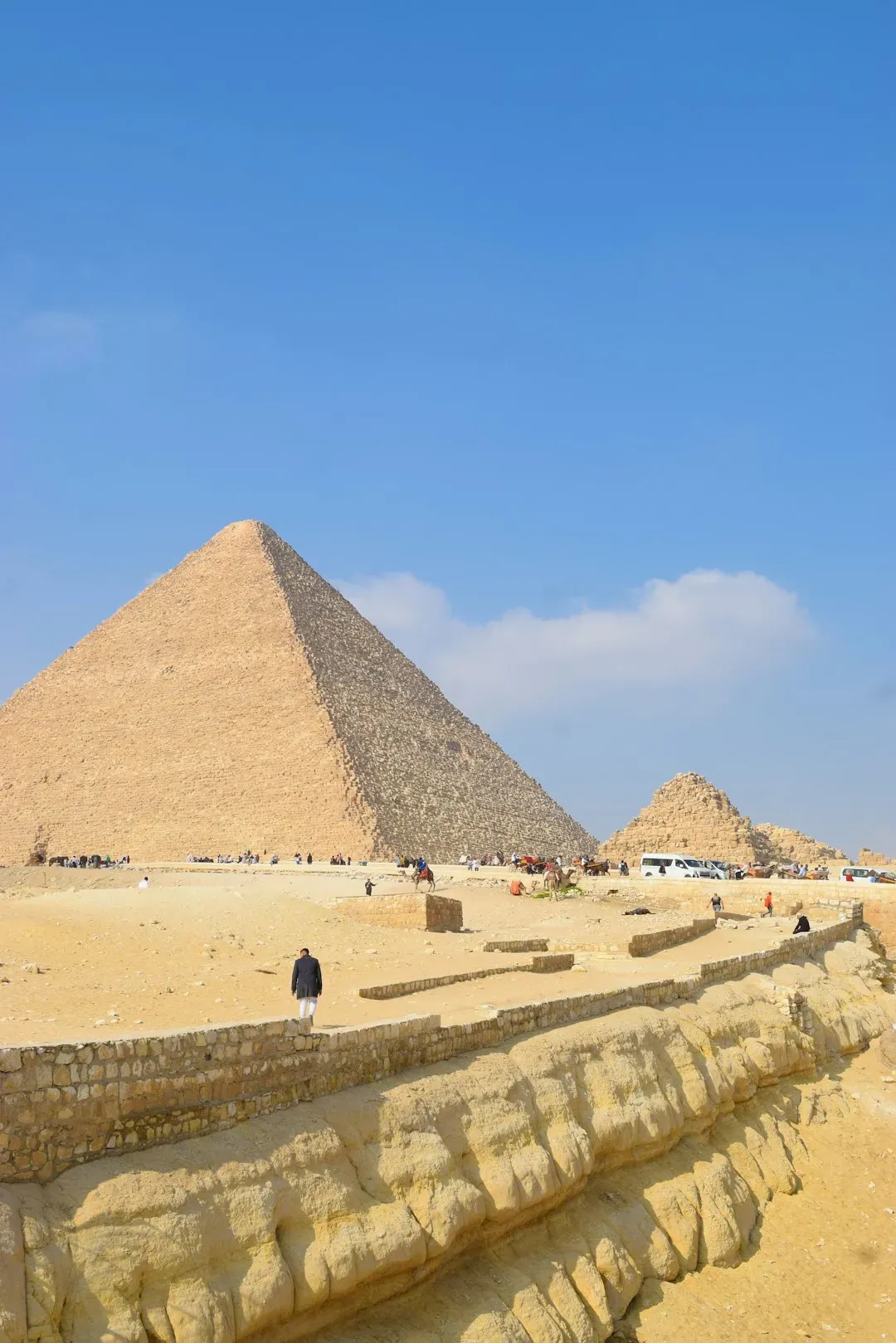
You can look at a photo of the Great Pyramid of Giza a hundred times and still not feel the physical shock of standing under it, realizing it was built more than four thousand years ago with copper tools and human muscle. These structures are not just huge; they are astonishingly precise, with the Great Pyramid aligned to the cardinal directions with an error of only a fraction of a degree. That level of orientation, achieved without GPS, suggests a deep understanding of solar motion, careful observation over generations, and a relentless attention to detail. Stone blocks weighing several tons were quarried, transported, and stacked with joints so tight you can barely slip a razor blade between them. The more you consider the logistics – food, water, organization, quality control – the more it looks like a national engineering program rather than a simple “monument project.”
Modern research leans away from mystical explanations and toward something more impressive: patient, iterative experimentation by thousands of skilled workers. Experimental archaeologists have shown that with sledges, lubricated sand, ramps, and coordinated labor, moving multi-ton stones is difficult but absolutely possible. Surveys of quarry marks, worker graffiti, and nearby settlements paint a picture of a massive, state-organized workforce with specialized teams, supervisors, and supply lines. In a way, the pyramids are like the space program of the ancient Nile: a way to project power, unify the population, and test the limits of human capability using the best science of the day. That they still stand, resisting earthquakes and erosion, is a silent engineering report card written in stone.
Water in the Desert: Persian Qanats and Underground Hydraulics
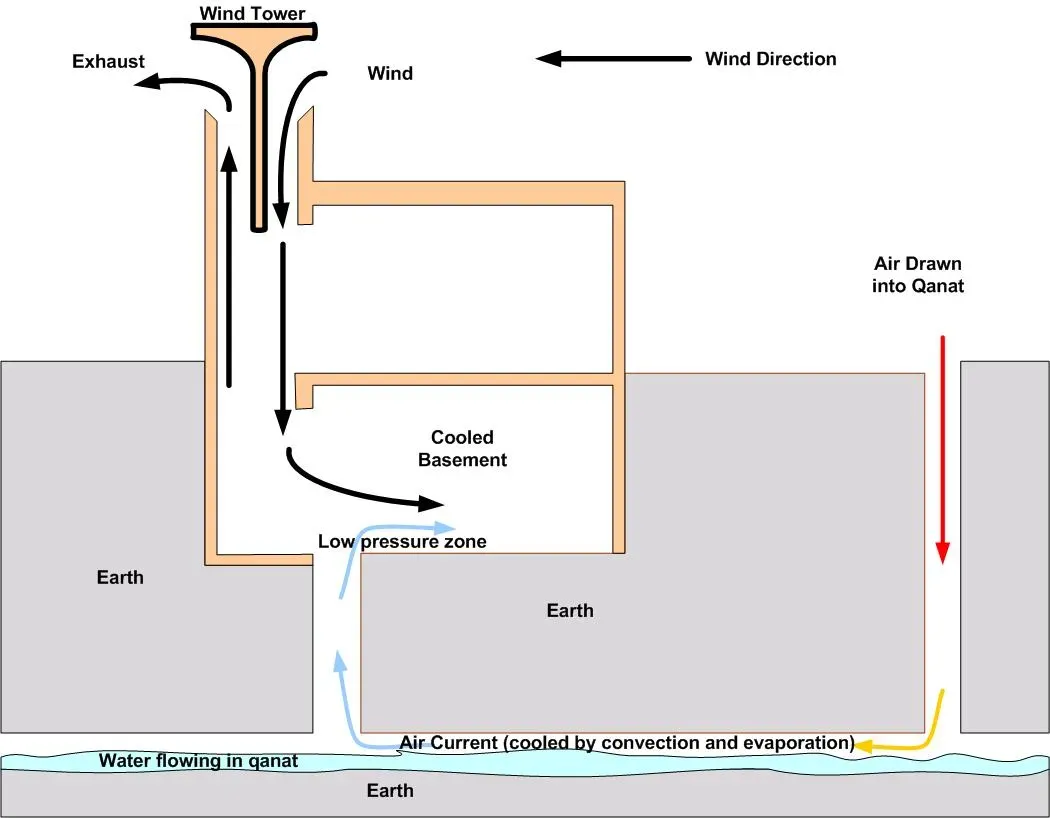
Imagine building a freshwater delivery system in a landscape where summer heat strips away moisture and surface rivers are rare or seasonal. Early Persian engineers solved this by going underground, carving out sloping tunnels called qanats that could carry water for tens of miles from mountain aquifers to dry plains. The concept is simple in theory – tap higher-altitude groundwater and gently guide it downhill – but fiendishly hard in practice without modern surveying instruments. Workers had to maintain a precise gradient over long distances so the water flowed smoothly but did not erode the tunnel or dry up before reaching fields and villages. Vertical shafts spaced along the route acted as both construction access points and maintenance hatches, like an ancient version of manholes lining a buried pipeline.
What makes qanats remarkable is not just their ingenuity but their sustainability. Unlike many modern groundwater pumps that can rapidly deplete aquifers, properly managed qanats deliver a stable, gravity-fed flow that adjusts naturally with the water table. Towns could flourish in hostile environments because these systems minimized evaporation and protected water from contamination. In some regions, qanats remained in use for more than a millennium, outlasting political dynasties and shifting trade routes. When engineers today talk about resilient infrastructure in a warming, drying world, these low-energy, climate-adapted systems feel less like relics and more like quiet blueprints for the future.
Cities in the Sky and Stone: Inca Roads, Terraces, and Mountain Engineering
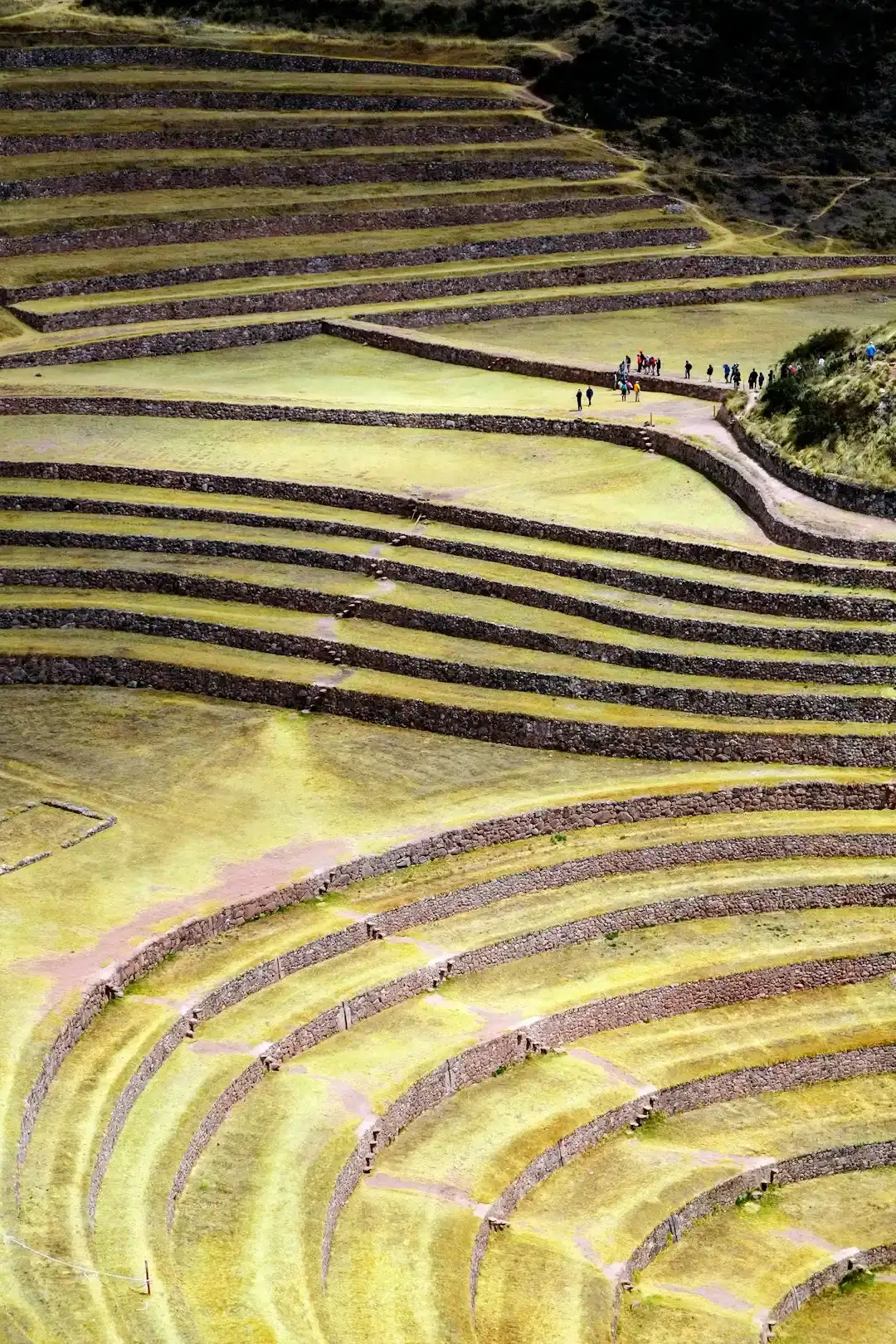
If the Egyptians won the desert, the Inca mastered the mountains. Their empire in the Andes was stitched together by a road network stretching thousands of miles, clinging to cliffs and spanning ravines with rope bridges woven from plant fibers. Maintaining relatively smooth gradients on such extreme terrain required careful route planning, drainage channels to divert rain, and retaining walls to prevent landslides. This transport web let messengers run relay-style across the empire, moving information and goods faster than many pre-modern societies in much gentler landscapes. It turned sheer rock faces and deep valleys from barriers into corridors.
High above the clouds, Inca engineers used terracing to transform precarious slopes into stepped fields that stabilized soil, captured water, and created microclimates. Stone walls absorbed heat by day and released it at night, buffering crops against sharp temperature swings. Irrigation channels snaked between terraces, carefully tuned to avoid erosion while spreading life-giving water across the mountainside. Places like Machu Picchu are often treated as mysteries, but the real wonder is their integration with geology: foundations keyed to bedrock, drainage systems that handle intense rainfall, and layouts that respect natural fault lines. In a world where modern construction often fights the landscape and then floods or fails, the Inca example feels less like ancient history and more like an urgent design lesson in working with, not against, nature.
Floating Gardens and Urban Hydrology: Aztec Chinampas in Lake Texcoco
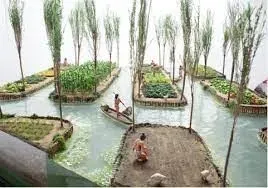
The Aztecs faced a puzzle that any modern city planner would recognize: how do you feed a booming urban population when you are surrounded by water and swamps instead of arable land? Their answer was a feat of biological and hydraulic engineering called chinampas – artificial “floating” fields built by layering mud, sediment, and organic matter on woven reed frames anchored to the lakebed. These raised plots created incredibly fertile, self-irrigated farmland right next to the capital city of Tenochtitlan. Canals between the chinampas became transport routes, turning food distribution into something as simple as paddling a canoe to market. It was an elegant merger of farm and city that blurred the line between infrastructure and ecosystem.
Modern soil analysis suggests these systems could produce multiple harvests per year, with nutrient-rich lake sediments continually renewing fertility. The root networks of plants and the woven foundations acted like living reinforcement, stabilizing the platforms through storms and mild floods. Instead of draining the wetland, the Aztecs amplified its productivity, creating a patchwork of green in the midst of open water that astonished early European observers. Today, ecologists study chinampa remnants near Mexico City as potential models for climate-resilient urban agriculture. The idea that a megacity could feed itself by weaving farms into its waterways no longer sounds like fantasy; it sounds like a high-tech reboot of a very old idea.
Stone That Breathes and Moves Light: Roman Concrete and Dome Engineering
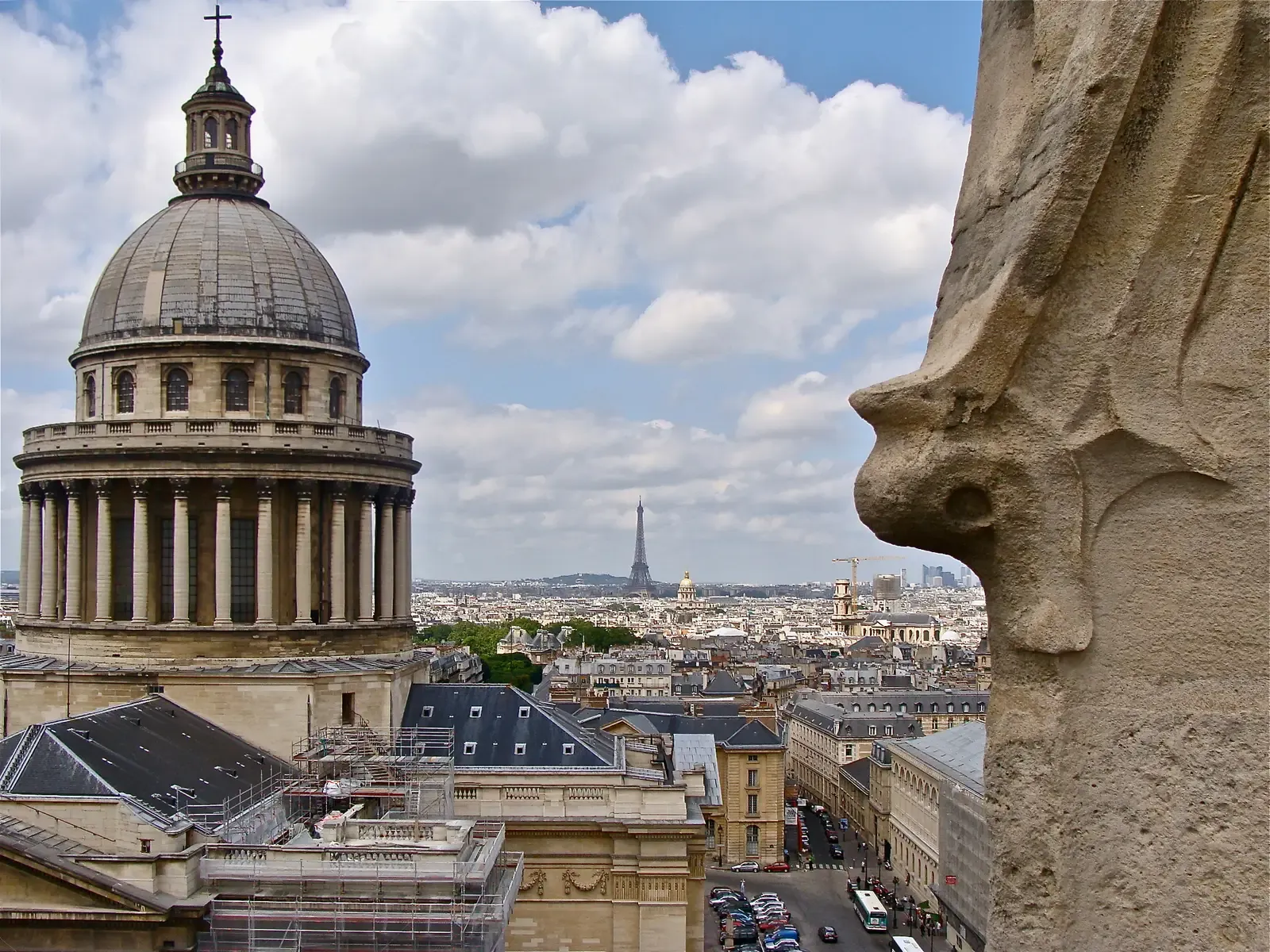
Walk into the Pantheon in Rome and it is easy to forget you are standing beneath a concrete dome that has survived nearly two thousand years of earthquakes, wars, and pollution. Its unreinforced span was a world record for centuries and remains jaw-dropping even in the era of steel and carbon fiber. Roman builders pulled this off with a combination of clever geometry and sophisticated materials science, gradually thinning the dome toward the top and embedding lighter aggregate nearer the oculus. Their concrete, made with volcanic ash, lime, and seawater or freshwater, formed crystals over time that helped resist cracking and chemical attack. In a twist that surprises many engineers, some ancient Roman concrete has held up better than certain modern mixtures.
Recent analyses of Roman harbor structures suggest that their concrete actually grows stronger as it reacts with seawater, forming new minerals that lock its components together. Instead of fighting water intrusion, their formulas harnessed it, creating something more like a living material than a static one. The Pantheon’s oculus, the circular opening at the top, is not just a dramatic design flourish; it reduces weight, relieves stress, and turns sunlight into a moving spotlight that tracks across the interior through the day. Taken together, Roman concrete and dome design show a culture that understood load paths, durability, and user experience in a deeply integrated way. It challenges the assumption that “old” automatically means “primitive” when it comes to structural engineering.
Machines in Marble and Bronze: Ancient Mechanisms and Proto-Computers
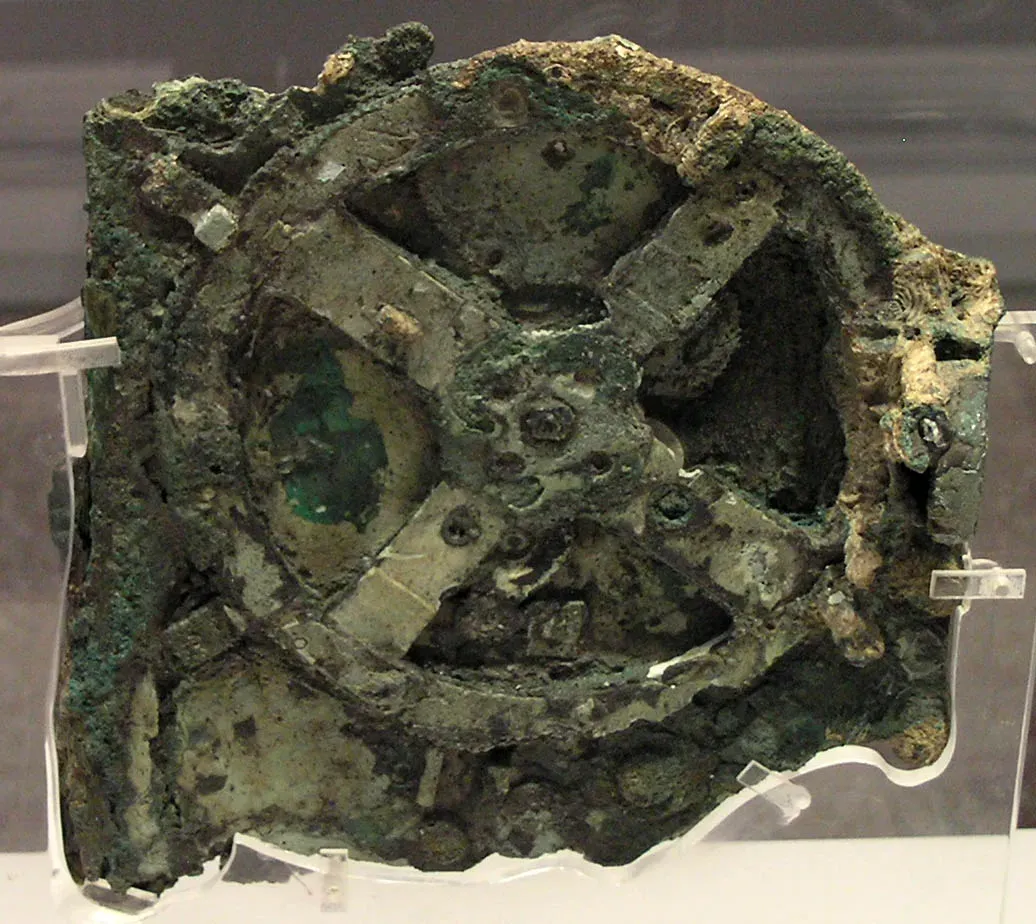
Not all engineering feats are made of massive stones and sweeping landscapes; some are small enough to fit in a backpack and still rewrite what we thought we knew. The Antikythera mechanism, recovered from a shipwreck off Greece, is a bronze device with interlocking gears that modeled the motions of the sun, moon, and possibly planets. Created more than two thousand years ago, it effectively functioned as an analog computer, predicting eclipses and tracking complex astronomical cycles. Its gear trains required precise tooth counts, careful spacing, and an understanding of celestial motions that go far beyond simple stargazing. Holding a reconstruction feels like holding a mechanical sky in your hands.
Other ancient devices, from complex water clocks in Egypt and China to automated temple doors and theatrical machines, show that some engineers were pushing the boundary between static architecture and dynamic systems. These inventions were not everyday household items; they were elite tools and spectacles, blending science, religion, and politics into tangible demonstrations of control over nature. What is striking is how many of these designs were one-offs or remained regionally confined, their underlying principles not widely spread or industrialized. It is as if different cultures independently glimpsed the possibility of advanced machinery, then took a few steps toward it before history pulled them in other directions. The result is a patchwork record that hints at a much richer technological landscape than simple timelines often suggest.
Why These Ancient Feats Still Matter to Science and Engineering
It is tempting to treat all of this as a greatest-hits tour of history, impressive but ultimately separate from modern engineering challenges. Yet when you strip away the mythology, you are left with people solving the same core problems we face now: distributing water, building safely in risky environments, feeding cities, and managing limited resources. The main difference is that they did it with human muscle, observation, and clever design instead of fossil fuels and vast supply chains. In some ways, that constraint makes their solutions more relevant to a future where energy, materials, and climate stability are no longer guaranteed. Qanats, chinampas, terraces, and climate-adapted buildings start to look less like curiosities and more like field-tested prototypes for low-carbon infrastructure.
Compared with many modern approaches that prioritize speed and short-term cost savings, ancient systems often emphasize durability, repairability, and harmony with local conditions. Where a contemporary concrete seawall might crack and fail within decades, Roman-style marine concrete hints at structures that self-heal and strengthen. Where industrial agriculture drains groundwater and strips soil, Aztec-style integrated wetland farming suggests a slower, regenerative path. Even the social side of these projects – coordinated labor, shared maintenance, and collective benefit – forces uncomfortable questions about how fragmented our current systems have become. Looking back is not about romanticizing the past but about expanding the toolkit and asking which ancient strategies deserve a second life under modern constraints.
The Future Landscape: Rediscovering Old Ideas with New Tools
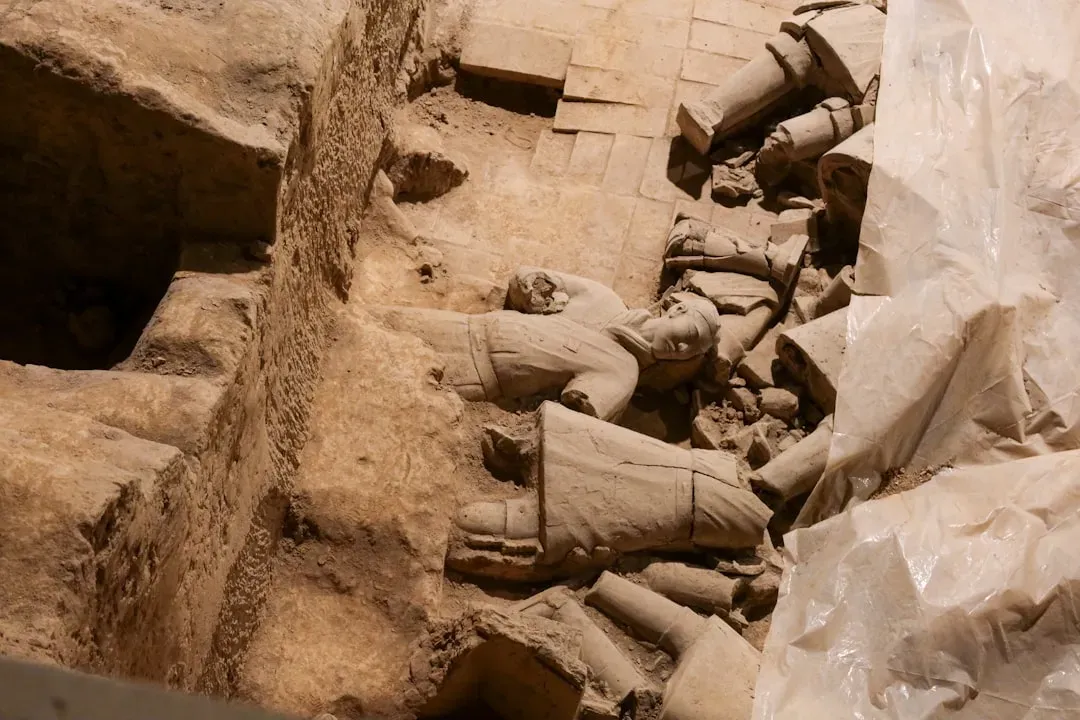
Right now, archaeologists, engineers, and climate scientists are teaming up in ways that would have seemed unlikely a few decades ago, treating ancient infrastructure as a database of proven designs for tough environments. High-resolution satellite imagery and lidar scanning are revealing buried canals, roads, and terraces hidden under forests and fields, offering fresh case studies at a staggering scale. Materials scientists are reverse-engineering the chemistry of Roman concrete and other long-lived building materials, hunting for greener, more durable alternatives to today’s carbon-intensive formulas. In many labs, the guiding question is no longer “How did they manage this with so little?” but “How can we do more with less, the way they did?”
Of course, reviving or adapting ancient techniques is not as simple as copying and pasting them into the twenty-first century. Climate patterns have shifted, population densities have exploded, and political systems are far more complex, sometimes making communal management of shared infrastructure harder. There are also ethical dimensions, from respecting Indigenous knowledge to ensuring that traditional practices are not stripped of context and repackaged without credit. Still, there is a growing recognition that technological progress is not a straight line upward but a braided river, with lost channels worth rediscovering. The most exciting future cities and farms may end up looking strangely familiar, with terraces on hillsides, gardens in wetlands, and buildings designed to last for centuries rather than decades.
How You Can Engage with the Legacy of Ancient Engineering
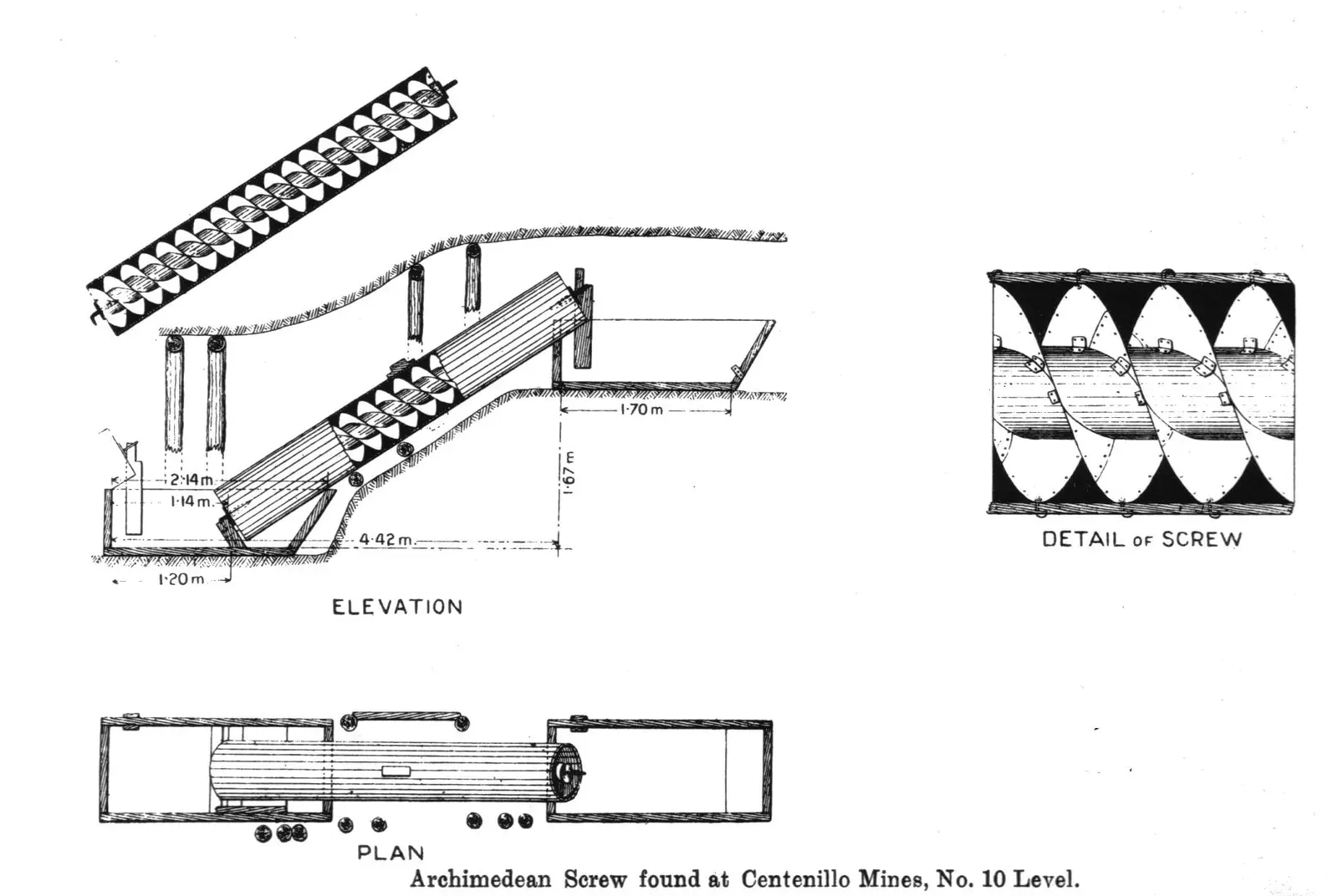
Connecting with these feats of ancient engineering does not require a plane ticket to Egypt or Peru, although seeing them in person can be life-changing. Many museums, universities, and research groups share digital reconstructions, interactive models, and field reports that let you explore everything from qanats to chinampas from your laptop. Supporting public archaeology projects, heritage conservation groups, or local museums helps ensure that fragile sites and artifacts survive long enough to be studied properly. Even something as simple as following reputable field researchers and science communicators can keep you plugged into new discoveries as they happen. Curiosity, it turns out, is one of the most powerful tools for keeping this knowledge alive.
On a more practical level, you can look for echoes of these ancient ideas in your own community and choices. Urban gardening initiatives, wetland restoration projects, and sustainable building efforts often draw, knowingly or not, on techniques refined thousands of years ago. Asking how new developments handle water, heat, and local ecology is a way of insisting on designs that respect both history and future risk. If enough people value long-term resilience over short-term convenience, the incentive landscape for engineers and planners begins to shift. In the end, the story of ancient engineering is not just about what they built, but about what we decide to build next – using both their successes and their failures as guides.
Suhail Ahmed is a passionate digital professional and nature enthusiast with over 8 years of experience in content strategy, SEO, web development, and digital operations. Alongside his freelance journey, Suhail actively contributes to nature and wildlife platforms like Discover Wildlife, where he channels his curiosity for the planet into engaging, educational storytelling.
With a strong background in managing digital ecosystems — from ecommerce stores and WordPress websites to social media and automation — Suhail merges technical precision with creative insight. His content reflects a rare balance: SEO-friendly yet deeply human, data-informed yet emotionally resonant.
Driven by a love for discovery and storytelling, Suhail believes in using digital platforms to amplify causes that matter — especially those protecting Earth’s biodiversity and inspiring sustainable living. Whether he’s managing online projects or crafting wildlife content, his goal remains the same: to inform, inspire, and leave a positive digital footprint.