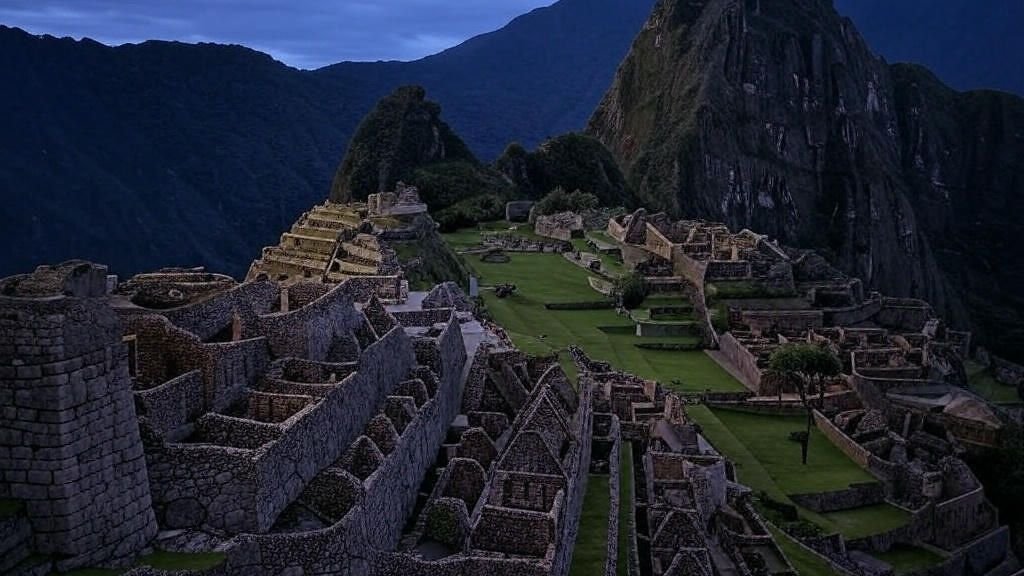

If you think the most mind-blowing engineering is all rockets, AI, and quantum chips, ancient builders might have a few things to say about that. Long before computer models and laser tools, people carved mountains, moved stones heavier than jumbo jets, and aligned entire cities with the stars so accurately that modern researchers still argue over how they did it.
What makes this so gripping isn’t just that it’s impressive. It’s that, even with cranes, CAD software, and satellites, we often can’t fully explain their methods, let alone reproduce them with the same precision, speed, or durability. Let’s walk through ten feats of ancient engineering that still leave modern science scratching its head – and, honestly, feeling a little humbled.
The Great Pyramid of Giza: Millimeter Precision on a Megastructure
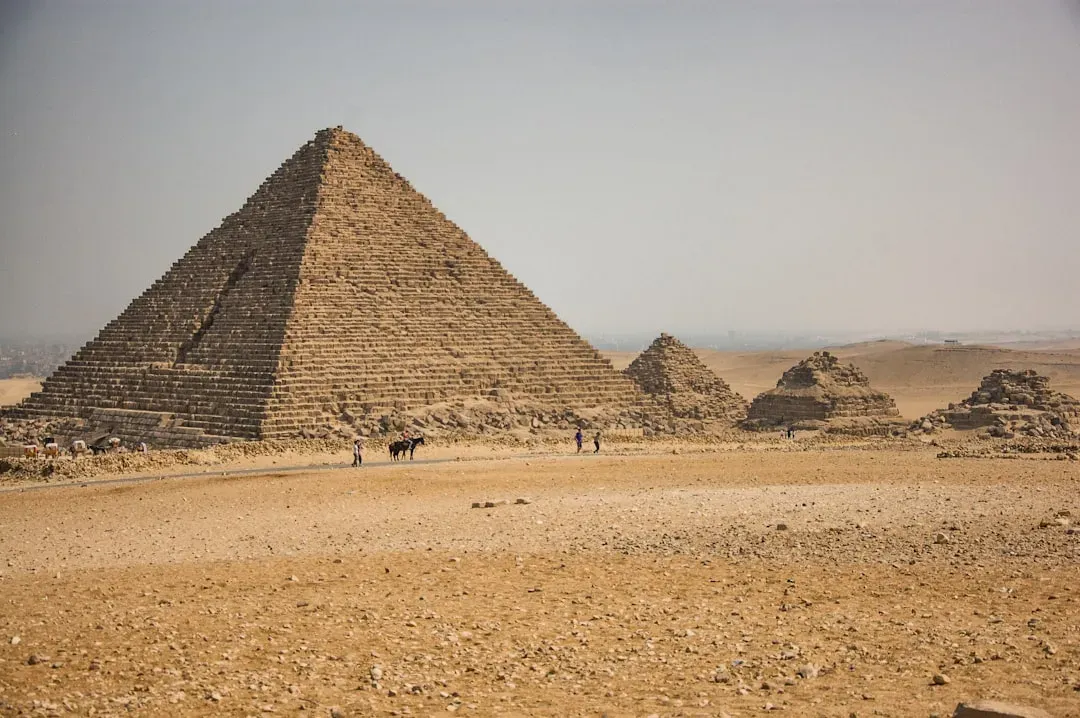
The Great Pyramid is more than a tourist photo backdrop; it’s a 4,500‑year‑old math and engineering flex on a staggering scale. Its base is nearly perfectly level, differing by only a few centimeters across more than two hundred meters per side, and its sides align astonishingly close to true north. When you realize this was built with copper tools, ropes, wooden sledges, and human muscle, it stops feeling like just a pile of stones and more like a carefully tuned machine.
Modern engineers can, of course, build taller and with different materials, but recreating the same precision using only the tools and technology available in the Old Kingdom would be brutally hard. We still debate how they organized labor, lifted multi‑ton blocks to such heights, and maintained geometric accuracy from ground level to the tip. Some researchers argue that the true genius wasn’t any secret device but exceptional planning, measurement systems, and logistics. In an age of planned obsolescence, the fact that this structure is still standing solidly under desert sun and seismic activity might be the most impressive metric of all.
Baalbek’s Mega-Stones: Moving the Immovable
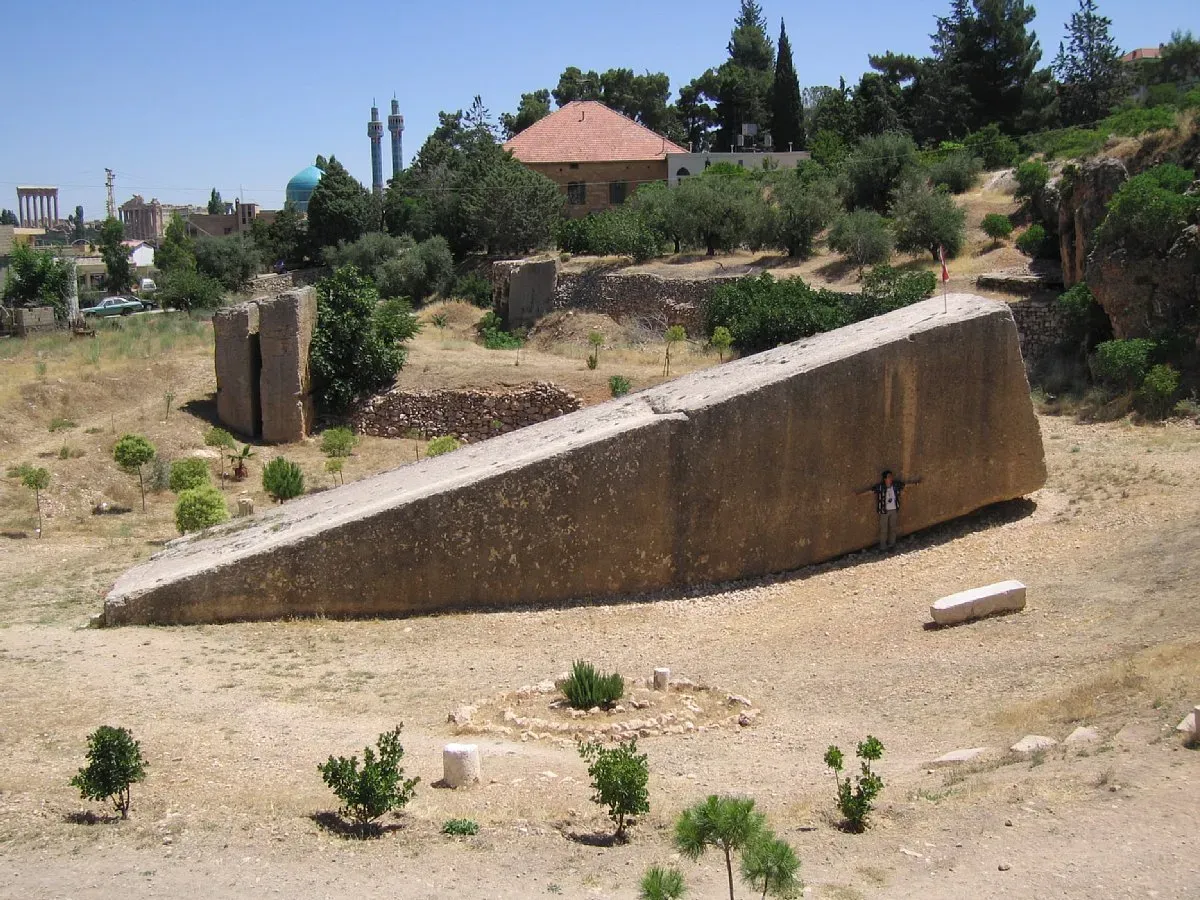
In Baalbek, in present-day Lebanon, lie some of the heaviest stones ever quarried and moved by humans, each weighing hundreds of tons, with some blocks estimated at over a thousand tons. These stones form part of the Roman Temple of Jupiter complex, but the truly jaw-dropping pieces are the so‑called “trilithon” blocks and even larger stones that remained in the quarry. Just standing near one feels almost surreal, like the landscape itself has been rough‑cut into building material.
Modern cranes can lift this kind of weight, but coordinating the transport and placement of such massive stones with ancient tools, without cracking them, is another story. Engineers speculate about inclined planes, rollers, sledges, and teams of animals and people, but there isn’t a fully agreed-upon practical method that fits all the evidence on the ground. What we’re left with is the realization that ancient surveyors and builders had an intimate, almost intuitive command of friction, leverage, and material strength. It’s like watching someone complete a jigsaw puzzle using pieces the size of trucks.
Göbekli Tepe: Complex Monument Building Before Cities
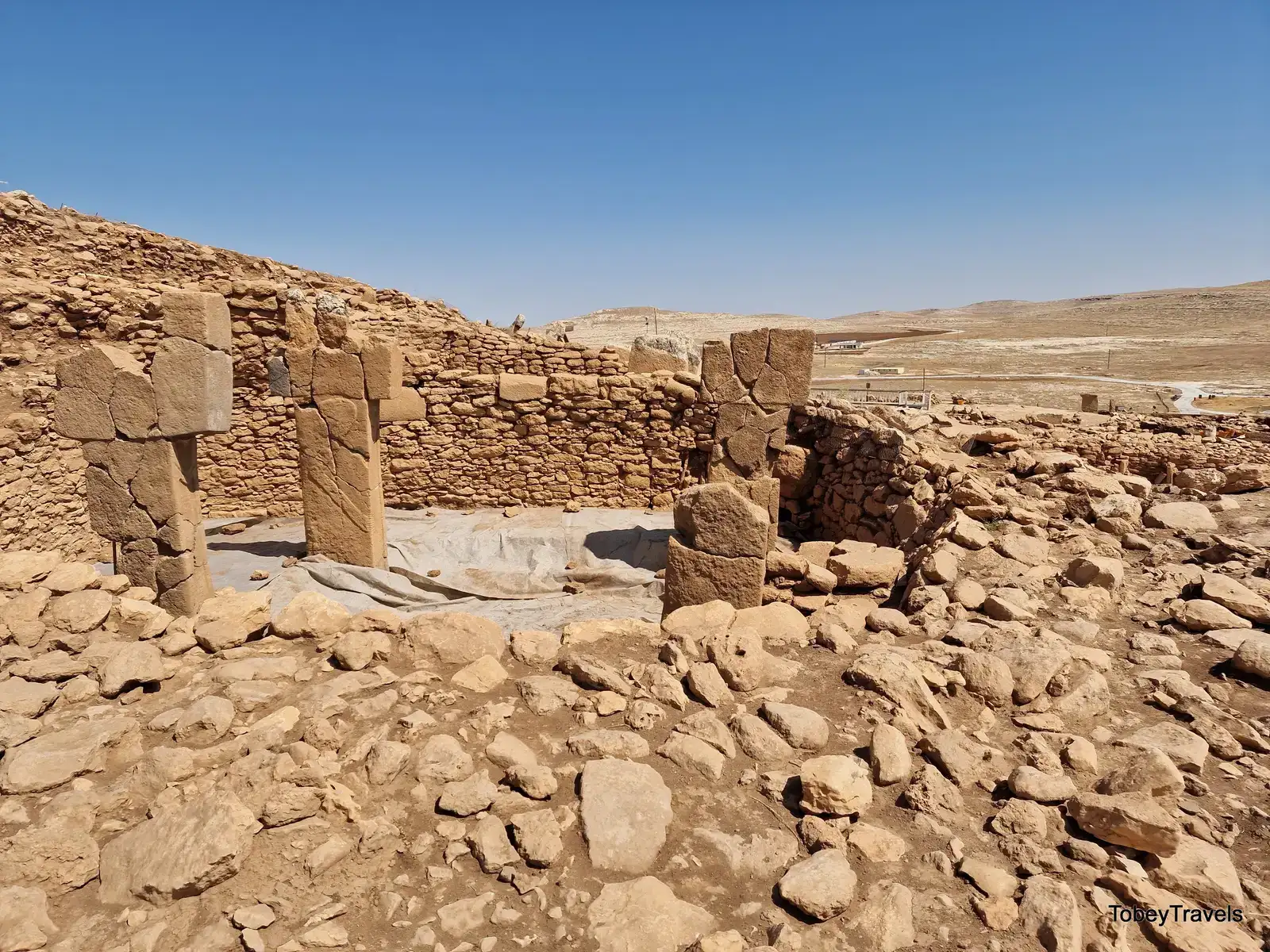
Göbekli Tepe in southeastern Türkiye rewrites the timeline of what humans were capable of, because it dates back to roughly eleven thousand years ago – long before writing, pottery, or formal cities. The site features massive T‑shaped stone pillars arranged in circles, many carved with intricate animal figures and symbolic shapes. These stones can weigh several tons, yet they were erected by communities that were, as far as we can tell, still hunter‑gatherers rather than settled farmers.
From an engineering perspective, the real puzzle is not just lifting stones but organizing the collective effort needed to quarry, shape, transport, and position them. Modern researchers thought large‑scale monumental architecture required established agriculture, social hierarchy, and specialists, but Göbekli Tepe suggests that shared beliefs and rituals alone might have been enough. The technological “toolkit” appears deceptively simple – stone tools, basic ropes, and manpower – yet the result is a sophisticated, deliberately planned ritual complex. It’s like discovering a cathedral built by people who supposedly had not even invented permanent houses yet.
Roman Concrete: A Material That Gets Stronger With Time
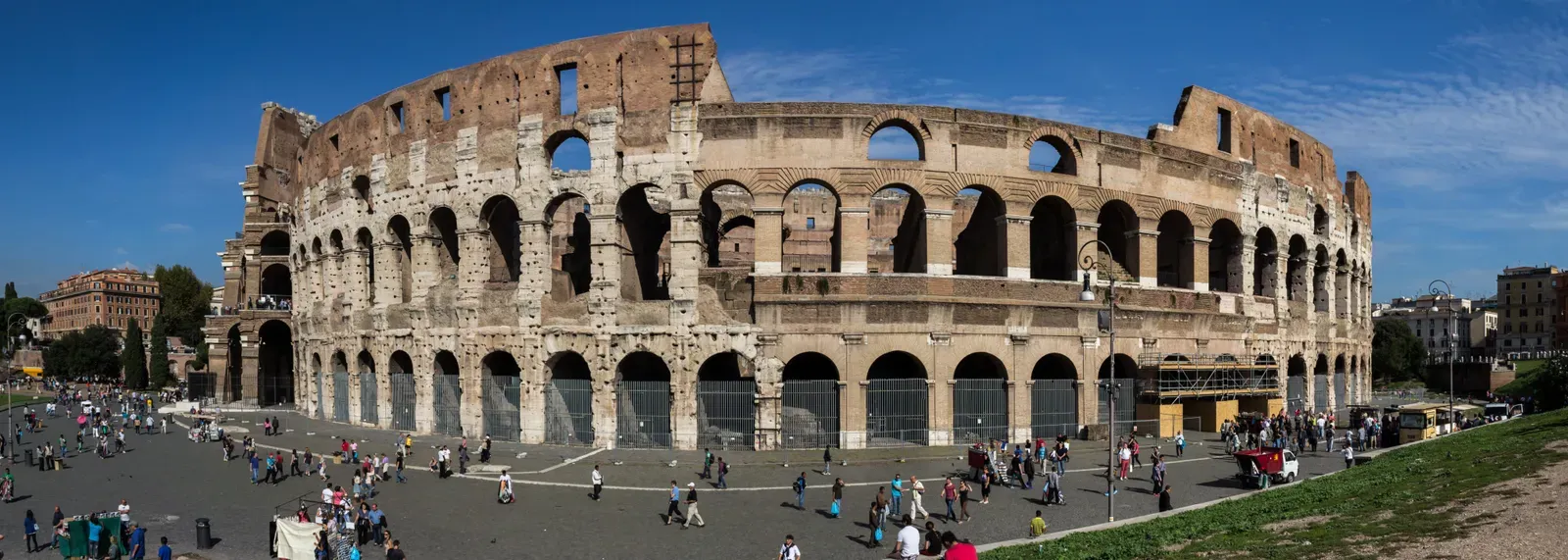
Walk along the remains of Roman harbors or inside ancient domes, and you’re seeing something modern engineers find slightly embarrassing: concrete that has survived nearly two millennia, especially in harsh marine environments. Unlike most modern concrete, which can start crumbling within a human lifetime if badly made or exposed to saltwater, Roman concrete in piers and breakwaters has, in some cases, become tougher over centuries. It’s as though time has joined the construction crew instead of fighting against it.
We now know that Roman builders used a blend of volcanic ash, lime, and aggregates, and that chemical reactions in seawater helped grow crystalline structures within the material, increasing its strength. Modern materials science has learned a lot by studying these samples, but we still don’t consistently reproduce a version that matches their durability on a large, real‑world scale. The sticking point is not just copying an old recipe; it’s integrating it from lab experiments into modern supply chains, building codes, and economics. Ironically, in chasing speed and low upfront cost, we often end up with concrete that ages like milk, while theirs ages like a good wine.
Angkor’s Hydraulic City: A Water Network the Size of a Country

The Khmer Empire’s capital at Angkor, in present-day Cambodia, wasn’t just a city full of temples – it was an enormous, finely tuned water machine. Canals, reservoirs (barays), moats, and spillways crisscrossed the landscape in an intricate pattern designed to harness monsoon rains, irrigate rice fields, and buffer against drought. Think of it as a living, breathing hydrological circuit board, stretching over hundreds of square kilometers.
Satellite imagery and lidar surveys have revealed how precisely this system was laid out and how deeply integrated it was into everyday life. Yet we still wrestle with understanding exactly how they balanced flow, silt, seasonal changes, and maintenance with such limited surveying tools. Modern mega‑projects struggle with water management even using advanced models and sensors, and we’ve seen entire cities hampered by flooding or drought. Angkor shows an ancient civilization that essentially tried to engineer its environment at a regional scale, and while this system may also have contributed to eventual decline, its sophistication remains deeply impressive – and surprisingly hard to emulate sustainably.
Inca Roads and Terraces: Engineering the Vertical World
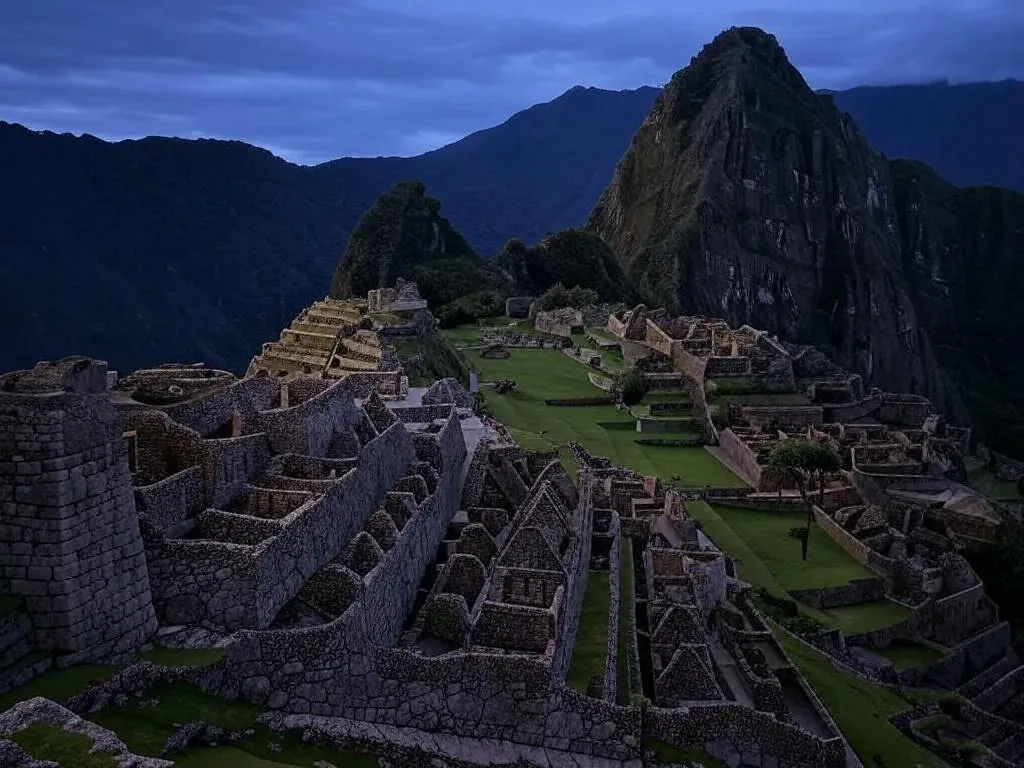
The Inca empire didn’t just build a road; they built a network that stretched many thousands of kilometers across Andes mountains, deserts, and cloud forests. These roads were often narrow but robust, with retaining walls, drainage systems, and suspension bridges that made travel possible in landscapes that still challenge modern builders. Walking on some preserved sections today, you get the sense that every curve and step was tuned to the terrain in a very deliberate way.
Equally striking are the agricultural terraces carved into mountain slopes, both Inca and pre‑Inca. These terraces stabilized soil, controlled water, and created microclimates that allowed crops to thrive at different altitudes. Modern engineering can design highways and retaining walls with software and heavy machinery, but trying to replicate the same blend of durability, ecological integration, and minimal resource use is far from straightforward. These systems worked with the contours of the land instead of fighting them, and that philosophy is something modern infrastructure often struggles to adopt, even with all our technical advantages.
The Antikythera Mechanism: A Mechanical Computer Out of its Time
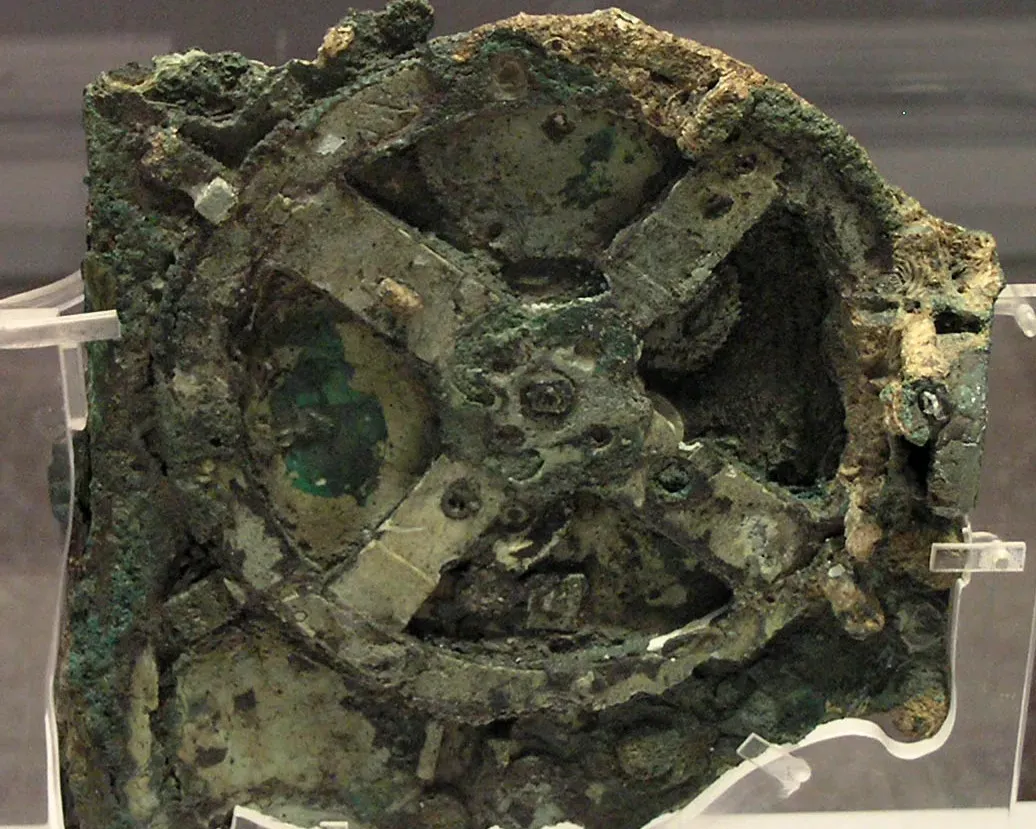
The Antikythera mechanism, recovered from a shipwreck off a Greek island, looks at first glance like a corroded lump of bronze. CT scans and careful reconstruction, though, revealed a compact machine of interlocking gears that model the motions of the sun, moon, and possibly planets. For something created more than two thousand years ago, it’s essentially a portable analog computer built with an astonishing level of precision.
The challenge here is less about the physical act of cutting gears – we can do that easily now – and more about the intellectual environment required to conceive and design such a device. The layout, ratios, and inscriptions show a deep, systematic understanding of astronomy and mathematics, encoded into hardware. Recreating it faithfully using only the tools and techniques available in the Hellenistic world demands a rare combination of skills in geometry, metalworking, and observational science. The fact that this kind of technology seems to have appeared, flourished in some niche, and then largely vanished for centuries is one of the most unsettling parts; it hints at an entire lost tradition of engineering we only glimpse through one shattered artifact.
Nan Madol: A Basalt City Built on the Sea
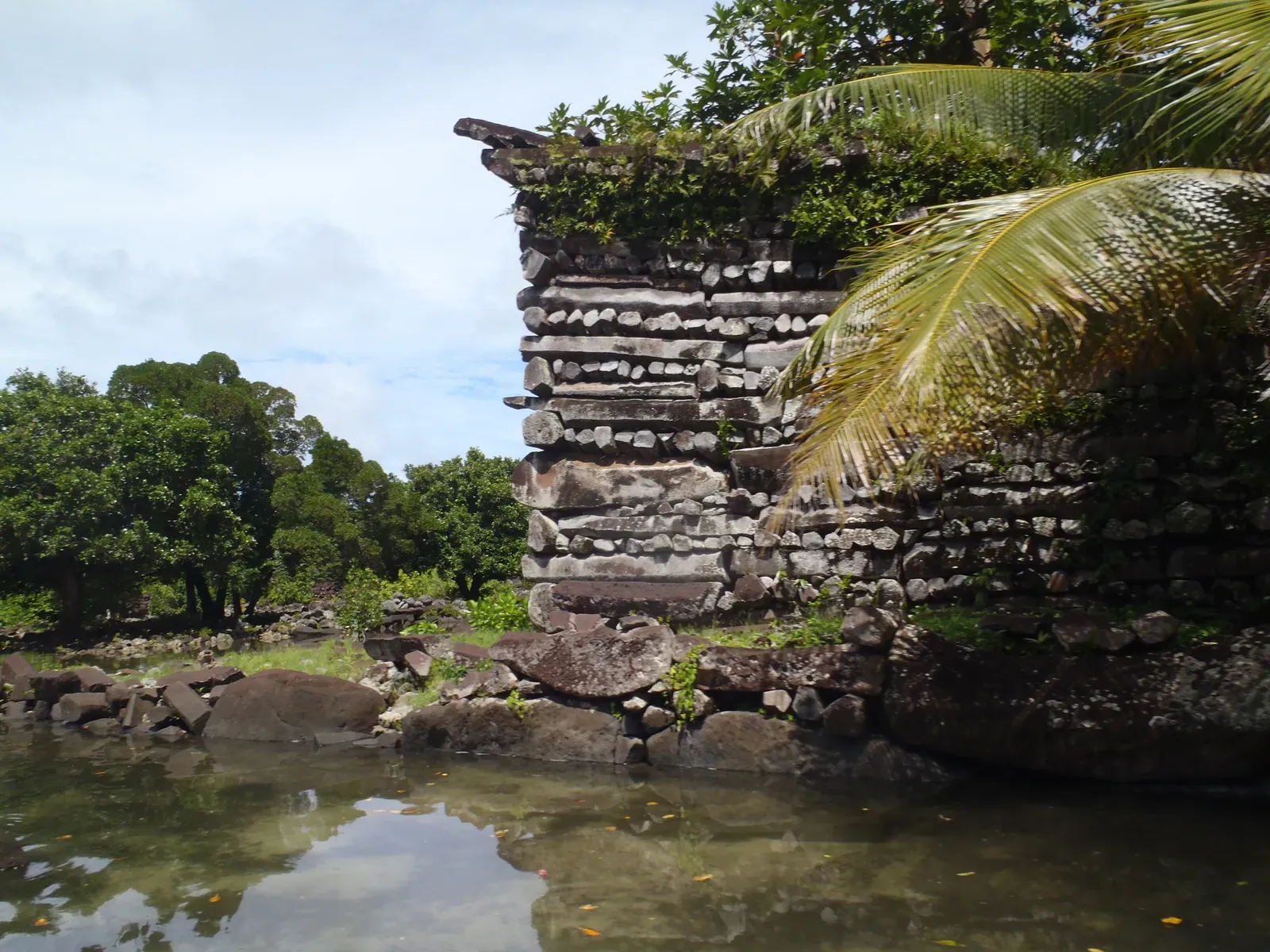
Nan Madol, off the coast of Pohnpei in Micronesia, is a city built on a web of over ninety artificial islets, linked by canals and surrounded by the open ocean. Its builders stacked long prismatic basalt columns – naturally formed but carefully quarried and moved – into walls and platforms, almost like huge bundles of stone logs. Walking through the ruins, with water lapping at the edges, feels like stepping into a stone Venice that time mostly forgot.
The engineering puzzle lies in how this was all constructed on a coral reef platform, using only traditional technologies and without modern diving or lifting equipment. Transporting and placing heavy basalt logs over tidal zones and uneven underwater terrain still sparks debate among archaeologists and engineers. Modern coastal construction relies heavily on powered barges, cranes, and reinforced concrete, yet this ancient site has withstood waves, storms, and erosion for centuries. It’s a quiet but powerful reminder that you can build boldly in hostile environments without defaulting to modern materials – and that sometimes we underestimate what “low-tech” really means.
Puma Punku and Tiwanaku: Puzzle-Blocks in Stone
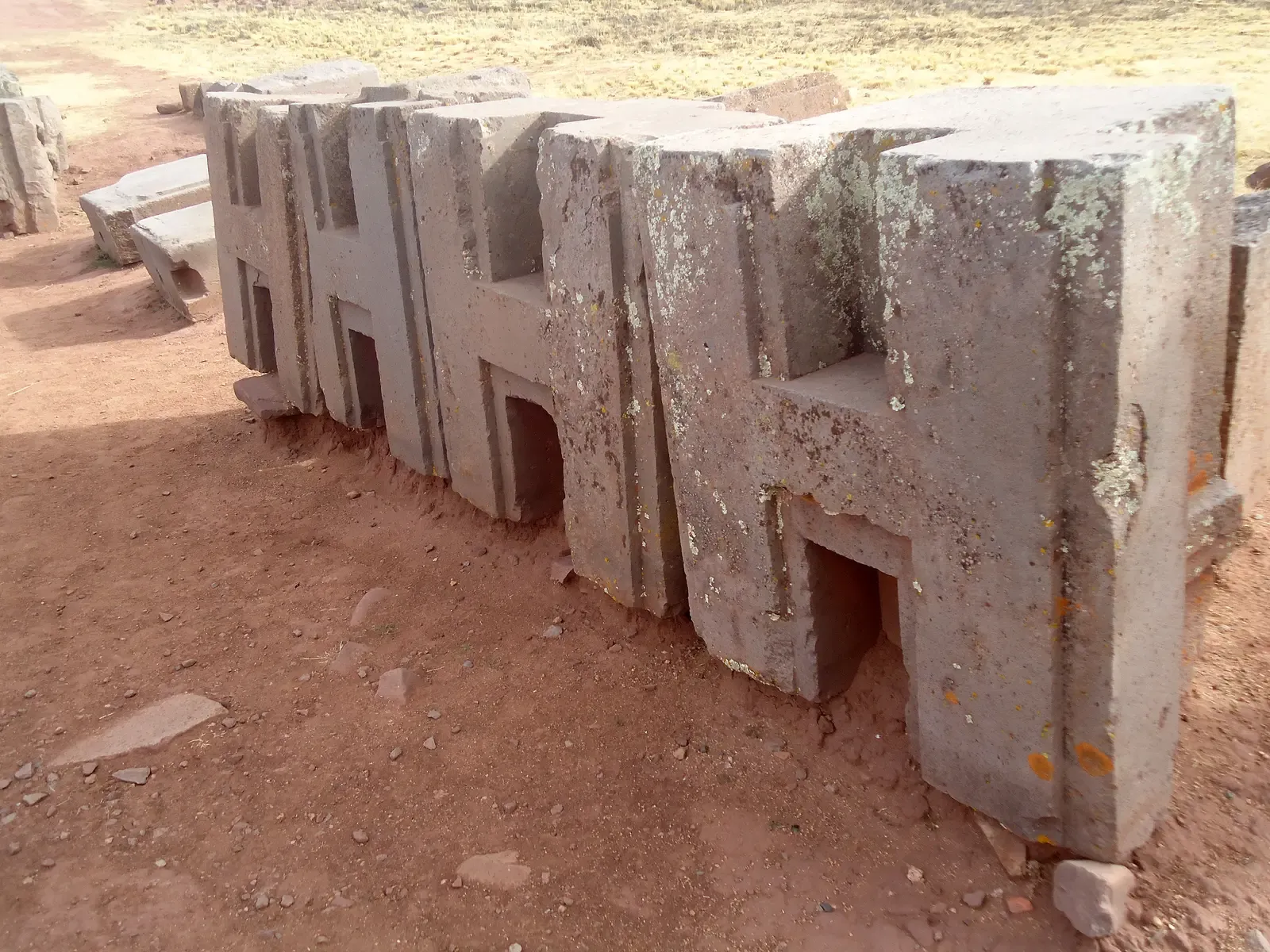
In the highlands of Bolivia, the site of Puma Punku, part of the larger Tiwanaku complex, is scattered with massive stone blocks featuring remarkably sharp edges, interlocking shapes, and intricate cuts. Some stones have precision‑looking right angles, grooves, and recesses that make them resemble giant, stone Lego pieces. It’s the kind of place where, even if you’re skeptical of wild theories, you instinctively feel that something highly specialized was going on here.
Researchers generally agree that the people of Tiwanaku used stone and copper tools, abrasives like sand, and clever techniques rather than any lost magic device. Yet duplicating the same level of finish and consistency on such hard stone, under similar constraints, is a serious challenge for experimental archaeologists. The transportation and placement of large blocks at high altitude only deepen the mystery. Modern machines can carve with greater speed and precision, but the question here is: how do you reverse‑engineer a process when the toolkits and workshops that produced it have largely vanished? The gap between what we know they had and what we see they achieved is where the fascination lives.
Megalithic Alignments: Stone Circles and Stellar Accuracy

From Stonehenge in England to the megalithic sites scattered across Europe, Asia, and parts of Africa, ancient builders erected stones that often line up suspiciously well with celestial events. Solstices, equinoxes, lunar standstills – these alignments show up again and again, implying detailed sky-watching combined with large-scale construction. These were not casual campfire observations; they were projects that knitted together cosmology, agriculture, ritual, and community work over generations.
Today we have precise instruments, but stepping into their shoes and trying to reproduce such alignments without modern optics or clocks is still daunting. They had to track cycles lasting many years, detect tiny shifts at the horizon, and then translate those observations into physical layouts that endure. Many modern attempts to reconstruct the original appearance or full function of these sites end up with multiple competing models, none fully satisfying. It’s not that we can’t place stones in lines; it’s that we’re still struggling to fully grasp the blend of observational skill, symbolic meaning, and stubborn persistence that made those lines so meaningful that people were willing to move mountains – literally – to create them.
These feats of ancient engineering are not just curious puzzles; they’re reminders that human ingenuity is not a linear story of constant improvement. Sometimes, with fewer tools and less data, people created things we still don’t fully understand – structures that last longer, systems that fit the land better, or devices that seem centuries ahead of their time. Looking at them with honest respect rather than smug superiority might be one of the smartest moves modern science can make. Which of these ancient achievements leaves you wondering the most how they actually pulled it off?