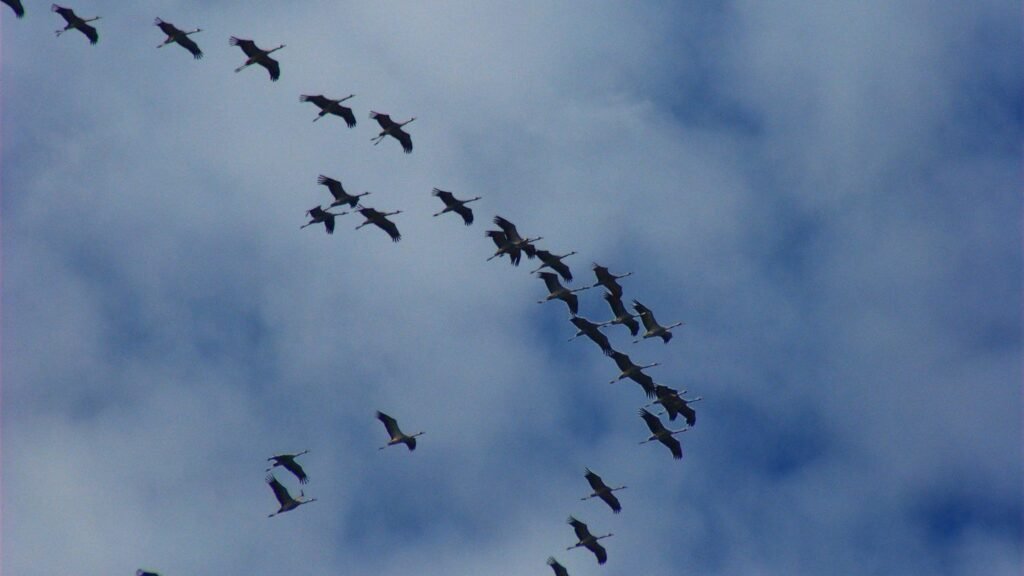
We like to think of ourselves as the planet’s master engineers, filling skylines with glass towers and spinning data through fiber-optic veins. Yet, scattered across forests, oceans, deserts, and even city gutters are builders that quietly outclass our best efforts in efficiency, resilience, and elegance. From termites that air-condition their own skyscrapers to beetles that harvest water from thin air, animals have been solving complex design problems for millions of years before the first human blueprint. As engineers and biologists zoom in on these natural structures, they are not just admiring beauty; they are lifting ideas straight into labs and design studios. The result is a new wave of bio-inspired technology that suggests our next big innovation might start with a burrow, a shell, or a silk thread glinting in the sun.
The Hidden Climate Control of Termite Mounds
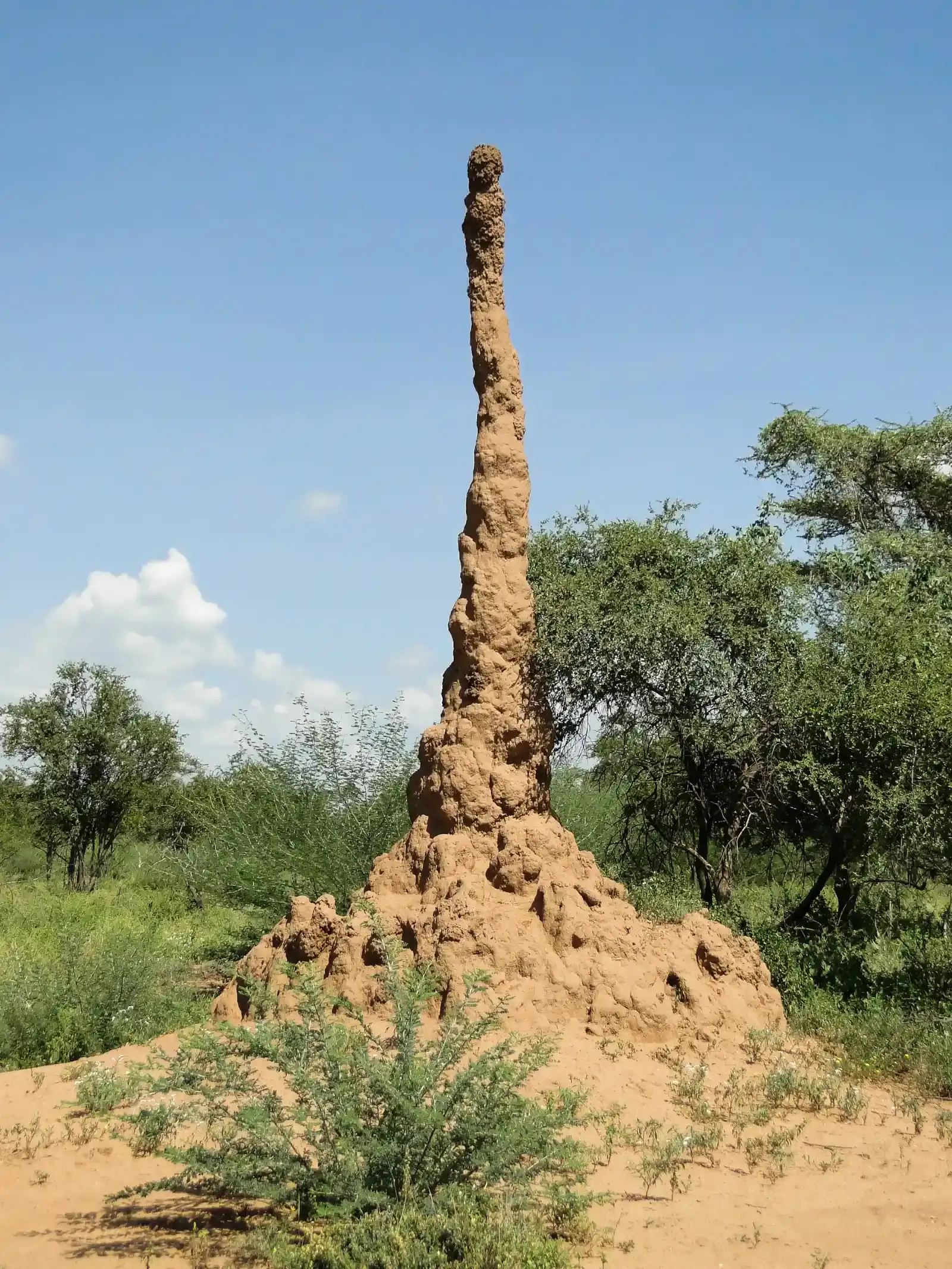
Walk past a towering termite mound in the African savanna and it is easy to mistake it for a random lump of soil, until you realize it behaves more like a living skyscraper. Inside these structures, some termite species maintain a remarkably stable internal temperature and humidity, even as the air outside swings dramatically between hot days and cool nights. The mounds accomplish this using a labyrinth of vents, pores, and chimneys that carefully regulate air flow, almost like a giant lung breathing in and out. Warm air rises and escapes through tall chimneys, pulling in cooler air through lower vents in a self-sustaining circulation loop. The termites themselves tweak the design over time, patching holes and sculpting new passageways in response to subtle changes in climate and colony size.
Architects have studied these mounds to inspire passive cooling systems in office buildings, reducing the need for energy-hungry air conditioning. A few pioneering projects have shown that copying termite-inspired ventilation can cut building energy use for climate control by roughly about one third under the right conditions. This is not about romanticizing nature, but about treating termites as seasoned engineers with tens of millions of years of field testing behind them. When you see it that way, the mound stops being a pile of dirt and starts looking like a refined, zero-emissions climate-control device. In a warming world, that shift in perspective could turn out to be extremely practical.
Spider Silk: The Super Material in a Dewy Web
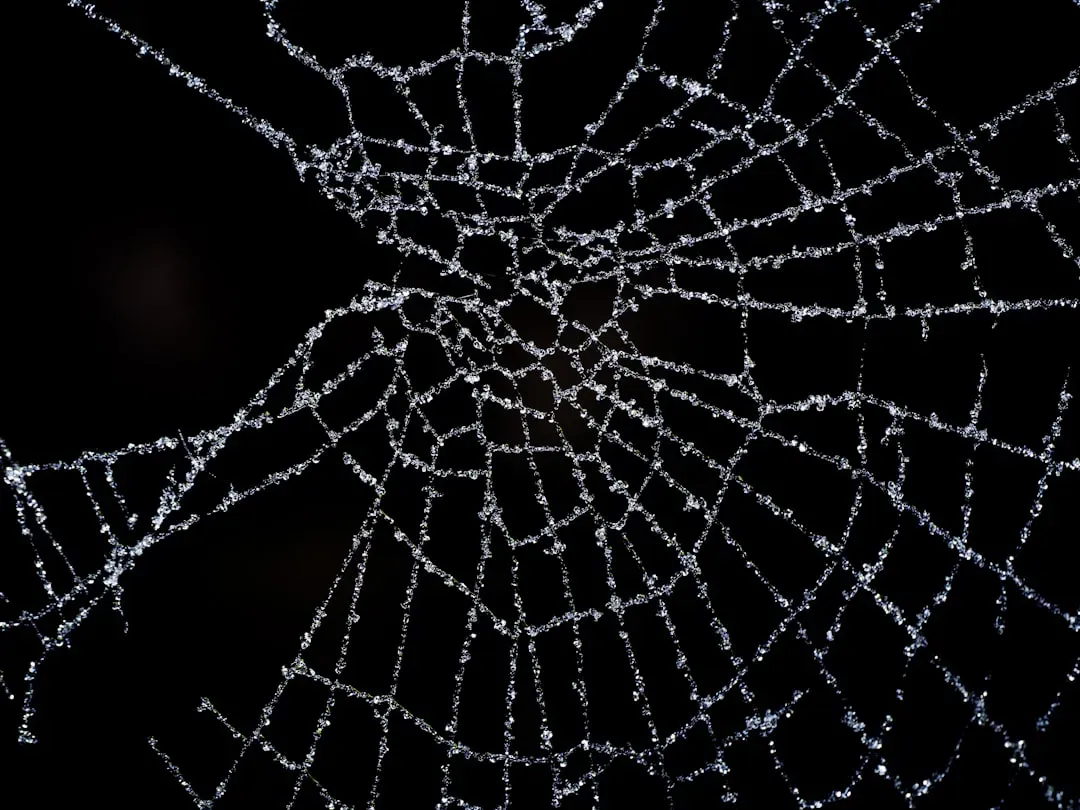
A spider web strung between two branches at dawn looks fragile enough to fall apart with a single touch, yet the material holding it together outperforms many human-made fibers. Spider silk is famously stronger, gram for gram, than many common steels while remaining astonishingly flexible and lightweight. Some species produce multiple silk types, each tuned for specific jobs: dragline threads for sturdy lifelines, sticky capture spirals for trapping prey, and wrapping silk for quickly immobilizing victims. These silks combine impressive toughness with the ability to absorb energy, allowing webs to withstand the impact of fast-flying insects without tearing apart. It is as if the spider spins a custom composite material on demand, using only protein and water.
Materials scientists have spent decades trying to replicate spider silk in the lab, engineering bacteria, yeast, and even goats to produce silk-like proteins. While true commercial-scale spider silk is still a work in progress, test fibers and prototype textiles already hint at what might be possible. Potential applications range from lightweight body armor and medical sutures to parachute cords and biodegradable fabrics. The core idea is simple but profound: if a tiny spider can spin an eco-friendly fiber at room temperature, maybe our factories do not need roaring furnaces and toxic solvents to make high-performance materials. The web hanging in the corner of your garage suddenly doubles as a manifesto for low-impact manufacturing.
Beaver Dams and the Art of Rewriting Rivers
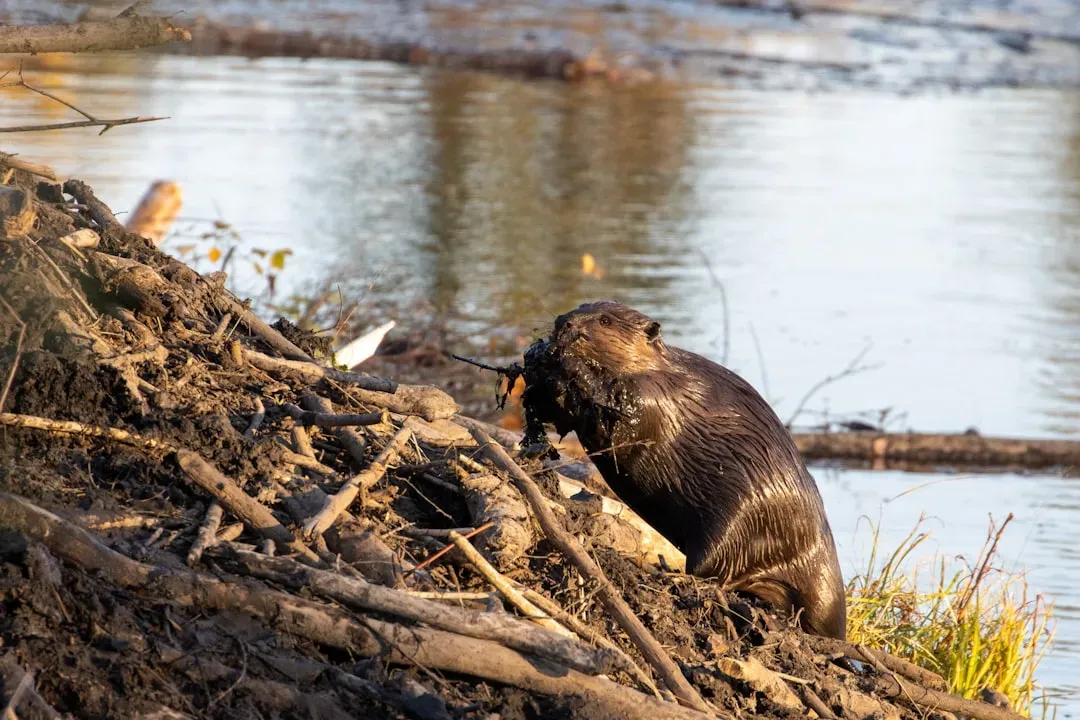
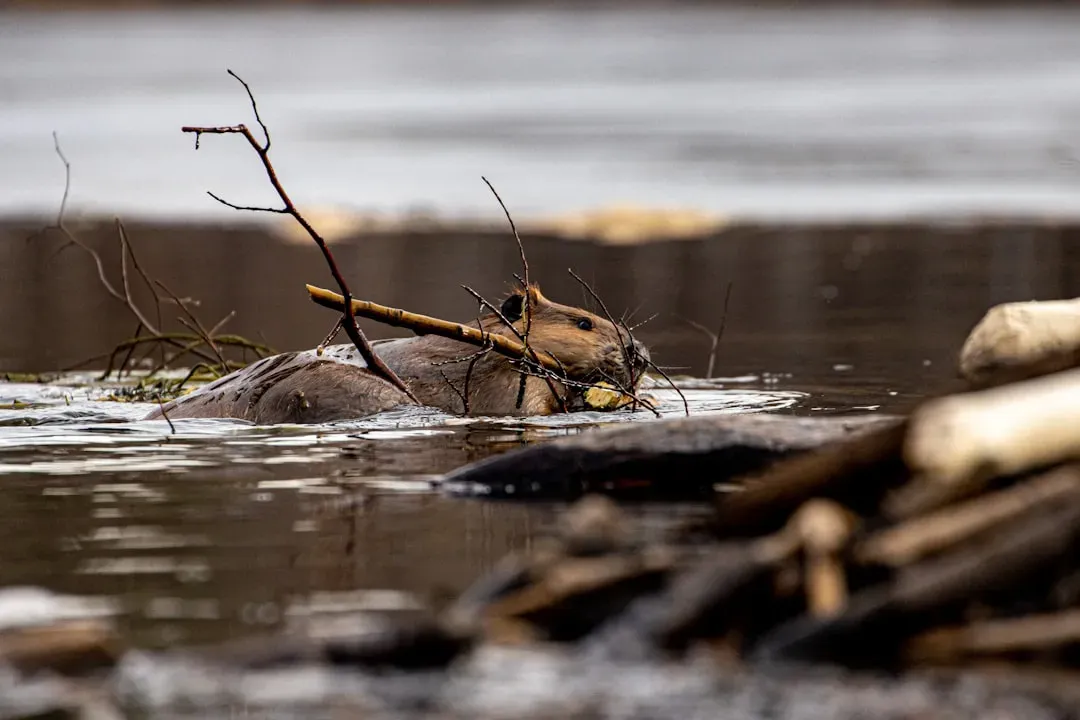
Where humans might bring in heavy machinery, beavers bring teeth, mud, and a stubborn sense of purpose. By felling trees and piling branches, stones, and sediment across streams, they create dams that slow water flow and flood upstream areas into broad ponds. These structures are not random piles; water seeps and spills through them in controlled ways, reducing erosion while maintaining just enough pressure to keep the pond full. Over time, beaver dams transform narrow streams into complex wetland mosaics, rich with new plant growth, insect life, amphibians, fish, and birds. In effect, beavers are civil engineers, hydrologists, and landscape architects rolled into one shaggy package.
Ecologists now talk about beavers as ecosystem engineers and even as partners in climate resilience. Their dams can help store water during droughts, recharge groundwater, and slow destructive floods by spreading surges across broader floodplains. In parts of North America and Europe, land managers are beginning to reintroduce beavers or build “beaver dam analogues” to mimic their effects where the animals cannot yet return. What started as an attempt to fix damaged rivers has become a lesson in humility: a rodent that once annoyed farmers turns out to be a powerful ally against drought, heat, and erosion. It is a reminder that sometimes the infrastructure we need is already alive and chewing.
Coral Reefs: Living Megastructures That Build Their Own World
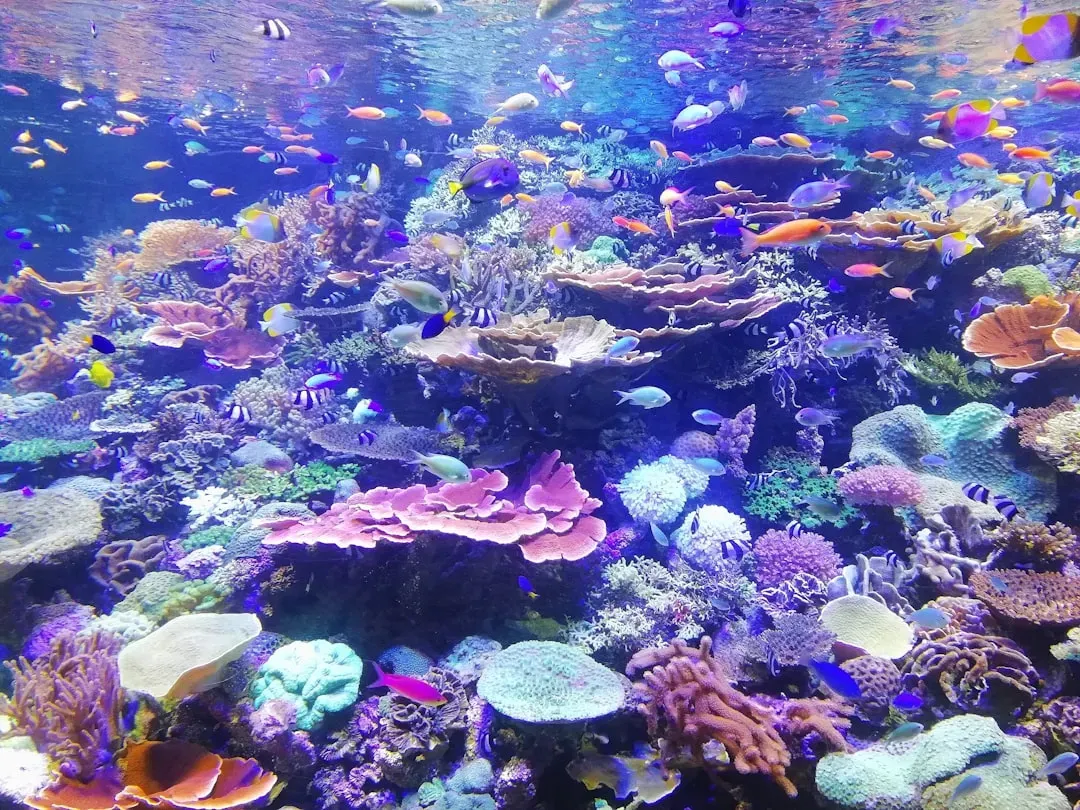
Seen from above, a coral reef looks like a splash of turquoise and electric blue, but underneath lies a vast, slowly growing architecture. Tiny coral polyps, each not much more impressive than a soft-bodied anemone, build hard skeletons of calcium carbonate that accumulate over centuries into massive reef formations. These structures can stretch for hundreds of miles and rise high enough to shape coastlines and deflect waves, acting like breakwaters that protect shores from storms. Fish and invertebrates turn the labyrinth of crevices into housing, nurseries, and hunting grounds, creating one of the most biodiverse ecosystems on the planet. In a sense, the reef is both city and builder, constantly under renovation as old coral dies and new colonies grow on top.
Marine engineers have started looking to coral structures for guidance on wave-dissipating designs and coastal protection. Artificial reef modules are often designed with branching, irregular surfaces inspired by coral shapes, helping to slow waves and encourage marine life to colonize. At the same time, scientists are experimenting with techniques like 3D-printed reef substrates and low-voltage mineral accretion to support coral regeneration. All of this rests on the realization that coral engineering is not just beautiful; it is functionally brilliant. Losing reefs to warming and acidification is not only a biodiversity tragedy but also a loss of one of the most effective natural coastal defense systems ever built.
Leaf-Cutter Ant Cities and Underground Traffic Control
Under a patch of seemingly ordinary soil in Central or South America, leaf-cutter ants may be running a metropolis that rivals human cities in complexity. Their underground nests can sprawl over several meters with hundreds or thousands of interconnected chambers and tunnels. Different chambers serve distinct purposes: some for fungus gardens, others for waste, nurseries, or ventilation. Ants carve ventilation shafts and position entrances so that wind and temperature gradients drive air circulation through the colony, helping to regulate heat and humidity. It is a remarkably coordinated system created without blueprints, written language, or centralized control.
Researchers studying ant nests have used imaging techniques like ground-penetrating radar and plaster casting to map these subterranean cities in stunning detail. The patterns they find often resemble efficient transportation networks and air-handling systems that human planners strive to design. Engineers and computer scientists have drawn on ant behavior to improve traffic routing, logistics, and even algorithms that manage data flow in networks. The ants themselves do not know anything about optimization, but natural selection has refined their building strategies over countless generations. For anyone stuck in gridlock on a city highway, it is a slightly humbling thought that a colony of insects may run a smoother rush hour beneath your feet.
Why These Natural Megaprojects Matter
It is tempting to treat animal architecture as a charming curiosity, like a nature documentary you watch on a weekend and then forget. But when you line up termite mounds, spider silk, coral reefs, beaver dams, and ant nests, a deeper pattern emerges: animals have solved many of the same structural and environmental challenges that now haunt human societies. They manage ventilation without fossil fuels, water storage without concrete reservoirs, and high-strength materials without toxic chemistry. This is not accident or magic; it is the result of relentless trial and error over evolutionary time. When we ignore these solutions, we leave a library of proven designs unopened.
Compared with conventional engineering, animal systems tend to be more frugal with energy and materials, more adaptable to change, and more tightly woven into surrounding ecosystems. Traditional human infrastructure often behaves like a hard shell imposed on the land, whereas animal constructions behave more like organs embedded within a living body. That contrast matters at a time when cities face rising temperatures, more intense storms, and shrinking budgets for repairs. Borrowing principles from animal architecture can help shift us from brittle systems that fail catastrophically to flexible ones that bend and recover. In that sense, watching what a beaver or termite does is not just cute; it is homework for a future we are already entering.
From Wild Blueprints to Human Innovation

Across universities and design studios, there is a growing field dedicated to translating these animal feats into human technology, often called bio-inspired or biomimetic engineering. It starts with close observation: high-speed cameras on spider webs, thermal sensors in termite mounds, acoustic scanners around beaver dams, detailed mapping of coral surfaces. From there, researchers distill key principles, such as how certain shapes drive air currents or how layered materials dissipate stress. Engineers then build models and prototypes, testing them in wind tunnels, wave tanks, or computer simulations. The whole process feels a bit like learning a new language by copying phrases and slowly discovering the grammar.
Some of this work has already seeped into real-world designs. Building ventilation systems that reduce reliance on air conditioning, materials that mimic the strength and flexibility of natural fibers, and water-harvesting devices inspired by desert beetles all owe a debt to animal engineering. Even urban planning is starting to flirt with ideas taken from ant colonies and beaver-shaped floodplains. The big shift is psychological: instead of treating nature as a backdrop or a resource, designers are starting to see it as a mentor with a very long résumé. Personally, I find that once you start noticing these parallels, a walk in the woods begins to feel less like recreation and more like visiting an open-air design conference.
The Future Landscape: Challenges, Technologies, and Global Stakes
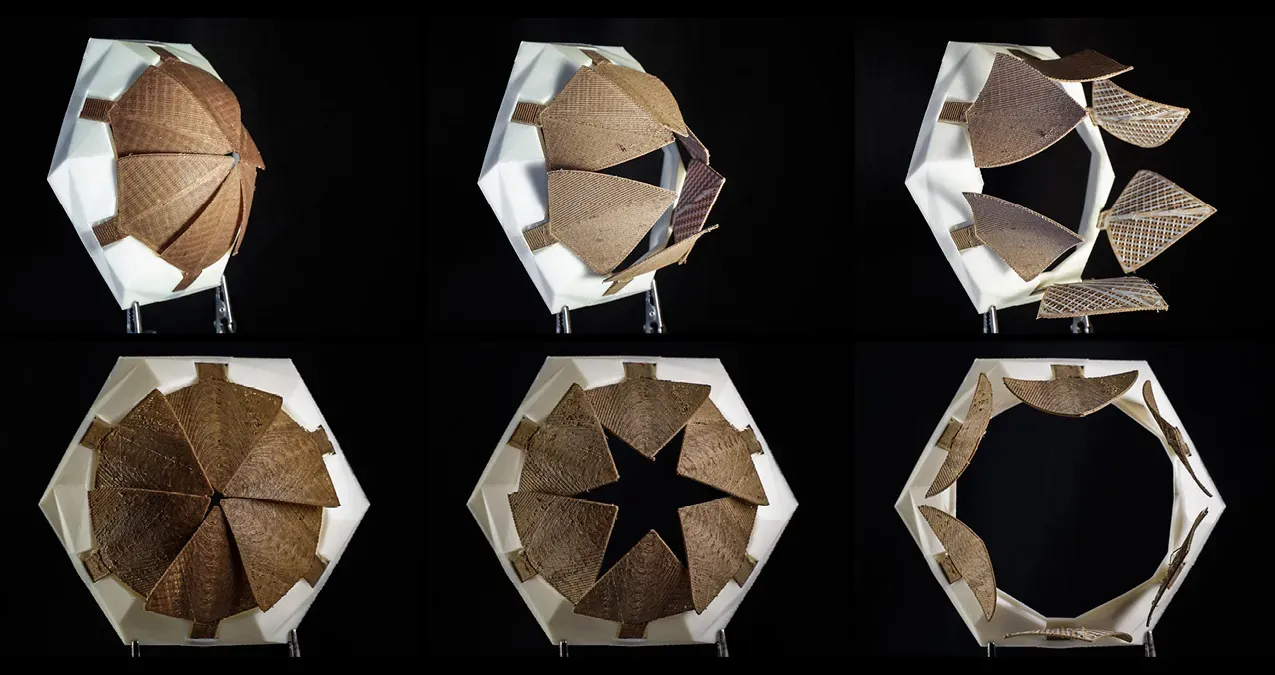
Looking ahead, the biggest challenge is turning awe into applied solutions fast enough to matter on a changing planet. Many of the animals that inspire us most, such as reef-building corals or wetland-shaping beavers, are themselves under pressure from habitat loss, warming, and pollution. If those natural engineers disappear, we lose not only their living services but also the chance to keep learning from evolving systems. At the same time, new tools like high-resolution 3D scanning, machine learning, and advanced materials are making it easier to decode and reproduce complex natural designs. The question is whether funding and political will can keep up with scientific curiosity.
On a global scale, animal-inspired engineering intersects with some of our most urgent needs. Coastal cities are searching for softer, more adaptable defenses against rising seas, and coral-inspired structures or hybrid “living shorelines” are moving from pilot projects to serious consideration. Drought-prone regions are testing beaver-style water spreading and storage, sometimes with real beavers, sometimes with human-built analogues. Urban planners are rethinking ventilation, shading, and traffic based on principles gleaned from mounds and nests rather than solely from conventional mechanical systems. The outcome of these efforts will not just shape infrastructure budgets; it will determine how hospitable our cities feel as the climate continues to shift.
How You Can Engage With Nature’s Engineers
Engaging with this hidden world of animal engineering does not require a lab coat or an engineering degree. One of the simplest actions is just to start noticing: termite mounds on a documentary, spider webs on your porch, beaver ponds on a hike, or coral structures in underwater footage. That curiosity can translate into support for conservation efforts that protect these species and their habitats, from local wetland restoration groups to organizations focused on coral reef resilience. Every intact ecosystem that remains on the landscape is a living research station and a functioning piece of infrastructure we do not have to build from scratch. Losing it is like bulldozing both a cathedral and a library in one blow.
If you want to go a step further, consider backing citizen-science projects that monitor wildlife structures, volunteering with habitat restoration teams, or simply voting for policies that favor ecosystem protection and climate action. You can also nudge conversations at work or in your community toward solutions that borrow from nature rather than fight it, whether you are talking about shade trees, green roofs, or river restoration. The next time someone boasts about a record-breaking bridge or skyscraper, you might gently point out the termite mound, the beaver dam, or the coral reef quietly matching or surpassing that achievement. In the end, the real leap is not technical but mental: can we accept that some of the best engineers on Earth walk on six legs, swim with fins, or hide under bark?
Suhail Ahmed is a passionate digital professional and nature enthusiast with over 8 years of experience in content strategy, SEO, web development, and digital operations. Alongside his freelance journey, Suhail actively contributes to nature and wildlife platforms like Discover Wildlife, where he channels his curiosity for the planet into engaging, educational storytelling.
With a strong background in managing digital ecosystems — from ecommerce stores and WordPress websites to social media and automation — Suhail merges technical precision with creative insight. His content reflects a rare balance: SEO-friendly yet deeply human, data-informed yet emotionally resonant.
Driven by a love for discovery and storytelling, Suhail believes in using digital platforms to amplify causes that matter — especially those protecting Earth’s biodiversity and inspiring sustainable living. Whether he’s managing online projects or crafting wildlife content, his goal remains the same: to inform, inspire, and leave a positive digital footprint.