
For most of human history, the night sky was a beautiful mystery that we could only stare at and wonder about. In just a few hundred years, though, we’ve gone from guessing about the heavens to measuring them, weighing them, and even watching their birth cries echo across space. The wildest part is that every time we thought we finally understood the universe, some new discovery came along and gently (or not so gently) punched our certainty in the face.
What follows isn’t just a list of scientific milestones; it’s more like a series of plot twists in the greatest story we know: how everything began, what it’s made of, and where it might be going. Some of these discoveries are almost poetic, like finding the faint afterglow of the Big Bang, while others are deeply unsettling, like realizing most of the universe is made of stuff we can’t see and barely understand. As you read, notice how often one discovery doesn’t settle things, but instead opens an entirely new set of questions – and sometimes, makes the universe feel even stranger than before.
1. The Earth Is Not the Center: The Copernican Revolution
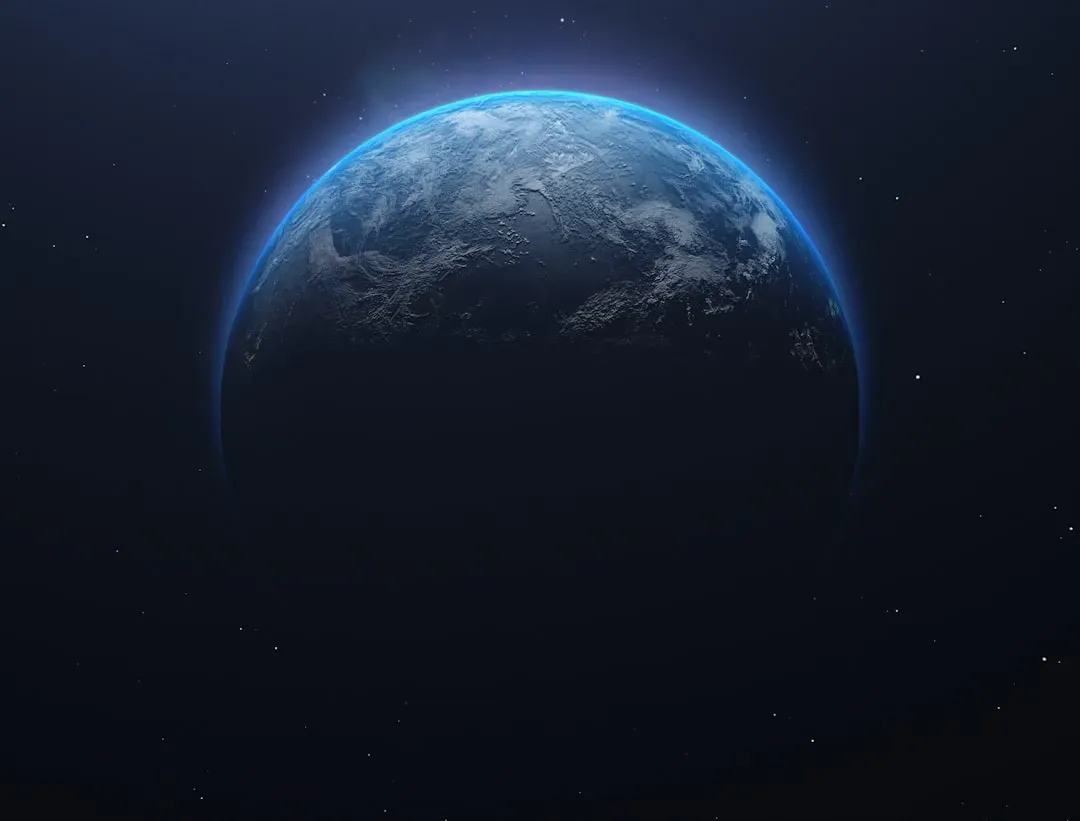
Imagine growing up being told the entire cosmos revolves around you, and then one day learning you’re just another planet circling an average star. That’s exactly what the Copernican revolution did to our sense of importance. In the sixteenth century, Nicolaus Copernicus argued that the Earth orbits the Sun, not the other way around, and that simple shift exploded centuries of certainty about humanity’s place in the universe.
It took decades of painful debate, better telescopes, and the work of later scientists like Galileo and Kepler to fully push the Sun to the center of our model. But once it stuck, the emotional impact was enormous: humans were no longer at the cosmic VIP table, we were just one member of a crowded, spinning dance floor. This discovery didn’t just change astronomy; it reshaped philosophy, religion, and how we saw ourselves as a species. In a very real way, it was the first time science told us: the universe is not built around your feelings.
2. Galaxies Beyond Our Own: Hubble and the Expanding Universe
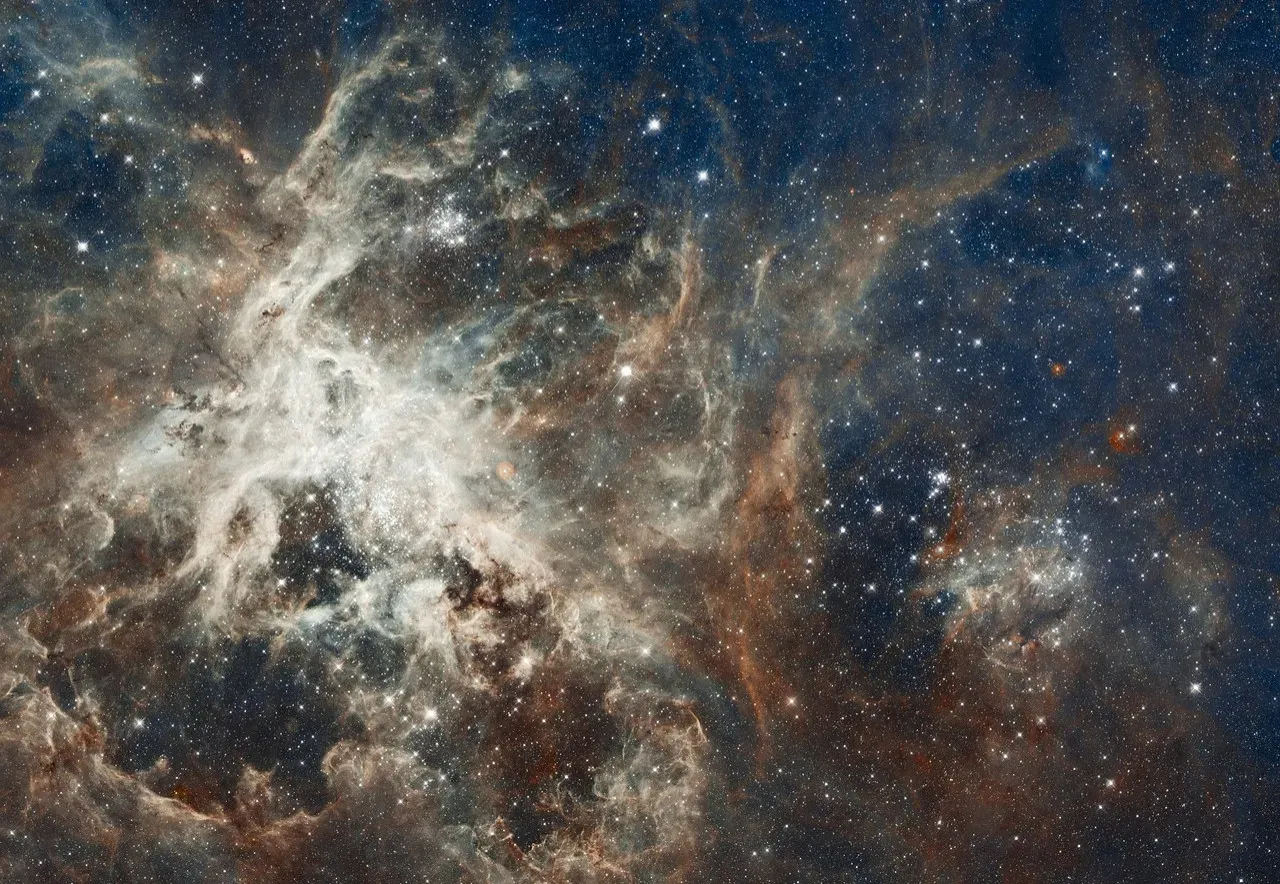
Until the early twentieth century, many astronomers truly believed the Milky Way was the entire universe. The idea that those faint smudges in the sky were other galaxies was controversial, almost offensive to some. Then Edwin Hubble used the newly powerful telescopes of his time to measure the distance to one of these fuzzy objects, Andromeda, and found it was unimaginably far beyond the Milky Way.
That single realization – that the universe is filled with billions of galaxies – instantly shattered our tiny mental bubble. Even more shocking, Hubble noticed that distant galaxies were speeding away from us, and that the farther they were, the faster they seemed to be receding. This led to the picture of an expanding universe, like dots on a balloon stretching as you blow it up. Overnight, the universe went from being a static, fixed stage to a dynamic, evolving story in motion. The sky stopped being a ceiling and turned into a vast, growing ocean.
3. The Big Bang and Its Afterglow: The Cosmic Microwave Background
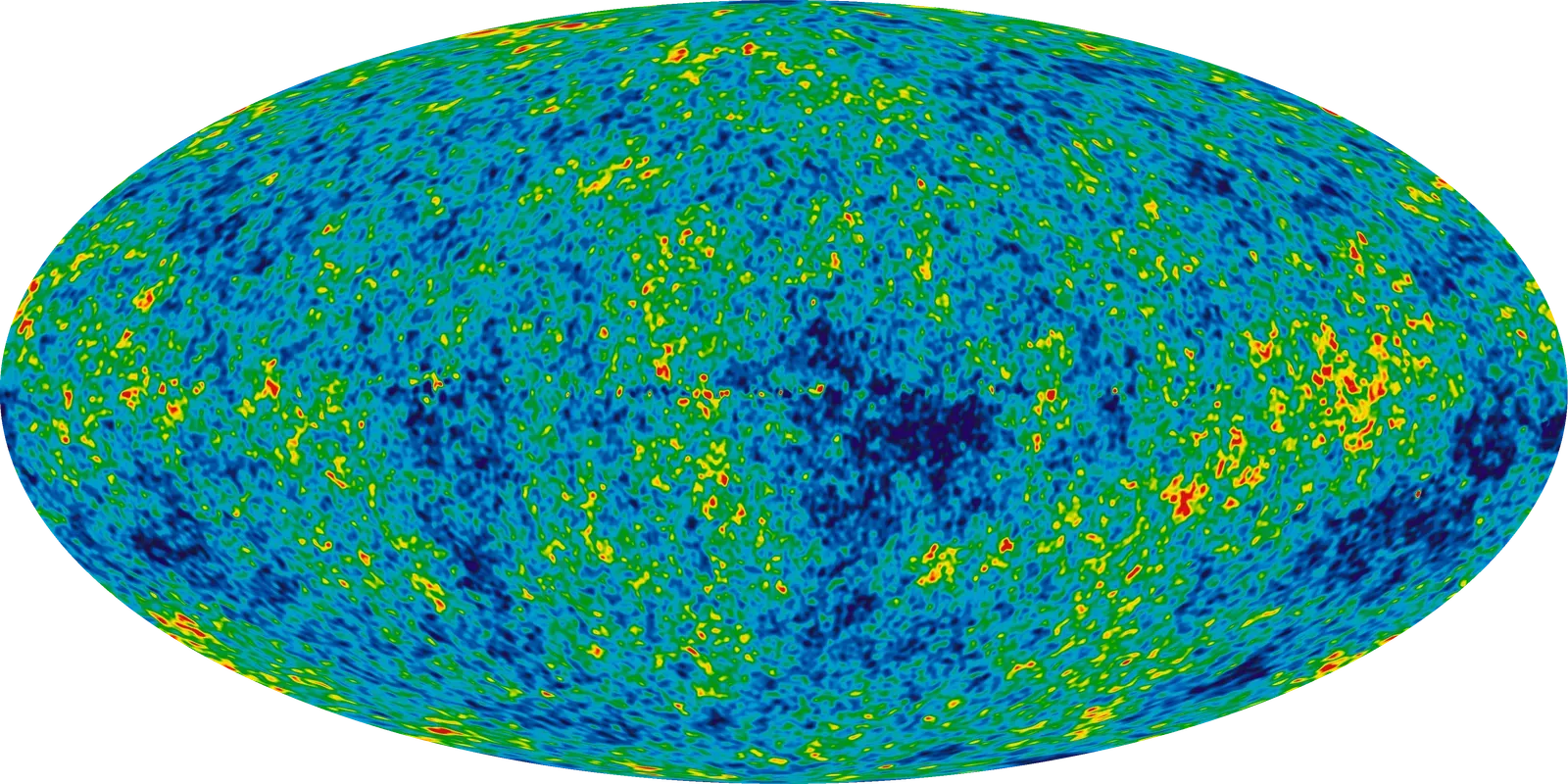
The idea of the Big Bang once sounded almost too dramatic, even for scientists. The claim was bold: the entire universe, space and time included, began in a hot, dense state and has been expanding ever since. For a while, some researchers favored a more comfortable, eternal, unchanging universe. Then in the 1960s, two engineers, Arno Penzias and Robert Wilson, stumbled onto a strange, persistent microwave “hiss” in every direction they looked.
They had accidentally found the faint afterglow of the Big Bang itself, now called the cosmic microwave background. This radiation is like the baby picture of the universe, showing it as it was when it was only a few hundred thousand years old – blindingly hot, dense, and surprisingly uniform with tiny ripples. Those tiny temperature differences eventually became galaxies, stars, and everything we know. For me, thinking about that glow still feels eerie: the universe carries its own birth certificate, and we learned to read it.
4. General Relativity: Gravity as Curved Spacetime
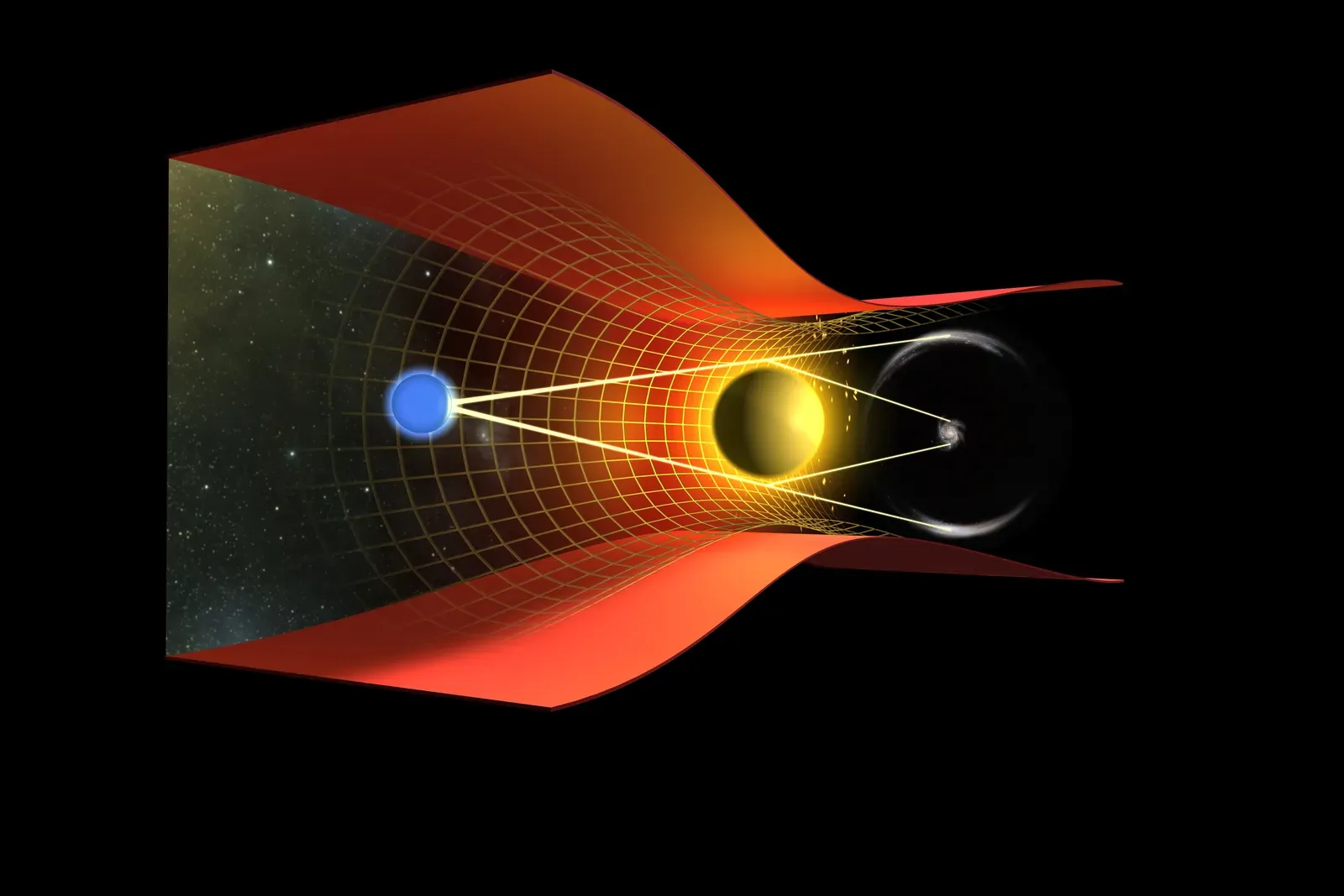
For centuries, gravity was just “that thing that pulls stuff down,” a mysterious force reaching through empty space. Then Albert Einstein came along in 1915 and flipped the script completely. According to his theory of general relativity, gravity isn’t a force in the traditional sense – it’s the result of mass and energy bending the fabric of spacetime itself. In other words, matter tells spacetime how to curve, and curved spacetime tells matter how to move.
This is one of those ideas that sounds abstract until you see its fingerprints everywhere. The bending of starlight around massive objects, the slow drifting of Mercury’s orbit, the ticking of GPS satellites running slightly differently from clocks on Earth – all of these match Einstein’s description, not the older Newtonian view. The universe stopped being a simple stage where things moved according to basic pushes and pulls, and became more like a flexible trampoline shaped by everything that sits on it. It’s both elegant and unnerving to realize that just by existing, everything in the universe is constantly reshaping the very structure of reality.
5. Black Holes: When Gravity Wins Completely
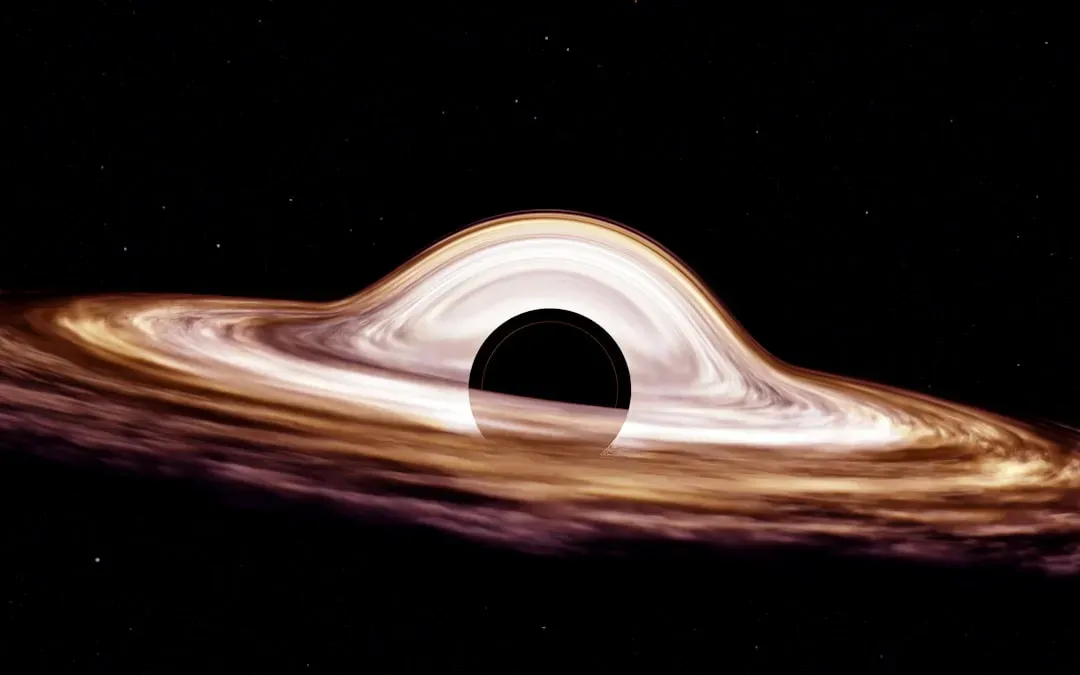
Take Einstein’s curved spacetime, add enough mass crammed into a small enough space, and you get something truly extreme: a black hole. At first, black holes were largely a mathematical curiosity that even Einstein doubted would be physically real. Over time, though, evidence piled up – from stars whipping around invisible companions, to intense X-ray emissions from matter spiraling into unseen giants – that something incredibly compact and powerful was lurking in space.
We now know that most large galaxies, including our own, host supermassive black holes in their centers, millions or even billions of times the mass of the Sun. In 2019, astronomers managed to image the shadow of a black hole in another galaxy, and later produced a detailed image of the one at the center of the Milky Way using a planet-wide virtual telescope. The idea that there are regions of spacetime where gravity is so intense that not even light can escape changes our entire sense of what “an object” even is. Black holes turned out not to be cosmic rarities, but central characters in the story of galaxy formation and evolution.
6. Dark Matter: The Invisible Mass Holding Galaxies Together
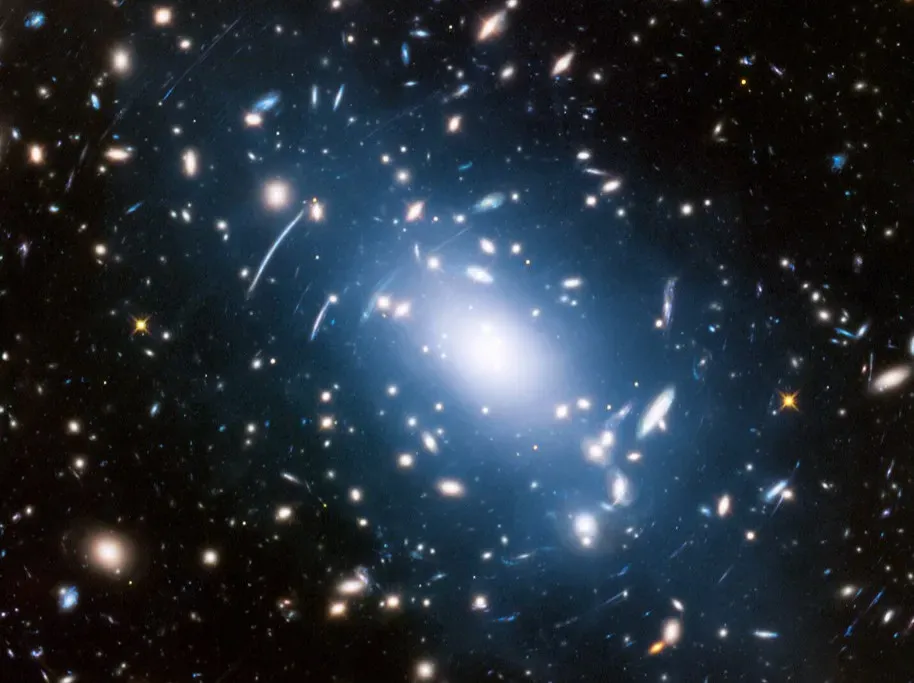
When astronomers first tried to weigh galaxies, the numbers didn’t add up at all. Stars in the outer regions of galaxies were orbiting so fast that, based on visible matter alone, they should have been flung out into space like mud spun off a bicycle tire. But they stayed put, which meant there had to be more mass there – just not the kind that shines, glows, or reflects light in any way we can easily detect.
This invisible stuff became known as dark matter, and it now appears to make up most of the matter in the universe. We can’t see it directly, but we can watch its gravitational effects bending light from distant galaxies and sculpting the large-scale structure of the cosmos. Several different experiments deep underground and in space are still hunting for its true nature, from exotic particles to more subtle explanations. For me, dark matter is one of the most humbling discoveries: even now, after all our progress, most of the matter in the universe is still basically a rumor we’re trying to catch.
7. Dark Energy and the Accelerating Universe
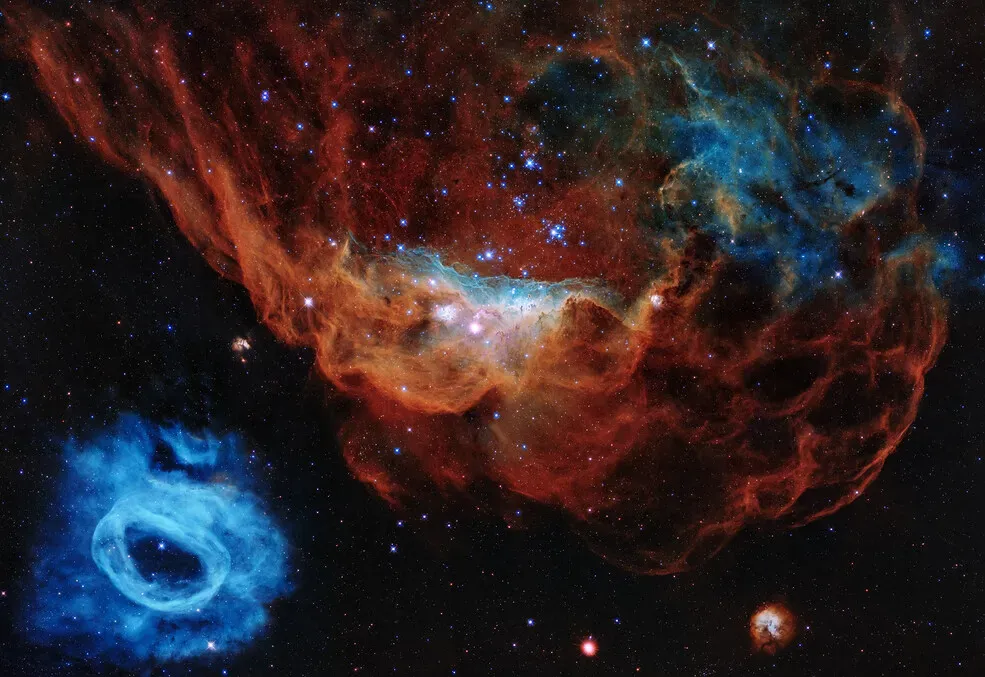
Just when cosmologists were getting somewhat comfortable with dark matter, the universe pulled another surprise. In the late 1990s, two independent research teams studied distant exploding stars called supernovae to measure how the expansion of the universe was changing over time. The expectation was that gravity would be slowing things down, like a ball tossed upward eventually losing speed.
Instead, they found the opposite: the expansion of the universe is accelerating, as if some mysterious energy is pushing galaxies apart faster and faster. This repulsive effect has been labeled dark energy, and it seems to account for the majority of the total energy content of the universe. We don’t really know what it is, whether it’s a property of empty space itself or something even stranger. This discovery didn’t just revise our models; it forced us to accept that the main driver of the universe’s future is something we barely have words for. It’s like learning that the car you’re riding in is being steered by an invisible, unknown hand.
8. Exoplanets: Other Worlds Around Other Suns
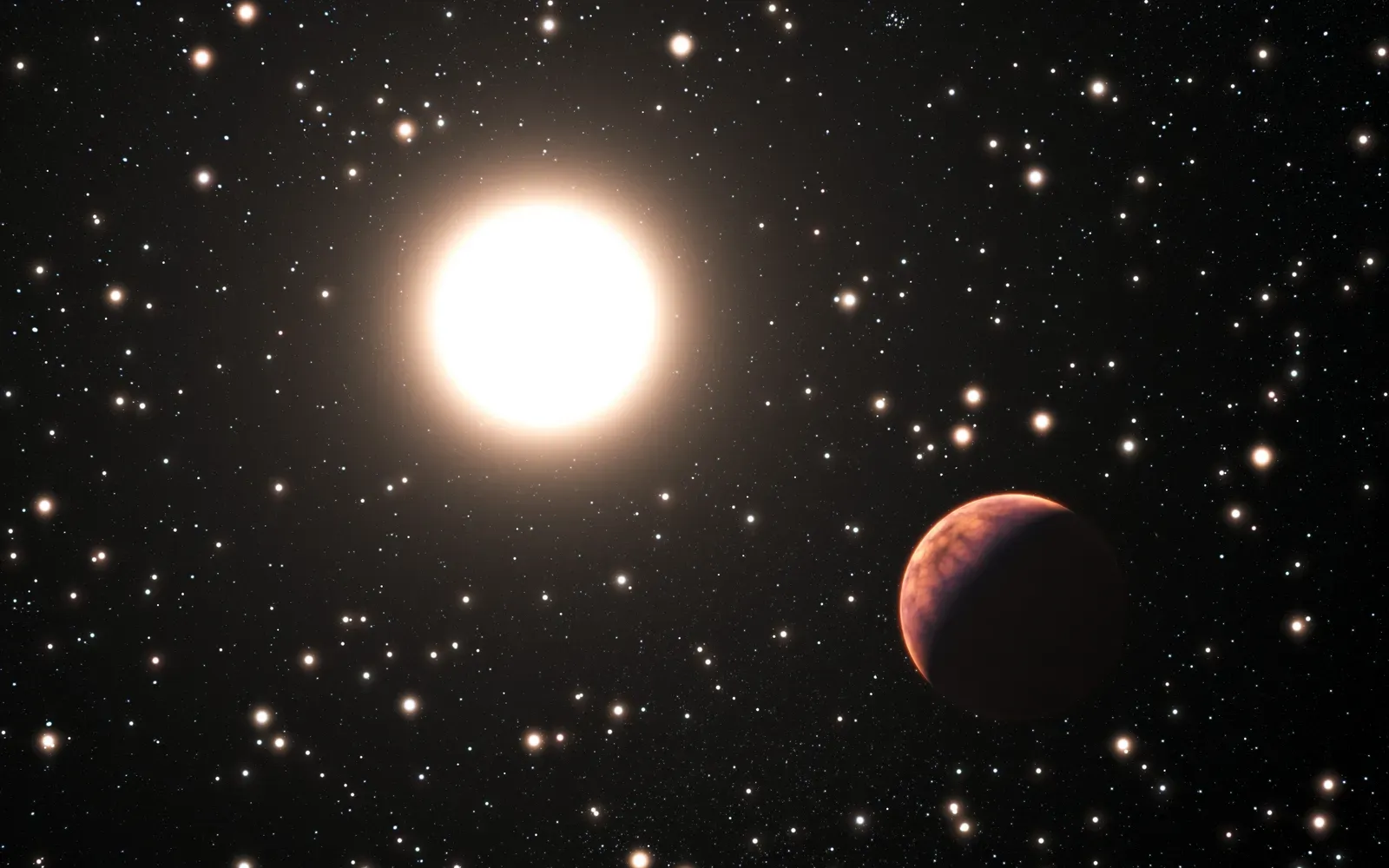
For generations, people wondered whether there were other worlds like ours, but we had no real proof. That changed dramatically in the 1990s and 2000s, when astronomers began detecting planets around other stars – first a few exotic giants, then hundreds, then thousands. With methods like watching the slight dimming of a star as a planet passes in front of it, or measuring tiny wobbles caused by a planet’s gravity, we suddenly found that planets are not rare at all.
Today, we know of many thousands of confirmed exoplanets, with many more candidates waiting to be verified. Some are blazing hot worlds hugging close to their stars; others are “super-Earths” larger than our planet but smaller than Neptune; a smaller number orbit in their star’s habitable zone where liquid water could exist. Powerful space telescopes are now beginning to analyze the atmospheres of some of these worlds, searching for signs of water, oxygen, or other interesting molecules. The discovery of exoplanets shifted the question of life elsewhere from a dream to a serious scientific search, and it quietly made our own solar system feel a lot less unique.
9. Gravitational Waves: Listening to the Universe Rippling
When Einstein first predicted gravitational waves – tiny ripples in spacetime created by massive objects accelerating – he suspected they might be too small to ever detect. For a long time, they lived mostly in the world of theory and thought experiments. Then, in 2015, the LIGO detectors in the United States recorded a faint signal from two black holes merging over a billion light-years away, stretching and squeezing space by less than the width of a proton.
That detection opened an entirely new way of observing the universe, not with light but with the vibrations of spacetime itself. Since then, dozens of gravitational-wave events have been recorded, revealing collisions of black holes and neutron stars and giving us fresh information about their masses and distribution. In 2023 and beyond, additional observatories and techniques even hinted at a background hum of long-wavelength gravitational waves from cosmic-scale processes. It feels like we’ve gone from watching a silent movie of the cosmos to suddenly turning on the sound system and hearing it roar, crash, and sing.
10. The Cosmic Web and Our Place in It
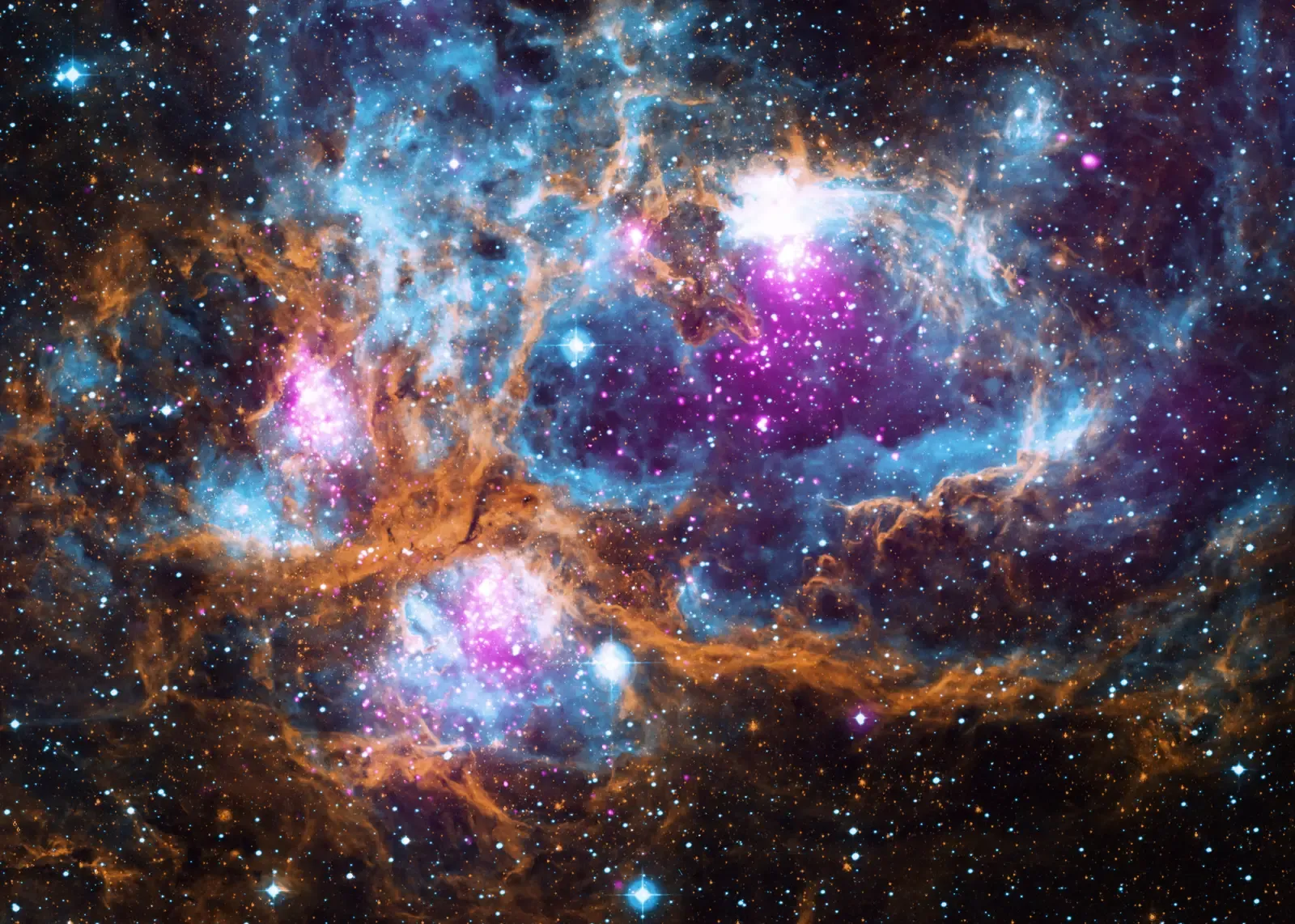
At first glance, the universe can look like a random scattering of stars and galaxies, but detailed surveys have shown a very different picture. On the largest scales, galaxies aren’t just sprinkled around; they form a vast cosmic web of filaments, clusters, and enormous empty voids. Simulations using dark matter and gravity reproduce this structure astonishingly well, revealing that the universe has a kind of skeletal framework shaped over billions of years.
Our own Milky Way sits in one of these filaments, part of a cluster of galaxies that are themselves part of even larger structures. Recognizing this cosmic web rewired how we think about “location” in the universe – we’re not in a random spot, but woven into a sprawling, interconnected pattern. It also ties together many of the other discoveries: dark matter shapes the web, dark energy stretches it, and galaxies and black holes grow along its strands. There’s something quietly emotional about realizing we live not just in a galaxy, but in a cosmic city built along invisible highways of matter and time.
Conclusion: A Stranger, More Beautiful Universe Than We Expected
When you step back and look at these discoveries together, a pattern emerges: every time we thought we’d figured out the universe, it calmly revealed another layer of strangeness. We learned we’re not at the center, that there are countless galaxies, that the universe had a fiery beginning and is now accelerating into its future under the influence of dark energy. We found invisible matter holding galaxies together, black holes warping spacetime into oblivion, and entire families of alien worlds circling distant suns.
In some ways, all of this can make us feel small, like tiny sparks in an enormous, indifferent night. But there’s another way to look at it: we’re part of the universe that has become self-aware enough to study itself, to build instruments that can hear the mergers of black holes and see the afterglow of the Big Bang. Our understanding is still incomplete, maybe always will be, yet each discovery pulls back the curtain a little more. As the universe keeps surprising us, the real question might be: what will be the next discovery that completely changes the way we see everything?