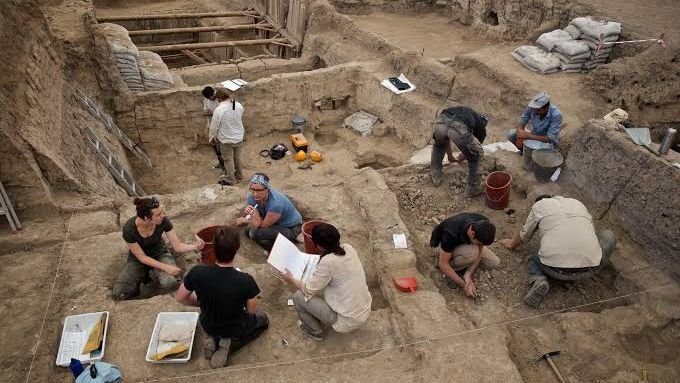

There is something spine-tingling about the idea that the ground beneath your feet might be hiding a secret older than civilization itself. Every few years, a shovel strikes something unexpected, a scanner lights up a jungle floor, or a fisherman pulls up something that was never meant to resurface. These are the moments that stop historians cold, force textbooks into the shredder, and remind us that humanity’s story is far longer, stranger, and more spectacular than we ever dared to imagine.
From sleeping cities buried under volcanic ash to mechanical computers from the ancient world, the discoveries on this list didn’t just add a footnote to history. They ripped the whole chapter apart and started fresh. So if you think you already know the story of where we came from, prepare to think again. Let’s dive in.
1. Göbekli Tepe: The Temple That Predates Everything
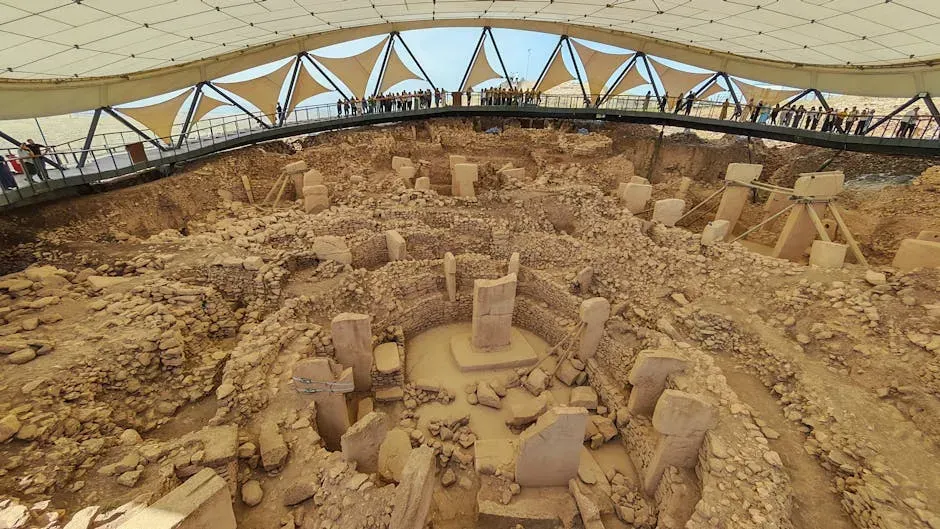
Picture a world with no cities, no writing, no farming. Now imagine people in that world somehow organizing to quarry, carve, and erect massive stone pillars in a sophisticated circular structure. That is exactly what happened at Göbekli Tepe in southeastern Turkey. This Turkish site knocked the archaeological world sideways when it was properly excavated in the 1990s. Built around 9,500 BCE, Göbekli Tepe predates Stonehenge by about 6,000 years and was constructed before agriculture even existed.
This sophisticated complex of stone circles, decorated with intricate animal carvings, challenges conventional theories about the development of human civilization. Its existence suggests that hunter-gatherer societies were capable of creating monumental structures before the advent of agriculture, fundamentally altering our understanding of early human history. Honestly, this single discovery flipped the script on everything scholars thought they knew about the sequence of human progress. Religion, it turns out, may have come before the plough.
2. Pompeii: A City Frozen in Its Final Breath
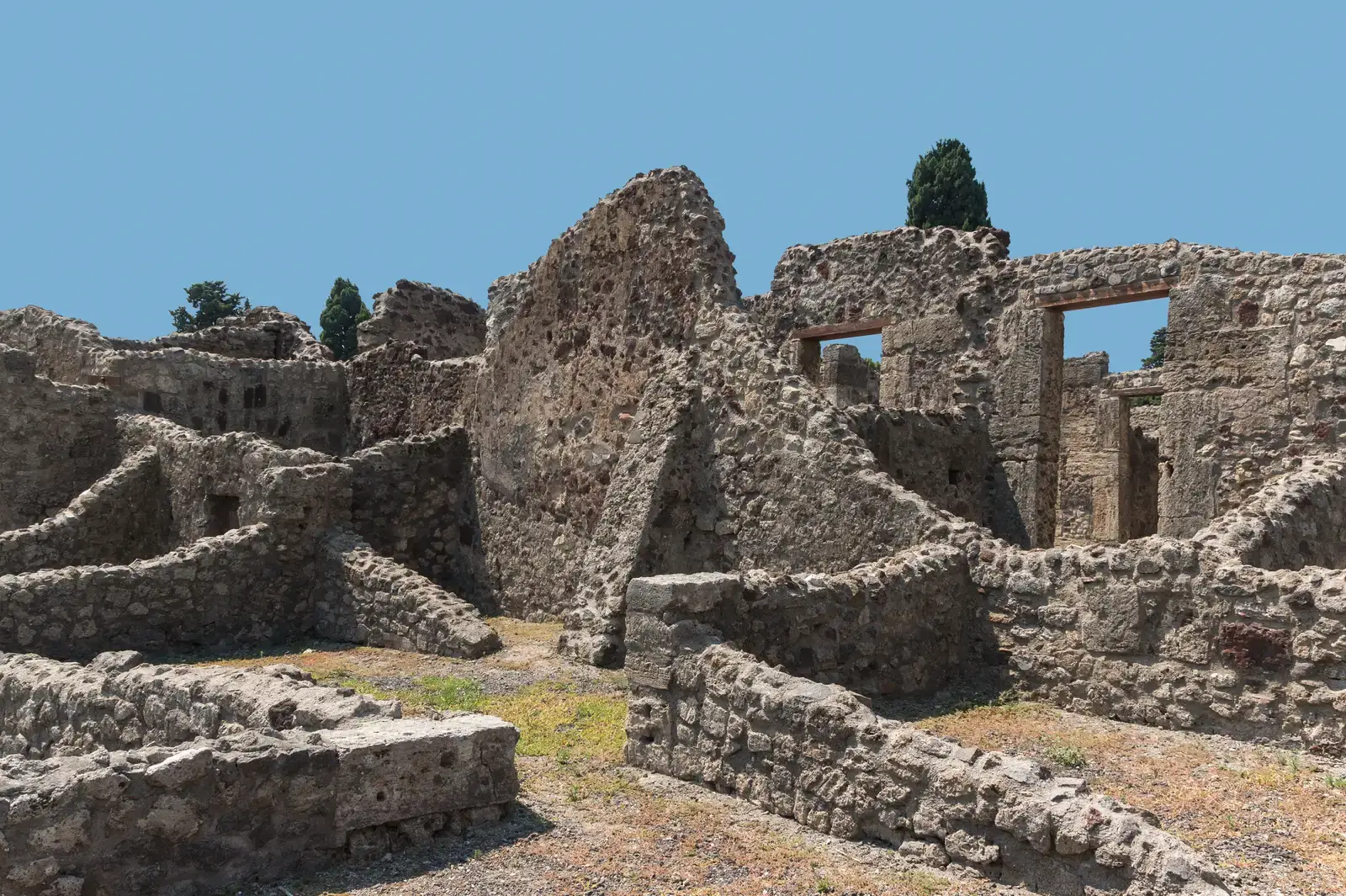
When Mount Vesuvius buried Pompeii in 79 CE, it accidentally created the world’s most detailed snapshot of Roman daily life. The volcanic ash preserved everything from loaves of bread still in ovens to graffiti on walls. Before Pompeii, our understanding of Roman life came mainly from the writings of the wealthy elite, but this discovery showed us how ordinary Romans actually lived, worked, and played.
When Mount Vesuvius erupted on a fateful morning in A.D. 79, the once-opulent Roman city of Pompeii, along with many of its citizens, was extinguished, buried, and ultimately perfectly preserved for archaeologists to rediscover in the mid-18th century. What makes Pompeii so haunting is its intimacy. You are not looking at ruins. You are looking at a Tuesday morning, stopped forever. The now-popular tourist site is still only about two-thirds uncovered, but rather than chisel away at the remaining homes, attention has shifted to maintaining what now sees the light of day.
3. The Rosetta Stone: The Key That Unlocked Ancient Egypt
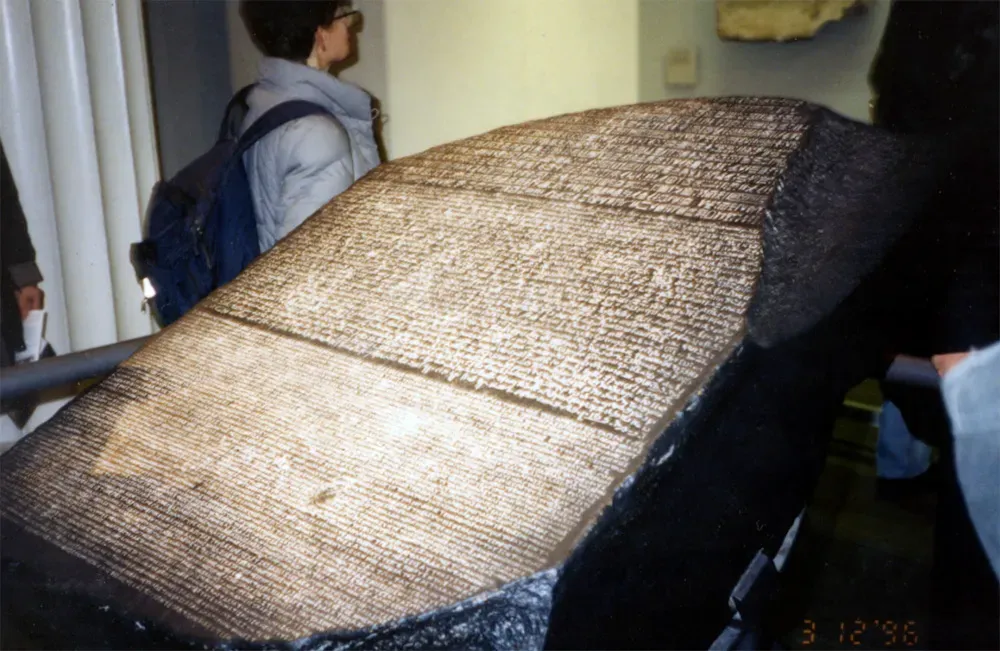
Discovered in 1799 by a French soldier during Napoleon’s Egyptian campaign, the Rosetta Stone proved to be the key to deciphering ancient Egyptian hieroglyphs. This remarkable artifact features a decree issued in 196 BC, inscribed in three scripts: hieroglyphic, demotic, and ancient Greek. The presence of Greek allowed scholars, particularly Jean-François Champollion, to decode the hieroglyphs, unlocking the secrets of ancient Egypt and opening a window into its rich history and culture.
Dating back to 196 BC, the Rosetta Stone was inscribed with a decree from the Ptolemaic King Ptolemy V, inscribed in three languages: Ancient Egyptian hieroglyphs, Demotic script and Ancient Greek. Its discovery in 1799 made it the first Ancient Egyptian bilingual text uncovered in modern times. The language had previously been impossible to decipher, and a bilingual find of this kind meant we could begin to make sense of hieroglyphs. We can now translate almost any artifact with Ancient Egyptian hieroglyphs thanks to the discovery of the Rosetta Stone. Think of it as a password that opened a door sealed for two thousand years.
4. The Terracotta Army: China’s Underground Empire of Warriors
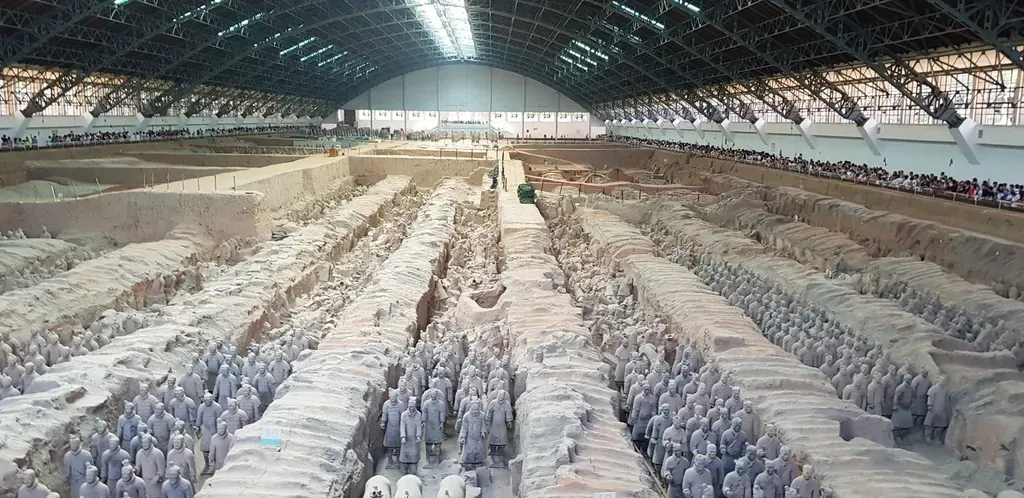
In 1974, workers digging a well outside Xi’an, China, discovered a life-sized clay soldier, marking the start of a major archaeological excavation. This excavation uncovered over 8,000 individualized warriors, now called the Terracotta Army. These figures were buried near Qin Shi Huang Di to serve as his companions in the afterlife. The site also includes clay horses, wooden chariots, and well-preserved weapons.
The thousands of life-sized clay soldiers guarding China’s first emperor revealed the incredible scale of ancient Chinese civilization and craftsmanship. Each warrior had unique facial features and details, showing a level of artistry and organization that demonstrated the Qin Dynasty’s power and sophistication far exceeded what historians had imagined. Let’s be real: no other civilization in the ancient world left behind anything quite like this. It is believed that more than 700,000 workers contributed to this intricate and impressive project. The scale is almost too large to comprehend.
5. Lucy: The 3.2-Million-Year-Old Ancestor Who Changed Everything
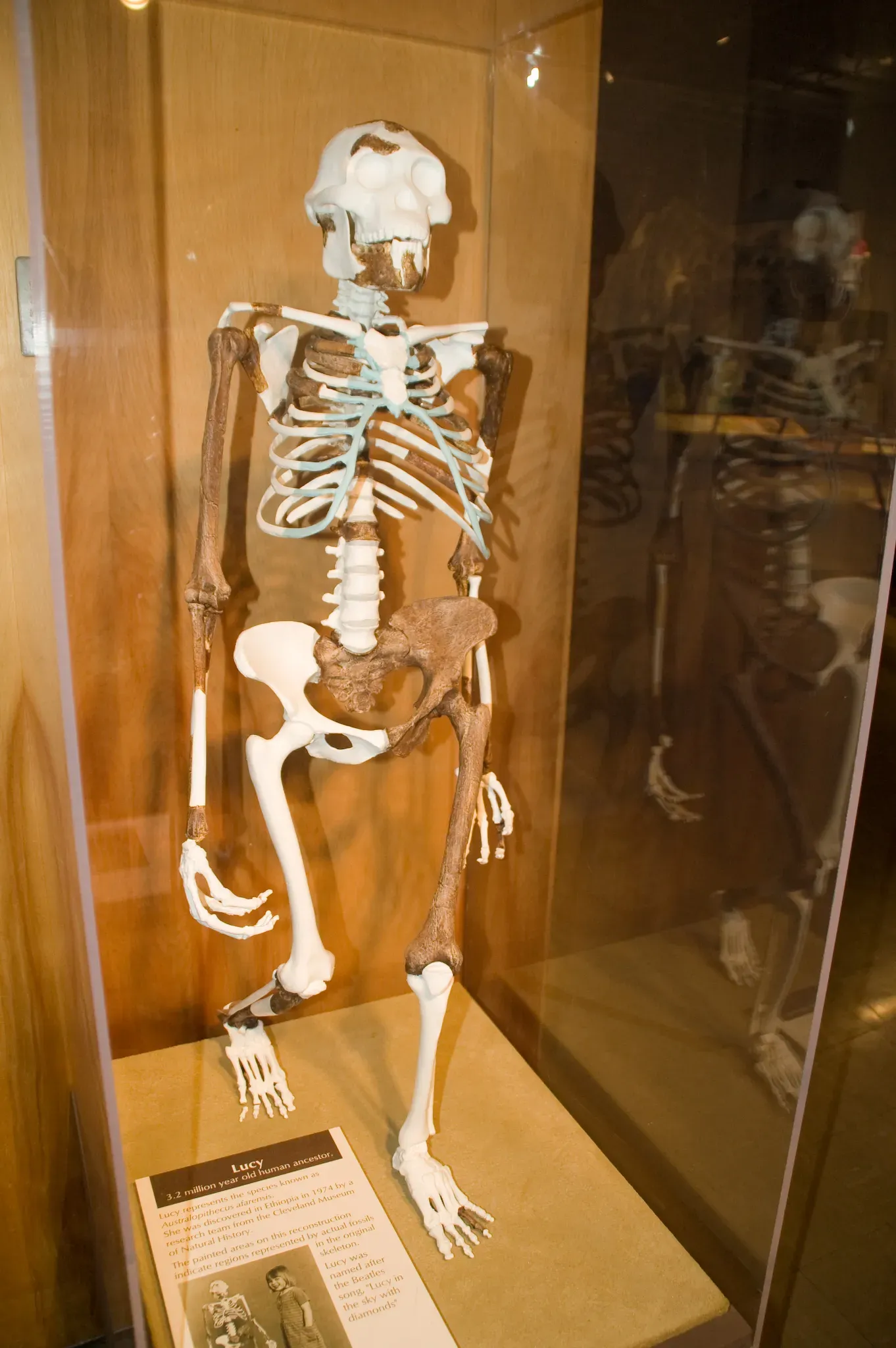
In 1974, the discovery of the fossilized remains of a hominin named “Lucy” in Ethiopia revolutionized our understanding of human evolution. Belonging to the species Australopithecus afarensis and dated to around 3.2 million years ago, Lucy’s partial skeleton provided evidence that our ancestors began walking upright before the development of a larger brain. This groundbreaking discovery has been instrumental in shaping our understanding of human evolutionary history.
Before Lucy walked into the scientific spotlight, the assumption was that bigger brains drove everything else in evolution. She turned that assumption on its head. Here’s the thing: she was tiny, barely reaching the waist of a modern adult, yet she reshaped our entire family tree. Her discovery sparked a wave of new fossil hunts across Africa, and the ripple effects on human origin studies are still being felt in labs and field sites right now in 2026.
6. The Dead Sea Scrolls: Ancient Manuscripts From a Hillside Cave
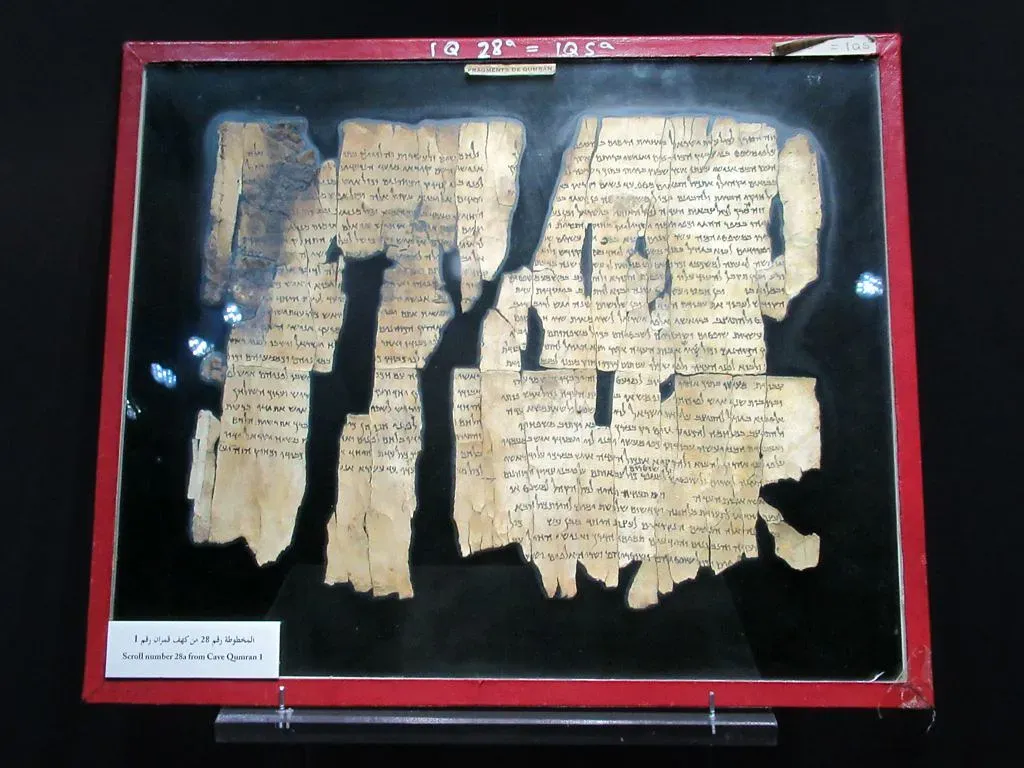
Accidentally discovered by a Bedouin shepherd in 1947, the Dead Sea Scrolls are a collection of ancient Jewish texts found in caves near the Dead Sea. Dating from the 2nd century BC to the 1st century AD, these scrolls include fragments from every book of the Old Testament, except for Esther, as well as numerous other religious writings. The discovery has provided invaluable insights into the development of Judaism, the origins of Christianity, and the ancient world in general.
The Dead Sea Scrolls are a collection of 800 manuscripts found in 11 caves just 2km inland from the Dead Sea and in the vicinity of Khirbet Qumran, an ancient settlement in the West Bank. The texts are some of the earliest known Hebrew biblical documents, and date over a 700-year period before the birth of Jesus Christ. A shepherd boy looking for a lost goat stumbled onto one of the most important religious and historical finds in human memory. It is almost impossible not to find that breathtaking, whatever your beliefs happen to be.
7. The Antikythera Mechanism: The Ancient World’s First Computer
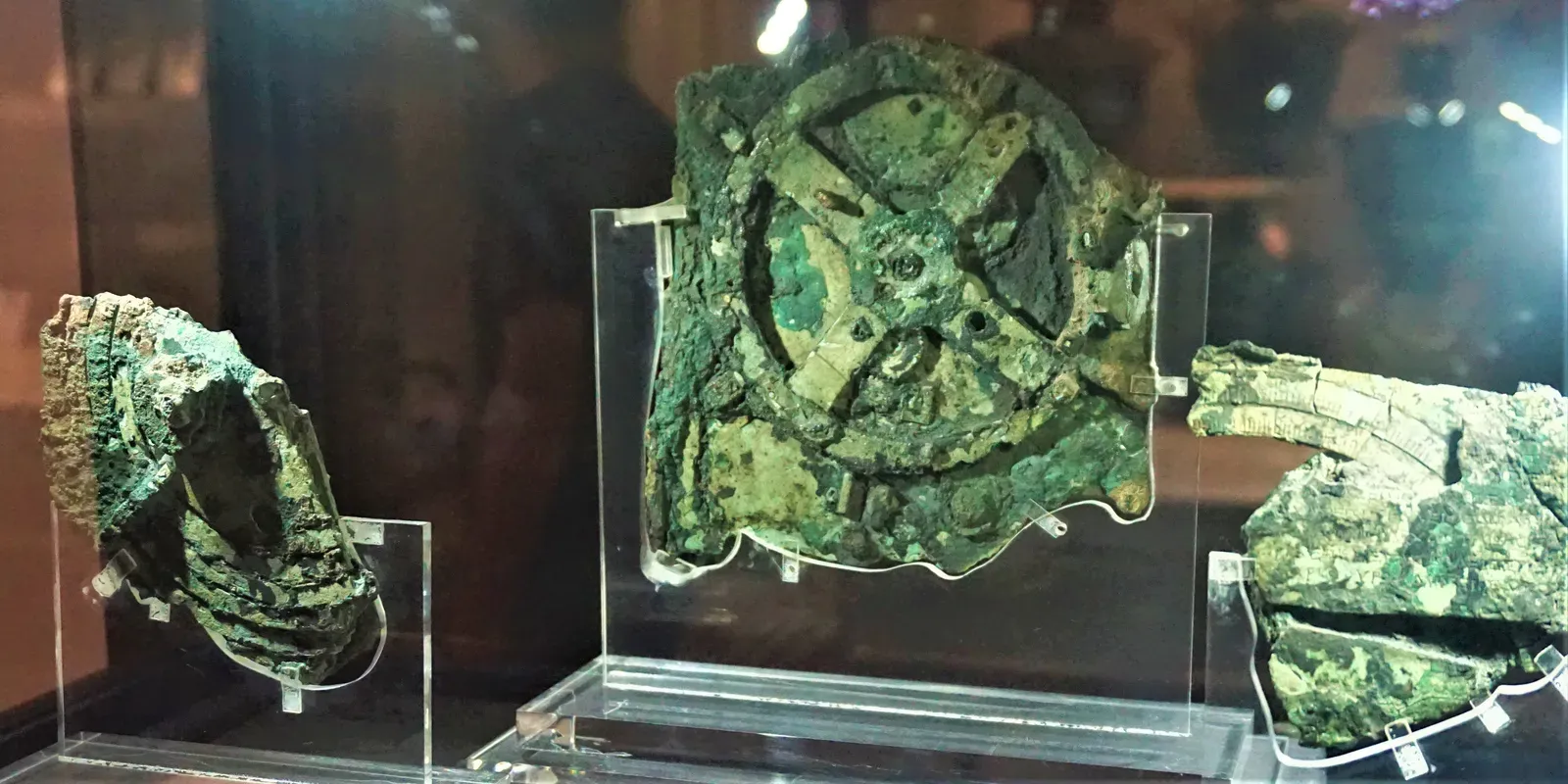
The Antikythera Mechanism, discovered in 1902, is widely considered to be the earliest known example of an analog computer. Scientists’ current hypothesis is that this device was used to predict astronomical positions as far back as 250 BC. The discovery of this device has reset the world’s understanding of ancient Greek technological and engineering capabilities.
Ever since it was discovered in 1901 by a group of divers off the coast of a Greek island, researchers have wondered what the Antikythera mechanism was used for. Currently, the prevailing theory is that the mechanism – a clocklike conglomeration of gears and dials – was an ancient supercomputer used to track the movement of celestial objects. I think what makes this discovery so jaw-dropping is the implication: ancient Greek engineers were building gear-driven calculating machines roughly two thousand years before the Industrial Revolution. If something that sophisticated was lost, what else have we lost along the way?
8. Derinkuyu: The Underground City Hidden Beneath a Basement Wall
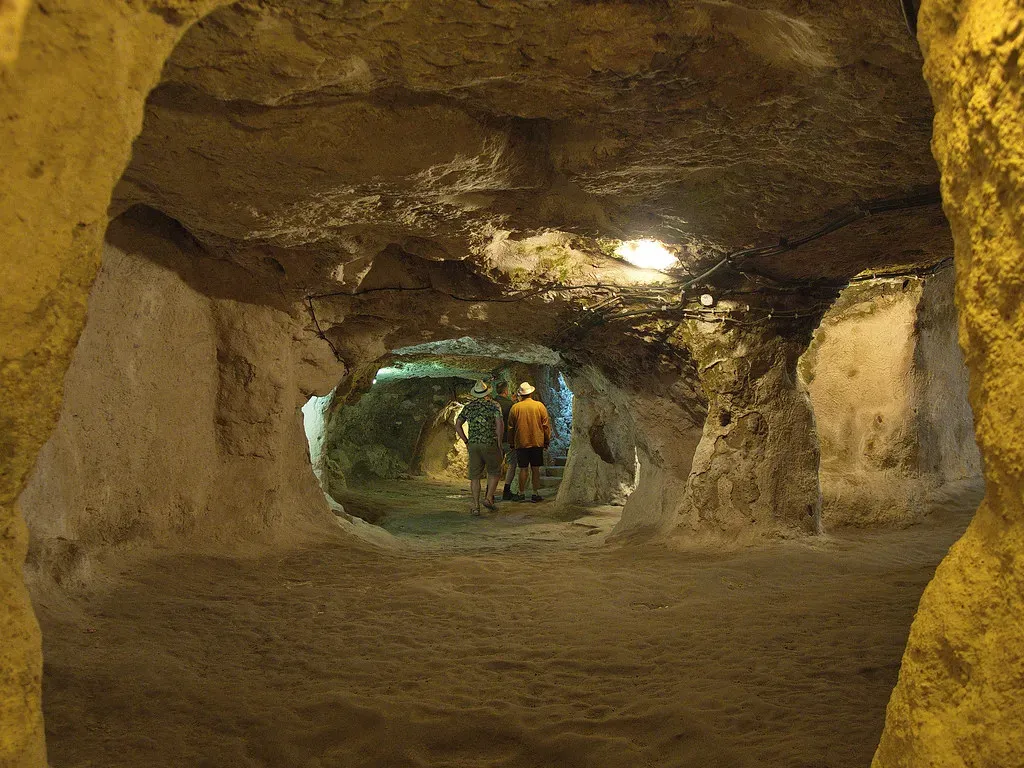
In 1963, a man living in the Central Anatolia region of Turkey, known as Cappadocia, noticed his chickens escaping through a small opening in his basement wall. When he extended the space to investigate further, he uncovered the first of what would become over 600 entrances scattered across the area, leading to a vast subterranean maze. A man chasing chickens accidentally discovered one of the most extraordinary underground cities ever found. Sometimes history writes itself like a novel.
This ancient city, believed to be built by the Hittites around 1200 B.C., features 18 levels of tunnels spanning hundreds of miles, descending as deep as 280 feet, and possibly linking to other underground cities. This ancient city features 18 levels of tunnels spanning hundreds of miles, descending as deep as 280 feet, and possibly linking to other underground cities. Due to repeated conflicts involving various groups and an estimated peak population of 20,000, it is believed that Derinkuyu was mainly constructed as a refuge from invading forces. An entire civilization, hiding underground. The thought alone is humbling.
9. Homo sapiens Left Africa 50,000 Years Earlier Than We Thought
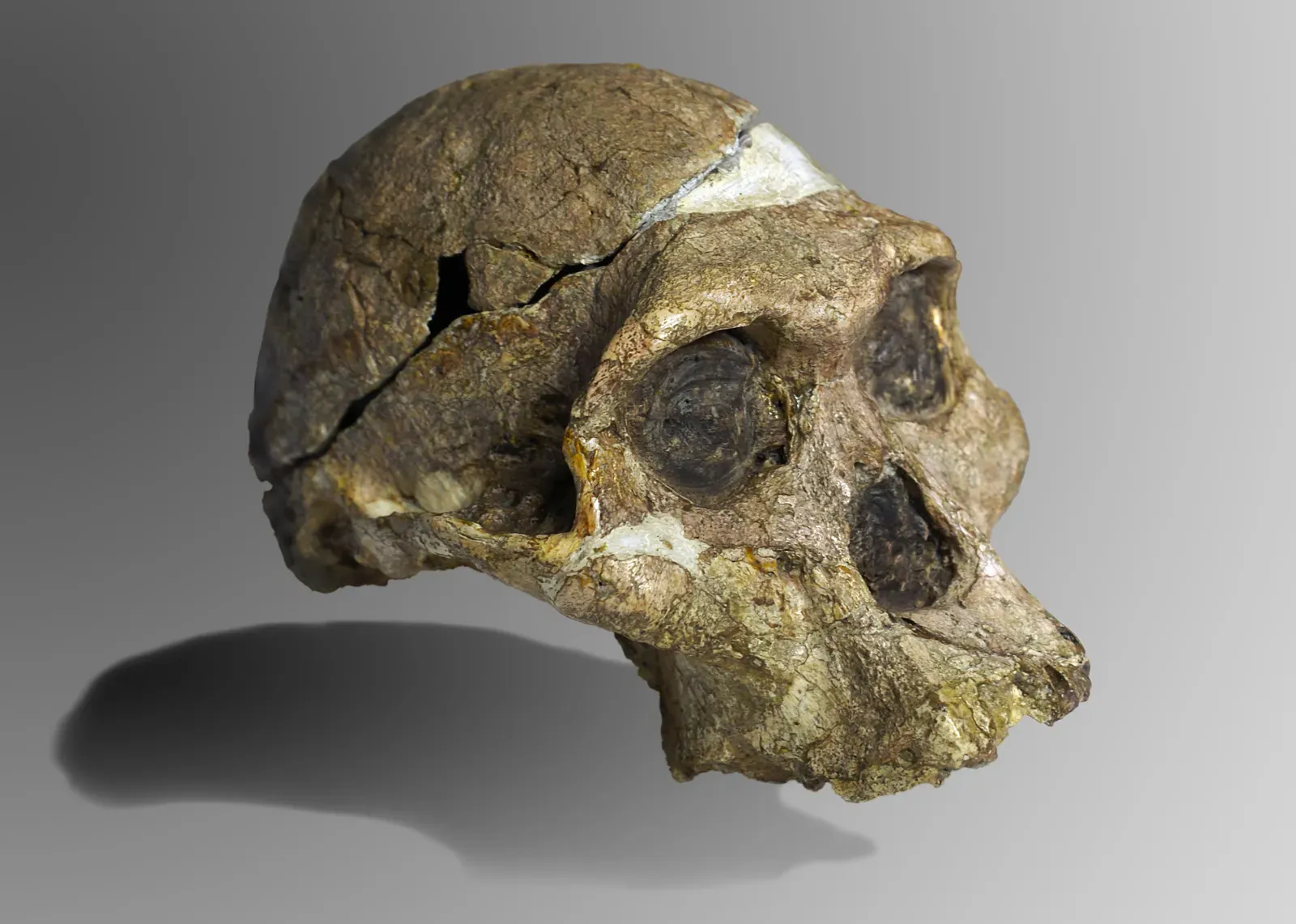
In 2002, a student at his very first excavation found a fossilized human jawbone in a cave on Mount Carmel in Israel, but the find was kept quiet for 16 years while his supervisors sought to prove an earth-shattering theory. In 2018, they finally went public with their conclusions – the jawbone, itself up to 194,000 years old, was found alongside flint flakes that were as old as 250,000 years, meaning that Homo sapiens actually left Africa 50,000 years earlier than previously thought.
That is not a minor calendar adjustment. That is a radical rewriting of the entire human migration story. It means our species was wandering far beyond Africa at a time when we thought it had barely gotten organized back home. LiDAR, DNA analysis, and deep-sea drones have uncovered civilizations we never suspected existed. Discoveries like this jawbone remind us that the further back we look, the more surprises are waiting. The timeline of our species keeps stretching and shifting, and every decade, we find out we were older, bolder, and more widely traveled than we imagined.
10. The Lost Amazon Cities: A Jungle That Was Never Empty
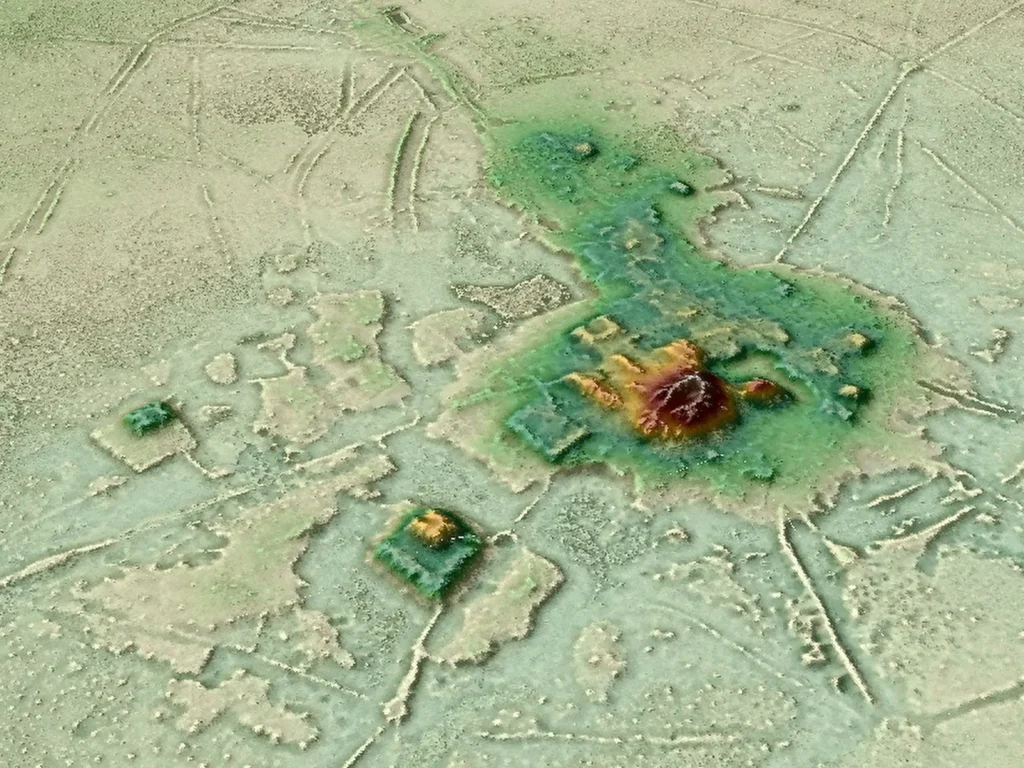
The Amazon was long considered a “green desert” inhabited only by small tribes. LiDAR proved that wrong. In Ecuador, researchers discovered a massive urban network 2,500 years old. That is the kind of discovery that makes you question everything you were ever taught about the pre-Columbian Americas. The idea of the Amazon as a pristine, untouched wilderness? Completely dismantled.
Five large and ten smaller settlements were found connected by wide, straight roads. The site contained thousands of platforms and rectangular earthen foundations for houses and ceremonies. This was not a loosely scattered tribal landscape. This was an organized, sophisticated urban civilization, hidden in plain sight under centuries of jungle growth. The past five years have been a breakthrough for archaeology. LiDAR, DNA analysis, and deep-sea drones have uncovered civilizations we never suspected existed. The Amazon, it turns out, has been keeping secrets for a very long time.
Conclusion: History Is Always Being Rewritten
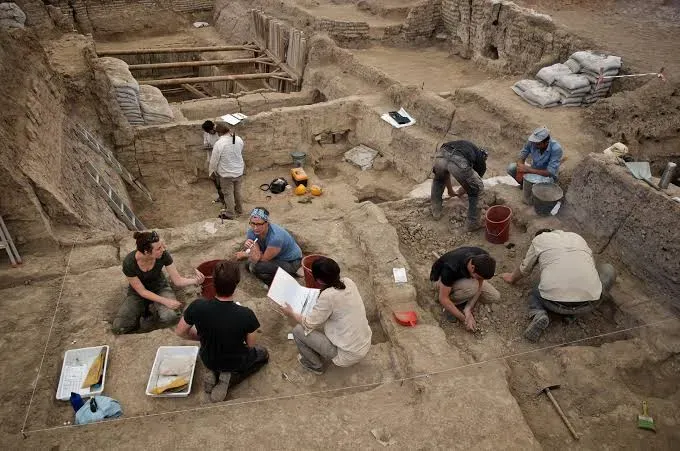
Every single discovery on this list began with someone looking in a direction no one else had bothered to look. A shepherd, a farmer digging a well, a student on his very first dig. It’s a remarkable thought. Each find forces us to question our assumptions and admit that ancient peoples were often far more capable, creative, and connected than we ever imagined.
The ground beneath us is not empty. It is an archive. And with every passing year, new technologies like LiDAR, ancient DNA analysis, and underwater mapping are giving us better tools to read it. They hint at how much human history still lies hidden – in deep waters, dense jungles, and desert sands – waiting to be found. The story of humanity is not finished being told. In many ways, it is only just beginning.
Which of these discoveries surprised you the most? Drop your thoughts in the comments below. We’d love to hear what you think about the secrets still waiting beneath our feet.