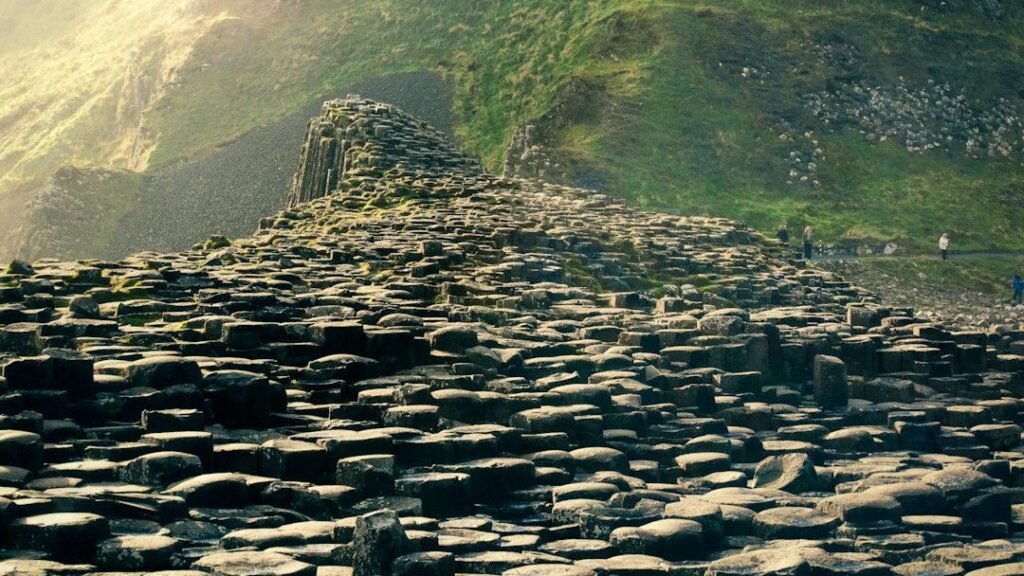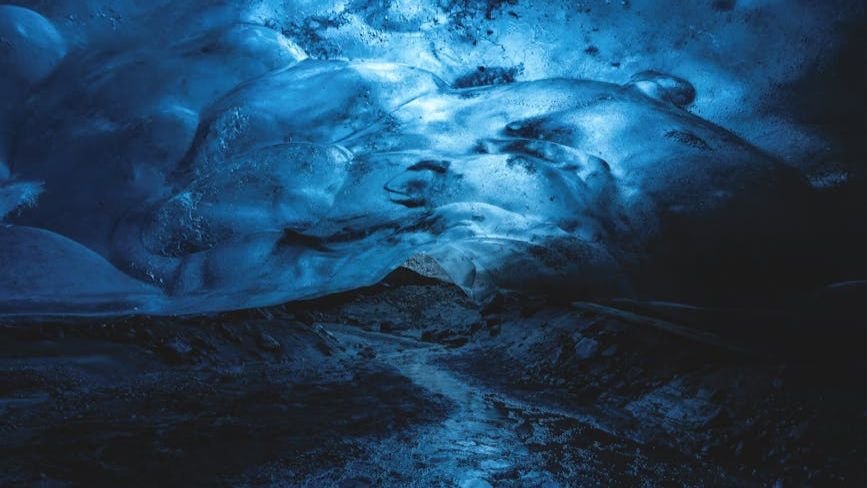

There is something strangely humbling about stepping into the dark mouth of a cave. The noise of the outside world fades, the air cools, and suddenly you are face to face with rock that has been patiently sculpted drop by drop for millions of years. It feels a bit like walking backstage at a planet-sized theater and seeing how the show is really put together.
When I first descended into a cave as a teenager, I remember two things: the smell of damp stone and the feeling that time inside the earth moved differently. Since then, I have been a little obsessed with these underground worlds. The ten caves and caverns below are some of the most remarkable on the planet, each revealing a different side of Earth’s hidden beauty – from crystal palaces and glowworm constellations to ice cathedrals and underground rivers.
1. Son Doong Cave, Vietnam – The Underground World With Its Own Weather
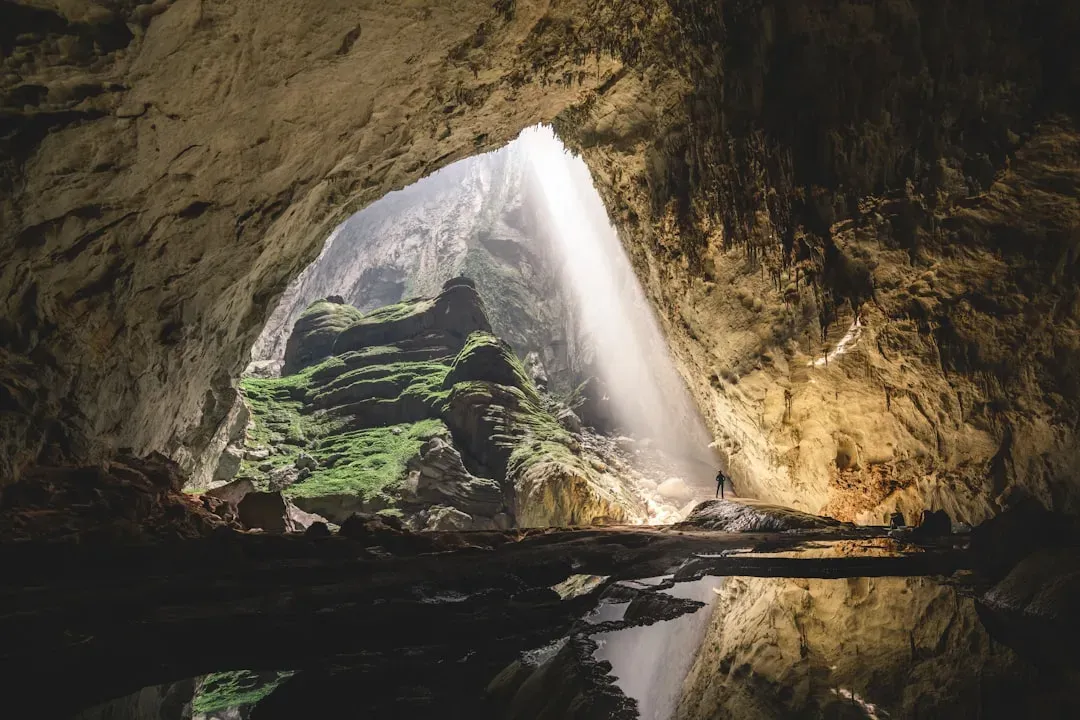
Imagine walking through a cave so gigantic that a New York City skyscraper could fit comfortably inside it. That is the scale of Son Doong Cave, tucked away in Vietnam’s Phong Nha–Ke Bang National Park, and recognized as one of the largest known cave passages on Earth. Over countless years, underground rivers carved a cavern so vast that clouds can form inside, and parts of the ceiling have collapsed to let entire patches of jungle grow in the depths.
Inside Son Doong, you find a surreal blend of worlds: thick jungle thriving under collapsed skylights, mist drifting through colossal chambers, and stalagmites as tall as city buildings. Exploring it feels less like visiting a cave and more like stepping into a hidden planet that accidentally attached itself to ours. Access is tightly controlled, both to protect the fragile environment and to keep the whole thing from turning into an underground theme park, which adds to its mystique and sense of discovery.
2. Waitomo Glowworm Caves, New Zealand – A Starry Sky Under Stone
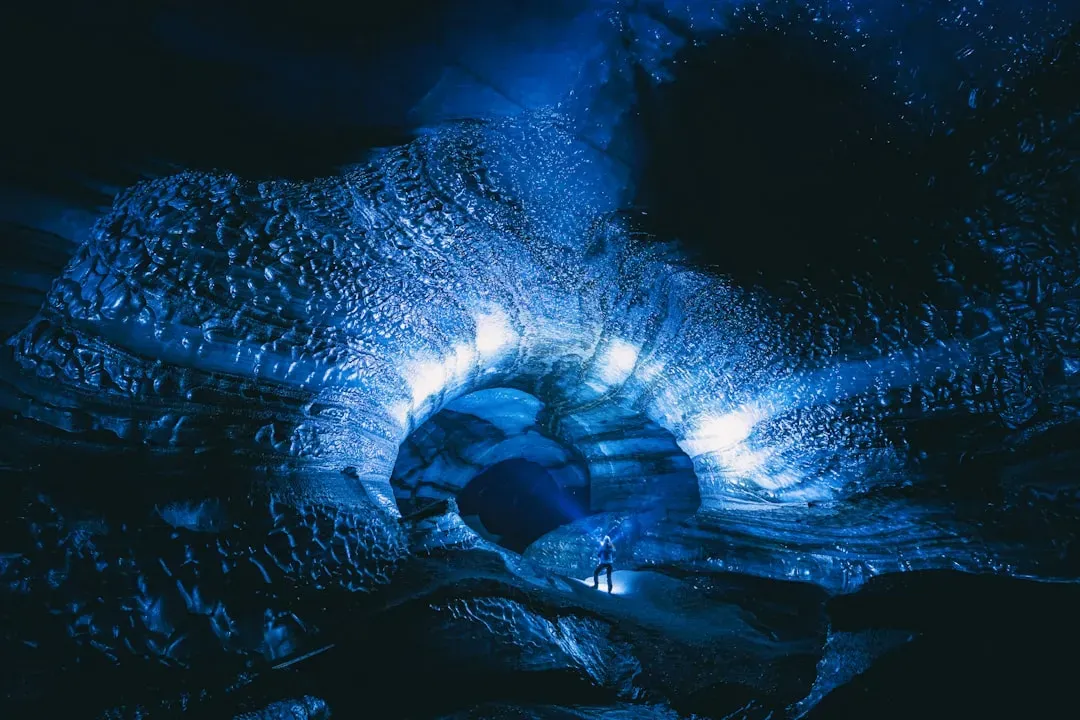
Deep beneath the rolling green hills of New Zealand’s North Island, the Waitomo Glowworm Caves turn darkness into something magical. The ceiling of the cave is covered in tiny bioluminescent creatures whose cold, blue-green light looks uncannily like a clear night sky. Drifting in a small boat on the underground river while that living galaxy hangs above you is one of those experiences that quietly rewires your idea of what “beautiful” can mean.
What makes these caves so unforgettable is the contrast between the hush of the river and the otherworldly light show overhead. The glowworms use their light to attract prey, but to a human floating below, it feels like the earth is gently revealing one of its best-kept secrets. I still think of it every time I see city lights from an airplane window – both are beautiful, but only one is created by a tiny creature clinging to a cave ceiling in the dark.
3. Carlsbad Caverns, USA – A Subterranean Cathedral in the Desert
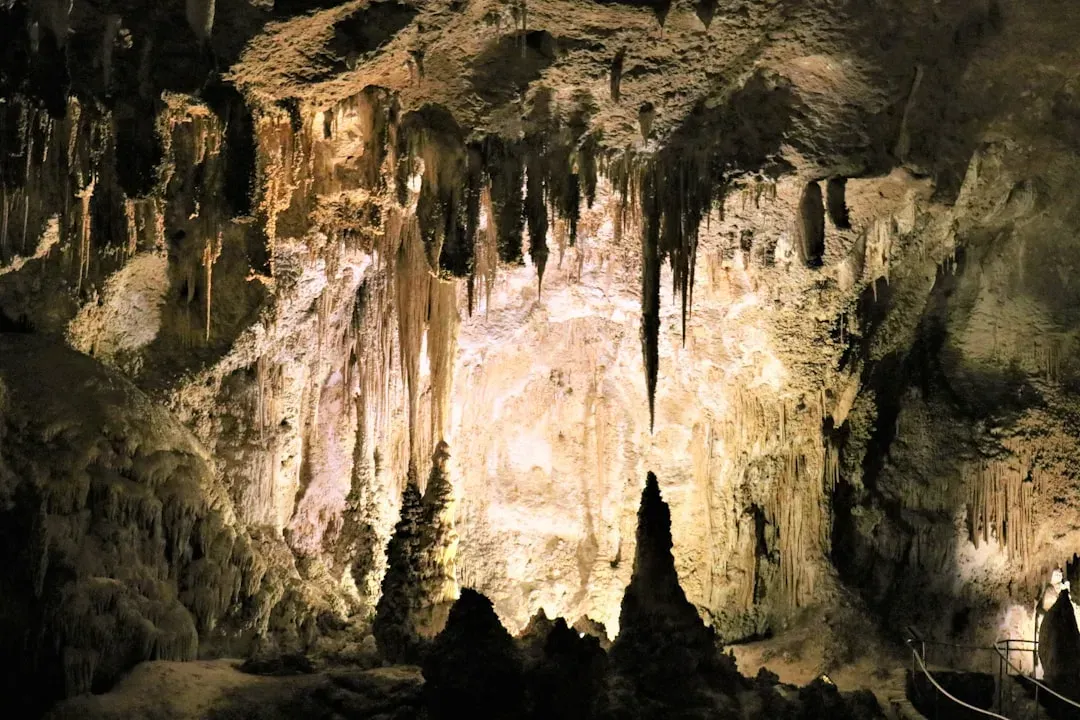
In the arid landscape of New Mexico, it is easy to drive past Carlsbad Caverns National Park and have no idea what is waiting far below the surface. Beneath the scrubland and cliffs lies a labyrinth of chambers decorated with stalactites, stalagmites, and twisting rock formations that look almost too elaborate to be natural. The Big Room, one of the main chambers, is so large that walking around it feels more like wandering a stone city than exploring a simple cave.
What struck me about Carlsbad Caverns is how quickly you forget the harsh desert above. The carefully lit pathways reveal delicate mineral draperies that hang like frozen curtains, strange bulbous formations, and pools that perfectly mirror the rock above. At dusk, thousands of bats spiral out of the cave entrance into the open sky, a reminder that this underground cathedral is also a living ecosystem, not just a pretty place to take photos.
4. Eisriesenwelt, Austria – A Palace Carved from Ice
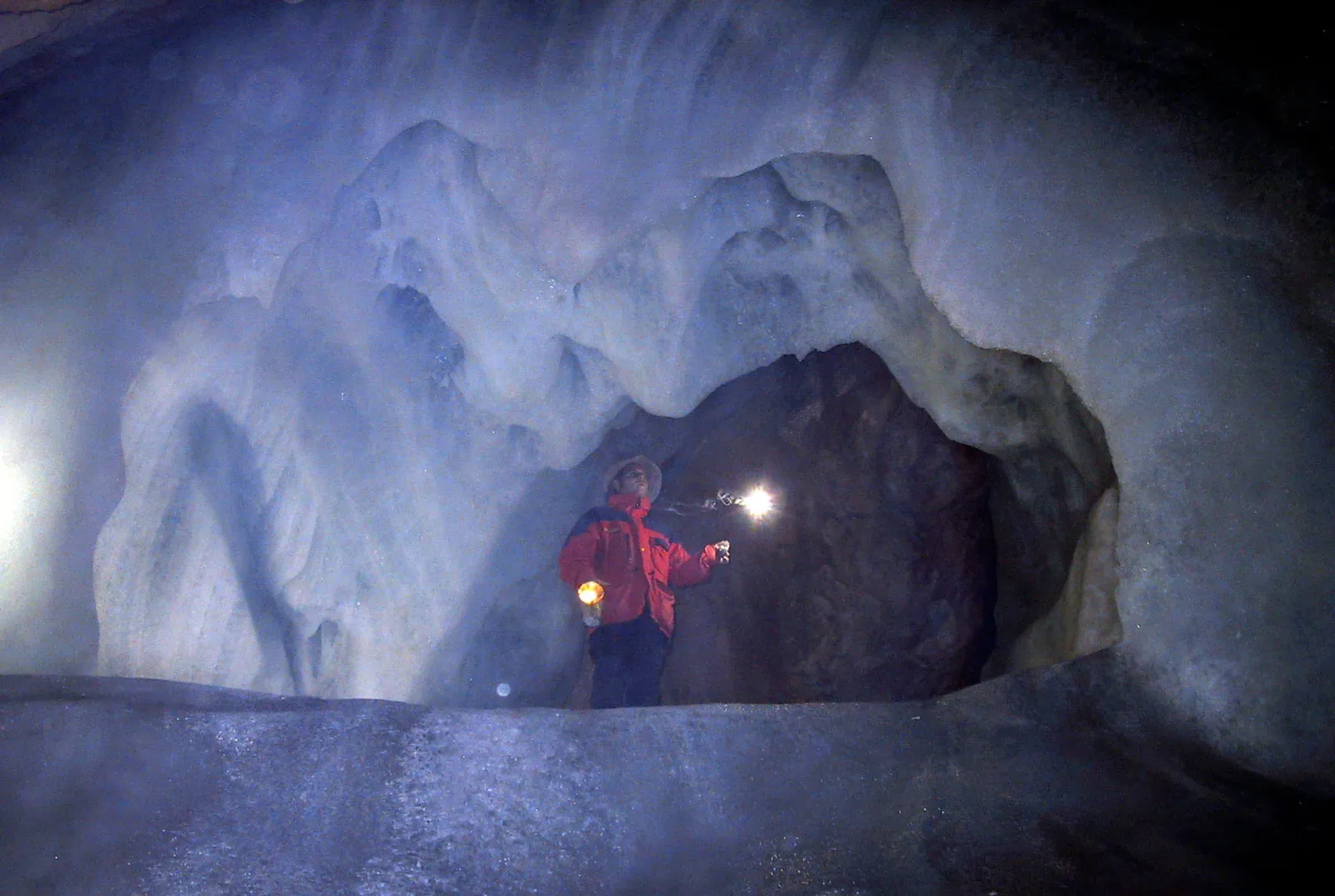
High above the Austrian town of Werfen sits Eisriesenwelt, whose name translates to something wonderfully dramatic: World of the Ice Giants. It is the kind of place that makes you feel like you have wandered into the lair of winter itself. Unlike many show caves that focus on fragile limestone formations, Eisriesenwelt is famous for its immense ice sculptures, frozen waterfalls, and gleaming halls sculpted not only by water, but by cold.
Visiting involves a cable car, mountain paths, and a stiff blast of chilly air as you step inside the entrance. Once within, the light catches thick ice walls, glistening pillars, and wave-like surfaces that seem to move even though they are completely still. The ice shifts and reforms with the seasons, which means the cave is never exactly the same twice, almost like an art gallery where the exhibit slowly rearranges itself while nobody is watching.
5. Škocjan Caves, Slovenia – Where Rivers Disappear Into the Deep
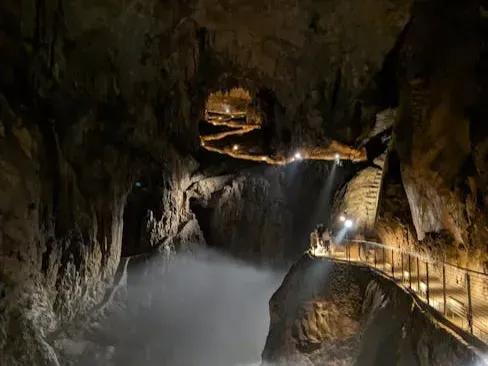
In southwestern Slovenia, the Škocjan Caves showcase the raw power of underground water better than almost anywhere else on Earth. Here, a river plunges into the ground and thunders through vast chambers and canyons hidden beneath fields and villages. Walking along narrow paths clinging to the rock high above the roaring water feels a bit like standing on a balcony halfway down a skyscraper, except the building is made of limestone and darkness.
The scale inside Škocjan is hard to grasp until you are there, listening to the echo of the river and peering into shadowy depths. It is a place where you can literally see how rivers carve their way through stone, shaping the land from the inside out. I remember thinking that if myths of underworlds and hidden realms ever needed a physical home, this would be one of the most convincing candidates.
6. Puerto Princesa Underground River, Philippines – A Cave You Can Sail Through
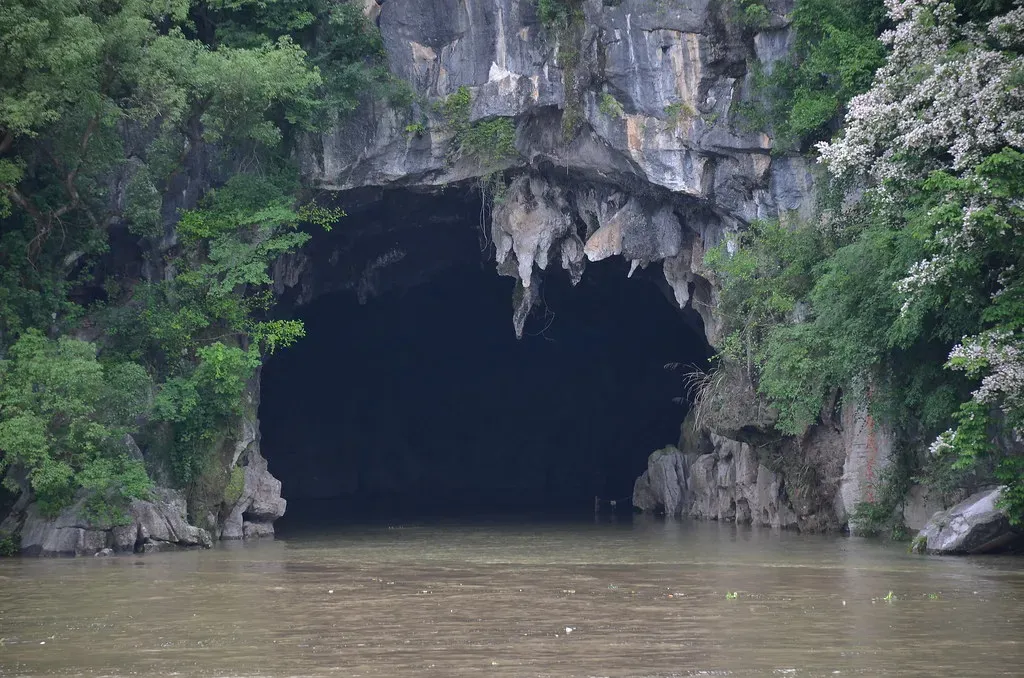
On the island of Palawan in the Philippines, the Puerto Princesa Subterranean River offers a rare kind of cave experience: you explore it not on foot, but by boat. The river flows directly into the sea after winding for kilometers under limestone hills, so you can literally sail from tropical coastline into nearly complete darkness. The transition from bright blue water and palms to echoing chambers and rock formations feels like passing through a portal.
Inside, your guide’s flashlight reveals curtains of stone, hidden side chambers, and formations that locals have nicknamed after everything from vegetables to religious figures. Swifts and bats share the airspace above your head, swooping in and out through openings high in the cave ceiling. The mix of mangrove-fringed entrance, brackish water, and cathedral-like interiors makes the whole journey feel oddly dreamlike, as if the ocean decided to explore the land from the inside.
7. Reed Flute Cave, China – A Colorful Underground Art Gallery
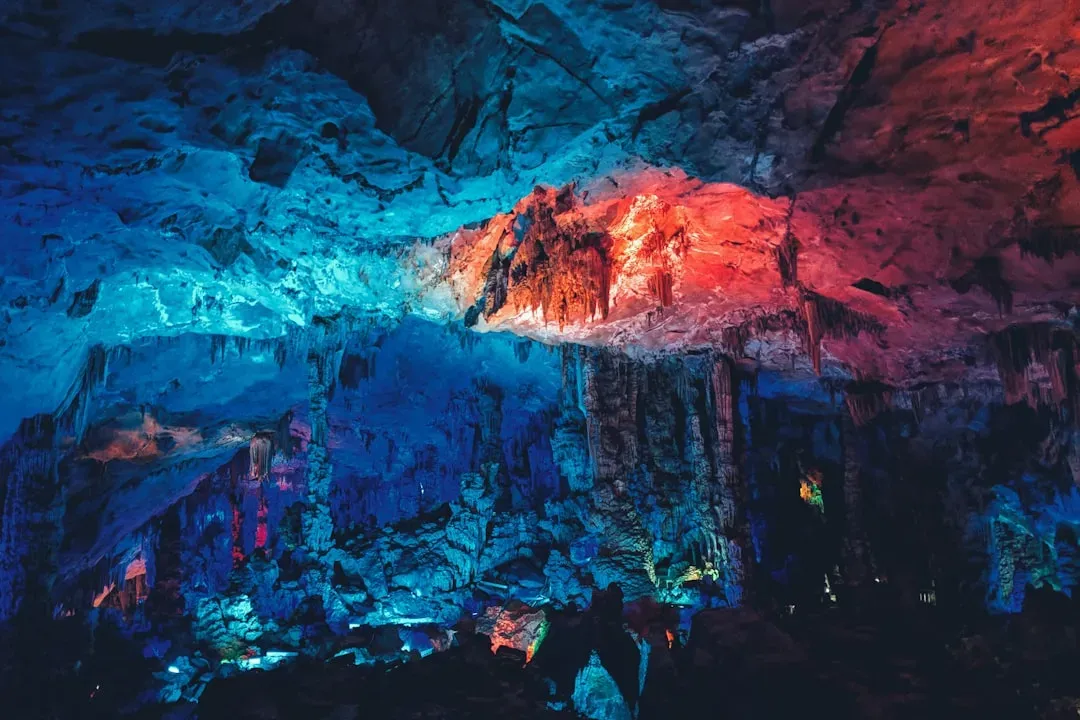
Near the city of Guilin in southern China, Reed Flute Cave has been attracting visitors for centuries, long before electric lights ever touched its walls. Today, the cave is illuminated in vivid colors that highlight its gracefully curved stalactites and stalagmites, giving it an almost theatrical feel. Some people prefer more natural lighting underground, but here the careful use of color turns the rock formations into something like a living painting.
Walking through Reed Flute Cave is a bit like moving from one story to another. One chamber might resemble a frozen waterfall, another a forest of stone pillars, and yet another a strange underwater landscape where waves have suddenly turned solid. Ancient inscriptions carved by visitors from centuries ago are still visible on the walls, a reminder that humans have always been drawn to these hidden spaces and have long felt compelled to leave a trace of their awe behind.
8. Jeita Grotto, Lebanon – Twin Caverns of Quiet Grandeur
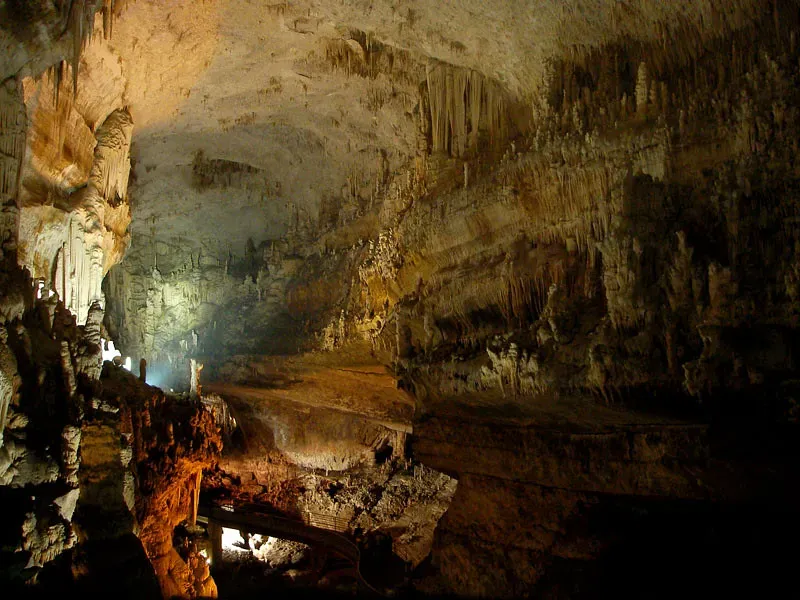
Just outside Beirut, Jeita Grotto shows how different two caves in the same system can feel. The upper gallery is a dry cave, full of monumental formations of stone that hang, drape, and rise like the columns of some forgotten temple. The lower cave, in contrast, is dominated by water, and is explored by boat along a calm underground lake and river that reflect the rock above like a mirror.
The combination of walking and boating creates this almost meditative rhythm: climb, pause, float, stare. In the upper sections, you are constantly looking up at intricate mineral sculptures; in the lower sections, you focus on the quiet, broken only by the soft sound of the boat gliding over water. It is one of those places that does not need dramatic light shows or audio guides to impress you – its power lies in pure scale and the slow, steady artistry of dripping water.
9. Mendenhall Ice Caves, USA – Blue Light Inside a Glacier
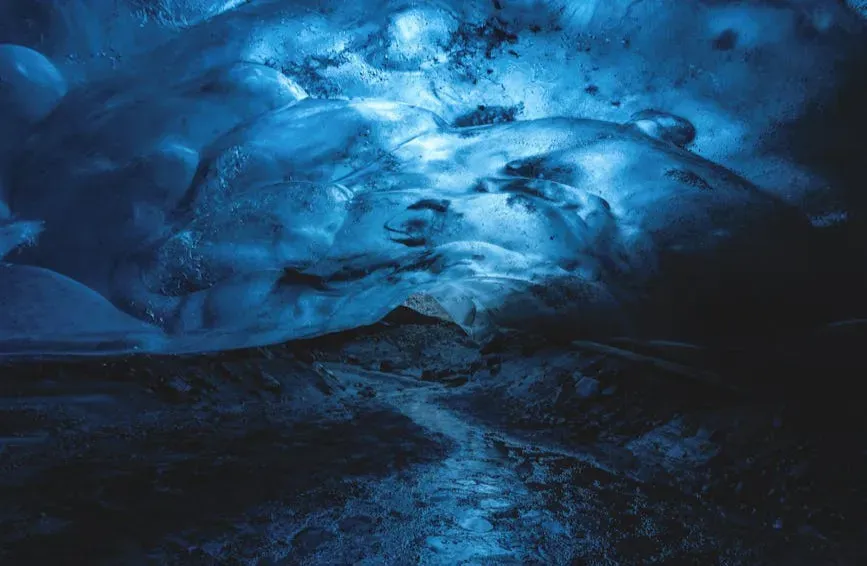
Near Juneau, Alaska, the Mendenhall Glacier hides one of the most surreal cave environments on the planet: ice tunnels that glow a deep, electric blue when the light hits them right. These ice caves are not permanent; they form and collapse as the glacier moves and melts, which makes them both extraordinary and fragile. Walking through them, when conditions allow, feels like being trapped inside a sapphire or wandering beneath frozen ocean waves.
Unlike rock caves that may evolve over millions of years, the ice caves inside Mendenhall can change dramatically from one year to the next. That impermanence carries a sobering message, especially in an era of rapid climate change where many glaciers are retreating. The beauty here is intense but fleeting, a reminder that some of Earth’s most incredible sights are also the most vulnerable, and that hidden beauty can disappear if we are not paying attention.
10. Krubera Cave, Georgia – A Descent Into the Deepest Known Depths
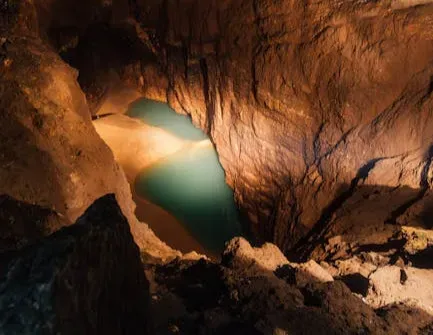
In the rugged Western Caucasus region, Krubera Cave has long fascinated cavers because of its astonishing depth. It is one of the deepest known caves on Earth, plunging more than two kilometers from its entrance down through a complex network of vertical shafts, tight squeezes, and flooded passages. This is not the kind of cave you stroll through on a guided tour; it is the domain of highly trained explorers willing to spend days or weeks pushing ever farther into the dark.
What makes Krubera so compelling is less its decorative formations and more the sheer audacity of its scale. Descending into it means dealing with cold water, technical rope work, underground camps, and the psychological weight of knowing there is a mountain of rock above you. For most of us, Krubera will only ever exist in maps, photos, and expedition stories, but even from a distance it expands our sense of how deep the planet’s hidden spaces can go.
Conclusion – Why Earth’s Hidden Worlds Matter More Than Ever
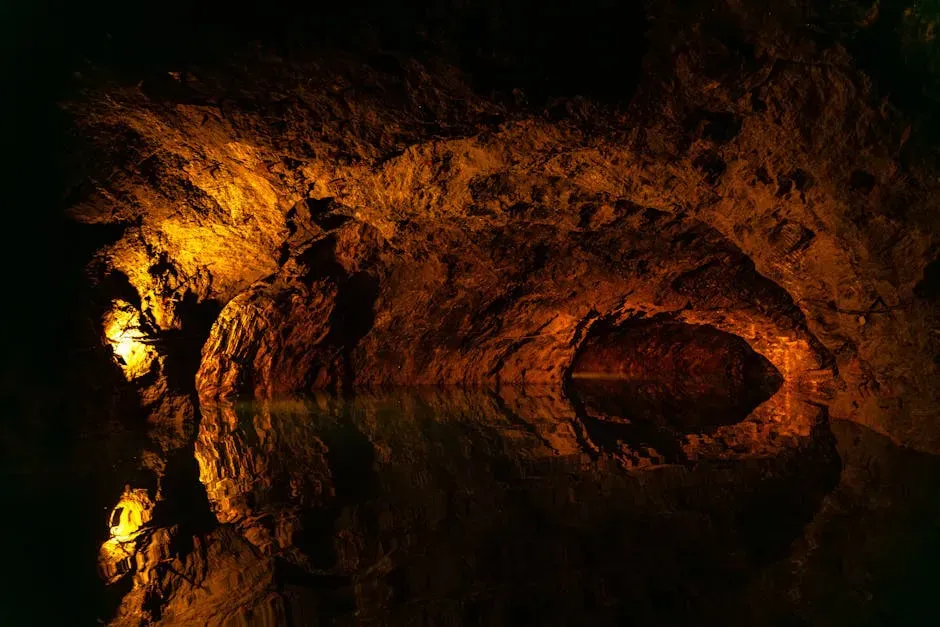
From glowing worms in New Zealand to ice cathedrals in Austria and river-carved abysses in Slovenia, these caves and caverns show that some of Earth’s greatest wonders are not always visible from the surface. They compress mind-bending stretches of time into walls, ceilings, and formations that you can reach out and touch. Every drip of water, every mineral deposit, every collapsed chamber is a quiet record of the planet at work long before our species ever appeared.
On a more personal level, stepping underground has a way of shrinking your ego and enlarging your sense of connection. You realize how small you are, but in a strangely comforting way, like being a single person in a vast, ancient library. As more people seek out wild places and more landscapes are transformed, these underground worlds become not just destinations, but reminders of what is still intact and worth protecting. Next time you see a dark opening in a hillside, will you wonder what hidden beauty might be waiting patiently in the depths below?