
If you think humans are complicated, wait until you meet the rest of the animal kingdom. Beneath all the cute photos and nature documentaries lies a world of habits that are so strange, even scientists still shrug and say, “We’re not totally sure yet.” The more we watch animals, tag them, track them, and analyze them, the more baffling some of their behaviors become.
From whales singing mysterious songs across oceans to insects that seem to sacrifice themselves for the good of the group, nature is full of behaviors that break our simple explanations. A lot of the time, we can guess at the “why,” but the full story stays just out of reach. Let’s dive into ten of the most incredible animal behaviors that continue to puzzle researchers and push the limits of what we think we know about life on Earth.
The Puzzle of Whale Song and Ocean-Wide Communication
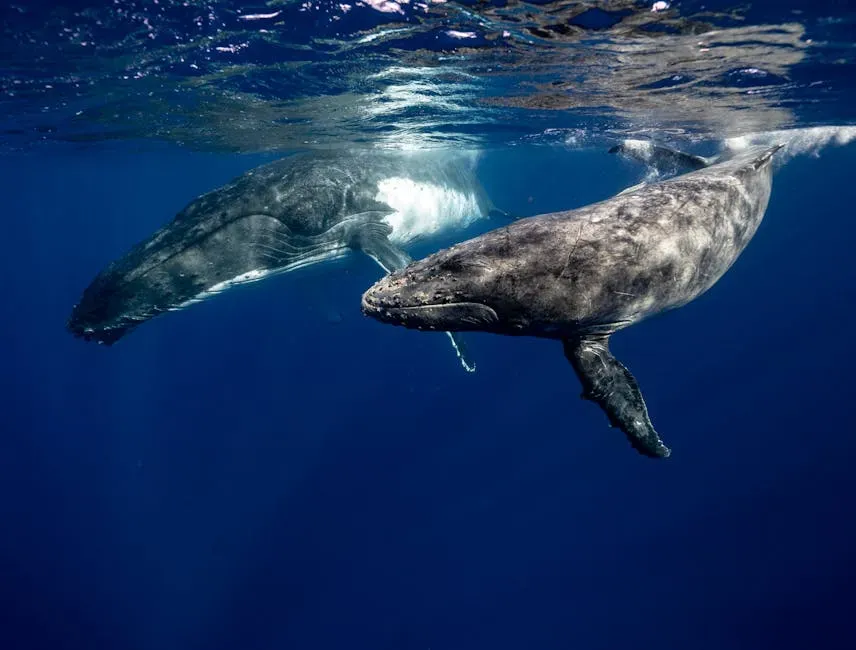
Imagine swimming in a dark ocean and hearing a deep, haunting melody echoing from miles away. That’s roughly what happens with humpback whales, whose songs can travel across huge stretches of water and change in complex ways over time. Researchers can measure the sound, map the patterns, and see that different populations share “hit songs” that spread from group to group like a musical trend.
What still stumps scientists is what these songs really mean and why they evolve so quickly. It’s clear they’re important for mating and social interaction, but the exact messages, the rapid shifts in “song culture,” and the way they propagate across entire ocean basins are far from fully understood. It’s like listening to a foreign pop chart: we can hear the structure and the rhythm, but the lyrics are still a mystery.
Birds That Navigate the World with an Invisible Compass
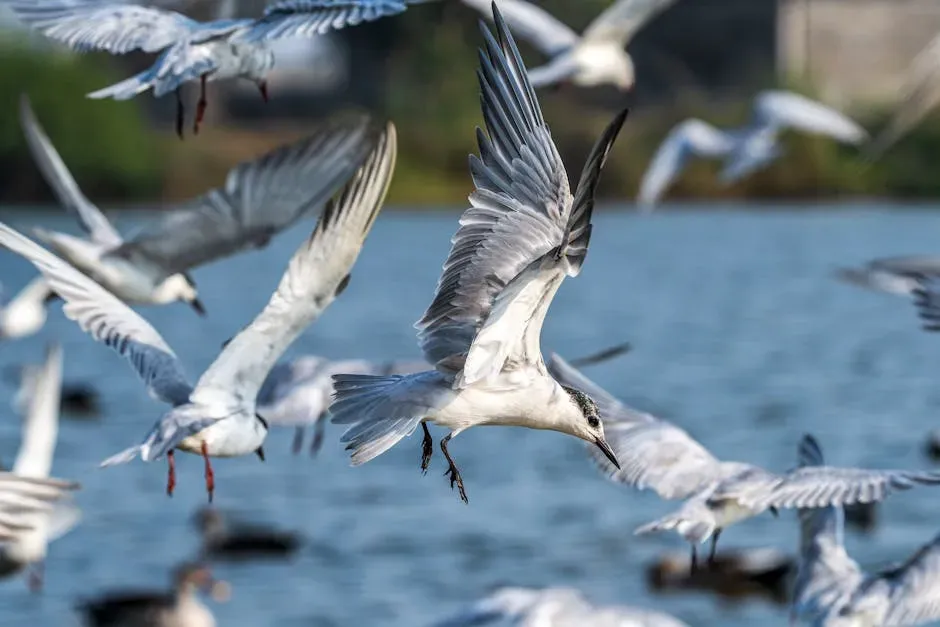
Every year, tiny birds weighing less than a smartphone travel thousands of kilometers, often returning to the same tree or even the same branch. We know they use a mix of cues: stars, the Sun, landmarks, smells, and possibly the Earth’s magnetic field. Experiments have shown that some birds seem to “see” magnetic fields in a way humans simply cannot imagine.
The mind-bending part is how this magnetic sense actually works and how it’s wired into their brains. One leading idea is that special molecules in their eyes react to magnetism, creating a kind of visual overlay, but the details of this quantum-level process are still being worked out. When you realize a robin might literally see North glowing in the air, it makes our basic compass apps feel embarrassingly primitive.
The Strange Phenomenon of Mass Animal Suicides
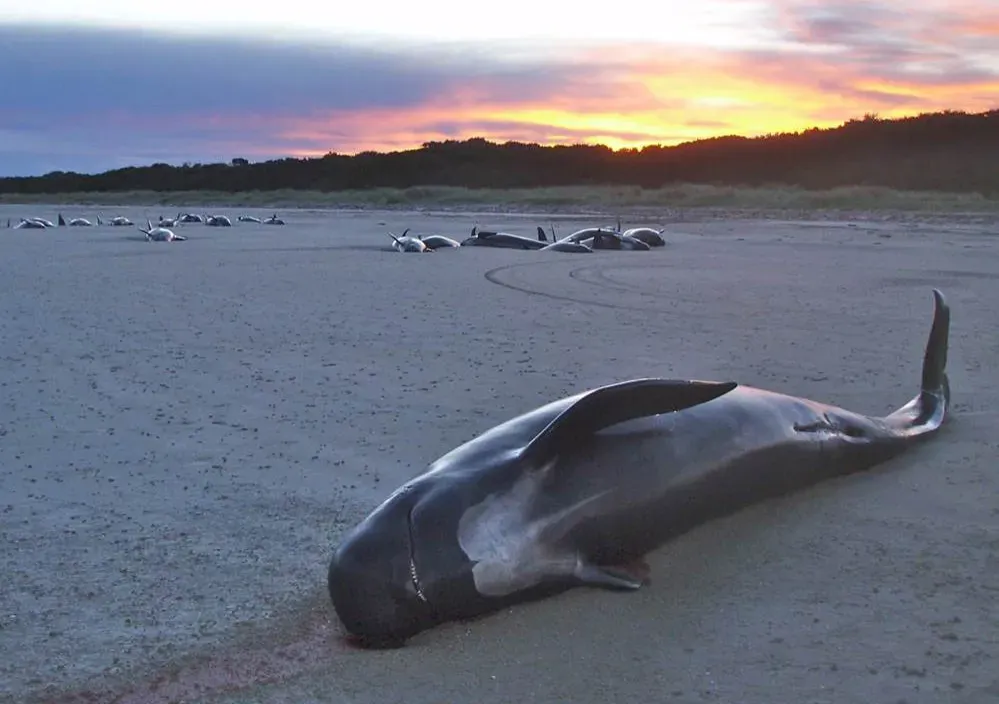
Every so often, headlines appear about whales beaching themselves in groups, or about certain insects or rodents plunging into seemingly self-destructive situations. With whales, entire pods can strand together on shallow shores and die, even when some could still swim away. For decades, people have pinned this on confusion, illness, or human-made noise, but none of those explanations fully solve it.
In many cases, it looks less like “suicide” and more like social bonds gone tragically wrong, where following the group becomes deadly in unfamiliar or altered environments. Still, the timing, the locations, and why some species are so much more prone to these events than others remains unclear. It’s one of those behaviors that forces us to question how far social loyalty can go, and where instinct stops being adaptive and starts becoming fatal.
Octopus Intelligence That Feels Almost Alien
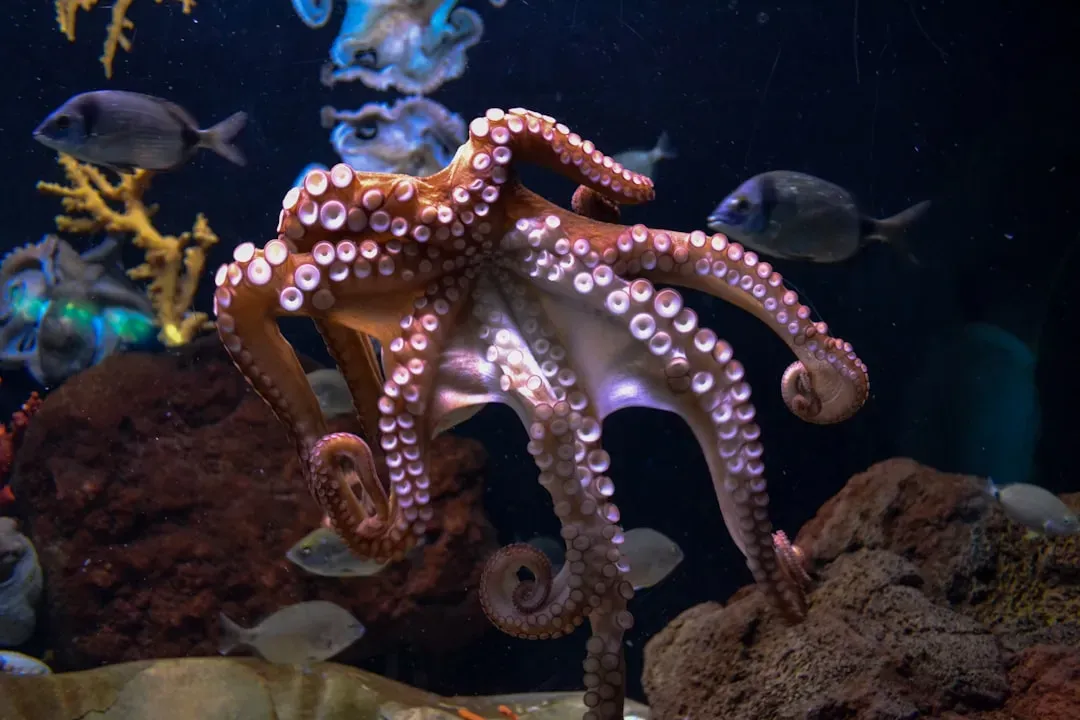
Spend five minutes watching an octopus solve a puzzle box and you start to feel like you’re looking at an alien mind. These animals can open jars, escape locked tanks, and even seem to recognize individual humans who feed or bother them. They’re masters of camouflage, changing color and texture almost instantly to match their surroundings in ways no chameleon can touch.
What baffles scientists is how such a short-lived creature, with a lifespan of just a few years for many species, evolved such sophisticated intelligence. Their nervous system is spread out, with a large portion of neurons in their arms, raising weird questions about what “thinking” even means for them. It’s like their whole body is a brain, and we’re only beginning to understand how that kind of distributed intelligence operates.
The Shocking Precision of Mantis Shrimp Vision
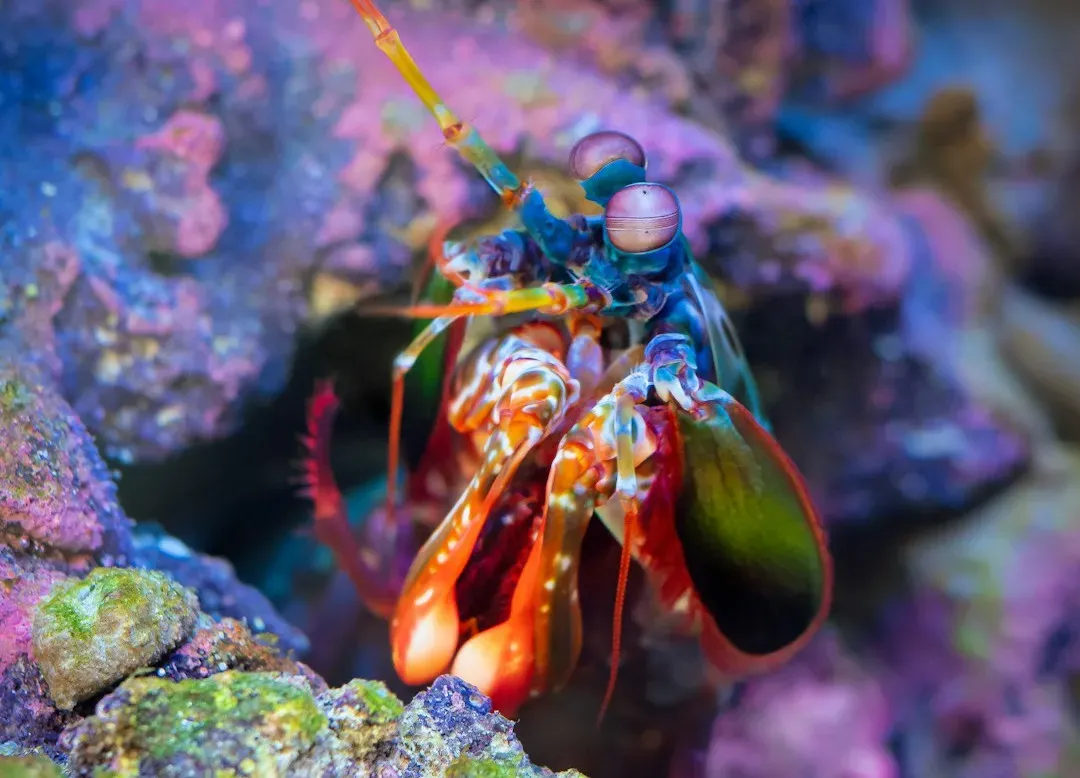
Mantis shrimp look like colorful little underwater tanks with fists that can break glass, but their vision might be the wildest thing about them. While humans manage with three types of color receptors in our eyes, mantis shrimp have many more, along with sensitivity to ultraviolet and polarized light. On paper, it sounds like they see a world that’s almost psychedelic compared to ours.
Yet when researchers test how they actually use this vision, the results are confusing and sometimes underwhelming. They don’t always appear to discriminate colors as finely as we’d expect, which raises the question of what all that visual hardware is truly for. Some think it’s about secret signaling, hunting, or seeing predators in tricky light conditions, but the full picture is still blurry, like a high-end camera whose real purpose we haven’t figured out.
Self-Sacrificing Ants and the Logic of “Suicidal” Altruism
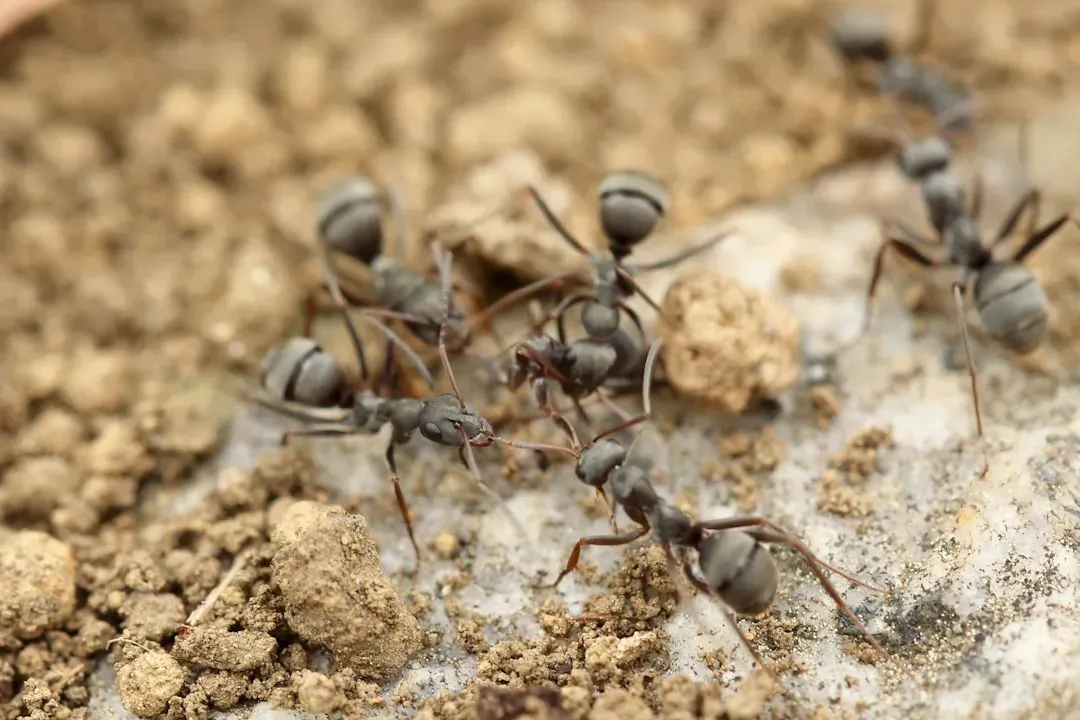
In some ant species, individuals will literally explode their own bodies to defend the colony, coating attackers in sticky or toxic substances. Others seal off nest entrances with their heads, effectively sacrificing themselves to stop invaders from getting in. To a human, that level of self-destruction for the “greater good” feels almost unimaginable.
Evolutionary theory can explain altruism up to a point, especially when it helps relatives share genes, but the extreme, dramatic forms still raise questions. How did such specific, one-way behaviors evolve, and why are some species driven to those extremes while others are not? It forces us to rethink ideas of individuality, because in these cases, the “self” that matters most seems to be the colony, not the single ant.
Dolphin Names, Dialects, and Mysterious Social Rules
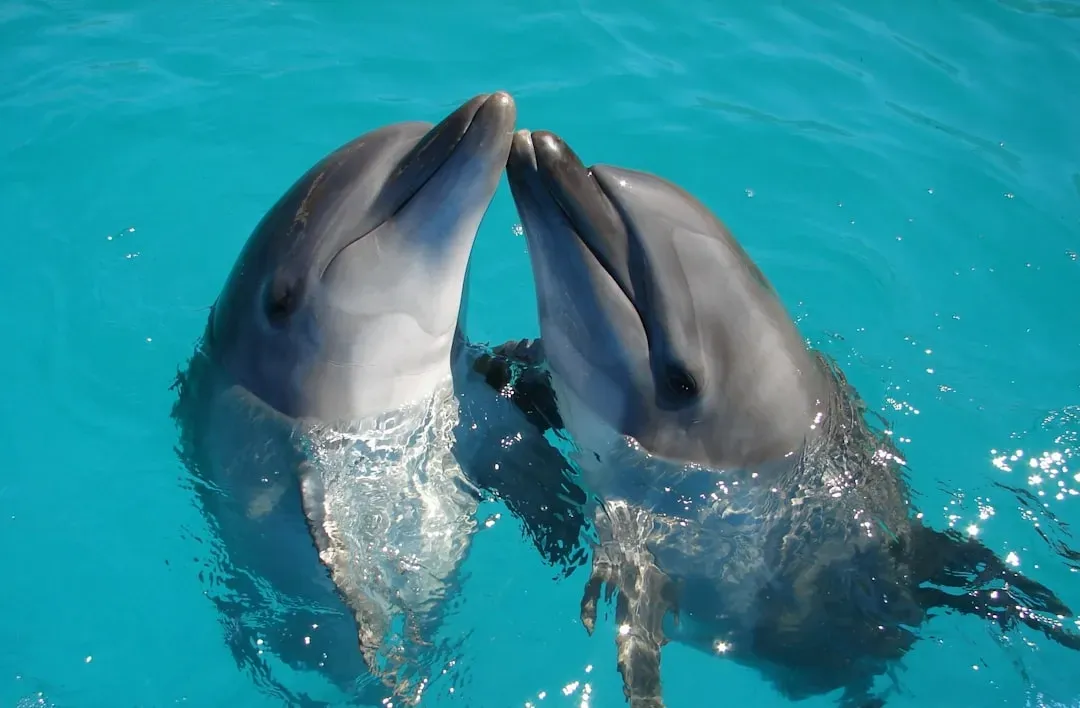
Dolphins are known for their playful nature, but their communication system might be even more impressive than their acrobatics. Different populations use distinct “dialects,” and some individuals have unique signature whistles that function surprisingly like names. They can remember these whistles for many years and respond to them, even after long separations.
What remains unclear is how rich this communication really is and whether we’re just scratching the surface. Are they just sharing basic information like “food over here” and “watch out,” or is there a deeper, more flexible kind of language-like structure? Their social lives are complex, full of alliances, rivalries, and long-term bonds, and it’s hard not to suspect that behind all those clicks and whistles, there’s a sophistication we still haven’t decoded.
Migration Mysteries of Monarch Butterflies
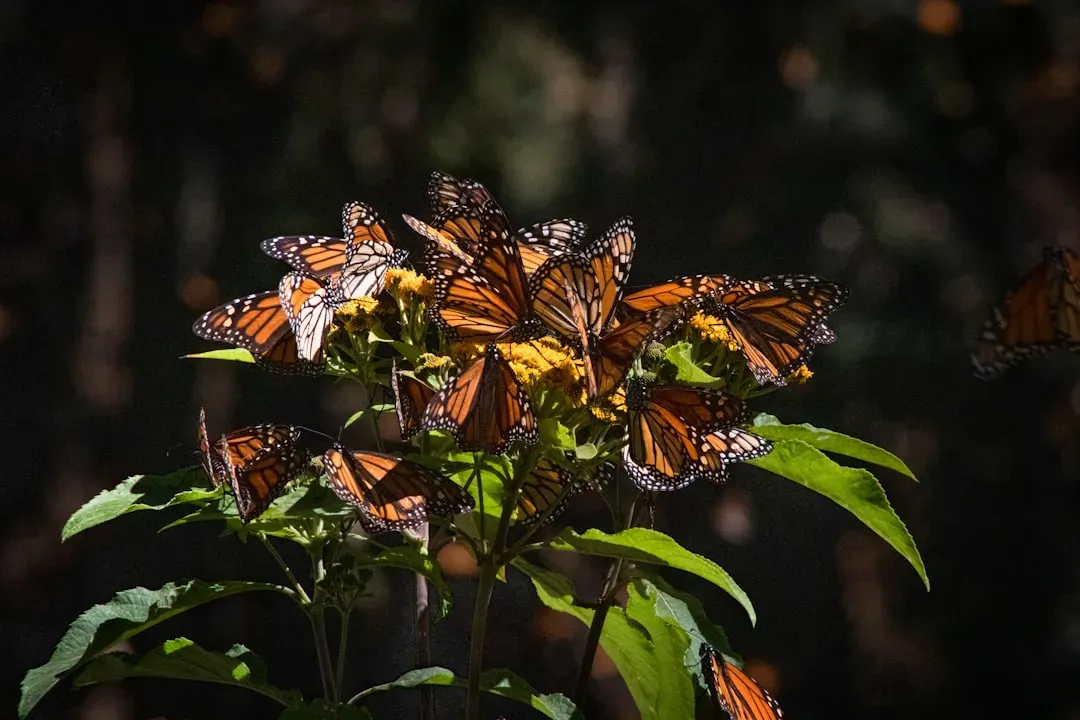
Every year, monarch butterflies make a multi-stage migration across North America, with individuals traveling distances that would be impressive even for birds. What’s especially mind-bending is that the butterflies that arrive at the final overwintering sites are often several generations removed from the ones that left months earlier. No single butterfly makes the full round trip, yet as a group, they trace out nearly the same route.
Scientists know they use cues like the position of the Sun and possibly the Earth’s magnetic field, but how this inherited “map” is stored and passed along genetically is still murky. It’s like a relay race where each runner somehow just knows which way to go, without ever having seen the full course. That kind of built-in orientation system makes our GPS satellites look clumsy and overcomplicated by comparison.
Elephant Mourning and the Question of Animal Grief
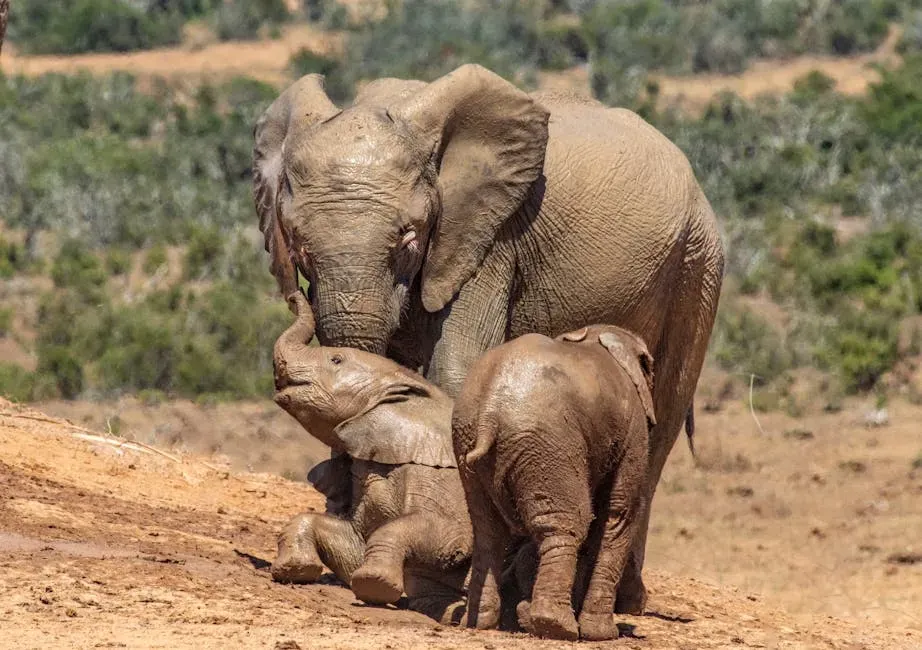
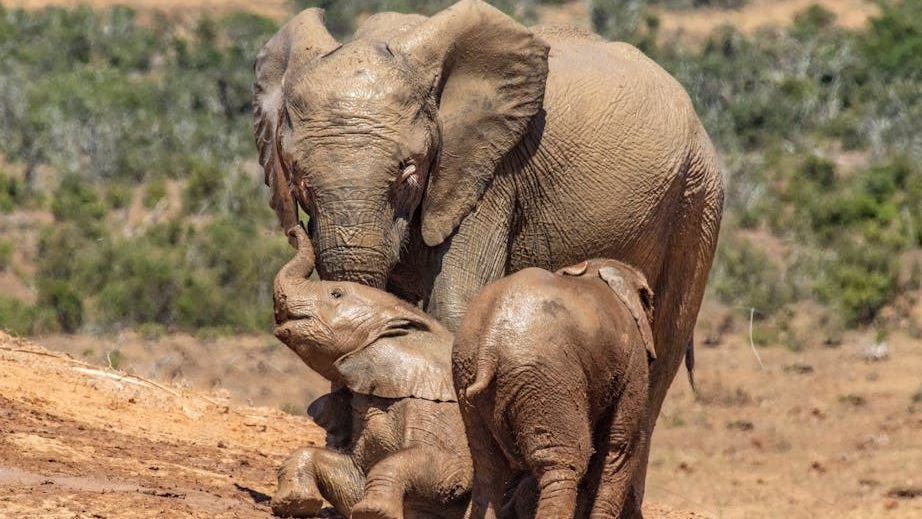
There are countless reports of elephants lingering around the bones or bodies of dead individuals, touching them gently with their trunks and standing quietly nearby. Sometimes they return to the same spot repeatedly, even when there’s no obvious practical reason to do so. Their behavior looks strikingly like mourning, and it hits a nerve because it mirrors how humans respond to loss.
The hard part is proving what they actually feel, since we can’t ask them and they can’t tell us. Are they experiencing grief in a way that’s truly comparable to ours, or is this a different, more instinctive form of attachment and curiosity? Whatever the answer, the consistency of these behaviors challenges the idea that deep emotional responses to death are uniquely human, and that’s a thought many people find both unsettling and strangely comforting.
Tool Use and Culture in Crows and Other Corvids
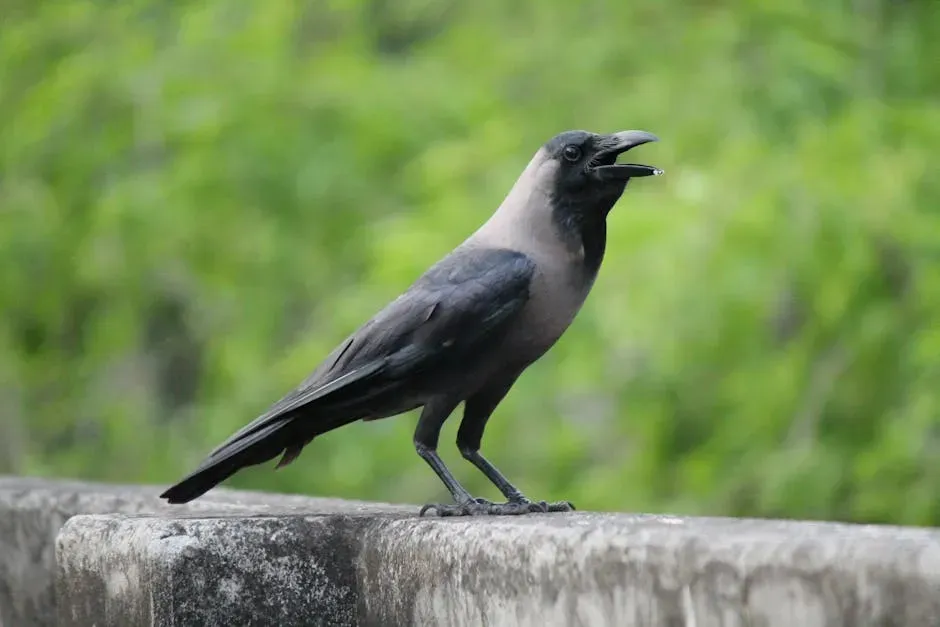
Crows and their relatives regularly use tools, from bending twigs into hooks to dropping nuts onto roads for cars to crack. Some populations show traditions, like specific techniques for getting food, that seem to be learned and passed down socially. It starts to look a lot like culture, in the sense of shared, transmitted knowledge that differs from group to group.
What remains tough to nail down is how close this really gets to human-style culture and what it says about the evolution of intelligence. If a bird with a brain the size of a walnut can reason through multi-step problems and learn new tricks by watching others, then the old stories we told about “big brains” and “simple animals” clearly need rewriting. These birds turn the usual ladder of intelligence into more of a web, where very different creatures found their own surprising paths to being clever.
The deeper scientists look into these mysterious behaviors, the more nature pushes back with questions of its own. Maybe the most humbling part is realizing how much is still happening right in front of us that we can’t fully explain yet, no matter how many instruments, models, or theories we throw at it.