
Out in the wild, without blueprints, measuring tapes, or fancy software, animals are quietly building some of the most astonishing structures on Earth. These tiny engineers design homes that can withstand storms, regulate temperature, hide from predators, and even farm their own food. If you think skyscrapers and bridges are impressive, wait until you see what a termite mound or a beaver dam can do.
What’s truly mind-blowing is that all this engineering happens without formal teaching, calculators, or building codes. It’s instinct, refined by evolution over millions of years, and it often solves problems that human architects still struggle with today. Let’s dive into ten of the most incredible animal architects and take a closer look at how their “impossible” designs actually work.
1. Beavers: The Dam-Building Hydrologists
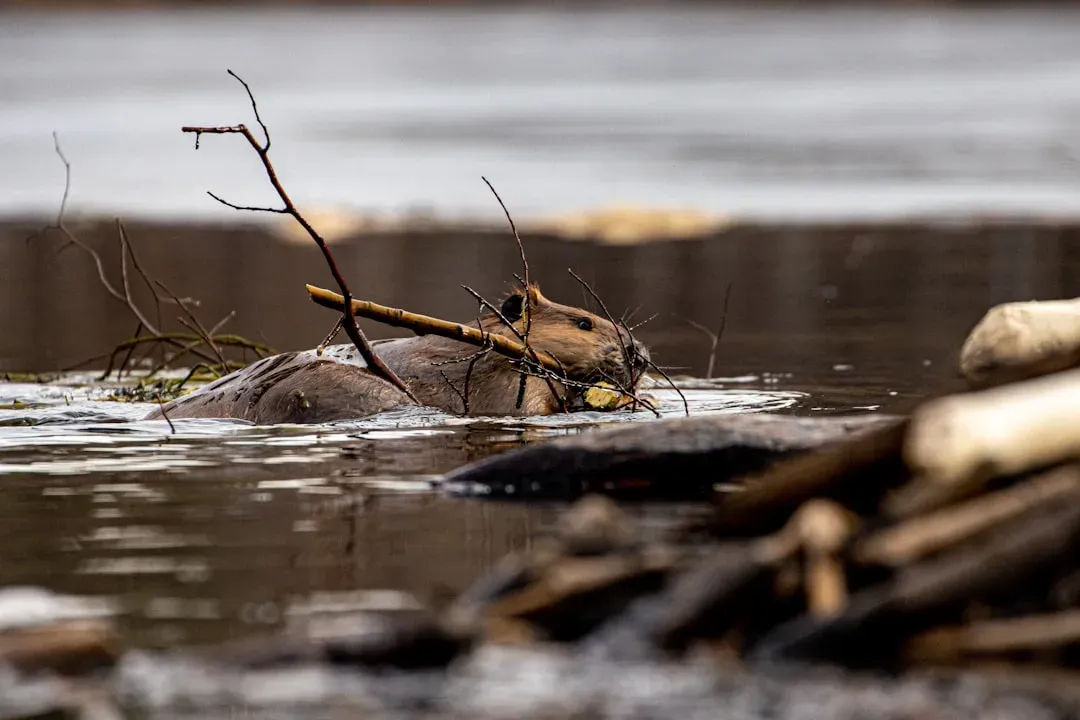
Beavers don’t just build homes; they redesign entire landscapes. Using branches, logs, stones, and mud, they construct dams that slow fast-moving streams and create deep ponds, turning trickling water into protective moats. These ponds keep their lodge entrances underwater, making it very hard for predators to sneak up on them.
The coolest part is that their dams act like natural water-management systems. They reduce erosion, help store water during droughts, and create wetlands that support fish, birds, and countless other species. In a way, beavers are running their own ecosystem-scale engineering projects, and they don’t charge a single consulting fee.
2. Termites: Masters of Natural Air Conditioning
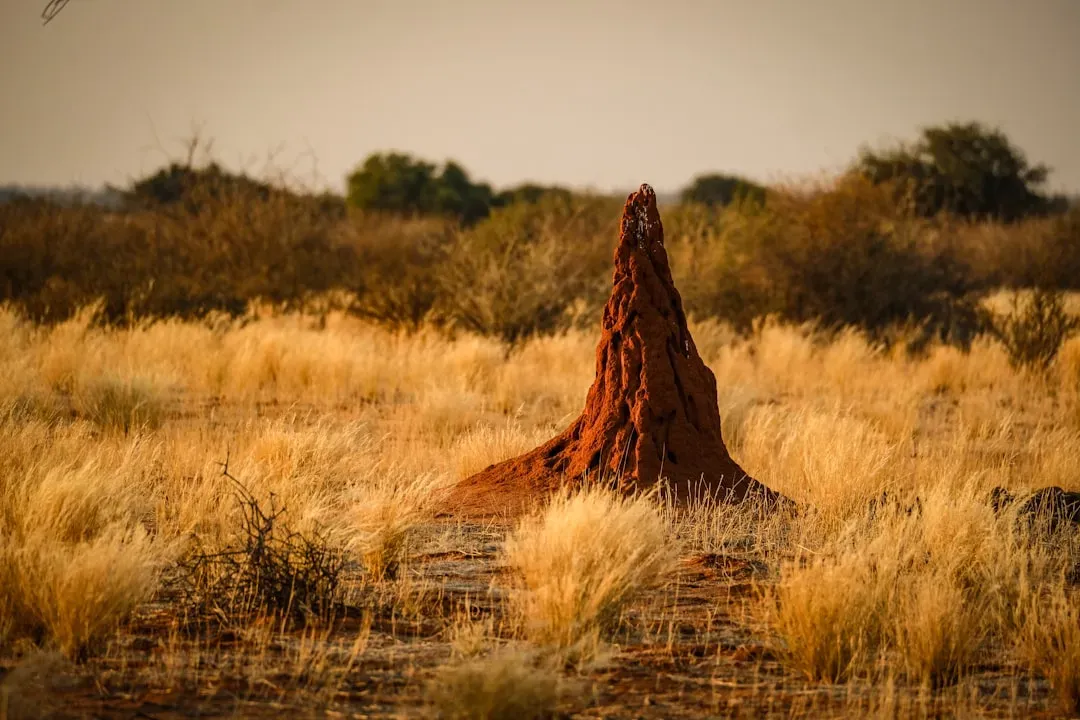
Some termite mounds rise taller than a person, but the real magic is hidden inside. These towering structures are like living skyscrapers with built-in climate control, keeping the nest at a steady temperature in brutal heat and surprising cold. Termites achieve this by building complex tunnels, vents, and chambers that guide air flow like a natural ventilation system.
Warm air escapes through chimneys, cooler air gets pulled in through lower openings, and gases like carbon dioxide are flushed out without a single fan or machine. The soil and structure store moisture and heat, smoothing out temperature swings. Architects and engineers have literally studied termite mounds to design energy-efficient buildings, which feels a bit like humans copying homework from tiny, blind insects.
3. Honeybees: Hexagon Perfectionists
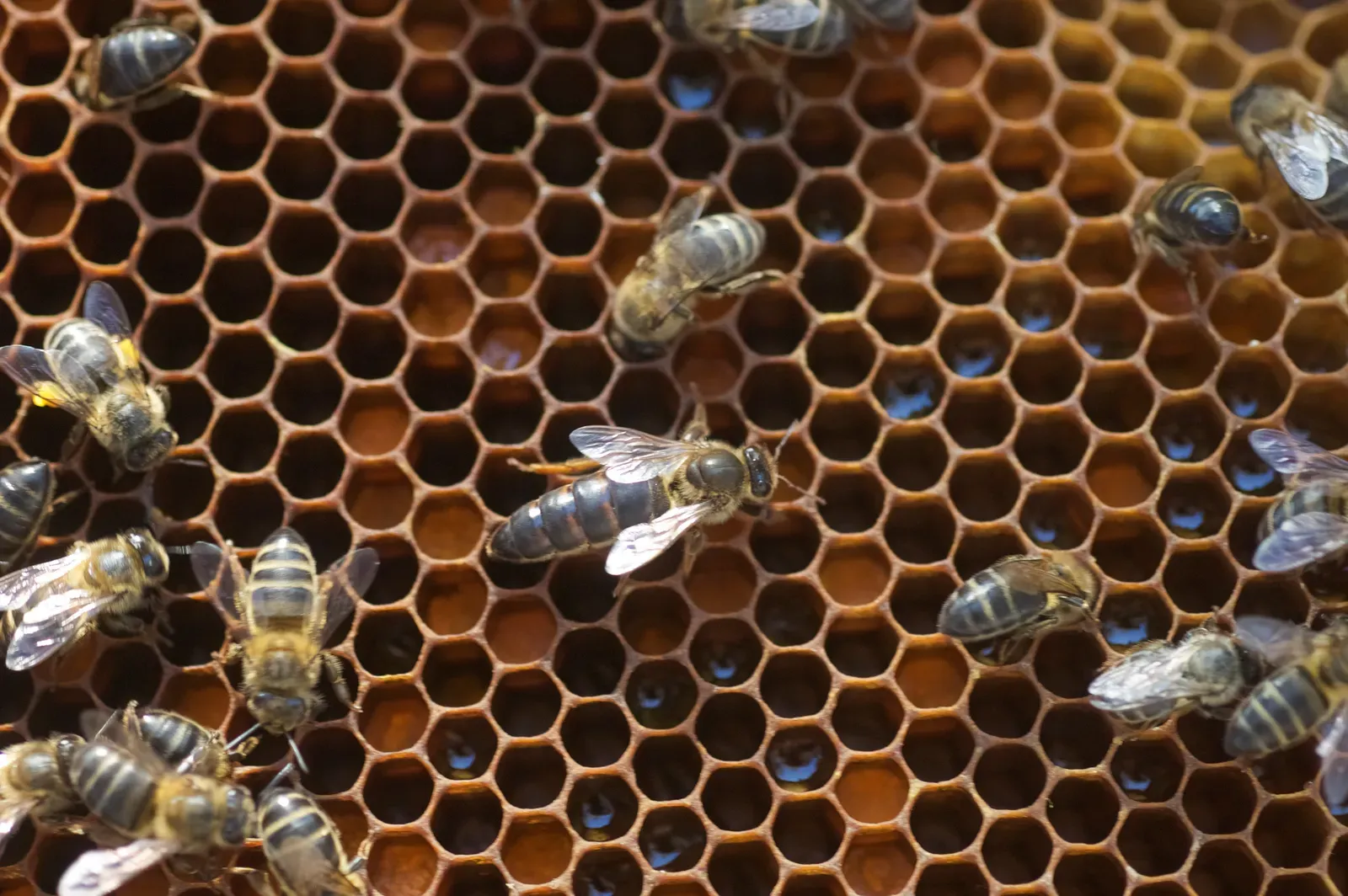
Walk into a hive (well, not literally) and you’ll find a universe of perfect hexagons. Honeybees instinctively build honeycomb cells in a shape that uses the least amount of wax while maximizing storage for honey, pollen, and developing larvae. That hexagon pattern isn’t just neat to look at; it’s mathematically efficient, incredibly strong, and very stable.
Bees produce wax from their bodies and carefully shape it, working together in tight clusters where heat softens the wax just enough to mold it. The end result is a structure that can hold many times its own weight and survive vibrations, weather, and constant traffic. It’s the original self-storage facility, designed by insects that will never see a geometry textbook.
4. Weaverbirds: Hanging Nests with Built-In Security
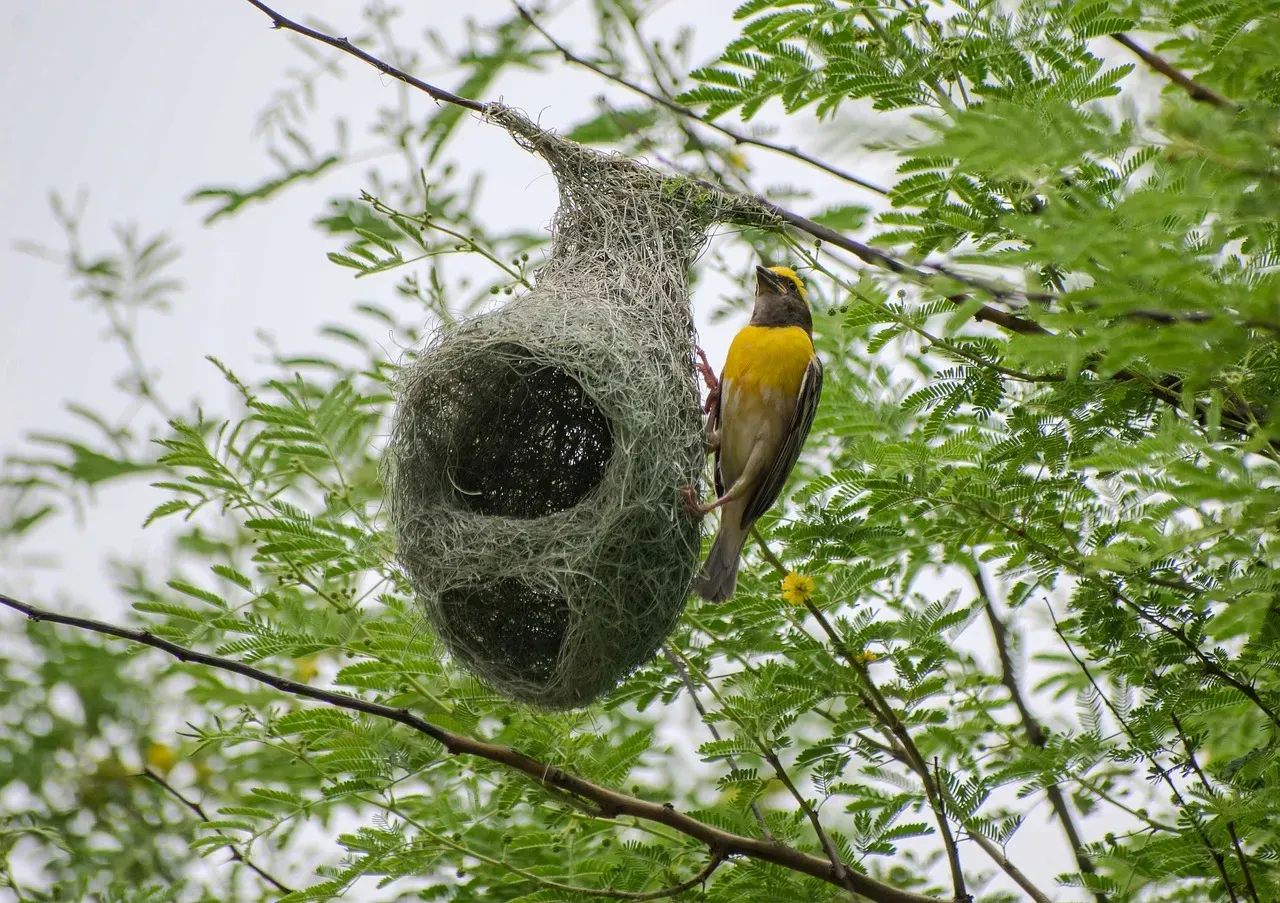
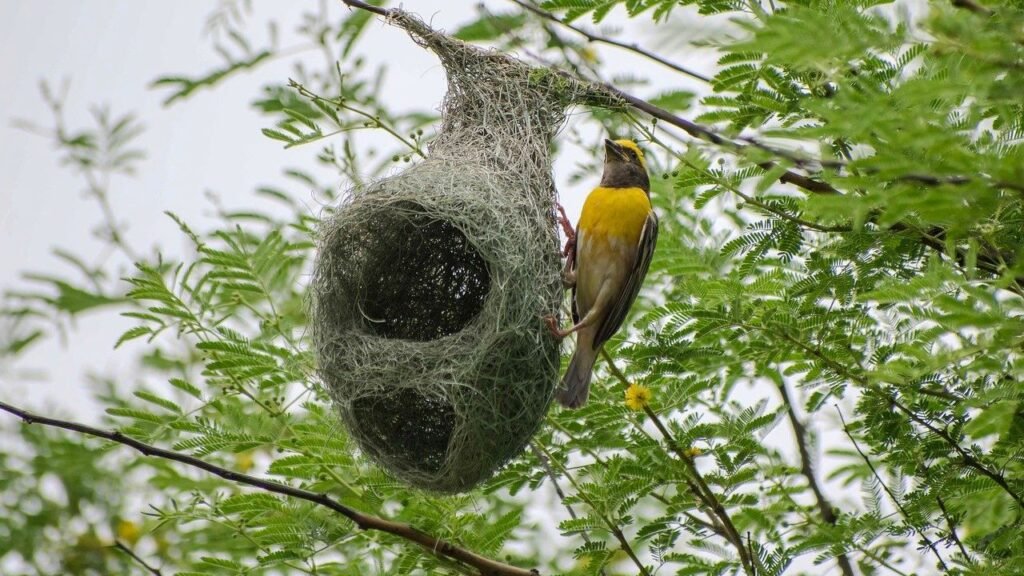
Weaverbirds are like tiny textile artists with a serious eye for safety. The males collect strips of grass, leaves, and plant fibers, then weave them together into spherical or bottle-shaped nests that hang from tree branches. These suspended homes sway in the wind, which actually helps deter predators that can’t easily reach or balance on them.
The weaving itself is surprisingly complex, involving knots, loops, and layers that interlock without any glue. Some species build entire colonies of hanging nests, turning trees into buzzing neighborhoods. Males even use their construction skills to impress females; if the nest doesn’t pass inspection, it might literally get torn down and started over like a failed home-renovation project.
5. Ants: Underground Cities and Living Bridges
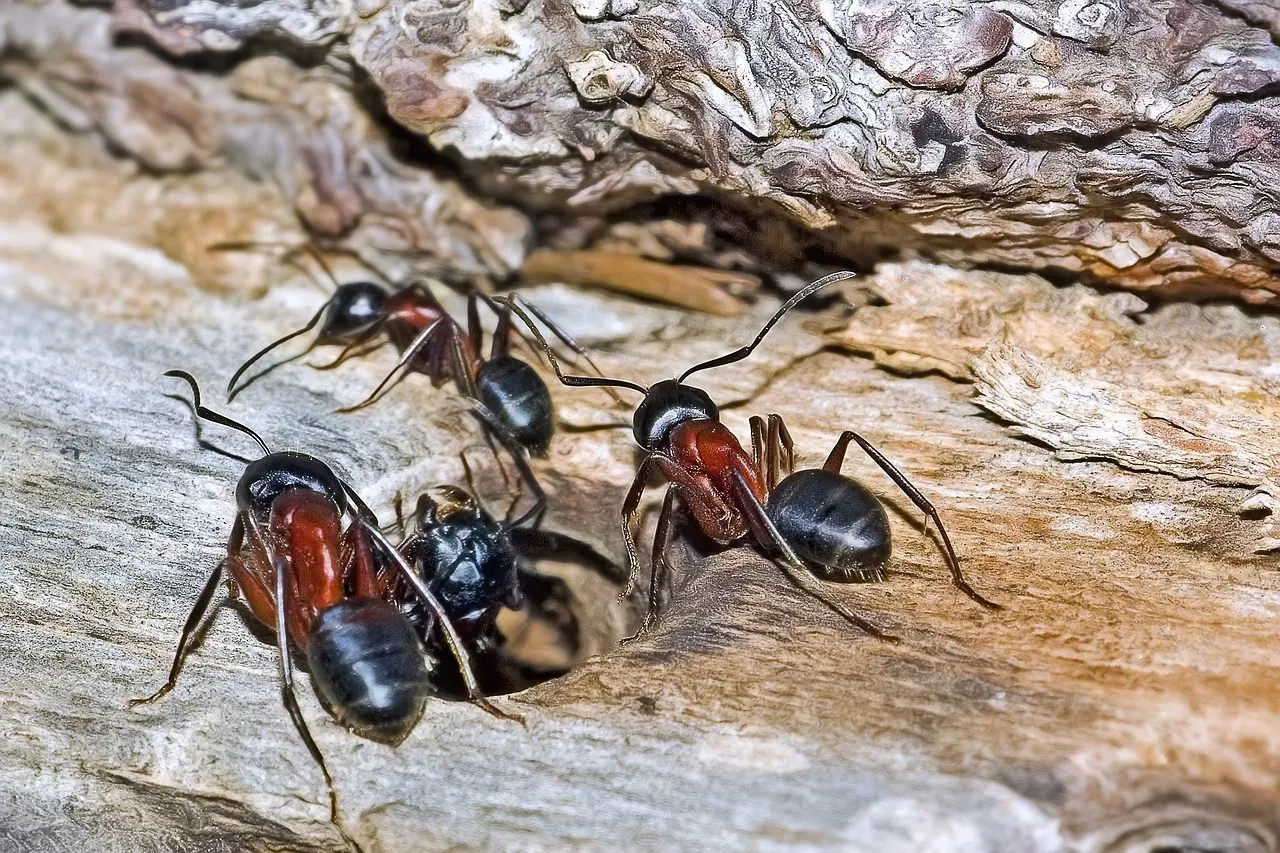
Ant colonies turn the soil beneath our feet into vast, hidden cities. Their nests can include multiple levels, nurseries, food storage rooms, and specialized chambers for the queen, all connected by an intricate network of tunnels. Some ants even manage ventilation and humidity by creating shafts and openings that move air through the nest, a bit like miniature subway systems with built-in climate control.
In the rainforest, certain ant species take it a step further by building structures out of their own bodies. Army ants, for example, create living bridges by linking together so others can cross gaps quickly. It’s hard not to think of them as tiny construction workers who can turn themselves into scaffolding when the job demands it.
6. Coral Polyps: Builders of Underwater Cities
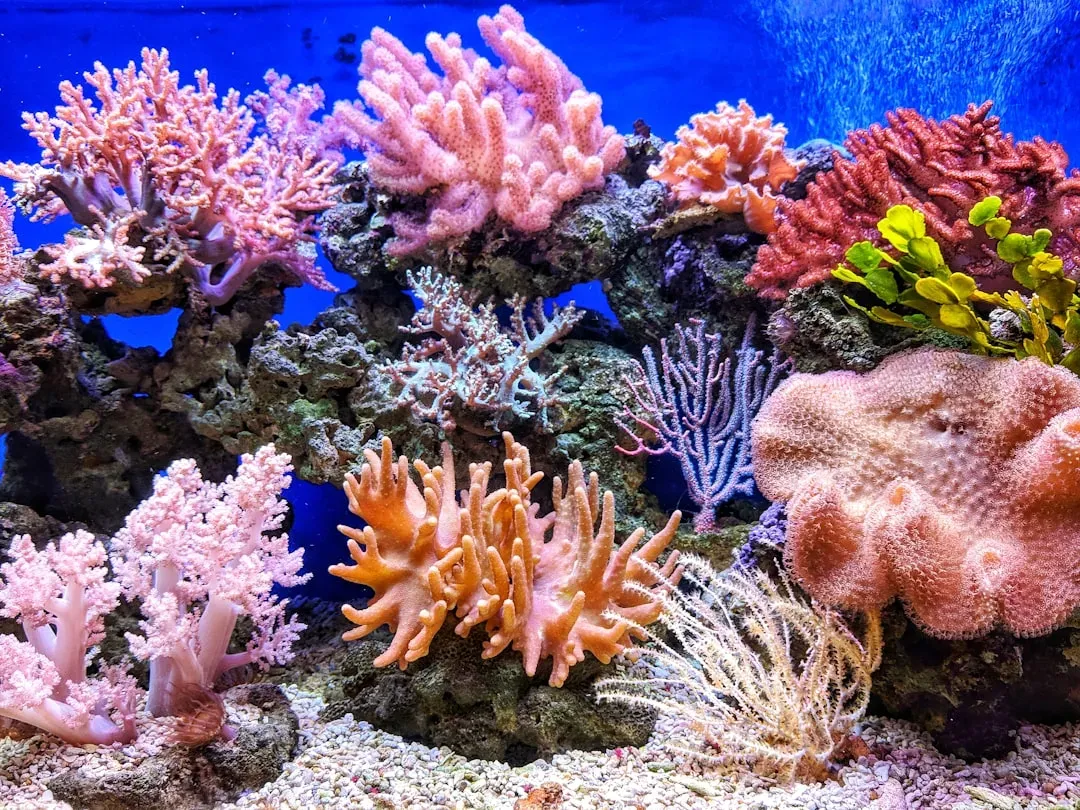
Coral reefs might look like colorful rocks, but they’re actually massive construction projects built by tiny animals called coral polyps. Each polyp secretes calcium carbonate, forming a hard skeleton that becomes the foundation for the next generation. Over thousands of years, this repeated building process creates enormous reef structures that can stretch for hundreds of kilometers.
These reefs act like bustling underwater cities, providing habitat, food, and shelter for an astonishing variety of marine life. They also protect coastlines by absorbing wave energy, working as natural sea walls without any human concrete. Despite being so critical, coral “buildings” are fragile; warming oceans and pollution are like a creeping demolition crew, which makes their engineering brilliance feel both inspiring and bittersweet.
7. Spiders: Web Engineers with Tension Mastery
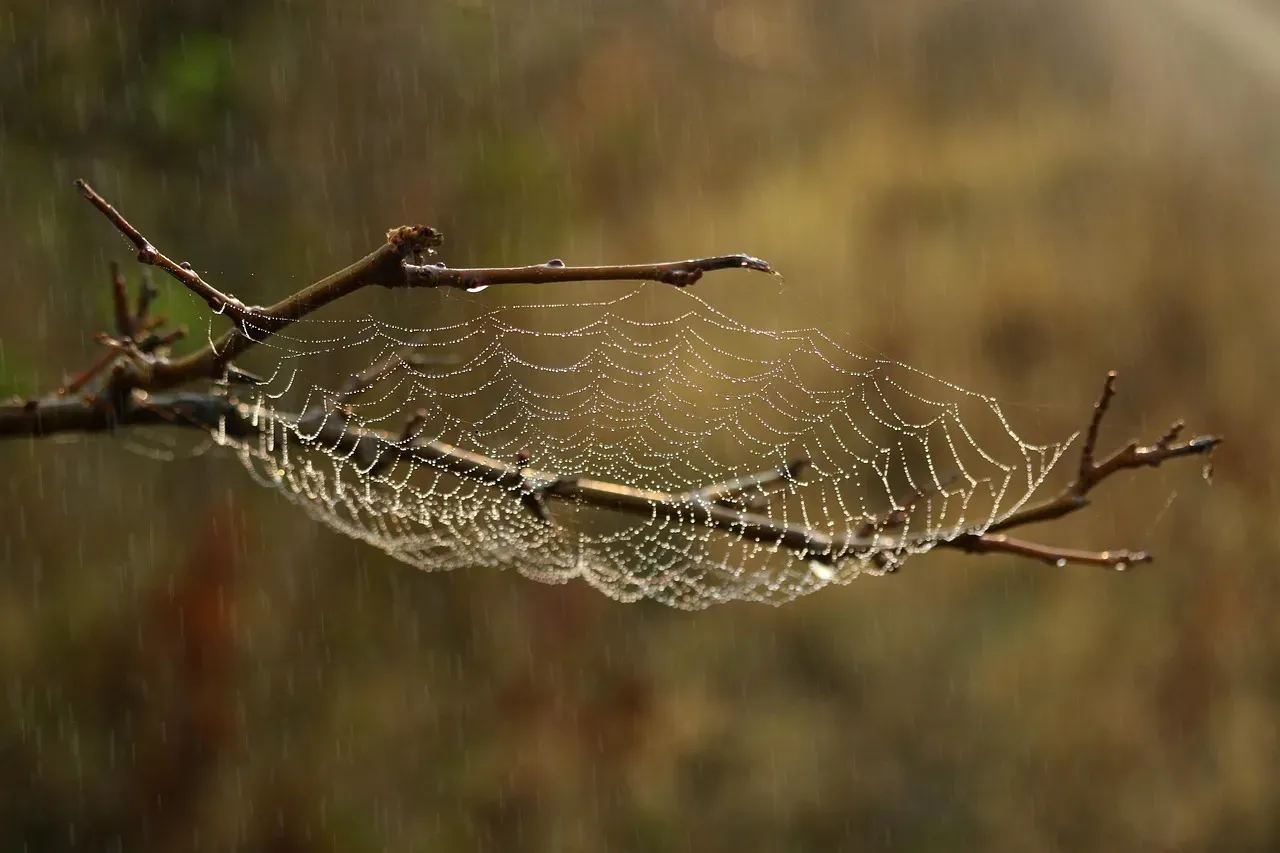
Spider webs look delicate, but their engineering is brutally precise. Orb-weaving spiders, for instance, construct circular webs with radial spokes and spiral threads that distribute tension evenly. The silk itself can be stronger than steel of the same thickness, yet flexible enough to stretch and absorb the impact of flying insects without snapping.
Each part of the web has a job: some threads are sticky to catch prey, others are non-sticky “walkways” so the spider can move around. They constantly repair and rebuild, sometimes eating old silk to recycle the raw material. It’s a bit like watching a structural engineer and a recycling coordinator rolled into one tiny, eight-legged package.
8. Pufferfish: Seafloor Artists with Sand Mandalas
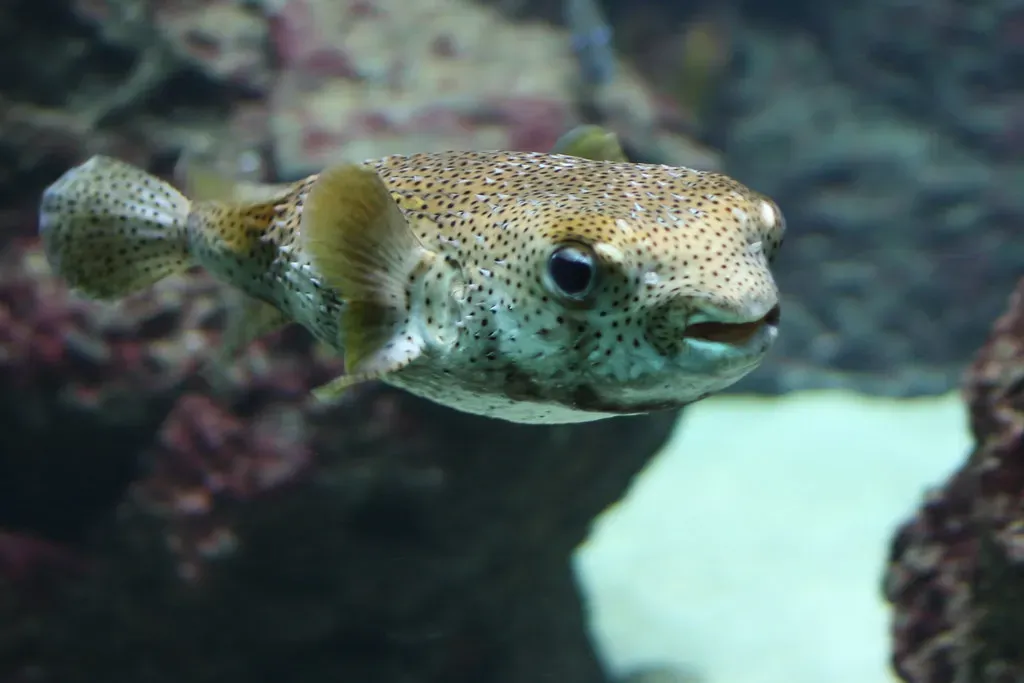
Male pufferfish in certain species create incredibly intricate circles on the ocean floor that look like underwater crop circles. Using only their fins, they carve repeating ridges and valleys in the sand, sometimes adding small shells or bits of debris as decoration. From above, these patterns look like careful mandalas, and they can be several times larger than the fish that made them.
These geometric designs are not random art pieces; they’re nesting sites meant to attract females. The ridges help slow currents and trap fine sand in the middle, creating a softer, protected spot for eggs. Watching a fish sculpt perfect radial symmetry in choppy water feels like seeing a tiny, determined artist working on a masterpiece that tides will eventually erase.
9. Mud Dauber Wasps: Clay Mason Specialists
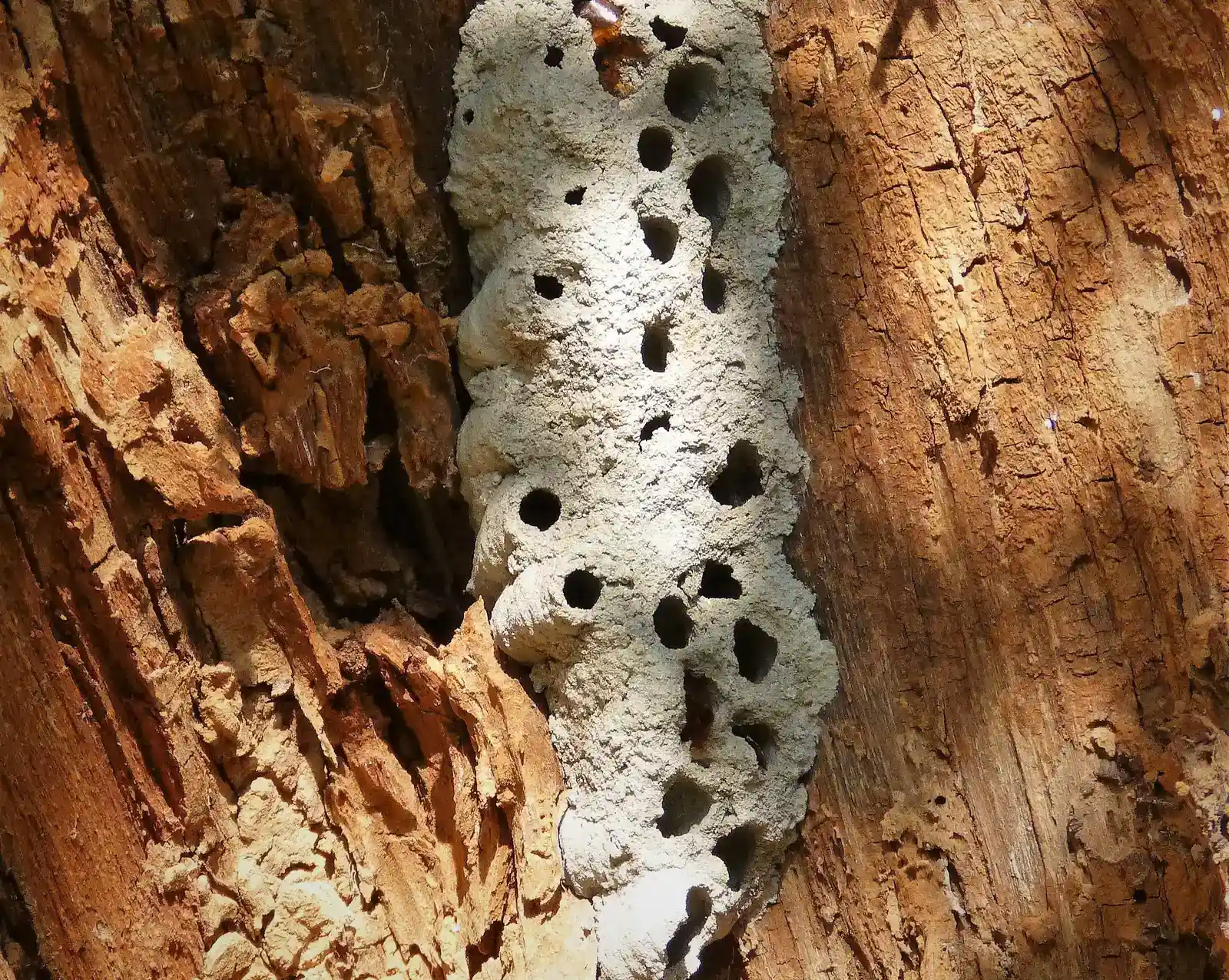
Mud dauber wasps are like solo contractors that specialize in compact, clay-built homes. The female wasp collects wet mud in small pellets, then carefully builds tube-like nests on walls, rocks, or sheltered surfaces. Each tube is crafted layer by layer, smoothed with her mandibles, and divided into individual chambers.
Inside those chambers, she stores paralyzed spiders or insects as food for her future larvae, sealing each cell once it’s provisioned. The nests end up looking like tiny organ pipes or clay flutes tucked under eaves. It’s a rough, rustic kind of architecture, but incredibly functional – solid enough to protect the next generation from weather and hungry intruders.
10. Prairie Dogs: Town Planners of the Grasslands
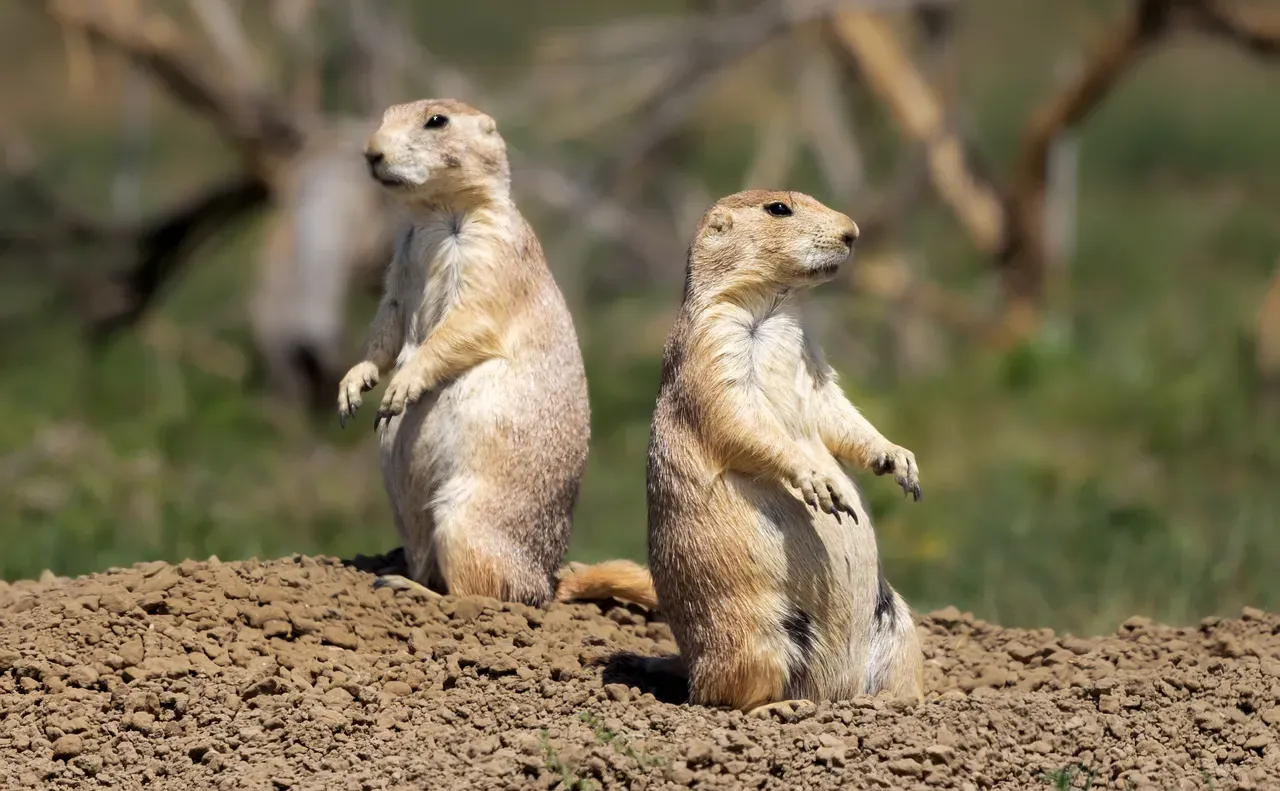
Prairie dogs don’t just dig random holes; they build entire underground towns. Their burrow systems can include different “districts” with nesting areas, escape tunnels, and specific openings for ventilation. Some entrances are raised into little mounds, which help keep floodwater out and give better views of approaching threats.
Above ground, their spacing and lookout behavior make the whole colony feel like a constantly monitored neighborhood. Underground, the tunnels can stretch surprisingly far, connecting multiple family groups in a loose network that scientists often compare to a small town. Standing on a prairie dog colony, you’re basically walking on the roof of an invisible city, supported by thousands of tiny paws and a lot of careful digging.
In a world packed with high-tech gadgets and futuristic materials, it’s oddly grounding to realize that some of the best design ideas are already out there, humming along quietly in forests, oceans, and backyards. Maybe the smartest move we can make is to pay closer attention to these wild architects and what they’ve already figured out. Which of these animal builders surprised you the most?