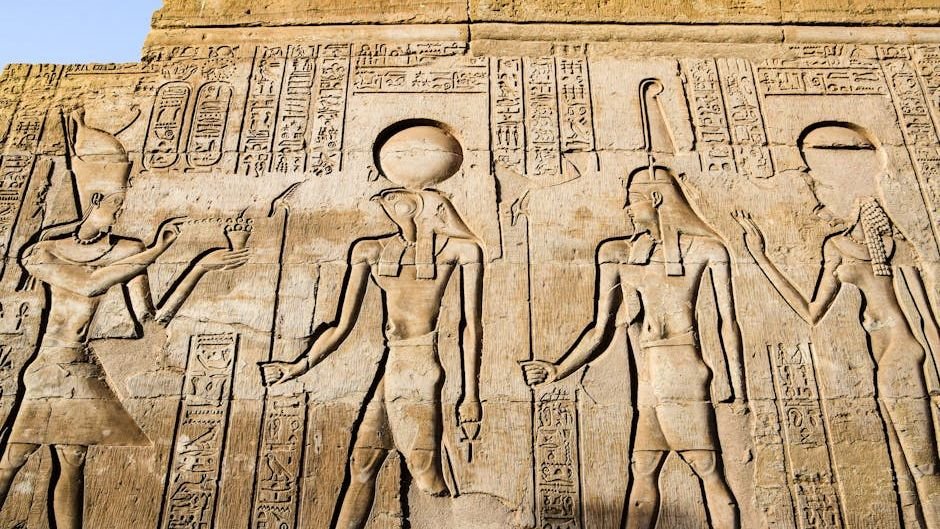

Picture this: a 2,000-year-old machine pulled from the ocean floor, its gears still intact, capable of calculating the movement of planets. Or a medieval book filled with hundreds of pages of a language no one on Earth can read. These aren’t science fiction. They are real objects sitting in museums right now, and they are driving experts absolutely mad with questions.
History is full of answers, but every once in a while, it hands us something that raises more questions than we could ever count. These are the artifacts that make archaeologists go quiet, stare at the ceiling, and reach for another cup of coffee. So buckle up, because what follows is a list of ten ancient mysteries that, honestly, might never be fully solved. Let’s dive in.
1. The Antikythera Mechanism: Ancient Greece’s Impossible Machine
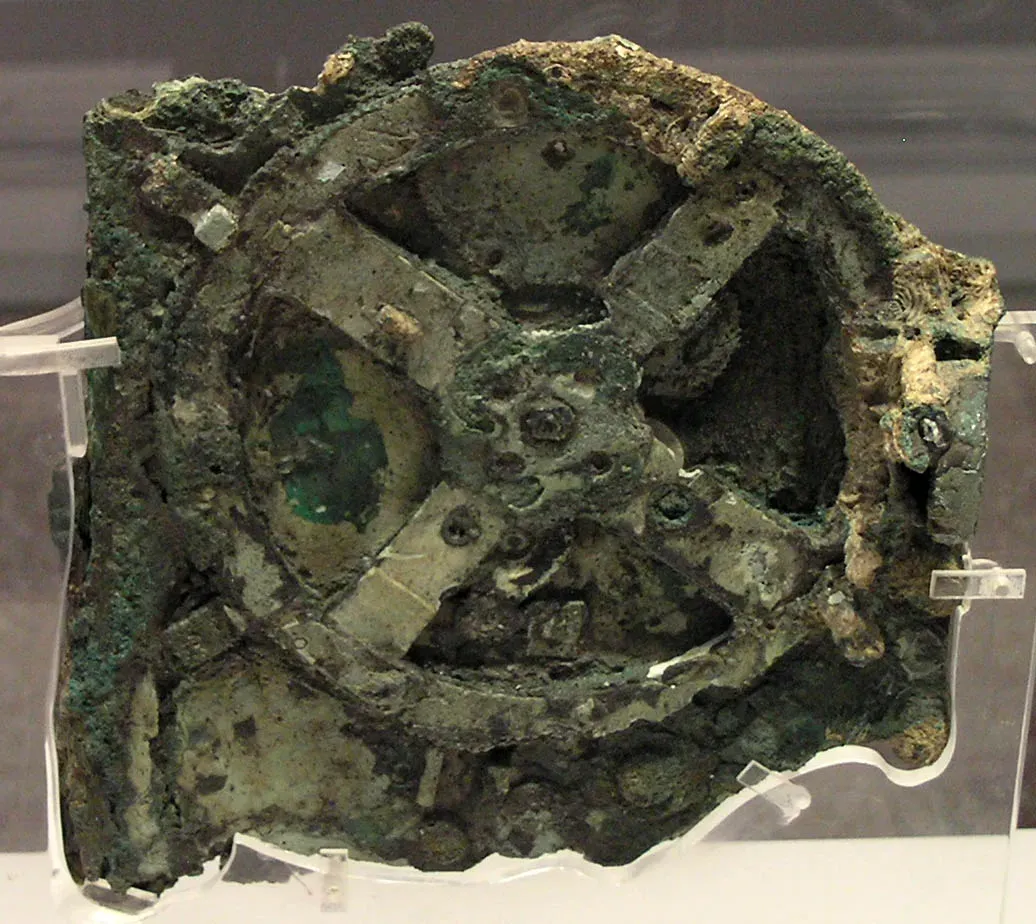
Imagine handing an iPhone to a person living in medieval Europe. That level of shock is roughly what archaeologists felt when they finally understood what had been sitting in a Greek museum storage room since 1901. Discovered in a shipwreck off the coast of the Greek island of Antikythera, the Antikythera Mechanism is often considered the world’s first analog computer. That alone should stop you in your tracks.
Dating back to around 150 to 100 BCE, this intricate device was used to predict astronomical positions and eclipses for calendrical and astrological purposes. What makes the mechanism so mysterious is the sheer complexity of its design, something thought to be far beyond the capabilities of ancient Greek technology. The complexity and workmanship did not appear again in Europe until the development of mechanical astronomical clocks in the 14th century, so how did the ancient Greeks manage to build such a complex calculator? Honestly, we still don’t know.
2. The Voynich Manuscript: A Book Nobody Can Read
![2. The Voynich Manuscript: A Book Nobody Can Read (Beinecke Rare Book & Manuscript Library, Yale University ([1])., Public domain)](https://nvmwebsites-budwg5g9avh3epea.z03.azurefd.net/dws/bfad9d8f172a769fab9a860d9787dabc.webp)
Often referred to as the world’s most mysterious book, the Voynich Manuscript has puzzled scholars, codebreakers, and linguists for centuries. Written in an unknown script and filled with strange illustrations, this 15th-century manuscript has defied all attempts at decipherment. Think about that for a moment. This isn’t an obscure old text left to gather dust. It has been attacked by some of the greatest minds in the world.
The Voynich Manuscript has been studied by professional and amateur cryptographers, including American and British codebreakers from both World War I and World War II. Codebreakers Prescott Currier, William Friedman, Elizebeth Friedman, and John Tiltman were unsuccessful. The manuscript has never been demonstrably deciphered, and none of the proposed hypotheses have been independently verified. Modern handwriting analysis shows that five different scribes worked on the Voynich Manuscript. Five people. A whole team of writers, creating something that still defeats every expert who dares approach it.
3. The Nazca Lines: Giant Drawings Only Visible From the Sky
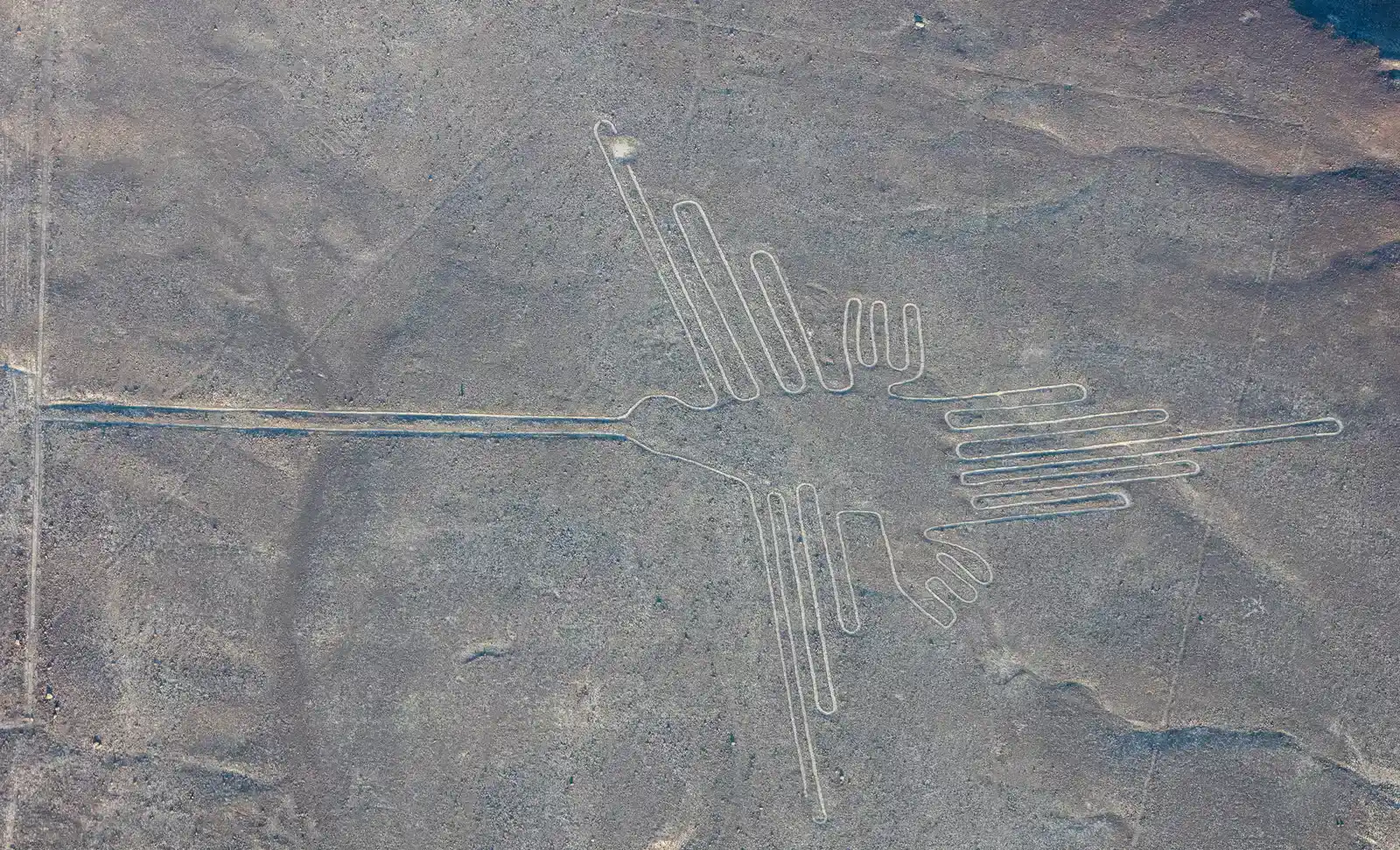
Two hundred miles southeast of Lima, in a desiccated desert that receives less than an inch of rainfall per year, lies another archaeological mystery that still makes scientists scratch their heads. Known as the Nazca Lines, these finds are a collection of unique shapes, first spotted by commercial aircraft, that continue to puzzle archaeologists. The sheer scale of these creations is overwhelming. Some figures stretch for hundreds of meters across the barren earth.
Created by the ancient Nazca culture between 500 BCE and 500 CE, these mysterious figures depict animals, plants, and various geometric shapes. What makes them truly puzzling is their enormous size, precision, and the fact that they can only be fully appreciated from the air. The purpose behind the creation of the Nazca Lines remains a subject of debate. Some theories propose that they served as a form of worship or ceremonial pathways, while others suggest they were astronomical calendars. I think the real mystery isn’t just what they are. It’s why a civilization with no aircraft bothered to make them so perfectly visible only from above.
4. The Baghdad Battery: Did Ancient Iraq Invent Electricity?
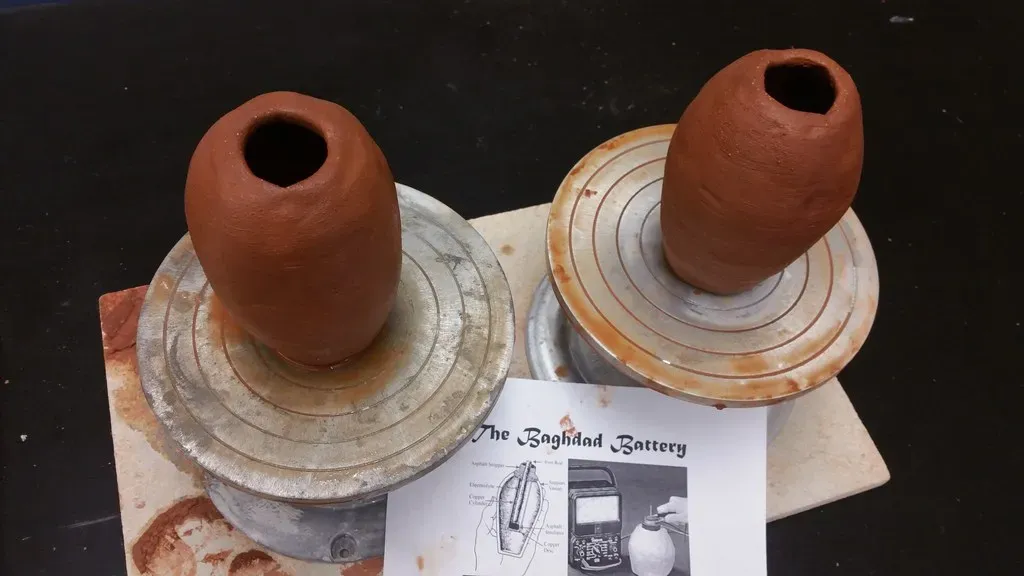
Found in the ruins of a Parthian village near Baghdad, Iraq, the so-called Baghdad Battery has puzzled scientists for decades. This artifact, composed of a clay jar with a copper tube and an iron rod, is believed by some to be an ancient electric battery. However, other theories suggest it may have been used for electroplating or even as a storage jar for sacred scrolls. Its true purpose remains unknown. Here’s the thing: electricity as a formal science wasn’t developed until the 1800s. So what was this thing doing in ancient Iraq?
This is probably one of the most interesting unexplained ancient artifacts currently known to exist. It consists of a clay vessel that houses components that experts say could have been used as galvanic cells meant for electroplating gold, a process that involves the use of electricity and which was developed in the 1800s. So how did that knowledge end up in ancient Baghdad? It’s hard to say for sure, but the implication alone is staggering enough to keep researchers arguing for decades to come.
5. The Stone Spheres of Costa Rica: Perfect Balls With No Explanation
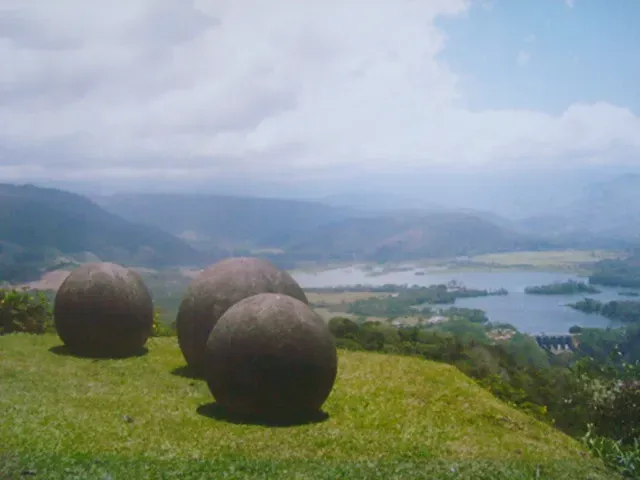
One of the strangest mysteries in archaeology was discovered in the Diquís Delta of Costa Rica. Since the 1930s, hundreds of stone balls have been documented, ranging in size from a few centimeters to over two meters in diameter. Some weigh 16 tons. Almost all of them are made of granodiorite, a hard, igneous stone. These aren’t rough rocks shaped by rivers. They are almost perfectly spherical, which is remarkable enough by itself.
They contain a collection of stone spheres between 0.7 meters and 2.57 meters in diameter, whose meaning, use and production remain largely a mystery. The spheres are distinctive for their perfection, number, size and density, and placement in original locations. Their precision is stunning: they appear to be machine-cut but are actually the work of meticulous indigenous craftsmen, who chiseled, pecked and ground granodiorite using rocks of the same material to create the near-perfect spheres. No written records. No surviving tools. Just perfect stone balls and a silence that speaks volumes.
6. The Neolithic Carved Stone Balls of Scotland: Over 425 Mysteries

The elaborately carved stone balls found predominantly in Scotland and dating from the later Neolithic period, around 3200 to 2500 BC, are one such mystery. Over 425 balls have been found. They are generally the size of a cricket ball and made from a wide variety of stones. Their surfaces are sculpted, sometimes into raised circular disks and sometimes with deep incisions defining knobs and lobes in high relief. Decoration takes the form of spirals or concentric shapes, echoing those found on pottery and monumental stones of the era.
They are rarely, if ever, identical and most are found alone, so they don’t seem to have been part of a set. Some appear to have been heavily handled during their lifetime. The original use of these stone balls has been a source of much debate, right back to their earliest discovery in the 19th century. Were they missiles for deterring predators and pests? Weapons of war? Toys? Or perhaps measuring weights, household ornaments, mnemonic devices, ball bearings to move megaliths, or holders for yarn? The answer still escapes us. You have to admire the creativity of ancient people, even when it leaves us completely baffled.
7. The Roman Dodecahedra: Baffling Bronze Objects Without a Purpose
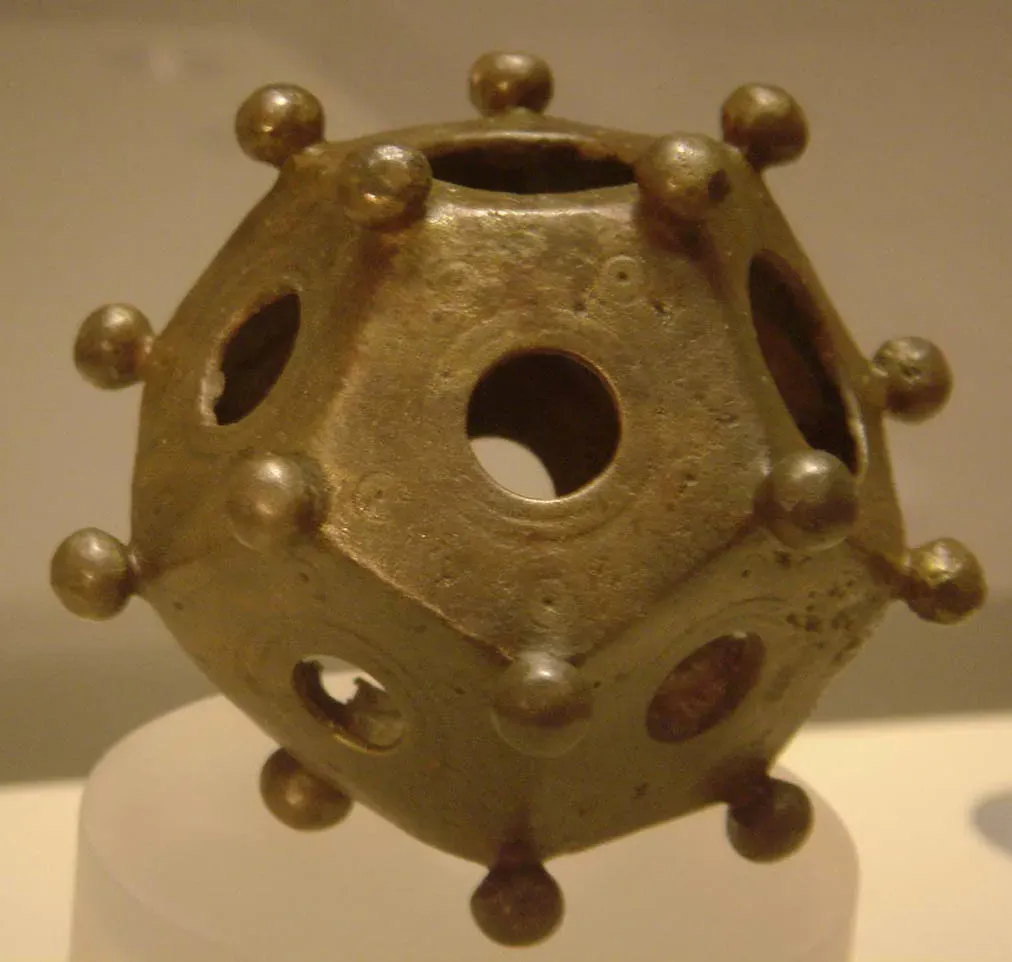
Dodecahedra date from the Roman period in Britain, roughly 43 to 410 AD. About 130 have been found across the north-west provinces of the former Roman empire, each finely crafted from copper alloy. Each one is a twelve-faced geometric bronze object, with holes of varying sizes cut into each face. They are beautiful, precise, and completely unexplained. The Romans documented nearly everything about their world, yet not one ancient writer ever bothered to mention these things.
No representations of these objects are known in ancient art or literature. They do not conform to a standard size and rarely show use-wear which could hint at their purpose. Although armchair experts will tell you their grandmother used one to knit gloves, archaeologists are undecided on their intended use. Let’s be real: when a civilization known for obsessive record-keeping leaves absolutely no clue about an object found across hundreds of sites, you know something strange is going on.
8. The Phaistos Disc: An Undeciphered Message From Minoan Crete
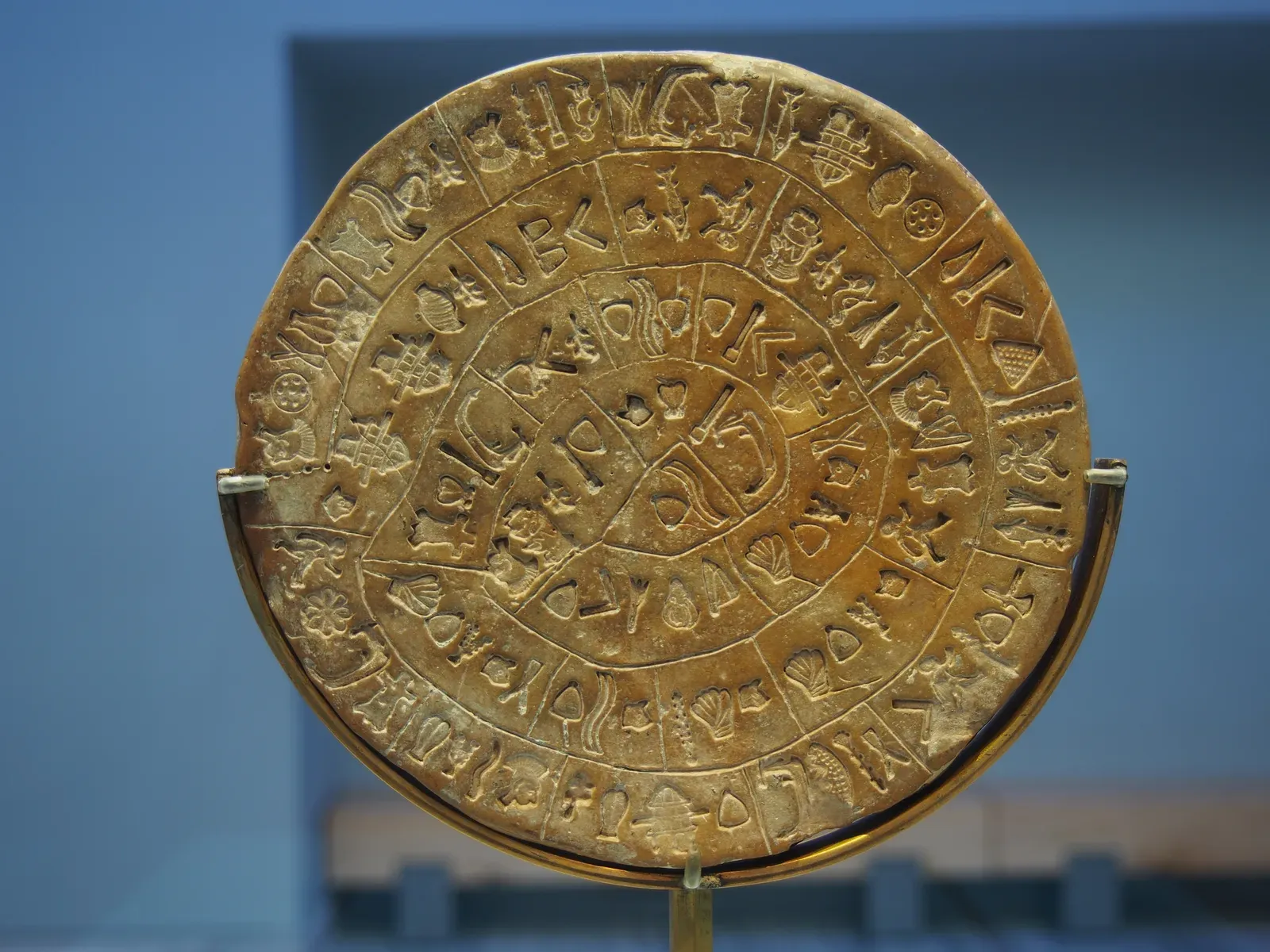
Unearthed in 1908 at the Minoan palace of Phaistos on the island of Crete, the Phaistos Disc is a circular clay tablet inscribed with mysterious symbols. The disc’s purpose and the meaning of its inscription remain unknown, despite extensive study. Some scholars suggest it could be an ancient form of writing, while others believe it might be a game board or calendar. The lack of similar discoveries makes it difficult to contextualize the disc within Minoan culture, further adding to its mystique.
The Phaistos Disc is a circular clay disc discovered in Crete, inscribed with mysterious symbols. Dating back to around 2000 BCE, its script remains undeciphered, sparking numerous theories about its purpose. Think about that timeline. This object has been sitting on this planet for roughly four thousand years. Entire civilizations rose and fell. Empires conquered and crumbled. Languages were born and died. Yet nobody has ever cracked this particular code. That, if nothing else, should fill you with a deep and restless kind of wonder.
9. The Piri Reis Map: A Chart That Shows What Shouldn’t Be Known
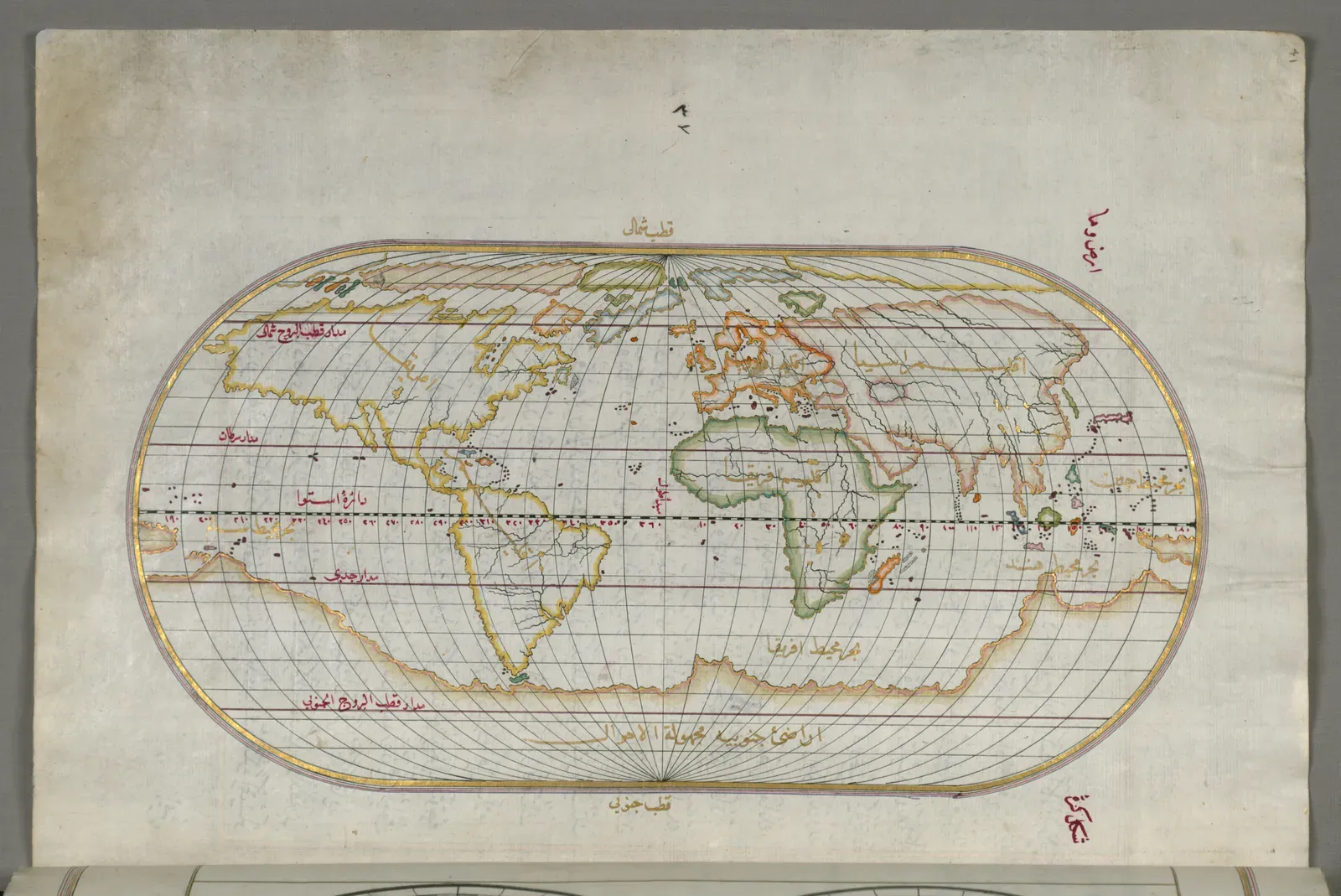
Drawn in 1513 by Ottoman admiral and cartographer Piri Reis, this map has fascinated historians and archaeologists for decades. While it mainly depicts parts of Europe, North Africa and South America, the most puzzling aspect is its apparent representation of Antarctica centuries before the continent was officially discovered in 1820. Even more intriguing, the map seems to depict Antarctica without ice, suggesting knowledge of the continent’s topography that would have been impossible for people of that time.
The Piri Reis Map dates to the early 1500s. It shows the coastlines of Africa, Europe, and South America with unbelievable precision. The map was constructed by general and cartographer Piri Reis, hence the name. Some researchers believe it could be based on older maps from unknown civilizations, but this remains unproven. Whether it reflects lost geographical knowledge or a spectacular coincidence of early cartography, the map refuses to offer a simple answer. Imagine drawing a continent that no one officially knew existed. How does something like that happen?
10. The Sacsayhuaman Walls: Stones That Defy Explanation
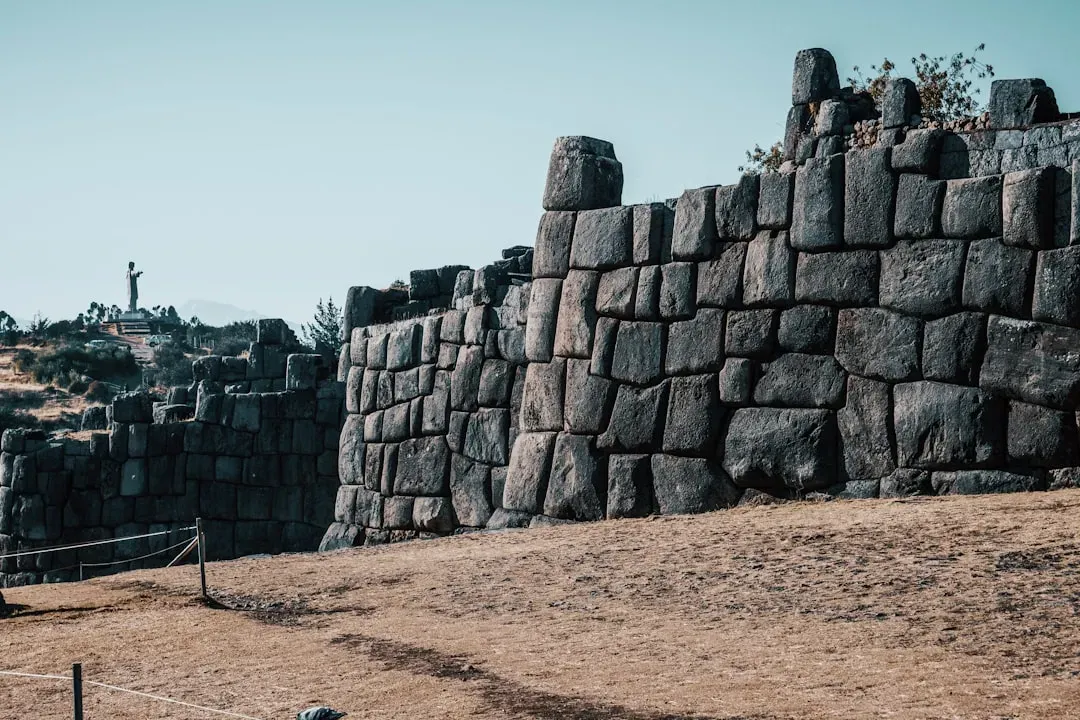
Located in Peru, the Sacsayhuaman Wall is a megalithic structure built with enormous stones that fit together with remarkable precision without the use of mortar. This walled complex is located just outside of Cusco, Peru, and is part of what used to be the capital of the Inca Empire. The strangest part about Sacsayhuaman lies in the details of its construction. The rock slabs fit together so tightly that it’s impossible to slide even a strand of hair between them. It serves as a lasting testament to the precision of ancient Incan architecture.
Some of the stones used in this structure weigh over 100 tons, and they were transported from quarries miles away with no wheels, no iron tools, and no machinery as we understand it today. It’s the architectural equivalent of someone solving a jigsaw puzzle blindfolded, in the dark, using boulders the size of school buses. Constructed using more than 2,300,000 blocks weighing an average of 2.5 tons, archaeologists and historians are still scratching their heads regarding how such ancient structures were built. The stones fit so precisely that modern engineers have openly admitted the task would challenge even today’s best construction technology.
A Final Thought on the Mysteries We May Never Solve
There is something deeply humbling about all of this. We live in an era of satellite imaging, artificial intelligence, carbon dating, and DNA sequencing. These mysterious artifacts offer more than just historical curiosity. They serve as reminders of how much we still don’t know about ancient civilizations. Whether the result of lost knowledge, unexplained technologies, or misunderstood contexts, these items invite us to keep exploring and questioning our understanding of history.
Every single item on this list has been studied by brilliant, dedicated people spending entire careers trying to find the answer. Some clues have emerged. Some theories are more convincing than others. Yet the core mystery of each artifact remains stubbornly intact, like a locked door with no keyhole. In the world of archaeology, every discovery is a piece of a never-ending puzzle. As we delve into these ancient mysteries, we are reminded of the incredible ingenuity, creativity, and complexity of our ancestors.
Honestly, maybe that’s the point. Maybe some things from the ancient world were never meant to be fully understood by the people who came after. Or maybe, just maybe, the answers are still out there buried in the earth somewhere, waiting for the right person with the right shovel. Which of these ten mysteries surprised you the most? Tell us in the comments.