

Most of us walk around feeling pretty ordinary. We complain about stiff backs, bad sleep, and feeling tired, and we rarely stop to think about how wildly powerful and adaptable our bodies actually are. Yet hidden in everyday life are quiet, almost superhero-level abilities that you use constantly without even realizing it.
Once you start noticing these built‑in “superpowers,” it’s hard to unsee them. Your skin is constantly rebuilding itself, your bones are reshaping based on how you move, your brain is editing reality for you in real time, and your immune system is running a nonstop security operation. None of this feels dramatic because it’s happening in the background. But give it a closer look, and your “average” human body starts to look anything but average.
Regeneration: Your Skin’s Constant Rebuild Mode

Here’s something wild: the outer layer of your skin is basically brand‑new every month or so. Cells in your epidermis are constantly dying, flaking off, and being replaced by fresh ones pushed up from below, like an endless cellular conveyor belt. That means the face you see in the mirror today is literally not the same surface you had a few weeks ago.
This regeneration kicks into high gear when you’re injured. Small cuts, scrapes, and burns often heal without a trace because your body rapidly creates new cells, lays down collagen, and rebuilds tissue as if it’s following a well‑rehearsed script. It’s not instant, and scars can form with deeper damage, but even then your skin continues remodeling them over time. You don’t need to tell it what to do; it just quietly gets to work.
Bone Remodeling: The Skeleton That Rebuilds Itself
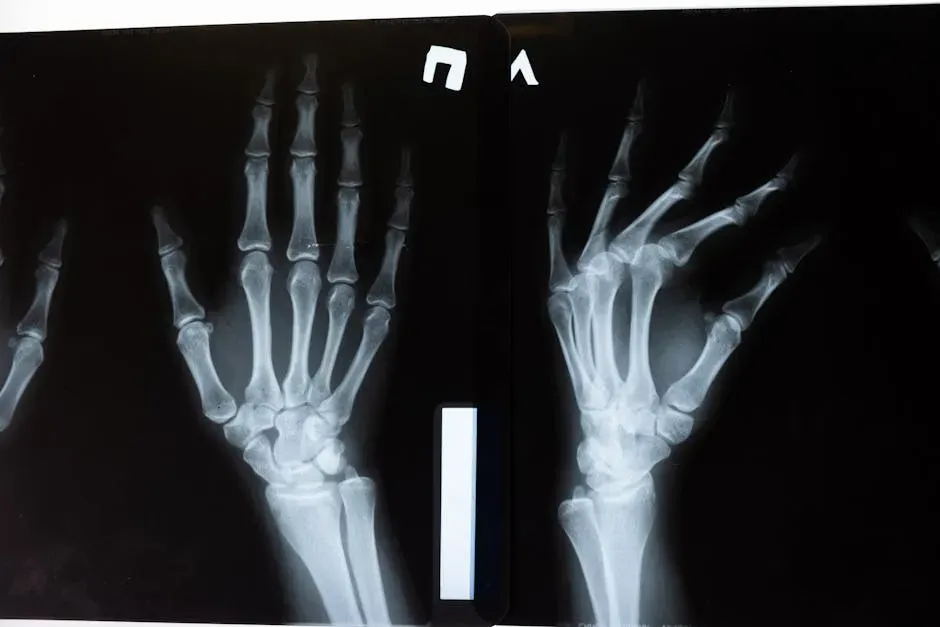
Your skeleton seems like a rigid, permanent structure, but it’s surprisingly dynamic. Throughout your life, specialized cells are constantly breaking down old bone and building new bone in a process called remodeling. Over the span of roughly a decade, much of your skeleton has effectively been renewed, even though it feels completely solid the whole time.
This is more than just maintenance; it’s adaptation. When you put stress on your bones through walking, lifting, or exercise, they respond by getting denser and stronger in the areas that need it most, like a bridge being reinforced where traffic is heaviest. Sit too much or avoid loading your body, and the opposite can happen: bones weaken because there’s no signal to keep them robust. It’s a quiet reminder that your everyday habits are literally shaping your structure.
Pain as Protection: Your Built‑In Alarm System

Pain feels like an enemy when you’re in the middle of it, but in many ways it’s one of your most powerful survival tools. Those sharp, nagging, or burning sensations are your body’s alarm system warning you that something is wrong and needs attention. Without it, people can walk on broken bones, burn their skin, or injure joints without realizing it, causing serious damage.
What’s fascinating is how finely tuned this system can be. Pain levels adjust based on context, emotion, and attention, which is why athletes sometimes finish a game with an injury they only notice later, or why pain can flare when you’re stressed and ease when you’re calm. Your brain is not just receiving pain signals; it’s interpreting and modulating them like a control center, trying to balance protection with function.
Neuroplasticity: The Brain That Rewires Itself
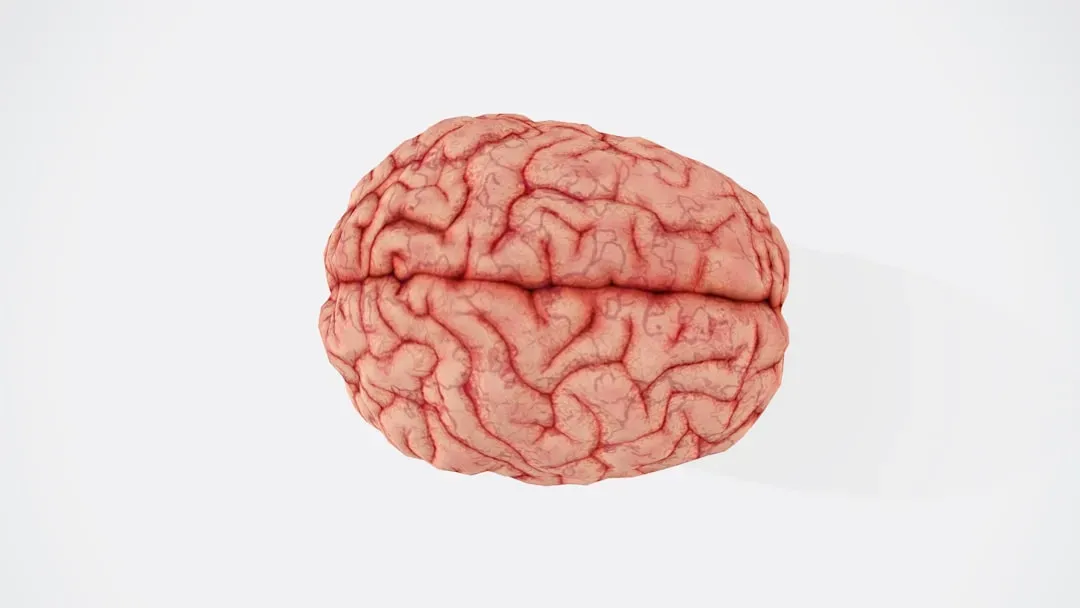
For a long time, people thought the brain was mostly fixed after childhood. We now know that’s not true. Your brain is constantly forming new connections, strengthening some pathways and letting others fade, depending on what you do, what you practice, and what you pay attention to. This ability to rewire itself, called neuroplasticity, is why you can learn new skills well into old age.
Think about how clumsy you feel the first time you try something new, like playing an instrument or learning a new language. Over time, with repetition, the movements or words become smoother and more automatic because your brain has literally reorganized to make that task more efficient. Even after injuries like a stroke, other regions of the brain can sometimes take over lost functions, which is a pretty impressive backup system for something so complex.
Immune Intelligence: Your Internal Security Force
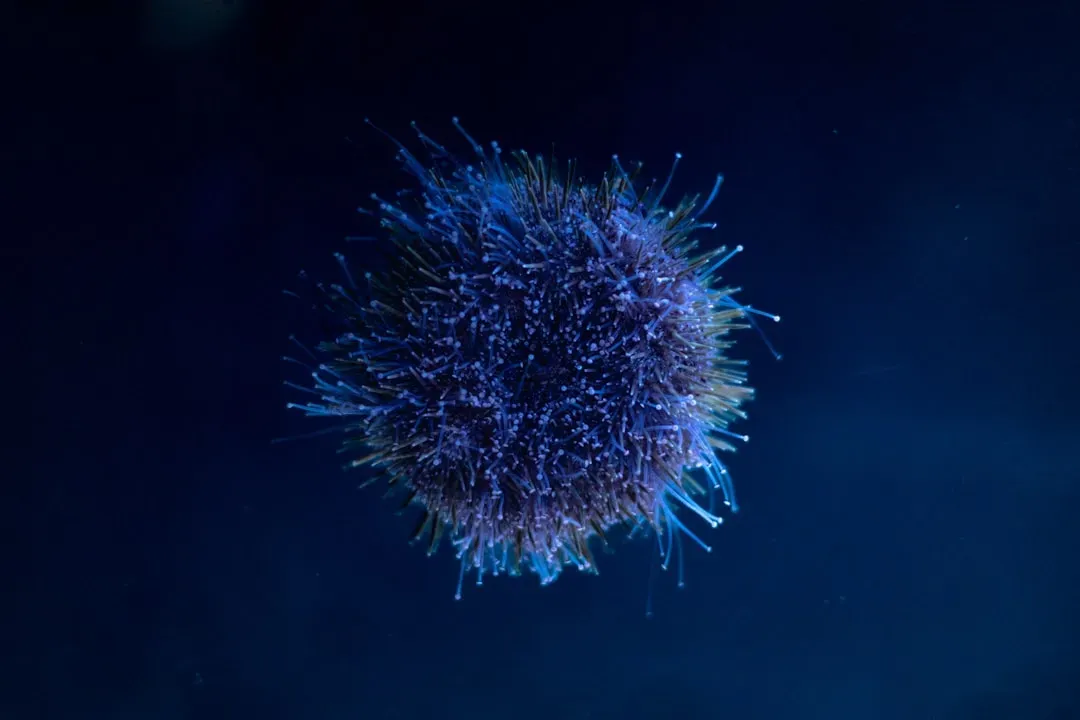
Right now, without any conscious effort, your immune system is scanning for invaders, flagging threats, and launching targeted responses. It’s like a high‑tech security team running cellular ID checks on everything that passes through your body. Most of the time you don’t even notice the battles it wins, because they’re over before symptoms begin.
One of its most underrated superpowers is memory. After you’re exposed to a virus or receive a vaccine, certain immune cells remember what that threat looks like. If it shows up again, your response is faster and often stronger, sometimes so efficient that you barely feel sick. When you consider how many germs you encounter daily, the fact that you’re not constantly ill is pretty astounding.
Super Senses: Seeing, Hearing, and Feeling More Than You Notice

Your senses pick up far more information than you’re consciously aware of. Your eyes detect tiny shifts in light and color, your ears can distinguish small changes in pitch and volume, and your skin can register something as subtle as a stray hair brushing against it. Yet your brain filters most of this out so you’re not overwhelmed, serving you only what seems most important.
Even so, that extra data doesn’t go to waste. You might get a “bad feeling” about a situation because your brain has silently noticed details in body language, tone, or the environment that don’t match past safe experiences. A familiar smell can bring back a vivid memory in seconds. These moments feel almost psychic, but really they’re your senses and brain working together at high speed behind the curtain.
Automatic Balance: The Art of Staying Upright

Walking looks simple because you’ve done it for so long, but it’s actually a carefully choreographed balancing act. Your inner ear, eyes, muscles, and joints are constantly sending information to your brain about position, speed, and direction. In response, your brain sends rapid corrections back to your muscles to keep you upright, step after step, without you needing to think about it.
You notice how advanced this system is only when something disrupts it. A slippery floor, a moving train, or a sudden push can throw off your balance, yet you often catch yourself with a quick adjustment. That automatic stabilization is happening in fractions of a second, faster than conscious thought. It’s essentially your own built‑in stabilization system, more responsive than most gadgets we design.
Sleep Repair Mode: Nightly Deep Maintenance

Sleep sometimes feels like wasted time in a busy world, but biologically it’s anything but. While you’re out, your brain is clearing metabolic byproducts, consolidating memories, and fine‑tuning neural connections. Certain hormones surge at night to support tissue repair, muscle growth, and immune function, like a maintenance crew that only works during off‑hours.
That’s why even one bad night can leave you foggy, emotional, and more susceptible to getting sick. Over time, chronic lack of sleep affects nearly every system in your body, from blood sugar control to mood regulation. On the flip side, when your sleep is solid, your body quietly uses that window to clean up, sort information, and prepare you to function better the next day, almost like hitting a reset button.
Metabolic Adaptability: Fuel‑Switching on the Fly

Your body has a clever way of keeping you going regardless of when you last ate. It can use different energy sources – carbohydrates, fats, and sometimes proteins – and switch between them depending on what’s available and what you’re doing. After a meal, it leans more on glucose; when you go longer without food, it gradually taps into stored fat, like a hybrid car changing power modes.
This adaptability is why you don’t instantly pass out the moment your stomach is empty. Hormones adjust your appetite, energy levels, and even how your body stores or burns fuel. Although extreme dieting or overeating can push this system too far, the underlying flexibility is a quiet superpower that helped humans survive irregular food supplies long before grocery stores existed.
Emotional Contagion: Hidden Social Superpower

Spend enough time with someone anxious or upbeat, and you may notice your own mood shifting in the same direction. Humans are wired to pick up and mirror emotional cues – through facial expressions, tone of voice, posture, and tiny shifts we barely notice. This emotional contagion can happen within seconds, often before you’ve consciously identified what the other person is feeling.
This might sound like a weakness, but it’s also a powerful bonding tool. It helps groups coordinate, empathize, and respond quickly to danger or opportunity. In my own life, I’ve walked into a room of people laughing and felt my stress dissolve almost instantly, even if I didn’t know the joke. Your ability to absorb and reflect emotion makes you more connected and, in a way, more collectively intelligent than you might think.
Conclusion: Ordinary Bodies, Extraordinary Abilities

When you step back and look at all of this together – regenerating tissues, rewiring brains, adaptive bones, shifting metabolism, and a constantly learning immune system – it’s hard to see the human body as ordinary anymore. Most of your most impressive abilities are so seamless you only notice them when something goes wrong. The rest of the time, they’re quietly working in the background, keeping you upright, alive, and able to adapt.
Maybe the most surprising part is that you don’t have to do anything heroic to access these “superpowers”; you already use them every day. The real challenge is to support them with sleep, movement, nutrition, and relationships that make their job easier instead of harder. Next time you’re tempted to be harsh on your body, it might be worth pausing and asking yourself: for something this powerful, am I giving it enough credit?