
Some people leave behind monuments, portraits, and thick biographies. Others leave almost nothing but questions. There’s something strangely haunting about the idea that a person could shake an empire, terrify a city, or inspire entire legends, and yet we still don’t truly know who they were. They feel half-real, like shadows standing just outside the light of history.
In a world where nearly everyone is traceable with a few clicks, these cases hit differently. They remind us that, for most of history, records were patchy, biased, or easily lost. What survives are fragments: names that might be aliases, letters that might be forgeries, and stories that might be myths piled on top of maybe one real person. Let’s step into that fog and look at ten figures whose identities remain stubbornly hidden.
1. The Man in the Iron Mask
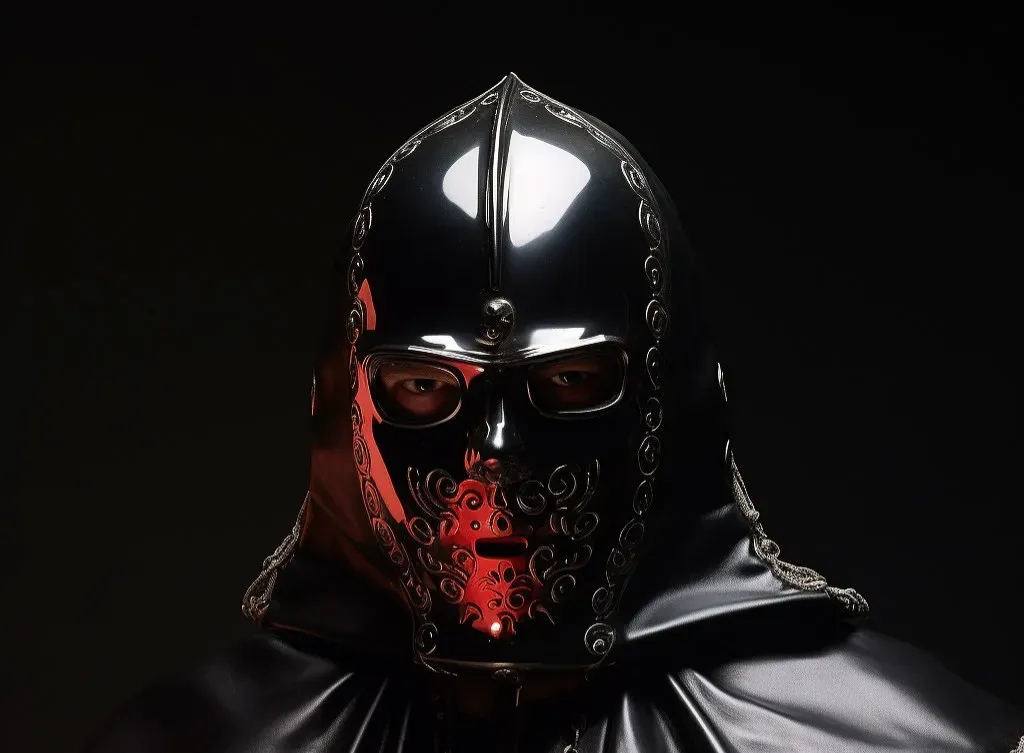
The image is so vivid that it feels like it must be true: a nameless prisoner, locked away for decades in France, his face hidden by a mask so that no one could ever recognize him. The story comes from real records of a long-term prisoner held under extreme secrecy during the reign of Louis XIV, but the famous iron mask was probably made of velvet or leather, not metal. Still, the aura of cruelty and paranoia around his case has made the legend more powerful than the sparse facts.
Historians have suggested he might have been a disgraced noble, a valet who knew too much, or even a relative of the king, hidden to protect the royal family’s image. None of these theories has ever been proven, and the French archives, while detailed in some ways, never definitively reveal his name. What we do know is that extraordinary effort went into keeping this man hidden, even in death. When authorities work that hard to erase someone, it only makes people more determined, centuries later, to ask who he really was and what he knew.
2. Jack the Ripper
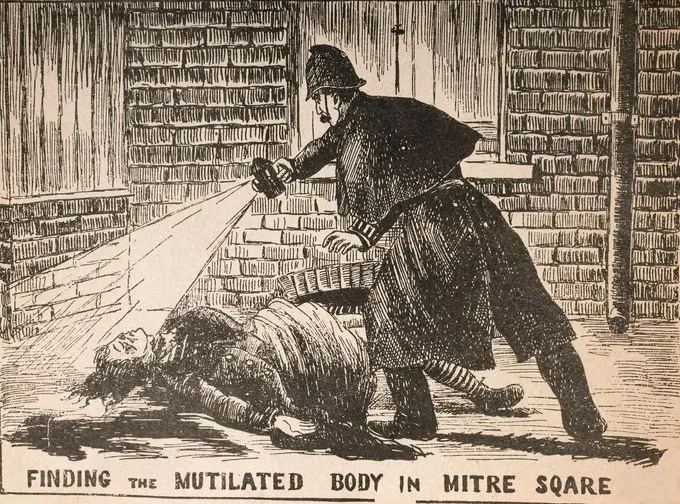
Few historical mysteries feel as disturbingly modern as Jack the Ripper. In the late nineteenth century, in the crowded streets of London’s Whitechapel district, a brutal killer murdered several women, all of them living on the margins of a rapidly industrializing city. Newspapers of the time spread lurid accounts, turning the unknown murderer into a kind of dark celebrity. It’s chilling how quickly the case became not just about the victims, but about the mysterious persona of “Jack.”
Since then, more suspects have been proposed than you could reasonably count: doctors, artists, butchers, royals, and complete nobodies. Forensic re-examinations, new investigative techniques, and DNA tests have all been claimed as the final answer at one time or another, but none has held up under serious scrutiny. Part of the problem is that the original investigation was chaotic and influenced by class prejudice, misinformation, and public panic. The real person behind the name “Jack the Ripper” is almost certainly lost, but the shadow he cast over how we think about serial crime has never really faded.
3. The Princes in the Tower
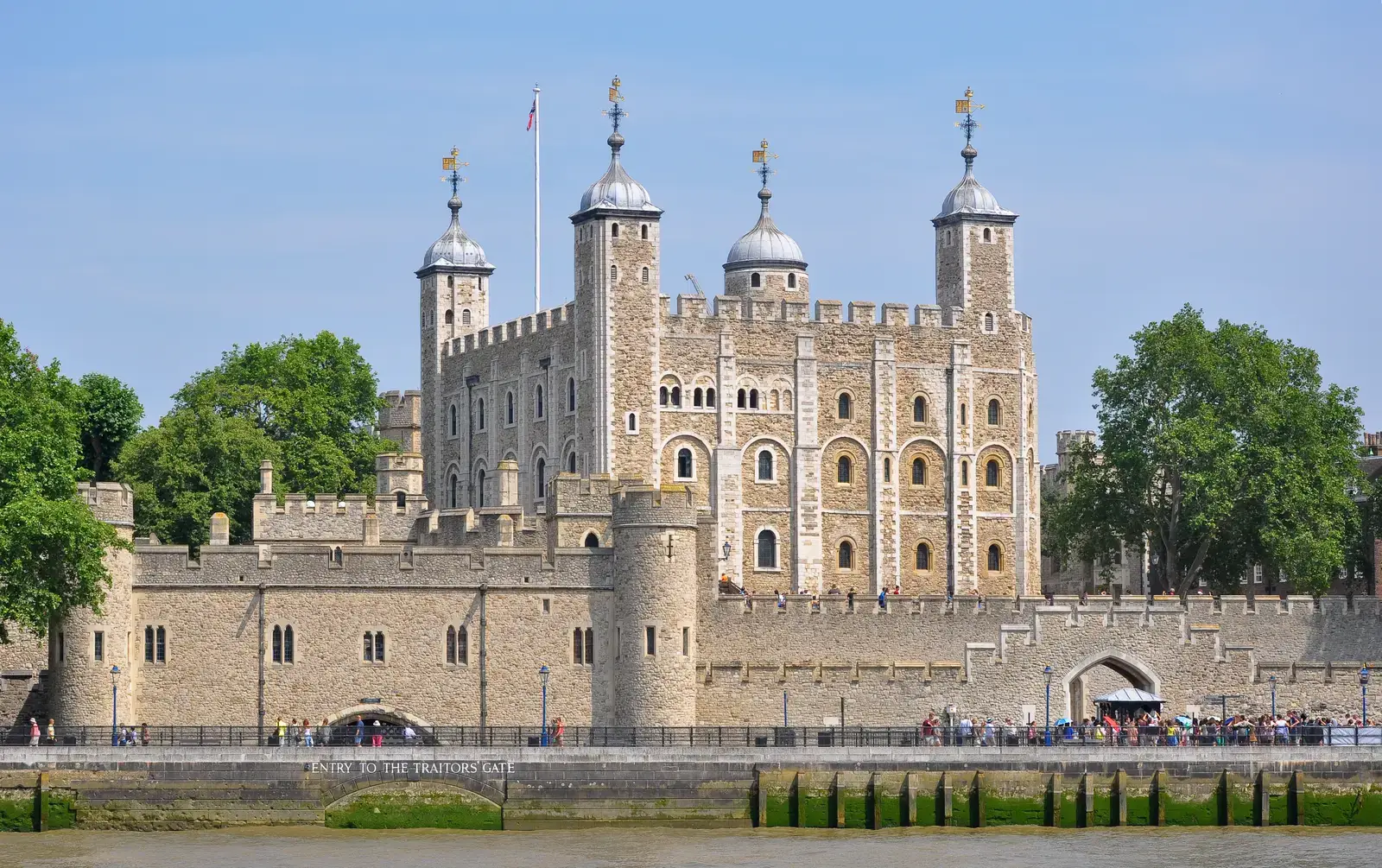
Two boys, princes of England, disappear in the late fifteenth century, and the entire country changes because of it. Edward V and his younger brother Richard, Duke of York, were placed in the Tower of London supposedly for their protection while political chaos swirled around them. Then, suddenly, they were gone. No official explanation, no public funeral, just silence. That silence has been echoing through English history ever since.
Some bones found centuries later in the Tower are often cited as possible remains of the princes, but no fully accepted proof has ever confirmed their fate or their resting place. Their uncle Richard III is widely suspected of arranging their deaths to secure his own claim to the throne, though defenders argue he’s been unfairly vilified. Other theories point to rival noble families or later political rivals. The boys’ true identities as living people seem to have been swallowed by the propaganda wars that followed, leaving us with more questions than answers about who they were allowed to be before they became symbols.
4. The True Author Behind the Name “Homer”
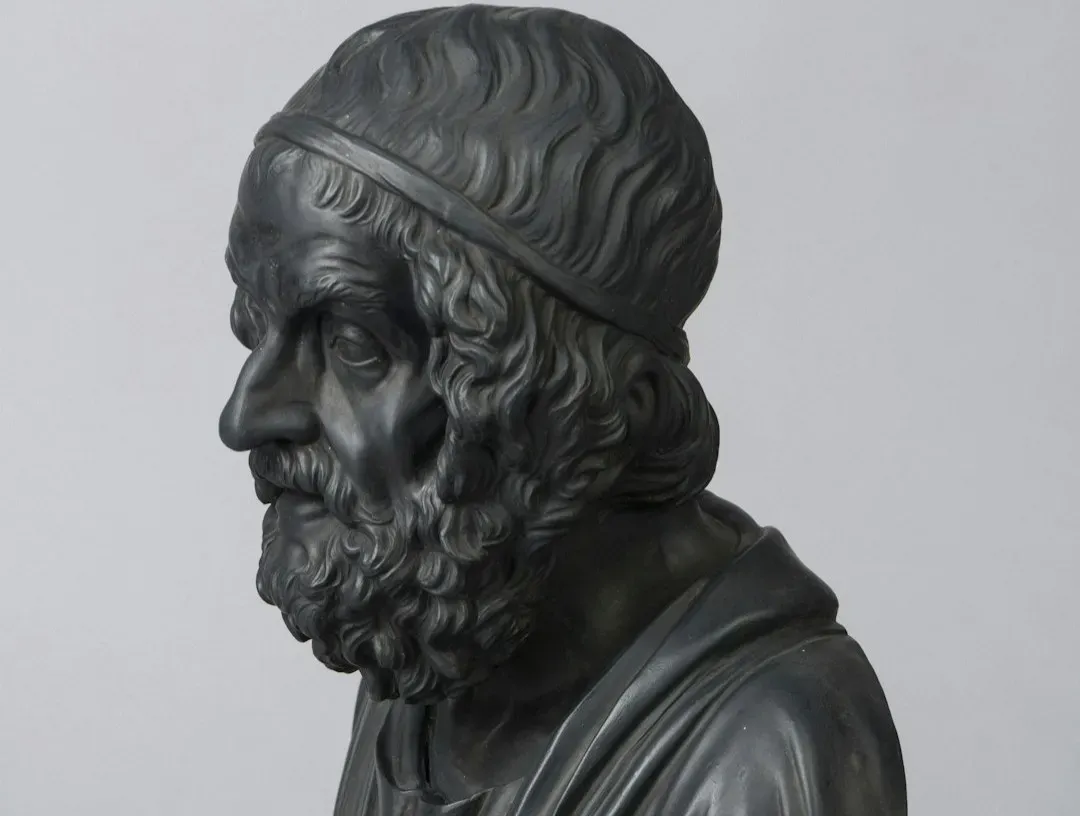
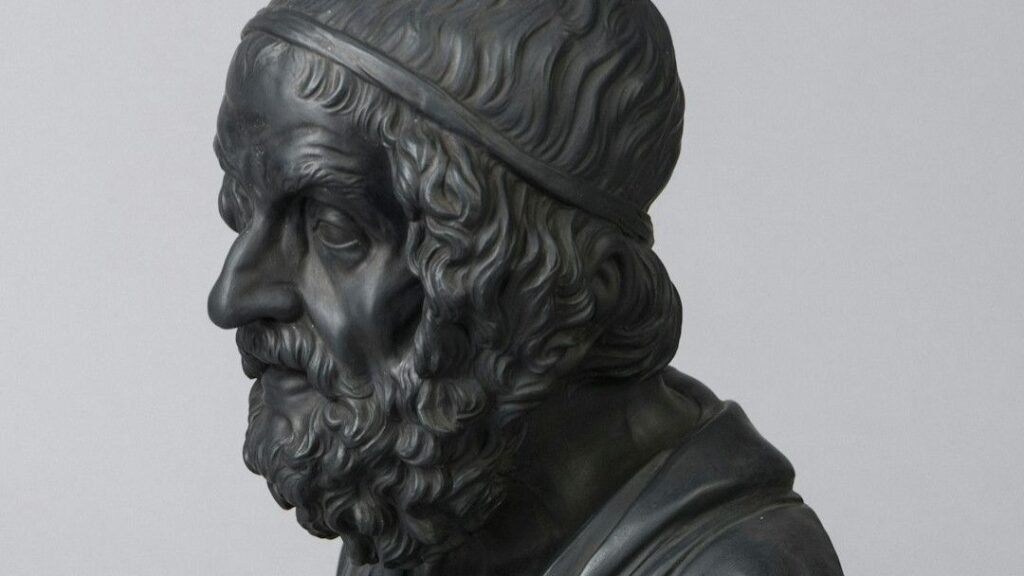
We say “Homer” the way we say “Shakespeare,” as if the name is obviously tied to one real writer with a clear biography. But when it comes to Homer, the supposed author of the Iliad and the Odyssey, things get very murky. Ancient sources themselves disagreed on where he was from, when he lived, and even whether he was one person or several. There’s a good chance that what we now call “Homer” might be a label slapped onto a long oral tradition shaped by many voices.
Modern research suggests the epic poems were refined over generations by skilled storytellers before being written down. That means the identity behind “Homer” could be less of an individual and more of a literary shell that hides a collective process. Some scholars think there may have been a core poet who gave the epics their final shape, but there’s no reliable biography to grab onto. This uncertainty doesn’t make the poems less powerful; if anything, it makes them more strange and impressive, like a cathedral built slowly by many hands, with no single architect we can truly name.
5. The Masked Pharaoh: Smenkhkare and the Amarna Puzzle
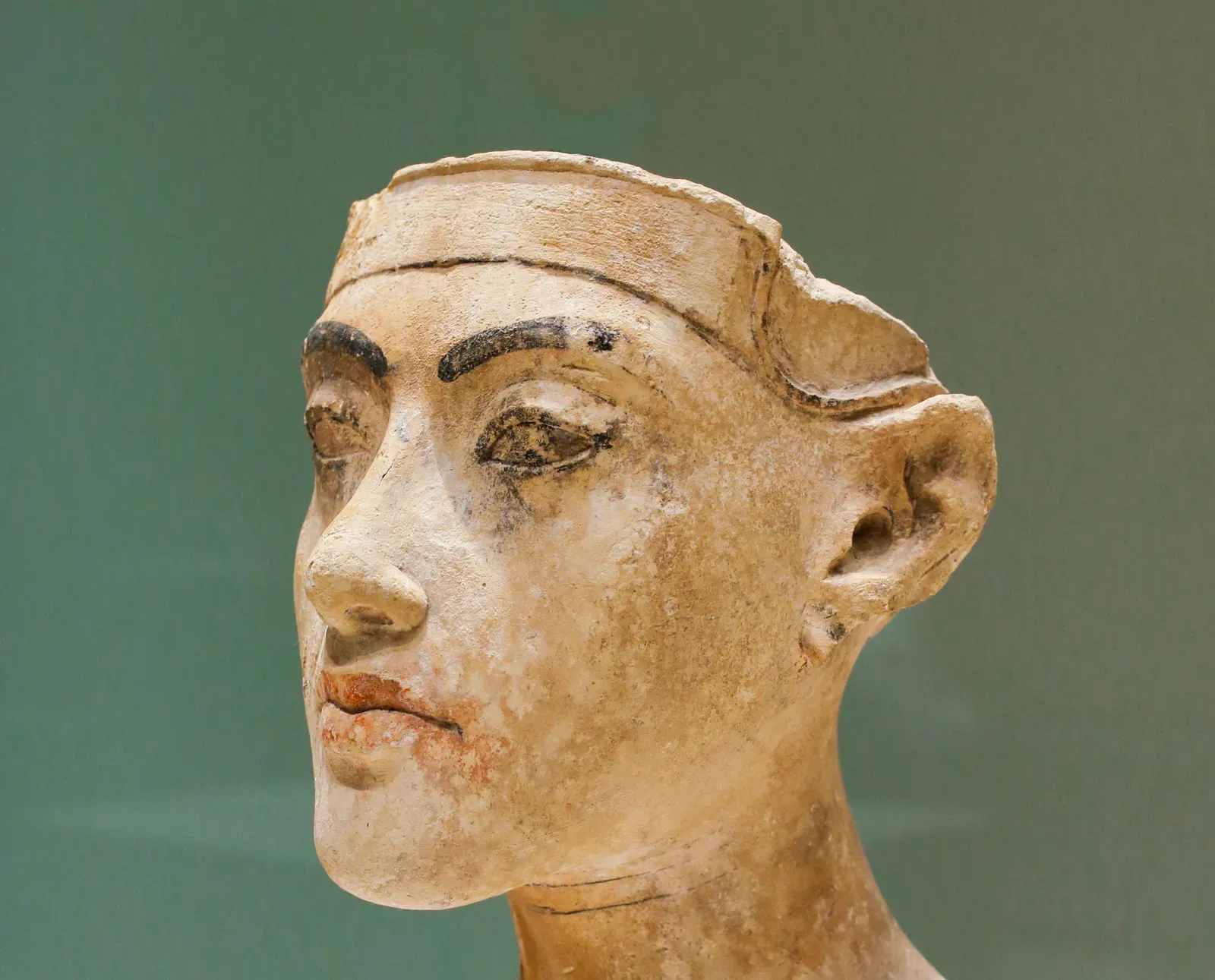
Ancient Egypt gives us so many vivid faces carved in stone, yet one of its rulers might be almost invisible. Smenkhkare appears briefly in the historical record around the time of the heretic pharaoh Akhenaten, during a period when the old religious order was being overturned. The name shows up on a few artifacts, but the relationships are a mess: was Smenkhkare Akhenaten’s brother, his son, a co-ruler, or even the same person under a different title?
Some theories suggest Smenkhkare might even have been Nefertiti ruling under a new royal name, which would make this figure not just mysterious but radically different from the usual story. DNA analyses of mummies from the period have clarified some family links, yet they haven’t put the Smenkhkare question to rest. What we’re left with is a kind of phantom pharaoh, crucial to a turning point in Egyptian religion and politics, but nearly faceless in the official record. It’s like seeing a single blurry frame in an otherwise vivid film and knowing that moment changes the entire plot.
6. The Identity of the Voynich Manuscript Author
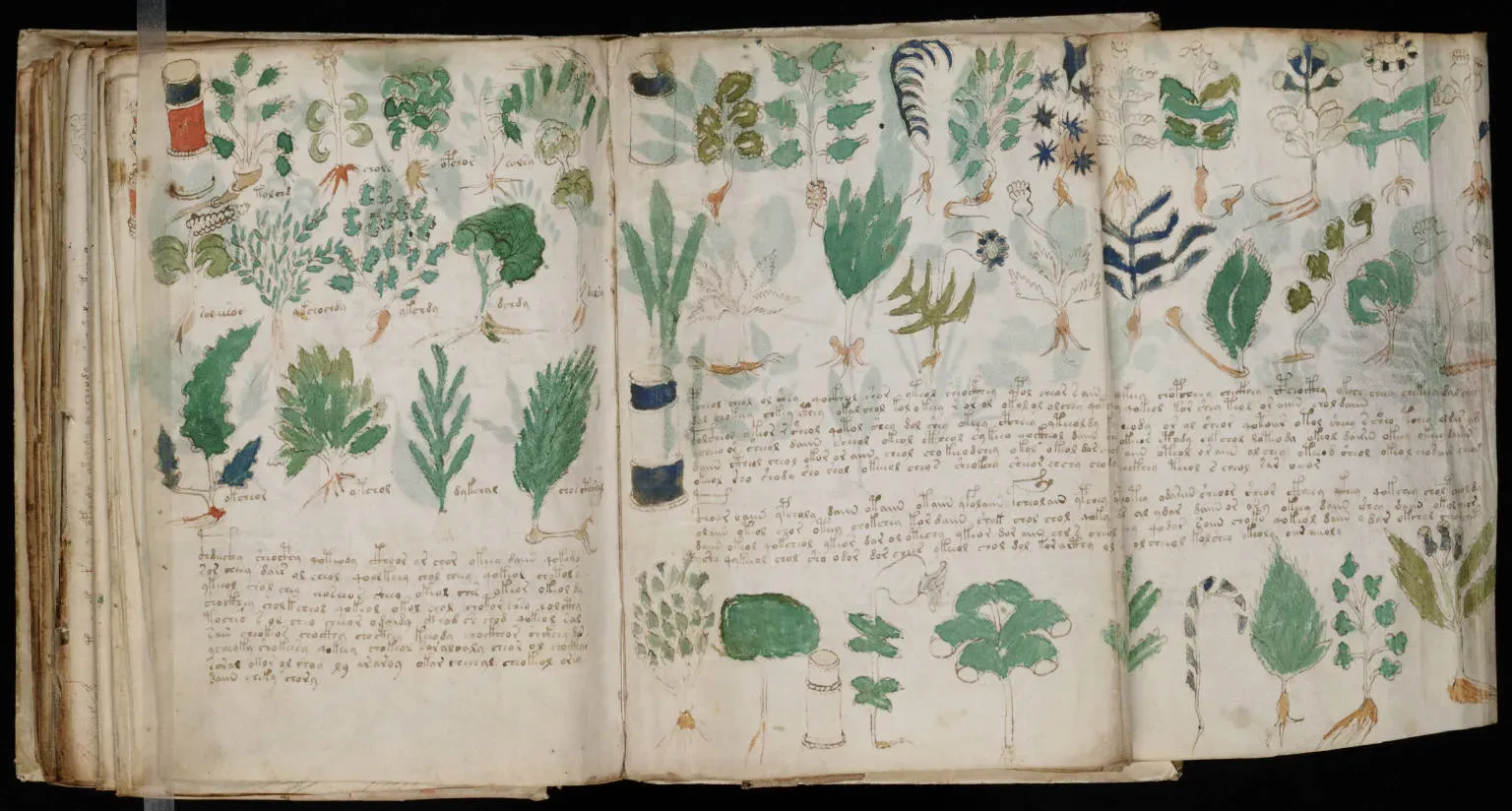
The Voynich Manuscript looks like something dreamed up for a mystery novel: an old, handwritten book filled with strange plants that don’t quite exist, nude figures in odd poses, astronomical diagrams, and a script no one has definitively decoded. Carbon dating suggests it was made in the early fifteenth century, probably in Europe, but as for who wrote it, we’re in the dark. There are no clear author marks, no preface, nothing that says, “Here’s what this is about.”
People have proposed everything from an elaborate medieval hoax to an advanced coded medical text or even a lost constructed language. Modern cryptographers, linguists, and pattern-recognition algorithms have all taken a crack at it. Some patterns suggest it does follow linguistic rules rather than pure gibberish, yet no one has convincingly broken the code. Because of that, the identity of its author remains completely hidden, along with their purpose. Were they a doctor, a mystic, a scholar, or a trickster laughing at future readers? For now, the book keeps its secrets.
7. The Real Life Behind the Name “Robin Hood”
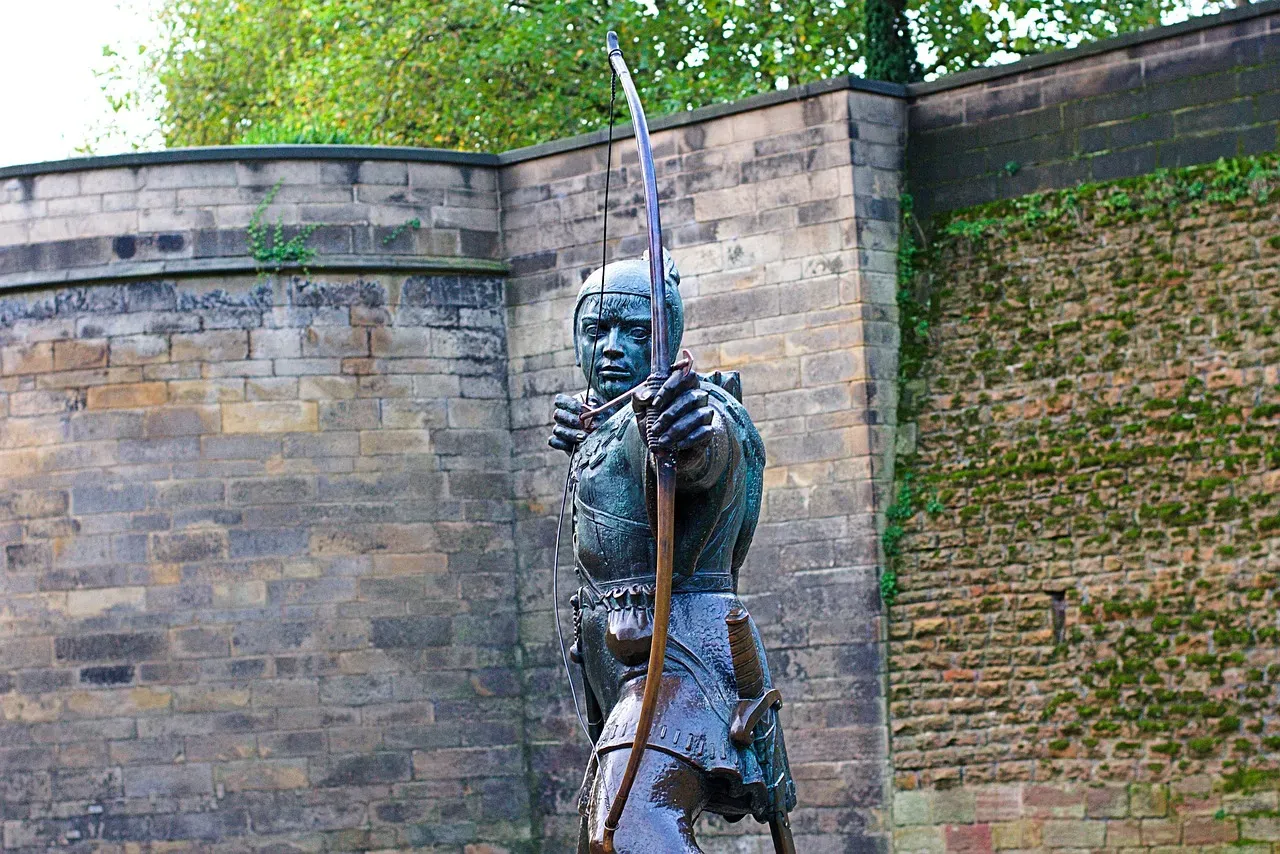
Robin Hood feels so familiar that it’s easy to forget he may never have existed in the way we imagine. The legend of the outlaw who robbed the rich to help the poor grew over centuries in English ballads, plays, and stories, shifting with the politics of each age. Early mentions describe a criminal figure in the forests, but without the carefully detailed cast of characters most of us know from later tales. It’s less like a single man and more like a growing myth that people kept editing.
Medieval records do show various men with similar names involved in crime, debt, or local disputes, but none can be definitively crowned the “real” Robin Hood. Some historians think the name may have become a generic label for outlaws, which then hardened into a specific hero in the public imagination. By the time writers tied him to particular kings or time periods, they were already reshaping his identity for dramatic effect. Whoever the original spark was, the person behind the legend has been thoroughly swallowed by the story, leaving us chasing a ghost through Sherwood Forest.
8. The Woman (or Women) Behind the Name “Lao Tzu”
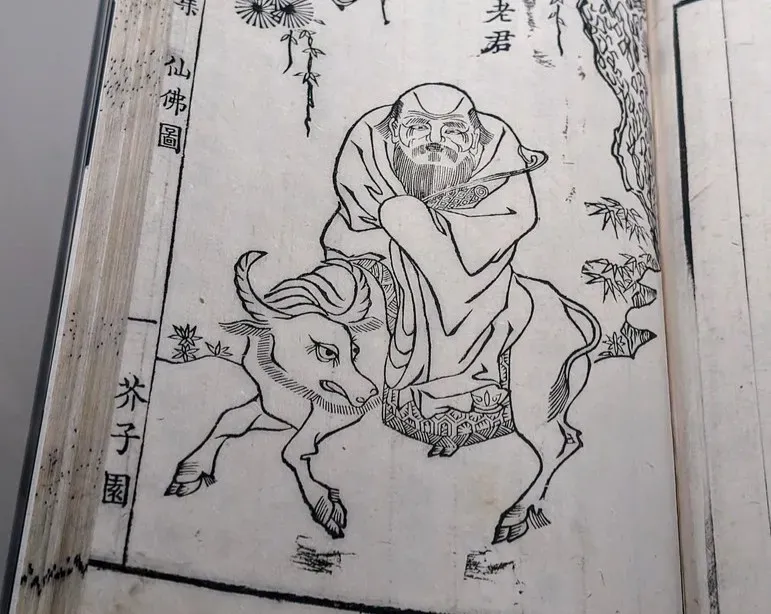
Lao Tzu, credited with writing the Tao Te Ching and founding philosophical Taoism, is often depicted as an old sage leaving civilization behind on a water buffalo. It’s a beautiful image, but historically, he’s almost vaporous. Some researchers doubt that a single person named Lao Tzu ever existed as described in later stories. Others think he might have been a composite of several thinkers whose ideas were woven together over time under one symbolic name.
The text attributed to Lao Tzu shows signs of layers, revisions, and differing styles, suggesting a complex writing history rather than a single author sitting down to compose it from start to finish. There are even theories that some influential early Taoist ideas may have come from women whose names were never preserved, later folded into a male sage persona that was easier to accept in a patriarchal culture. While we can’t prove that, the uncertainty itself is telling. The “Lao Tzu” we talk about today may be less a man and more a mask for a broader, messier stream of thought that can’t be traced back to one tidy biography.
9. The Lost Builder of Göbekli Tepe
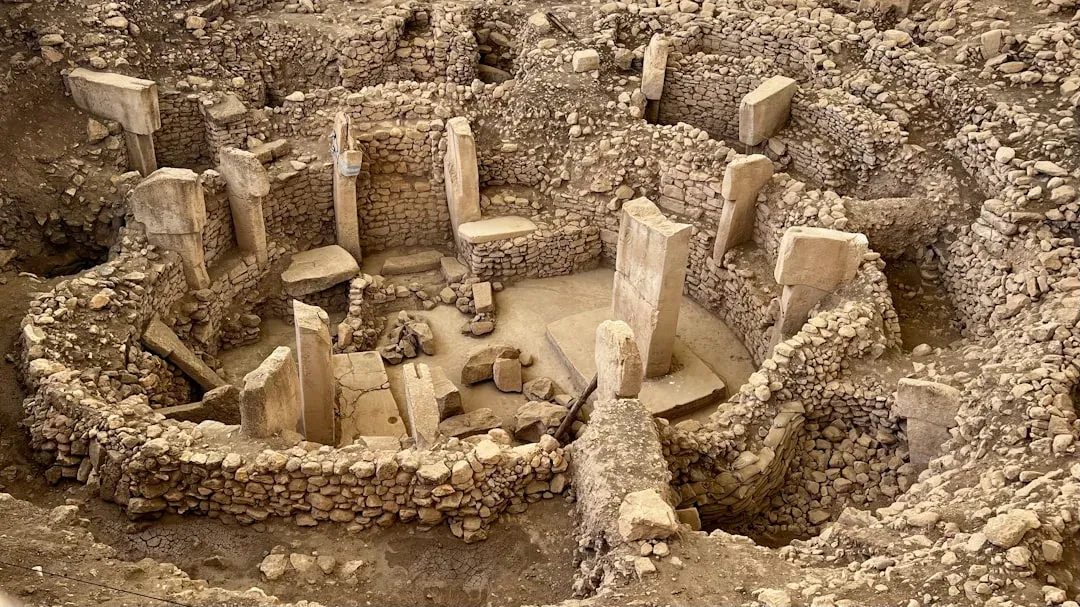
When I first saw pictures of Göbekli Tepe, with its massive stone pillars carved with animals, I honestly thought it had to be a modern art installation. Instead, it’s a real archaeological site in southeastern Turkey, older than Stonehenge and the Egyptian pyramids. Its existence has forced researchers to rethink the timeline of complex religious or ritual architecture. Yet for all its importance, we don’t know who built it, what they called themselves, or how they understood their world.
No written records survive from the people who raised those stones, and almost everything we say about them is an educated guess based on tools, bones, and patterns in the layout. We don’t even know what language they spoke. Whoever led or organized the construction – whether it was a group of ritual specialists, elders, or a kind of early leadership structure – remains unidentified. It’s eerie to stand in front of something so sophisticated and realize the builders’ names, stories, and identities are simply gone. The site is a monument without a known maker.
10. The Disappearing Emperor: Prester John
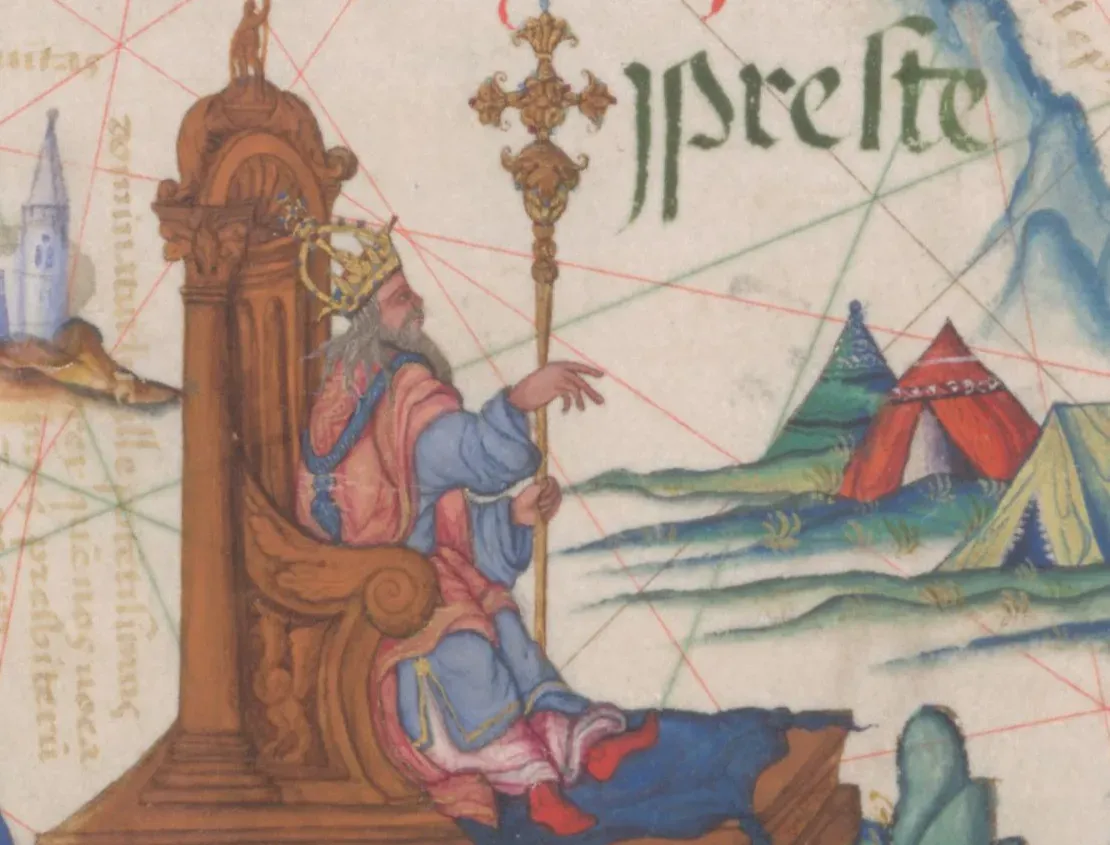
Prester John was once treated as if he were a real ruler somewhere out there, waiting to be found: a powerful Christian king in a distant land who might ally with European powers against their rivals. Letters circulated in the Middle Ages describing his wealth, his strange lands, and his supposed miracles. Explorers and diplomats tried to locate him, shifting their hopes from Central Asia to India, and later to parts of Africa. Each time they thought they were getting closer, reality failed to match the story.
Today, most historians consider Prester John a blend of confused geography, second-hand reports, and wishful thinking, perhaps inspired partly by real rulers in Ethiopia or Central Asia. The “identity” of Prester John is more like a projection screen, reflecting the desires and fears of Europeans trying to make sense of a larger, unfamiliar world. There may have been real kings whose reputations helped spark the legend, but no single individual fits the description. In the end, the figure vanished into thin air, leaving only a name that reveals more about those who believed in him than about any actual person.
These ten figures show how easily people can slip from reality into legend, or from prominence into near-total obscurity, even while their names echo down through time. They sit at the edge of what we can know, reminding us that history isn’t a neat, complete story, but a patchwork full of missing faces and unanswered questions.