
History loves neat stories, but real lives are almost never neat. Some of the most famous names from the past still feel like unfinished puzzles: missing pieces, blurred edges, and questions that refuse to die, even centuries later. The deeper historians dig, the more contradictions they find, as if these people were deliberately trying to slip out of our grasp.
There’s something oddly comforting in that. In an age where every move can be recorded, tracked, and analyzed, it’s wild to think that we still don’t fully know what happened to a powerful pharaoh, a warrior queen, or even the world’s most celebrated playwright. Let’s walk through ten lives that continue to confuse, frustrate, and fascinate us – and see why their stories still won’t sit still.
1. Cleopatra VII: Seductress, Strategist, Or Something Else Entirely?
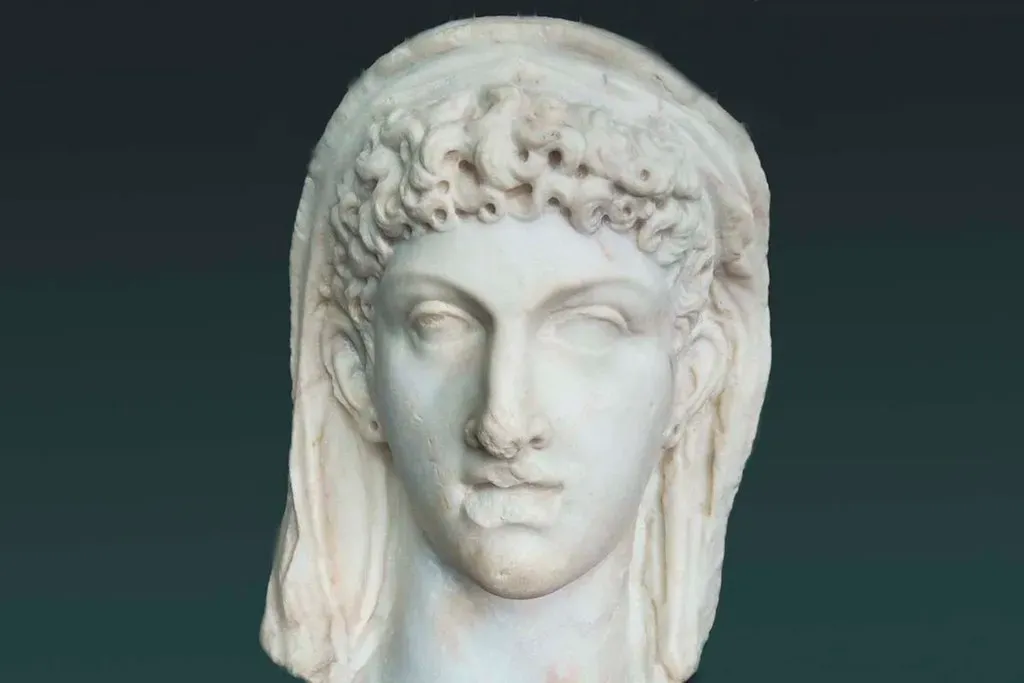
Cleopatra is often reduced to a caricature: the seductive Egyptian queen who used charm to manipulate Roman generals. But when you look closer, the picture cracks. Ancient writers had political reasons to portray her as dangerous and decadent, and there’s almost no neutral record of what she was really like. To make things even stranger, we don’t have a single confirmed portrait or sculpture that everyone agrees truly shows her face.
Her death is also wrapped in legend. The famous story of Cleopatra dying from an asp bite is repeated everywhere, yet modern historians point out how impractical and unlikely that scenario is. Poison, a hidden blade, or even a Roman-assisted suicide are all still on the table. Even her tomb has never been definitively found, despite years of high-profile searches. For someone so supposedly famous and powerful, Cleopatra feels like a shadow we keep trying, and failing, to pin down.
2. King Tutankhamun: The Boy King With a Question Mark
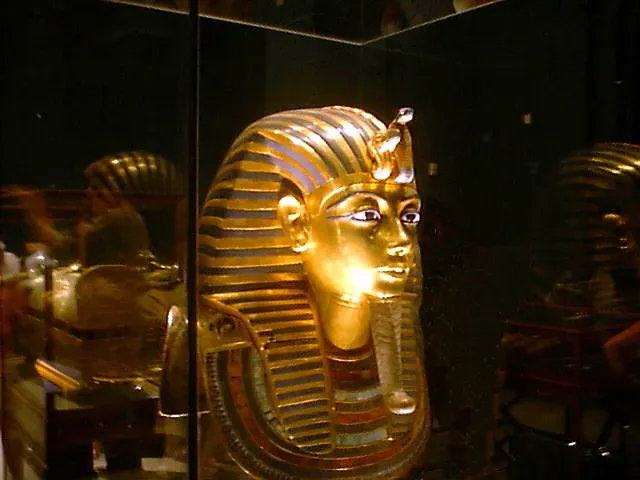
Nearly everyone recognizes Tutankhamun’s golden mask, but we actually know shockingly little about the boy who wore it. He became pharaoh as a child and died as a teenager, leaving behind almost no written records about his thoughts, choices, or personality. The spectacular discovery of his tomb in the early twentieth century only made things stranger: he was buried in a rush, in a relatively small tomb that may have been repurposed, as if his death caught everyone off guard.
The cause of his death is still debated. Over the years, theories have swung from murder to chariot accidents to disease and genetic problems. Modern scans and DNA analyses suggest he was physically fragile, possibly with a bone condition and malaria, yet the evidence never completely settles. Even his family tree is tangled, with inbreeding, disputed identities of his parents, and questions about why he reversed earlier religious policies. Tutankhamun’s fame today feels almost accidental, considering how much of his short life and sudden end remains guesswork.
3. Joan of Arc: Saint, Heretic, Or Political Pawn?
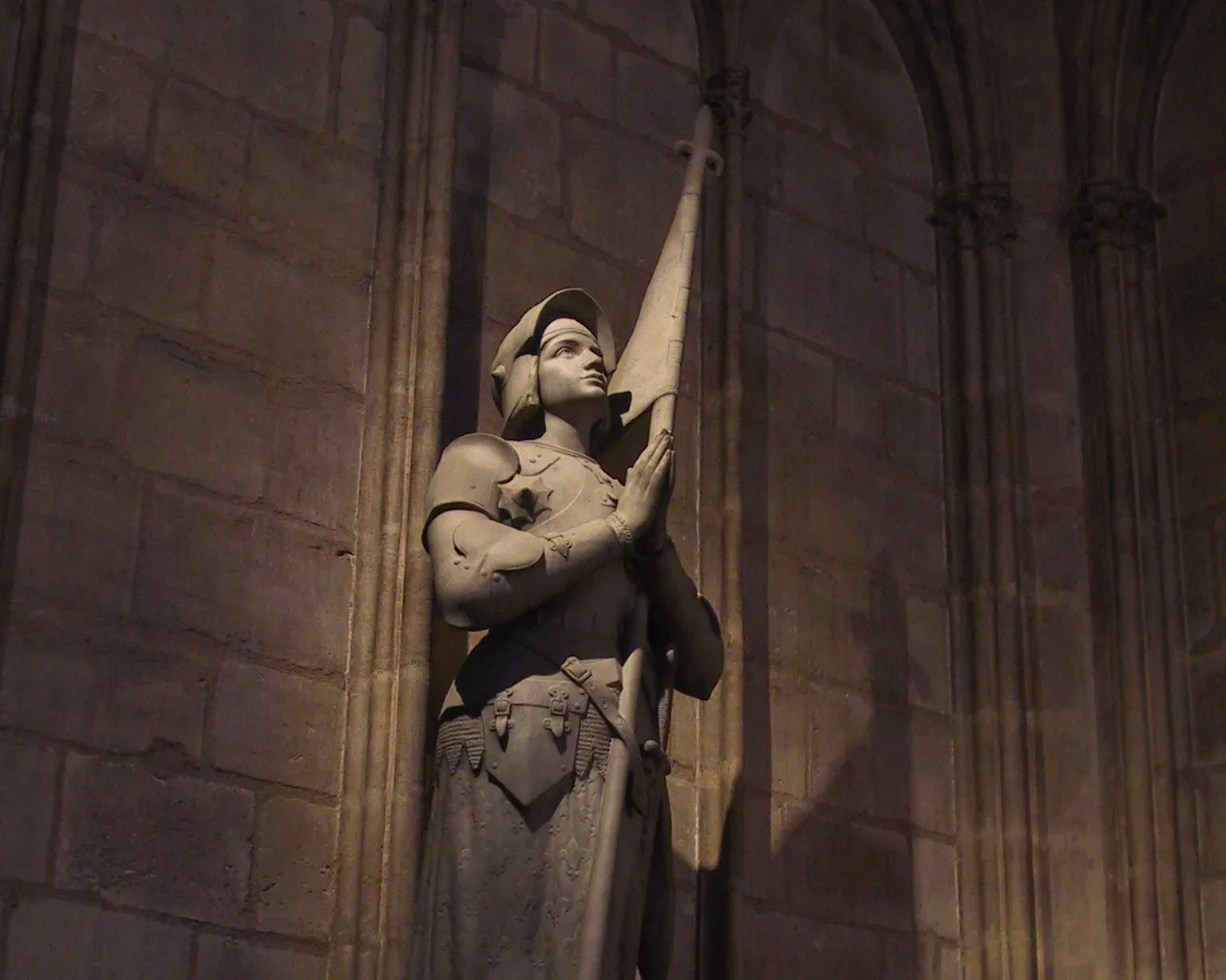
Joan of Arc’s story sounds almost too dramatic to be real: a teenage peasant girl who claims to hear divine voices, leads armies, and changes the course of a war. But when you peel back the layers, you find a mess of biased records, political agendas, and missing details. Most of what we “know” about her comes from trial transcripts created by her enemies, later re-examined in a rehabilitation trial after her death. Both sets of documents were shaped by people with something to prove.
We still don’t fully understand what was really happening inside Joan’s mind. Were her visions symptoms of deep spirituality, mental illness, clever strategy, or a mix of all three? Even her death by burning raises questions: her execution was meant to crush a movement, yet within a few decades she was being rebranded as a symbol of holiness and French resilience. Standing between religion, politics, and folklore, Joan’s true inner life remains a closed door we can only knock on from the outside.
4. Genghis Khan: Conqueror With a Missing Grave
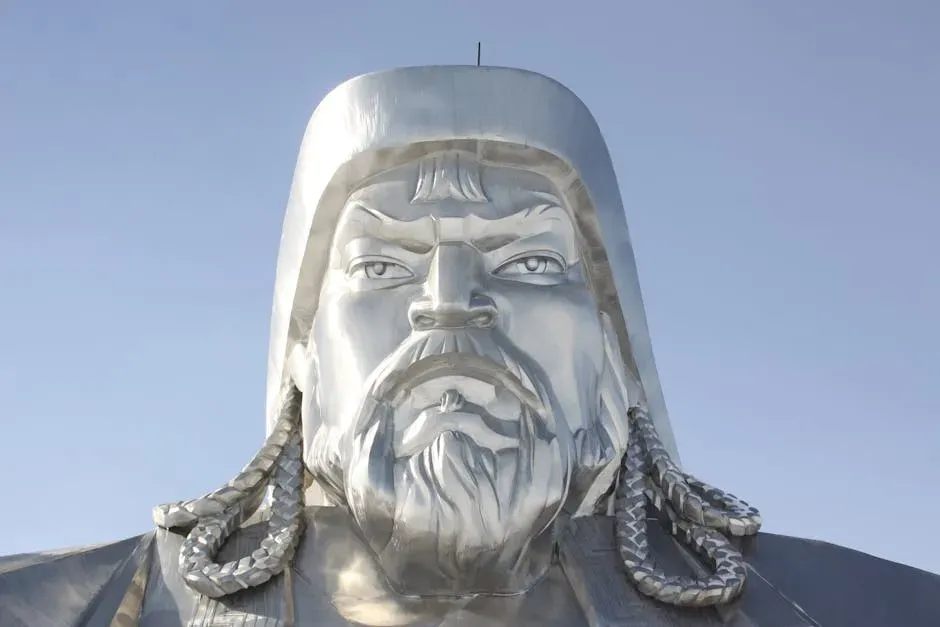
Genghis Khan reshaped huge parts of Asia and Europe, yet we have no confirmed idea where his body lies. According to tradition, his funeral procession supposedly killed everyone it encountered to hide the burial site, and even diverted a river to cover his tomb. Whether that’s legend or truth, the result is the same: one of history’s most influential rulers vanished into the landscape, leaving only rumors and speculation about his final resting place.
The mystery goes beyond his grave. Contemporary sources about Genghis are patchy and often written by his enemies or much later chroniclers. Was he a brutal destroyer, a forward-thinking empire builder, or both at once? Some accounts highlight his tolerance of different religions and his legal reforms, while others focus on massacres and terror. Without more neutral records or personal writings, we’re left trying to assemble a moral portrait from fragments that never quite fit together.
5. The Princes in the Tower: Murdered Heirs Or Hidden Survivors?
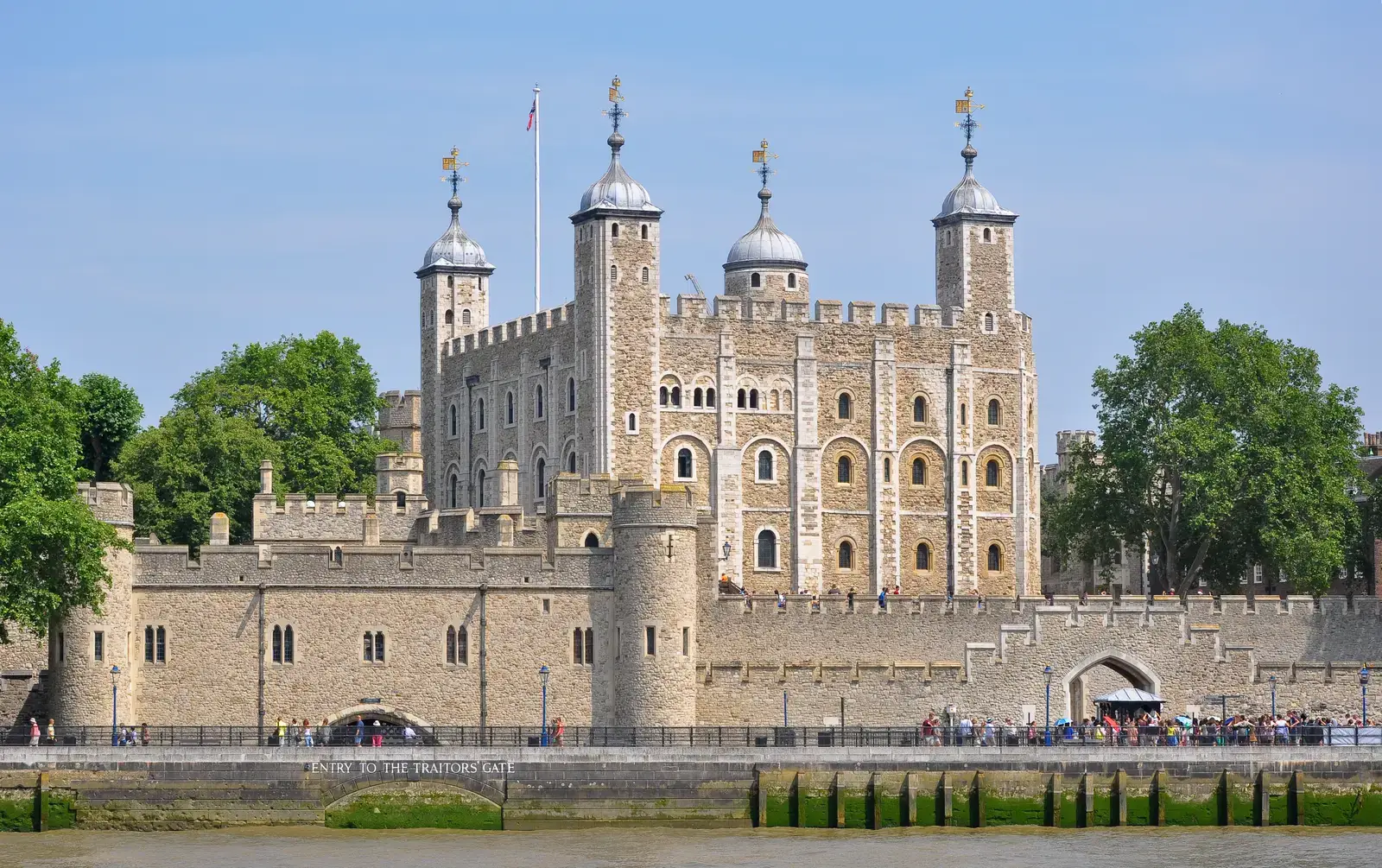
The case of the Princes in the Tower is one of those stories that feels like it should have a clear answer by now, but doesn’t. Two young princes, Edward and Richard, disappeared in the late fifteenth century after being placed in the Tower of London. Popular history points the finger at their uncle, Richard III, who took the crown, but no direct proof has ever surfaced. Instead, we have decades of rumors, politically motivated accounts, and a few dubious “confessions” from later kings.
Even the supposed discovery of their remains hasn’t solved the puzzle. Skeletons found in the Tower centuries ago were reburied as the princes, yet modern science has not definitively proven their identities. Some historians argue the boys may have died naturally, others that they were quietly killed by different factions, and a minority still wonder if one or both escaped. The mystery lingers because it speaks to something timeless: the dark intersection of power, family, and the lengths people will go to keep a crown.
6. Leonardo da Vinci: Genius With Hidden Corners
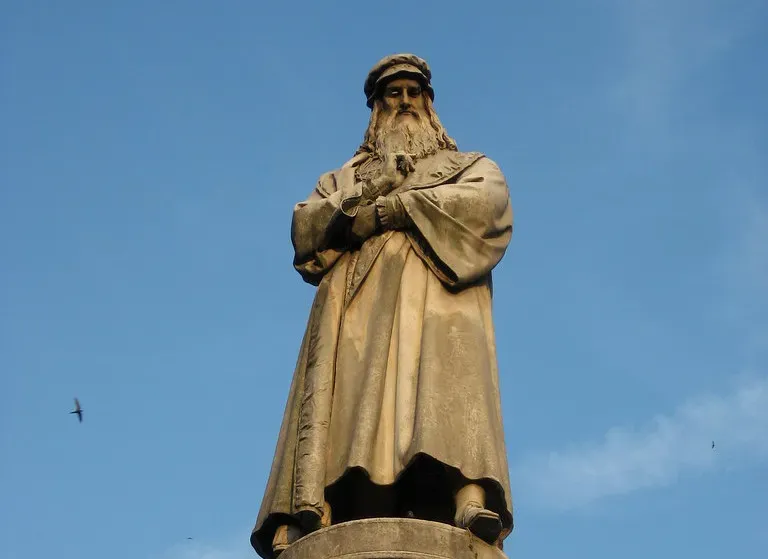
Leonardo da Vinci is often presented as the ultimate Renaissance genius, yet the man behind the legend remains strangely out of reach. His notebooks, packed with sketches and mirror-written notes, give us glimpses into his restless mind, but they also raise as many questions as they answer. There are periods of his life where records are thin, jobs that appear then disappear from the narrative, and projects he started but never finished without clearly explaining why.
Even his most famous works deepen the mystery. The Mona Lisa’s subject and her famously elusive smile have fueled endless theories about identity, symbolism, and intention. Speculation about Leonardo’s personal life, beliefs, and relationships remains just that – speculation – because he left almost nothing like a traditional diary or straightforward confession. He feels like someone who always stayed one step ahead, putting his thoughts into drawings and inventions while keeping his deepest self quietly off the record.
7. William Shakespeare: The Man Behind the Name
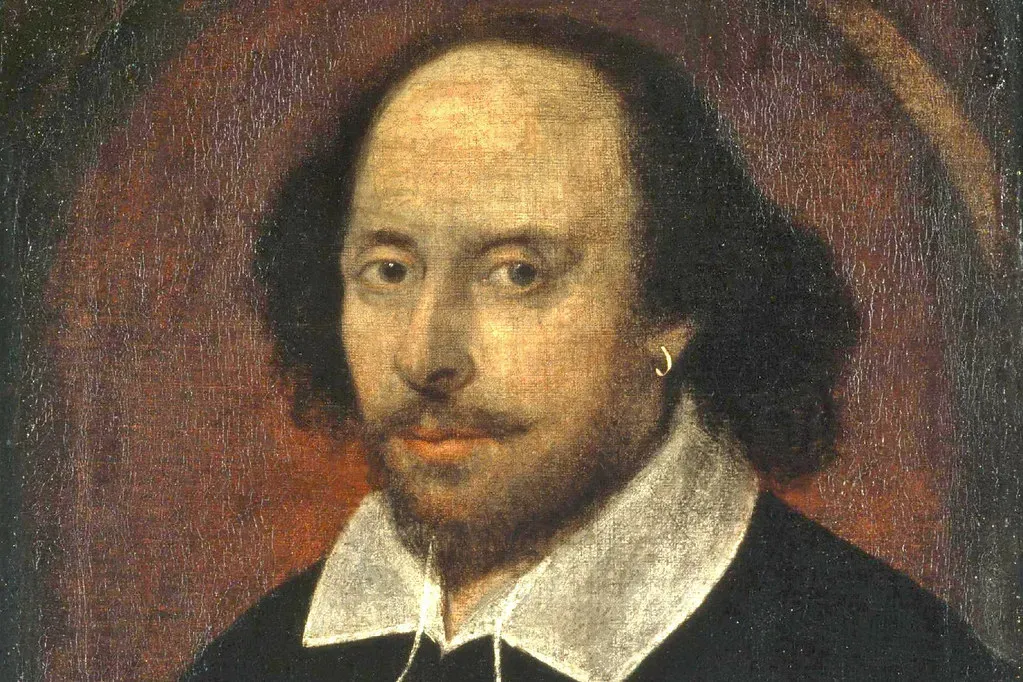
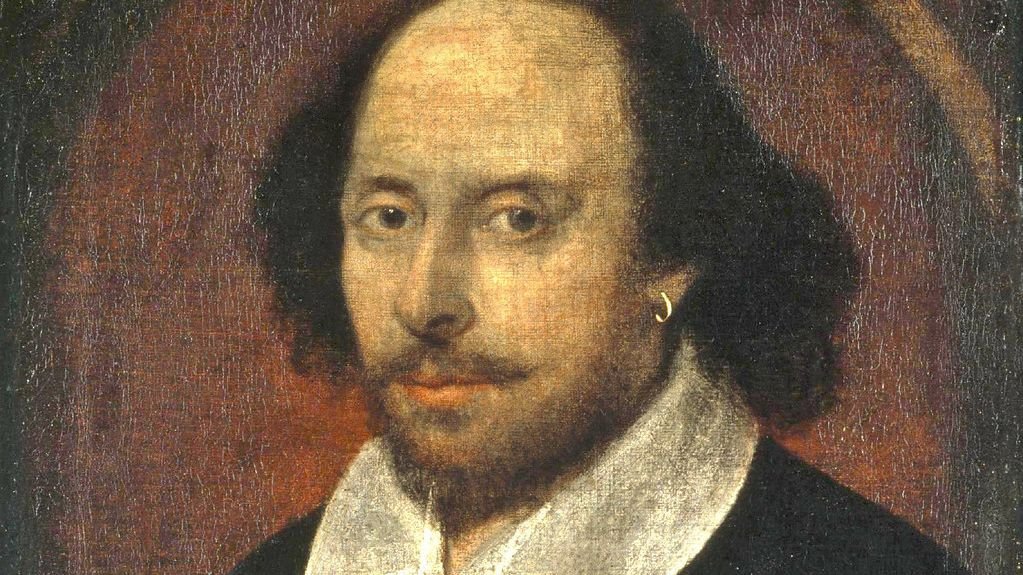
Shakespeare’s plays and poems are everywhere, but the man himself is almost invisible. We have scattered legal documents, a few references from contemporaries, a will that oddly barely mentions his manuscripts, and some parish records. For someone whose words reshaped literature and language, there’s a surprising silence about his education, day-to-day life, and creative process. That void has tempted some people to argue he didn’t write the plays that bear his name at all.
Most scholars accept that the man from Stratford-upon-Avon really was the author, yet even within that consensus huge gaps remain. How did he move from a relatively modest background to becoming London’s theatrical powerhouse? What personal experiences fed into the emotional depth of his tragedies and comedies? Without letters, journals, or clear first-hand accounts, we’re left reading his work like a code book, hoping each line will betray a little more of the person who wrote it.
8. Rasputin: Holy Man, Con Artist, Or Convenient Scapegoat?
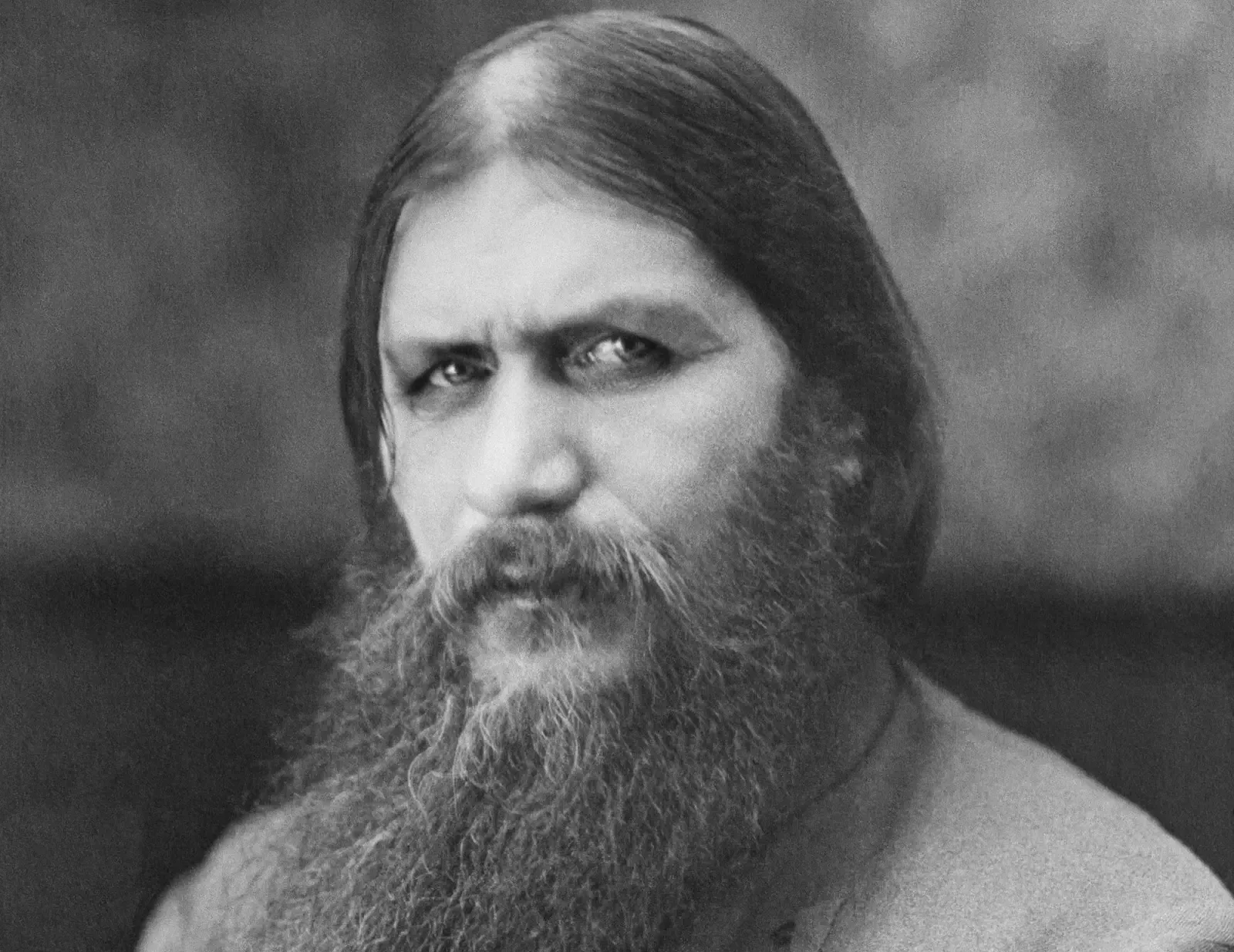
Grigori Rasputin’s life reads like a fever dream. A wandering Siberian peasant becomes a spiritual advisor to the last Russian royal family, is accused of manipulating politics, and then dies in a famously chaotic assassination story that may itself be partly myth. Accounts of him are wildly inconsistent: some describe a healing mystic with genuine influence over the sick heir to the throne, others paint him as a depraved opportunist drowning in vice and manipulation.
The biggest problem is that most detailed descriptions of Rasputin come from people who either loved him or hated him, rarely anyone in between. He became a symbol of everything Russians feared and resented about the collapsing monarchy, so stories about him were exaggerated, twisted, or outright invented to fit that role. Even the dramatic tales of him surviving poison, gunshots, and drowning are disputed by modern analysis. Somewhere under all that legend is a real person whose true personality is almost impossible to separate from the hysteria built around his name.
9. Amelia Earhart: Vanished Into Thin Air
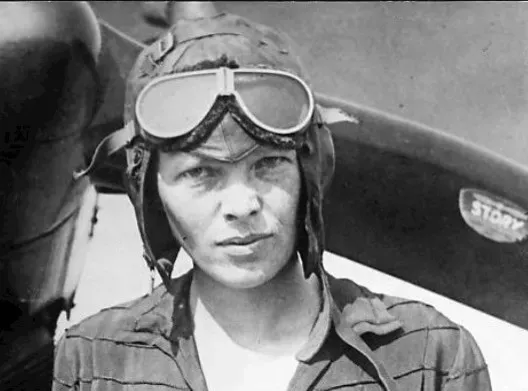
Amelia Earhart’s disappearance in the late 1930s might be the most haunting aviation mystery of all time. Her attempt to circle the globe ended when her plane vanished over the Pacific Ocean, and despite large search efforts, no confirmed wreckage or remains have ever been recovered. Radio signals, conflicting last messages, and navigational uncertainty turned the final hours of her flight into a blurry maze that no one has completely untangled.
Investigators and researchers have put forward several main theories: that she crashed into the open ocean near her intended refueling stop, that she landed or crashed on a remote island and died as a castaway, or that her plane ended up somewhere yet to be explored in depth. Various artifacts, bones, and old photos have been held up as possible clues, but none have persuaded everyone. Her life was about pushing boundaries and making the world feel smaller, yet in the end she slipped into an absence so large that we still can’t fill it.
10. D. B. Cooper: The Hijacker Who Walked Into Legend
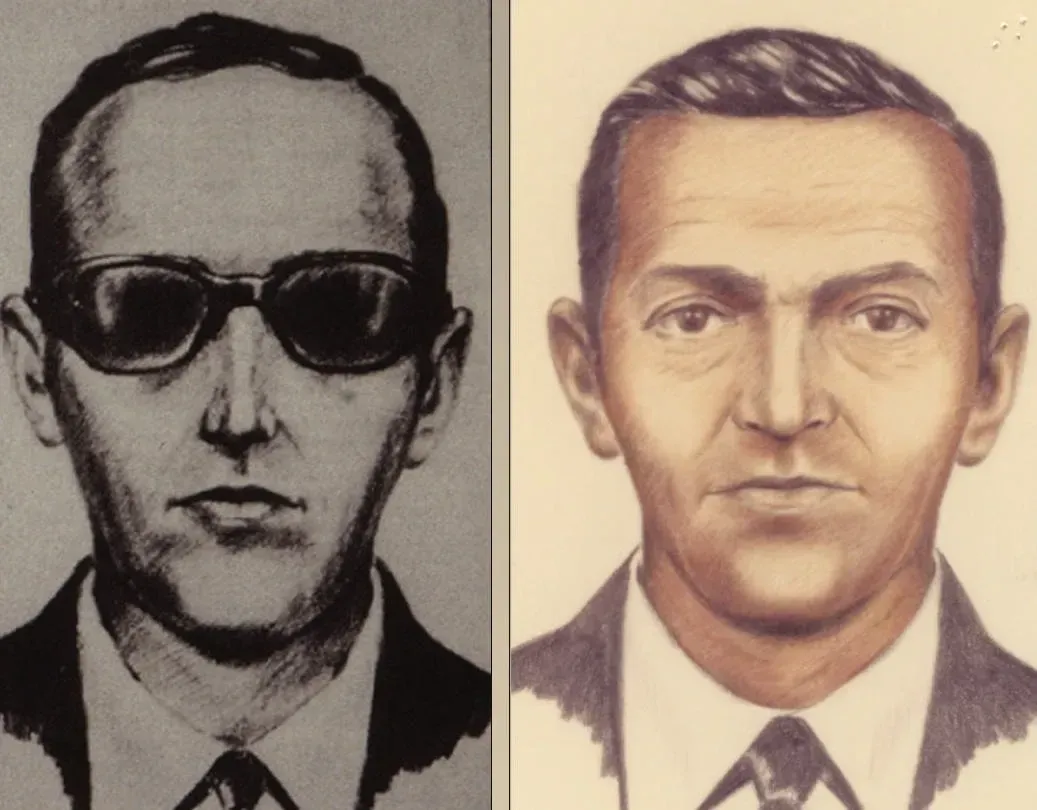
D. B. Cooper is unusual on this list because we don’t even know his real name. In the early 1970s, a man using the alias Dan Cooper hijacked a commercial airliner, extorted a ransom, then parachuted out of the plane into the night and disappeared. Despite one of the longest and most expensive investigations of its kind, his true identity and ultimate fate remain unknown. Loose bundles of his ransom money were found years later along a riverbank, just enough to prove that at least part of his story intersected with the ground.
Over time, he has become more myth than man. Suspects have come and gone, deathbed confessions have surfaced and collapsed, and amateur sleuths still argue passionately over every scrap of evidence. Whether he died in the jump or walked away to live a quiet life somewhere is an open question. His story shows how a single daring act, carried out in a few hours, can echo for decades simply because it ends with a blank space where an ending should be.
What all these figures share isn’t just fame; it’s friction. Their lives rub up against gaps in the record, biased witnesses, and physical evidence that never quite lines up, and that friction sparks endless curiosity. When facts run out, imagination rushes in, and suddenly Cleopatra, Joan, or Amelia are not just historical people but mirrors for our own fears, hopes, and theories.
There’s a strange comfort in knowing that even the most powerful or brilliant people can’t completely control how they’re remembered. Their secrets remind us that history is not a finished book but an ongoing investigation, full of redactions and missing pages. As new technologies, digs, and documents appear, a few of these mysteries might finally crack open – but it’s just as likely that new questions will appear in their place. Which of these unsolved lives pulls at you the most?