
Ever feel like you’ve seen every corner of the world through your screen, yet something keeps whispering that there are places out there still untouched by tourist selfie sticks? You’d be right. Despite our hyperconnected age, our planet harbors secret corners where isolation isn’t just geography but a way of life, where mysteries linger in the air like morning mist.
These aren’t your typical travel brochures destinations. We’re talking about locations so remote that getting there feels like an expedition worthy of early explorers. Places where nature still calls the shots and human civilization exists as a fragile afterthought. So let’s dive in and explore ten of Earth’s most secluded and mysterious territories that most people will never set foot on.
Tristan da Cunha: The Island at the End of Everything
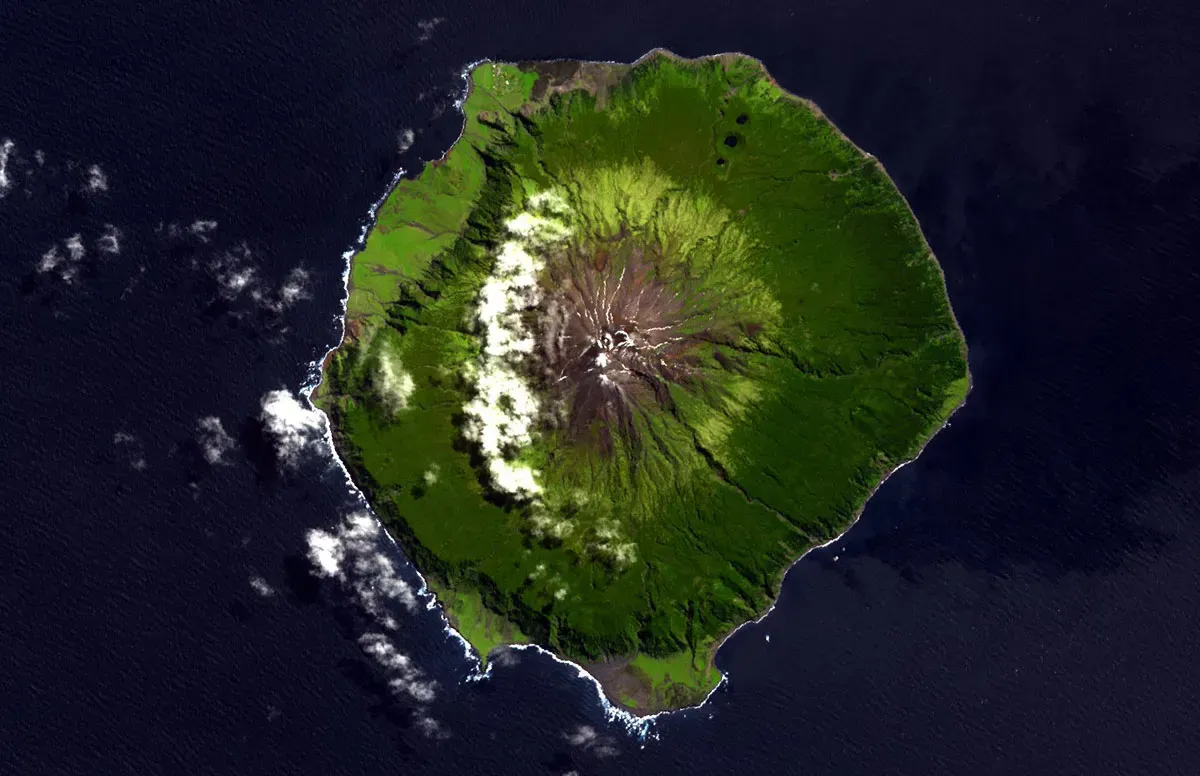
Tristan da Cunha is considered the most inaccessible inhabited island in the world, with the nearest neighboring territory 1,350 miles away on the island of St. Helena. Imagine living somewhere so isolated that your closest neighbor is over a thousand miles of churning ocean away.
This British overseas territory has fewer than 250 residents forming a tightly knit community that has preserved its unique customs over years. There’s no airport here, so you’re looking at a week-long sea voyage across some seriously rough waters if you want to visit. The coastline is rocky and has been repeatedly assaulted by strong waves, while mist covers the tall volcanic mountain, creating a scene that looks frozen in time. The residents have developed their own dialect of English, and inbreeding isn’t uncommon given the tiny population. It’s a place where modern conveniences are scarce, yet the community thrives through sheer determination and mutual support.
Point Nemo: Where Astronauts Are Your Closest Neighbors
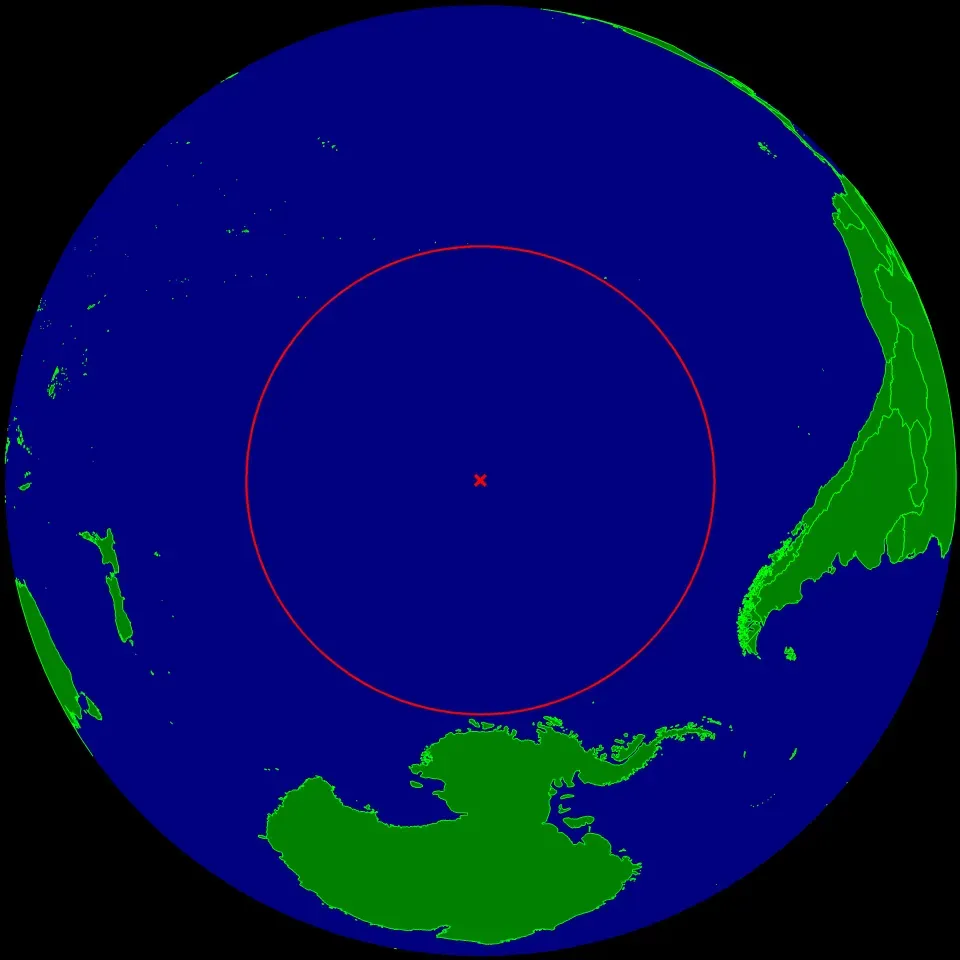
Point Nemo is called the “Oceanic Pole of Inaccessibility,” and the closest human beings to it are on the International Space Station. Let that sink in for a moment. You could be floating in the middle of the Pacific Ocean at this spot, and the nearest people would literally be orbiting above you in space.
Point Nemo is the furthest place from any piece of land, making it the ultimate destination for those seeking true isolation. Getting there would require serious sailing skills and self-sufficient survival gear. There’s nothing to see once you arrive except endless water in every direction, yet it represents something profound about our planet. Honestly, the concept itself is more fascinating than any physical landmark could be. Remarkably, author H.P. Lovecraft placed his fictional lost city of R’lyeh just 205 miles away from Point Nemo, as if even in imagination, this spot represented the ultimate unknown.
Socotra Island: An Alien World on Earth
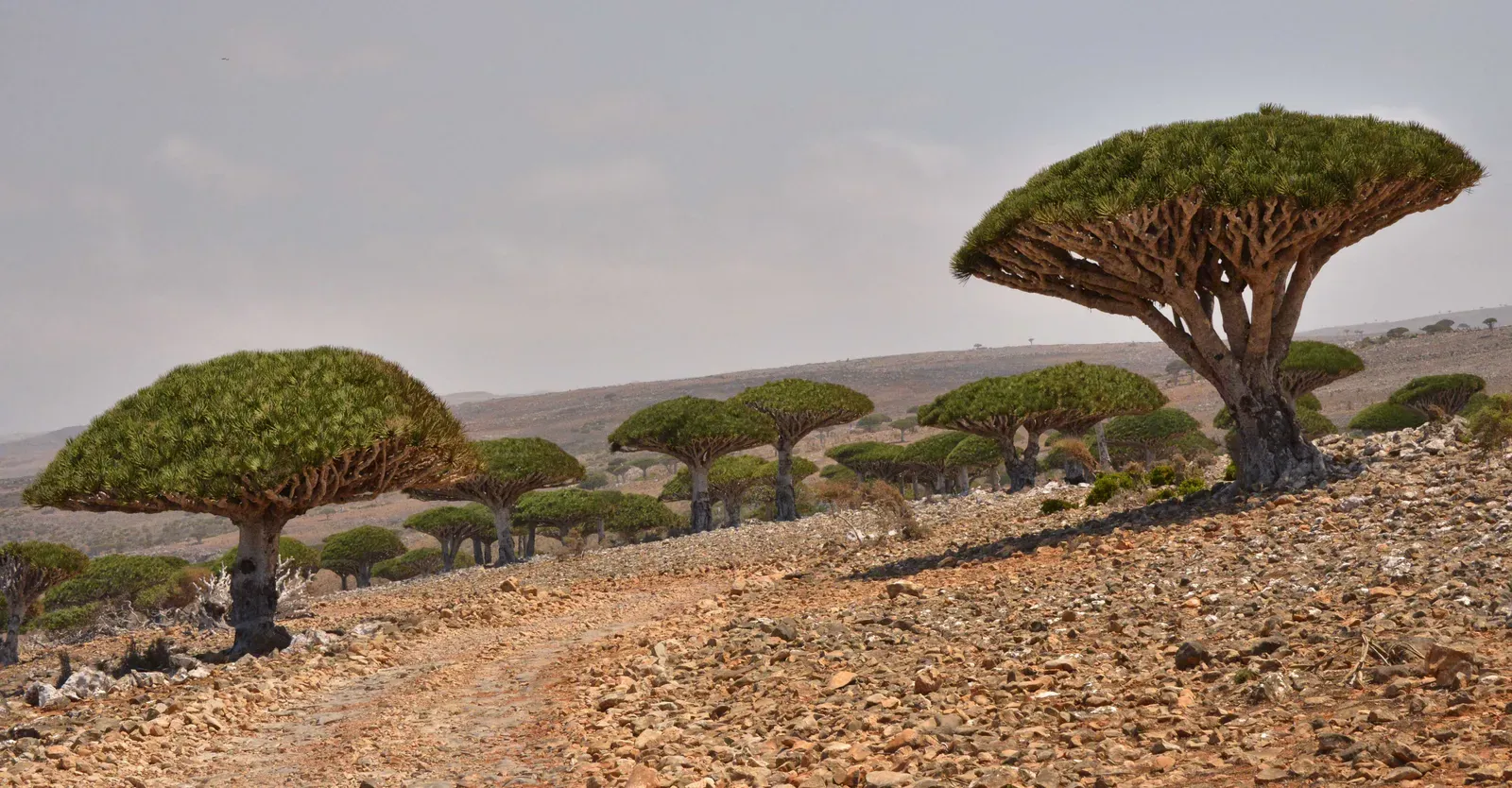
Located a few hundred miles from the coast of Yemen, Socotra is known as one of the most isolated landforms on Earth of continental origin, famous for some of the world’s highest levels of endemic plant life. Walking through Socotra feels like stepping onto another planet entirely.
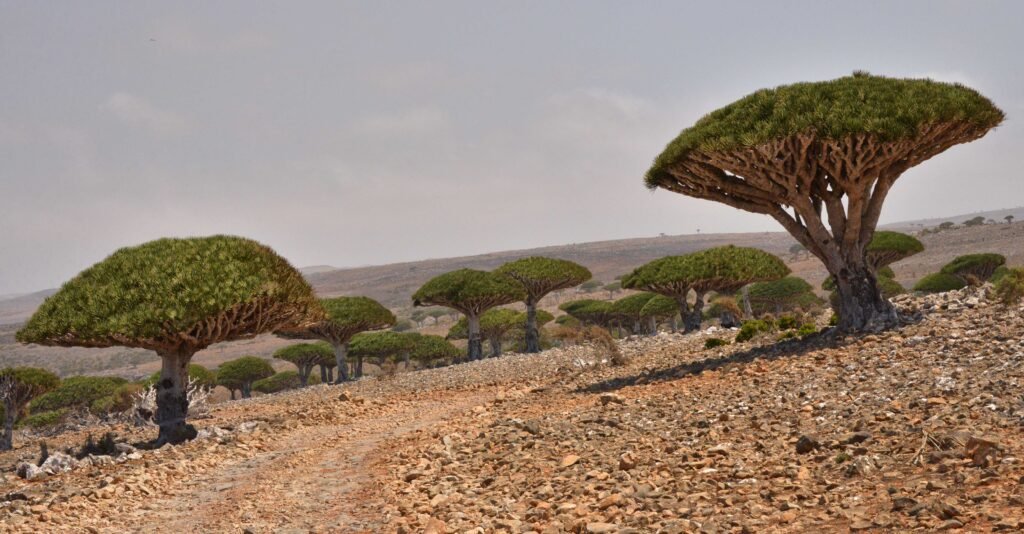
The island’s signature dragon’s blood trees look like giant umbrellas designed by someone who’d never seen an actual tree. Socotra Island is a UNESCO World Heritage Site and a well-known survivalist camping destination, though medical infrastructure is minimal. Nearly one third of the plant species here exist nowhere else on Earth, creating landscapes so bizarre they’ve been used as stand-ins for alien worlds in documentaries. The isolation hasn’t just preserved unique flora but also a distinct culture among the local population who’ve adapted to this strange environment over millennia.
Kerguelen Islands: The Desolation Archipelago
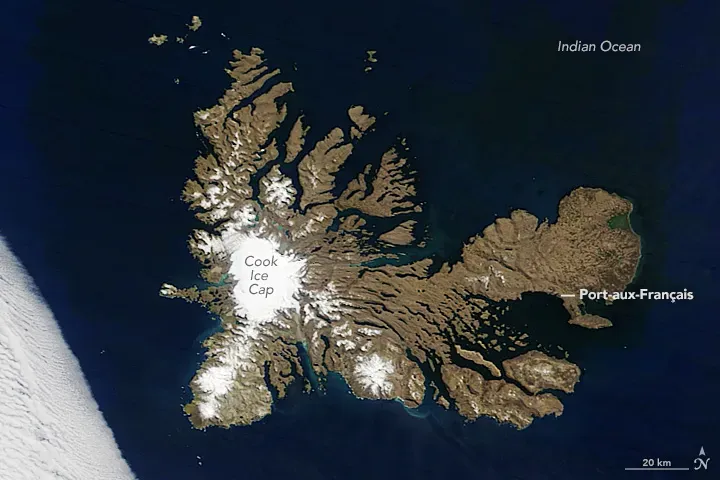
An archipelago nicknamed the “Desolation Islands,” the Kerguelen Islands have no permanent residents, with rotating research staff as the only inhabitants and wildlife making up most of the population. The nickname tells you everything you need to know about what to expect here.
The Kerguelen Islands are filled with glaciers, mountains, rocky outcrops, and vast plains of tussock grasses and mosses, with daily mean temperatures ranging from roughly 35 to 47 degrees Fahrenheit. It’s a haven for seals, albatrosses, terns, and four species of penguins who apparently don’t mind the brutal conditions. The French maintain a research station here, and those scientists experience months of isolation with only wildlife for company. The islands sit so far from anything else that they’ve become a natural laboratory for studying how life adapts to extreme isolation and harsh climates.
Ittoqqortoormiit: Greenland’s Frozen Outpost
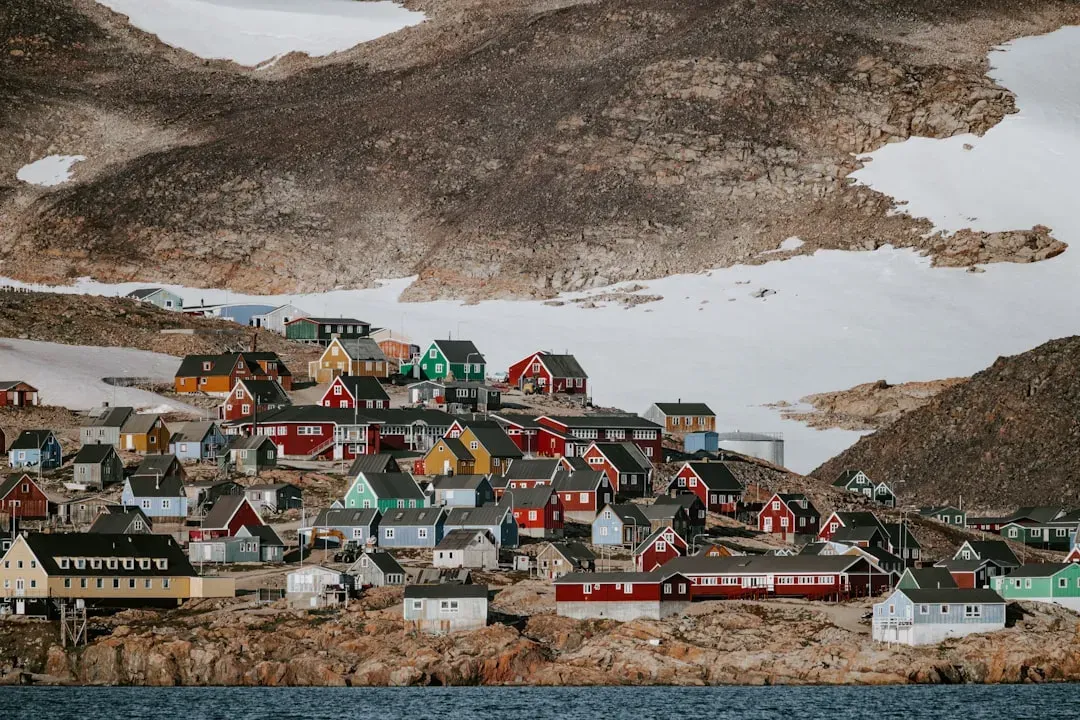
Ittoqqortoormiit is considered one of the coldest places on Earth, this small, isolated settlement in Greenland lies between the world’s largest fjord system and the world’s largest national park, with a population of only around 345 residents as of 2020. Try saying that name three times fast while your lips are freezing.
This village is located in the east of Greenland near the mouth of the Scoresby Sund fjord and is only accessible by helicopter or by a boat that sails there a few months a year. Norwegian settlers founded it in the 1920s, and today it’s home to roughly 350 hardy souls along with polar bears, Arctic foxes, whales, and walruses. The settlement exists in a perpetual state of winter isolation where the sun disappears for months and temperatures plummet to extremes that would send most people running. Yet life continues here with a rhythm dictated entirely by nature’s harshest moods.
La Rinconada: The City in the Clouds
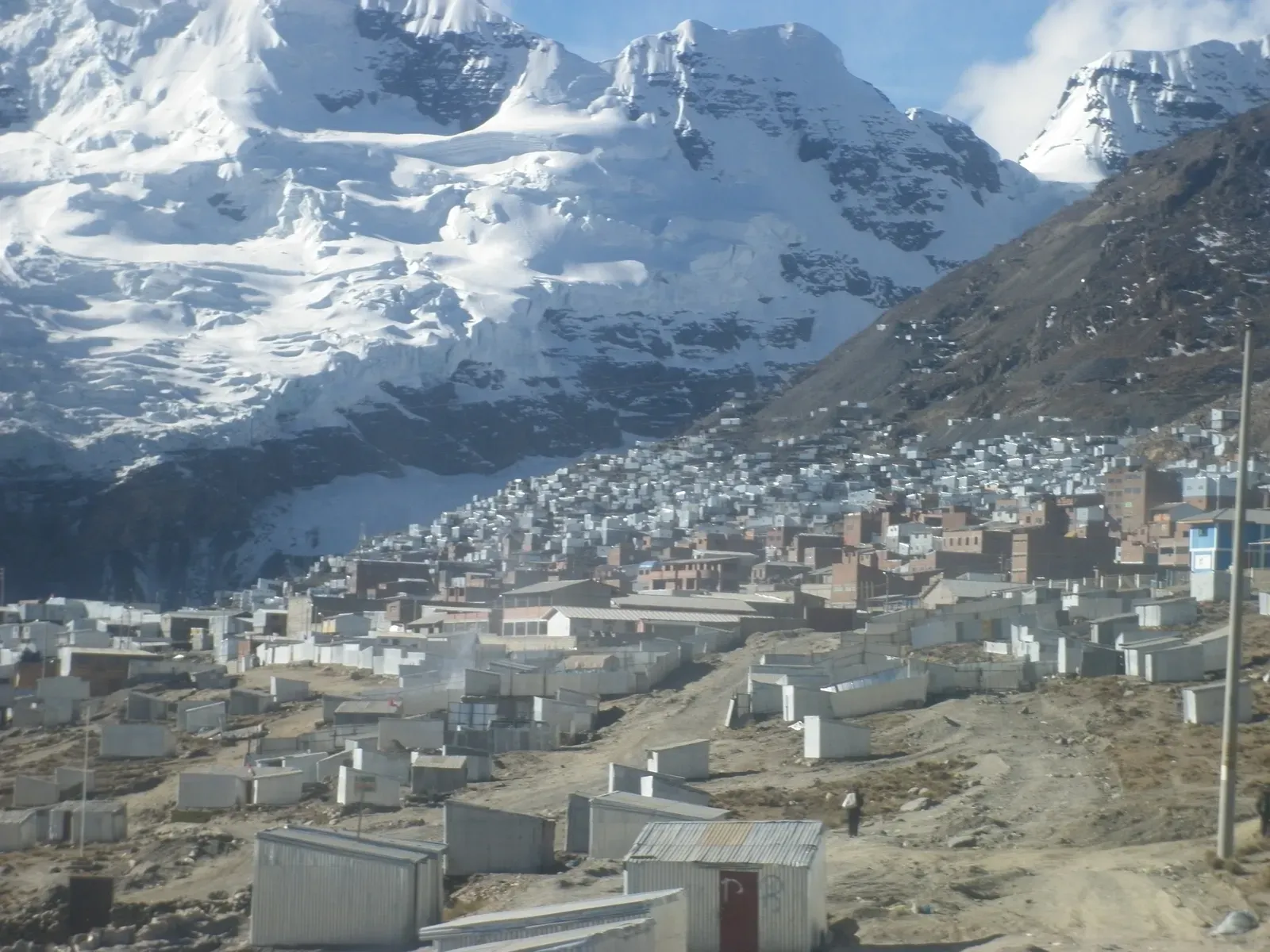
La Rinconada is one of the most remote places in the world and the highest city on the planet, located in the Peruvian Andes at 16,730 feet, accessible only by all-terrain vehicles and situated on a permanently frozen glacier. Let’s be real, most people struggle at half that altitude.
It’s the highest permanent settlement in the world at nearly 17,000 feet above sea level, with people braving the altitude because gold has been located there. There’s no running water, no sewage system, and conditions are so extreme that it’s been described as one of the world’s harshest towns. Yet tens of thousands of people live here, drawn by the promise of gold in the mines. The thin air makes every activity exhausting, and altitude sickness is a constant companion. It’s a place that showcases both human determination and desperation in equal measure, where the lure of precious metal outweighs the very real dangers of the environment.
Bouvet Island: The Most Remote Island
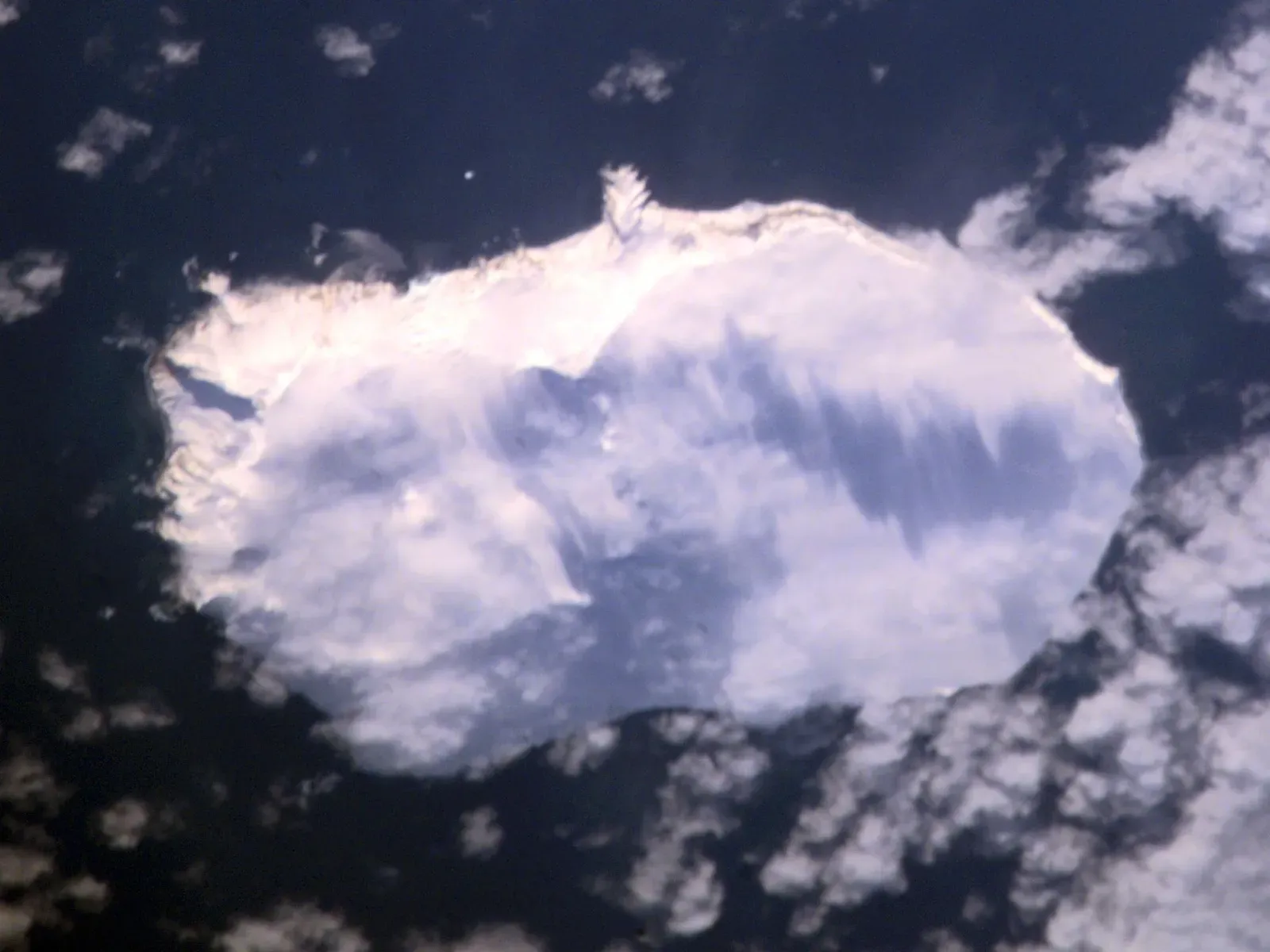
This tiny volcanic islet belonging to Norway as a fully protected nature reserve is often referred to as the most remote island in the world, located very far from any other terrain in the South Atlantic Ocean, with landing on it being extremely difficult and no permanent population. If you’re looking for total solitude, you’ve found your paradise.
The island is almost entirely covered by glaciers, making it inhospitable even by Antarctic standards. Strong winds, rough seas, and the lack of any harbor make approaching Bouvet Island a genuine challenge even for experienced sailors. Few people have ever set foot here, and those who have describe it as one of the most alien environments on Earth. Norway maintains it as a nature reserve, which means even if you could reach it, you’d need special permission to land. The island stands as a monument to nature’s indifference to human ambition.
Vale do Javari: The Amazon’s Last Unknown Tribes
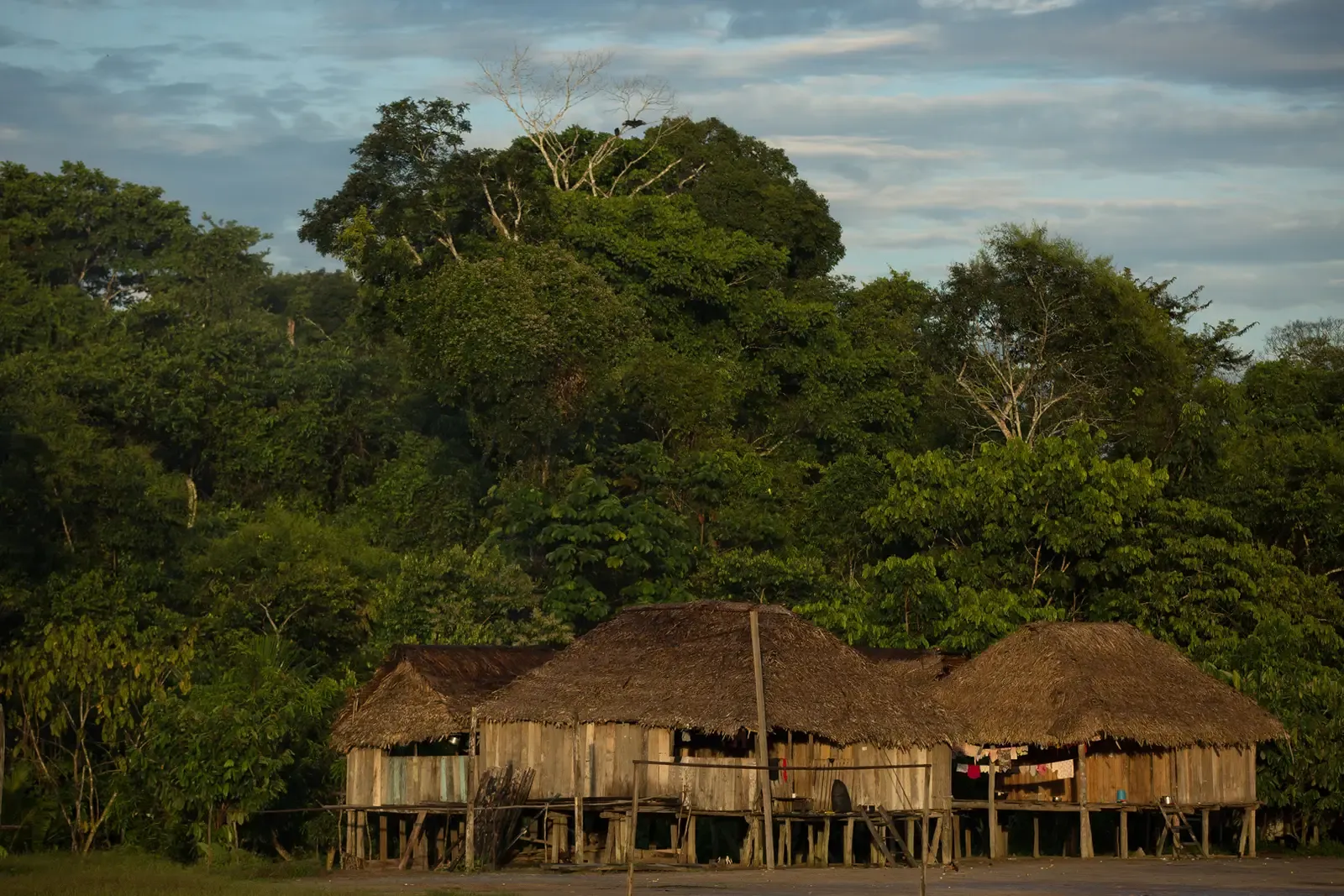
Vale do Javari is a chunk of Brazil’s Amazon rainforest roughly the size of South Carolina, where in 2011 a previously unknown tribe was located, with more people who have successfully remained unknown to the modern world likely to be uncovered. Here’s the thing about this place – it’s not just geographically isolated but culturally untouched.
This protected indigenous territory harbors several uncontacted tribes who’ve deliberately avoided interaction with the outside world. The dense jungle provides natural barriers that have allowed these communities to maintain their traditional ways of life for centuries. It’s both fascinating and sobering to know that in 2025, there are still people living completely independent of modern civilization just a few hundred miles from major cities. The Brazilian government restricts access to protect these tribes from diseases and exploitation. Some mysteries, it turns out, are better left undisturbed.
Kiribati: The Nation Time Forgot
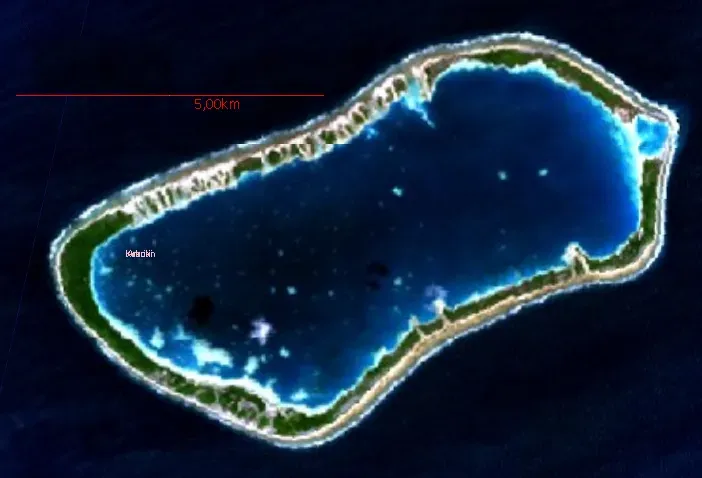
The remote Pacific island country Kiribati is the least-visited country globally, correctly pronounced “kiri-bas,” and is the only country in the world to touch all four hemispheres, welcoming only about 2,000 visitors in 2022. That’s fewer tourists than some restaurants serve in a weekend.
This nation of 33 atolls is known for its vibrant culture, unspoiled beaches, and abundant marine life, with the Phoenix Islands Protected Area being one of the largest marine protected areas in the world. Getting there requires multiple flights and careful planning since service is irregular at best. The nation faces an existential threat from rising sea levels, making it perhaps the most poignant destination on this list. Visitors who make the journey discover pristine coral reefs, traditional Micronesian culture, and an overwhelming sense of being at the edge of the world. Kiritimati is among the first places on earth to see January 1st, giving it the unique distinction of greeting each new year before almost anywhere else.
Danakil Depression: Mars on Earth
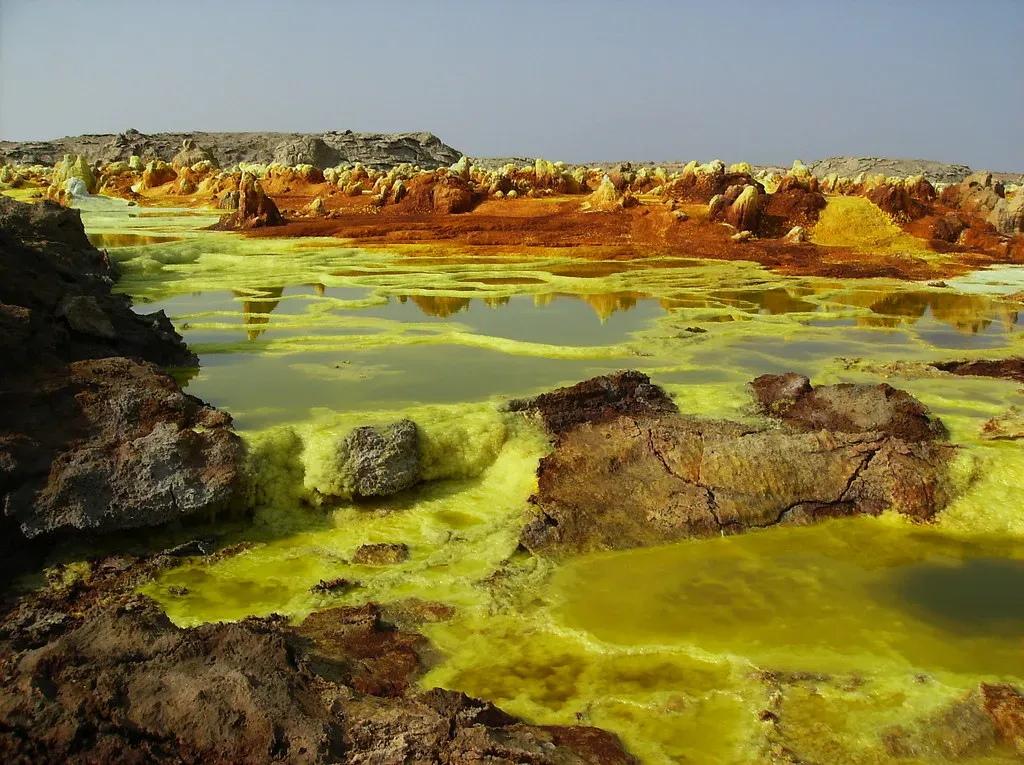
Scientists studied the Danakil Depression in Ethiopia in spring 2016 in an attempt to understand how life could exist on Mars, with researchers identifying it as a very extreme environment. When scientists use your location as a stand-in for another planet, you know you’re dealing with something extraordinary.
This geological depression sits at one of the lowest and hottest places on Earth, with temperatures regularly exceeding 120 degrees Fahrenheit. Acid pools, sulfur fields, and salt flats create a landscape of surreal colors – yellows, greens, oranges – that look painted by an artist gone mad. Researchers from the University of Bologna and the International Research School of Planetary Science traveled to Danakil to study extremophiles, resilient organisms that can exist in harsh conditions. Despite the hellish environment, microorganisms thrive here, giving scientists hope that life might persist in similarly extreme conditions elsewhere in the universe. Few travelers venture here, and those who do require guides, serious preparation, and a tolerance for landscapes that feel genuinely hostile to human life.
Conclusion
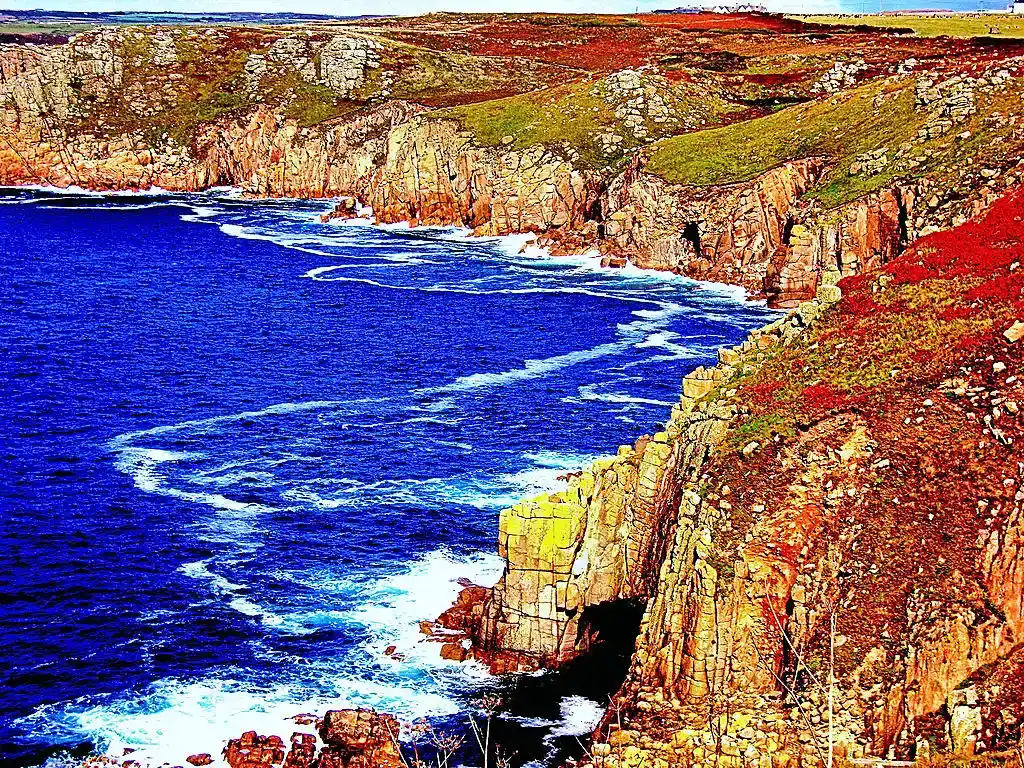
These ten locations remind us that despite our satellites, our internet, and our conviction that we’ve mapped every square inch of Earth, mysteries and isolation still exist. Some places remain deliberately hard to reach, protected by geography, weather, or intentional isolation. Others have simply been overlooked in our rush to photograph the usual landmarks.
What strikes me most about these hidden worlds is how they challenge our assumption that everywhere is accessible, that everywhere should be accessible. Maybe some places are meant to remain at the edges of our experience, reminding us that the world is still larger and stranger than we imagine. Whether it’s a frozen island where penguins outnumber people, or a depression so harsh it mimics Mars, these locations preserve something increasingly rare – genuine mystery.
So what do you think? Would you brave the journey to visit any of these secluded corners of our planet, or does their very inaccessibility make them more appealing from afar?
Hi, I’m Andrew, and I come from India. Experienced content specialist with a passion for writing. My forte includes health and wellness, Travel, Animals, and Nature. A nature nomad, I am obsessed with mountains and love high-altitude trekking. I have been on several Himalayan treks in India including the Everest Base Camp in Nepal, a profound experience.