Thousands of meters below the waves, in a world without sunlight and under crushing pressure, Earth hides landscapes that look more alien than anything in science fiction. For most of human history, this realm was pure mystery, a dark blank on our maps labeled with little more than guesswork and imagination. Now, with new technology and a bit of stubborn curiosity, scientists are finally starting to pull back the curtain on this hidden world.
What they’re finding is strange, beautiful, and sometimes a little unsettling. There are living “waterfalls,” shimmering lakes at the bottom of the ocean, animals that glow like neon signs, and entire mountain ranges that dwarf anything on land. I still remember the first time I watched raw footage from a deep-sea dive: it felt like someone had opened a secret door in our own planet. Here are ten of the most astonishing deep-sea wonders researchers are only just beginning to understand.
1. “Black Smoker” Hydrothermal Vents: Underwater Volcano Chimneys
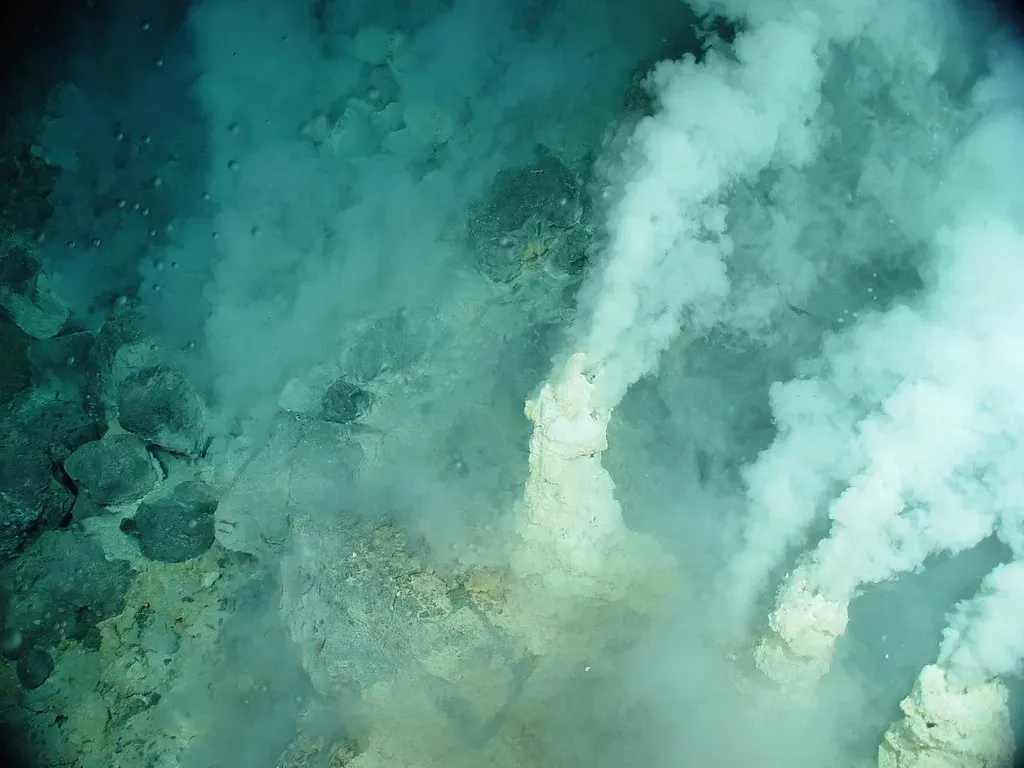
Imagine underwater chimneys blasting superheated, metal-rich fluid that looks like dark smoke, in a place where the water around them is just barely above freezing. These hydrothermal vents, nicknamed “black smokers,” form where seawater seeps into cracks in the seafloor, gets heated by underlying magma, and then gushes back out loaded with minerals. The hot fluids can be hotter than boiling water at the surface, but they don’t boil because the deep-sea pressure is so intense.
What’s wild is that entire ecosystems cling to these vents, thriving without any sunlight at all. Instead of using photosynthesis, microbes use chemicals from the vent fluids as an energy source, a process called chemosynthesis, and bigger animals like tubeworms and shrimp build their lives around them. Scientists are still discovering new species there and studying how these systems start, grow, and collapse when vents shut down. Some even think vent chemistry might resemble the cradle where life on Earth first began.
2. Brine Pools: Lakes at the Bottom of the Ocean
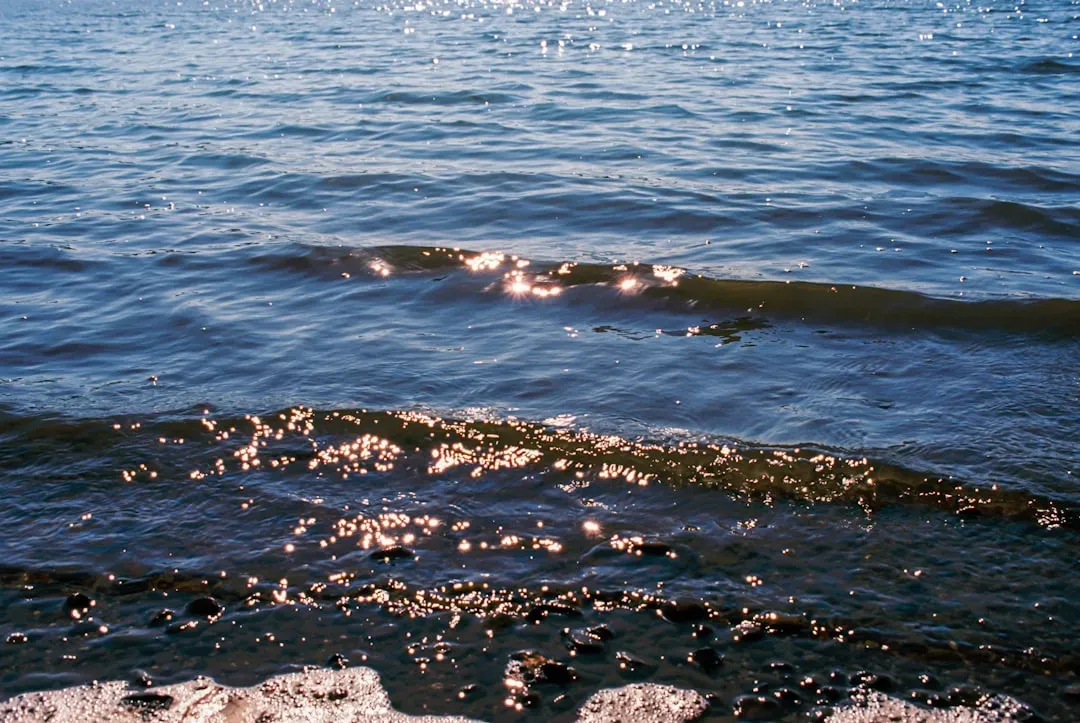
It sounds like a riddle: how can you have a lake inside the sea? Yet that’s exactly what brine pools are – dense, super-salty “lakes” that sit on the seafloor, with clear shorelines and even tiny “waves” that lap at the edges. Because the brine is so much saltier and heavier than normal seawater, it doesn’t mix easily, so it just settles like a separate layer, creating the bizarre sight of a dive vehicle seemingly floating over a second water surface.
These pools can be deadly: many contain toxic levels of hydrogen sulfide or methane, and most fish that stray inside don’t swim back out. At the same time, the edges of brine pools are hotspots of weird life, from mussel beds packed with methane-loving bacteria to ghostly white tube worms. Researchers are fascinated by how organisms survive in such extreme chemistry, and some compare these edges to natural laboratories for studying life beyond Earth, especially on icy moons that may have salty subsurface oceans.
3. Deep-Sea Coral Gardens: Slow-Motion Cities of the Abyss
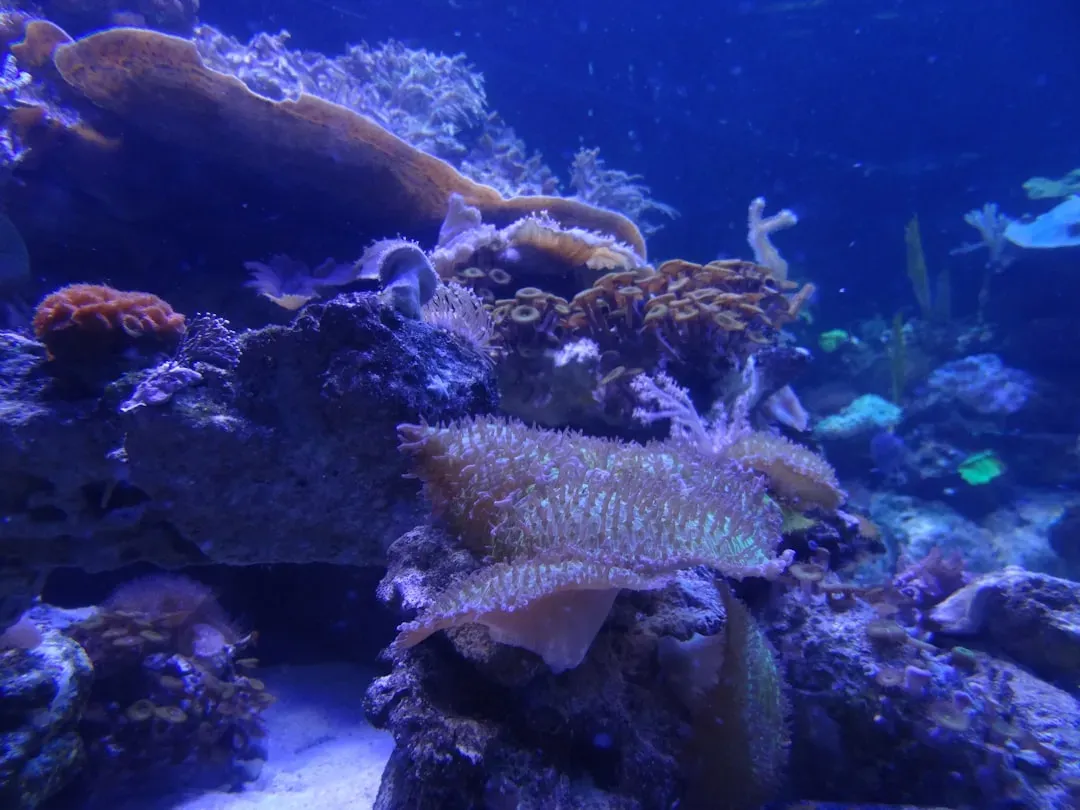
When most people think of coral, they picture bright tropical reefs in shallow, sunny waters. But far below the reach of light, there are sprawling deep-sea coral gardens that grow in cold, dark water, some thousands of meters down. These corals don’t have photosynthetic algae living in them, so they survive by filtering food drifting past in the currents, growing slowly into intricate forests of branches, spirals, and fans.
Some deep corals are so old that individual colonies may have been alive since before recorded history, layer by layer recording changes in ocean chemistry like tree rings. These coral structures provide shelter for fish, crabs, and countless invertebrates, acting as apartment complexes in an otherwise bare landscape. The heartbreaking part is that many of these gardens were discovered only after deep trawling and human activity had already damaged some of them. That’s pushed scientists to race to map, protect, and better understand these hidden cold-water reefs before they are permanently scarred.
4. Hadal Trenches: The Planet’s Deepest, Darkest Pits
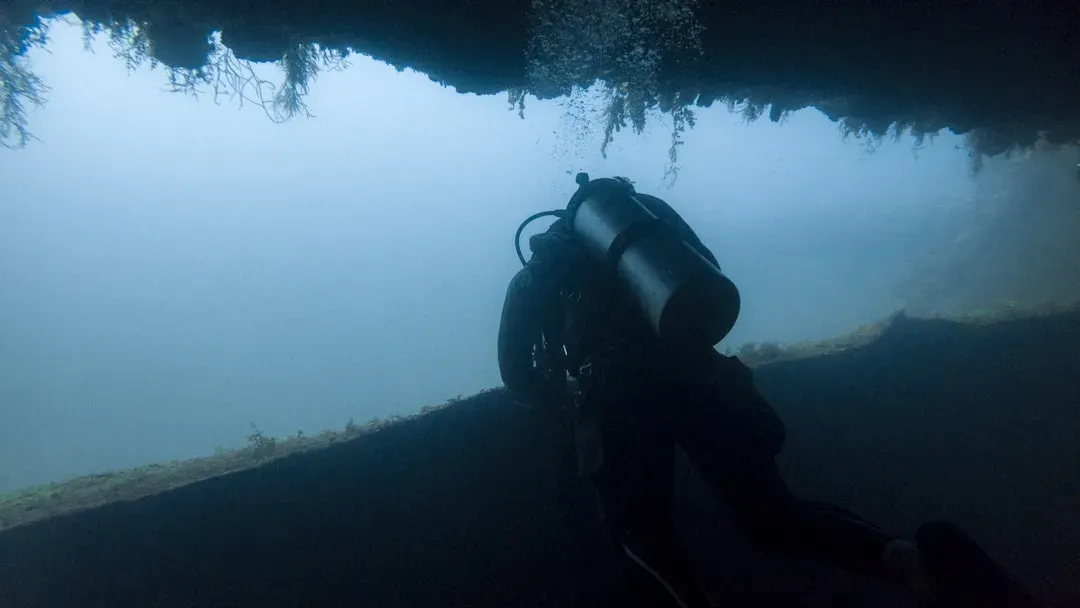
The hadal zone – named after the Greek underworld – is the deepest part of the ocean, found in narrow trenches that cut into the seafloor like planetary wounds. The most famous is the Mariana Trench in the Pacific, plunging almost eleven kilometers down, deeper than Mount Everest is tall. Down there, the pressure is more than a thousand times what we feel at the surface; every square inch of anything is being crushed by a weight that’s hard to even imagine.
For a long time, scientists assumed almost nothing could survive at such depths, but expeditions over the last couple of decades have repeatedly proved that wrong. Tiny snailfish, ghostly amphipods, and strange, transparent invertebrates crawl, swim, and burrow in this extreme environment, adapted with flexible bodies and special biochemistry. Researchers have started to find plastic fibers and industrial chemicals even in these pits, which is both shocking and sobering. In a sense, hadal trenches are becoming our ultimate test case for how life copes with both natural extremes and human impact.
5. Bioluminescent Light Shows: Creatures that Glow in the Dark
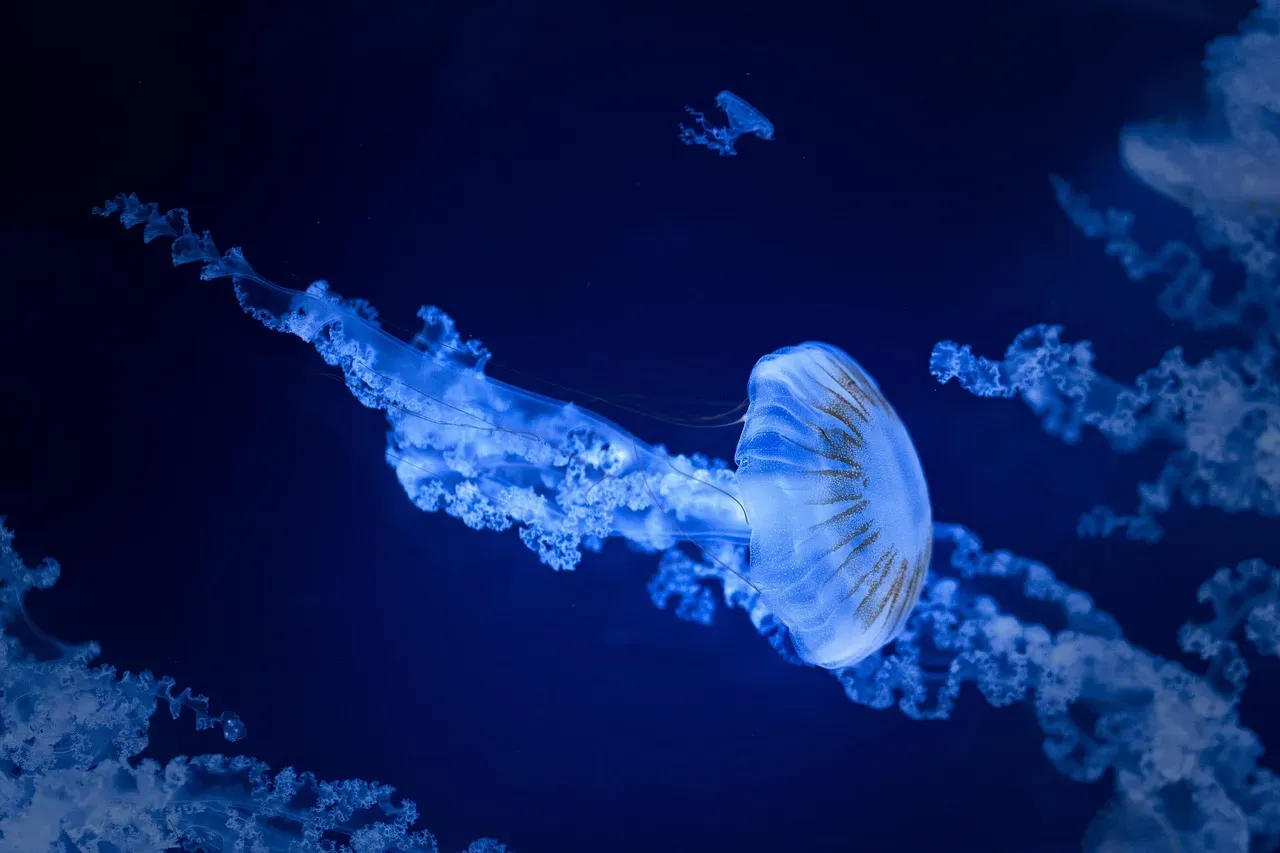
Roughly about four out of five animals in the deep sea are thought to be capable of bioluminescence – producing their own light. Imagine drifting in total darkness and suddenly seeing slow blue pulses, flashing patterns, and glittering cascades of sparks as animals communicate, hunt, and hide using light. Some creatures have glowing spots under their eyes like headlights, while others use flashing lures to attract prey right into their jaws.
This light is usually blue or green, because those colors travel farthest in seawater, but a few species can produce red or even ultraviolet light, giving them a secret color channel their prey can’t detect. Scientists are still figuring out how many species have this ability and how many different chemical systems are involved. There’s also growing interest in how these light-producing proteins might help medicine and technology, from tracking cancer cells to building new kinds of sensors. It’s like learning that the deep ocean has been running its own underground light festival the whole time and we’re only just getting tickets.
6. Cold Seeps: Silent Fountains of Methane and Life
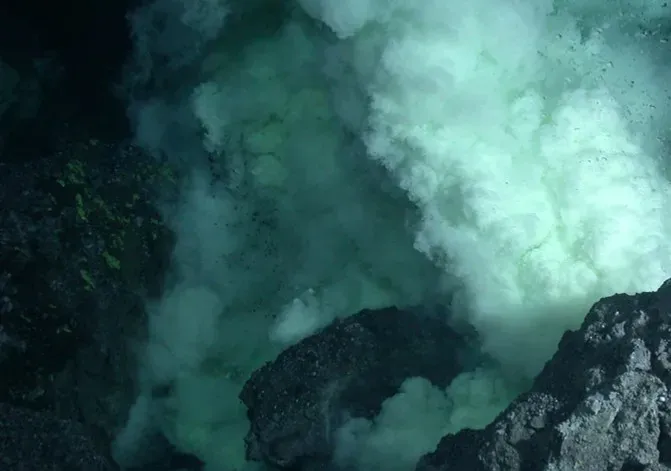
Cold seeps are places where hydrocarbons such as methane and other fluids slowly leak out of the seafloor, not in explosive bursts like vents but in a constant, ghostly ooze. The name is a bit misleading, because “cold” just means the fluids are about the same temperature as the surrounding seawater, not icy. At first glance, these sites can look like barren mud plains, but closer inspection reveals clustered life: mussels, clams, tube worms, and bacterial mats that look like pale carpets.
Instead of drawing energy from the sun, the entire community depends on microbes that use methane or sulfide as fuel. Some animals even host these microbes inside their own tissues, forming tight partnerships that let them thrive where others would starve. Cold seeps also play a big role in the carbon cycle, potentially controlling how much methane – an intense greenhouse gas – escapes into the water and atmosphere. As researchers map more of the seafloor with high-resolution tools, they keep finding new seep fields and puzzling over how stable or fragile these strange oases really are.
7. Deep Scattering Layer: The Daily Vertical Migration
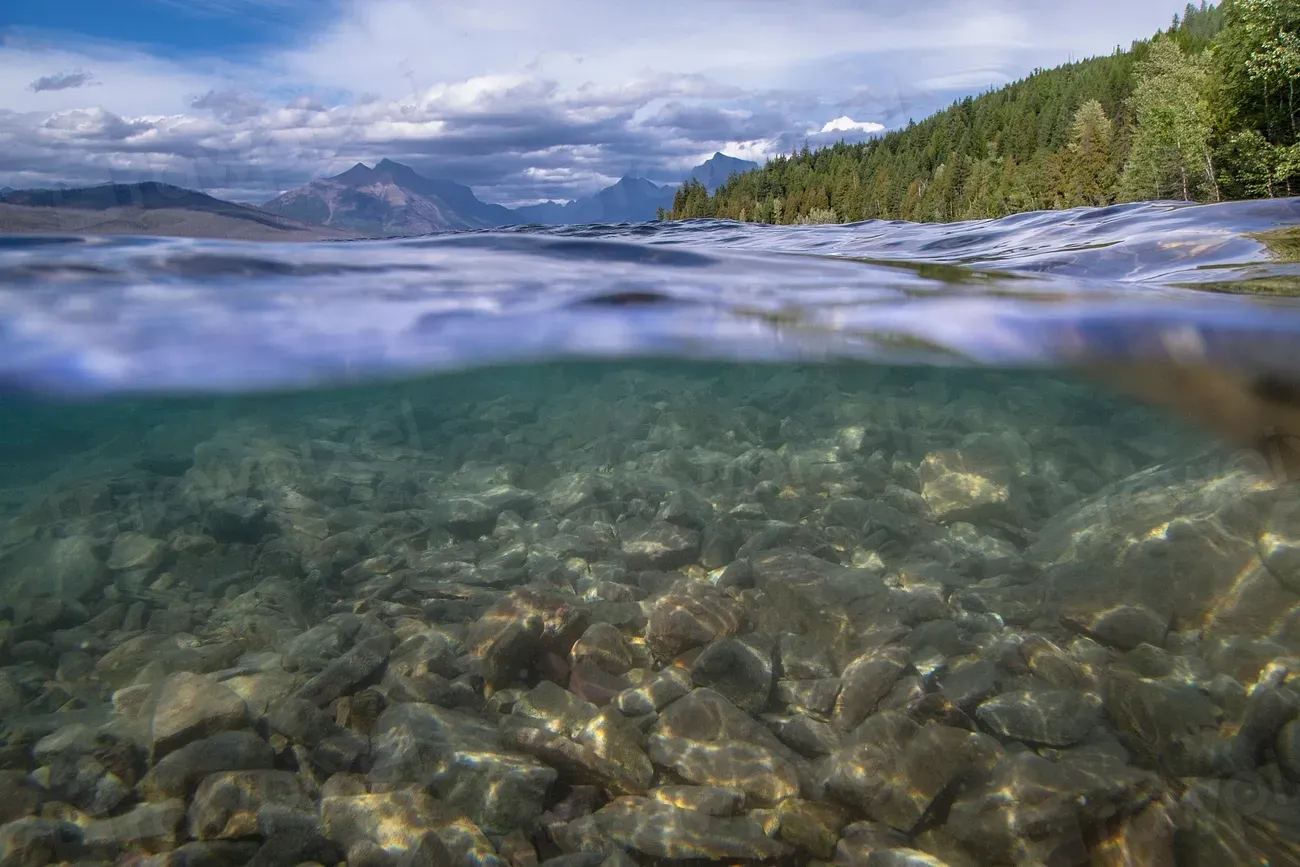
Early sonar operators once thought they were picking up the seafloor at shallower depths than it really was, because their signals bounced off a mysterious midwater “layer” that rose at night and sank during the day. It turned out not to be a false bottom at all, but a living cloud of fish, squid, shrimp, and gelatinous animals so dense it could confuse navy equipment. This is the deep scattering layer, sometimes called the ocean’s “hidden continent,” and it’s one of the largest daily migrations of life on the planet.
As the sun sets, countless creatures swim hundreds of meters upward to feed near the surface under the cover of darkness, then retreat to the depths at dawn to avoid predators. This constant vertical motion helps move carbon from the surface into deeper waters, acting like a biological conveyor belt that influences global climate. Scientists are only now starting to quantify how much biomass is involved and how sensitive it might be to warming or overfishing. It’s humbling to realize that while we sleep, an entire world on the move is pulsing up and down below our ships and coasts.
8. Submarine Volcanoes and Lava Flows: Fire in the Freezing Dark
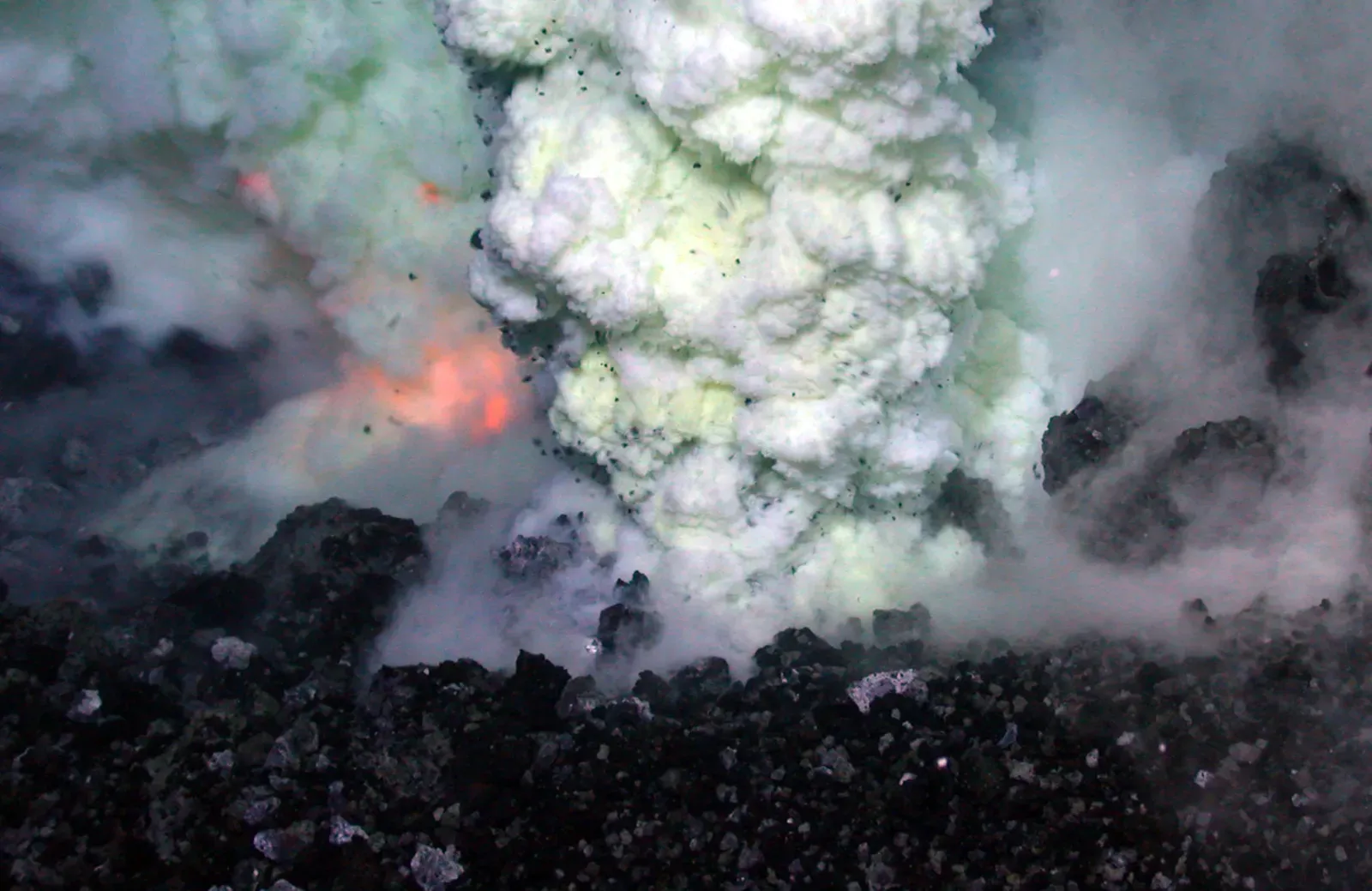
Most of the volcanic activity on Earth actually happens underwater, along mid-ocean ridges and at scattered submarine volcanoes, far from human eyes. When these volcanoes erupt, molten lava can pour out into ice-cold seawater, forming glassy pillow-shaped blobs or long lava rivers that cool and crack into dramatic patterns. Clouds of ash and chemicals billow into the surrounding water, creating chaotic but strangely beautiful scenes captured by remotely operated vehicles.
What’s surprising is how quickly life moves in after an eruption. Microbes colonize fresh lava almost immediately, and over time, animals like limpets, crabs, and eventually corals and sponges arrive, turning a black, barren landscape into a living one. Because eruptions are unpredictable, scientists are racing to place seafloor observatories and sensors that can catch them in the act. Every time they do manage to watch a fresh eruption, they get a rare time-lapse of how ecosystems are born, altered, and sometimes wiped clean again in the deep.
9. Gigantic Seamounts: Hidden Mountains Bigger Than the Alps
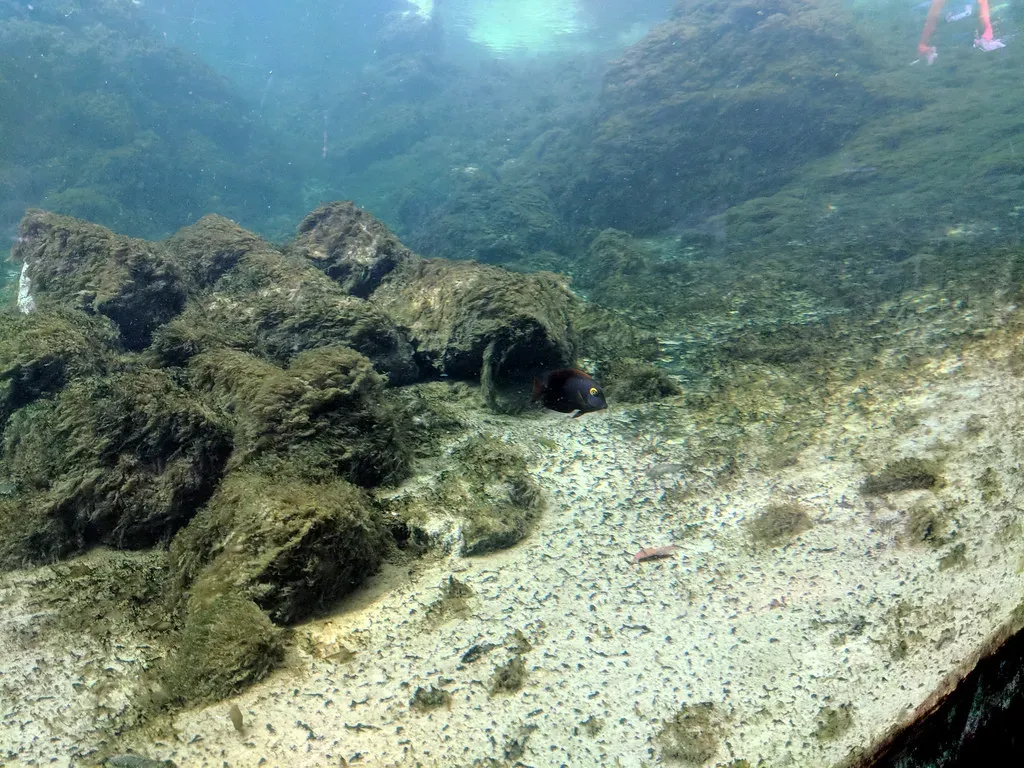
Seamounts are underwater mountains that rise from the seafloor but don’t quite reach the surface, and there are tens of thousands of them scattered across the oceans. Some are taller than famous mountain ranges on land, yet a lot of them never even had proper names or detailed maps until very recently. They disturb currents, causing upwellings that bring nutrient-rich water upward, which makes them magnets for life from drifting plankton to predatory fish and deep-diving whales.
The slopes of seamounts are often draped with sponges, corals, and other filter feeders that depend on steady flows of water to bring food. That’s also what makes them attractive to deep-sea fisheries, sometimes with devastating effect when heavy gear scrapes away fragile communities that took centuries to grow. Newly developed mapping tools and autonomous vehicles are revealing how many seamounts we still barely understand, and how different each one can be. Every expedition to a previously unexplored seamount feels a bit like landing on a new, underwater planet.
10. Deep Biosphere: Life Hidden in the Oceanic Crust
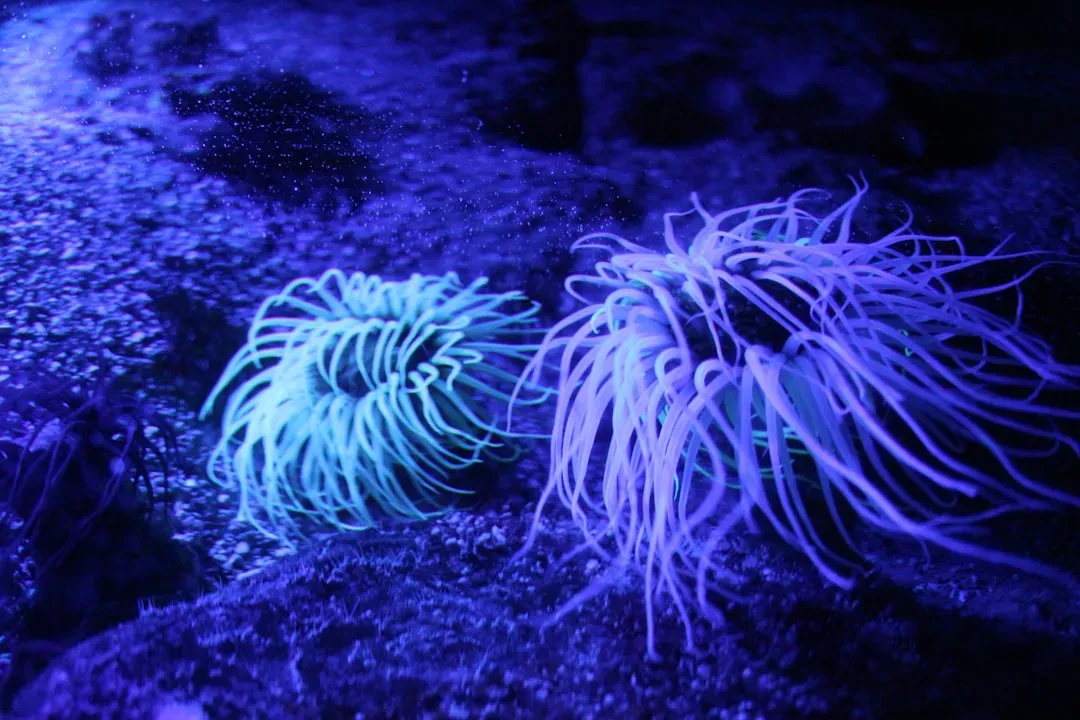
Perhaps the most mind-bending discovery of recent decades is that the deep sea is not just about animals on or above the seafloor, but also about microbes living inside the rocks below it. Scientists have drilled into oceanic crust and sediments and found vast communities of bacteria and archaea living in microscopic pores and fractures, surviving on tiny trickles of chemical energy. This so-called deep biosphere might contain a biomass comparable to all the life in the oceans above, yet it’s almost completely invisible.
These organisms live on timescales that make our lives look frantic; some may divide only once over many years, slowly persisting in stable, low-energy conditions. Studying them challenges basic assumptions about what counts as a habitable environment and how minimal energy life really needs. It also offers clues about how life could exist beneath the surface of Mars or the icy crust of distant moons, where light never reaches. Knowing that our own planet harbors such a quiet, hidden majority of life forces us to rethink what it means for a world to be truly alive.
The deep sea is still mostly uncharted territory, but every dive, sensor, and mapping mission adds a new piece to an enormous, dark puzzle. These ten wonders are likely just the beginning of what we’ll find as we keep pushing into the abyss – what do you think might still be waiting down there in the dark?