
If you think the ancient world can be neatly explained in school textbooks, the real story might shock you. Beneath the polished tales of pyramids and empires lies a stranger, messier, and far more mysterious past, full of structures and objects that seem to whisper, “You don’t know the whole story yet.”
Some of these marvels are famous but poorly understood, others sit half-forgotten in remote valleys or on the ocean floor, and a few were only discovered thanks to satellites and lasers scanning through jungle and sand. Historians and archaeologists work painstakingly to piece them together, yet big questions remain: who built them, how, and most puzzling of all – why? Let’s dive into ten of these ancient enigmas that refuse to give up their secrets.
1. Göbekli Tepe: The Temple That Shouldn’t Exist
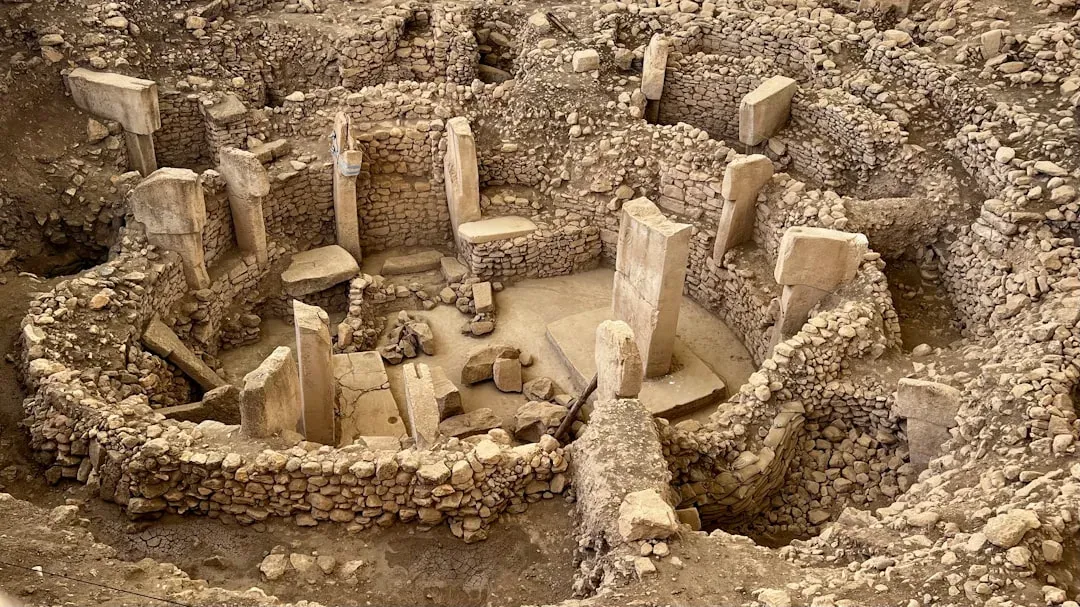
High on a hill in southeastern Turkey, Göbekli Tepe looks like the ancient world’s biggest plot twist. It dates back to around eleven thousand to twelve thousand years ago, long before cities, metal tools, or pottery were supposed to exist, yet it features massive T-shaped stone pillars arranged in circles, some carved with foxes, vultures, and abstract symbols. It’s as if a group of hunter-gatherers somehow jumped straight to building something that feels like a cathedral in stone.
The biggest riddle is purpose and organization. Did people travel long distances to gather here for rituals, feasts, or shared beliefs that predate organized religion as we know it? How did societies without farms or permanent settlements coordinate the labor to quarry, carve, and move stones weighing several tons? Some researchers now think monumental ritual sites like this may have helped trigger the shift to farming, not the other way around, flipping the usual story of civilization completely on its head.
2. The Antikythera Mechanism: An Ancient Mechanical “Computer”
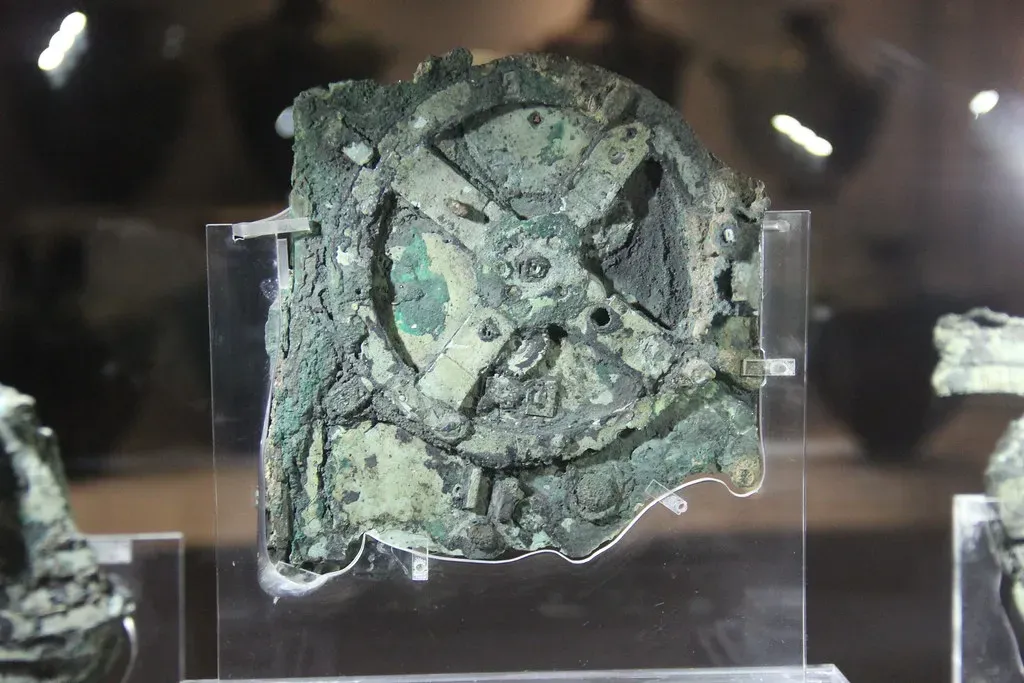
When divers off the Greek island of Antikythera pulled up a corroded lump of bronze in the early twentieth century, no one realized they were holding one of the most perplexing artifacts ever found. Hidden inside that crusted mass were dozens of delicate gears, dials, and inscriptions that turned out to be a complex device for tracking celestial movements and eclipses, built more than two thousand years ago. It’s so intricate that even watchmakers have admitted it looks shockingly advanced for its time.
Modern imaging has revealed multiple layers of interlocking gears that could predict planetary positions and even the timing of ancient athletic games tied to calendar cycles. The mystery is not just how the mechanism worked – engineers have now recreated it – but why nothing else like it has survived from that era. Was this part of a broader technological tradition we’ve almost completely lost, or the work of a few extraordinary craftsmen whose innovations never spread? The silence in the archaeological record around it is almost as loud as the machine itself.
3. Nazca Lines: Giant Geoglyphs Best Seen from the Sky
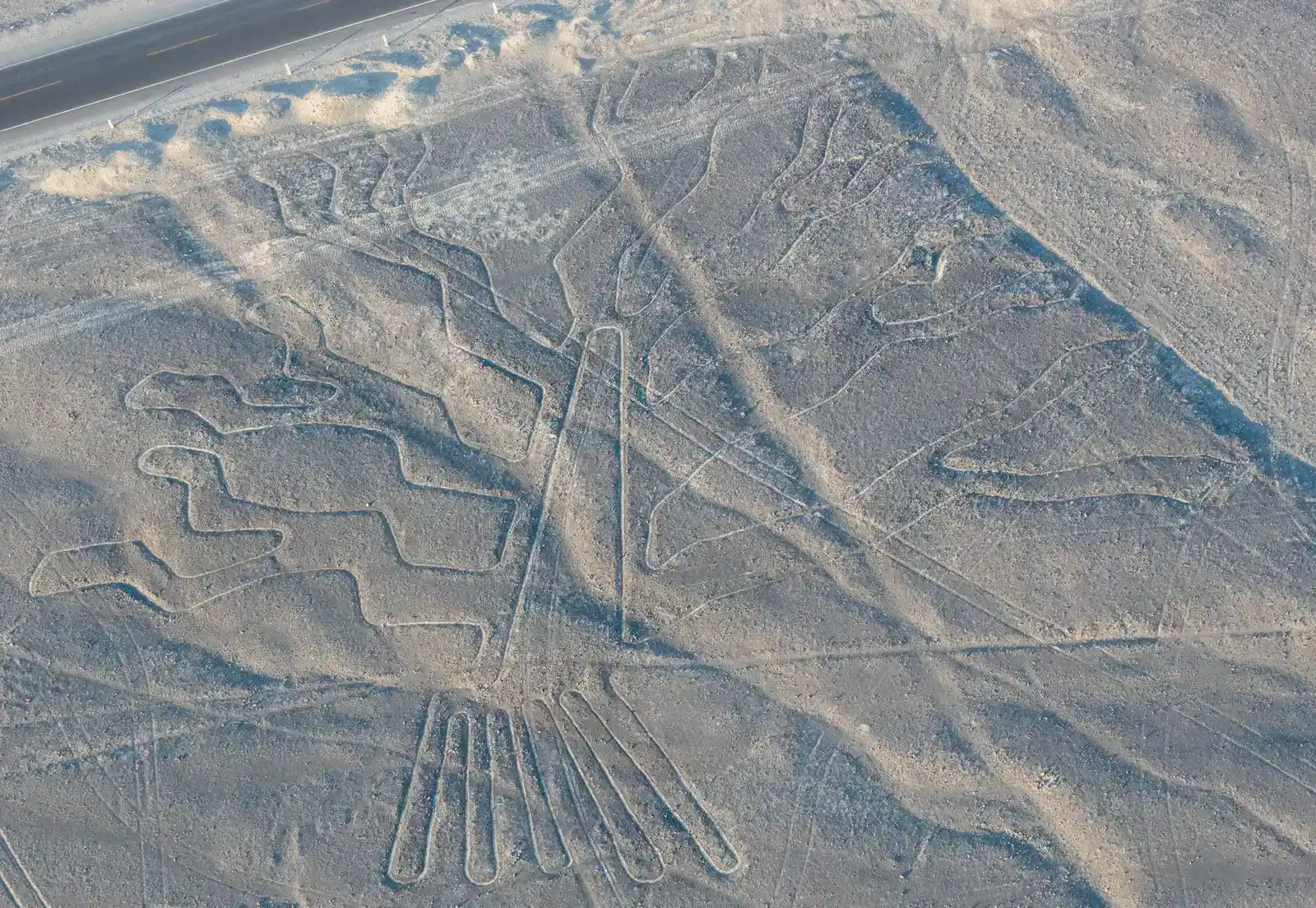
Stretching across the dry coastal plains of southern Peru, the Nazca Lines are enormous designs etched into the desert floor – spiders, hummingbirds, monkeys, and long geometric lines that run almost arrow-straight for kilometers. The shocking part is that these images can only really be understood from above, yet they were made between roughly two thousand and fifteen hundred years ago, long before aircraft. Standing in the middle of one on the ground, it mostly looks like a shallow trench in endless gravel.
Researchers have suggested they might be ceremonial pathways, markers for water sources, or astronomical alignments, and some lines do appear connected to horizon points of the sun and certain stars. But why choose such massive scales, and how did the Nazca people keep the designs so proportionally accurate without a bird’s-eye view? Simple tools like stakes and ropes could technically do it, yet the sheer coordination and planning involved suggest a worldview where walking those lines – literally moving through symbols – might have mattered as much as seeing them.
4. The Pyramids’ Megalithic Precision at Giza
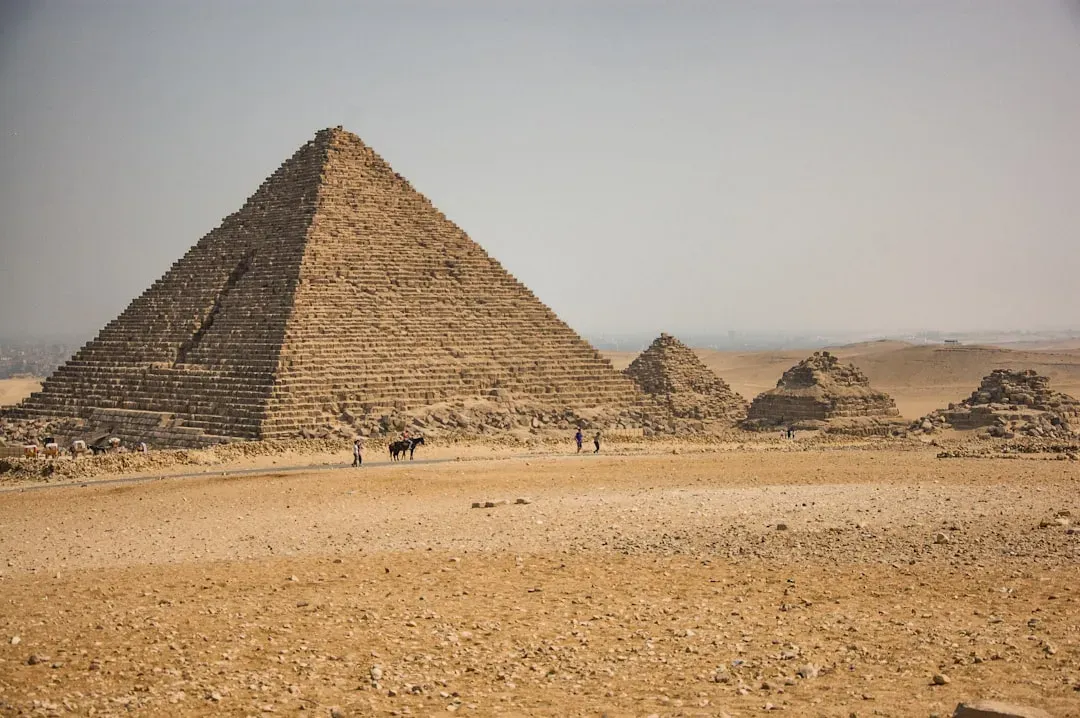
The Great Pyramid of Giza is so familiar that it’s easy to forget just how bizarre it really is. Built over four thousand years ago, it originally stood more than one hundred thirty meters tall, composed of millions of stone blocks, some weighing several tons, aligned so precisely to the cardinal directions that modern compasses look sloppy next to it. Its base deviates from a perfect square by a margin often measured in mere centimeters, over sides longer than a city block.
Archaeologists have a reasonable grasp on tools and methods: copper chisels, sledges, ramps, and a massive workforce of skilled laborers, not slaves in chains as once popularized. Yet questions still gnaw at the edges. How did planners survey the site with such accuracy without modern instruments? Why does the internal layout – narrow ascending passages, oddly placed chambers, and sudden changes in angle – feel more like a clever puzzle than a simple tomb? Even among professionals, there’s no full agreement on all stages of construction or on the deeper symbolism encoded in its mathematics and orientation.
5. Stonehenge and Its Mysterious Transported Stones
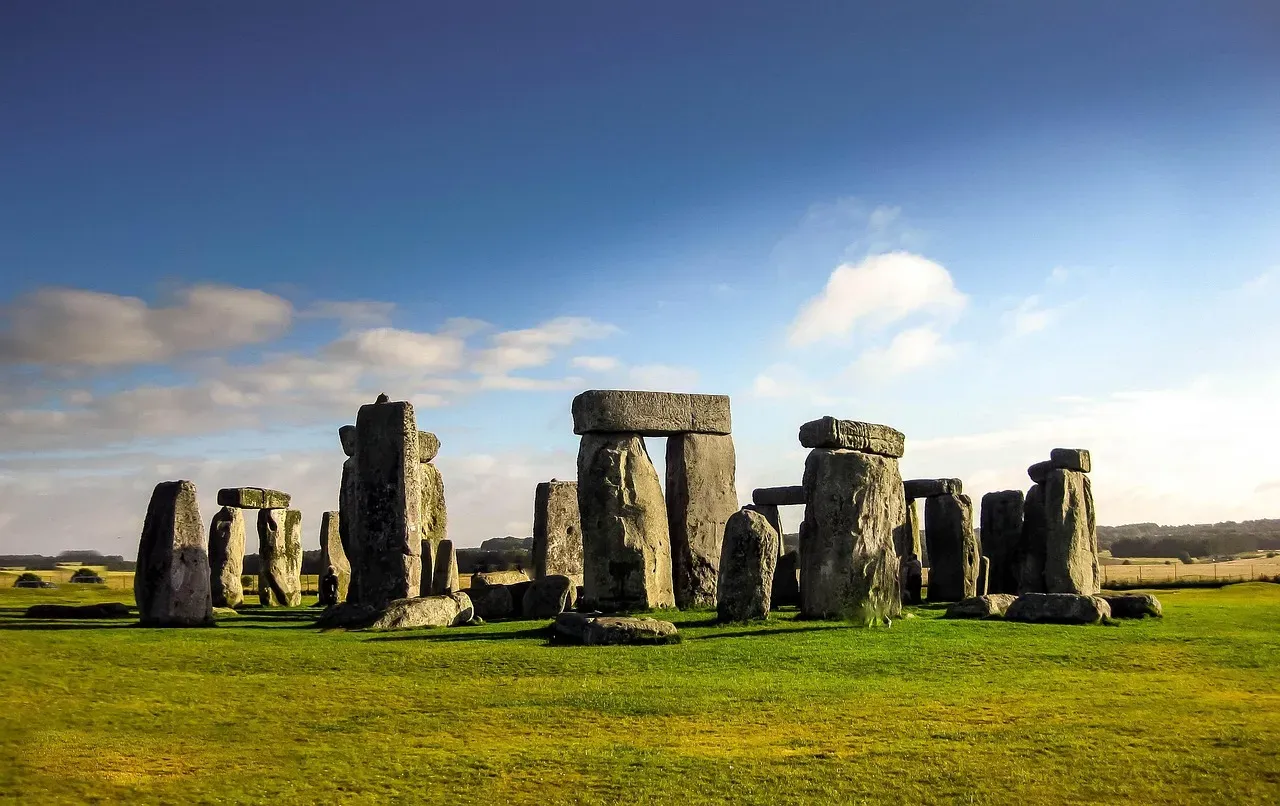
On the Salisbury Plain in England, Stonehenge rises like a broken jawbone against the sky, familiar from postcards yet stubbornly confusing up close. The site evolved over many centuries, but the most head-scratching part is the “bluestones,” some of which were originally quarried in the Preseli Hills of Wales, roughly two hundred kilometers away. Moving multi-ton stones that far without wheels or draft animals feels a bit like trying to push a car by yourself from one city to another.
Some theories suggest overland hauling with sledges and log rollers, others propose transport by rafts and coastal and river routes, combining water and land. Recent studies have identified possible quarry sites and even rough-cut stones left behind, but there’s still no consensus on the exact logistics or the ceremonial reasoning for choosing that distant source. Add to that the careful alignment with solstices, the burials clustered nearby, and the multiple construction phases, and Stonehenge starts to look less like a single monument and more like a long-running community project whose central meaning we’ve only half-grasped.
6. The Underground Cities of Cappadocia
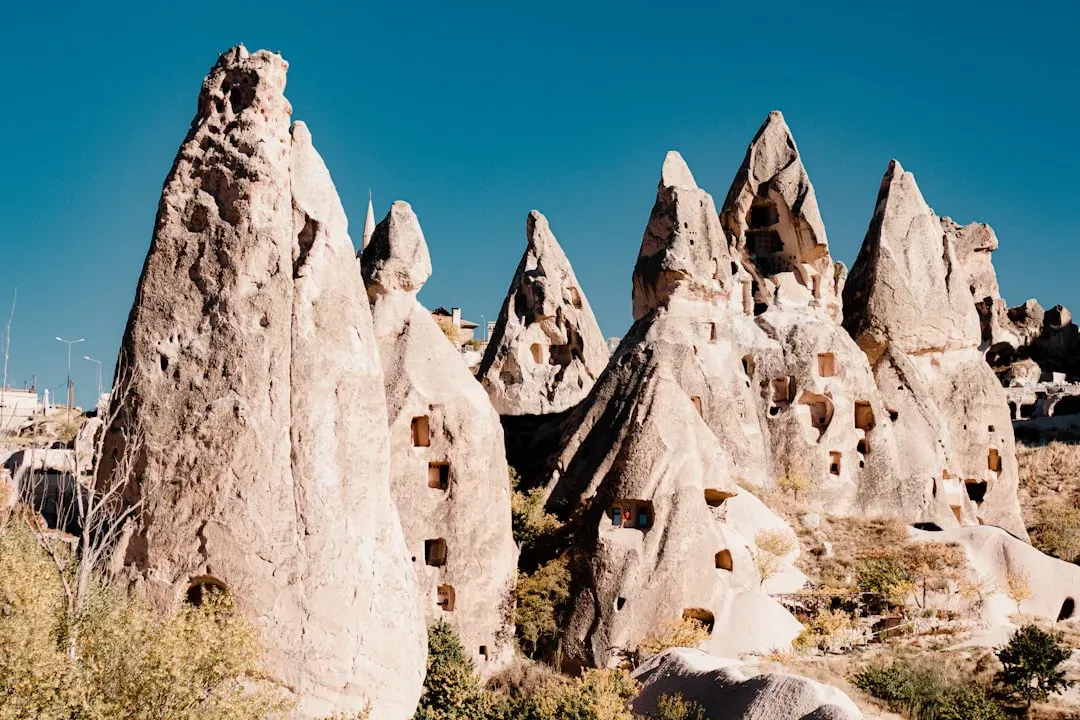
In central Turkey, the soft volcanic rock of Cappadocia hides something wild: entire underground cities carved downward for many levels, with tunnels, stables, kitchens, churches, and ventilation shafts weaving through the earth like an ant colony. Places such as Derinkuyu and Kaymakli could shelter thousands of people at once, yet from the surface, you might walk past a small, nondescript entrance and never guess what lies below. It’s a bit like discovering a high-rise apartment complex turned upside down and buried.
Historians agree these complexes were used as refuges during times of invasion or persecution, especially in the first millennium of our era, but the earliest phases of excavation remain murky. Different eras seem to have expanded and modified the spaces, leaving a layered puzzle of changing needs and fears. How did builders coordinate airflow deep underground so people could survive there for long stretches? And what kind of social organization does it take to teach generation after generation the location and maintenance of such hidden cities without written manuals pinned to the walls?
7. The Indus Valley Script That No One Can Read
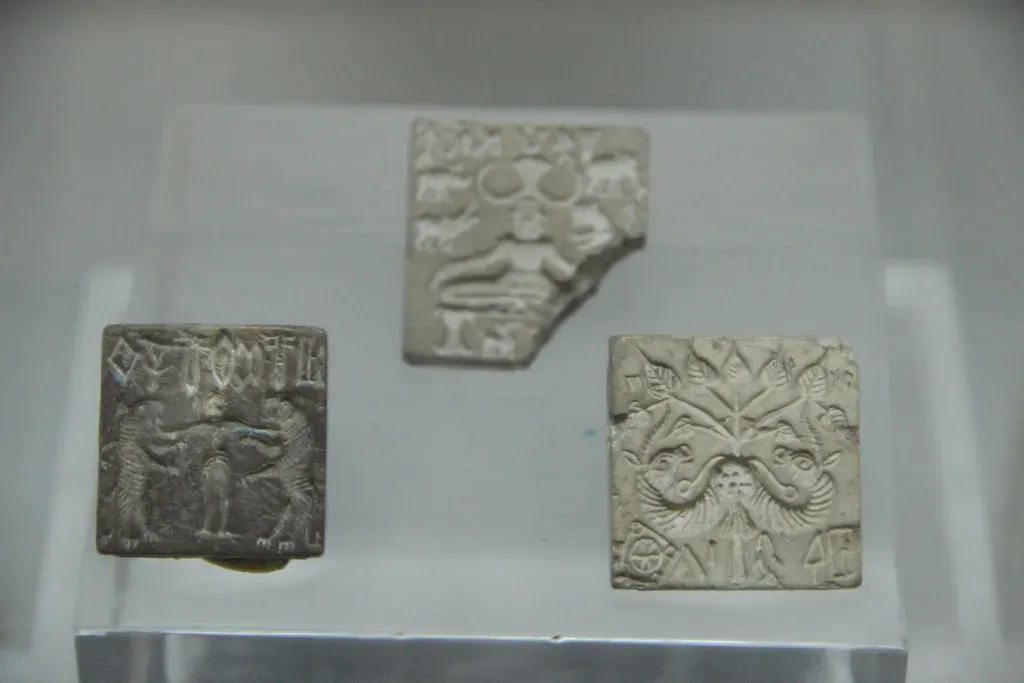
In what is now Pakistan and northwest India, the Indus Valley Civilization once built carefully planned cities like Mohenjo-daro and Harappa, with straight streets, drainage systems, standardized brick sizes, and evidence of long-distance trade. They also left behind small seals and tablets marked with a distinctive script – short clusters of signs, often combined with images of animals like unicorn-like bovines. The problem is, after more than a century of study, no one has definitively cracked what those symbols mean.
Unlike Egyptian hieroglyphs, we don’t have a handy bilingual inscription like the Rosetta Stone, and the texts we do have are mostly very short, which makes statistical decipherment hard. Scholars debate whether the script encodes a full spoken language or represents something more limited, such as names, titles, or religious markers. Until someone finds a longer text, or perhaps a translation kept in another culture’s records, an entire civilization’s written voice remains frustratingly silent. It’s like having thousands of beautifully stamped signatures and labels with no idea what they say.
8. The Moai of Easter Island and Their Silent Journey
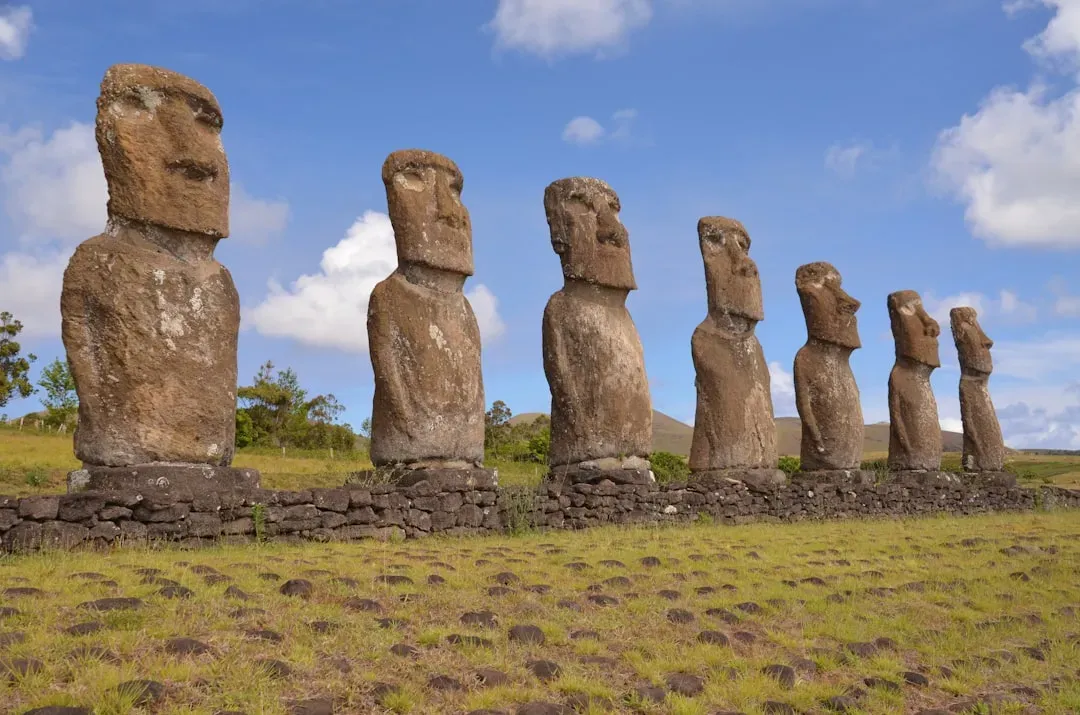
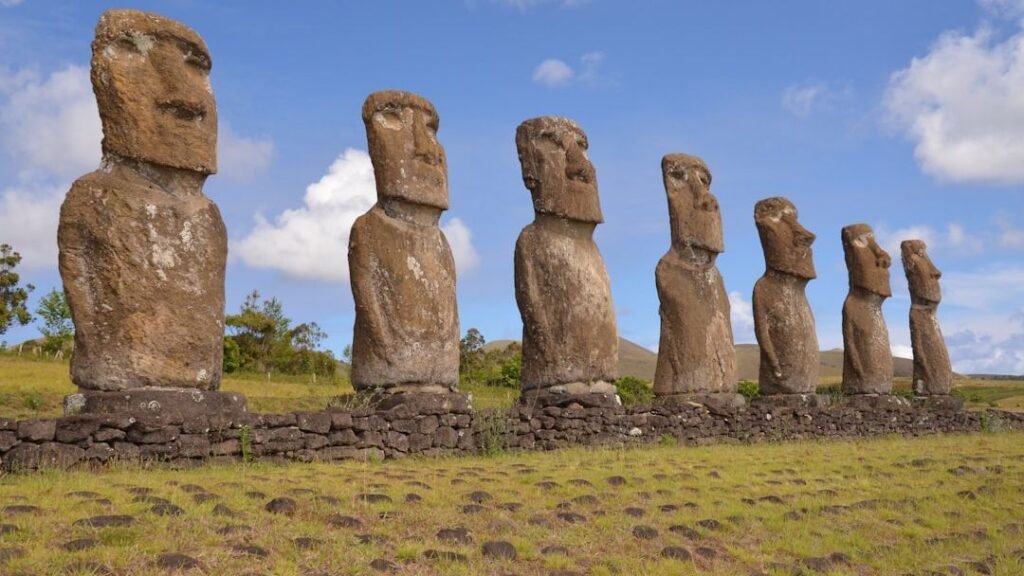
Far out in the Pacific, Rapa Nui – better known as Easter Island – is dotted with massive stone figures called moai, carved from volcanic rock and often transported many kilometers from quarries to ceremonial platforms near the coast. Some of these statues weigh as much as a fully loaded bus, yet they were moved without metal tools or large animals, only human effort and ingenuity. Standing in front of one, you can almost feel the weight of unanswered questions in the air.
Experiments have shown it’s possible to “walk” a replica moai by rocking it side to side with ropes, much like moving a heavy refrigerator across a room, but whether that was the actual ancient method remains debated. The bigger puzzle is why the island’s society invested so much in these colossal ancestors, continuing to carve larger and larger figures even as resources seem to have grown scarce. Were the statues a way to stabilize a stressed community through ritual and identity, or did escalating competition between groups push the system to a breaking point? The moai stand, but their makers’ story broke off mid-sentence.
9. The Sacsayhuamán Megaliths Above Cusco
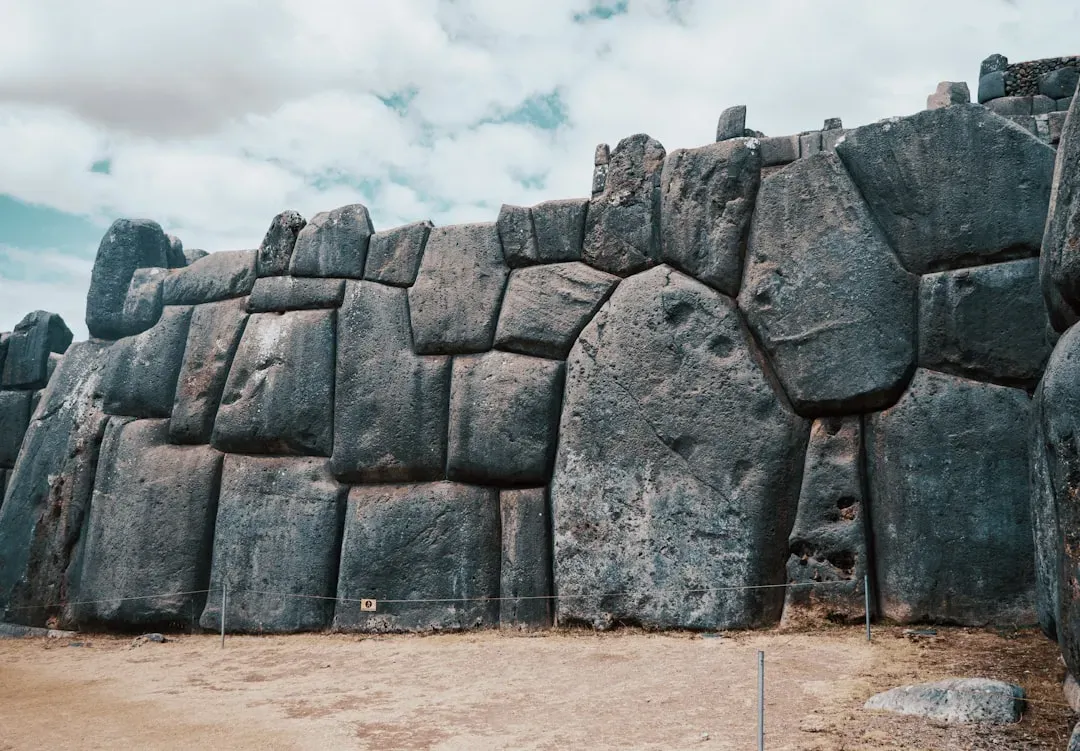
Above the city of Cusco in Peru, the fortress or ceremonial complex of Sacsayhuamán looks like a stone mason’s fever dream. Its outer walls are built from enormous polygonal blocks, some taller than a person, cut with such precision that they fit together without mortar, with joints so tight that small plants struggle to grow between them. The blocks aren’t simple rectangles either; they have multiple faces and angles, locking into each other like a three-dimensional jigsaw puzzle made of rock.
The Inca and possibly earlier Andean peoples clearly had deep knowledge of stone working, quarrying, and transport, yet the exact techniques for shaping those irregular yet perfect fits remain debated. Some suggest hours of patient pecking and polishing with stone tools, others think workers used controlled abrasion with sand and water, guided by repeated trial fitting. The big question is why they chose such a difficult, almost obsessive style instead of simple brick-like blocks. Was it primarily structural, helping walls resist earthquakes, or was the visual and symbolic impact of those massive, interlocking stones just as important as their engineering strength?
10. The Yonaguni Submerged Structures
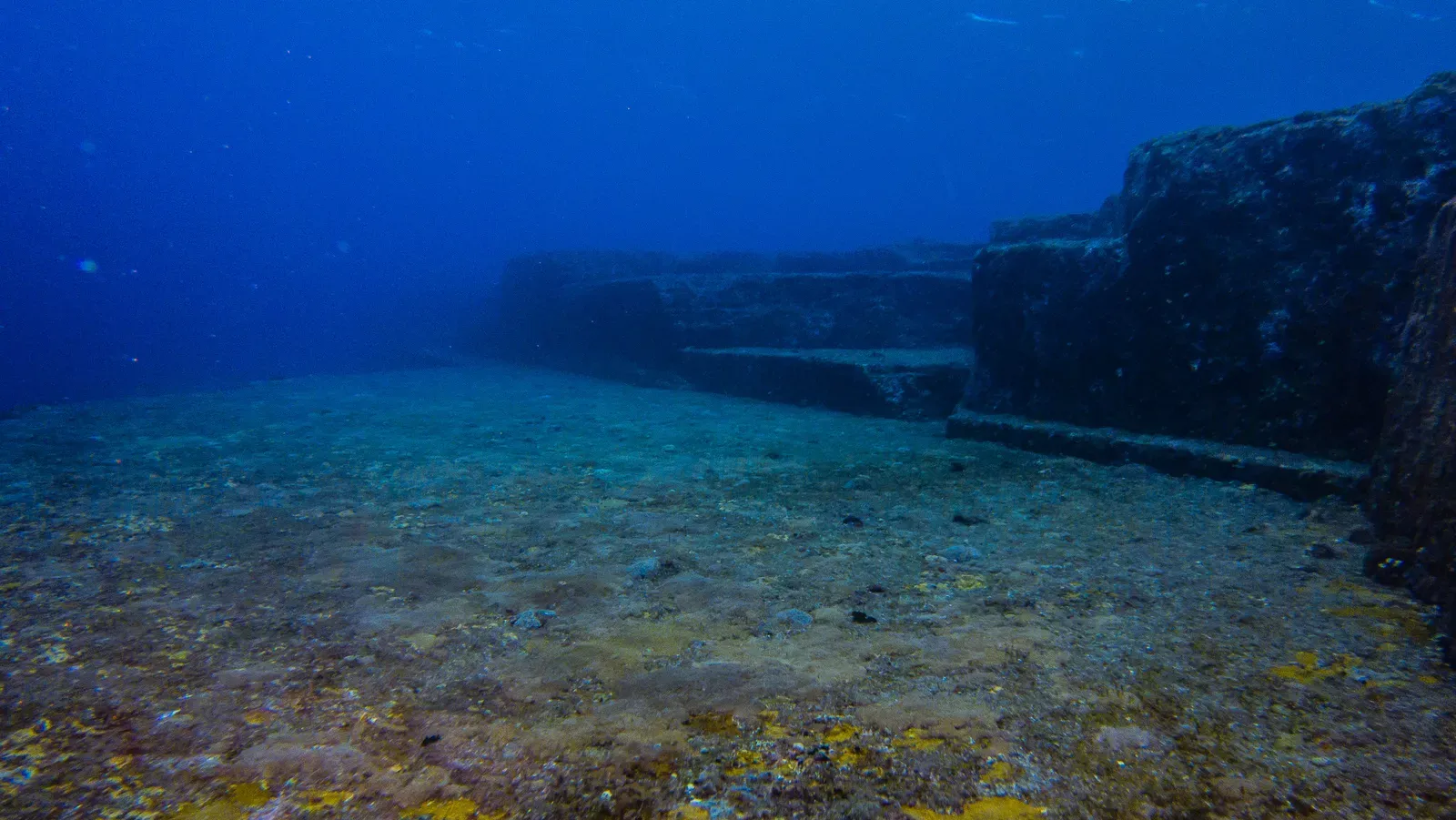
Off the coast of Yonaguni Island in Japan, divers discovered a set of submerged terraces, steps, and sharp-angled forms that resemble a sunken city or temple complex. Large flat platforms, straight-edged ledges, and what looks like a stairway have sparked heated arguments over whether this is a natural rock formation shaped by erosion or evidence of human modification from a time when sea levels were lower. Swimming along its edges, the place feels eerily deliberate, yet nature is surprisingly good at faking geometry.
Some geologists point out that local sandstone naturally fractures in straight lines, creating layers and steps, while others argue that certain right angles and apparent carvings hint at human intervention. Even if people did enhance or use the formations, pinning down a clear date and cultural context is extremely difficult underwater, where artifacts are scarce and stratigraphy is messy. The site sits on the edge of what we confidently know about early seafaring societies in East Asia, leaving it in a gray zone between myth, misinterpretation, and a potentially important but poorly understood chapter of human coastal life.
The ancient world is often shown as a straight staircase of progress, but these ten mysteries feel more like doors we’ve barely cracked open. They remind us that our ancestors were not simple or naive; they were inventive, stubborn, and sometimes downright inscrutable. Which of these marvels leaves you with the most questions buzzing in your mind?