
There are places on this planet that show up as teasing blurs on satellite maps, whispered in Reddit threads, or hinted at in obscure scientific papers – only to be stamped with the same stark verdict: off-limits. In an age when budget airlines and GPS make it feel like the world is fully unlocked, the idea that entire islands, bunkers, or lab complexes are legally or physically unreachable feels almost prehistoric. Yet these forbidden destinations aren’t just about secrecy; they’re also about survival, biosecurity, geopolitics, and sometimes, uncomfortable truths about what humanity is capable of. From islands crawling with hyper-aggressive disease-carrying mosquitoes to vaults holding viruses that once killed tens of millions, each site raises the same unsettling question: what happens when curiosity collides with risk? This is a tour you can only ever take with your mind – and maybe that’s exactly the point.
The Sentinel That Kills on Sight: North Sentinel Island, India
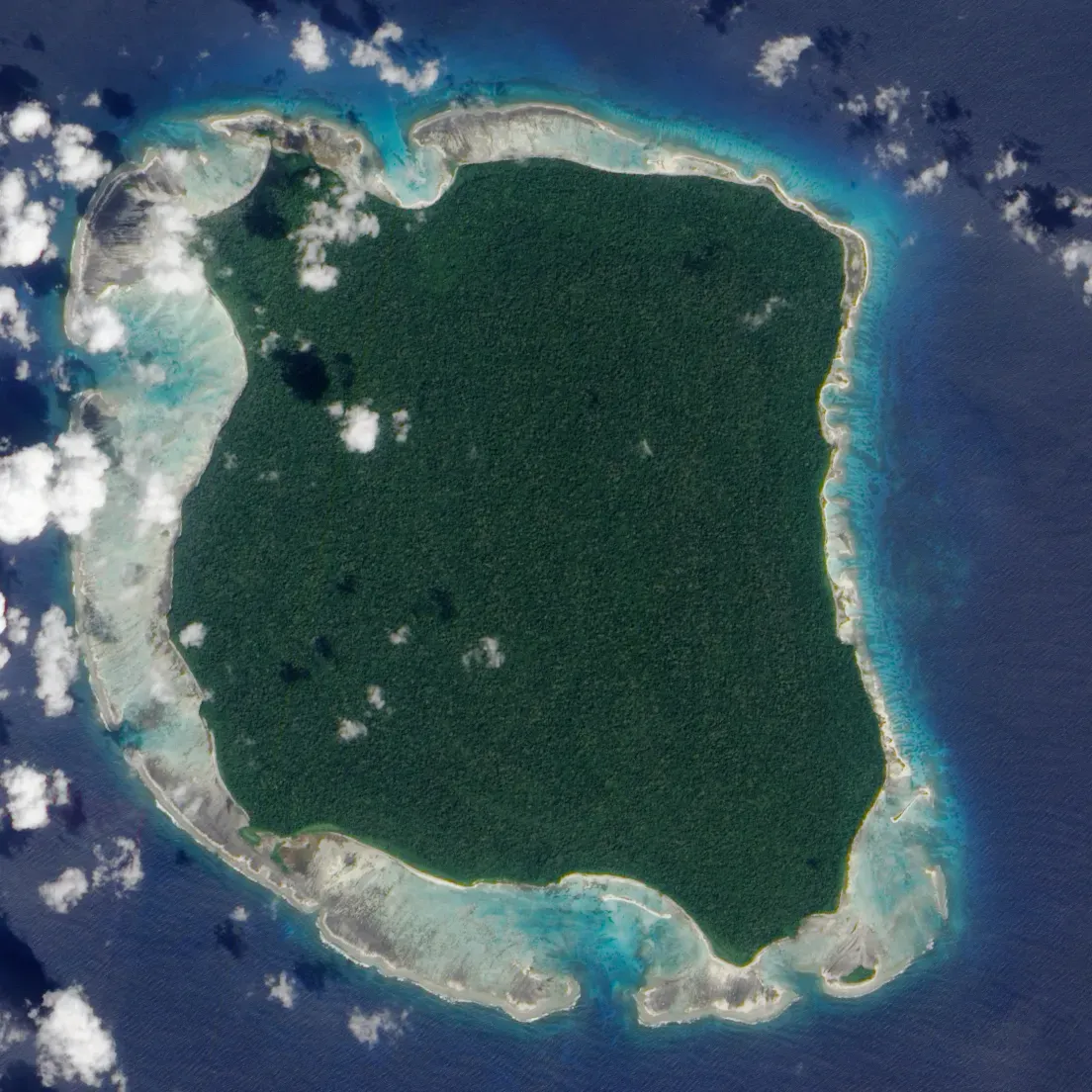
Imagine standing on the deck of a ship, watching a scrap of emerald forest float on a steel-blue sea, knowing that setting foot there could spark both your death and the end of an entire culture. North Sentinel Island in the Bay of Bengal is one of the most fiercely protected and isolated places on Earth, guarded not by military fences or biometric scanners, but by the Sentinelese people themselves. India has placed a strict exclusion zone around the island, forbidding travel within several nautical miles, not as a punishment to outsiders but as a shield for a community that has had almost no contact with the outside world. For epidemiologists and anthropologists, the island is a living time capsule and a biological powder keg at the same time. A single respiratory virus – one that would barely slow down most people in a modern city – could rip through the Sentinelese with catastrophic force.
What makes this place so haunting is the paradox it embodies: one of the most scientifically fascinating human societies on the planet is also one of the least ethically accessible. There are no controlled studies, no public health surveys, no linguistic databases – only distant aerial images and a handful of fraught historical encounters. India’s decision to criminalize attempts to land there is, in a way, a rare case of restraint in a world obsessed with documentation and access. The island forces scientists and travelers alike to confront a tough boundary: just because we can reach a people, should we? In a travel culture that glorifies “untouched” and “undiscovered,” North Sentinel is the ultimate rebuttal.
The Virus Vault: CDC and Vector Labs in Atlanta and Beyond
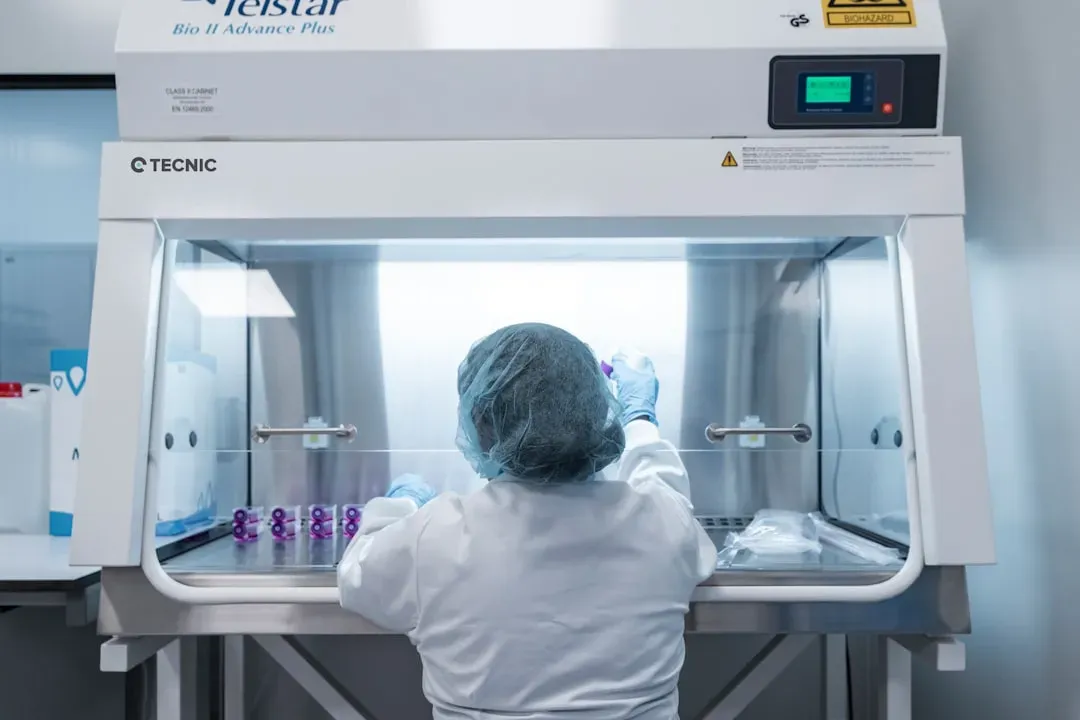
Far from exotic jungles and remote oceans, some of the world’s most forbidden destinations sit in bland-looking buildings with fluorescent lighting and keycard doors. High-containment laboratories like the U.S. Centers for Disease Control and Prevention’s Biosafety Level 4 (BSL-4) suites in Atlanta, or similar labs in places such as Winnipeg, Hamburg, and Wuhan, house pathogens that have shaped human history: smallpox, Ebola, Marburg, and other viral outlaws. The ban on public access here is absolute, enforced not just by guards and locked doors, but by multiple sealed layers of negative-pressure rooms, airlocks, and decontamination protocols that border on science fiction. For microbiologists, these labs are both a last-resort battlefield and a volatile weapons cache. They exist because the viruses exist – and because we’re not ready to live in a world where we know less than nature does about how to kill us.
Critically, we only know a fraction of what is possible when such pathogens interact with climate change, urbanization, and global travel. Roughly about one third of emerging infectious diseases in humans are driven by land-use changes, such as deforestation or urban expansion, and these labs are where that new microbial reality gets dissected and modeled. Yet the secrecy that protects us also feeds public anxiety. After the COVID-19 pandemic, BSL-4 facilities became lightning rods for conspiracy theories and political battles. These labs are forbidden to the average person for clear safety reasons, but they also symbolize a deeper fault line between specialized scientific knowledge and public trust. That tension may be as dangerous as some of the viruses stored inside.
The Island of No Return: Ilha da Queimada Grande, Brazil’s Snake Island
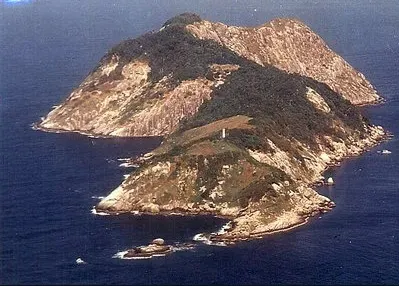
Just off the coast of Brazil lies a rocky, green speck with a death rate so high that local fishermen grow up learning one simple rule: do not land there, ever. Ilha da Queimada Grande, better known as Snake Island, is home to thousands of highly venomous golden lancehead pit vipers, a species found nowhere else on Earth. Estimates vary, but field surveys have suggested densities of several snakes per square meter in some areas, turning the forest floor into something like a living minefield. The Brazilian government bans public access except for strictly controlled scientific expeditions, and even then, researchers go in with heavy protective gear, tight protocols, and evacuation plans. This is not an island you visit to chase Instagram photos; it is an island designed, quite efficiently, to reject you.
From a scientific standpoint, Snake Island is a small evolutionary crucible. Isolated from the mainland, the golden lancehead’s venom has become unusually potent, likely adapting to efficiently kill seabirds that stop there to rest. Herpetologists and pharmacologists are fascinated because snake venoms often contain compounds with potential medical uses, from blood thinners to experimental cancer treatments. Yet the very isolation that allowed this unique evolutionary path also means the ecosystem is fragile. A careless human introduction of an invasive species or pathogen, or even poorly managed tourism infrastructure, could tip the island into ecological collapse. Here, the “no visitors” sign doubles as a conservation measure and a public health warning.
The Doomsday Code: Svalbard Global Seed Vault, Norway
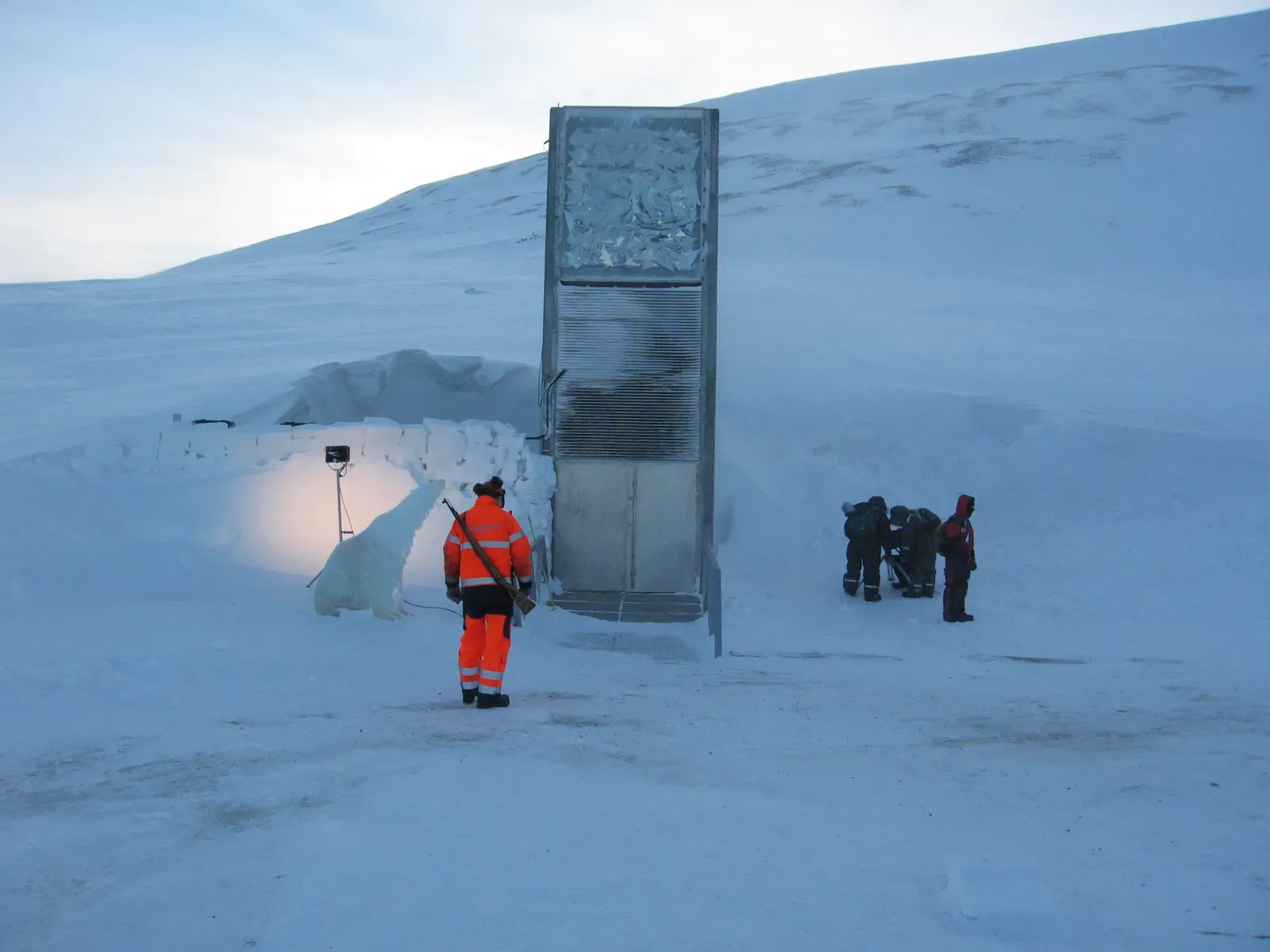
Carved into a frozen mountainside deep within the Arctic Circle, the Svalbard Global Seed Vault looks like a prop from a minimalist sci‑fi film: a wedge of concrete and steel, lit by a cold blue glow, staring out over snow and sea ice. Inside, millions of seed samples from nearly every country on Earth are stored in carefully controlled conditions, forming what many call a backup drive for global agriculture. Access is brutally restricted; only authorized staff and select scientists ever pass beyond the secure doors, and even donor nations don’t stroll in to visit their deposits. The public sees only the striking exterior and the occasional approved photograph from climate-resilient grain vaults within. In an era where crop failures linked to heatwaves, drought, and disease are growing more common, this quiet bunker might be one of the most important locked rooms on the planet.
The science here is less about apocalyptic drama and more about long-term probability. If a regional war, plant disease outbreak, or climate disaster wipes out a crucial crop variety, the vault provides a genetic reset button. Plant breeders can draw on this frozen library to develop new strains that resist emerging stresses, from fungal infections to soil salinization. Yet the vault also highlights a bitter irony: we have invested heavily in insuring our seeds, while doing far less to curb the greenhouse gas emissions that threaten them in the first place. You and I will never walk unescorted through Svalbard’s chilly aisles, but their existence is a quiet acknowledgment that our food systems are far more fragile than supermarket shelves suggest.
The Archive of Extinction: Chernobyl’s Inner Zones, Ukraine
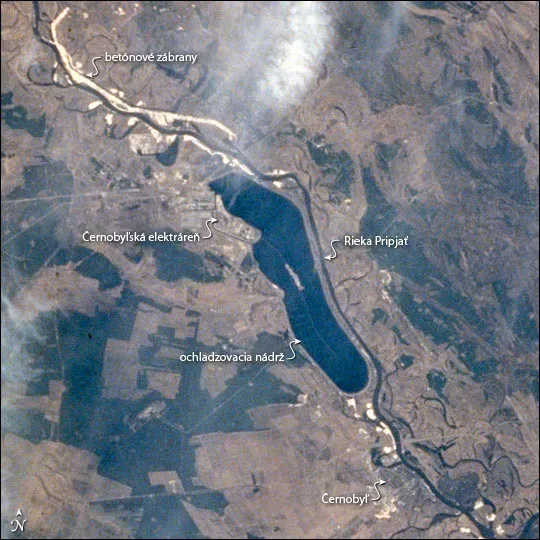
Decades after the 1986 reactor explosion, the name Chernobyl still carries a strange double image: a symbol of technological catastrophe and, increasingly, an accidental wildlife refuge. While some outer areas of the Exclusion Zone allow regulated tourism, large swaths of the most contaminated inner zones remain tightly restricted to radiation workers and researchers. These are not places for dramatic selfies; they are outdoor laboratories where biologists and radiologists track what happens when ecosystems are marinated in long-lived radioactive isotopes. From wolves and boars to insects and fungi, species have moved into abandoned villages and overgrown streets, rewiring the food web around a nuclear scar. The ground holds a grim archive of fallout particles, mutagenic histories written in dust and soil.
Studies in these zones have produced unsettling but crucial findings. Some animals appear to be thriving numerically despite chronic radiation, suggesting that freedom from human disturbance can, in some cases, outweigh elevated background radiation – at least in the short to medium term. Others show subtle impairments in reproduction, genetic stability, or immune function that may echo for generations. You and I are barred from wandering these sites for obvious health reasons, but the research that happens there feeds directly into risk models for nuclear accidents, medical radiation exposure, and even deep-space travel. Chernobyl’s locked areas remind us that the line between horror and habitat can blur in ways our policies struggle to keep up with.
Why These Forbidden Zones Matter More Than Any Tourist Hotspot
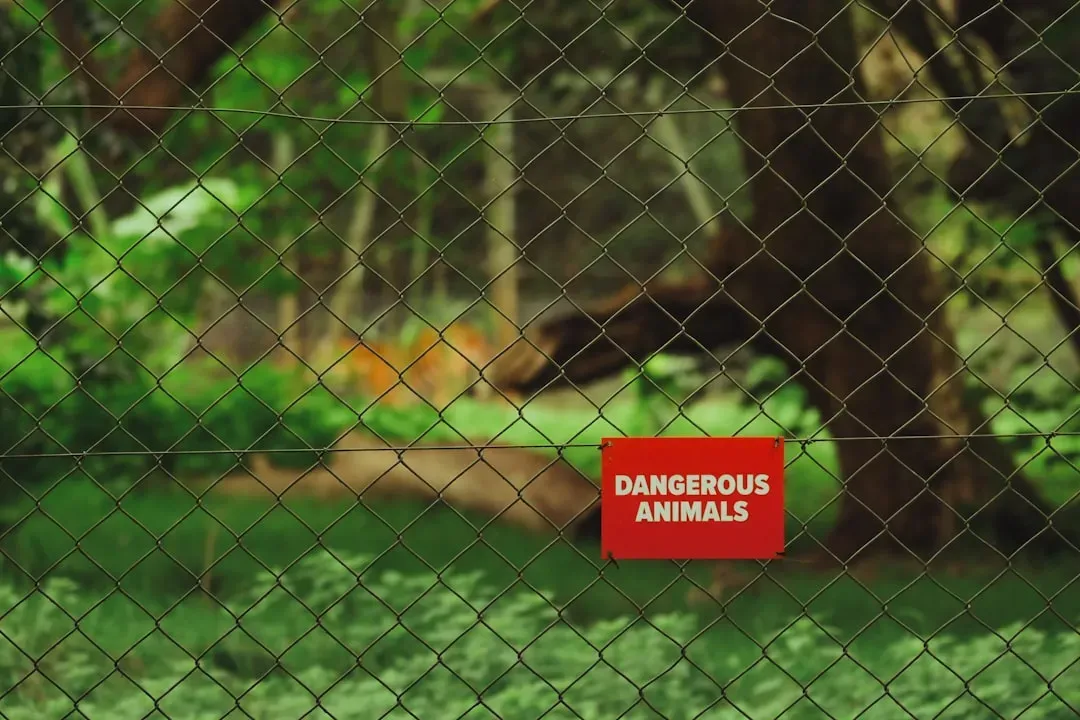
It’s tempting to file these places under the same mental category as urban legends or extreme adventure fantasies: fascinating, but irrelevant to daily life. That would be a serious mistake. Each forbidden destination is a kind of pressure point on the global system, where biology, technology, and politics collide. Isolated islands like North Sentinel and Snake Island reveal what happens when evolution runs in relative solitude and when contact – whether microbial or physical – can be lethal. High-security labs and nuclear exclusion zones show the downside of our own ingenuity, where the tools meant to protect humanity also carry the seeds of profound risk.
Compared with traditional ideas of “mysterious places” like lost cities or mythical continents, these modern no‑go zones tell a more uncomfortable story. The mystery is no longer about dragons at the edge of the map; it is about viruses in freezers, isotopes in soil, and cultural survival against a tide of globalized contact. For science journalists, and frankly for any curious citizen, these locations force us to ask how much danger we are willing to package up in the name of progress – and how much of the planet should remain unvisited to stay alive. In a sense, today’s forbidden destinations are mirrors. They reflect back our fears, our ambitions, and our persistent habit of underestimating complex systems until something breaks.
Hidden Data: What These Places Are Quietly Teaching Science
Even though tourists are banned and casual visitors turned away, these destinations are not silent from a scientific perspective. North Sentinel Island, despite its no-contact policy, shapes public health ethics and anthropological methods by demanding that we prioritize indigenous autonomy over curiosity. Snake Island’s venomous residents are already feeding into biochemical research on blood clotting and tissue damage, with possible knock‑on benefits for future drug development. Chernobyl’s inner zones have become an unplanned experiment in how ecosystems absorb, route, and sometimes adapt to persistent radiation. The Svalbard seed vault, meanwhile, underpins global crop diversity projects that are quietly redesigning how we think about agricultural security.
In many ways, the data coming from these places is more valuable precisely because access is so controlled. That tight control forces clearer research questions, rigorous protocols, and intense scrutiny of how findings are used. Traditional fieldwork often assumed that more access was always better; now, biosecurity concerns and indigenous rights are reshaping what “good science” looks like. It is a shift from extractive exploration to negotiated observation. The mystery remains, but it is now entangled with consent forms, security clearances, and a far more mature sense of scientific responsibility.
The Future Landscape: New No-Go Zones in a Warming, Wired World
Looking ahead, the list of places you cannot visit is likely to grow, not shrink. As climate change continues to accelerate, we are already seeing discussions about restricting access to newly exposed ecosystems, such as subglacial lakes in Antarctica and thawing permafrost zones that may release ancient microbes. High-containment labs are also expanding in number, especially in rapidly developing countries that want their own capacity to study emerging diseases rather than relying on foreign institutions. At the same time, digital surveillance and commercial satellite imaging mean there are fewer true “blank spots” on the map, so the remaining ones become lightning rods for speculation and political maneuvering. The more interconnected we are, the more strategic and high-stakes these few off-limits zones become.
We may also see new categories of forbidden destinations shaped by technology itself. Think of server farms that host crucial AI models, quantum research facilities exploring exotic states of matter, or underground repositories for nuclear waste designed to remain sealed for tens of thousands of years. Some of these places already exist in early forms, with buffer zones and access rules that echo the strict protocols at virus labs and seed vaults. In the future, the planet’s most consequential places might not be cities or monuments, but quiet, heavily guarded rooms and remote fenced landscapes where humanity tries to store its most dangerous knowledge. The tension between transparency and protection will only sharpen as these sites multiply.
How You Can Engage With Places You’ll Never Visit
Even if you never set foot near North Sentinel, Chernobyl’s core, or a BSL-4 lab, your choices still touch these places indirectly. Supporting organizations that defend indigenous land rights helps keep communities like the Sentinelese from being overwhelmed by forced contact, missionizing, or resource extraction. Paying attention to how your country funds and regulates high-containment labs can push policymakers toward stronger safety standards and more public transparency. Small shifts in everyday behavior – from reducing food waste to backing sustainable agriculture initiatives – feed into the larger system that makes seed vaults less likely to be called on in crisis. You might never see the Svalbard vault’s inner shelves, but your grocery cart and your vote both speak into its future relevance.
If you want something more concrete, you can: follow and support reputable science journalism that scrutinizes these forbidden zones without sensationalism; donate to conservation groups protecting fragile islands and wildlife refuges; and stay informed about nuclear, climate, and biosecurity policies rather than tuning them out as someone else’s problem. I still remember the first time I saw a grainy satellite image of a “blurred-out” island and felt that twinge of wanting to go there myself. Over time, that impulse shifted into a different kind of curiosity – not about how to get past the fence, but about why the fence exists, and what it says about us. In the end, maybe the most responsible kind of exploration is the kind that knows when to stop at the shoreline.
Suhail Ahmed is a passionate digital professional and nature enthusiast with over 8 years of experience in content strategy, SEO, web development, and digital operations. Alongside his freelance journey, Suhail actively contributes to nature and wildlife platforms like Discover Wildlife, where he channels his curiosity for the planet into engaging, educational storytelling.
With a strong background in managing digital ecosystems — from ecommerce stores and WordPress websites to social media and automation — Suhail merges technical precision with creative insight. His content reflects a rare balance: SEO-friendly yet deeply human, data-informed yet emotionally resonant.
Driven by a love for discovery and storytelling, Suhail believes in using digital platforms to amplify causes that matter — especially those protecting Earth’s biodiversity and inspiring sustainable living. Whether he’s managing online projects or crafting wildlife content, his goal remains the same: to inform, inspire, and leave a positive digital footprint.