
Stand on a quiet beach at night, look up at the stars, and realize this: somewhere under your feet lie the bones of animals that ruled the planet for more than 150 million years… and then were suddenly gone. That mystery still tugs at us. Even in 2026, with powerful computers, satellites, and fossils being unearthed every year, the story of is more surprising, more complicated, and honestly, more emotional than the simple “an asteroid killed them” line most of us learned in school.
Scientists have uncovered a whole web of theories that overlap, argue with each other, and sometimes even cooperate to paint a bigger picture. Some of these explanations are rock-solid, backed by mountains of data; others are fringe, controversial, or just plain weird but still worth hearing about. Think of it like a detective story with multiple suspects, each leaving fingerprints on the same crime scene. Let’s walk through ten of the most fascinating ideas about what really happened to the dinosaurs – and what that story says about the future of life on Earth, including us.
The Classic Asteroid Impact: A Bad Day In Mexico
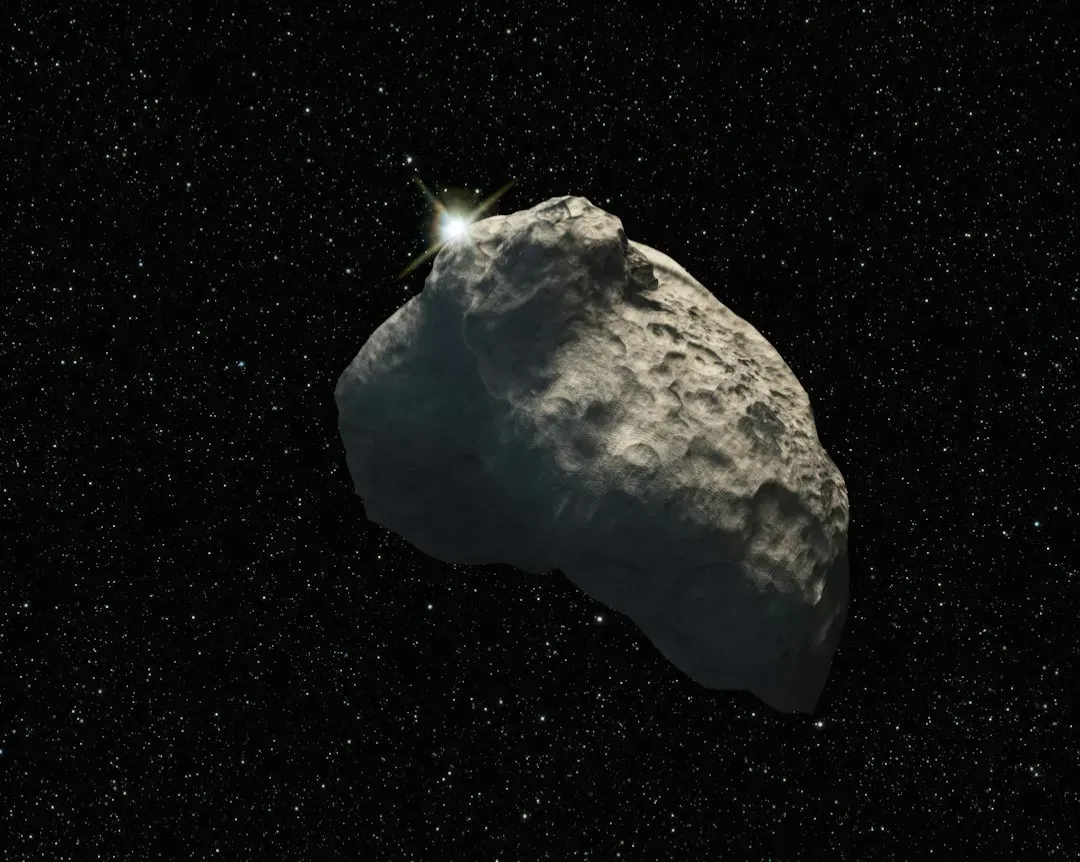
Imagine a rock from space, miles wide, hitting Earth with the force of billions of nuclear bombs. That’s not cinematic exaggeration; that’s roughly what happened when a massive asteroid slammed into what’s now the Yucatán Peninsula in Mexico about sixty‑six million years ago. The crater, called Chicxulub, is buried under rock and ocean, but its circular shape and age line up almost perfectly with the disappearance of the non‑avian dinosaurs.
The impact would’ve triggered firestorms, tsunamis, and a shockwave that circled the globe. More devastating than the initial blast, though, was the aftermath: dust and sulfur thrown into the atmosphere, blocking sunlight, plunging the planet into what’s often described as an “impact winter.” Plants struggled, food chains collapsed, and large dinosaurs that needed a lot of calories suddenly found themselves in a world that couldn’t feed them anymore. The asteroid theory is the backbone of modern extinction science for dinosaurs, and while it doesn’t answer every question, it sets the stage for most of the other theories on this list.
Volcanoes Gone Wild: The Slow Burn That May Have Finished Them
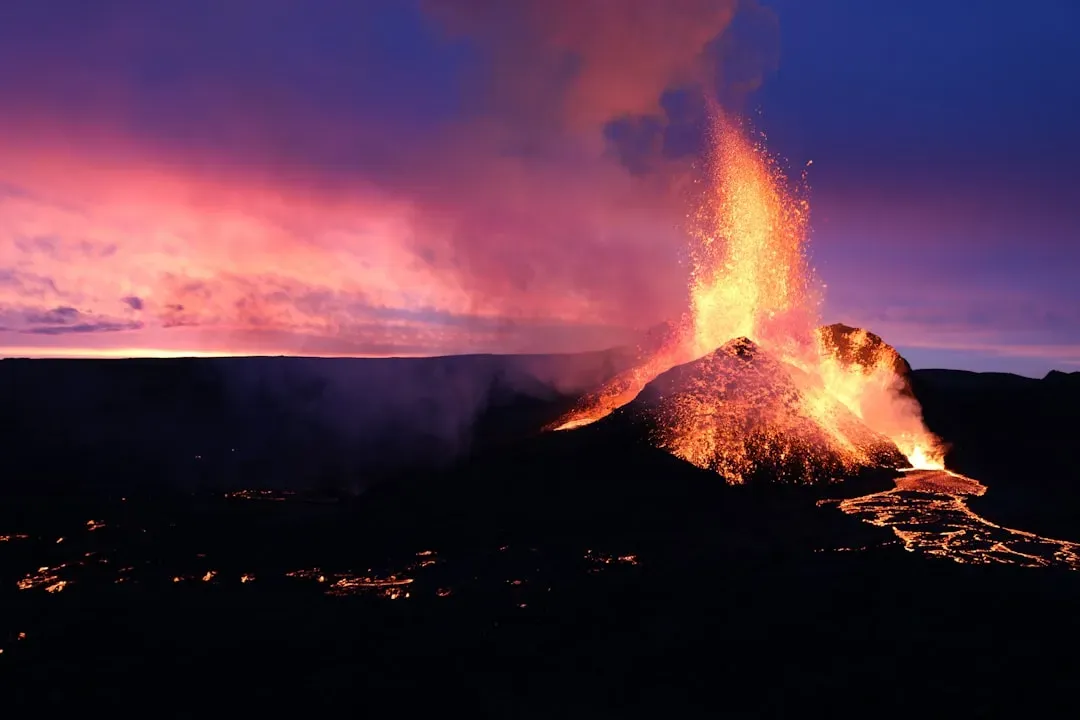
Now picture the opposite of a sudden impact: not one catastrophic day, but hundreds of thousands of years of the planet basically smoking like a broken engine. Around the same time as the extinction, massive volcanic eruptions in what’s now India formed a region of flood basalts called the Deccan Traps. Instead of lava oozing quietly, we’re talking repeated eruptions that covered large areas in thick volcanic rock and spewed enormous quantities of gases into the atmosphere.
Those eruptions likely released huge amounts of carbon dioxide and sulfur dioxide, which can both heat and cool the planet in complicated ways. Climate models suggest wild swings between hot greenhouse conditions and sudden cooling, along with acid rain and ocean acidification. In that kind of chaos, ecosystems are already stressed, so when an asteroid impact happens on top of all this, it’s like shoving someone who’s already standing on the edge of a cliff. Many scientists now see the volcanoes and the asteroid not as rival ideas, but as a brutal one‑two punch that dinosaurs simply couldn’t survive.
Climate Whiplash: A World Dinosaurs Weren’t Built For Anymore
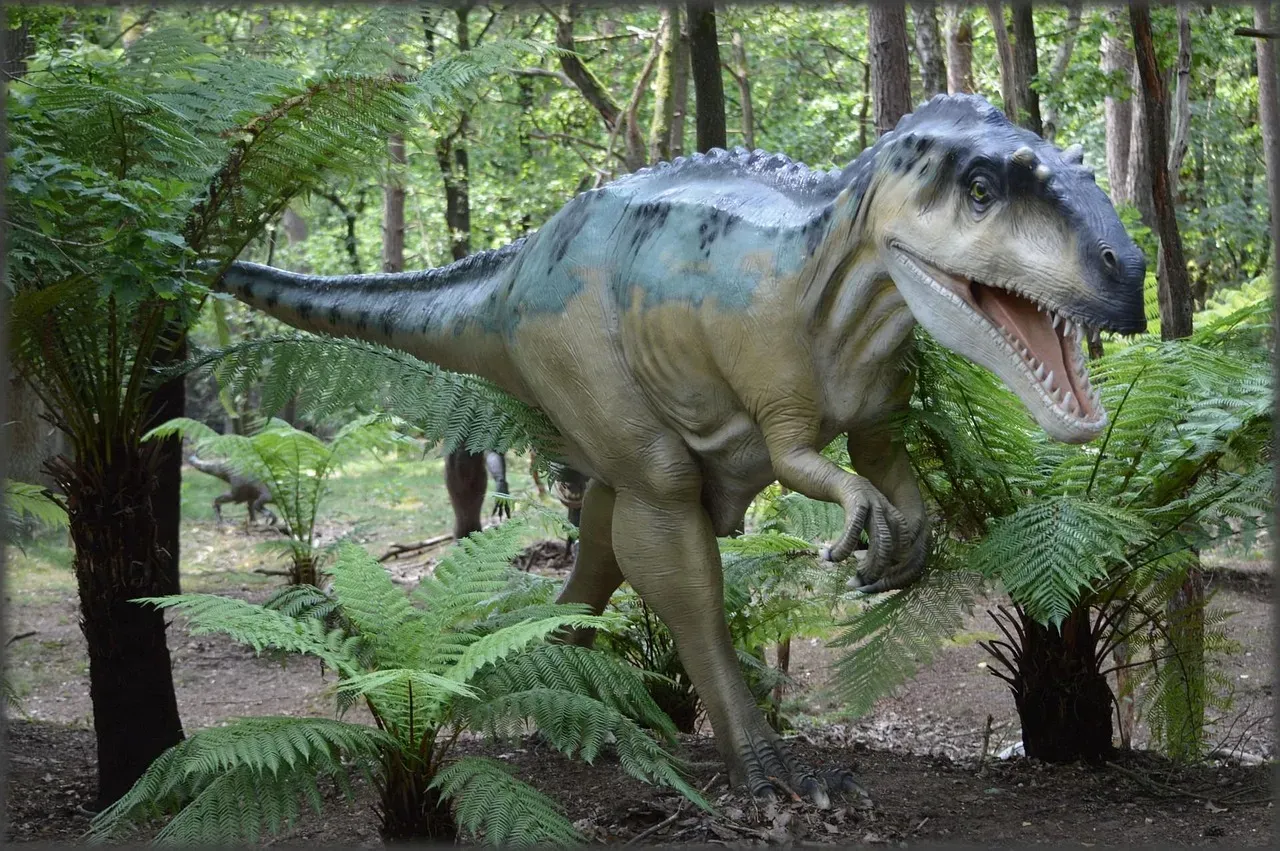
Even without an asteroid or mega‑volcanoes, climates change. Over millions of years, sea levels rise and fall, continents drift, and the atmosphere slowly shifts. In the late Cretaceous, the world started to cool from the super‑warm “greenhouse” state that many dinosaurs had evolved in. Polar regions, which once had lush forests and mild conditions, became more seasonal and, in some places, colder and darker for longer parts of the year.
Large dinosaurs seem to have thrived in stable, warm, plant‑rich environments, and when those started changing, their finely tuned bodies and lifestyles may have struggled to keep up. Fossils show that some dinosaur groups were already declining in diversity before the final extinction hit, suggesting that long‑term environmental trends were putting them under pressure. When you add sudden disasters like an impact on top of that background stress, the picture becomes less of a single event and more like climate whiplash that knocked out species already wobbling. It’s an uncomfortable reminder that slow changes can be just as deadly as sudden ones when they push living things past their limits.
Poisoned Skies And Seas: A Planet That Turned On Its Inhabitants
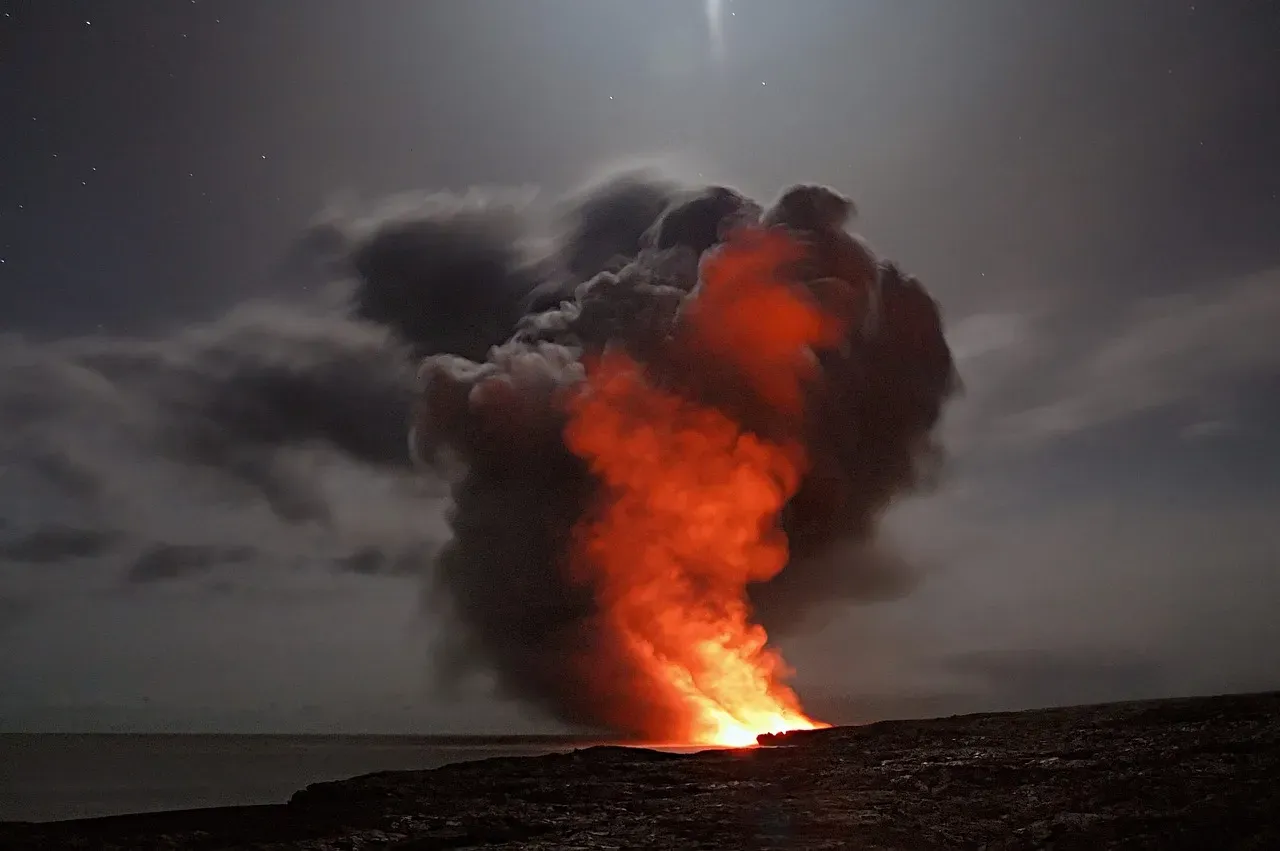
One grim idea is that dinosaurs didn’t just starve or freeze; they may have slowly been poisoned by their own planet. Volcanic eruptions and the impact itself could have released not only greenhouse gases, but also toxic substances like mercury and sulfur compounds. These can end up in the oceans, the soil, and eventually in plants and animals, creeping through food webs like a slow, invisible tide.
Some rocks from the end‑Cretaceous period contain elevated levels of mercury, which today is considered a dangerous pollutant for fish, birds, and humans. Acid rain from sulfur‑rich emissions might have damaged forests and freshwater systems, while ocean acidification can dissolve shells and harm marine life at the base of the food chain. If the basic building blocks of the ecosystem are being chemically sabotaged, big, high‑energy animals like dinosaurs are the ones most likely to go first. It’s a chilling parallel to what we worry about now with human‑made pollution and climate change, just playing out on a much older, more brutal stage.
The Mammal Uprising: Were We The Tiny Villains?
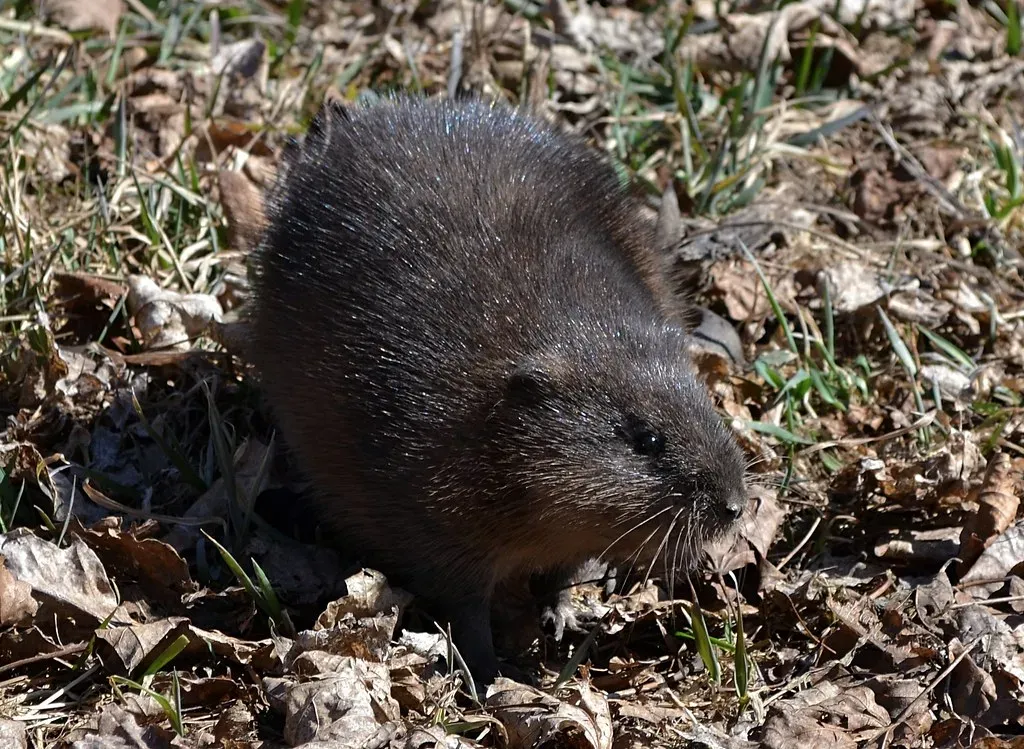
I still remember as a kid thinking of dinosaurs as bullies and mammals as the tiny underdogs hiding in the shadows. That image is not totally wrong. Mammals during the age of dinosaurs were mostly small, nocturnal, and occupied niches that big reptiles didn’t care much about. But being small, fast‑breeding, and flexible can be a massive advantage when the world flips upside down. When ecosystems collapsed, mammals may have been better at surviving on scraps and shifting diets than many dinosaurs were.
Another idea is more direct: mammals could have competed with dinosaurs for food, especially for insects, fruits, and maybe even small vertebrates. Some researchers have suggested that early mammals might have raided dinosaur nests, eating eggs and weakening populations over long time scales. While there’s no single smoking gun that says “mammals killed the dinosaurs,” the timing is striking: after the extinction, mammals exploded into new species, filling all the empty roles dinosaurs once held. In a dark twist, our own evolutionary success may be tightly tied to the downfall of those giant lizards we grew up loving.
Disease And Pathogens: Tiny Killers For Giant Beasts
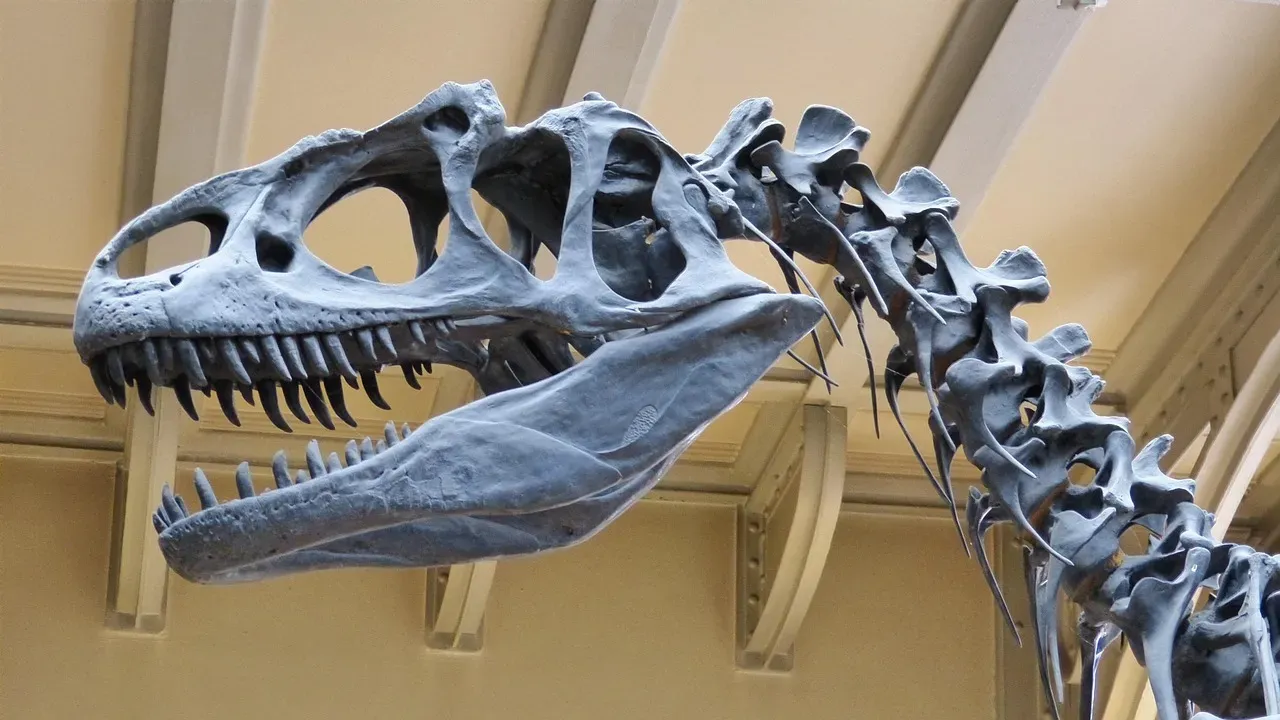
There’s a theory that feels especially unsettling because it sounds so modern: maybe disease played a role. As continents shifted and sea levels changed, land bridges appeared and disappeared, mixing animals that hadn’t met before. That kind of mingling is a perfect recipe for spreading new pathogens. We’ve seen in human history how a single virus or bacterium can sweep across societies that have no immunity, and there’s no reason to think dinosaurs were magically exempt from that kind of biological roulette.
Fossils don’t easily preserve viruses or bacteria, so direct evidence is incredibly hard to find, which is why this theory remains more speculative. Still, we do see bone deformities and signs of infections in some dinosaur skeletons, hinting that sickness was a constant part of their lives. Picture a world where stressed ecosystems, climate swings, and habitat loss are already pushing dinosaurs to the edge, then a new disease appears and spreads like wildfire. On its own, disease probably wasn’t the sole cause, but as part of a larger pile of stressors, it might have been one more weight added to an already overloaded system.
Were Dinosaurs Already Fading Before The Final Blow?
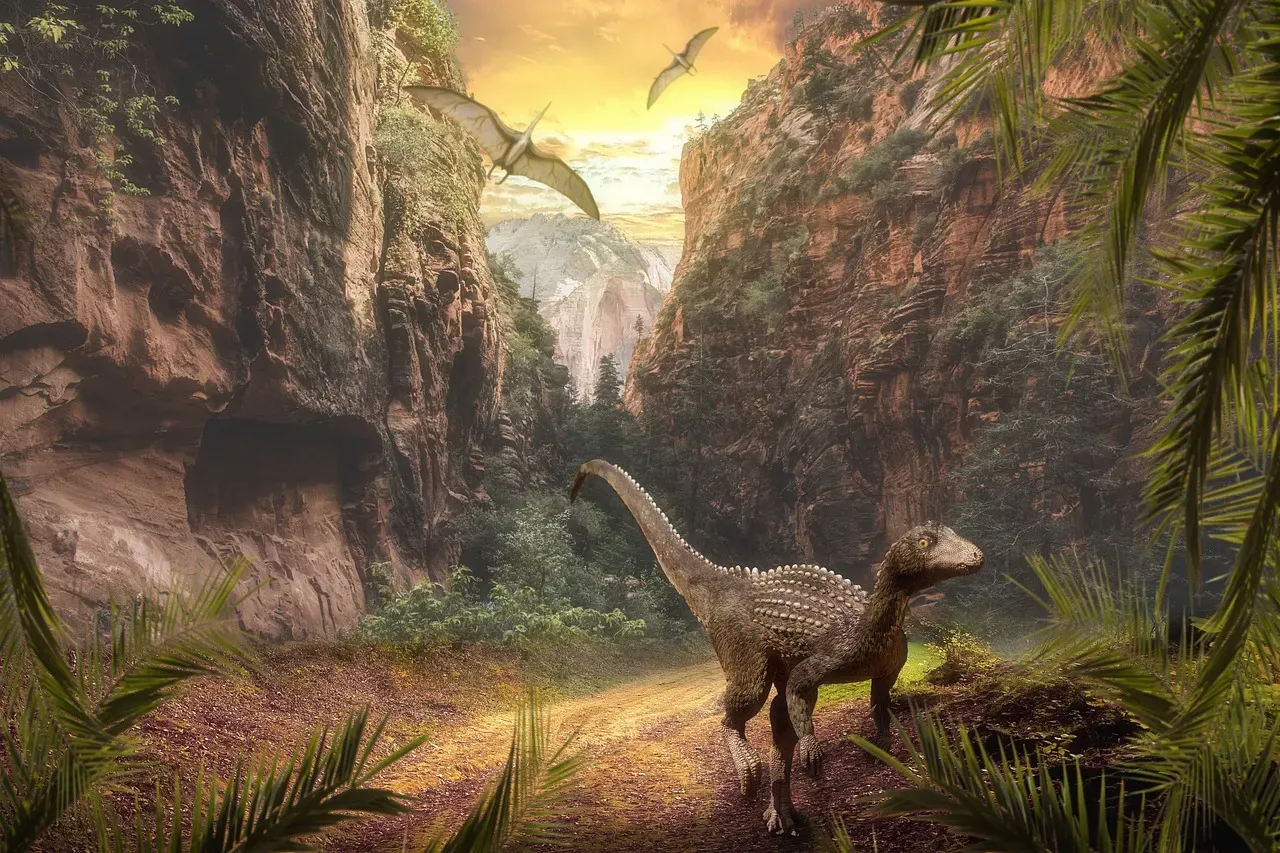
One of the most controversial debates in dinosaur science today is whether they were thriving or already declining before the asteroid. Some studies suggest that certain groups, like large plant‑eating dinosaurs, were losing diversity in the last few million years of the Cretaceous. That could mean fewer species, less genetic variety, and more vulnerability to sudden environmental shocks. It’s like a company slowly cutting corners before a recession hits; when trouble comes, they don’t have any safety net left.
On the other hand, other research argues that some dinosaur groups were still doing quite well, and what we see in the fossil record might just be a sampling bias. After all, fossils reflect where conditions for preservation were good, not every place dinosaurs actually lived. Personally, I find the “slow fade” idea both sad and strangely human: a slow slide into trouble, ignored until it’s too late. Whether or not all dinosaur groups were declining, the possibility that many were already weakened turns the asteroid from a random tragedy into the final chapter of a longer, messier story.
They Didn’t All Vanish: The Birds Among Us

Here’s the twist that still surprises people: not all dinosaurs died out. Birds are now widely accepted by paleontologists as living dinosaurs, descended from small, feathered theropods. That means the sparrow outside your window, the hawk circling a highway, and the chicken in a farmyard are all part of the dinosaur family tree. It’s a strange thought that the line that survived wasn’t the huge, scary icons we put on movie posters, but the agile, lightweight, probably very fluffy ones.
Bird‑like dinosaurs had several advantages in a collapsing world: small bodies, fast reproductive cycles, and in many cases, the ability to fly or at least glide to new food sources. Some of them may have been better able to eat seeds, insects, or anything that survived the initial catastrophe. In a sense, asking “where did all the dinosaurs go?” is a trick question. Most lineages did vanish, but one branch adapted, shrank, sprouted feathers, and never stopped. The next time you hear birds at dawn, you’re hearing the faint, altered echo of a world that once belonged to giants.
Wild Fringe Ideas: Aliens, Time Warps, And Other Strange Stories
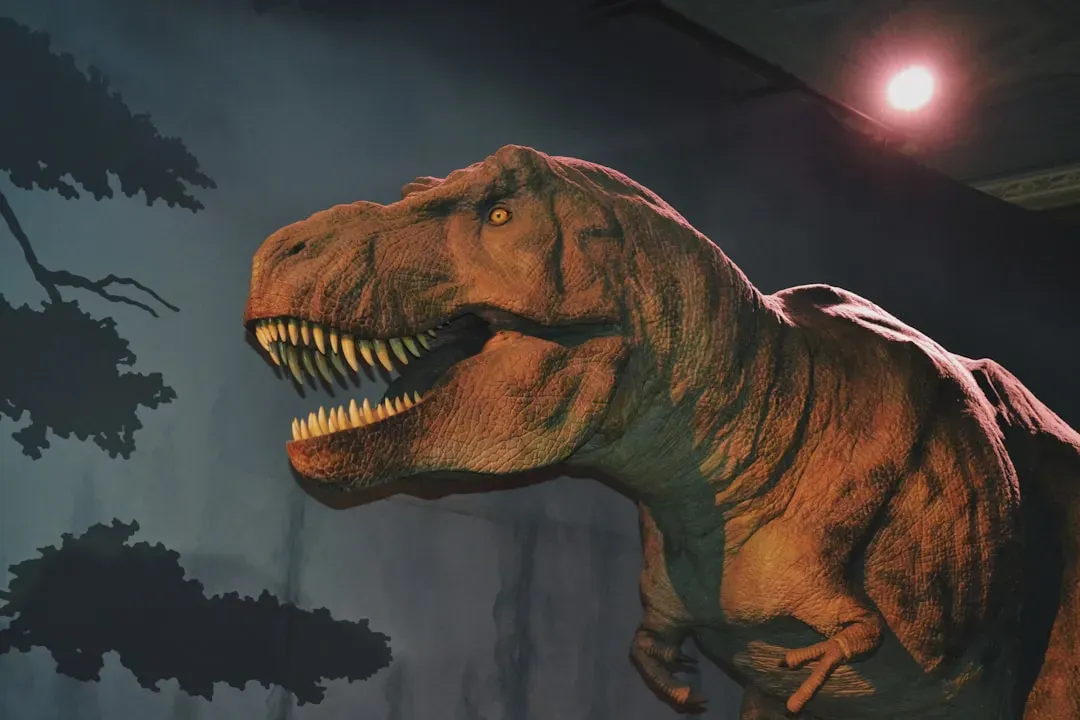
No great mystery is complete without a stack of wild theories that sound like they were pulled straight from late‑night TV. Over the years, people have suggested everything from aliens selectively removing dinosaurs, to time‑travel accidents, to bizarre astronomical cycles zapping life on Earth at regular intervals. These ideas usually pop up where there’s genuine scientific uncertainty, and then leap far beyond what the evidence actually supports. They’re fun to talk about, like ghost stories around a campfire, but they fall apart as soon as you ask for real data.
Still, those fringe theories tell us something important about us, not the dinosaurs. We’re clearly not satisfied with a single, brutally simple answer like “rocks from space plus bad luck.” We crave meaning, narrative, even cosmic conspiracy, especially when dealing with something as emotionally heavy as the fall of an entire world. While alien abductions and time warps don’t hold up, the instinct behind them – to keep questioning, to wonder whether we’re missing a bigger pattern – is the same instinct that drives serious science forward. The key is knowing where imagination should stop and evidence has to take over.
The Multi‑Cause Mosaic: Why One Theory Is Never Enough
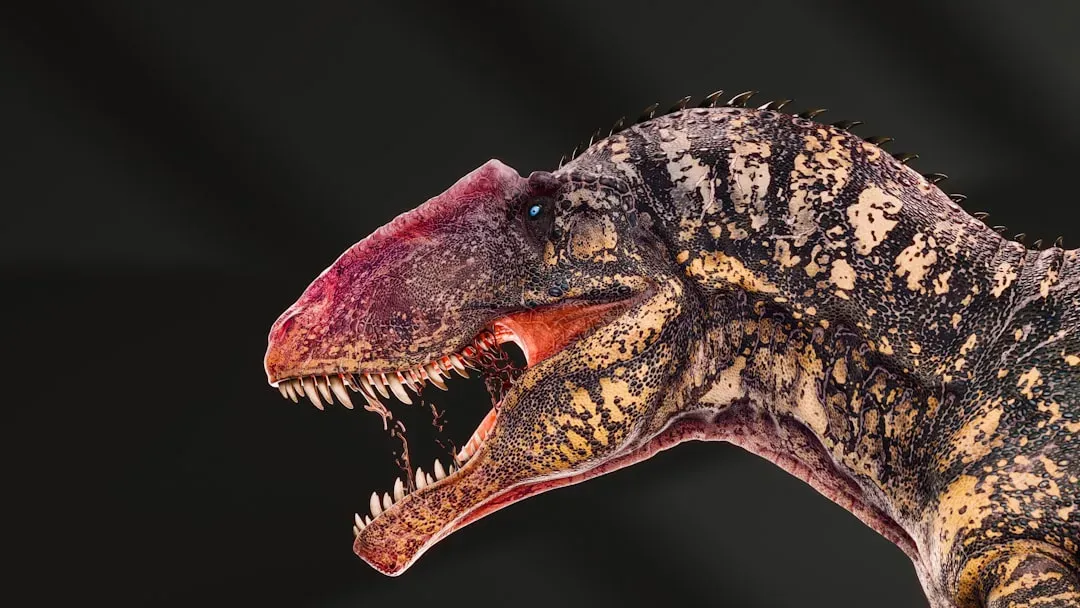
When you step back from all these ideas, a clear pattern emerges: there isn’t one neat, satisfying cause. The end of the age of dinosaurs looks less like a single gunshot and more like a pileup on a foggy highway, with multiple collisions adding to the devastation. Long‑term climate shifts, volcanic outbursts, shifting ecosystems, evolving competitors, possible disease, and finally a catastrophic asteroid impact all seem to have stacked together. Each one alone might not have destroyed the dinosaurs; combined, they created a world in which giant, specialized animals had almost no path to survival.
This “multi‑cause” view is more frustrating than a single culprit, but it’s also more realistic. Complex systems rarely collapse because of just one thing, and life on Earth is perhaps the most complex system we know. For me, the most haunting part is how familiar the pattern feels: slowly rising environmental stress, disrupted habitats, vulnerable species, and sudden shocks that push everything over the edge. Understanding how dinosaurs really went – not just the drama of the asteroid, but the quiet, grinding pressures that came before it – is more than a history lesson. It’s a mirror held up to our own era, asking whether we’re really paying attention to the warning signs this time.