
There is something almost rebellious about the idea that everything you can see, touch, and measure might be just a tiny sliver of a far grander reality. A single universe, enormous as it is, may be nothing more than one page in a cosmic library so vast the shelves have no end. Scientists are not just tolerating this idea – many are actively building mathematical frameworks to support it.
The concept of parallel universes has escaped the science fiction aisle and muscled its way into serious physics journals. From quantum weirdness to the deepest wrinkles in space itself, the evidence keeps nudging us in one startling direction. So buckle up, because the theories ahead are going to change how you look at the ceiling tonight.
The Many-Worlds Interpretation: Every Choice, a New Universe
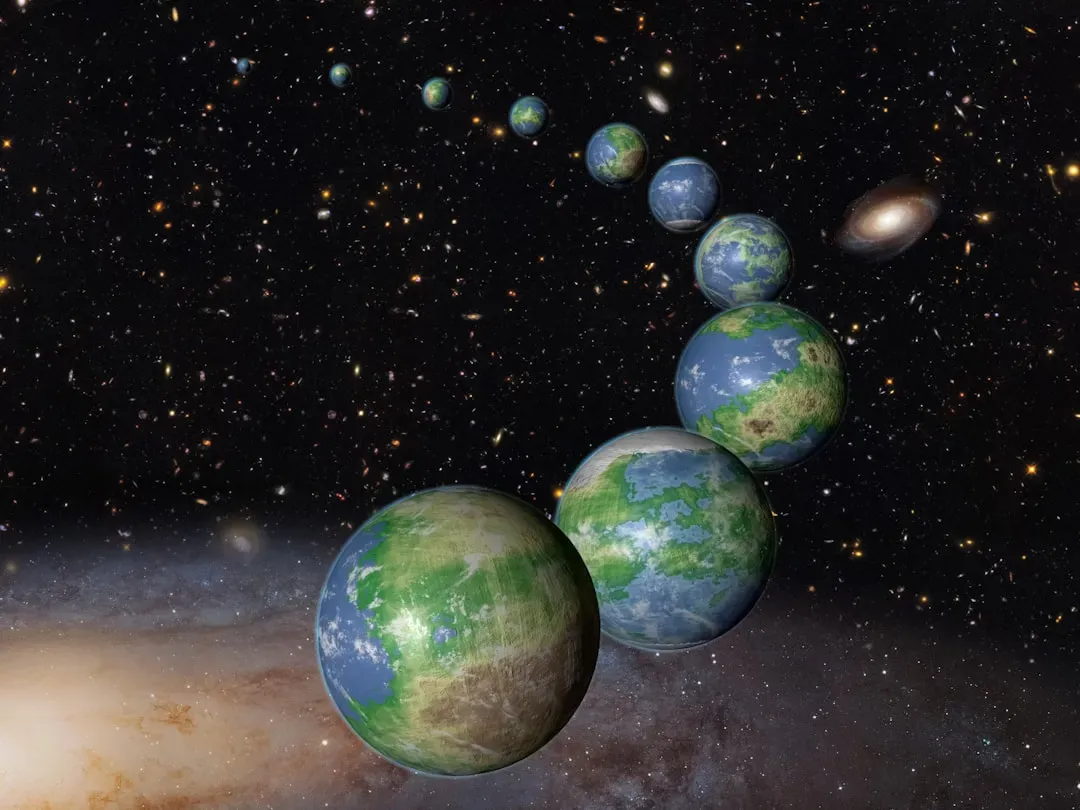
Honestly, this one might be the most mind-bending theory in all of physics. The Many-Worlds Interpretation proposes a startling view of reality where every quantum event branches into multiple parallel universes, each representing a different outcome – first formulated by physicist Hugh Everett III in his doctoral thesis in 1957. Think of it like a river that endlessly forks, every tiny ripple at the quantum level splitting the water into a new stream.
The Many-Worlds Interpretation asserts that the universal wavefunction is objectively real and that there is no wave function collapse, implying that all possible outcomes of quantum measurements are physically realized in different “worlds.” This means that right now, in some other branch of reality, you made a different choice this morning. A different breakfast, a different turn, a completely different day – all equally real.
The Inflationary Multiverse: Bubble Universes Born From the Big Bang
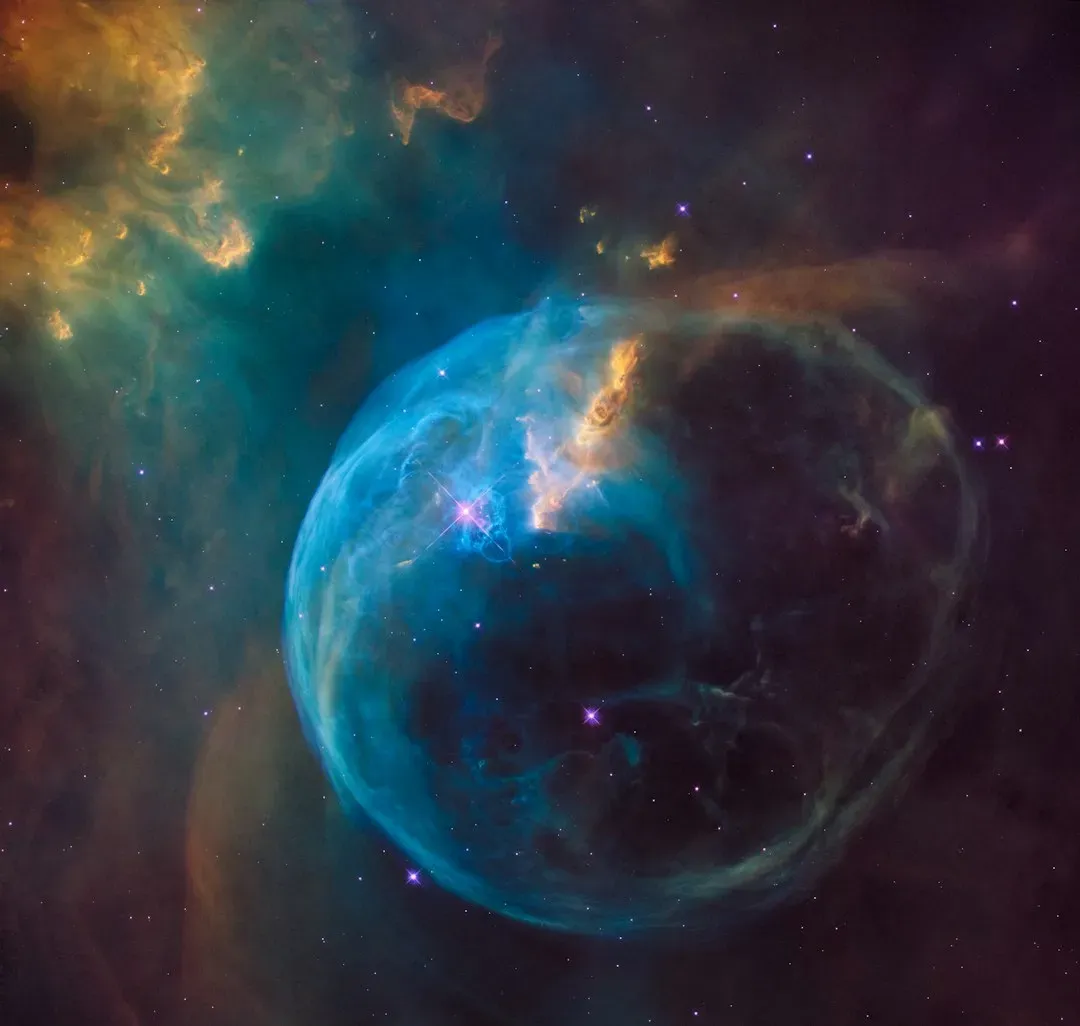
Picture the universe as a giant pot of boiling water, with bubbles constantly forming – that is basically the inflationary multiverse theory. After the Big Bang, space did not just expand once; it kept inflating in different regions, creating separate “bubble universes.” Each of those bubbles is its own universe, sealed off from all the others like a soap bubble floating away from the rest.
Some models of inflation suggest that this expansion could lead to the formation of multiple, separate regions – so-called bubble universes – that are entirely detached from one another. Each of these bubbles may have different physical constants and structures, giving rise to a multiverse where the fundamental rules of nature can vary. These bubbles cannot interact with each other, which makes proving this theory incredibly challenging for scientists today.
The String Theory Landscape: A Multiverse of Staggering Numbers
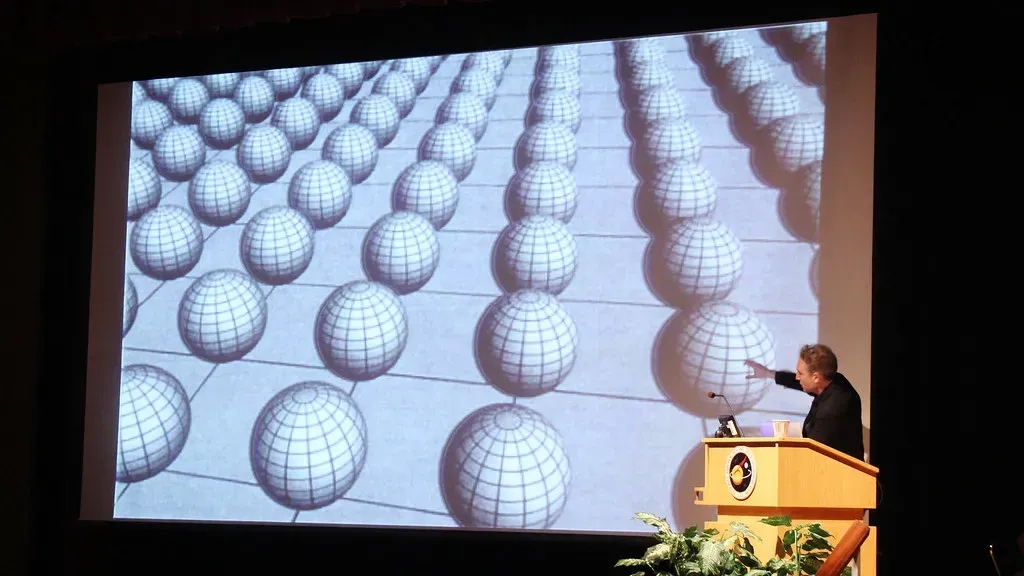
The String Theory Landscape emerged from the ideas of string theory and cosmic inflation. It postulates the existence of a vast multiverse, where each pocket universe is associated with a distinct configuration of the extra dimensions that string theory predicts. If that sounds abstract, think of it this way – imagine a massive wardrobe where you can arrange the clothes in an astronomical number of combinations. Each combination produces a universe with its own completely unique physics.
Around 10 to the power of 500 vacuum states, related to multiple compactification geometries and flux configurations, are indicated by the theory, and each might represent a universe with differing physical constants and interaction properties. That number is so incomprehensibly large it makes the total number of atoms in our entire observable universe look like a rounding error. I think it is safe to say this is where mathematics starts feeling more like philosophy.
The Brane Multiverse: Parallel Worlds Floating in Higher Dimensions

String theory, which attempts to reconcile general relativity and quantum mechanics, introduces the idea of multiple dimensions. According to this theory, our universe could be one of many “branes” floating in a higher-dimensional space, each representing a different universe. Imagine a stack of enormous flat sheets of paper, each one a separate universe, all existing in the same multi-dimensional space but unable to sense each other.
This approach takes the whole cosmos to be ten or eleven dimensional, with specific smaller spacetimes being certain physical hypersurfaces – “branes” – within this larger cosmos. Our familiar four-dimensional spacetime would be a particular brane within this overall cosmological structure. It is sometimes further speculated that the Big Bang itself resulted from a collision between two different branes. That is a staggering thought – our entire cosmic origin story, the explosion that created everything we know, might simply have been two floating membranes bumping into each other.
The Quilted Multiverse: Infinite Space, Infinite Copies of You
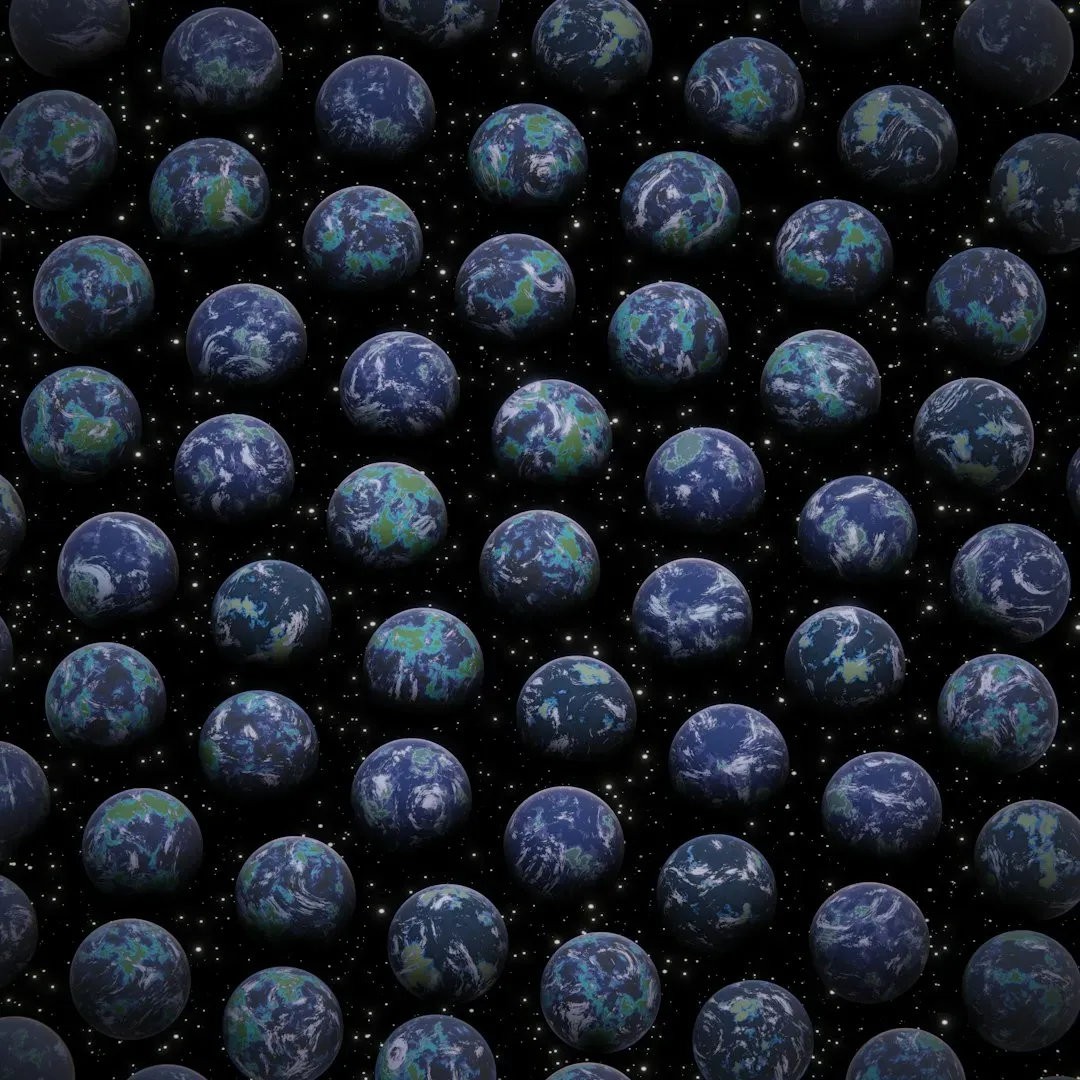
Here is the thing – you do not need quantum mechanics or string theory to arrive at parallel universes. Sometimes plain, old-fashioned infinite space will do the trick. Space appears to be infinite in size. If so, then somewhere out there, everything that is possible becomes real, no matter how improbable it is. Wrap your head around that for a second.
Observers living in Level I parallel universes experience the same laws of physics as we do but with different initial conditions. According to current theories, processes early in the Big Bang spread matter around with a degree of randomness, generating all possible arrangements with nonzero probability. In other words, if you shuffle an infinite deck of cards, the same sequence has to repeat eventually. Somewhere out there is a universe startlingly identical to this one – and another version of you reading this exact article.
The Mathematical Universe Hypothesis: Reality Is Pure Math
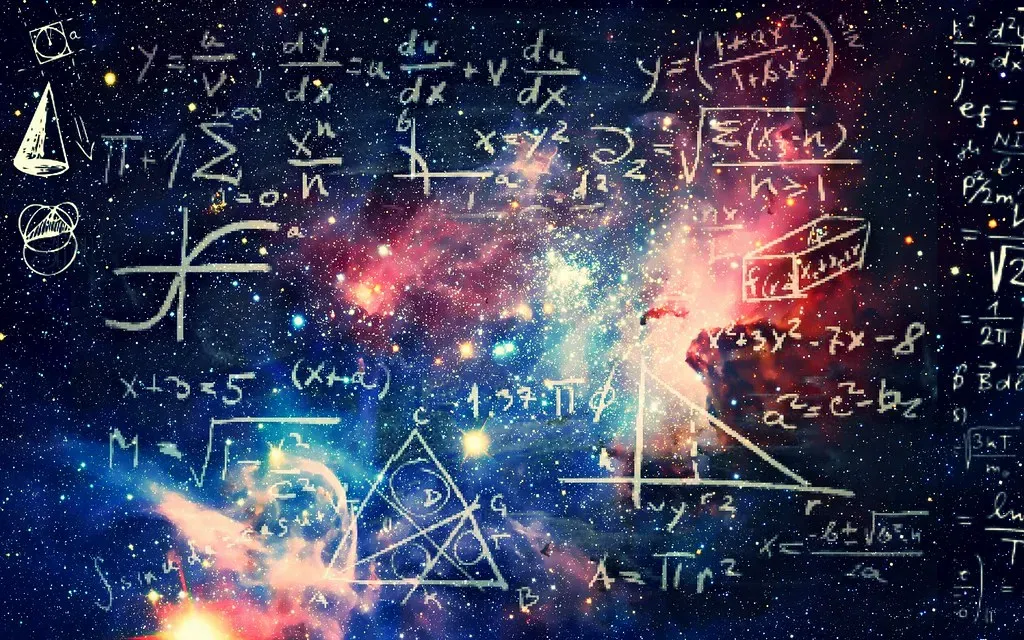
This one is controversial even among physicists, and honestly, it should be. Physicist Max Tegmark proposed what he calls the Mathematical Universe Hypothesis, a Level IV multiverse framework. The ultimate mathematical universe hypothesis is Tegmark’s own idea, which considers all universes to be equally real – universes that can be described by different mathematical structures. Not inspired by math. Not described by math. Actually made of math, all the way down.
As a theoretical physicist, judging the elegance and simplicity of a theory not by its ontology but by the elegance and simplicity of its mathematical equations, it is quite striking that the mathematically simplest theories tend to give us multiverses. The implication is unsettling but fascinating – if every consistent mathematical structure is a real universe somewhere, then the total number of parallel realities is not just large. It is literally every structure mathematics can possibly describe.
The Simulation Hypothesis: Are We Living Inside a Program?
It sounds like the plot of a movie you have definitely seen, but some serious thinkers take this one very seriously. The simulation hypothesis is a radical idea which posits that our reality is a computer simulation. If an advanced civilization could simulate entire universes with conscious beings inside, then statistically speaking, the number of simulated realities could far outnumber the one “base” reality – meaning you are probably living in a copy.
Contemporary scientific inquiry into simulation theory focuses on computational and quantum physics frameworks. Concepts like the computational universe hypothesis, quantum entanglement, and discrete space-time structures provide compelling, though debated, evidence supporting simulation theory. It is hard to say for sure whether this qualifies as a multiverse theory in the traditional sense, but if countless simulations are running simultaneously, each one is – for all practical purposes – its own parallel universe.
The Fine-Tuned Universe and the Anthropic Multiverse
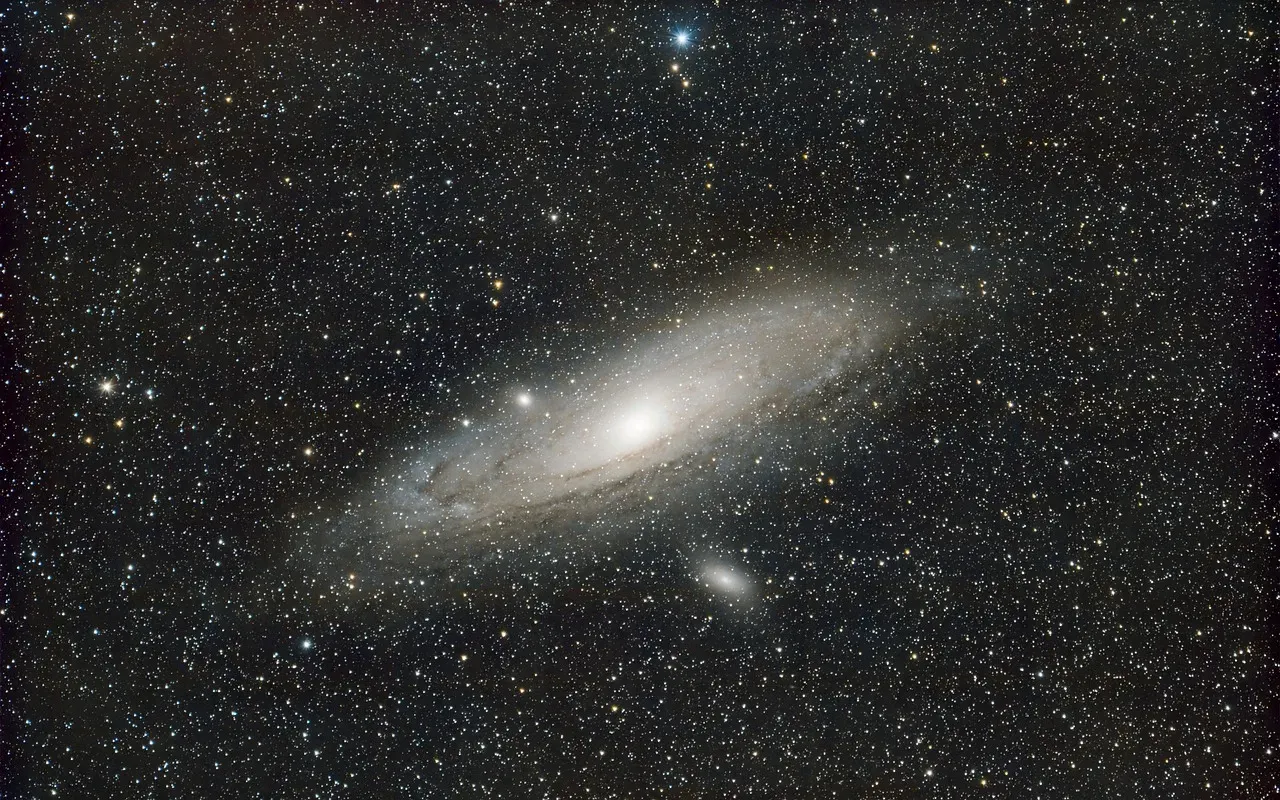
Our universe appears surprisingly fine-tuned for life in the sense that if you tweaked many of our constants of nature by just a tiny amount, life as we know it would be impossible. The gravitational constant, the strength of electromagnetism, the mass of the electron – these values sit in an almost impossibly narrow window that allows stars, planets, and ultimately us to exist. It seems too perfect to be coincidence.
The observation that our universe’s physical constants and conditions seem finely tuned to allow for the existence of life has led some to suggest that the multiverse provides a natural explanation. If there are infinite universes with varying physical laws, it becomes likely that at least one would support life. Think of it like a lottery with an infinite number of tickets – of course someone wins. We just happen to be the lucky winners living in the universe compatible with our own existence.
The Cosmic Microwave Background and the Bubble Collision Theory
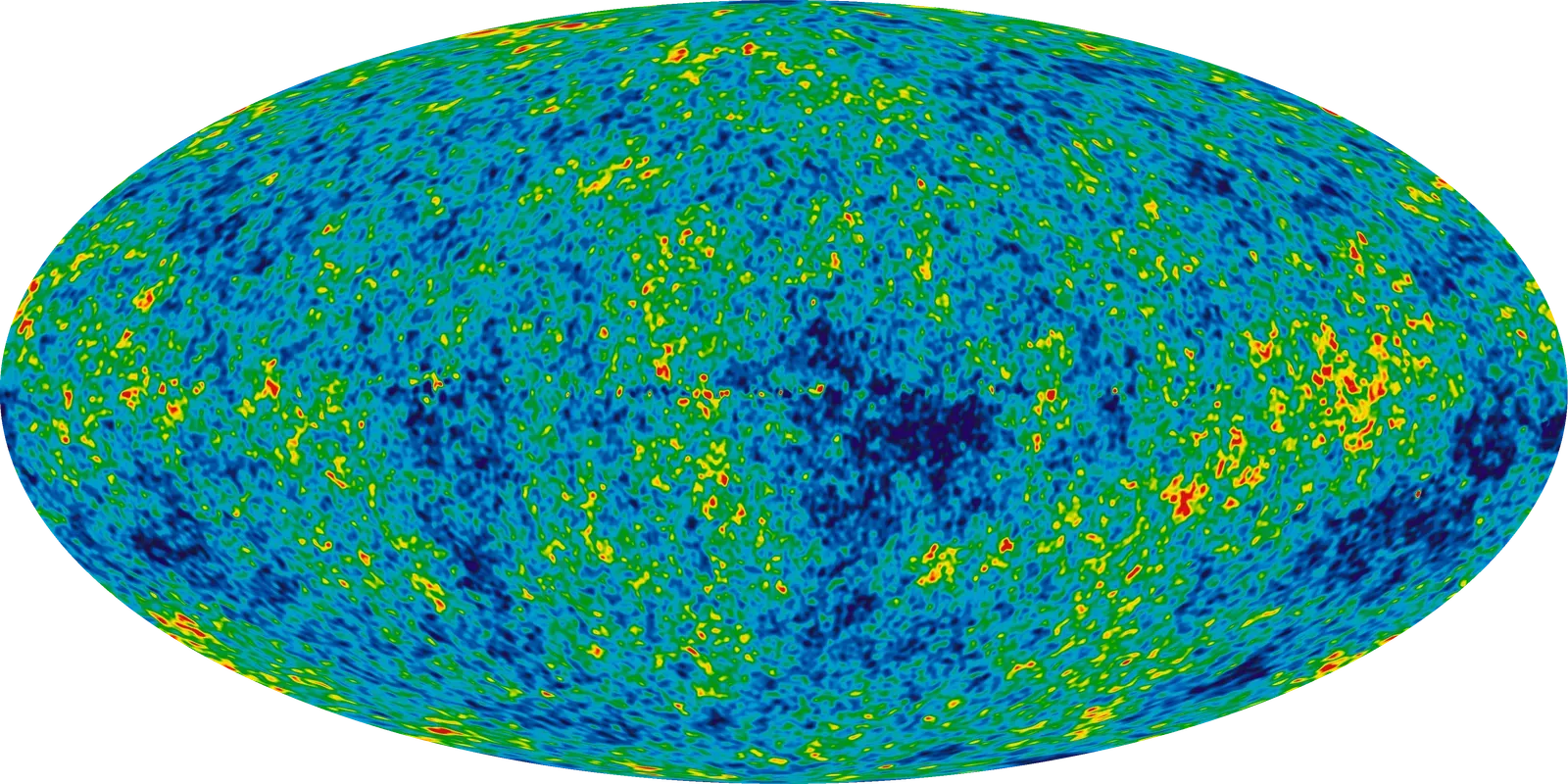
If our universe is one bubble in a sea of bubble universes, then occasionally those bubbles might collide. That is not just a cool image – it is a testable prediction. Collisions of one bubble universe with another would leave what researchers call “a disk on the sky” – a circular bruise in the cosmic microwave background. The cosmic microwave background, or CMB, is essentially the oldest light in the universe, a faint afterglow from the Big Bang that still surrounds us today.
One avenue of investigation lies in the cosmic microwave background radiation, the afterglow of the Big Bang. Some scientists believe that anomalies or patterns in this radiation could be indicative of other universes brushing against our own. The real significance of this work is as a proof of principle: it shows that the multiverse can be testable. In other words, if we are living in a bubble universe, we might actually be able to tell. That shifts this idea from pure speculation into something genuinely scientific.
The Cyclic Multiverse: An Eternal Loop of Big Bangs
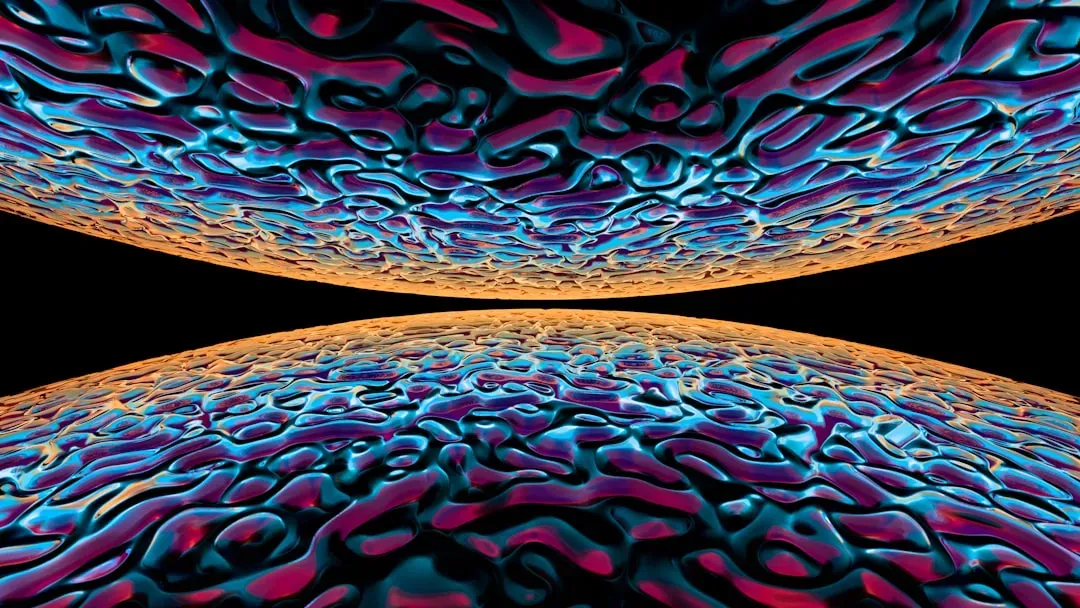
What if the Big Bang was not the beginning of everything, but simply the most recent in a long chain of cosmic rebirths? The cyclic multiverse theory proposes exactly that. The branes float or drift near each other in the bulk, and every few trillion years, attracted by gravity or some other force, they collide and bang into each other. This repeated contact gives rise to multiple or “cyclic” Big Bangs. This particular hypothesis falls under the string theory umbrella as it requires extra spatial dimensions.
Given the possibility of such collisions, the cyclic brane multiverse entails the existence of causal connections between the pocket universes. In turn, this model has the potential to give rise to experimental consequences, suggesting that the brane multiverse is a testable hypothesis. Unlike theories that are frustratingly beyond our reach to verify, the cyclic model could in principle leave signatures we can detect. The universe, in this view, is not a single event but an endlessly repeating cosmic heartbeat – dying, colliding, and being reborn over timescales that make our current 13.8 billion-year-old universe seem like the blink of an eye.
Conclusion: The Universe Might Just Be the Beginning
The multiverse, often referred to as the meta-universe or parallel universes, is a theoretical concept proposing that our observable universe is just one of potentially infinite universes that coexist in reality. This idea has been a prominent theme in science fiction, but scientists suggest that there may be substantial evidence supporting its existence. What is remarkable is how many completely different avenues of physics – quantum mechanics, string theory, inflation, cosmology – all seem to arrive at the same unsettling destination: we are not alone.
Let’s be real – none of these theories have been definitively proven yet. The theory of a parallel universe remains one of the most fascinating and controversial topics in modern science. While empirical evidence is still lacking, the theoretical foundations and implications are compelling. Still, the question is no longer whether physicists take parallel universes seriously. They absolutely do. The question now is which version of the multiverse is true – and whether we will ever have the tools to find out.
The universe you inhabit may be one in a near-infinite ocean of realities. Somewhere out there, another version of you just finished reading this article and thought something completely different about it. What do you think – does the idea of infinite parallel universes excite you or terrify you? Share your thoughts in the comments below.