
Every culture has its stories. Stories that were whispered around crackling fires, carved into ancient stone, or sung beneath starlit skies. These aren’t just tales to pass the time. They’re the threads that weave together identity, fear, morality, and wonder across generations. Some explain why the sun rises or why we die. Others warn us about venturing too close to dangerous waters or falling for the wrong person.
What’s remarkable is how similar these stories can be, even when they come from civilizations separated by oceans and centuries. You’ll find flood myths in Mesopotamia and among Indigenous peoples of North America. Dragon legends exist in China, Europe, and Mesoamerica. It’s almost like humanity shares a collective imagination, shaped by the same fears, the same questions, the same need to understand the chaos around us. Let’s dive into ten legends that have captivated minds for millennia.
The Tale of Atlantis: A Lost Utopia Beneath the Waves
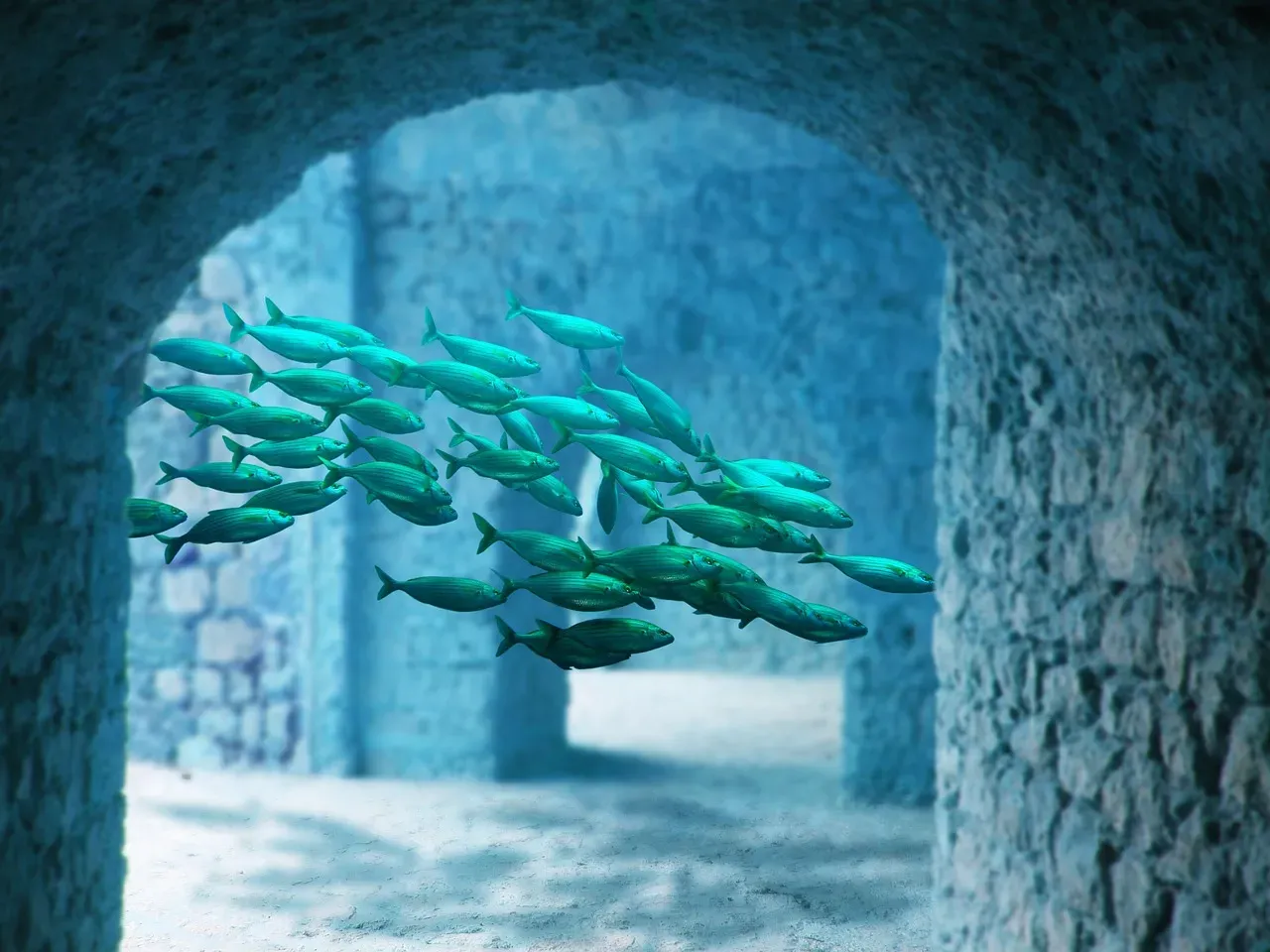
Atlantis is perhaps the most famous of mythical lost cities, a utopian civilization wiped out in a single night due to an unearthly cataclysm, with near-identical stories cropping up with such regularity that it’s tempting to think they must be somehow related. The Greek philosopher Plato first described it around 360 BCE, depicting an advanced island nation that angered the gods and was swallowed by the sea. Was it real? Nobody knows for sure. Scholars have debated for centuries whether Plato meant it as allegory or historical record.
Some think Atlantis might have been inspired by real catastrophic events like volcanic eruptions or tsunamis that destroyed Mediterranean civilizations. The legend endures because it taps into something primal in us: the fear that everything we build, no matter how grand, can vanish in an instant. It’s a cautionary tale about hubris, about reaching too high and losing it all. You can see why people remain obsessed with finding it.
Ragnarok: The Norse Apocalypse That Promises Rebirth
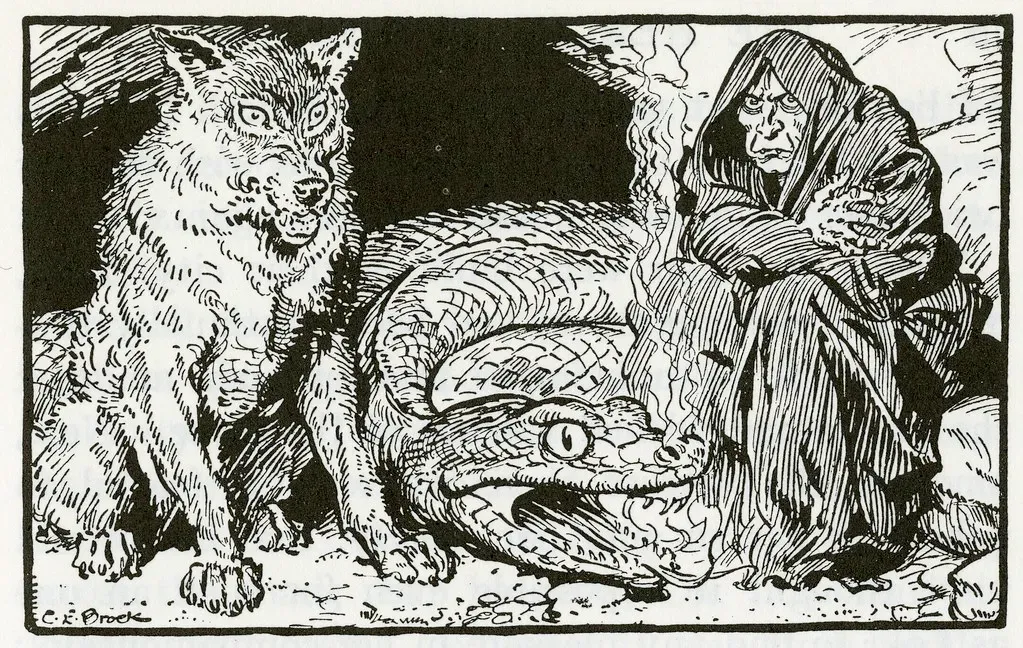
In Norse mythology, Ragnarok is a foretold series of impending events, including a great battle in which numerous great Norse mythological figures will perish, including the gods Odin, Thor, Týr, Freyr, Heimdall, and Loki, and will entail a catastrophic series of natural disasters, including the burning of the world, and culminate in the submersion of the world underwater. The word comes from Old Norse Ragnarök, meaning “Fate of the Gods,” though it’s also referred to as Ragnarøkkr, “Twilight of the Gods.”
For the Vikings, the myth of Ragnarok was a prophecy of what was to come at some unspecified and unknown time in the future, but it had profound ramifications for how the Vikings understood the world in their own time. It wasn’t just about doom, though. Just as the gods will go out and face their fate with dignity, honor, and courage, so too can humans, and the inevitability of death and misfortune should spur us to hold noble attitudes and do noble deeds worthy of being recounted by bards many generations after we ourselves are gone. That’s a powerful way to view existence.
La Llorona: The Weeping Woman Who Haunts Riversides
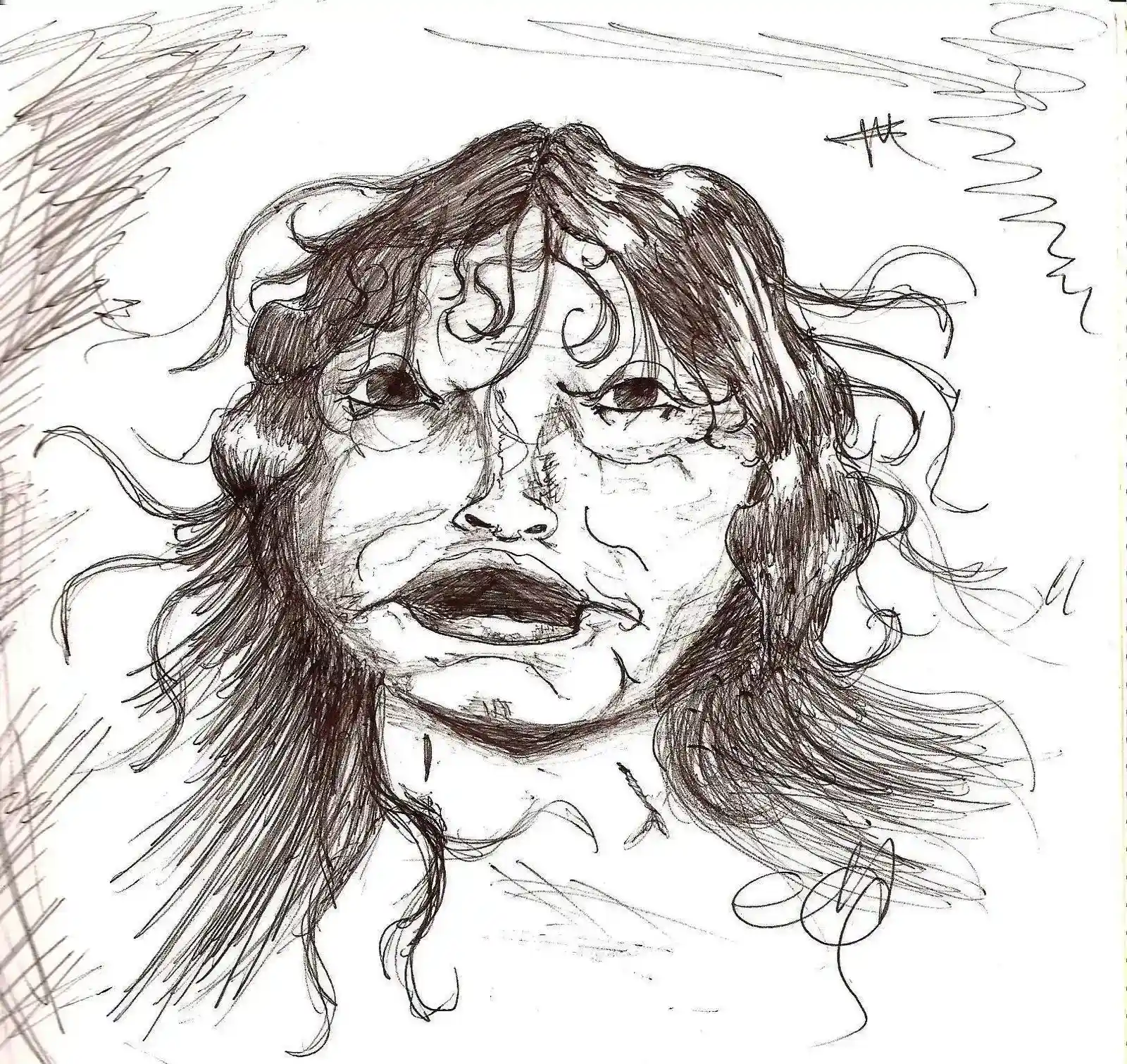
La Llorona is a mythological woman in Mexican and Latin American oral tradition whose siren-like wails are said to lure adults and children to their untimely deaths, and the legend is a popular ghost story that is especially prominent on Día de Muertos and in Chicano and Latin American communities. In Latin America, in Spanish-speaking communities in the U.S., and especially in Mexico, no ghost story is told as often or discussed as enthusiastically as the legend of La Llorona, which literally means “the weeping woman.”
While the roots of the La Llorona legend appear to be pre-Hispanic, the earliest published reference to the legend is a 19th-century sonnet by Mexican poet Manuel Carpio. La Llorona is thought to be one of ten omens foretelling the Conquest of Mexico and has also been linked to Aztec goddesses. The most common version tells of a woman named María who drowns her children after her husband betrays her, then spends eternity searching for them near bodies of water. Parents still use this story to keep children from wandering too close to dangerous rivers at night.
The Epic of Gilgamesh: Humanity’s First Hero and His Quest for Immortality
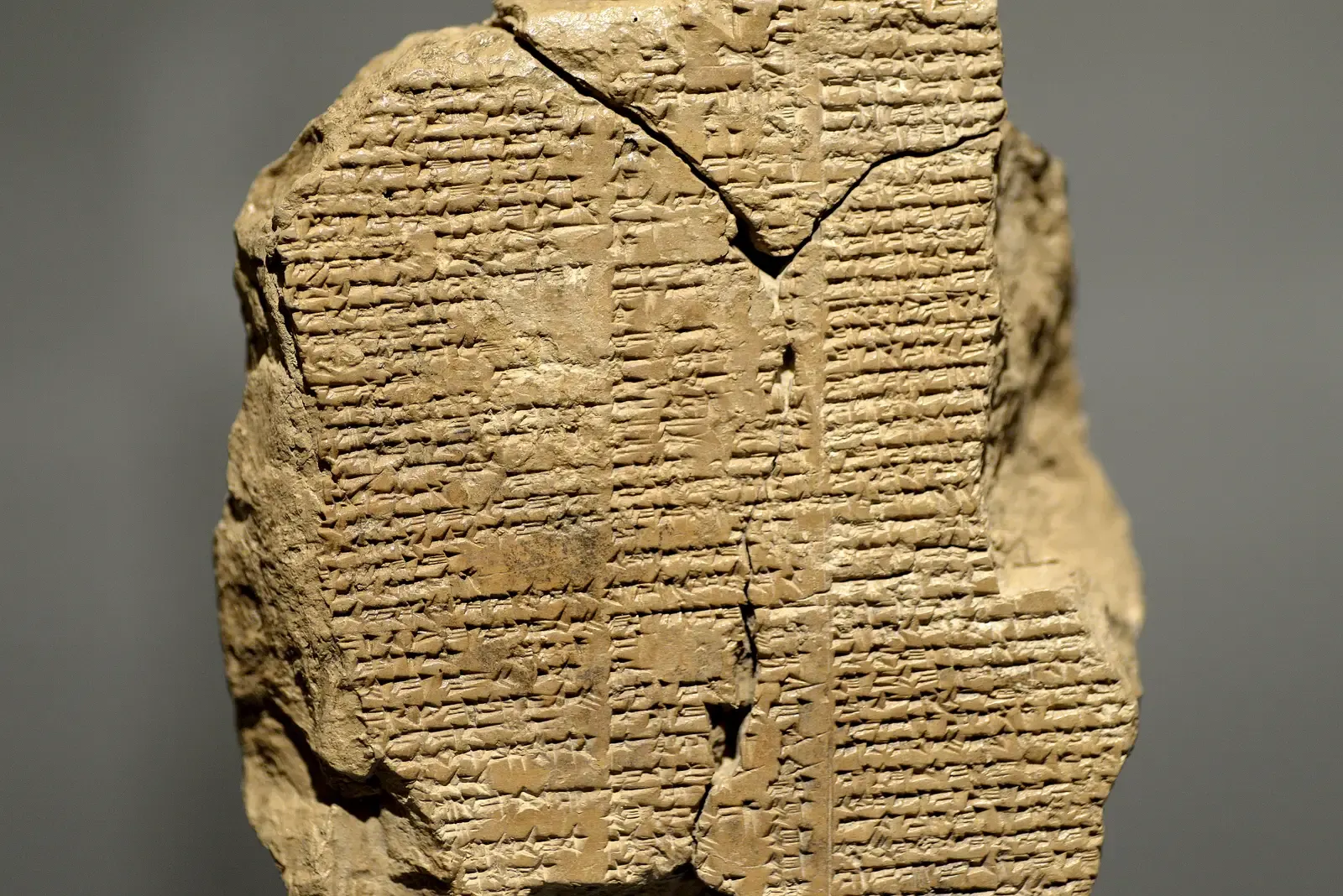
Gilgamesh isn’t just old. It’s ancient, possibly the oldest written story we have, carved onto clay tablets in Mesopotamia thousands of years ago. The hero Gilgamesh was part human, part god, a king who ruled with an iron fist until the gods sent him a wild companion named Enkidu. Together they fought monsters, angered deities, and searched for the secret of eternal life.
What makes this story so captivating is its raw humanity. Gilgamesh learns that immortality isn’t possible, that death comes for everyone, even mighty kings. The Ancient Sumerian Epic of Gilgamesh includes the tale of Utnapishtim, who builds a boat, fills it with animals to escape a deluge, and eventually comes to rest on a mountaintop. Sound familiar? This flood narrative predates the Biblical story of Noah, showing how certain myths spread across cultures and time.
King Arthur and the Round Table: Britain’s Once and Future King
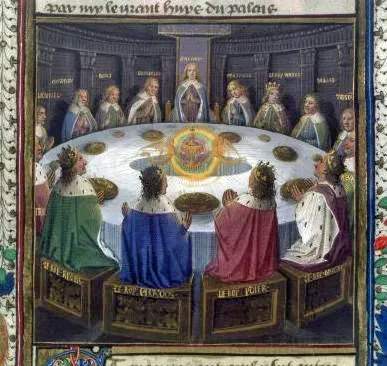
King Arthur and his Knights of the Round Table represent a golden age of bravery, romance, and questing for the Holy Grail, and Arthur’s story intertwines magic, betrayal, love, and heroism, rooted deeply in British folklore. Was there ever a real King Arthur? Historians aren’t entirely sure, though there might have been a Romano-British leader who inspired the legends.
What matters more than historical accuracy is what Arthur represents. The promised return of the “once and future king” in Britain’s hour of greatest need gives this mythology a messianic dimension that continues to resonate. The tales of Camelot, Excalibur, Merlin, and Guinevere have been retold countless times, each generation finding new meaning in these medieval stories about honor, loyalty, and the price of ambition.
The Great Flood: A Universal Catastrophe Remembered Across Continents
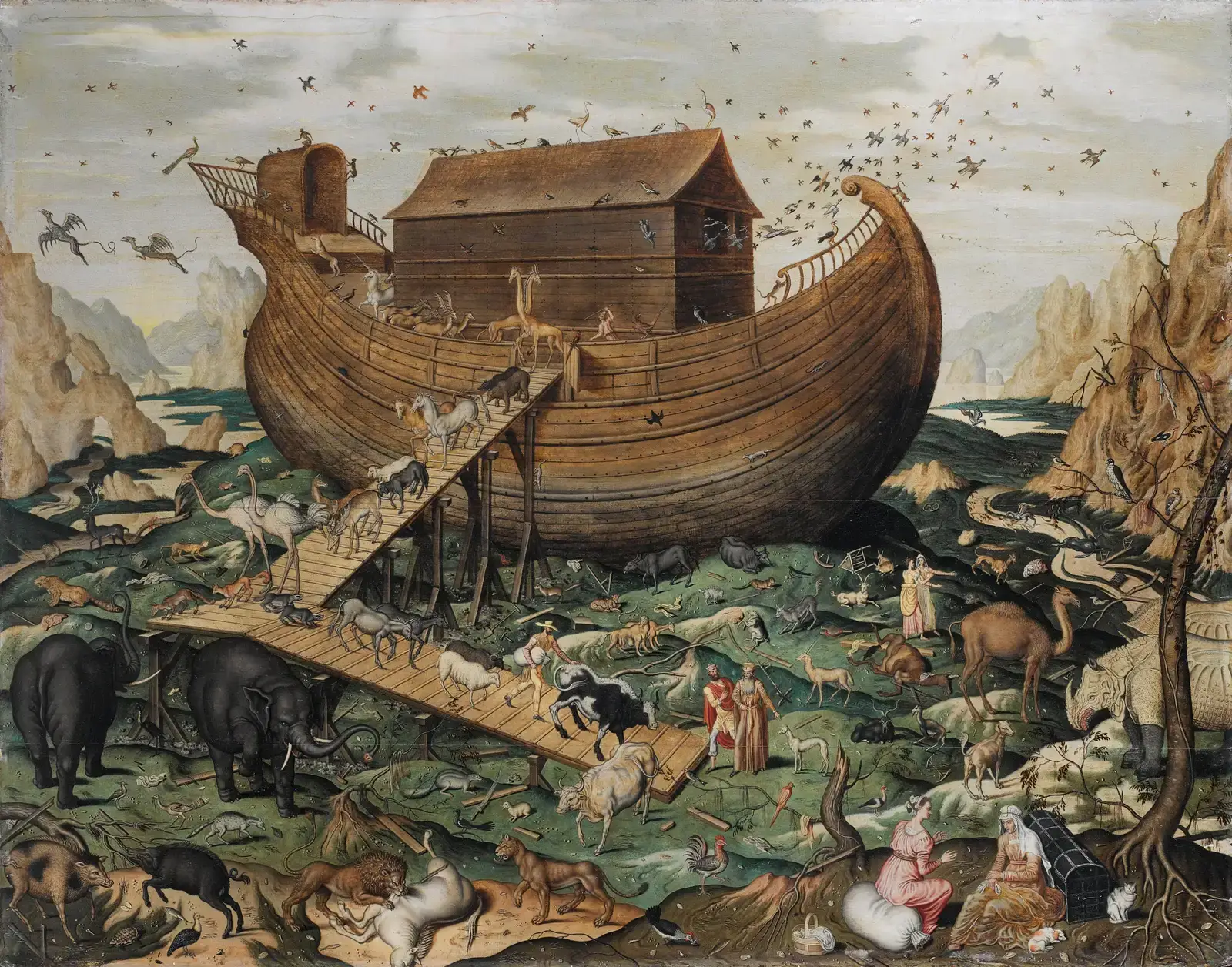
The idea of a flood that drowns the entire world pops up in almost every single culture, and Jews and Christians know it as the story of Noah, but other versions almost certainly predate the Genesis account. From Mesopotamia to Greece, from Hindu mythology to Indigenous Australian legends, nearly every ancient culture tells of a time when waters rose and destroyed the world.
The Hindu myth of Manu is similar to that of Noah’s story, as is the Babylonian Epic of Gilgamesh, Mesopotamian flood stories, and Deucalion’s story in Greek mythology, among others. Why is this myth so widespread? Some scholars think it reflects actual catastrophic flooding events that traumatized early civilizations. Others argue it’s a metaphor for destruction and renewal, the cycle of death and rebirth that every culture observes in nature. Either way, the consistency is haunting.
Dragons: The Mythical Beasts That Terrified Every Culture
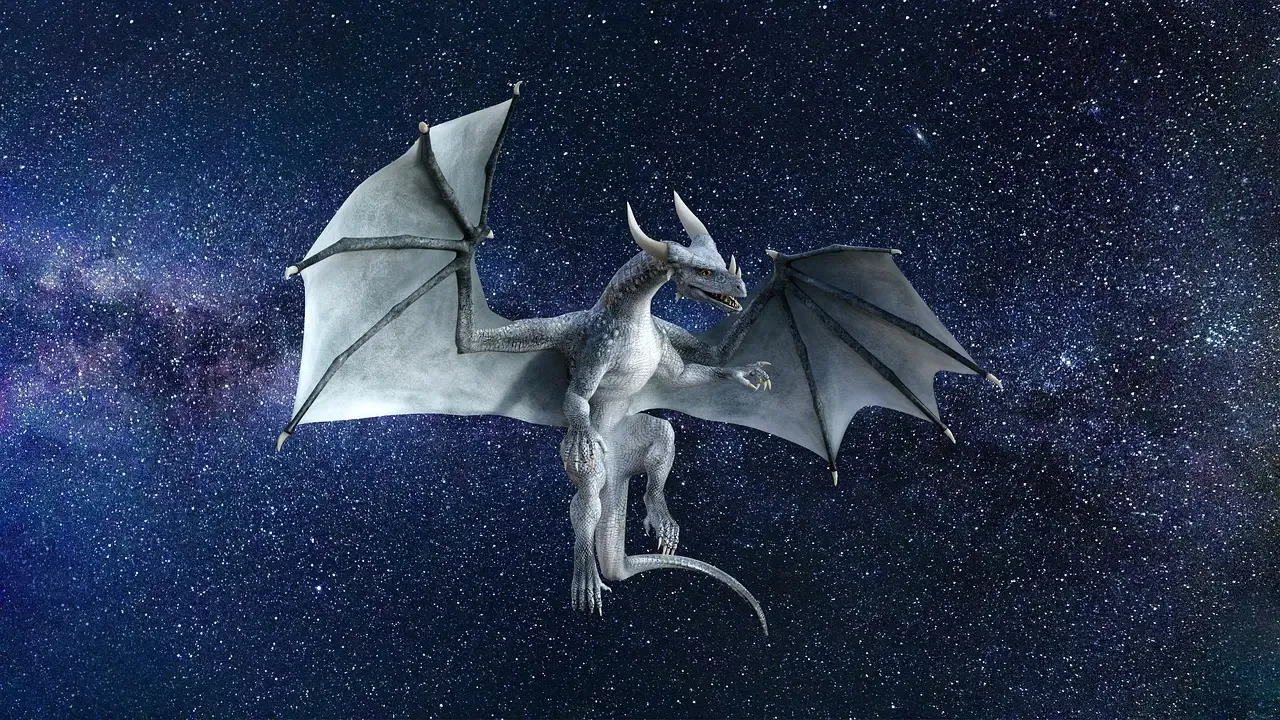
Many global mythologies feature dragons, representing the traits of all the apex predators combined: big cats, snakes and birds of prey, plus dragons are much larger and breathe fire, another element which humans fear and revere simultaneously. Not until dinosaurs became firmly established in the public mind did people see the probable link between ancient fossils and dragon myths, and currently, our best guess is that various cultures all stumbled over dino bones at some point and translated them into gigantic mythological beasts.
Chinese dragons symbolize power and good fortune, often associated with water and the heavens. European dragons, by contrast, are typically malevolent, hoarding gold and terrorizing villages until a brave knight slays them. Aztec mythology features Xiuhcoatl, a fire serpent. The prevalence of dragon legends worldwide suggests that humans have always needed monsters to conquer, whether literal or symbolic.
The Morrigan and Celtic Battle Goddesses: Warriors of Fate and Death
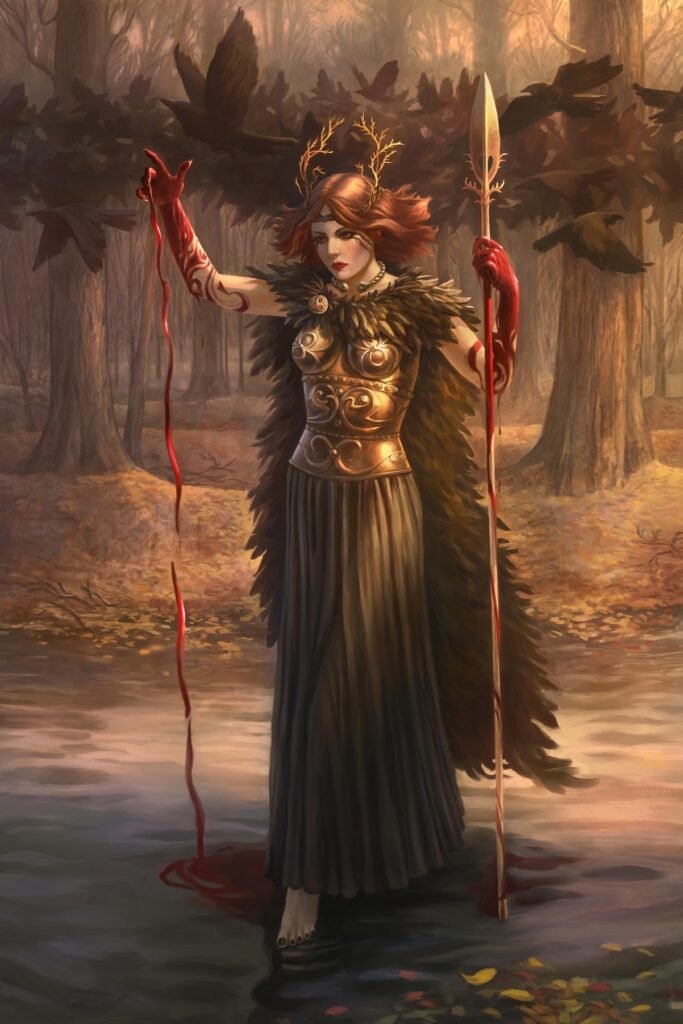
The Celtic cultures of Ireland and Wales held particular reverence for “triadism,” and in Irish mythic legends, battle goddesses variously called Morrigna, Badbh, and Macha always occur in threes. The Morrigan is often depicted as a shapeshifter who appears as a crow on battlefields, foretelling death or influencing the outcome of wars.
She embodies the fierce, untamed aspects of existence: violence, prophecy, sovereignty. Celtic mythology didn’t shy away from powerful female figures, and the Morrigan represents both creation and destruction. Her presence reminds us that ancient peoples saw divinity in war just as much as they did in peace, and that fate was something even heroes couldn’t escape.
Osiris, Isis, and the Egyptian Cycle of Death and Resurrection
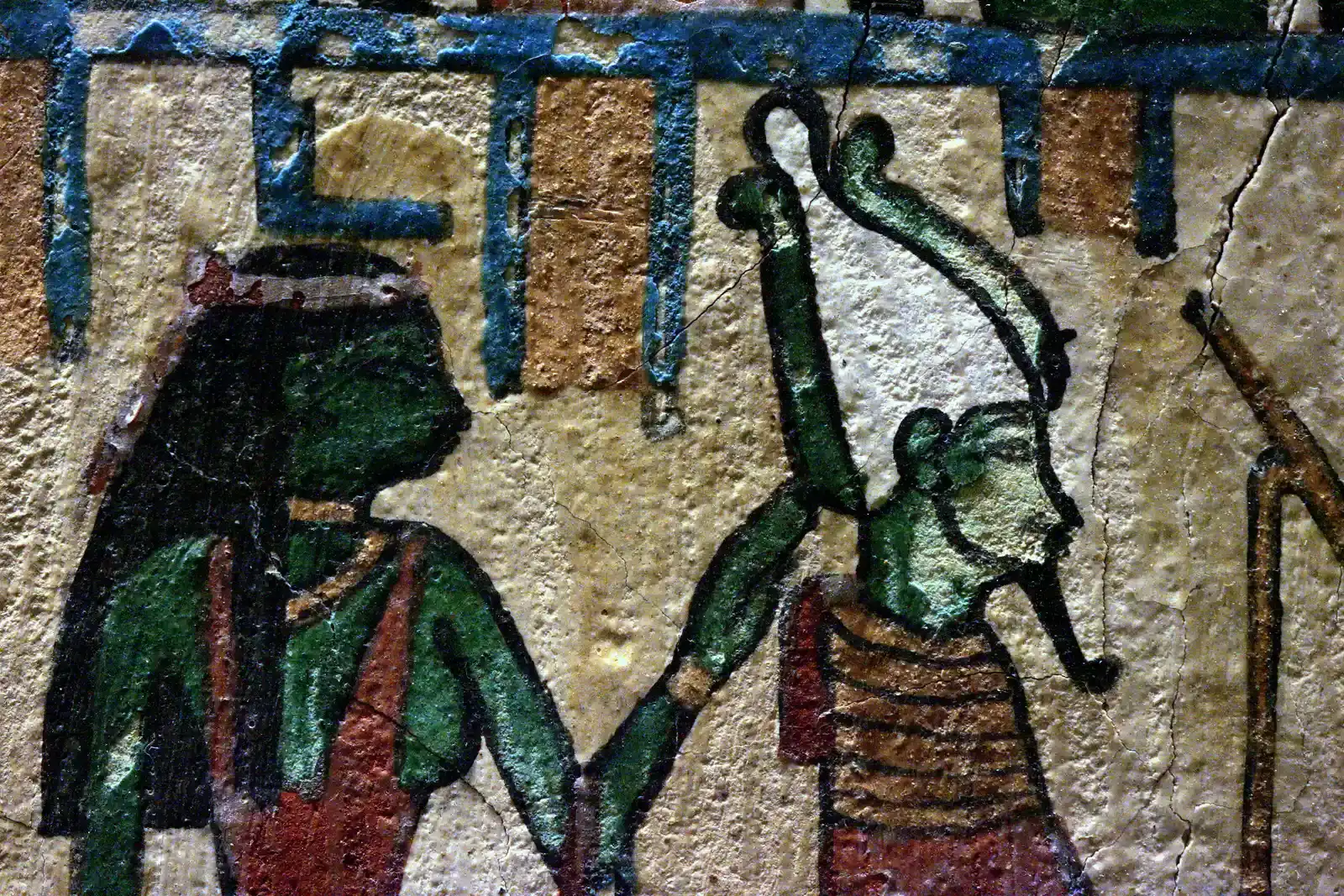
The myths of ancient Egypt often revolve around the themes of death and resurrection, reflecting the society’s preoccupation with the afterlife, and the story of Osiris, Isis, and Horus is central to Egyptian mythology and exemplifies the importance of these themes. Osiris, the god-king, was murdered by his jealous brother Set, who dismembered his body and scattered it across Egypt.
His devoted wife Isis searched for the pieces, reassembled him, and through magic, brought him back to life long enough to conceive their son Horus. The Egyptians believed in Ma’at, the concept of cosmic order and justice, which was upheld by the gods and was essential for the stability of the world. This story isn’t just about resurrection. It’s about the balance between chaos and order, life and death, love and betrayal.
Prometheus: The Titan Who Stole Fire for Humanity
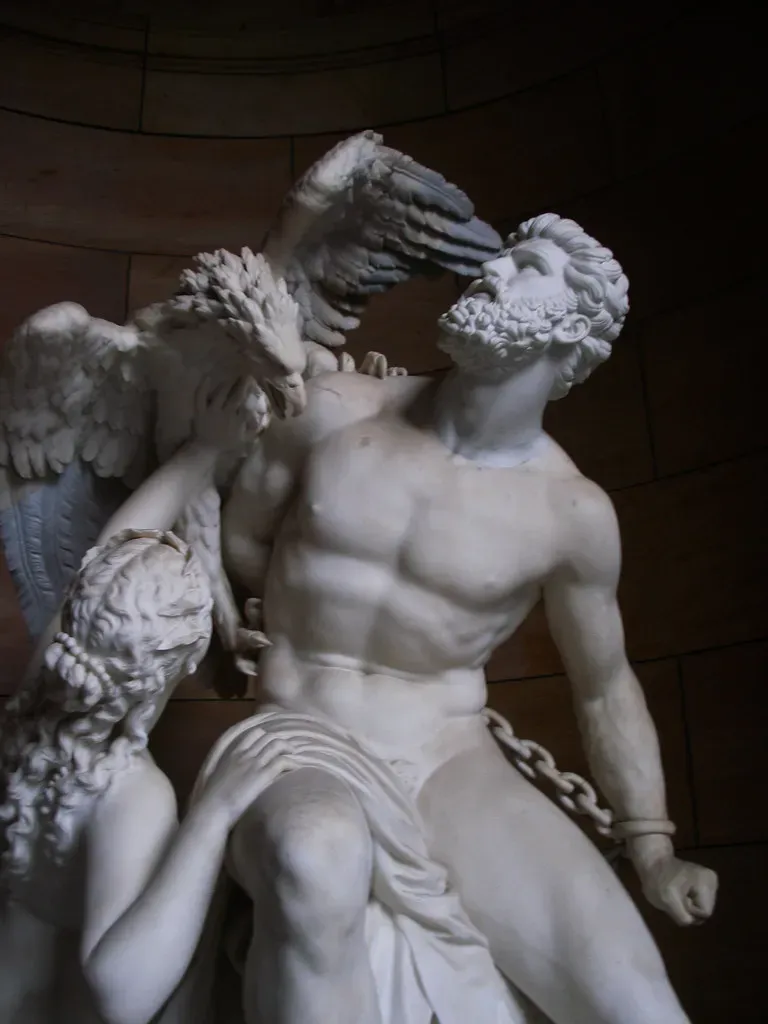
Greek mythology overflows with dramatic tales, but few are as impactful as the story of Prometheus. This Titan defied Zeus by stealing fire from the gods and giving it to humans, an act that forever changed civilization. Fire meant warmth, protection, cooked food, and the ability to forge tools. It was transformative, and Prometheus knew humans needed it.
Zeus punished him brutally, chaining him to a rock where an eagle would eat his liver every day, only for it to regenerate each night. The cycle continued for eternity, or at least until Hercules eventually freed him. This myth explores themes of sacrifice, rebellion against authority, and the price of progress. Prometheus became a symbol for those who challenge oppressive power to benefit others.
The Hero’s Journey: A Pattern That Connects Every Culture’s Greatest Tales
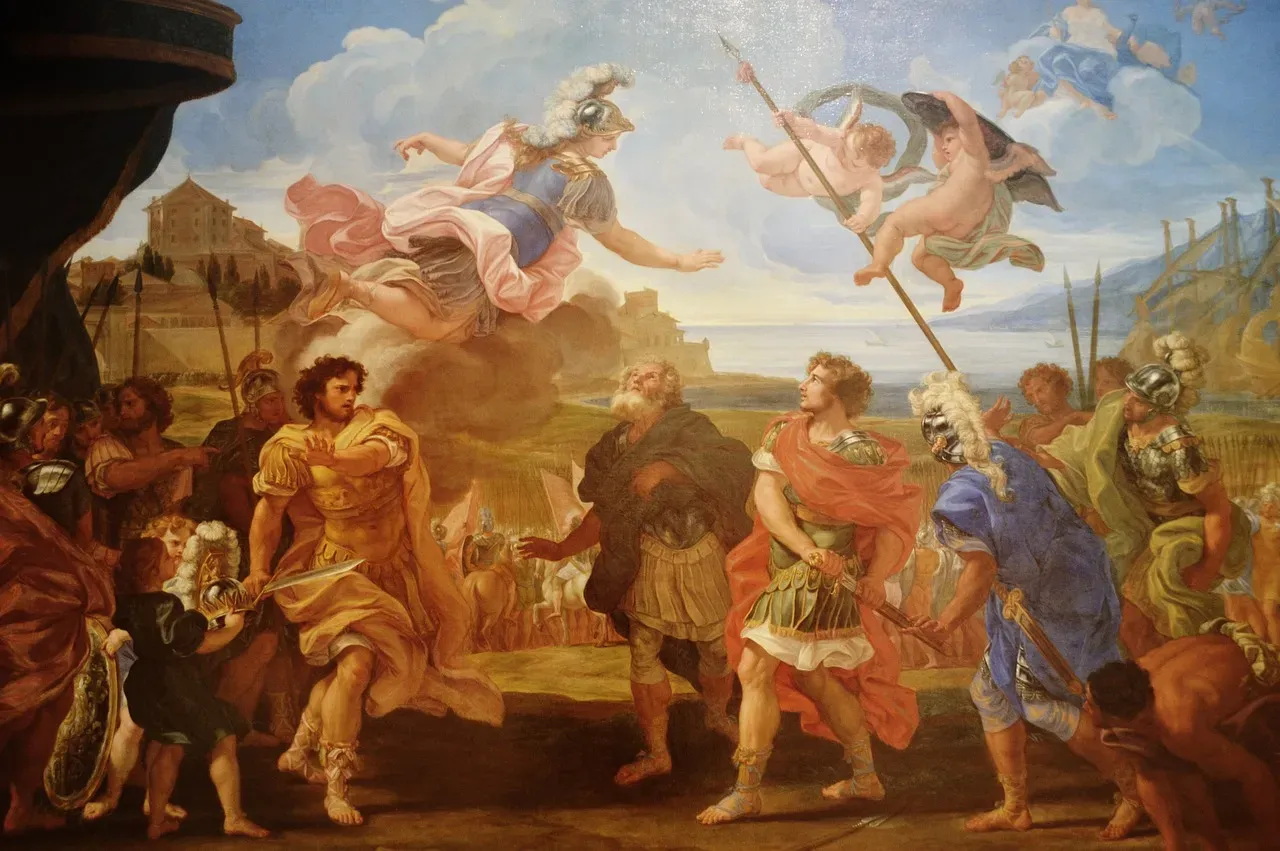
Joseph Campbell identified a common pattern in hero stories worldwide, which he called “the monomyth,” and this pattern involves departure, initiation, and return. His Iliad and Odyssey are epic myths of tortured heroes fighting their way across oceans and continents in search of metaphorical salvation, and they appear in near-identical form in almost every culture, called the “hero’s journey.”
Think about it. Harry Potter, Luke Skywalker, Odysseus, Gilgamesh – they all follow the same basic structure. An ordinary person receives a call to adventure, faces trials, gains wisdom or power, and returns transformed to benefit their community. The pattern reflects universal human experiences of growth, challenge, and transformation. It’s no wonder storytellers keep returning to this structure. It works because it mirrors our own lives, our struggles, our hope that we can overcome adversity and become something greater.
Conclusion
These legends aren’t just dusty relics from the past. They’re living, breathing pieces of culture that continue to shape how we see the world in 2026. From blockbuster movies to video games to the bedtime stories parents tell their children, myths remain as relevant as ever. They teach us about courage, warn us about hubris, help us process grief, and remind us that humans everywhere share the same fundamental fears and dreams.
What’s fascinating is how these stories adapt. Each generation reinterprets them through its own lens, finding new meanings and connections. So the next time you hear a tale about a dragon or a weeping woman or a flood that destroys the world, remember: you’re connecting with something that has captivated humanity for thousands of years. What does that say about us? What do you think?
Hi, I’m Andrew, and I come from India. Experienced content specialist with a passion for writing. My forte includes health and wellness, Travel, Animals, and Nature. A nature nomad, I am obsessed with mountains and love high-altitude trekking. I have been on several Himalayan treks in India including the Everest Base Camp in Nepal, a profound experience.