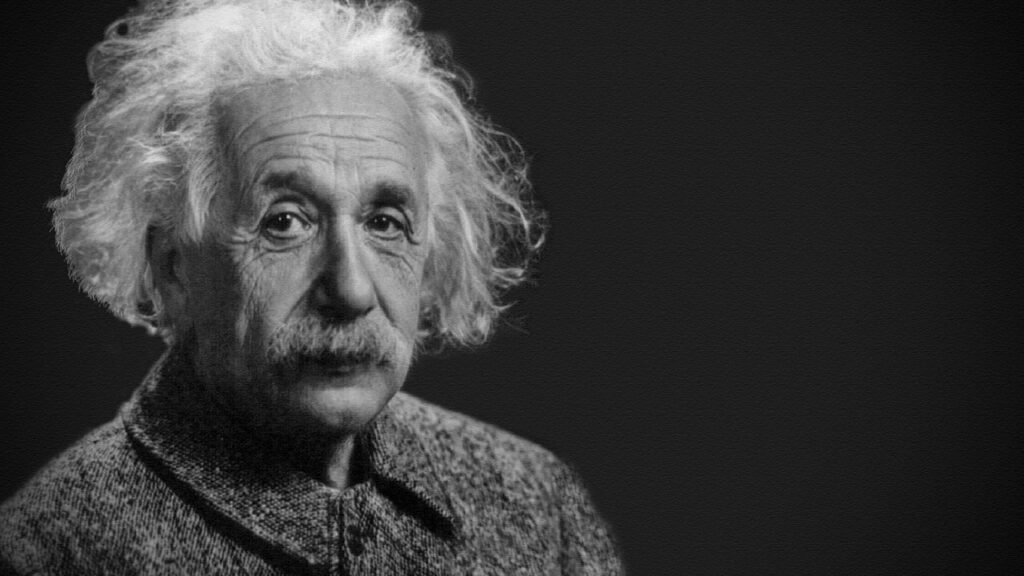

Have you ever wondered how much different your life would be without the brilliant minds who reshaped our understanding of the universe? Think about the medicines you take, the technology you use daily, or even the simple act of understanding why the sun rises each morning. These aren’t just facts we’ve always known. Each discovery came from someone who dared to question what everyone else accepted as truth.
Here’s the fascinating part. Some of the most revolutionary scientists weren’t exactly household names, even though their work transformed entire fields of study. While we celebrate figures like Einstein and Newton (and rightfully so), there are others whose contributions were just as profound but whose stories remained buried in the footnotes of history. Let’s dive into the lives of ten remarkable individuals whose scientific breakthroughs fundamentally changed how we see the world around us.
Nicolaus Copernicus: The Man Who Moved the Earth
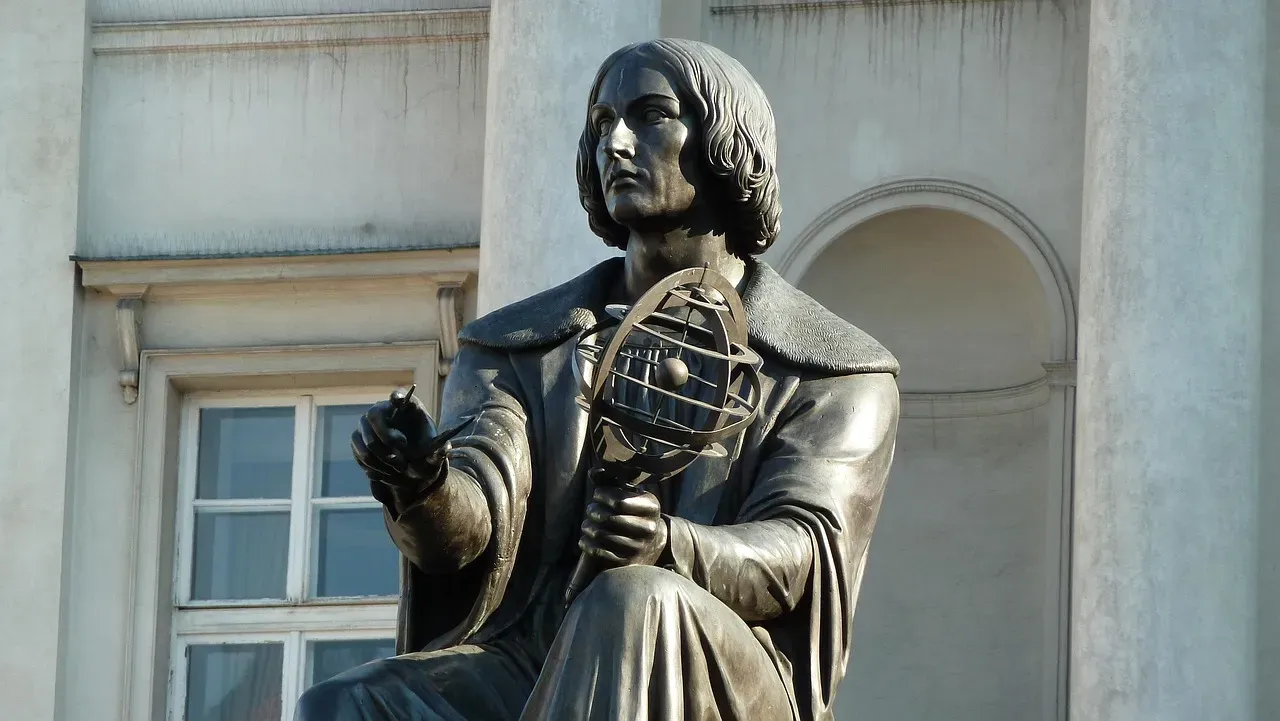
Imagine telling everyone that everything they believed about the universe was completely wrong. That’s exactly what Copernicus did in the 16th century when he propounded a comprehensive heliocentric theory, putting the Sun at the centre and setting Earth into motion around it.
The reaction was explosive. His hypotheses were met with controversy as they deviated from the beliefs of the Roman Catholic Church, and the church even outright banned his research collection, On the Revolutions of the Heavenly Spheres, in 1616 long after the scientist’s death. Here’s the thing, though. Copernicus fundamentally altered humanity’s place in the cosmos. We were no longer the center of everything, just one planet among many circling the sun. That shift in perspective? It changed absolutely everything about how we understood our place in existence.
Galileo Galilei: Eyes on the Heavens
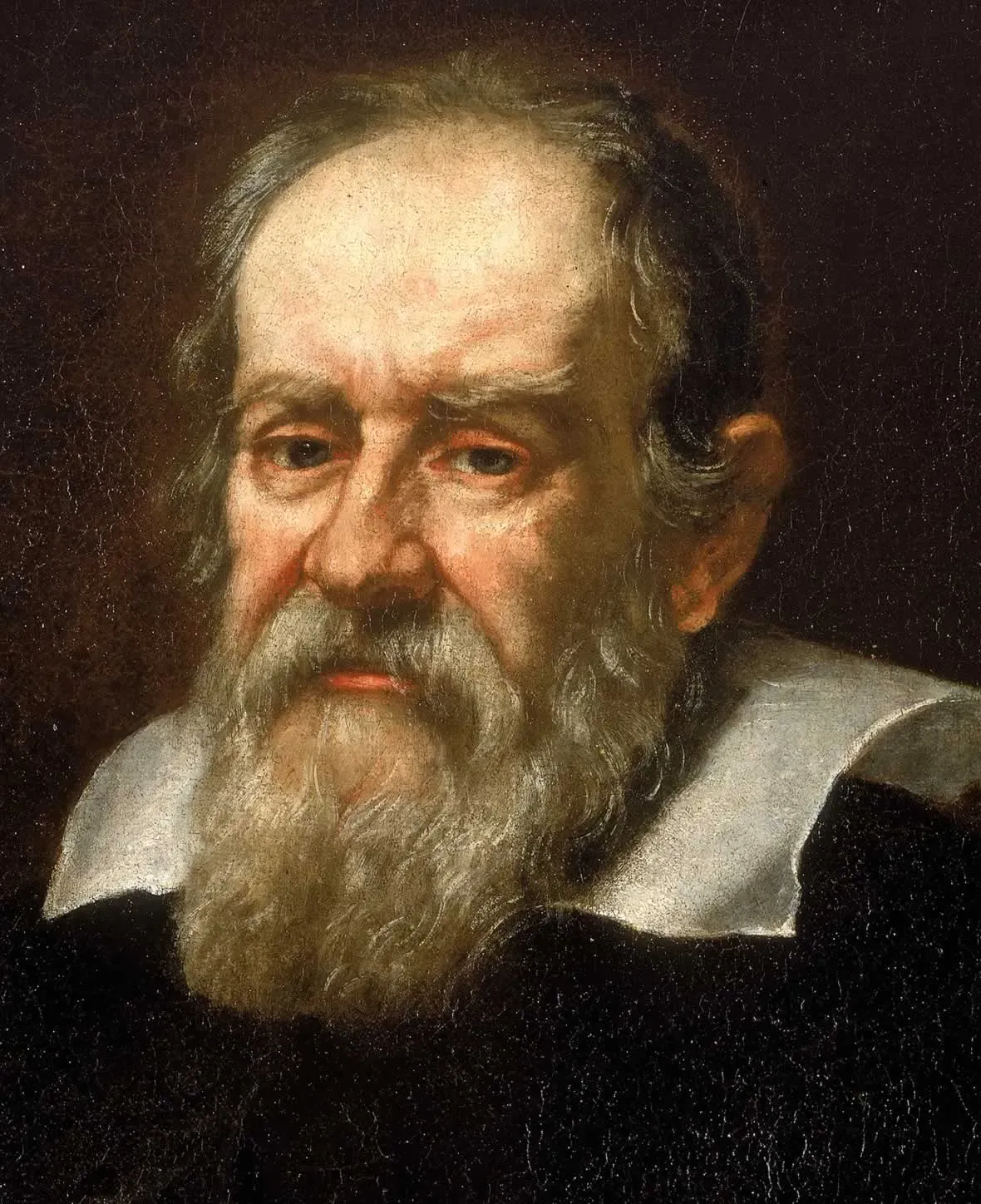
Galileo changed how we literally see the world by taking early telescopes and improving their design, making lenses capable of magnifying objects twenty-fold. Think about the magnitude of that achievement for a moment.
His observations of the moons of Jupiter, the phases of Venus, the spots on the Sun, and mountains on the Moon all helped to discredit the Aristotelian philosophy and the Ptolemaic theory of the Solar System. What’s remarkable is how Galileo combined observation with mathematics, creating a scientific method that we still use today. His findings built the foundation for modern astronomy, and honestly, every telescope we’ve launched into space owes something to his pioneering spirit and determination to see beyond what our eyes alone could perceive.
Isaac Newton: When an Apple Changes Everything
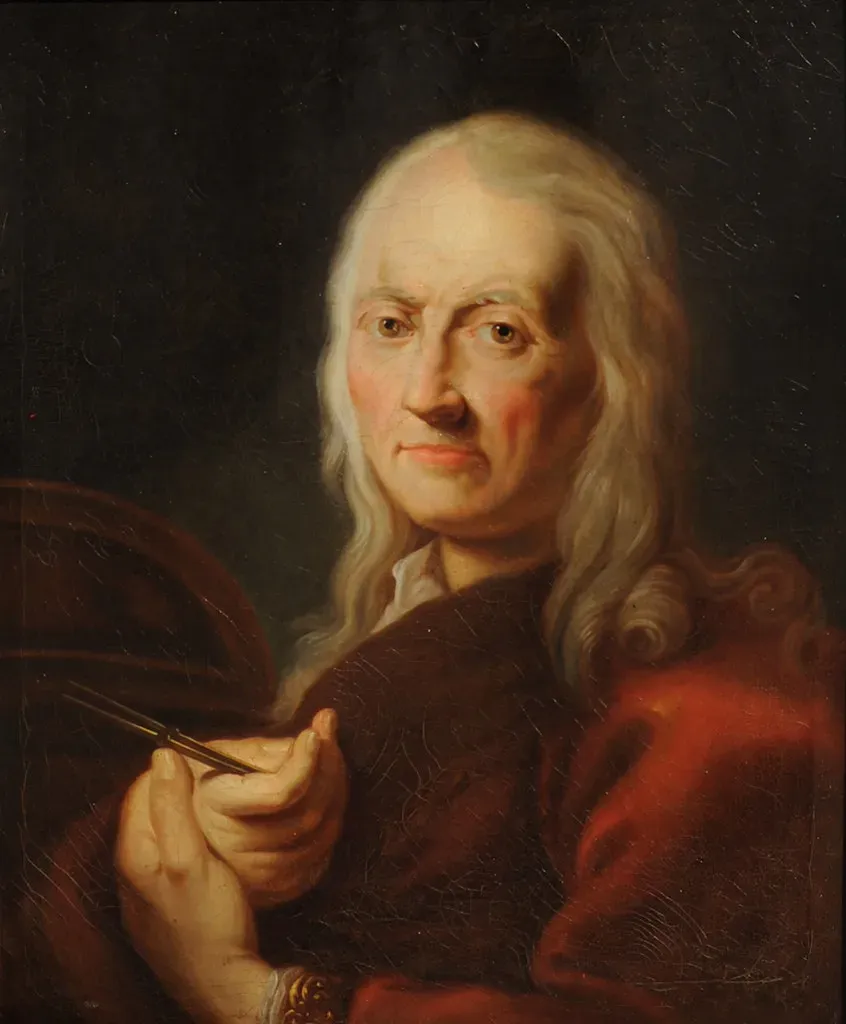
Isaac Newton was an English mathematician, physicist and astronomer who is widely recognized as one of the most influential scientists in history. The story goes that an apple fell on his head, sparking revolutionary ideas about gravity.
Just 23 years after his birth, with Cambridge University closed due to the plague, Newton embarked on groundbreaking discoveries that would bear his name, and he invented calculus, a new form of mathematics, as part of his scientific journey. Let’s be real here, how many of us can say a pandemic lockdown led to inventing an entirely new branch of mathematics? His Principia formulated the laws of motion and universal gravitation which dominated scientists’ view of the physical universe for the next three centuries. That’s the kind of intellectual legacy that genuinely reshapes civilization.
Charles Darwin: Evolution’s Reluctant Revolutionary
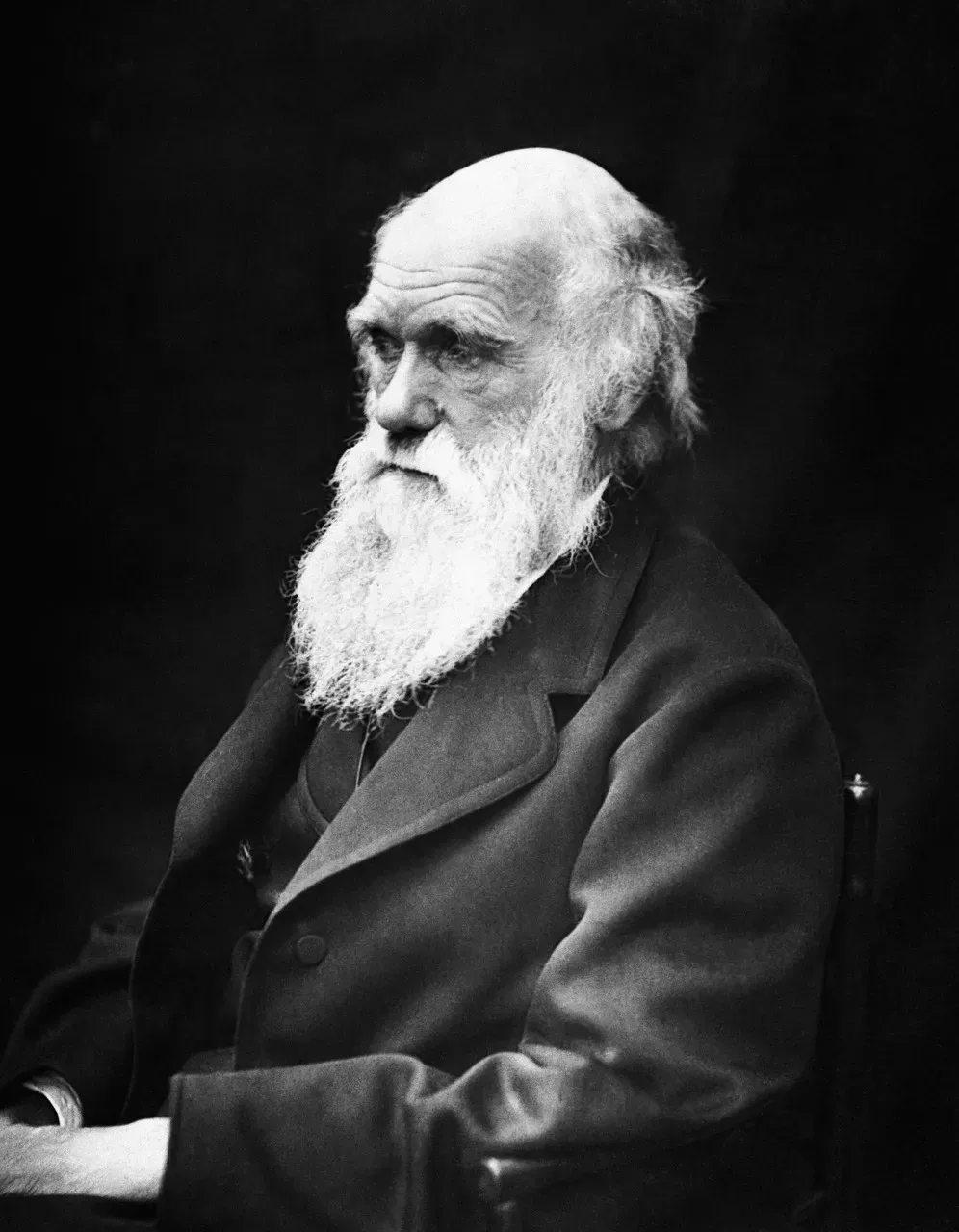
Growing up in Great Britain, Darwin was raised in a Christian family and held creationist beliefs, which is not what you’d expect from the man whose landmark 1859 book On the Origins of Species by Means of Natural Selection provided a detailed description of the theory of evolution.
His path to becoming the father of evolutionary biology took an unexpected turn in 1831 when he received an invitation to join a world-spanning journey aboard the HMS Beagle, and during his five-year voyage he observed and documented geological formations, various habitats and the diverse flora and fauna. What strikes me most about Darwin is his courage. His theory of evolution through natural selection challenged prevailing beliefs and left an enduring legacy that continues to shape the field of biology and our understanding of life on Earth. He knew the storm his ideas would create, yet he published anyway.
Marie Curie: Radioactivity’s Fearless Pioneer
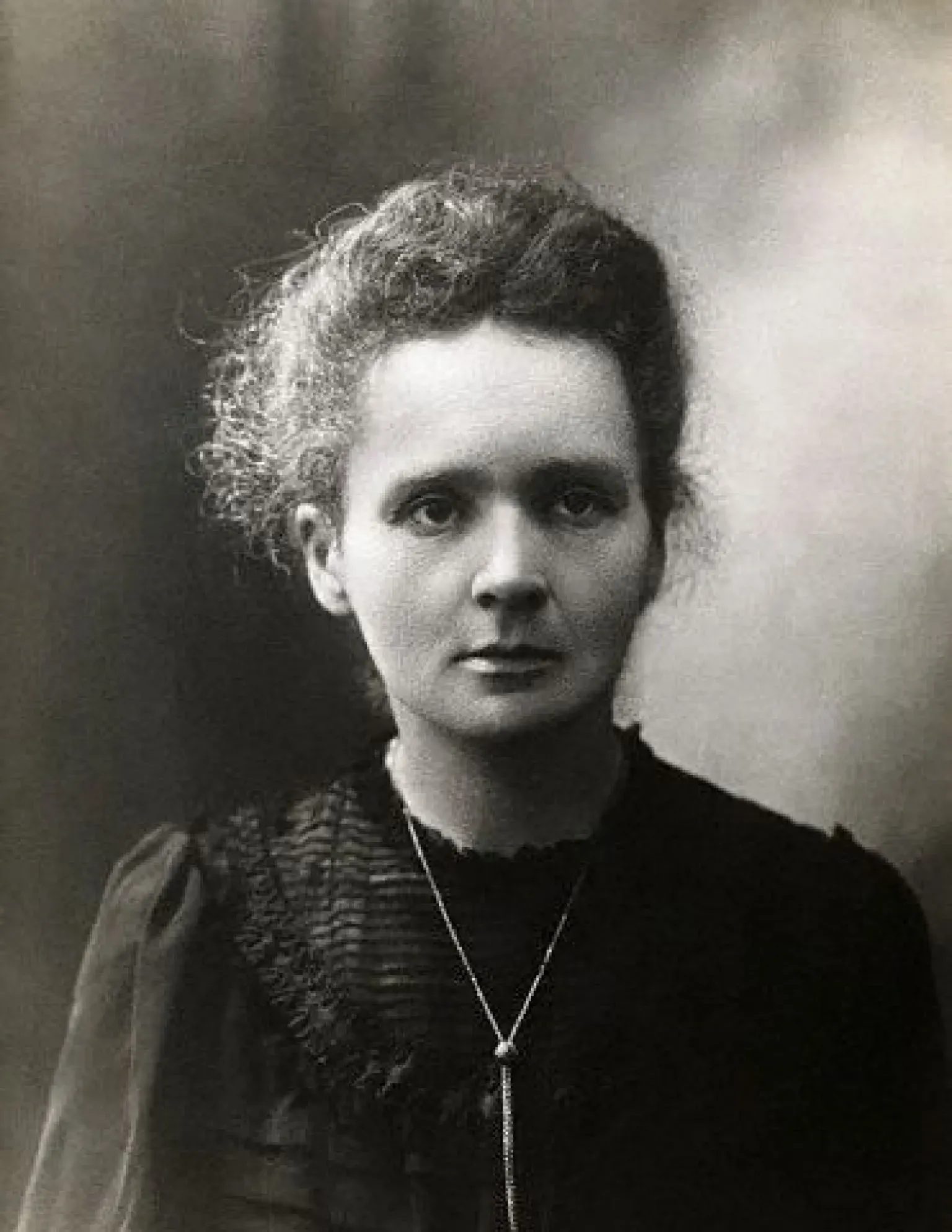
Marie Curie collaborated with her husband, Pierre Curie, and together they examined uranium-rich minerals, ultimately discovering two new elements, polonium and radium, with their work published in 1898. The dedication required for this research is almost incomprehensible.
In 1903, Marie Curie, Pierre Curie, and Henri Becquerel were jointly awarded the Nobel Prize in Physics for their pioneering work in radioactivity, and Marie became the first woman to receive a Nobel Prize, marking a historic achievement. Here’s what’s truly extraordinary: she earned her second Nobel Prize in 1911 in Chemistry, and she remains the only person to receive Nobel Prizes in two different scientific fields, a testament to her exceptional contributions to science. Her work literally glows with importance, both figuratively and, well, dangerously literally.
Rosalind Franklin: The Unsung Hero of DNA
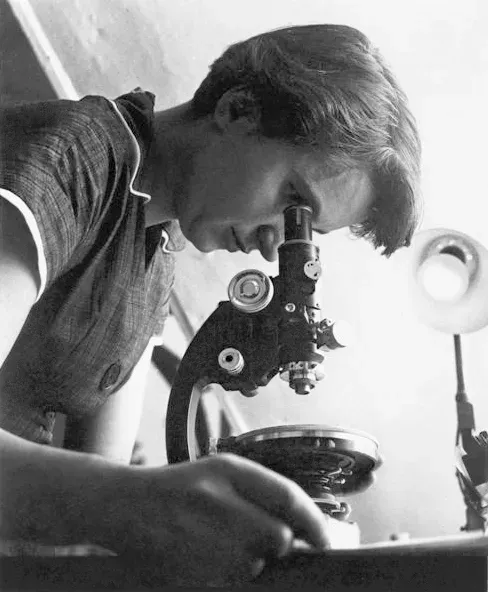
Rosalind Franklin was an X-ray crystallographer from the UK whose work was central to understanding of molecular structures of DNA, RNA and viruses. This is where the story gets frustrating.
Her research was used without her consent by Watson and Crick and without acknowledgement on the breakthrough paper, and sadly, Franklin died aged 37 of ovarian cancer and she missed out on the Nobel prize shared by Watson, Crick and her boss, Wilkins. It’s hard not to feel anger at this injustice. She was known for her extreme clarity and perfectionism in all her scientific endeavors, changing the field of molecular biology. Franklin’s story reminds us that scientific progress isn’t always fair, and recognition doesn’t always find those who deserve it most.
Ada Lovelace: Computing’s Enchantress of Numbers
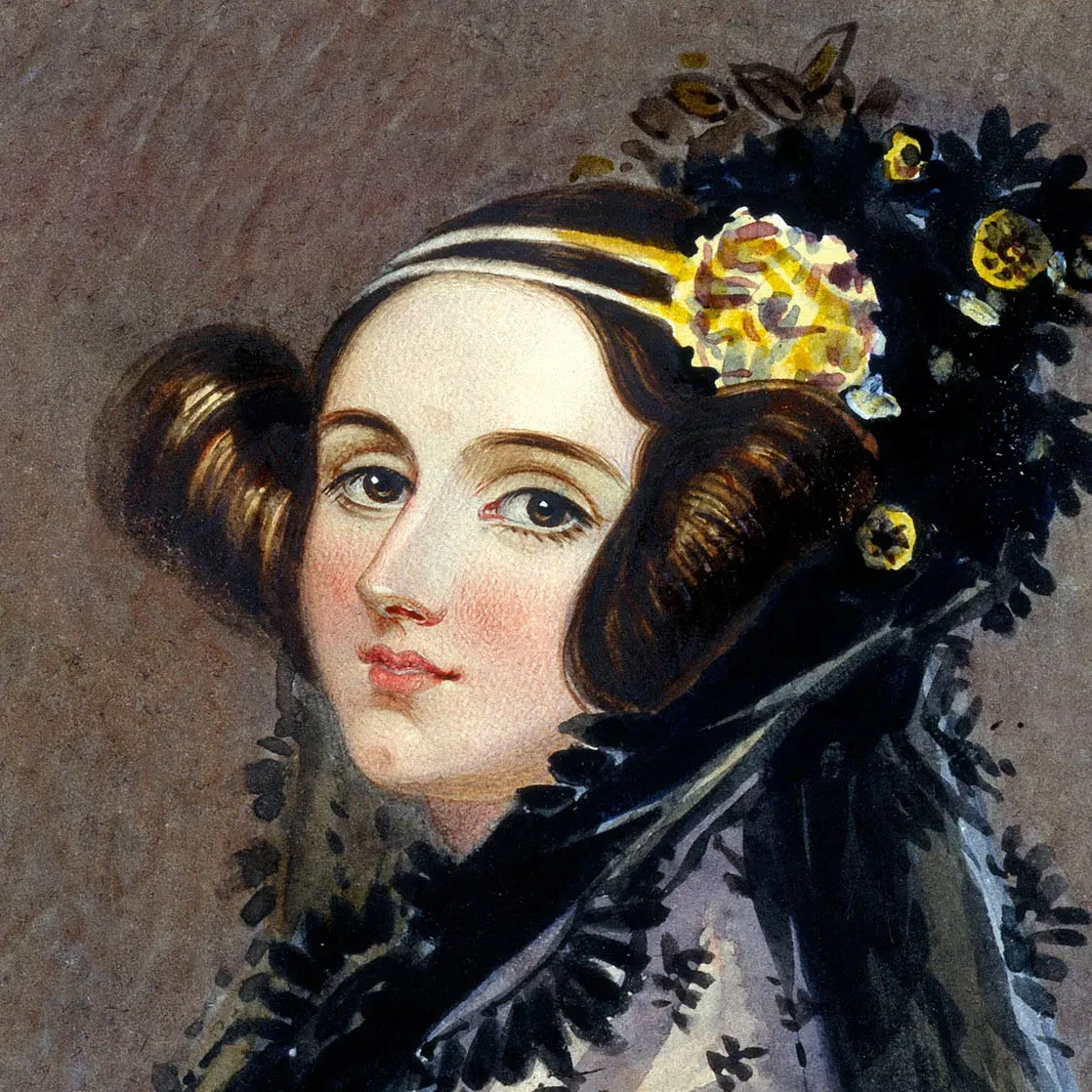
Ada Lovelace is known as the world’s first computer programmer, a remarkable achievement considering she lived a century before the advent of modern computers. Honestly, trying to wrap your head around computer programming before computers even existed is mind-bending.
Lovelace’s notes and instructions on mentor Charles Babbage’s “analytical engine” are considered a breakthrough on the path to modern computers. She didn’t just translate Babbage’s work. She expanded on it, envisioning possibilities that even Babbage hadn’t considered. Every line of code written today, every app on your phone, every website you visit, traces its intellectual ancestry back to this Victorian woman who saw the future of computation when it was still just brass gears and mathematical dreams.
Lise Meitner: Nuclear Physics’ Overlooked Genius
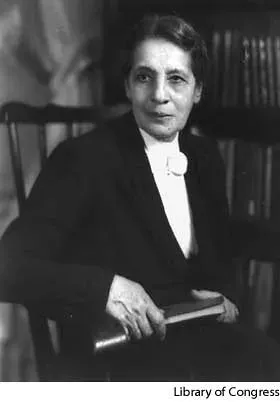
This Austrian scientist was one of the discoverers of nuclear fission, the splitting of atoms in a nuclear reaction, and while Otto Hahn performed the first experiments, Meitner published the first paper on “fission” and accurately presented and described how the uranium atom splits when bombarded by neutrons.
Despite her involvement, the men surrounding Meitner were credited with the discovery, and when a Nobel Prize was awarded to Hahn for “his discovery of the fission of heavy nuclei” in 1945, Meitner was never mentioned. She was nominated nearly fifty times for Nobel Prizes but never won during her lifetime. Meitner turned down an offer to work on the Manhattan Project in 1943 because she wanted nothing to do with the atomic bomb. That moral stance speaks volumes about her character beyond her scientific brilliance.
Ignaz Semmelweis: The Hand-Washing Revolutionary
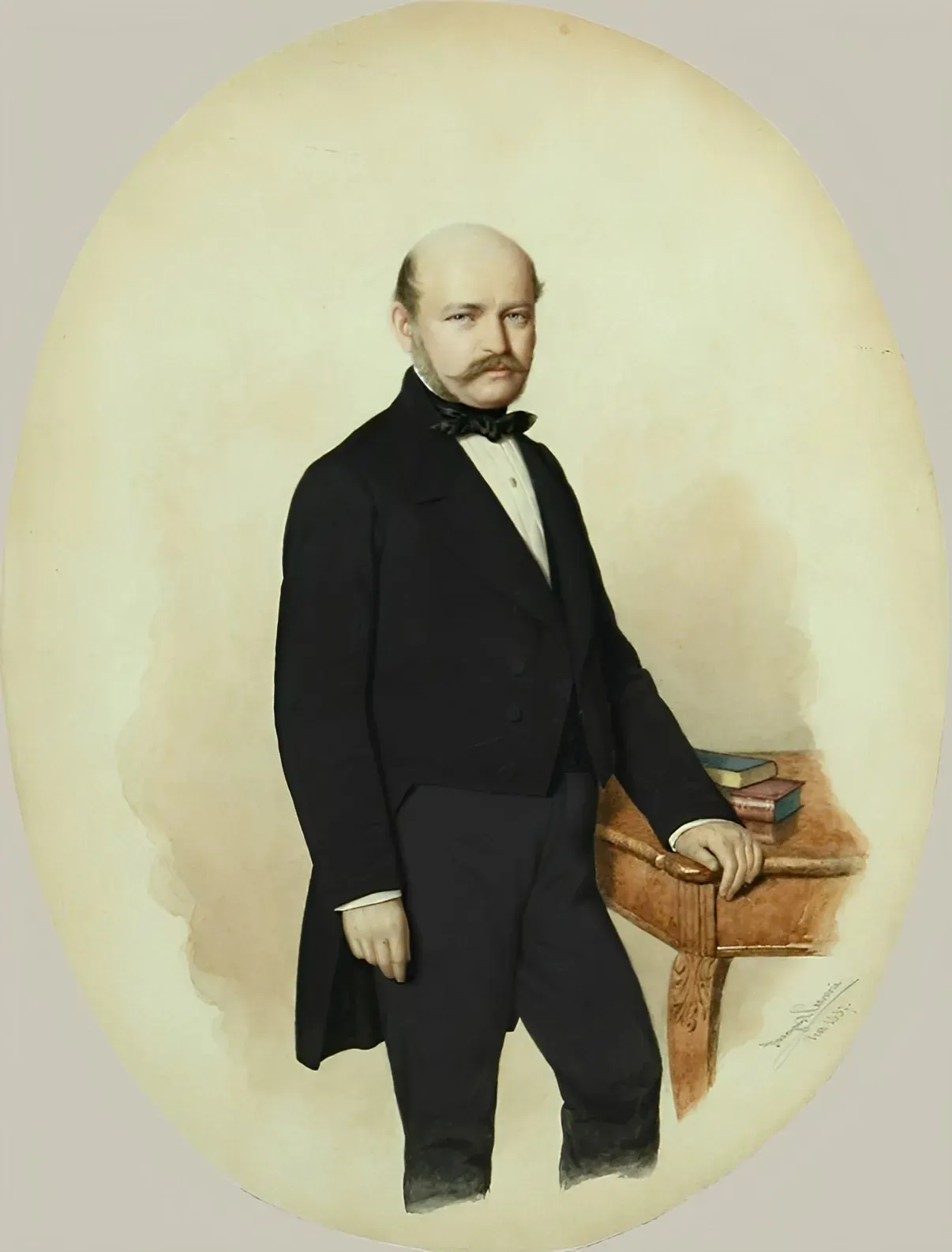
Semmelweis was a Hungarian physician and scientist and an early pioneer of antiseptic procedures who discovered that the incidence of puerperal fever could be drastically cut by simply using hand disinfection in childbirth clinics. Seems obvious now, right?
Even though his methods reduced mortality below 1%, his ideas were rejected by the medical community at the time and he remains quite an unknown scientist. The tragedy of Semmelweis is that he was absolutely correct, had the data to prove it, yet doctors refused to believe that their own unwashed hands were killing patients. How many lives could have been saved if people had just listened? His story is a sobering reminder that scientific truth doesn’t always triumph immediately, even when it could prevent countless deaths.
Ibn al-Haytham: The Father of Modern Optics
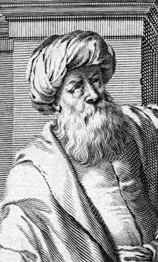
Ḥasan Ibn al-Haytham, also known as Alhazen, was born in Basra in about A.D. 965 and lived mainly in Cairo, Egypt, until 1040, during the Islamic Golden Age. Living roughly a thousand years ago, his scientific approach was remarkably modern.
He is sometimes called “the father of modern optics” and made important discoveries in the field, including a theory of vision that argued, correctly, that it occurred in the brain (earlier theories had suggested light rays were emitted from the eyes), and he also studied reflections, refraction, and the nature of images formed from rays of light. His systematic experimental methods and rejection of accepted wisdom established principles that would become cornerstones of the scientific method itself. Every pair of glasses, every camera lens, every microscope owes something to this brilliant mind from medieval Cairo.
Conclusion: The Legacy Lives On
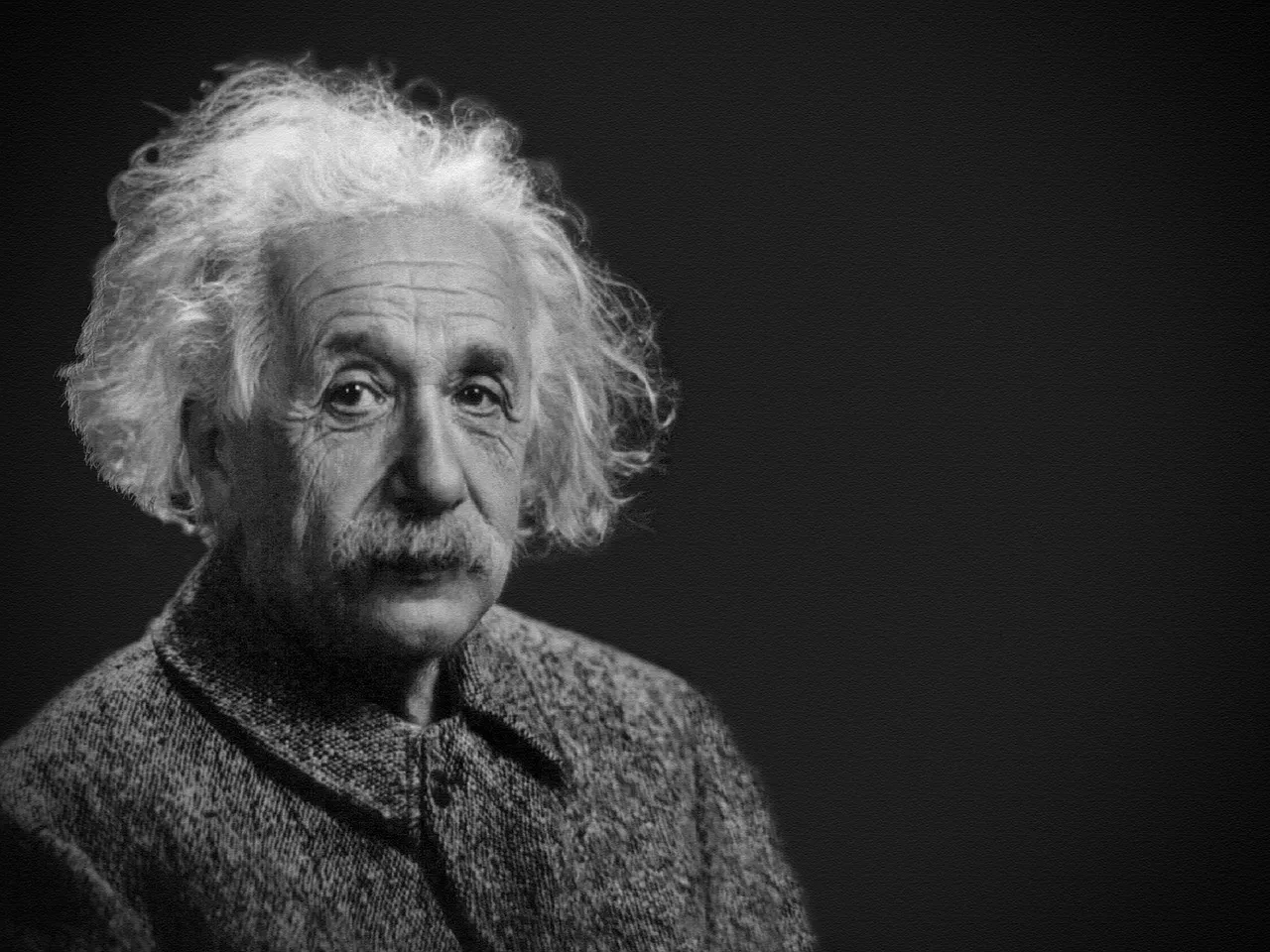
Science never happens in isolation. Each breakthrough builds on previous discoveries, and every scientist stands on the shoulders of those who came before. What strikes me most about these ten figures is their courage. Whether facing religious persecution, professional rejection, or outright theft of their work, they persevered because they believed in the truth they’d uncovered.
Their stories remind us that progress isn’t inevitable or easy. It requires individuals willing to challenge conventional wisdom, endure ridicule, and sometimes sacrifice recognition for the sake of advancing human knowledge. The next time you use GPS (thank you, physics of motion), receive life-saving medical treatment (thank you, germ theory and antiseptics), or simply marvel at images from space telescopes, remember these pioneers. Science isn’t just about facts and formulas. It’s about human curiosity, determination, and the relentless pursuit of understanding our universe, no matter the obstacles. What discovery waiting to be made today might change everything tomorrow? That’s the question that keeps pushing science forward.