
They outlived empires, rewrote timelines, and calmly survived ice ages while our entire species is barely a blink in their lifespan. Around the planet, some organisms measure their lives not in years or even centuries, but in millennia and geological epochs. Scientists are still piecing together how these ancient survivors cheat death, repair damage, and persist through brutal environmental swings. Understanding them is not just a curiosity; it may reshape how we think about aging, resilience, and the future of life on a warming planet.
The Hidden Clues: Why “Oldest Living” Is Harder to Define Than It Sounds
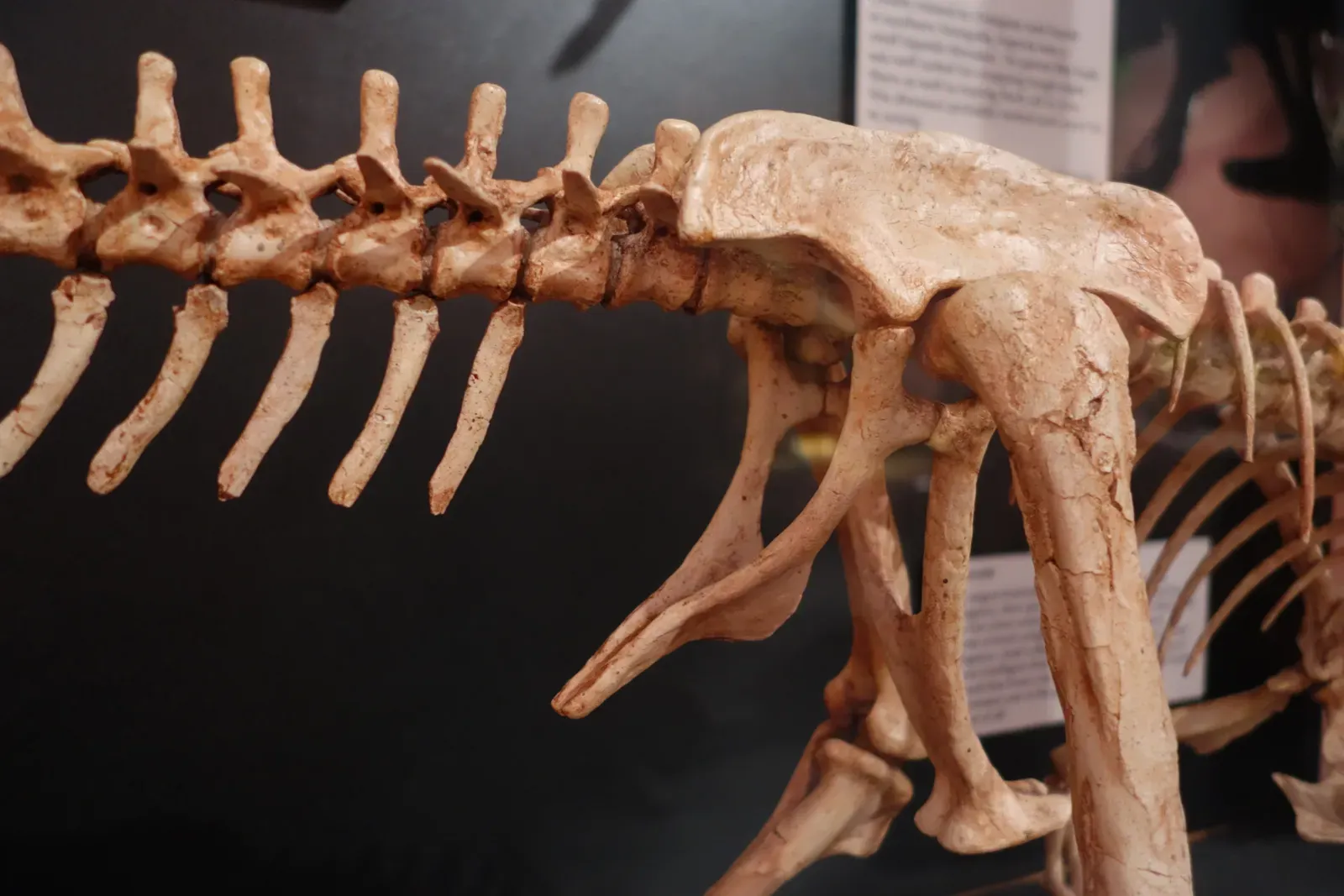
The phrase “world’s oldest living organism” sounds simple, but once biologists look closely, it turns into a puzzle with moving parts. Is the oldest organism a single long-lived individual, like a tortoise, or a massive clonal colony spreading over acres, like some trees and fungi do? Some organisms keep replacing their own tissues, so the individual you see today might be made of cells that are only a few years old, even though the genetic lineage is thousands of years old. In other cases, what appears to be a forest of separate trees is actually one genetically identical organism connected underground.
Because of this complexity, researchers often distinguish between “oldest individual,” “oldest clonal colony,” and “oldest continuous lineage,” and each category can crown a different champion. To complicate things further, the methods for estimating age – like counting growth rings, measuring radioactive decay, or tracking genetic mutations – come with margins of error and hidden assumptions. That means some age records are best viewed as well-supported estimates rather than absolute truth written in stone. Still, these careful estimates reveal something profound: life has ways of persisting far longer than our everyday experience would ever suggest.
Ancient Trees: Methuselah, Pando, and the Forests That Remember Ice Ages
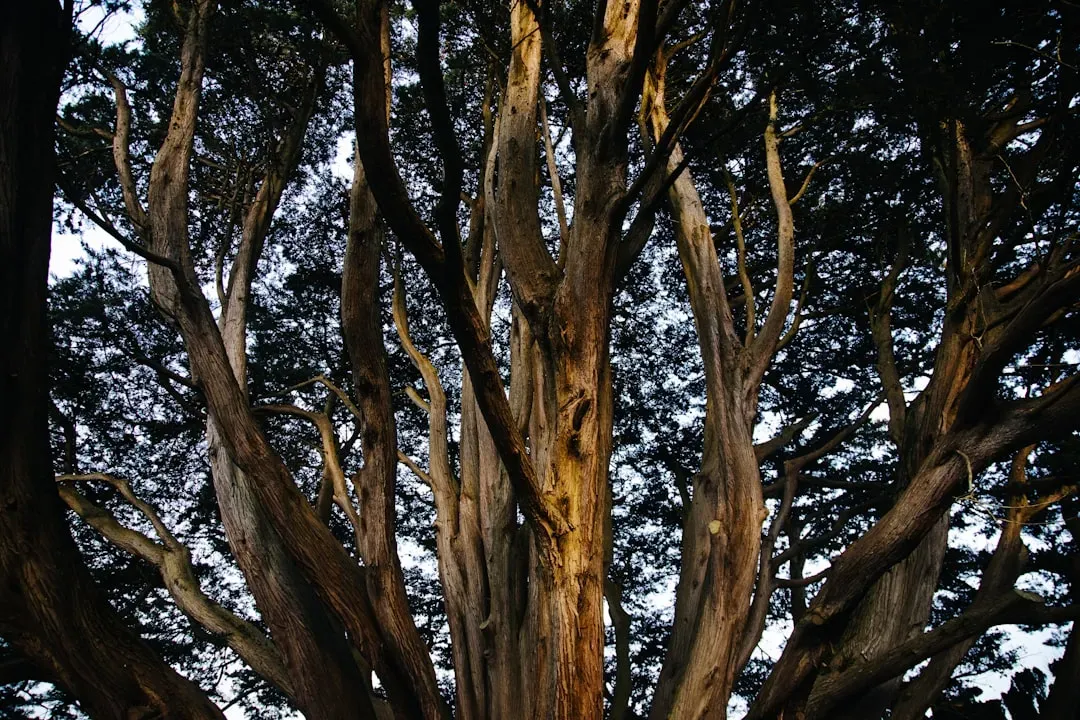
When it comes to sheer charisma, ancient trees tend to steal the spotlight among long-lived organisms. High in the White Mountains of California, great basin bristlecone pines include individuals more than four and a half thousand years old, meaning they sprouted before many ancient civilizations wrote their earliest records. These trees grow painfully slowly, building dense, resin-rich wood that resists decay, insects, and harsh mountain weather. Their twisted, weathered trunks hold a timeline of droughts, volcanic eruptions, and solar variations in the form of growth rings.
Then there is Pando, the trembling aspen colony in Utah, which is arguably one of the heaviest and oldest living organisms on Earth. What looks like a stand of tens of thousands of trees is actually a single clonal individual connected by a shared root system that has likely persisted for tens of thousands of years. New stems sprout as old ones die, making Pando less like a static tree and more like a slowly shifting city whose citizens keep changing but whose identity remains. As climate change, grazing pressure, and disease threaten these giants, scientists are racing to understand how such organisms managed to endure previous climate swings and whether they can survive the rapid changes now underway.
Immortal-ish: The Jellyfish That Rewinds Its Own Life Cycle
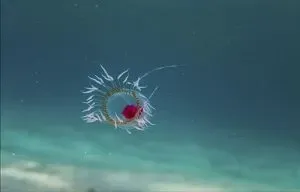
Among all the longevity stories, one stands out for sounding almost like science fiction: a tiny jellyfish that can revert to a younger stage when stressed. The species Turritopsis dohrnii, sometimes called the “immortal jellyfish,” can transform its adult body back into a juvenile, polyp-like form instead of simply dying. This process, known as transdifferentiation, involves adult cells changing identity and function, a bit like a retired professional suddenly becoming a child again and starting over. In laboratory settings, individuals have been seen to repeat this cycle multiple times when injured or threatened.
This does not mean the species is invulnerable – jellyfish can still be eaten, crushed, or killed by disease – but it challenges our usual idea of aging as a one-way street. Biologists are intensely interested in how this cellular reset works at the molecular level, especially which genes switch on and off during the reversal. While it is a long leap from a jellyfish in the Mediterranean to treatments for human aging, the principles of cellular flexibility and repair are directly relevant to regenerative medicine. In a way, this inconspicuous jellyfish is a living experiment in how far life can bend the rules of time.
Frozen Time Capsules: Microbes That Wake After Tens of Thousands of Years
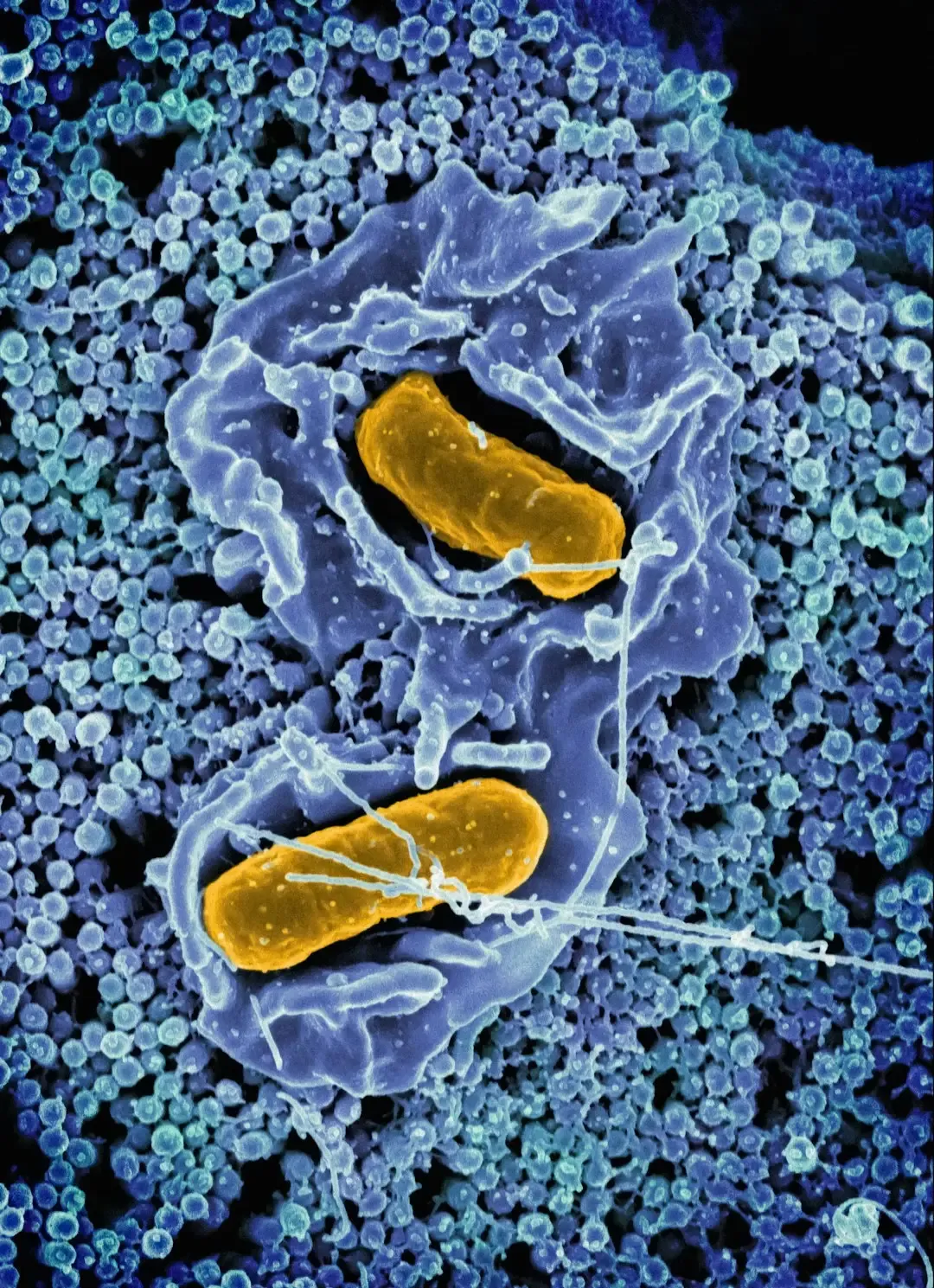
Some of the world’s oldest living organisms are so small you would never know they exist, yet their stories stretch back through glacial cycles and extinct megafauna. In Arctic and Antarctic permafrost, researchers have revived microbes and microscopic animals that were trapped in frozen soil for tens of thousands of years. These tiny survivors, including bacteria, fungi, and rotifers, endured complete metabolic shutdown, effectively pressing pause on life. When thawed in the lab, they resumed activity, feeding and reproducing as if nothing unusual had happened.
What allows them to pull off this biological time travel is a mix of biochemical tricks: protective sugars, specialized proteins, and robust DNA repair systems that limit damage while frozen. This ability has enormous implications for our understanding of life’s limits, including the possibility of life surviving in icy environments elsewhere in the solar system. At the same time, melting permafrost in a warming world is releasing long-dormant microbes into modern ecosystems, raising questions about how they might interact with existing life. These microscopic ancients remind us that age is not always measured by continuous activity; sometimes it is about surviving in a state of near-perfect stillness.
Living Fossils: Horseshoe Crabs, Coelacanths, and Lineages That Refuse to Vanish
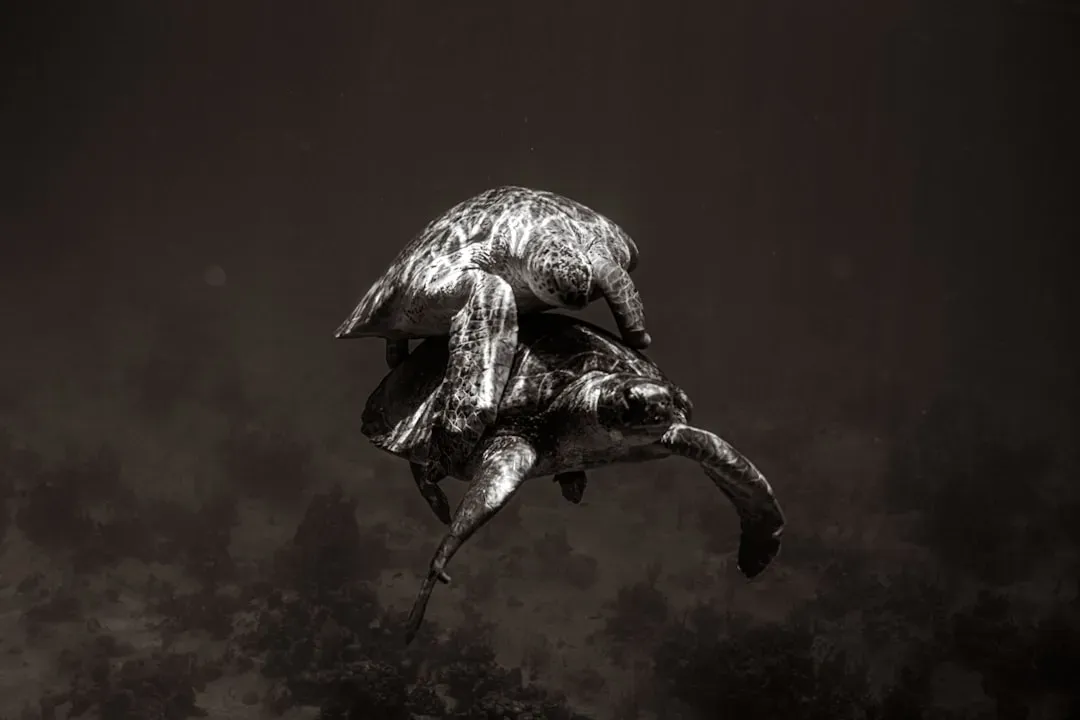
Some organisms earn the label “oldest” not because a single individual is ancient, but because their entire lineage has changed remarkably little over immense spans of time. Horseshoe crabs, for example, have body plans that closely resemble fossils more than four hundred million years old, surviving multiple mass extinctions that wiped out roughly about three quarters of marine species. Modern coelacanth fish, once thought completely extinct, were rediscovered in the twentieth century and show anatomical features strikingly similar to their ancient relatives. These animals are often called living fossils, not because evolution stopped, but because natural selection has favored stability over radical redesign.
Their longevity as lineages raises intriguing questions about what makes certain body plans so enduring. Stable ecological niches, flexible physiology, and broadly effective defense strategies may all play roles in their long-term survival. At the same time, many living fossils now face modern threats that did not exist in the ancient seas or primeval shorelines they once dominated. Pollution, habitat loss, overharvesting, and climate change may prove more dangerous than the asteroid impacts they survived in the deep past. In this sense, their story is a mix of awe at their persistence and urgency about their future.
Deep Time in the Dark: Subsurface Microbes That Outlive Civilizations
Far below our feet, in rocks and sediments deep beneath land and sea, lives an entire biosphere of organisms adapted to crushing pressures, darkness, and extreme scarcity. Some of these subsurface microbes divide so slowly that a single generation may take centuries, stretching individual lifespans and lineage continuity to astonishing scales. Their energy comes not from sunlight but from chemical reactions in rocks, such as the breakdown of water molecules or interactions with minerals. In the deep ocean floor, researchers have found microbial communities that appear to have persisted for millions of years in isolated pockets of sediment.
These organisms barely move, barely eat, and barely grow, yet they subtly shape geochemical cycles that affect the entire planet, including the carbon balance in the oceans and crust. Because their metabolism is so slow, damage to their DNA accumulates gradually, and robust repair systems may give them a kind of slow-motion resilience. Studying them requires delicate drilling and contamination control, making every new sample a small triumph of engineering and patience. Their existence broadens the definition of habitable environments and hints that life elsewhere in the universe could lurk in subsurface refuges rather than on sunlit surfaces.
Why It Matters: What Ancient Organisms Teach Us About Life, Death, and the Future
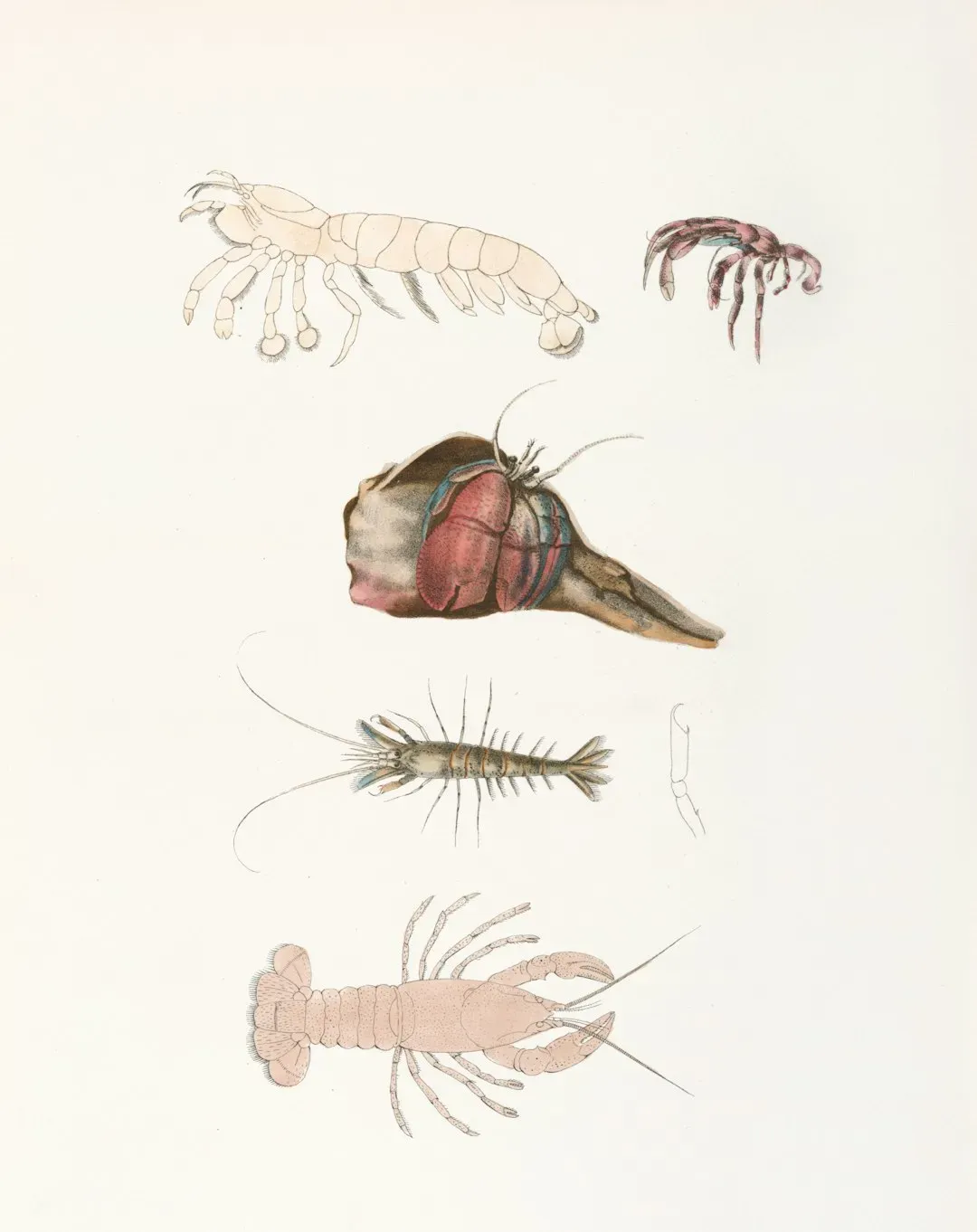
At first glance, learning that a tree or a jellyfish is incredibly old might seem like a fun trivia fact and nothing more. But when scientists study how these organisms avoid, delay, or work around the usual pathways of aging, they uncover principles that could ripple into many areas of research. Long-lived trees excel at resisting pathogens and repairing environmental damage, offering clues for crop resilience and forest management in a changing climate. Cellular reset mechanisms in jellyfish and robust DNA repair in deep microbes inform research into cancer, neurodegeneration, and regenerative medicine.
These species also challenge our cultural assumptions about what it means to be old. While humans tend to see aging as a steep decline, many of these organisms maintain function for extremely long spans, with death more tied to rare catastrophes than gradual wear. That perspective nudges scientists to rethink aging as a spectrum of strategies rather than a single inevitable script. At the planetary scale, ancient organisms act as long-running sensors, integrating environmental signals across centuries and millennia. Paying attention to their survival – and their decline – helps us gauge the true depth of human impact on Earth’s living systems.
The Future Landscape: Can the Oldest Organisms Survive a Rapidly Changing World?
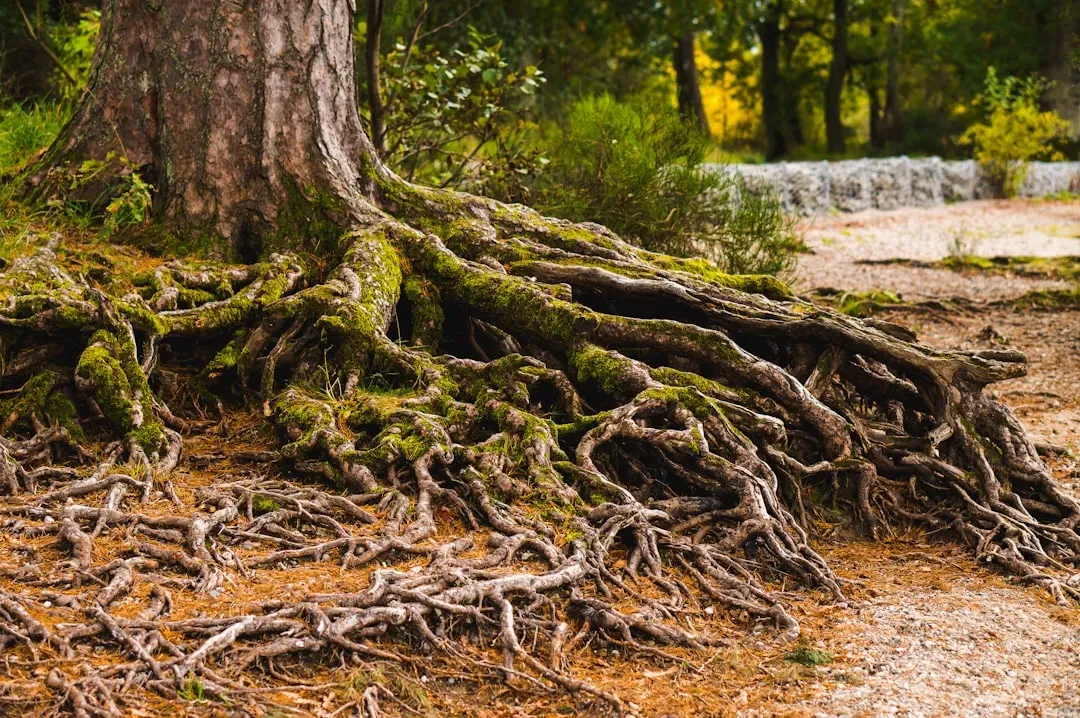
Ironically, many of the organisms that have proven resilient over deep time could be especially vulnerable to the speed of modern environmental change. Ancient trees that weathered gradual climate shifts now face rapid warming, altered rainfall patterns, and novel pests moving into their ranges. Clonal giants like Pando, once buffered by stable ecosystems, are stressed by land use changes, overgrazing, and fire regimes reshaped by human activity. In the oceans, temperature shifts and acidification may strain species that have inhabited relatively stable deep waters for ages.
On the other hand, new tools give scientists better chances to understand and protect these longevity champions. Genomic sequencing, long-term monitoring networks, and satellite-based forest mapping allow researchers to track health trends and detect early signs of trouble. Conservation strategies are beginning to prioritize not only biodiversity in general, but also the protection of unique, ancient lineages and individual elder organisms. The outcome is not predetermined: whether these oldest living beings continue their stories depends heavily on choices humans make in the coming decades. In a sense, the future of deep-time survivors is now entangled with our own species’ maturity and restraint.
How You Can Engage: Small Actions for Ancient Lives
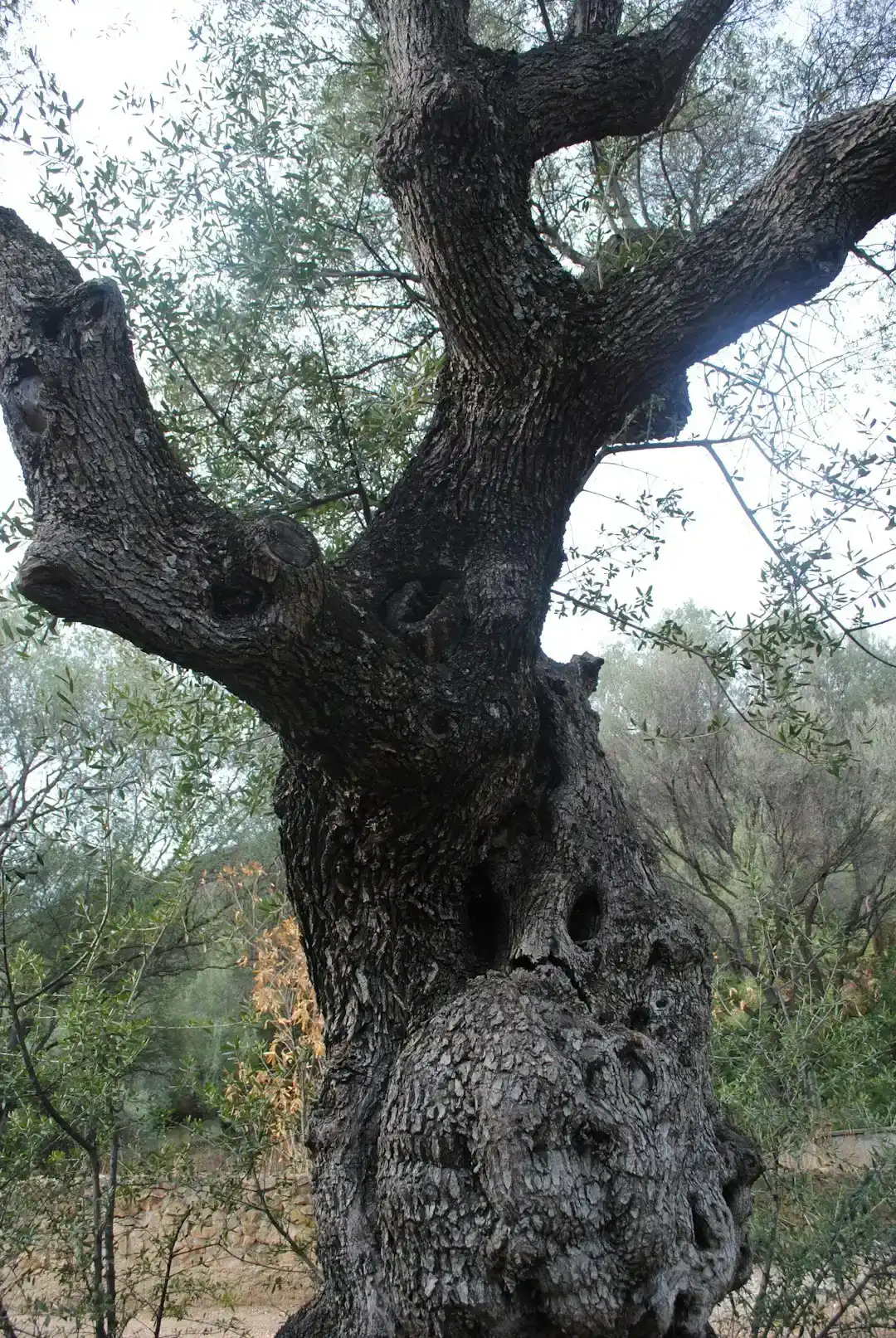
It is easy to feel distant from bristlecone pines on remote mountaintops or microbes buried beneath the seafloor, but everyday decisions can still influence their fate. Supporting conservation organizations that protect old-growth forests, long-term ecological research sites, and unique habitats is one direct path to helping. Learning which products come from unsustainably logged forests and choosing certified alternatives can reduce pressure on some of the last remaining stands of ancient trees. Even simple curiosity – visiting scientific outreach events, reading about new discoveries, or sharing well-sourced articles – helps keep public attention on these often overlooked elders of the biosphere.
For those who live near older forests, deserts, or coastal ecosystems, local citizen science projects can offer a hands-on way to contribute data on tree ages, species distribution, or ecosystem health. Teachers and parents can weave stories of ancient organisms into lessons and conversations, giving younger generations a sense of connection to timescales far beyond a human life. And in daily life, pushing for policies that address climate change, habitat loss, and pollution ultimately protects both modern and ancient beings. Caring about these longevity champions is not just about awe; it is a quiet commitment to sharing the planet respectfully with life forms that have been here far longer than we have.
Suhail Ahmed is a passionate digital professional and nature enthusiast with over 8 years of experience in content strategy, SEO, web development, and digital operations. Alongside his freelance journey, Suhail actively contributes to nature and wildlife platforms like Discover Wildlife, where he channels his curiosity for the planet into engaging, educational storytelling.
With a strong background in managing digital ecosystems — from ecommerce stores and WordPress websites to social media and automation — Suhail merges technical precision with creative insight. His content reflects a rare balance: SEO-friendly yet deeply human, data-informed yet emotionally resonant.
Driven by a love for discovery and storytelling, Suhail believes in using digital platforms to amplify causes that matter — especially those protecting Earth’s biodiversity and inspiring sustainable living. Whether he’s managing online projects or crafting wildlife content, his goal remains the same: to inform, inspire, and leave a positive digital footprint.