
Plants have survived five mass extinctions, outlasted entire civilizations, and quietly colonized some of the most hostile places on Earth. You might walk past a resilient plant every day without once registering just how extraordinary its existence really is. Some have been alive since ancient Rome; others can go completely dry for years and still spring back to life with a single drop of water.
What makes a plant truly resilient? It’s not just drought tolerance or a thick skin. The most remarkable species combine physical structure, chemical defenses, and behavioral adaptations that allow them to push far beyond what we’d expect from something rooted to one spot. These are ten of the most fascinating examples.
1. The Resurrection Plant Survives by Literally Playing Dead
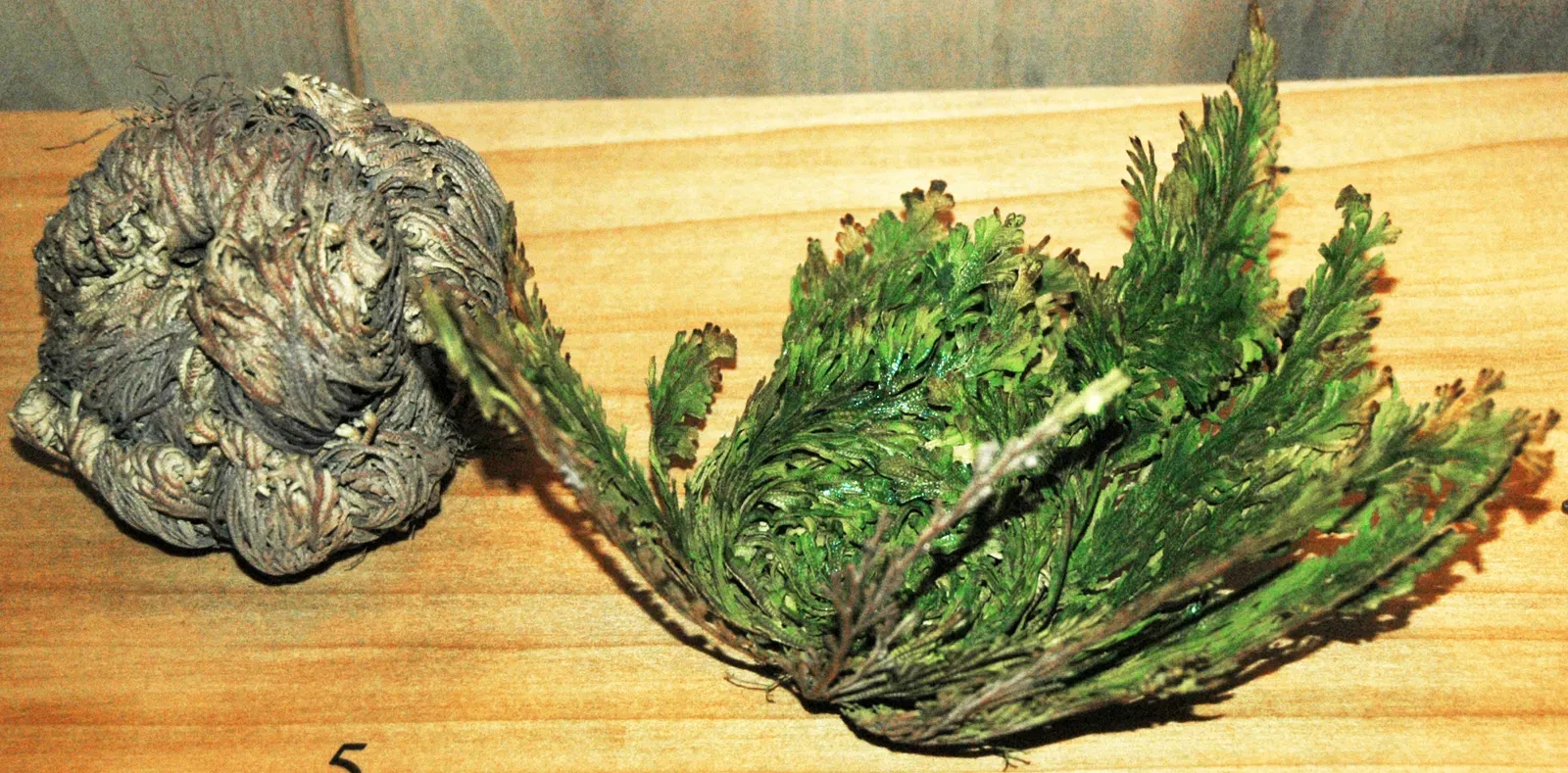
Selaginella lepidophylla is a true resurrection plant that can revive and regain metabolic function after a period of extreme desiccation. You’d be forgiven for tossing it in the trash when you first see it. It looks like a dead, brown ball of crumpled leaves with no sign of life whatsoever.
It deploys the physiological strategy of drying up and rolling inwards in the absence of water to form a ball, and can survive for up to several years, losing up to 95% of its moisture content without suffering damage. Place it in a shallow bowl of water, and within a few hours it unfurls back into a green, living rosette. A sugar called trehalose acts as a protective agent, preventing cellular damage by replacing water and stabilizing cellular structures during dormancy.
2. Welwitschia Grows Only Two Leaves for Its Entire Lifetime
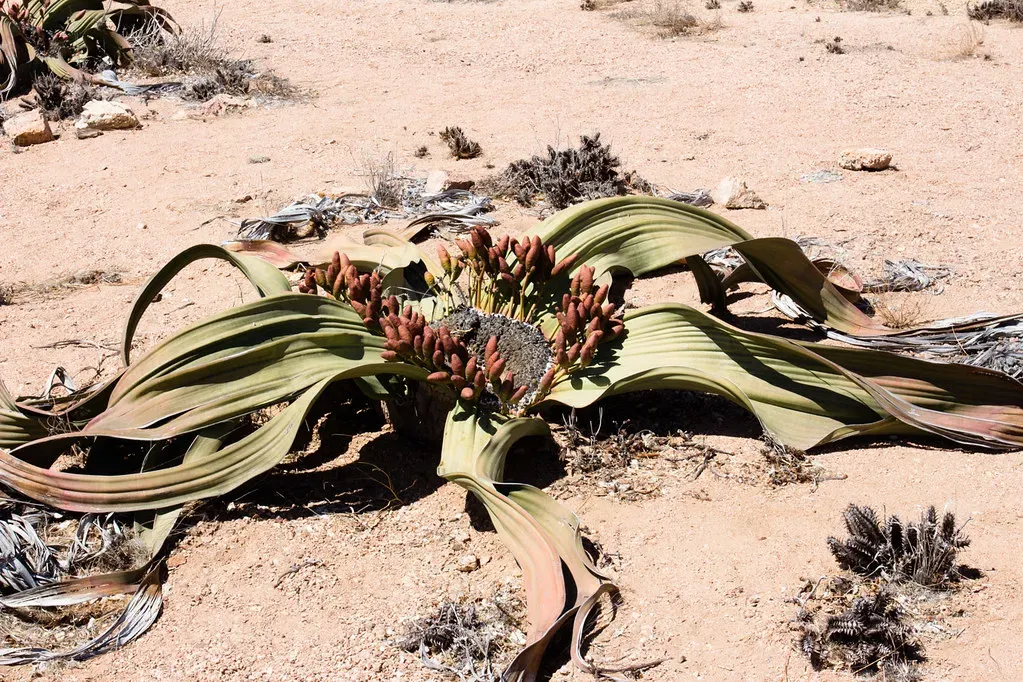
Welwitschia is a fascinating plant that can not only survive for several thousands of years, but it can do so in one of the most inhospitable environments on the planet, the Namib Desert. What you see when you spot one isn’t a tangle of many leaves; it’s just two, growing continuously from the same base since the plant first germinated.
Welwitschia mirabilis grows around 1 meter tall and is formed of two large leaves, a stem base, and a taproot. As the two wide, pale green, fleshy leaves grow, they split over time into multiple segments, making the plant appear to have many more leaves. The Afrikaans name for Welwitschia, “tweeblaarkanniedood,” means “two leaves that cannot die.” That name says it all.
3. The Baobab Tree Acts as a Living Water Tower
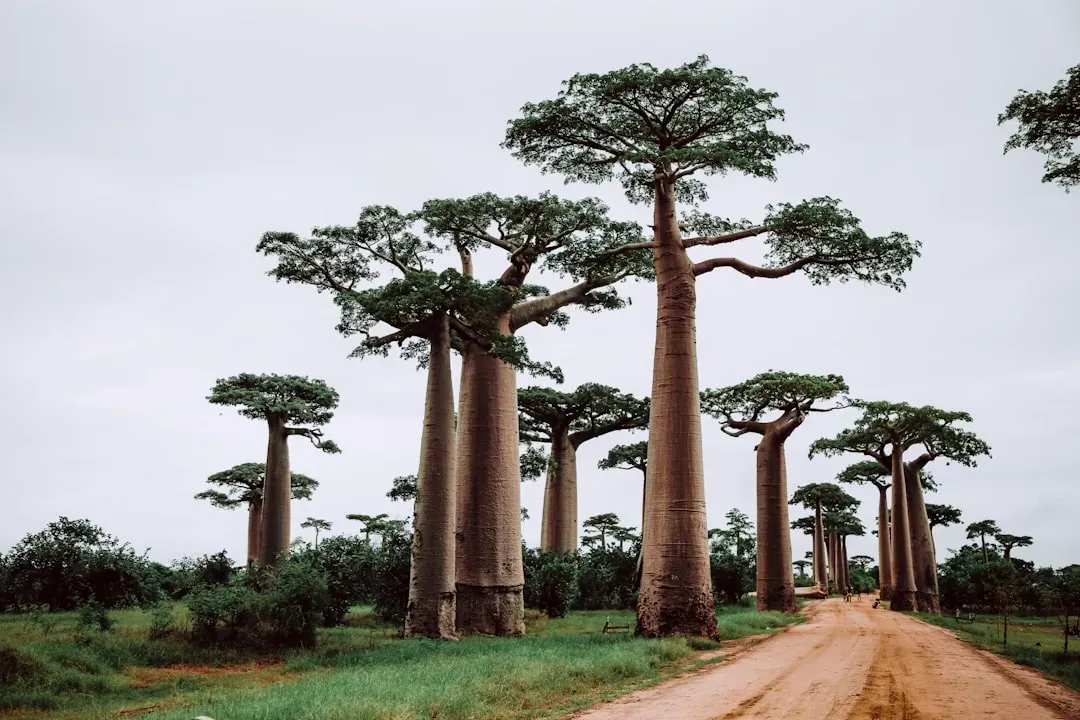
One of the most fascinating ecological marvels in the world is the baobab tree, which is indigenous primarily to Madagascar and mainland Africa. Colloquially known as the “Tree of Life,” these trees have adapted to store significant quantities of water within their enormous trunks to survive extreme drought conditions. The trunk’s swollen shape isn’t accidental. It’s a carefully evolved storage system.
During the rainy season, the baobab absorbs as much water as possible and stores it for the months of intense drought. Its somewhat massive shape, often compared to a bottle or a natural tank, also limits losses through evaporation. During severe dry seasons, baobabs often shed their leaves to minimize water loss through evaporation and to dedicate all remaining water to the tree’s vital parts. Some of these trees are believed to be over three thousand years old.
4. Aloe Vera Stores Water in Its Own Tissues Like an Internal Well
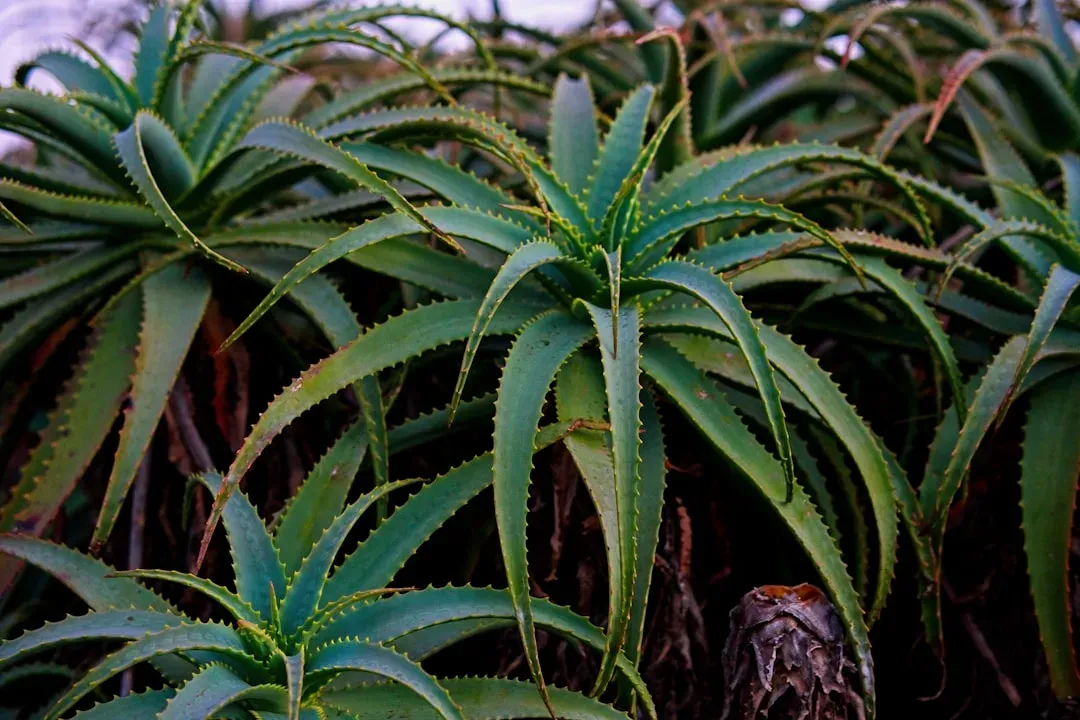
Aloes have specially developed adaptations to survive drought. Their thick waxy leaves are able to survive in harsh climates with little rain, as they have special water-storing tissues called parenchyma. You’ve probably used aloe vera gel on a sunburn without ever realizing you were using the plant’s own emergency water supply.
The grey-green leaves contain a colorless gel that is a popular ingredient in many skincare products to hydrate hair and skin. Scientists carry out research on Aloe vera and its close relatives, delving into aloe gel chemistry, leaf shape, genetics, and evolutionary relationships among Aloe species. The very quality that makes aloe so useful in commerce is the same mechanism that keeps it alive in cracked, dry soil when other plants have long given up.
5. Bamboo Grows So Fast You Can Almost Watch It Move
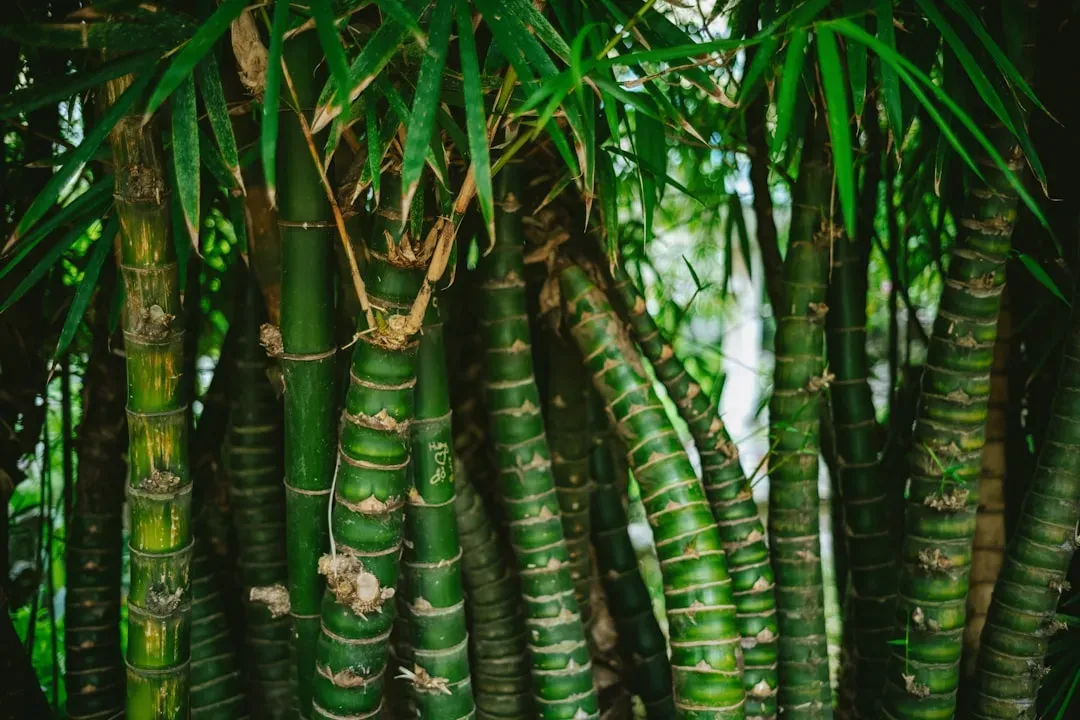
Bamboo is the fastest-growing plant, clocked at over 91 centimeters per day. That’s not a seasonal burst. That’s a measurable, consistent rate of growth that puts every other land plant to shame. Its resilience doesn’t come from enduring hardship but from an almost ridiculous capacity to outpace it.
Bamboo belongs to the grass family, and like all grasses, it regrows from the base rather than the tip. This means it can be cut, burned, or grazed down to the soil and return with barely a pause. Resilient plants broadly share three main traits: adaptability, drought tolerance, and pest resistance. These qualities allow them to survive irregular conditions, low light, and fluctuating temperatures. Bamboo checks every one of those boxes with room to spare.
6. The Saguaro Cactus Expands and Contracts Like an Accordion
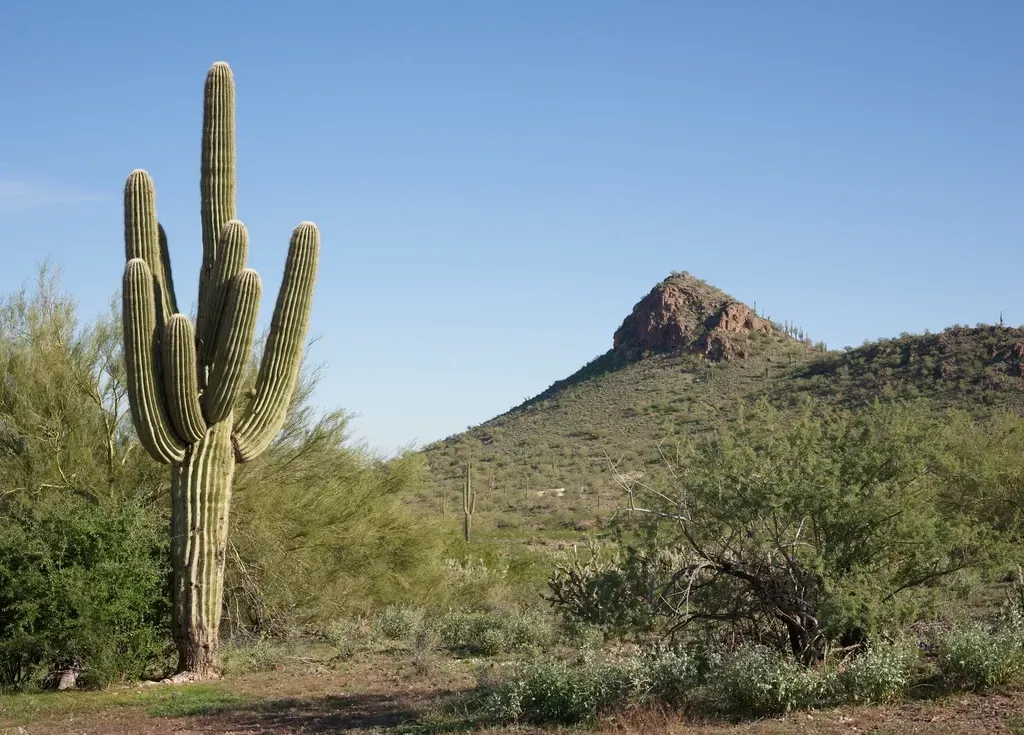
The Saguaro Cactus is a master of extreme weather survival. With the ability to store large quantities of liquid during rainy seasons, this giant cactus, which is endemic to the Sonoran Desert, can survive extended droughts. When you look at the ridged surface of a saguaro, you’re actually looking at a structural feature designed for exactly this purpose.
Its accordion-like pleats expand to absorb liquid and contract to store it. Additionally, its waxy skin prevents evaporation, allowing it to thrive in the desert heat. A full-grown saguaro can weigh several tons, much of that weight being stored water. They grow extraordinarily slowly, with many only reaching full height after decades, yet they can live for well over 150 years.
7. The Snake Plant Purifies Air While Tolerating Near Total Neglect
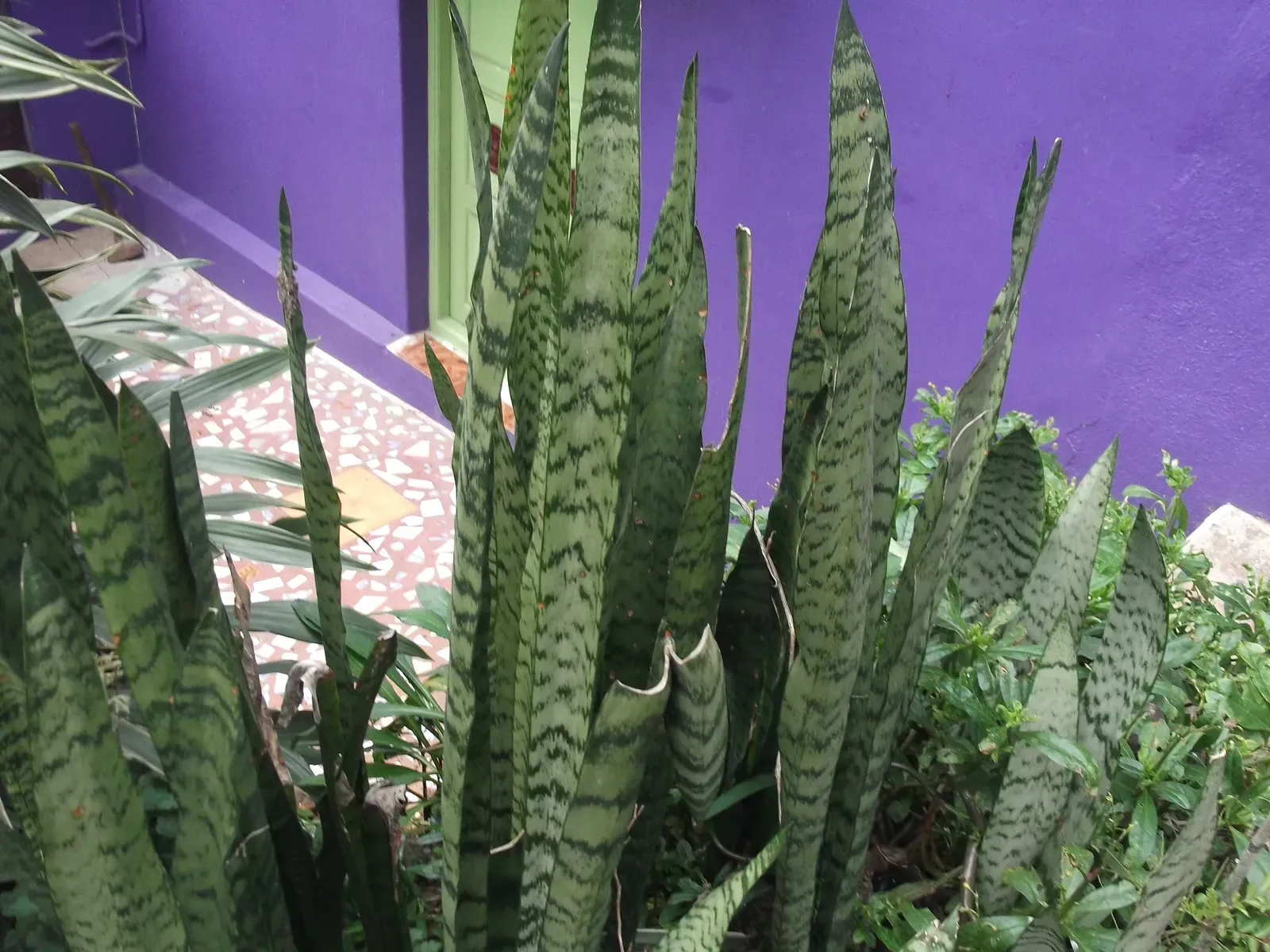
Snake plants have thick, upright leaves blushed with shades of yellow, white, or green. They have a mesmerizing tall, slim profile, making them ideal as indoor houseplants. You could leave one in a dim corner, forget to water it for a month, and come back to find it completely unaffected. Very few plants can match that kind of patience with human forgetfulness.
The Snake Plant is scientifically recognized for its ability to filter out common household toxins like formaldehyde and benzene, making your home healthier while requiring very little effort. One of the most resilient plants that can be grown indoors, the snake plant is native to Africa and can tolerate a wide range of conditions. It is a succulent, so it does not need a lot of water, and it can even tolerate low light levels.
8. Mangrove Trees Thrive Where the Land Meets the Sea
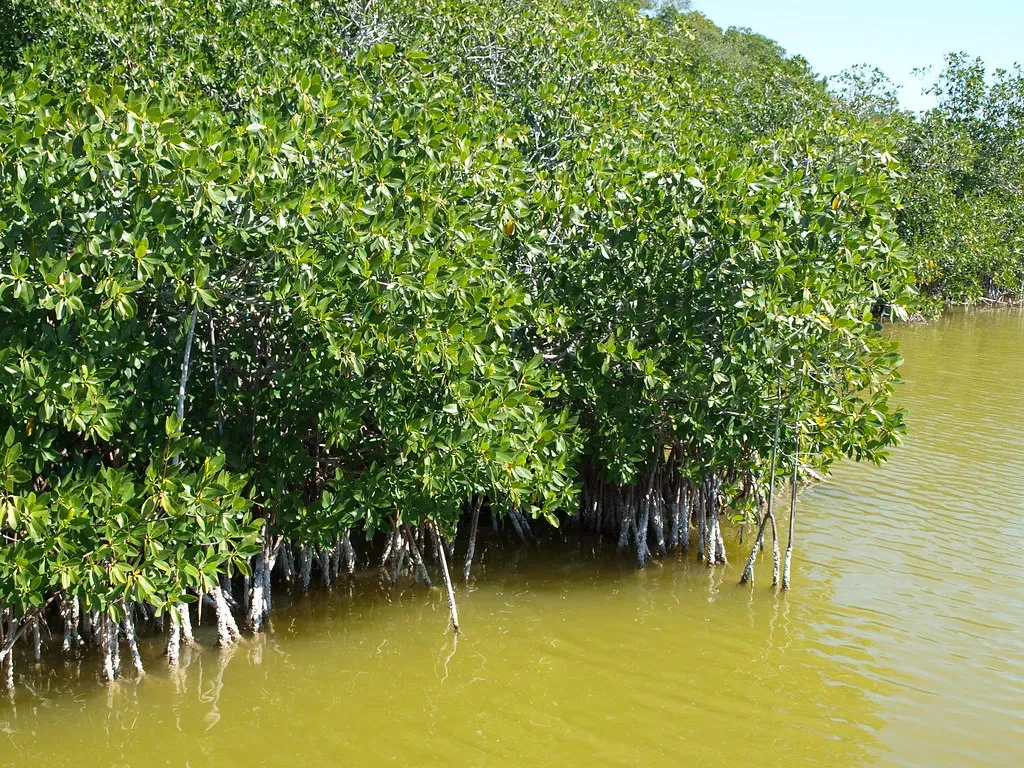
Thriving in the challenging interface between land and sea, mangrove trees have developed unique adaptations to salty, waterlogged soils. Their elaborate root systems not only stabilize coastal areas but also help them survive in saline conditions. Most plants would be dead within days in saltwater-saturated soil. Mangroves turn that same environment into a competitive advantage.
The roots of mangrove trees anchor them in the shifting sands and filter out salt, allowing the plant to extract fresh water from the saline environment. Additionally, some species can shed leaves during droughts to reduce the loss of liquid and conserve energy until more favorable conditions return. Their root systems also act as nurseries for marine life, making mangroves one of the most ecologically productive plant communities on the planet.
9. The ZZ Plant Stores Water Underground in Its Own Root System
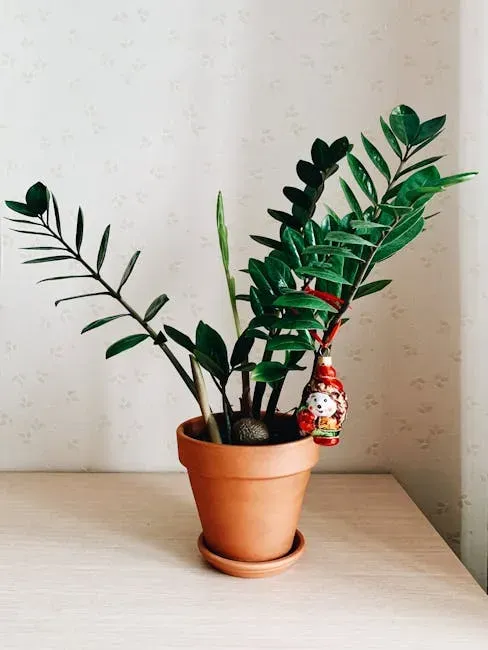
The ZZ plant is widely considered one of the easiest plants for beginners. With its waxy, deep green leaves, it looks sophisticated while requiring almost zero attention. According to horticultural experts, the ZZ plant stores water in its thick rhizomes, allowing it to withstand long periods of drought. The rhizomes are essentially underground water tanks that the plant taps into whenever conditions above ground turn difficult.
Zamioculcas plants are native to eastern Africa and can grow between 45 and 60 centimeters tall. The plant is normally evergreen but sheds its leaves during a drought, and amazingly survives due to the large rhizome stem particles that store water until rainfall resumes. This two-tier strategy, dropping leaves to cut losses while drawing on buried reserves, is a clever solution that works just as well on your windowsill as it does in the African savannah.
10. The Resurrection Plant’s Survival Secret Has Inspired Crop Science
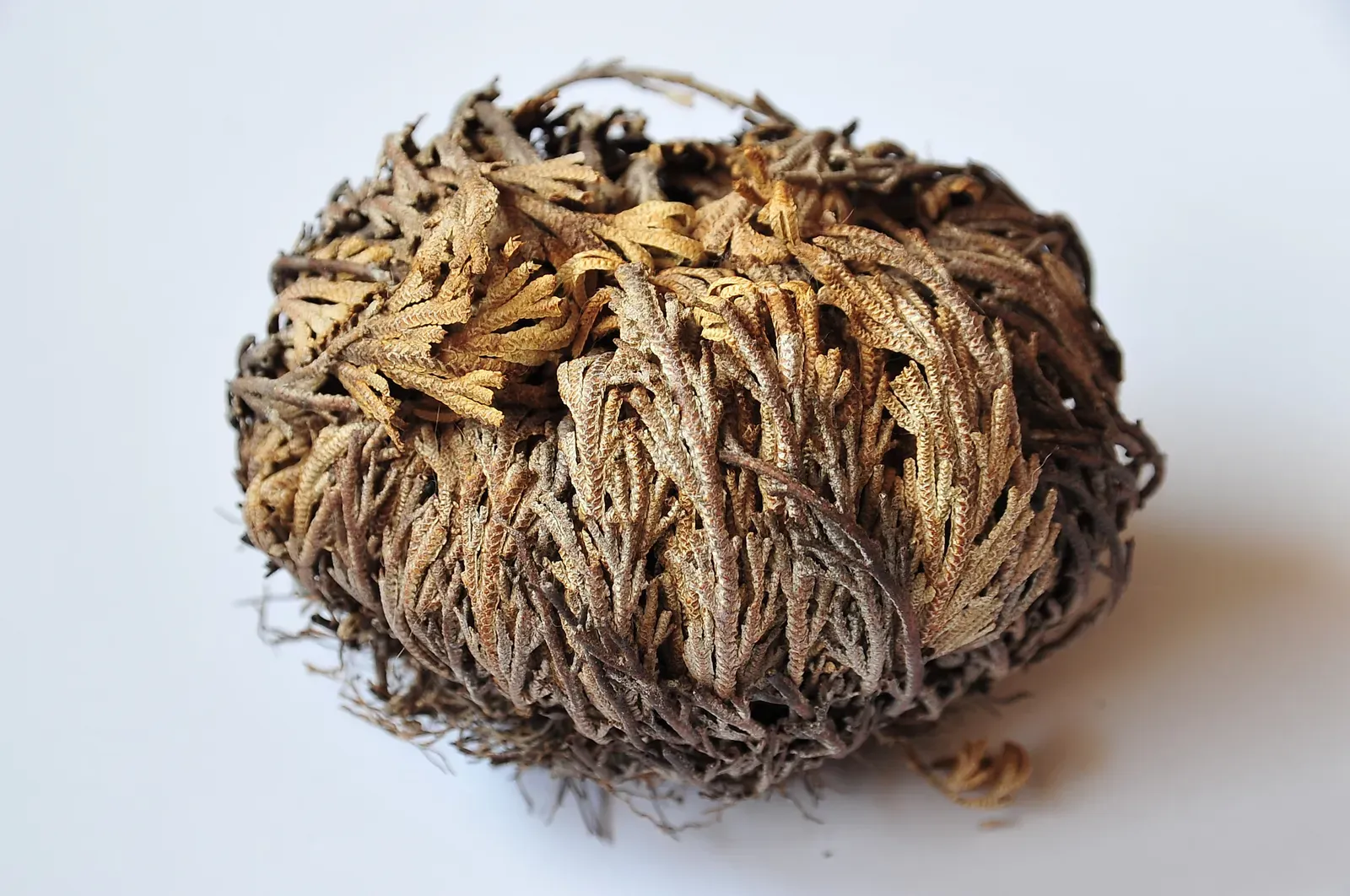
A resurrection plant is a plant that can survive extreme dehydration of its vegetative tissues and resume normal metabolic activity upon rehydration. These plants exhibit desiccation tolerance and are often described as poikilohydric, allowing them to lose more than 90% of their cellular water while remaining viable for extended periods, sometimes months or years. Scientists have spent considerable time studying exactly how they manage this feat.
The mechanisms underlying desiccation tolerance in resurrection plants have attracted interest for improving drought and desiccation tolerance in crop species. Research efforts have included attempts to transfer or activate desiccation tolerance pathways in crop plants. In a world where droughts are becoming more frequent and unpredictable, the molecular secrets buried inside these ancient, unassuming plants may one day help feed billions of people.
Conclusion
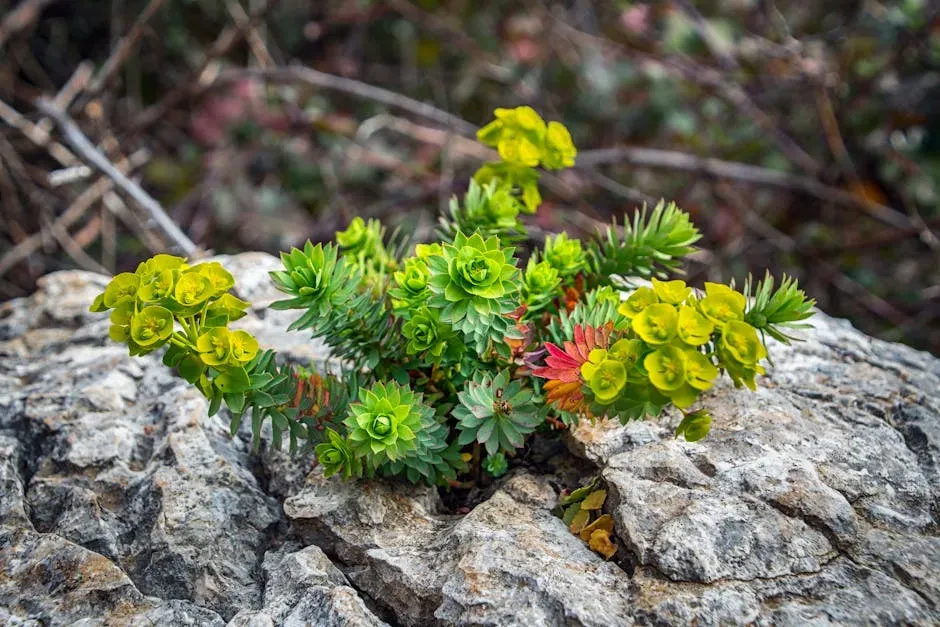
There’s something quietly humbling about these plants. They don’t need your attention. They don’t ask for ideal conditions. They’ve been refining their survival strategies for millions of years, and they’re remarkably good at it. From a desert floor in Namibia to the coastal salt marshes of the tropics, resilience in the plant world isn’t one thing. It’s dozens of different solutions to the same hard question: how do you keep living when everything around you is trying to make you stop?
The more you understand these plants, the harder it is to take them for granted. Whether it’s the Welwitschia’s two-leaf patience or the resurrection plant’s almost theatrical comeback from apparent death, each of them is a reminder that life, given enough time, finds a way through almost anything.