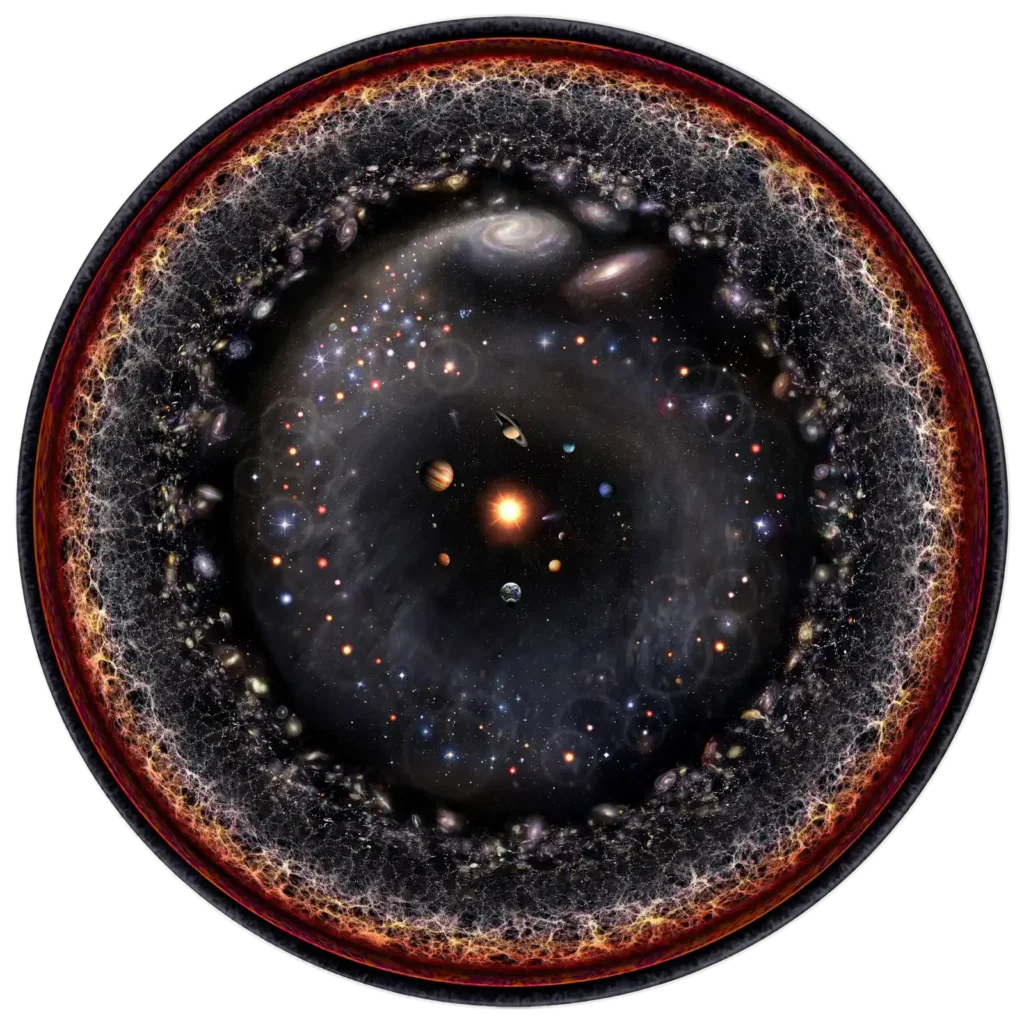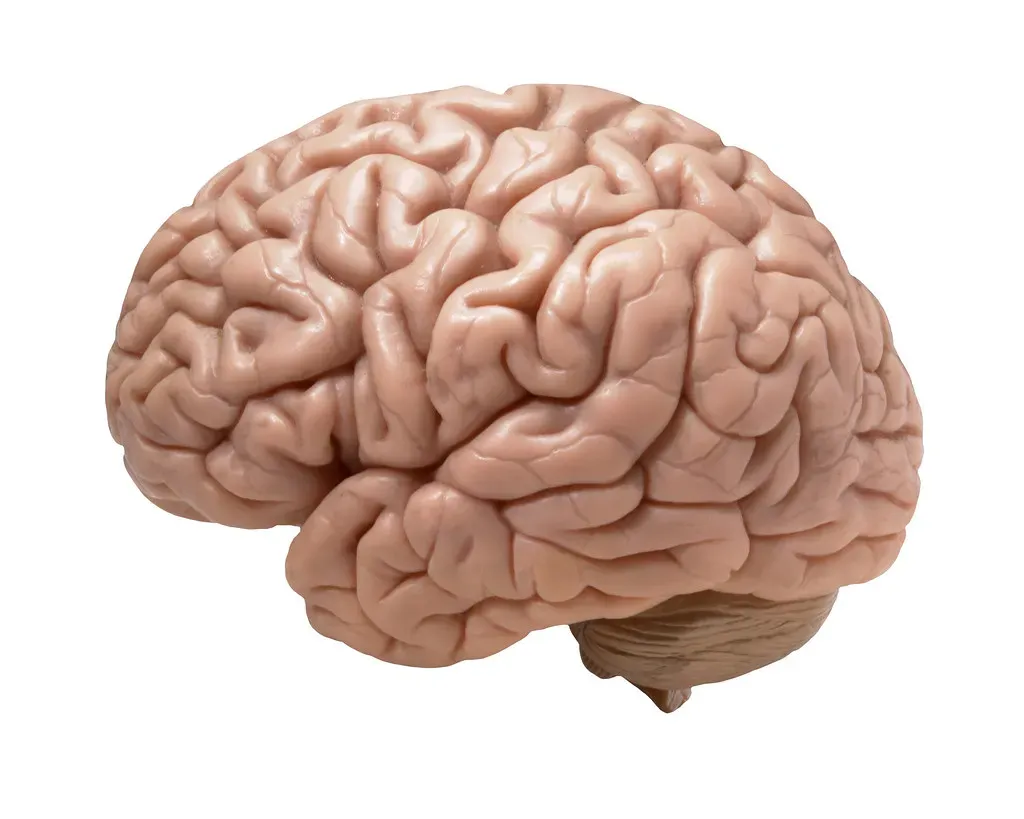

There’s a three-pound structure sitting inside your skull that controls everything you think, feel, dream, and remember – and neuroscience is only beginning to understand what it’s truly capable of. Most people know the basics: the brain is important, it needs sleep, and you should probably protect it. What’s far less talked about is how many remarkable things your brain does without your knowledge or conscious instruction.
From quietly emitting light to rebuilding itself after injury, the human brain operates on a level of complexity that continues to surprise researchers. Your brain has 86 billion neurons connected by roughly 100 trillion synapses, making it one of the most complex objects in the known universe. The deeper scientists look, the stranger and more impressive the picture becomes.
1. Your Brain Literally Glows
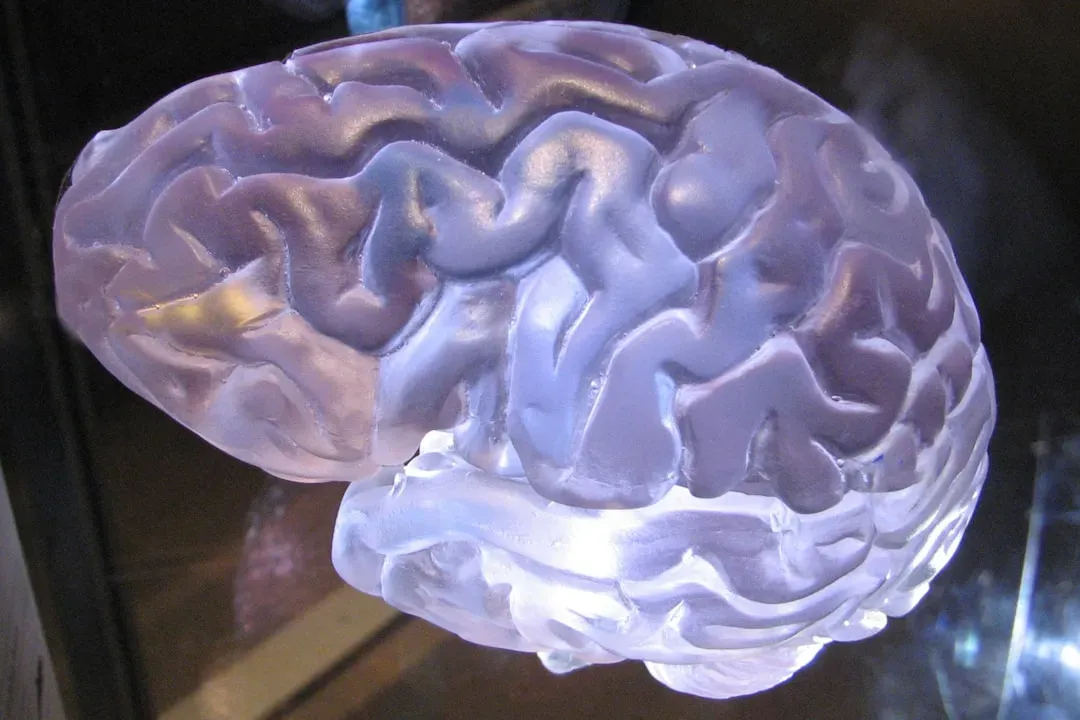
In a phenomenon scientists refer to as ultraweak photon emissions, living tissues emit a continuous stream of low-intensity light, or biophotons. Scientists think that this light comes from the biomolecular reactions that generate energy, which create photons as byproducts. The more energy a tissue burns, the more light it gives off – which means, of your body’s tissues, your brain should glow brightest of all.
In a study published in the journal iScience, researchers detected biophotons emitted by the human brain from outside the skull for the first time. Emissions of biophotons from the brain changed when participants switched between different cognitive tasks, though the relationship between brain activity and biophoton emissions was far from straightforward. Whether this glow plays a functional role in how your brain processes information remains an open and genuinely exciting question for researchers.
2. You Can Grow New Brain Cells as an Adult
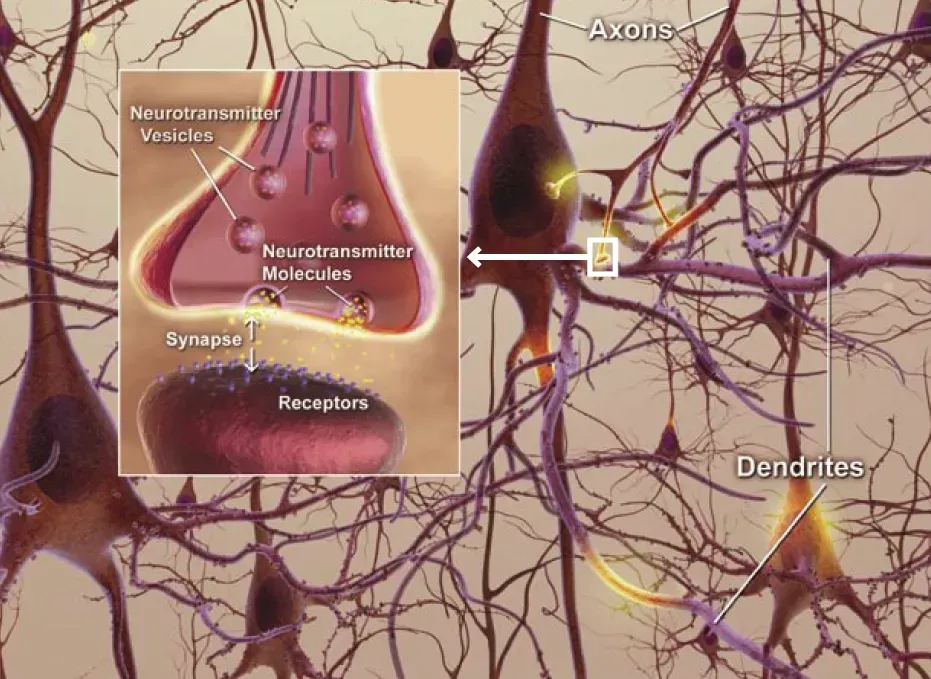
Neuroscientists long believed that you’re born with all of the neurons you’ll ever have. Evidence has slowly accumulated to suggest that adults can form new neurons, a process called neurogenesis. This was once considered impossible, and the scientific community held firm to that assumption for decades.
Researchers discovered newly formed neurons and the precursor cells that birthed them in the brains of adults, some as old as age 78. Neurogenesis of brain cells can take place in certain locations of the brain, such as the hippocampus, the olfactory bulb, and the cerebellum. Your brain, in other words, isn’t a finished product – it retains a quiet capacity for renewal throughout your entire life.
3. Your Brain Rewires Itself Through Experience
Neuroplasticity refers to the brain’s ability to reorganize and rewire its neural connections, enabling it to adapt and function in ways that differ from its prior state. This process can occur in response to learning new skills, experiencing environmental changes, and recovering from injuries. It’s one of the most striking discoveries in modern brain science, and its implications touch everything from education to rehabilitation medicine.
Your brain changes most reliably in response to repeated, focused and meaningful engagement that requires attention, effort and feedback. Passive exposure to information has far less impact. The brain adapts to repeated experiences whether those experiences are helpful or harmful. This helps explain why conditions such as chronic pain, anxiety disorders and addiction can become self-reinforcing. Neuroplasticity, in that sense, is completely neutral – it will shape itself around whatever you consistently do or think.
4. Your Brain Reuses Mental “Building Blocks” to Learn Faster
Princeton researchers found that the brain excels at learning because it reuses modular “cognitive blocks” across many tasks. The prefrontal cortex assembles these blocks like Legos to create new behaviors. This flexibility explains why humans learn quickly while AI models often forget old skills.
The human brain repeatedly reuses the same cognitive “blocks” across many different situations, combining and recombining them to form new patterns of behavior. Many neurological and psychiatric conditions, including schizophrenia, obsessive-compulsive disorder, and some forms of brain injury, can make it difficult for people to apply existing skills in new situations. These problems may arise when the brain can no longer smoothly recombine its cognitive building blocks. Understanding this mechanism is opening new possibilities for both clinical treatment and the design of more adaptive artificial intelligence systems.
5. Your Brain Consolidates Memories While You Sleep
During consolidation, a process that researchers think occurs during sleep, particularly slow-wave sleep, encoded sequences are integrated by chemical connections into new and existing neuronal knowledge networks and filed for long-term storage in the neocortex. That means sleep is essential for episodic memory formation, and likely for most types of memory formation.
Memory consolidation is closely tied to sleep, especially during REM cycles. During sleep, the hippocampus repeatedly replays daily experiences, strengthening neural connections in the cortex. Sleep may also give the brain time to make space for new memories by removing or reducing the strength of neural links tied to memories that are no longer useful. When you skip sleep, you’re not just tired – you’re actively interfering with your brain’s nightly filing system.
6. Your Brain Operates a Natural Anti-Inflammation System
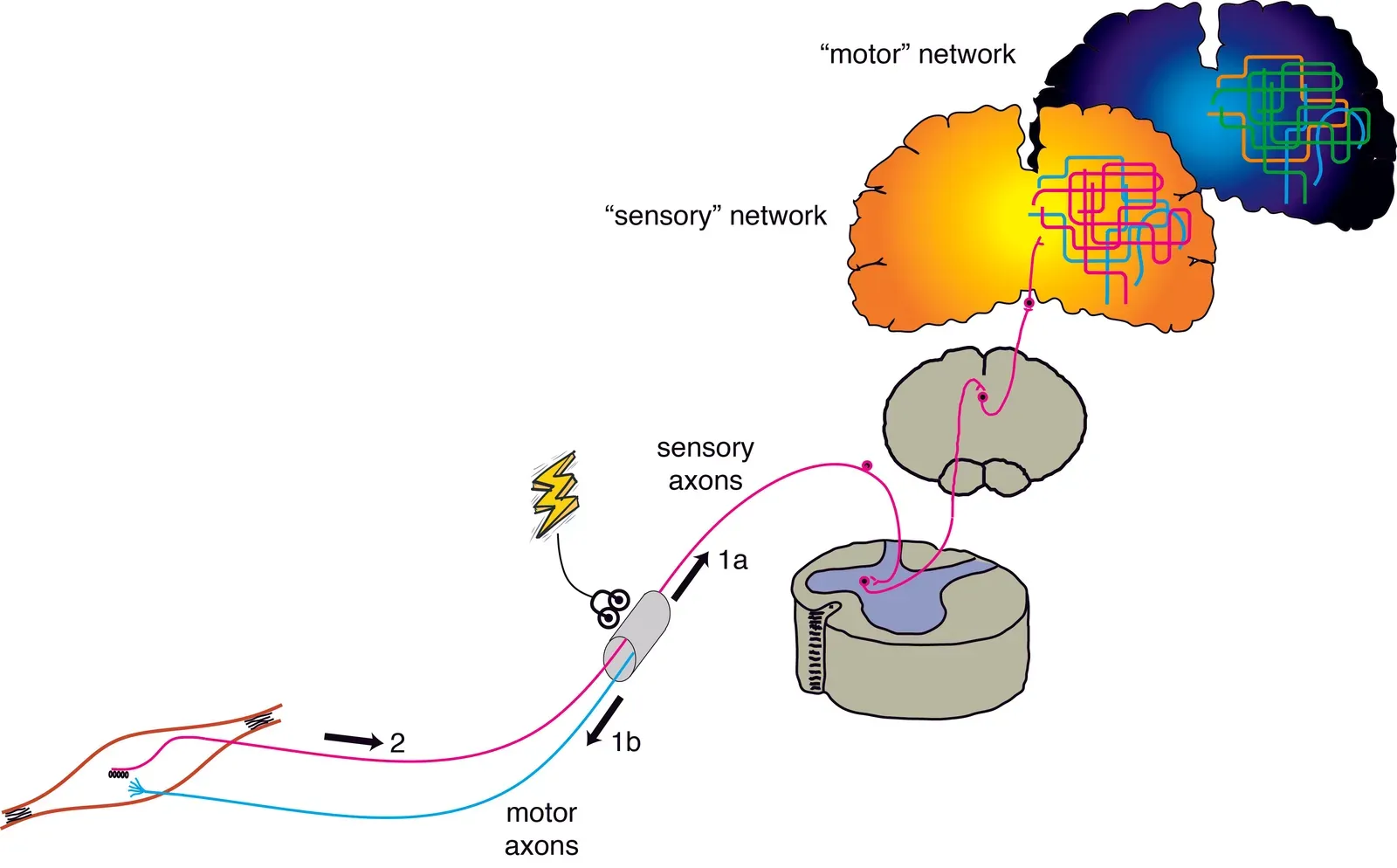
A newly characterized neural circuit enables the brain to sense and monitor inflammatory responses in the body, and in turn shape the course of the immune reaction. The primary highway for this communication is the vagus nerve, a remarkable strand of neural tissue that connects your brain to nearly every major organ.
When the nerve’s afferent fibers bring news of dangerous inflammation in the body, the brain sends signals back down the efferent pathways. These orders prompt the release of acetylcholine in the spleen, where immune cells reside. Acetylcholine prompts white blood cells called macrophages to reduce their production of proinflammatory cytokines. Recent studies have found that stimulating the vagus nerve can inhibit inflammation, promote neuroprotection, help maintain the integrity of the blood-brain barrier, and even transmit signals from the gut flora to the brain. Your brain, it turns out, is a direct participant in managing your body’s inflammatory state.
7. Your Brain’s Storage Capacity Is Virtually Unlimited
Your brain’s storage capacity is considered virtually unlimited. It doesn’t get “used up” like RAM in a computer. This surprises people who worry about overloading their memory with too much information – the brain simply doesn’t work that way.
The latest research shows that the brain’s memory capacity is in the petabyte range. A petabyte is a quadrillion bytes. This is about the same amount needed to store the entire internet. Every second, the brain performs up to a quadrillion synaptic operations, with signals traveling as fast as 100 meters per second along myelinated axons. The real bottleneck in human memory is rarely capacity – it’s attention, encoding, and the quality of sleep that follows.
8. Your Brain Runs Mostly on Subconscious Autopilot
While you’re awake, your subconscious mind is tirelessly working in the background, organizing, filtering, and analyzing information that doesn’t require your direct focus. This hidden powerhouse enables you to function on autopilot for things like driving, brushing your teeth, or even recognizing faces. While you consciously focus on big decisions, your subconscious mind is sorting out millions of details on its own.
According to the Laboratory of Neuro Imaging at the University of Southern California, the average brain generates 48.6 thoughts per minute, adding up to a total of roughly 70,000 thoughts per day. The vast majority of that mental activity takes place well below the surface of your awareness. Your conscious mind is, in a very real sense, just one small layer of a much larger operation.
9. Your Brain Is an Energy-Intensive Prediction Machine
Despite its small size, the brain generates about 20 watts of electrical power and processes vast amounts of information every second. That’s roughly the same wattage as a basic LED bulb – remarkable for an organ that represents only about two percent of your body’s total weight.
The brain receives about fifteen percent of total blood flow, translating to roughly 750 milliliters per minute, ensuring neurons can fire without interruption. Neuroscience research now shows that intelligence, memory, and emotional regulation are not fixed traits but dynamic processes influenced by sleep, nutrition, learning, and environment. Rather than passively processing reality, your brain is constantly running predictive models, comparing incoming information against what it expects and updating those models based on what it encounters.
10. Your Brain’s Development Continues Well Into Adulthood
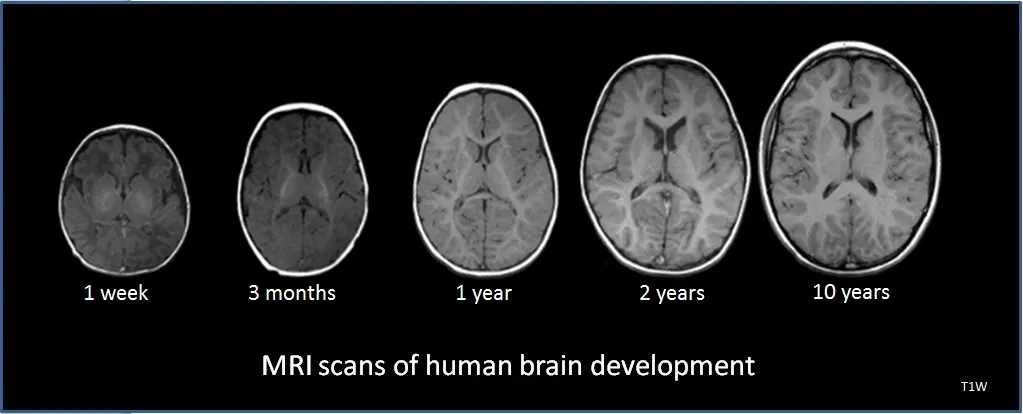
Your brain isn’t fully formed until age 25. Brain development begins from the back of the brain and works its way to the front. As a result, your frontal lobes, which control planning and reasoning, are the last to strengthen and structure connections. This is a fact with real-world consequences, since many critical decisions are made well before this development is complete.
Recent human brain studies reveal a structure that is not fixed but constantly changing, rewiring itself in response to learning, injury, and age. Advances in imaging, genetics, and artificial intelligence have pushed brain science forward at a pace unseen before. As human brain studies continue to integrate AI, genetics, and high-resolution imaging, future therapies will likely focus on precision rather than broad treatment. Protecting brain health early and supporting adaptability later may become central to healthcare. The brain never fully stops developing, and that’s not a limitation – it’s one of its greatest strengths.
Conclusion: A System Still Full of Surprises
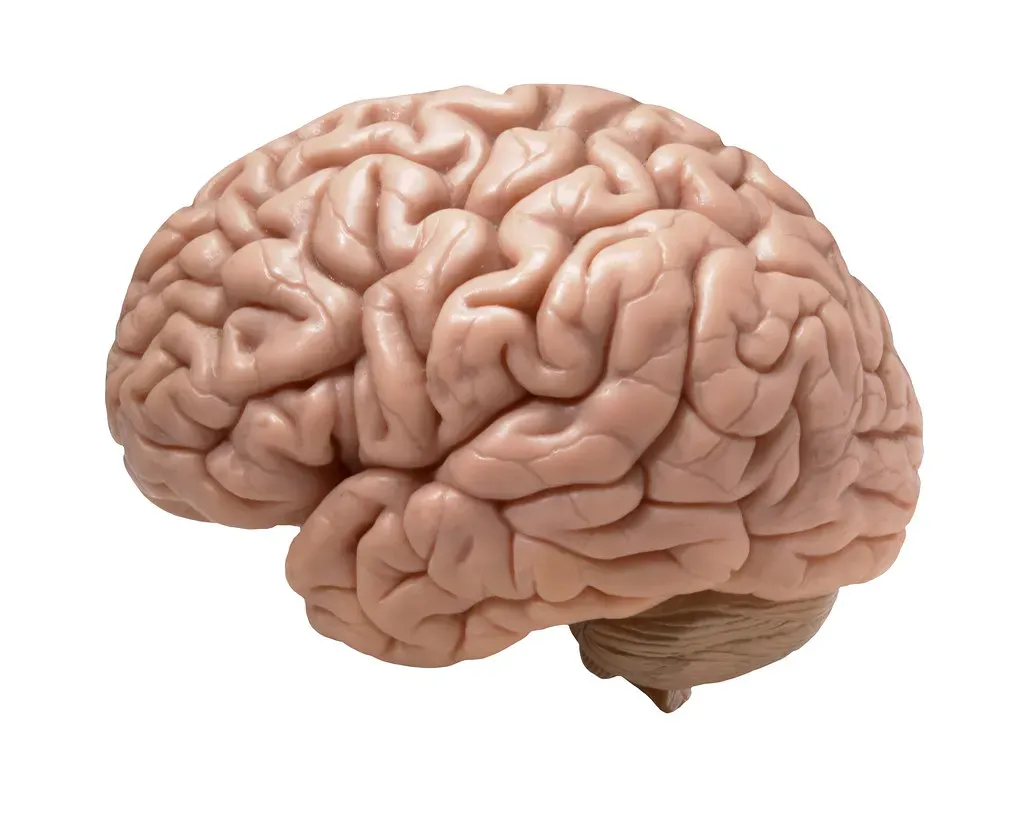
The human brain is not simply a biological computer. It glows, rewires, predicts, defends the body against inflammation, and keeps filing memories long after you’ve fallen asleep. Each of these abilities represents years of careful scientific investigation, and each one suggests that the organ most people take for granted is operating on a scale and with a sophistication that remains genuinely humbling.
These discoveries are not just scientific milestones – they redefine how we understand being human. The more you understand about how your brain actually works, the more you realize that taking care of it – through sleep, learning, physical activity, and stress management – is one of the most practical investments you can make. Your brain is already doing extraordinary things. The question is simply whether you’re giving it the conditions to keep doing them.